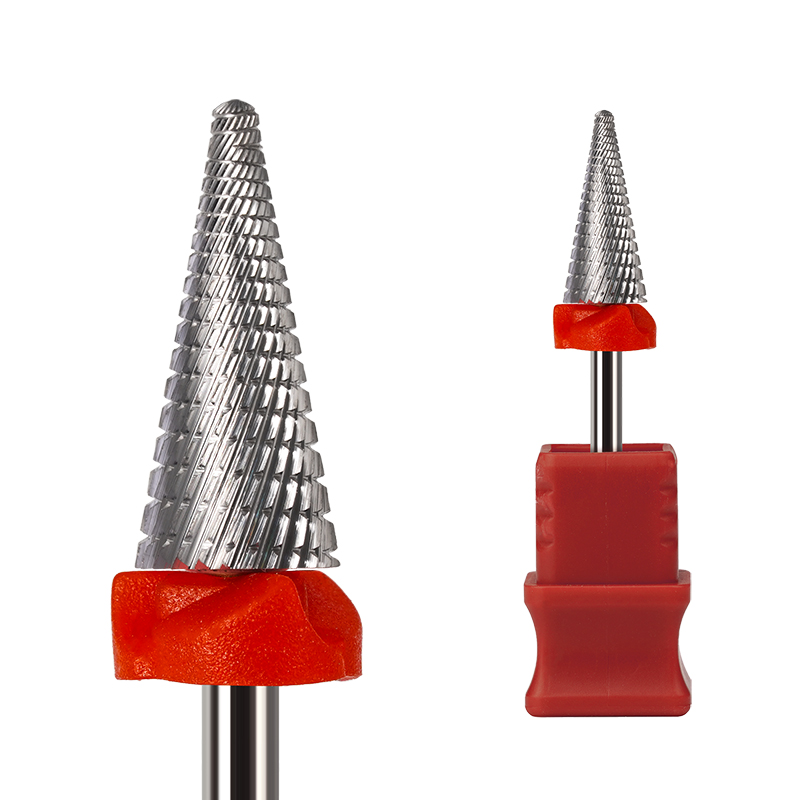
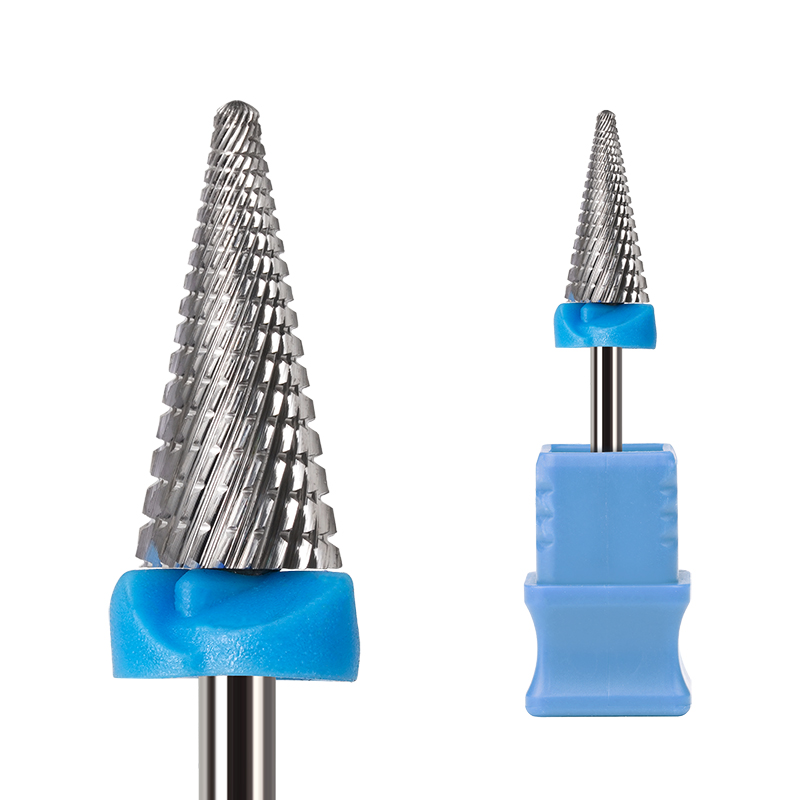
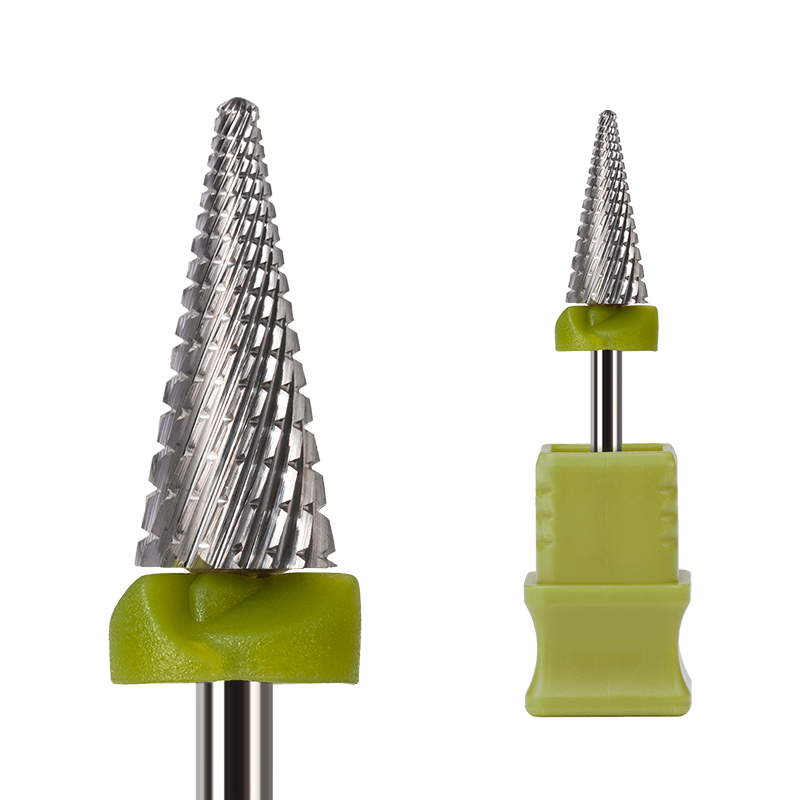
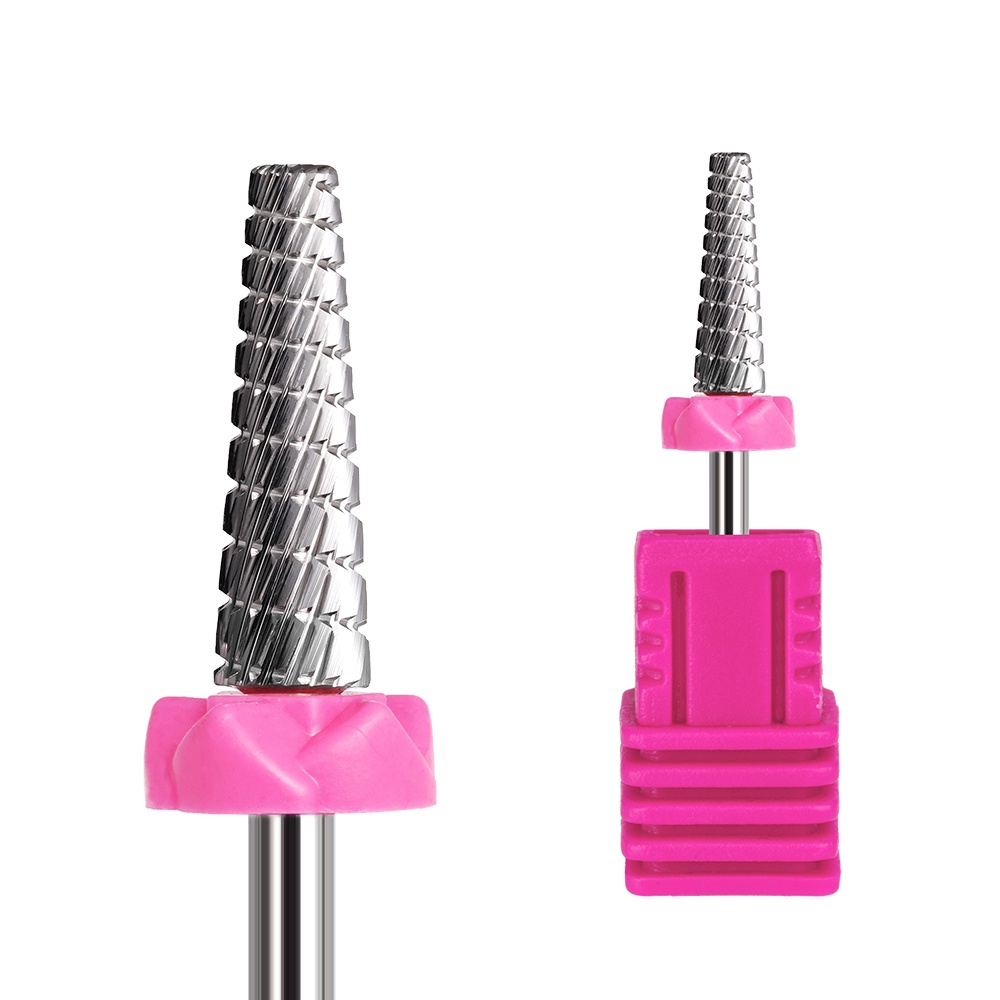
An electric nail file usually overheats with certain bits because the bit, the speed, and the pressure are no longer working as one system. Heat builds when friction rises faster than the handpiece can release it. In practice, that often comes from a bit that is too coarse for the surface, too large for the selected RPM, poorly balanced, clogged with dust, or simply made from a material that cuts inefficiently under the current working condition.
The first thing to understand is that overheating does not always mean the motor itself is defective. A handpiece may run normally with one bit and become hot within minutes with another. That pattern points to load change. The machine is reacting to resistance at the bit. If the resistance stays high, the bearing area, shaft, and internal motor windings may all warm up. The bit can also become hot on its own, and that heat transfers into the collet and handpiece nose.
Bit material changes the amount of friction
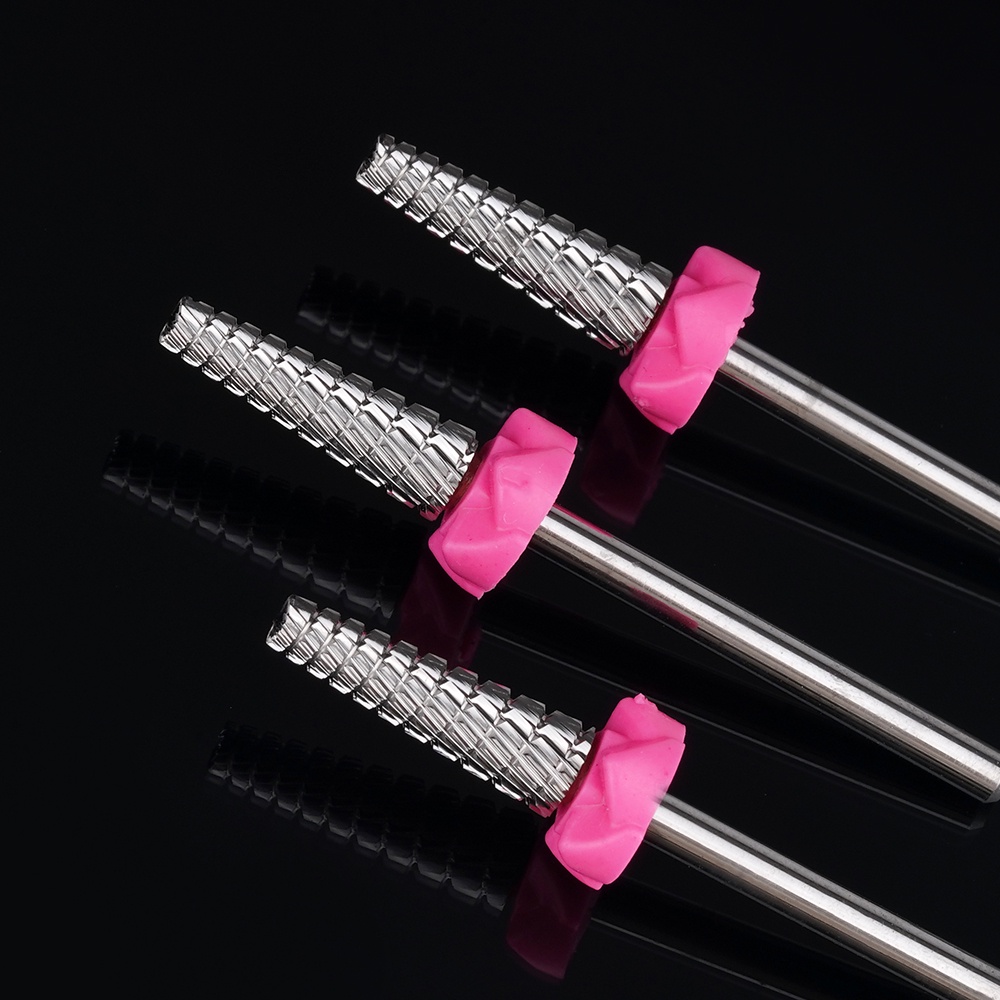
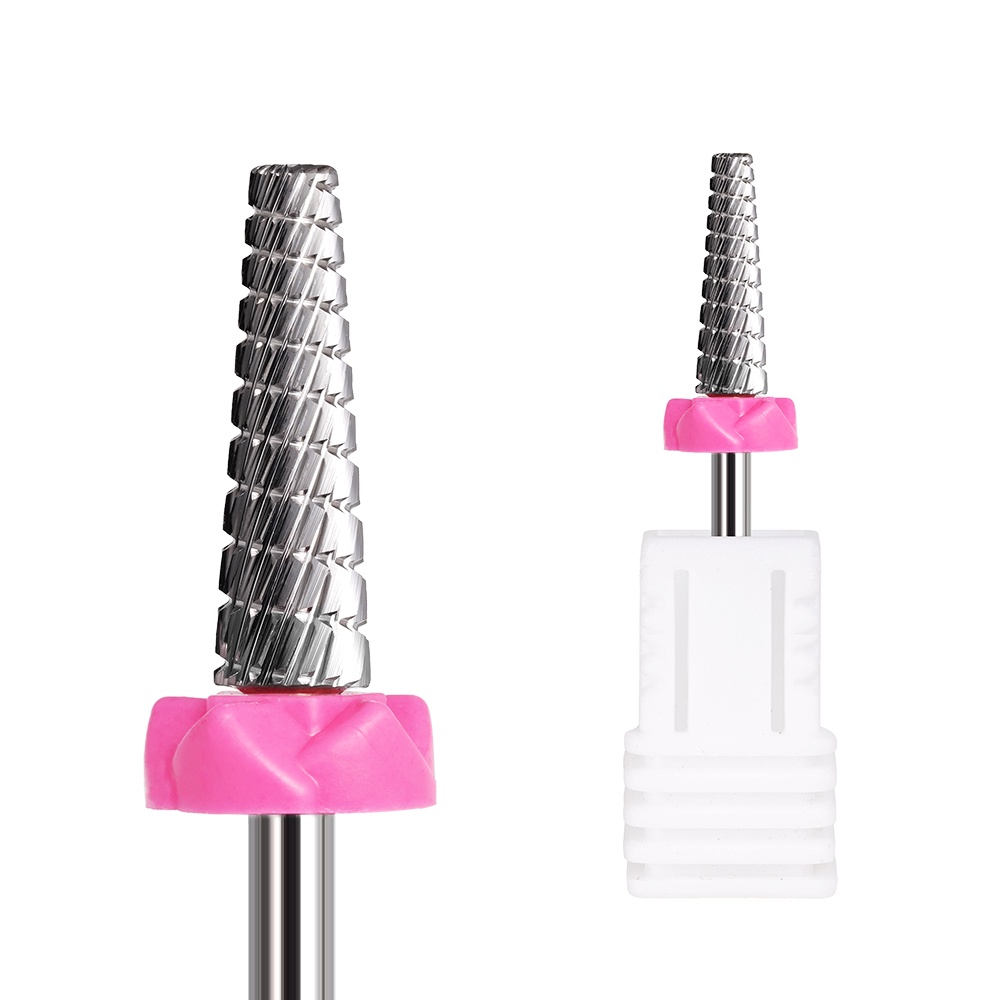
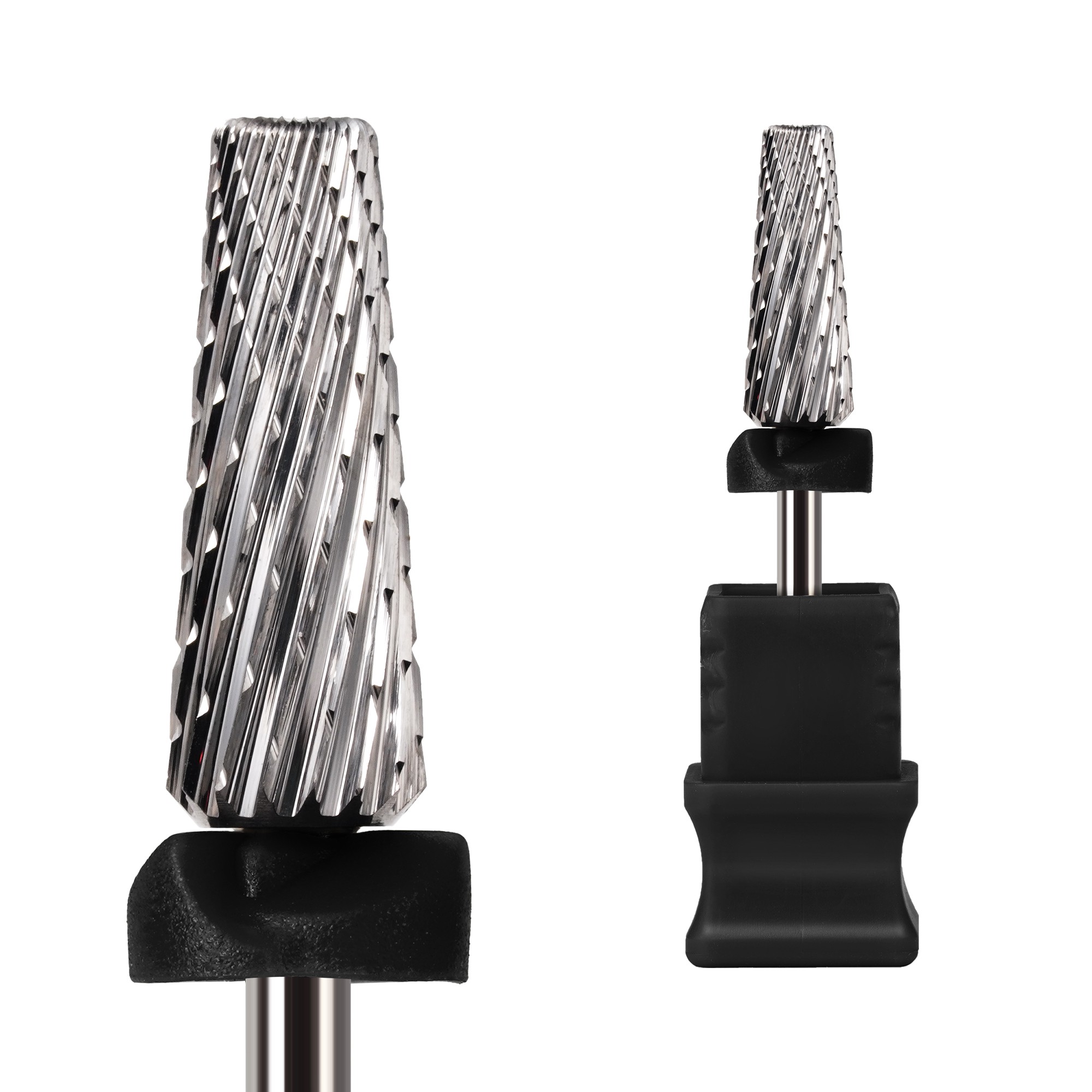
Different nail bits remove product in different ways. A carbide bit cuts by fluting and chip evacuation. A diamond bit works more by abrasion across many small cutting points. A ceramic bit may run cooler in some services because it can reduce drag, but that depends heavily on flute geometry, product hardness, and whether dust clears properly. If the bit material is wrong for the coating being removed, the tool can start rubbing instead of cutting, and rubbing creates heat very quickly.
This is one reason the question Why does my electric nail file overheat with certain bits often has no single answer. A bit that behaves well on soft gel may perform badly on hard acrylic residue. A fine diamond barrel may be acceptable for refining, yet become hot if used for bulk removal. A carbide bit intended for product takeoff may chatter or drag if the coating is thin and the pressure is inconsistent. Heat comes from mismatch as much as from quality.
Bit diameter and mass matter more than many expect
Larger bits create a wider contact path. That can be useful for coverage, but it also increases the chance of excess friction if speed and hand movement are not adjusted. A heavy bit has more rotational mass. If the handpiece is a lower-torque model, a heavy or oversized bit can make the motor work harder at startup and under contact. This does not always show as immediate stalling. Sometimes the first symptom is a warm handpiece, then vibration, then a noticeable drop in cutting smoothness.
Small detail bits can also cause trouble. Their narrow working area encourages lingering in one spot. If the abrasive surface stays in contact too long, local heat rises at the bit tip and transfers back into the shank. This is especially common during cuticle-area refining, under-nail cleaning, or sidewall work when the angle is too steep.
RPM that is too high or too low can both cause heat
Many people assume overheating always comes from excessive speed. High RPM can absolutely raise temperature, especially when a coarse bit is pressed hard against a resistant surface. But speed that is too low may be just as problematic. When RPM is too low for the bit design, the flutes or abrasive surface may fail to cut cleanly. The bit starts dragging, skips through the product, and the handpiece compensates under load. That creates a dull, resistant feel and a surprising amount of heat.
A practical way to read the problem is by the debris pattern. If the bit produces fine dust when it should be lifting chips, the cut may be too shallow or too slow. If material smears, melts, or sticks, speed may be wrong for the product, or pressure may be too high. If the handpiece sounds strained even before it gets hot, the chosen bit may exceed what the e-file can comfortably drive at that setting.
Pressure and dwell time are often the real trigger
An abrasive tool cuts best when the bit is allowed to do the work. Excess downward force increases surface contact, blocks chip removal, and makes the bit skate or dig rather than cut evenly. Once dust packs into the flutes or coats the abrasive surface, friction climbs again. The result is cumulative heating: the bit gets warmer, the collet gets warmer, and then the front of the handpiece starts feeling hot in the fingers.
Dwell time matters just as much. Remaining on one spot for even a short extra moment can raise local temperature sharply, especially on hard overlays, dense builder gel, or compacted acrylic. The machine may seem strong enough to handle it, but heat does not care whether the motor still spins. It builds where contact is concentrated.
Clogging turns a cutting tool into a polishing surface
One common misread is assuming a bit is worn out when it is simply packed. Fine dust from gel, acrylic, dip powder, or natural nail debris can lodge between cutting edges or embed into diamond grit. Once that happens, the bit stops clearing material efficiently. Instead of removing product, it smooths and compresses it. That is a direct path to overheating.
Cleaning methods affect this more than expected. If residue stays inside the flute valleys after routine brushing, the bit may need a deeper cleaning process that matches its material. Incomplete drying after cleaning can also trap fine particles, and repeated cycles leave a stubborn film. When a bit suddenly starts running hotter than before, contamination should be considered before assuming the motor has aged.
Bit shank tolerance and collet fit can create hidden friction
Not every overheating complaint begins at the abrasive head. The 3/32" shank standard is common, but actual tolerance, finish quality, and straightness can vary. If a shank is slightly oversized, rough, nicked, or bent, insertion may feel tight and rotation may become less stable. The collet has to grip harder, and tiny misalignment under high RPM can create vibration and heat near the front bearing area.
This is also where sourcing and processing quality matter. A bit can look acceptable at a glance while carrying small machining burrs or surface inconsistency on the shank. During packing and transport, inadequate protection may allow bits to knock against each other and develop subtle damage that is not obvious until installed. If overheating appears only with a specific batch or style, dimensional consistency is worth examining.
Balance and concentricity affect temperature as much as comfort
A bit that is off-center does more than vibrate. It creates cyclical load as it rotates, and the handpiece has to absorb that instability constantly. Even slight eccentricity can increase bearing stress, especially during long sessions. The bit may still remove material, but the machine runs less efficiently and produces more heat over time.
Signs of poor concentricity include a visible wobble, a harsher sound at speed, uneven scratch marks, and heat that appears faster than normal even with light pressure. This can come from manufacturing variation, impact during handling, worn collet components, or inserting the bit before dust has been cleared from the chuck.
Direction of rotation and cut pattern also change load
Some bits are directional. Using a right-hand cut bit in reverse, or a left-hand cut bit in forward rotation, can reduce cutting efficiency and increase drag. The tool may still seem to work, but the cutting edge is no longer engaging as intended. That raises resistance, especially on thicker product removal. Cross-cut and safety-top designs can be more forgiving, yet they still have an optimal operating direction and angle.
The contact angle matters as well. If the bit is presented too flat, too much of the abrasive surface touches at once. If it is too upright, the edge can bite and stall. In either case the machine sees unstable resistance, and unstable resistance often shows up as heat before failure.
When the handpiece itself is the limiting factor
Some e-files handle broad torque swings better than others. A high-resistance bit may be fully acceptable on one handpiece and troublesome on another. That does not automatically mean one of them is faulty. Motor design, ventilation path, bearing condition, duty cycle, and controller behavior all influence how much thermal load the system can absorb. If overheating appears only during long continuous operation, the issue may be cumulative motor heat rather than bit-surface friction alone.
Wear inside the handpiece can make this worse. Aging bearings, dried lubricant where applicable, weakened electrical contact, or dust intrusion can lower the machine’s tolerance for demanding bits. In that state, a bit that used to run normally may begin causing heat because the operating margin has narrowed.
Useful ways to isolate the cause
Diagnosis is easier when only one variable changes at a time. Try the same product-removal task with bits of similar shape but different materials. Then repeat with one bit at a lower and higher speed while keeping pressure light and movement continuous. If heat follows one bit regardless of speed, the bit may be worn, clogged, imbalanced, or poorly matched to the coating. If heat appears only at a certain RPM, the issue is more likely an operating window problem than a defective accessory.
- A coarse bit on a delicate refining pass can run hotter than a finer bit because it bounces and grabs instead of tracking smoothly.
- A fine-grit bit used for heavy removal often overheats because it rubs for too long before making progress.
- If several new bits create the same symptom, inspect the collet, insertion depth, and handpiece nose for dust buildup or wear.
- When one used bit heats rapidly after cleaning, packed residue or subtle shank distortion is a more plausible cause than sudden motor failure.
Maintenance details that directly affect heat
Routine care should focus on contact surfaces, not just visible debris. The shank needs to be clean and dry before insertion. The collet opening should be free from powder and fragments, because even a small deposit can affect grip and alignment. Bits should be stored so the abrasive head and shank are protected from impact. After transport, it is worth checking whether any bit rolls unevenly on a flat surface or shows marks near the shank that suggest collision.
Bit life also has a thermal dimension. A worn carbide flute loses sharpness and starts scraping. A glazed diamond surface stops cutting efficiently. Even if the bit still appears usable, rising heat can be the first sign that the cutting geometry is no longer doing its job. Replacing a worn bit is often less about finish quality than about restoring stable load to the handpiece.
If the question is still, Why does my electric nail file overheat with certain bits?, the shortest accurate answer is this: those bits are increasing friction, load, or instability somewhere in the system. The source may be bit material, grit, diameter, balance, shank tolerance, rotation direction, contamination, or a handpiece that has become less tolerant of demanding accessories. Once the specific source is identified, the temperature problem usually becomes much easier to control.