
Do lead times vary much between nail drill bit suppliers in Spain
Do lead times vary much between nail drill bit suppliers in Spain
Yes, lead times can vary noticeably between Spanish suppliers of nail drill bits, and the difference usually comes from production structure rather than geography alone. A supplier that keeps standard shank sizes, common grit patterns, and routine carbide stock on hand may confirm an order quickly, while another may need extra time for blank preparation, coating schedules, or outsourced finishing. In practical purchasing terms, the question is not whether a nail drill bit supplier Spain can ship fast once, but whether the quoted lead time reflects the real path from raw material to packed export cartons.
For nail drill bits, material choice affects lead time earlier than many expect. Tungsten carbide and tungsten steel bits often require different sourcing rhythms, especially when the order includes unusual head shapes, cross-cut flute geometry, or special coatings. A supplier holding standard cone, barrel, flame, and cuticle profiles may move quickly on repeat items. If the order involves a custom rotary cross cut, a nonstandard stem tolerance, or a coating color outside the supplier's normal cycle, the timeline may extend because grinding, balancing, and surface treatment have to line up in sequence. Small accessories are sometimes assumed to be easy stock items, but abrasive tools behave more like precision consumables than simple molded goods.
Another source of variation is how much of the process is completed in-house. Some suppliers grind the bit body themselves but send coating work to another workshop. Others control machining, brazing, polishing, cleaning, and packing under one schedule. The difference matters because each handoff introduces waiting time, transport between facilities, and reinspection. A quotation that looks efficient at the front end can become unstable if any subcontracted stage has a queue. This is particularly relevant when the order includes mixed specifications instead of one uniform SKU.
Why standard items and custom items behave differently
Lead time on standard nail drill bits is usually shaped by stock depth, packaging readiness, and whether the supplier groups orders into weekly production windows. Custom work behaves differently. OEM engraving, private labeling, custom blister cards, altered flute depth, or revised tip safety geometry all require approvals before production can start. Even a small artwork adjustment can delay printing and final packing if the supplier will not release the goods until every outer carton matches the approved presentation.
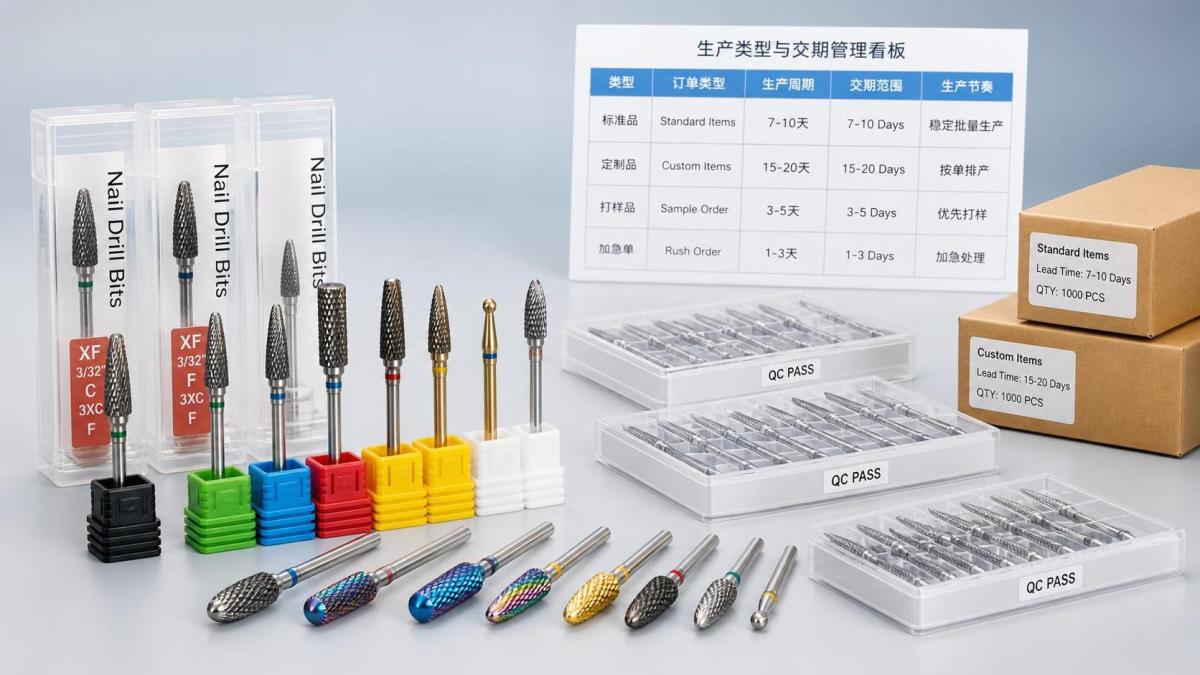
This is where many first-round quotations become hard to compare. One Spanish supplier may count lead time from deposit receipt. Another may count it only after sample confirmation, packaging approval, and artwork sign-off. If those milestones are not aligned, one quote appears shorter even though the total calendar time may be longer. Asking for the timeline broken into stages often exposes the difference:
- tooling or sample confirmation for any modified bit geometry
- raw material allocation and grinding slot reservation
- coating, cleaning, and edge inspection
- inner pack, label, carton preparation, then shipment booking
Without that breakdown, procurement cost can be distorted. A late shipment may force partial dispatch, emergency replenishment, or substitution with a different bit profile that affects salon performance and return risk.
In many evaluations, sample handling gives a better signal than the headline lead time. If a supplier can send a sample quickly but takes a long time to clarify flute pattern, grit feel, tip smoothness, or stem diameter tolerance, the main order may face the same friction. Nail drill bits are small, but the acceptance criteria are tactile and exact. A bit that removes gel aggressively yet leaves a rough contact feel at the cuticle zone may fail internal approval even when it meets a basic drawing.
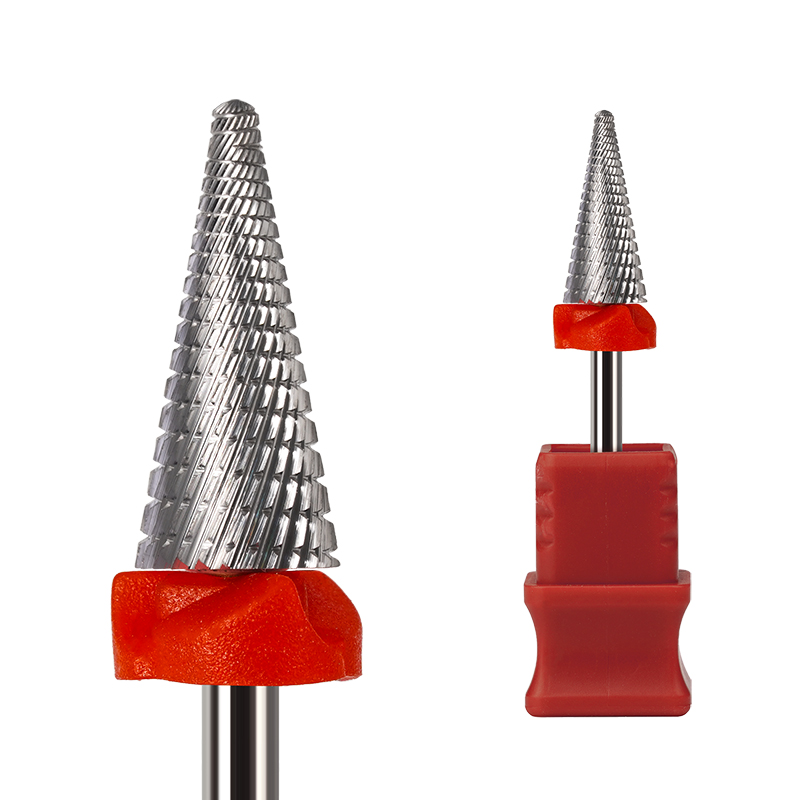
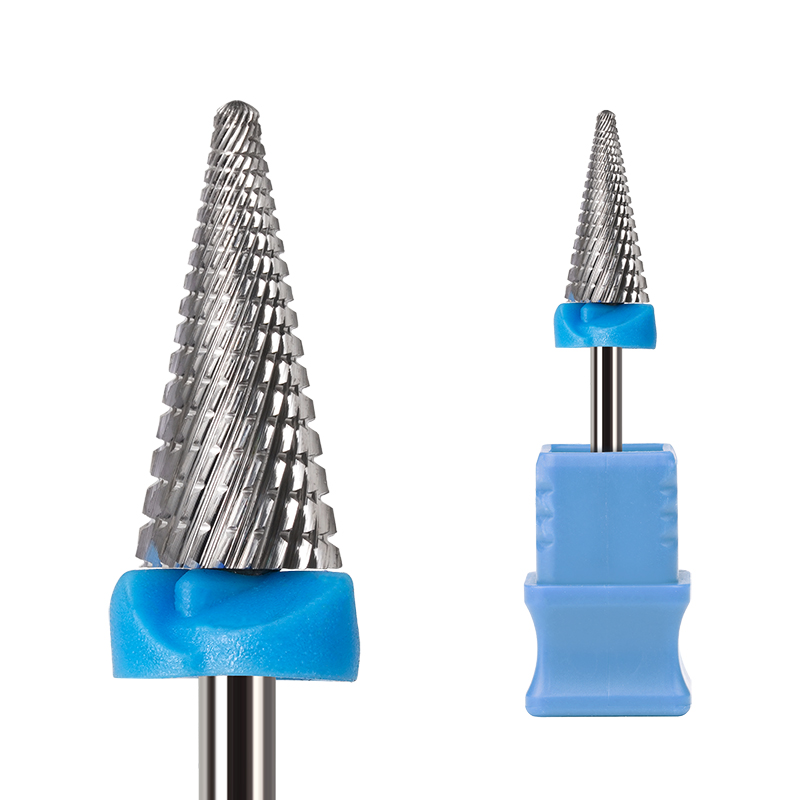
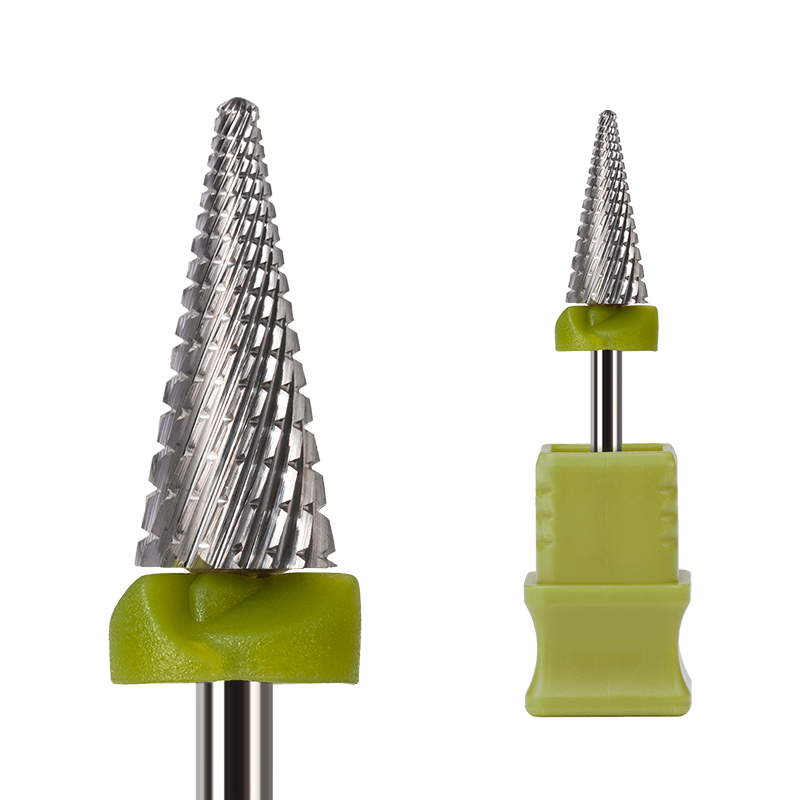
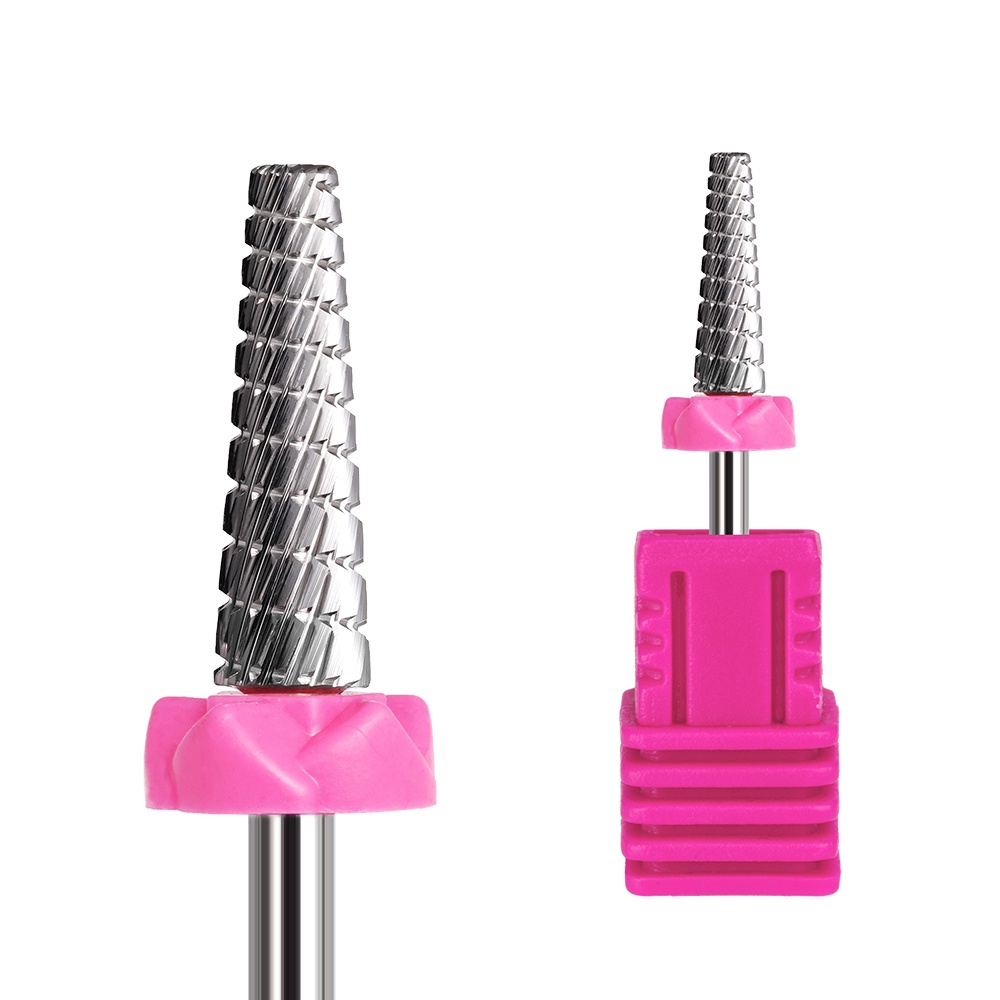
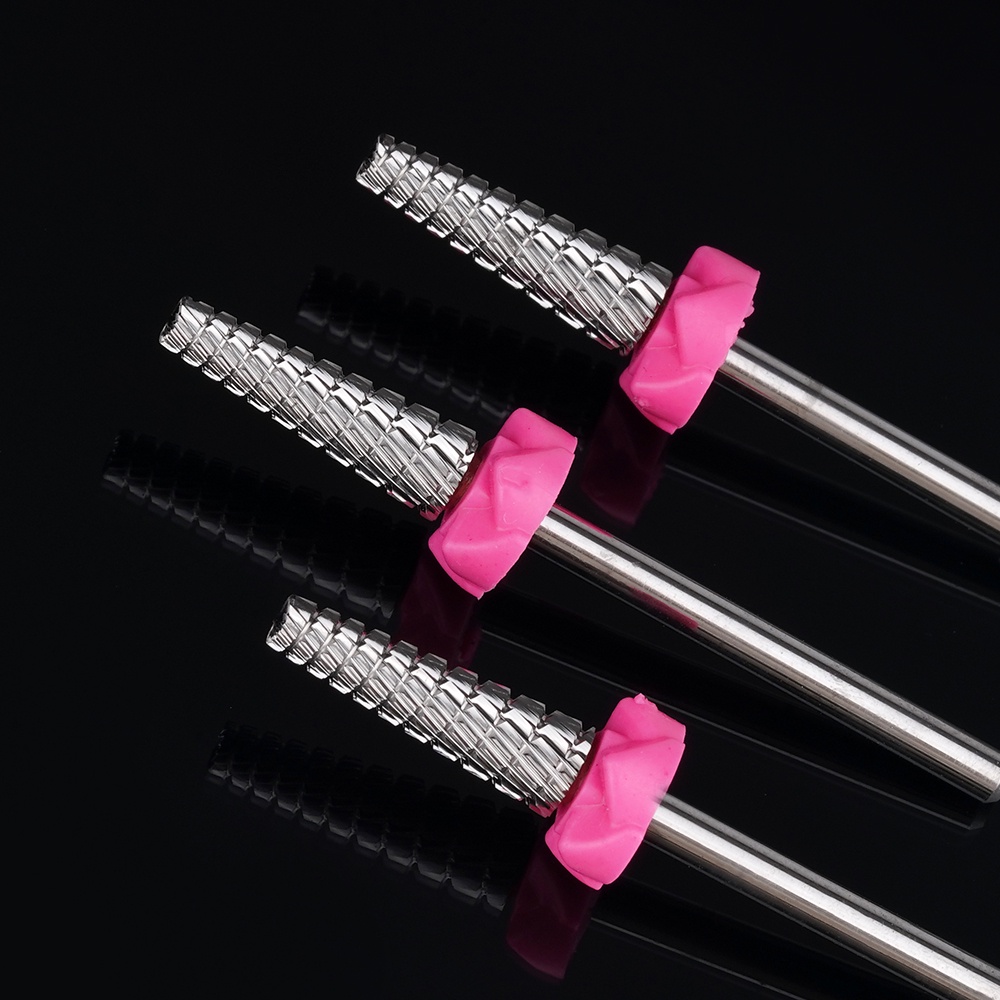
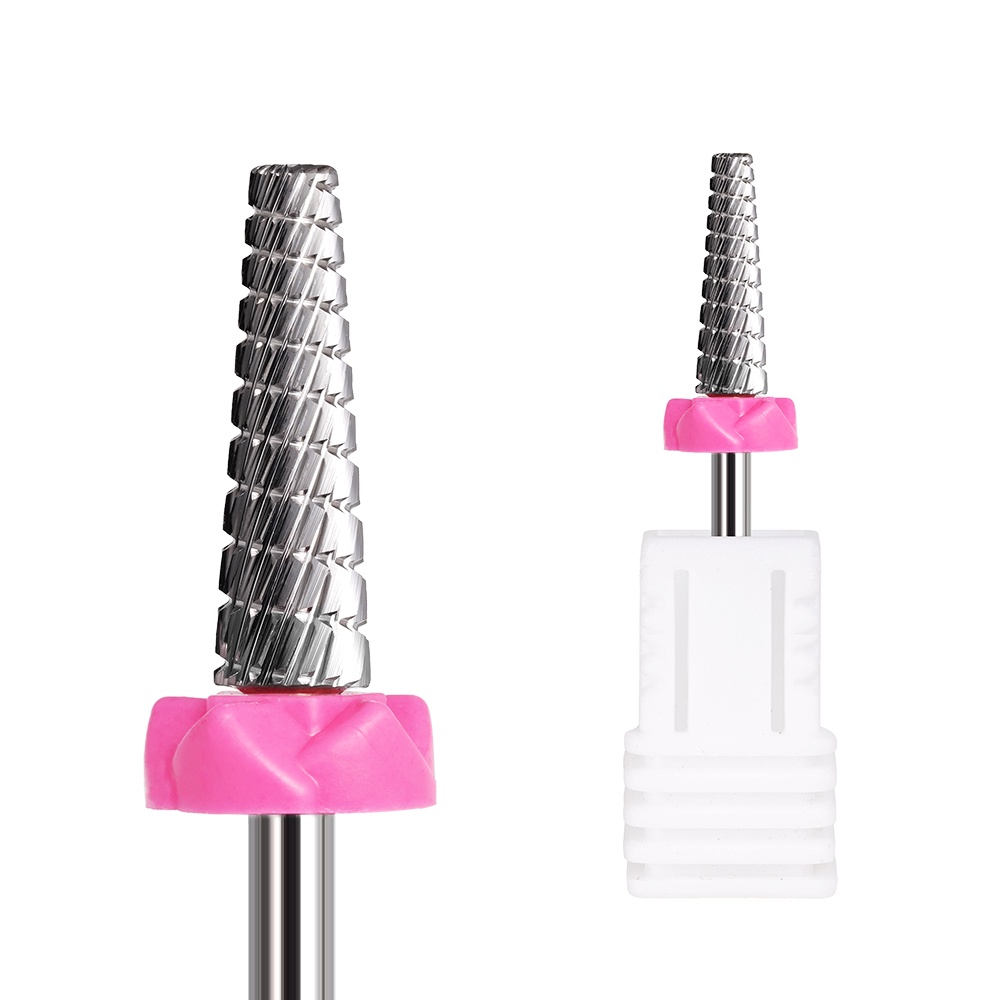
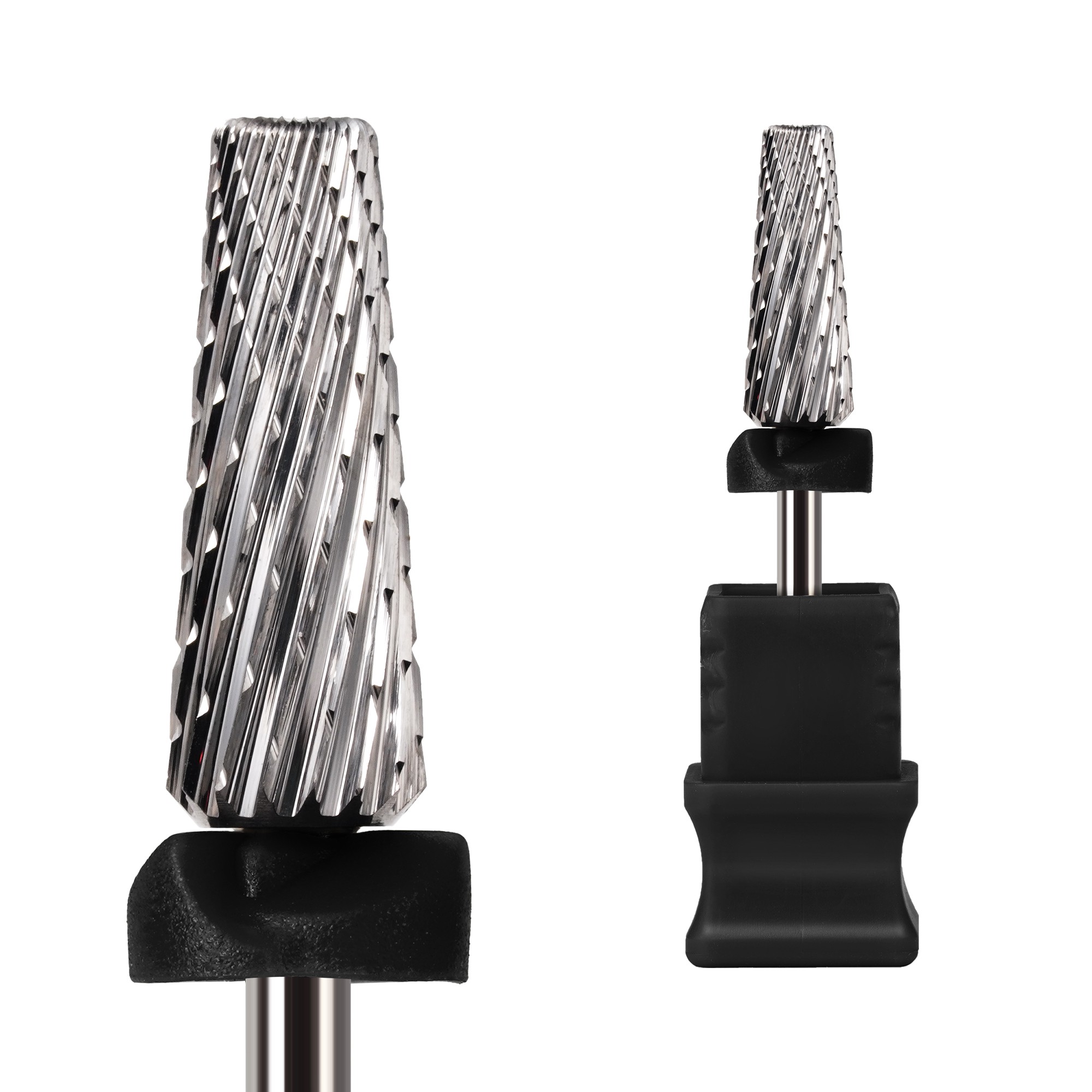
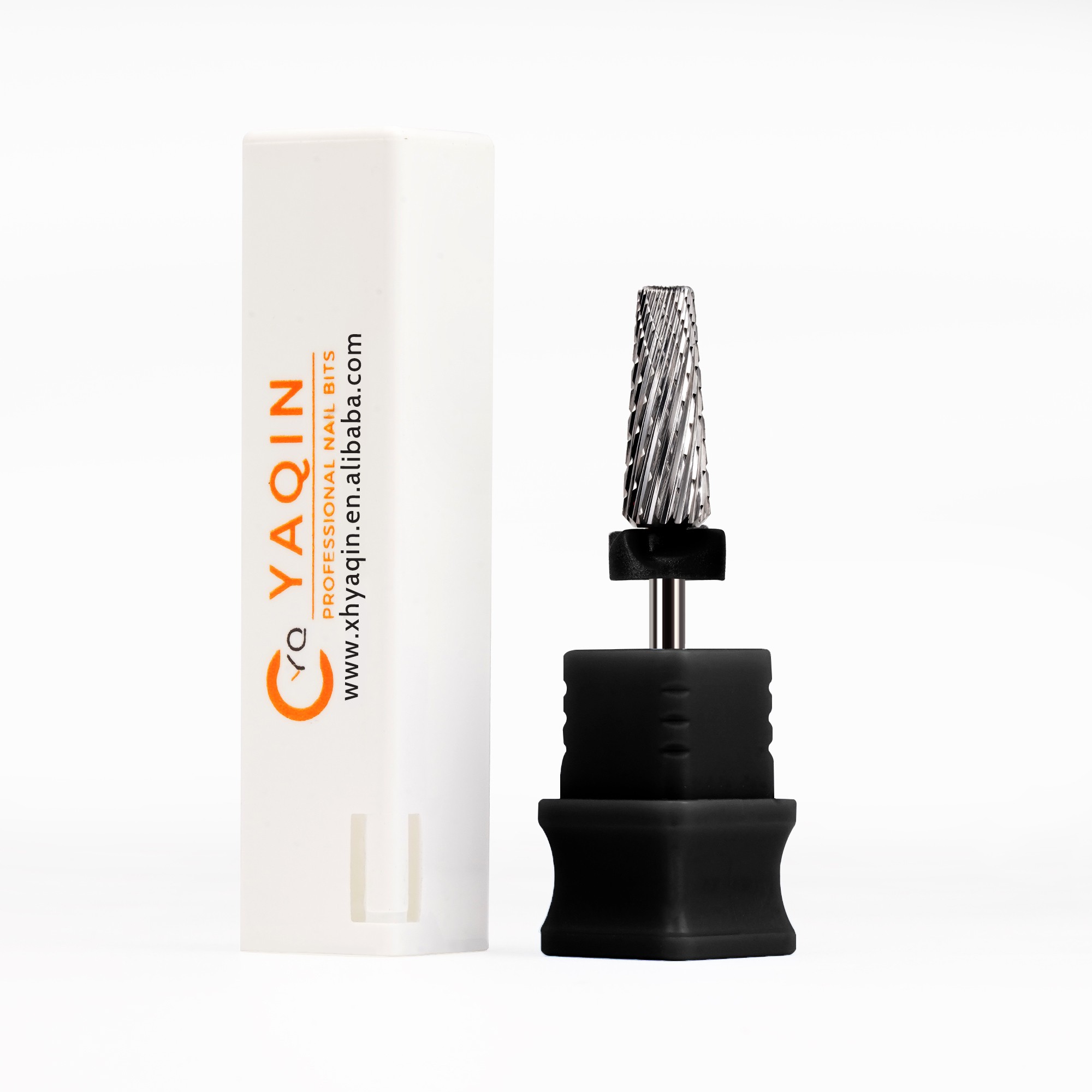
One product type that illustrates this complexity is Wholesale 5 in 1 Electric Manicure Nail Drill Bits Various Coating Cone Cuticle Bit with Rotary Cross Cut for Nail Art. A 5 in 1 format sounds straightforward, yet it combines multiple functional expectations in one item: polish removal efficiency, dead skin cleanup, controlled work near the cuticle area, and compatibility with electric grinders. When the bit body is made from tungsten steel or tungsten carbide and also requires a smooth flat tip for safer contact, production timing depends on how consistently the supplier can control grinding accuracy and finishing rather than on simple unit volume.
Where delays usually appear
Delays often appear in the middle of the process, not at the beginning or end. Raw material may be available, and export packing may be routine, but intermediate stages can create slippage. Coating lines can become crowded if several colors or finishes are grouped into one production batch. Precision grinding may be rescheduled if a previous job produces a machine maintenance issue. Final inspection can also slow down dispatch when teeth sharpness, cut consistency, or concentricity varies across a lot and rework becomes necessary.
For small abrasive tools, quality control is closely tied to lead time. A supplier with stricter inspection may quote longer but be more reliable because the schedule includes sorting, reject handling, and repacking. A shorter lead time can look attractive until inconsistent grinding surfaces trigger holdbacks before shipment. Since nail drill bits interact directly with natural nail, gel layers, dead skin, and callused areas, small defects are not cosmetic; they affect performance and safety. That makes it risky to compare suppliers only on promised dispatch date.
Packaging details matter more than expected as well. Bulk-packed bits usually move faster than retail-ready units with printed cards, labels, barcode stickers, and multilingual instructions. When a shipment mixes salon packs and e-commerce packs, the line may need separate packing verification. A supplier that is efficient in metalworking may still lose time in the final packing room if materials arrive late or carton marks are revised after approval.
What to compare beyond the quoted number of days
A useful comparison is whether the supplier distinguishes between production lead time and shipment readiness. Some quotes combine manufacturing, inspection, and booking into one number. Others exclude export paperwork, palletizing, or consolidation. If the goods are leaving Spain by road to another European destination, handover timing may differ from a shipment moving through ocean or air channels. The product is compact, but transport documents, carton count confirmation, and warehouse cut-off still shape the actual delivery window.
Another point is order composition. A single carton of one standard bit may move in a predictable way. A mixed order containing cone cuticle bits, safety-top bits, coarse gel-removal bits, and fine-finish units usually moves at the pace of the slowest item. This is especially true when one SKU needs a different coating line or a revised flute pattern. A supplier may state that most items are ready, yet the shipment waits because the missing component belongs to a bundled set.
Capacity discipline is often clearer in communication habits than in sales language. If a supplier answers technical questions with exact tolerances, explains whether coating is batch-based, and states when final inspection occurs, the lead-time promise is usually tied to real operational steps. Vague replies such as “fast delivery” or “normal production” do not say whether blanks are stocked, whether grinding is scheduled daily, or whether the order will wait for enough similar units to justify a coating run.
Cost impact of lead-time variation
Lead time affects cost even when unit price does not change. Longer cycles tie up cash in deposits, slow launch timing, and increase the chance that packaging or assortment decisions will be revised before shipment. Unstable lead times also complicate reorder points. If one month a supplier ships quickly and the next month requires extra production days because of custom packaging or coating congestion, inventory planning becomes defensive. That often results in larger buffer stock and higher carrying cost.
Short lead time can also carry hidden cost if the process is compressed. A supplier rushing a batch may reduce inspection depth, split shipments, or substitute near-equivalent packaging materials. With abrasive nail bits, apparently minor substitutions can create downstream friction: sleeve labels no longer match internal SKU coding, grit feel differs slightly from the approved sample, or moisture control inside the carton is weaker than expected during storage and transit.
Evaluating the supplier's handling of specification changes is therefore as important as evaluating average delivery time. If a change in coating, head shape, or pack format resets the schedule entirely, then repeat business may not be as stable as it appears. A more mature supplier usually has a documented point after which changes move to the next production cycle. That is easier to manage than a flexible-looking process that accepts late changes and then silently extends the ship date.
Signals of a stable timeline
Stable timelines usually come with several operational signals. Technical drawings are confirmed before order release. The supplier separates sample approval from mass production approval. Packing materials are locked early. Mixed-SKU orders are scheduled with one visible critical path. Inspection standards for sharpness, surface finish, and shank consistency are stated in plain terms. None of this guarantees speed, but it reduces surprises.
It also helps to ask whether the quoted lead time covers products intended for both professional nail technicians and DIY enthusiasts, since usage expectations can influence finishing standards. Bits designed for broad handling often need safer edge treatment and cleaner surface consistency, which may increase inspection workload. A durable multi-functional polish removal drill made from high-hardness material can justify a longer schedule if the additional time is clearly tied to grinding precision, durability control, and safer tip finishing.
In the Spain market, variation between suppliers is therefore real, but it is usually traceable. The shortest quote is not automatically the most efficient, and the longest quote is not automatically a sign of weak capacity. What matters is whether the timeline reflects actual steps: material readiness, machining sequence, coating access, inspection depth, packaging complexity, and export coordination. Once those elements are visible, lead times become easier to compare on a true procurement and cost basis rather than on a sales promise alone.
News List
- Do lead times vary much between nail drill bit suppliers in SpainAug 25, 2026
- What to check before choosing a nail drill bit supplier in RussiaAug 25, 2026
- Are Tungsten Carbide Bits Suitable for Acrylic Nails?Aug 24, 2026
- Why Does My Electric Nail File Overheat With Certain Bits?Aug 24, 2026
- What Is the Difference Between XF and C Grit on Nail Bits?Aug 24, 2026
- What Profit Margin Is Typical for Wholesale Nail Drill Bits?Aug 24, 2026
Best-Selling Products
 Cross Cut Safety Stainless Steel Tungsten Carbide Nail Drill Bits Salon Foot Use XF-C Grit for Removing Nails
 First-rate Quality Tungsten Carbide Nail Drill Bits Best Coating Manicure Remove Gel Nails Accessories
 Professional Advanced Safety Cuticle Bits Two-Way Rotate 3/32'' Carbide Tungsten 5 in 1 Nail Drill Bits
 Wholesale 5 in 1 Electric Manicure Nail Drill Bits Various Coating Cone Cuticle Bit with Rotary Cross Cut for Nail Art
 New Slant Tooth Tungsten Steel Nail Drill Bits Dead Skin Removal 5-in-1 Universal Grinding Nail Polish Head Tool Nail Drill Bits
 4.0mm Small 5 in 1 Integrated Sharpe Tungsten Nail Drill Bit Straight Teeth Gel Polish Removal
 Flame Sharp XF F M C XC Silver Safety Professional Corn Tungsten Carbide Nail Bit for Drill Machine Accessories
 Factory Direct 5 in 1 Tungsten Carbide Nail Drill Bits 6.8MM Cross Cut Safety Manicure 5 in 1 Nail Drill Bits
Please give us a message