
When a nail drill bit factory can reduce defect risk in bulk orders
When a nail drill bit factory can reduce defect risk in bulk orders
Bulk nail drill bit purchasing rarely fails because of one dramatic mistake. More often, defect risk builds quietly: a slight variation in carbide density, inconsistent flute grinding, weak coating adhesion, loose packing control, or an inspection step that exists on paper but not in practice. For quality control and safety managers, choosing a reliable Nail Drill Bit Factory is one of the most practical ways to reduce that risk before goods ever leave the production floor.
That matters even more in nail care tools, where product quality is tied not only to appearance and performance, but also to heat generation, vibration, surface finish, hygiene, and user safety. If a bulk order arrives with unstable cutting behavior or poor dimensional consistency, the issue does not stay in the warehouse. It reaches salons, technicians, distributors, and eventually end users. Returns become expensive, complaints become public, and trust becomes harder to rebuild than the order itself.
So the real procurement question is not simply, “Who can supply nail drill bits at scale?” It is, “Which factory can keep defect probability low when order volume rises?”
Why defect risk increases in bulk orders
Small sample approval can create a false sense of security. A pre-production sample may perform well, look clean, and pass basic inspection, yet mass production introduces variables that samples do not fully reveal. Tool wear during manufacturing, batch-to-batch raw material differences, shifts in machine calibration, rushed packing schedules, and inconsistent operator handling all become more visible when production scales up.
For safety and QC teams, this is the uncomfortable gap between “approved sample” and “repeatable output.” A capable Nail Drill Bit Factory reduces that gap by treating consistency as a system, not as a one-time success.
In nail drill bits, typical bulk-order defects include:
- Uneven cutting grooves that affect removal efficiency
- Diameter deviations that create fit or performance issues
- Coating defects such as peeling, patchiness, or poor wear resistance
- Excessive vibration during rotation
- Poor corrosion resistance after storage or transport
- Contamination, dust residue, or incomplete cleaning before packing
- Labeling and packaging inconsistencies that complicate receiving inspection
None of these problems are rare in the market. The difference lies in whether the supplier is built to detect them early, isolate them quickly, and prevent recurrence.
What quality managers should look for before placing a large order
When buyers evaluate a factory, price and lead time usually get attention first. Yet for procurement decisions involving repeat orders, defect prevention capability is often the stronger cost lever. A cheaper unit price loses its advantage quickly if even a modest percentage of goods trigger claims, sorting labor, rework, or replacement.
There are several signals worth watching closely.
1. Raw material control is visible, not vague
A supplier should be able to explain how raw materials are selected and controlled. In nail drill bits, material quality directly influences hardness, wear resistance, edge retention, and operating stability. If a factory uses tungsten steel or tungsten carbide, the point is not only the material name, but how consistently that material performs across batches.
Quality-minded buyers should ask: Is there incoming inspection for raw materials? Are nonconforming materials isolated? Is supplier sourcing stable or frequently changing? These questions may sound basic, but they often reveal whether quality starts upstream or only gets discussed after problems appear.
2. Process inspection happens during production, not only at the end
Final inspection is necessary, but it is not enough. By the time defects are found at packing stage, the cost of correction is already higher. A lower-risk factory monitors key dimensions, grinding quality, concentricity, surface finish, and coating condition during production. This kind of in-process control matters because nail drill bits are precision items in small form. Minor deviation can change the user experience significantly, especially in high-speed rotation.
Factories with a mature QC culture tend to describe production checkpoints clearly. They do not rely on broad claims like “everything is tested.” Instead, they can discuss where and how control is applied.
3. Packing is treated as a quality step
Procurement teams sometimes underestimate packing risk. But even a well-made bit can arrive in unacceptable condition if packaging allows contamination, mixing, scratching, or moisture exposure. For export orders, packing discipline also affects traceability, carton accuracy, and receiving efficiency.
A factory with a complete QC system should include packaging review as part of product quality, not as a separate administrative task. This is especially important for distributors and brand owners managing multiple SKUs, coatings, grit options, or directional designs.
How export experience lowers hidden procurement risk
For companies buying across borders, manufacturing quality is only part of the equation. Export experience reduces another layer of risk: documentation errors, communication gaps, inconsistent packing conventions, and misunderstanding of market expectations. A factory serving countries such as the USA, Canada, Germany, the UK, Italy, and Poland is more likely to understand that “acceptable quality” includes repeatability, shipment readiness, and responsiveness when details matter.
Wuxi Yaqin Trading Co., Ltd. has focused on producing and exporting abrasive products to 42 countries, with a QC system covering raw material purchasing, production process, and product packing. For procurement teams, that combination is relevant because it connects manufacturing discipline with delivery discipline. It also suggests familiarity with the realities of OEM/ODM work, where variation control becomes even more important once brand-specific requirements enter the process.
ISO9001:2000 certification does not eliminate defects by itself, but it can indicate that the supplier operates within a documented quality management framework. Buyers should still verify how systems are executed in daily production, yet a structured management foundation is better than relying on verbal assurances alone.
Safety concerns are not separate from quality concerns
In the nail tool category, quality defects can turn into safety issues faster than some buyers expect. Poorly balanced bits may create shaking. Rough finishing can increase friction. Unstable geometry may affect control during nail removal or cuticle work. Heat buildup can become uncomfortable or even hazardous during extended use.
That is why safety managers should not evaluate nail drill bits only by visual appearance or hardness claims. Operating behavior matters. A bit that rotates smoothly, minimizes thermal buildup, and resists corrosion is not just a better product on paper; it is a lower-risk product in real use.
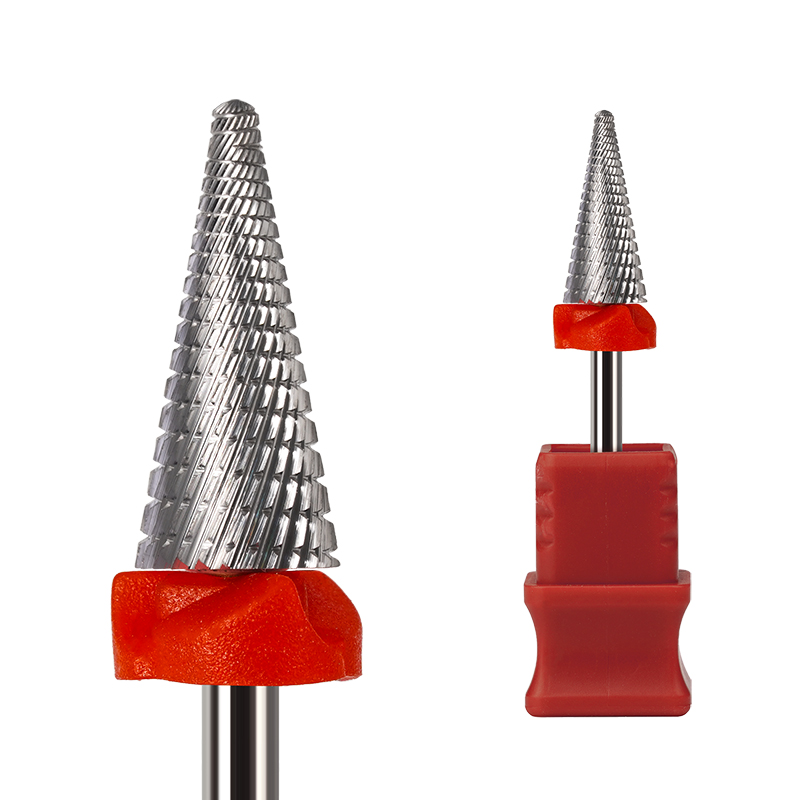
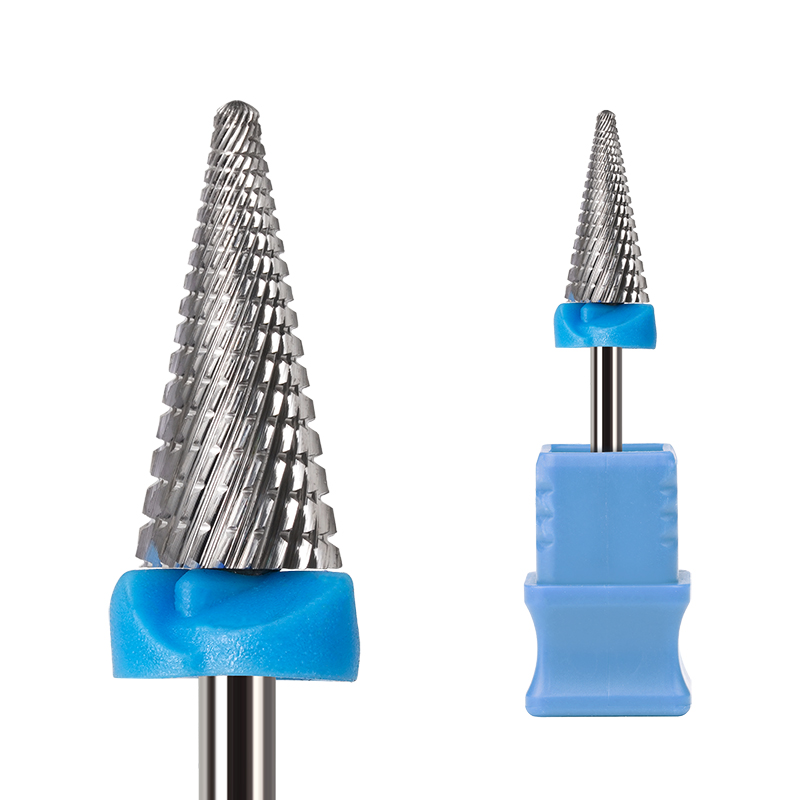
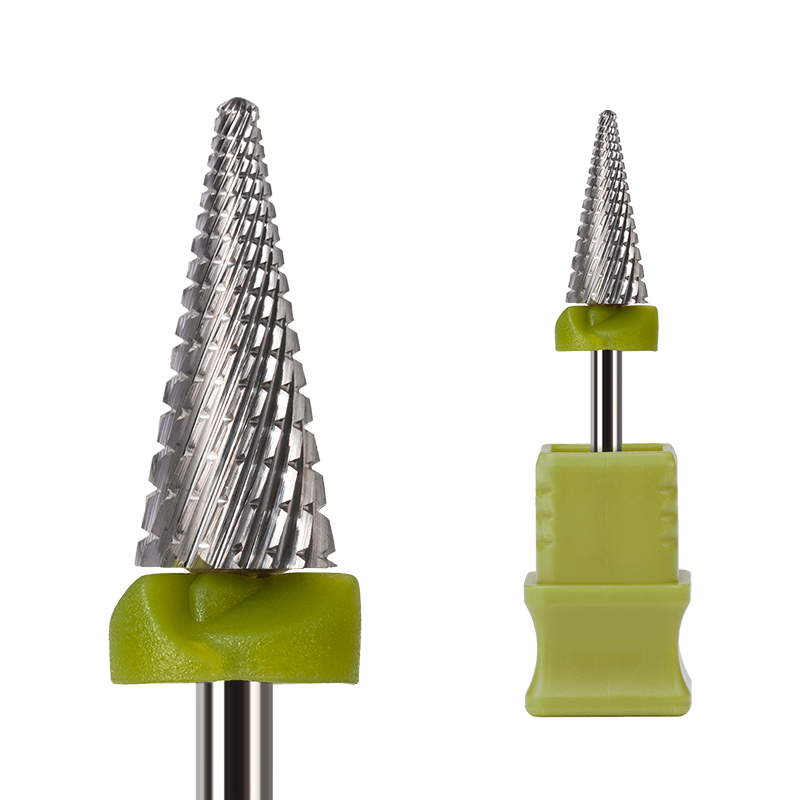
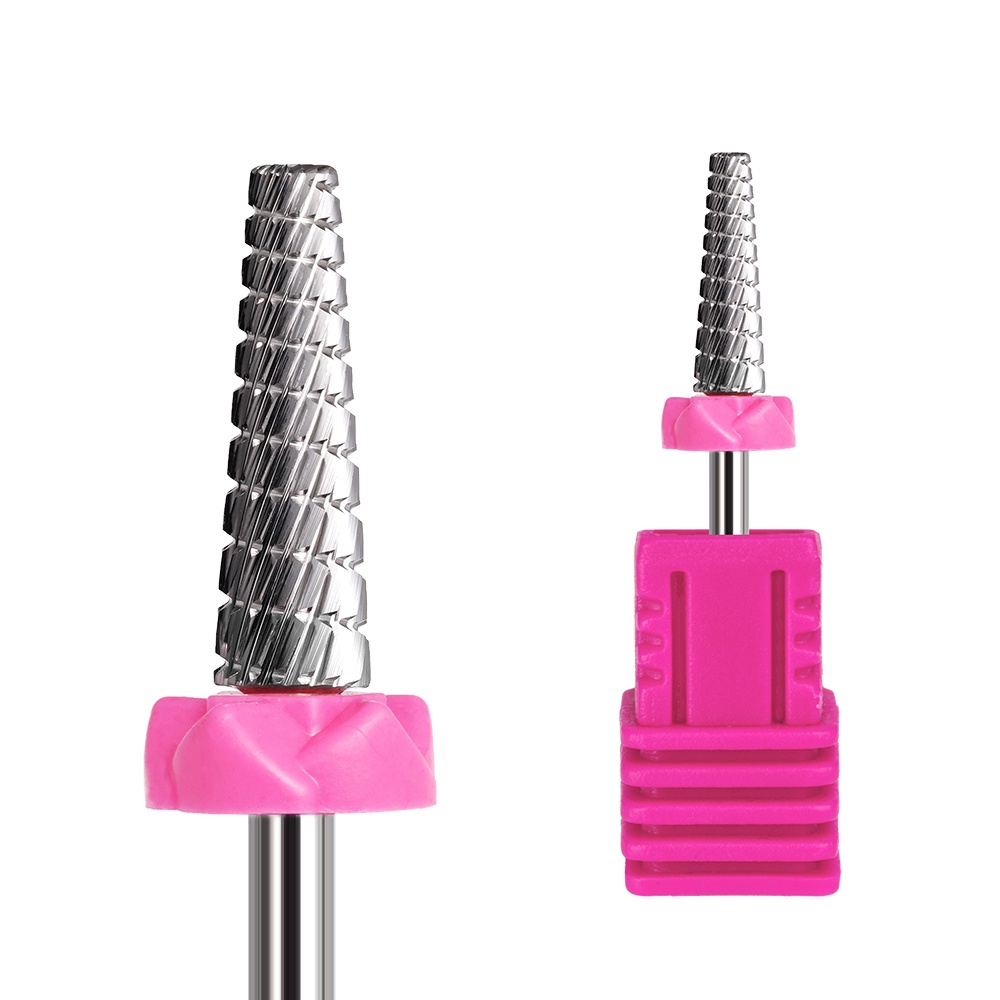
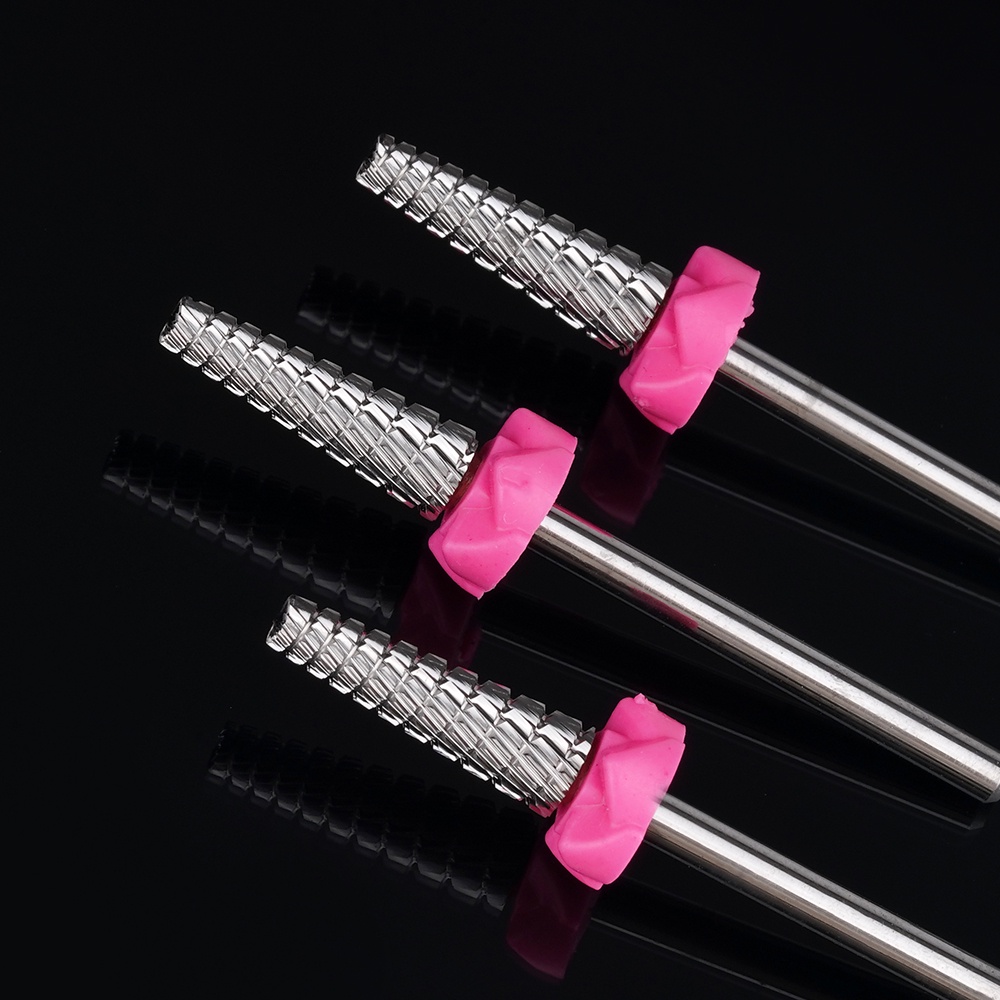
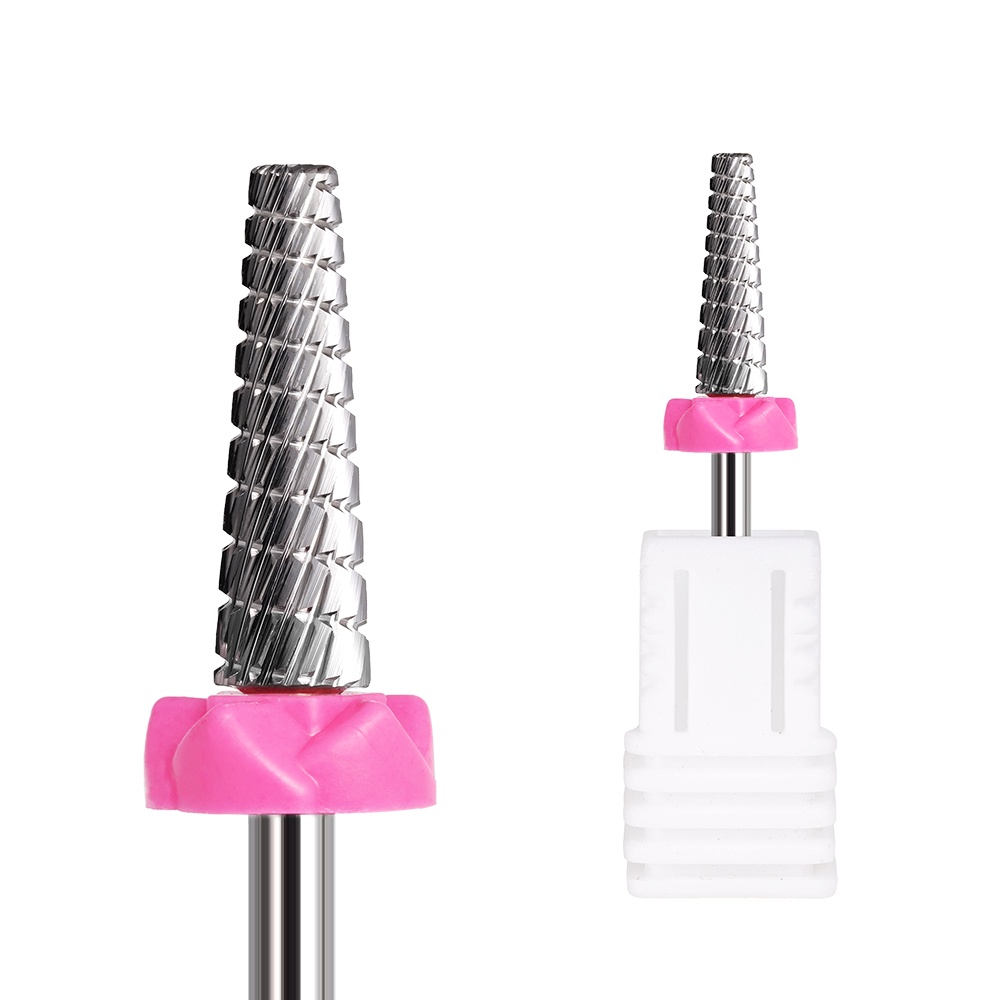
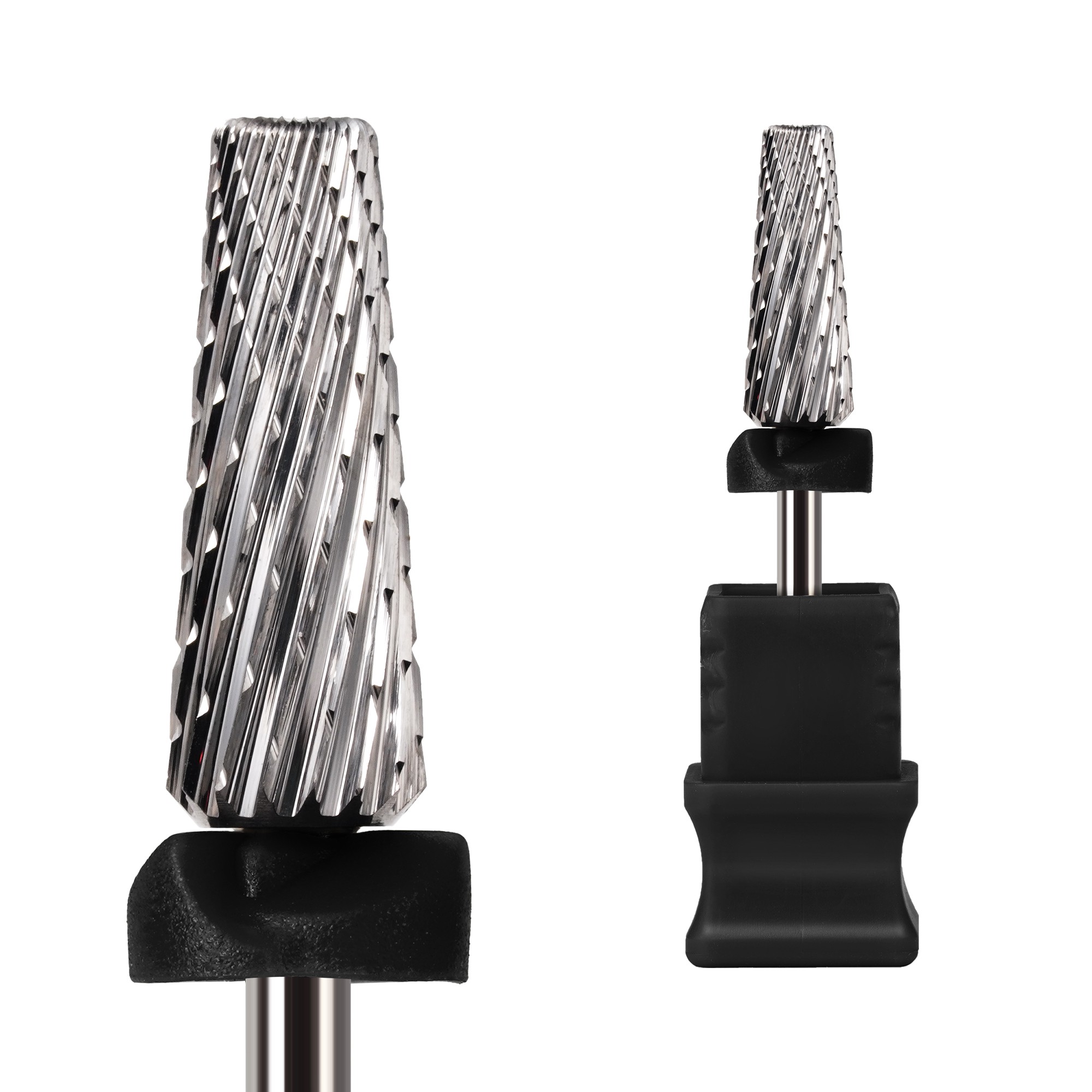
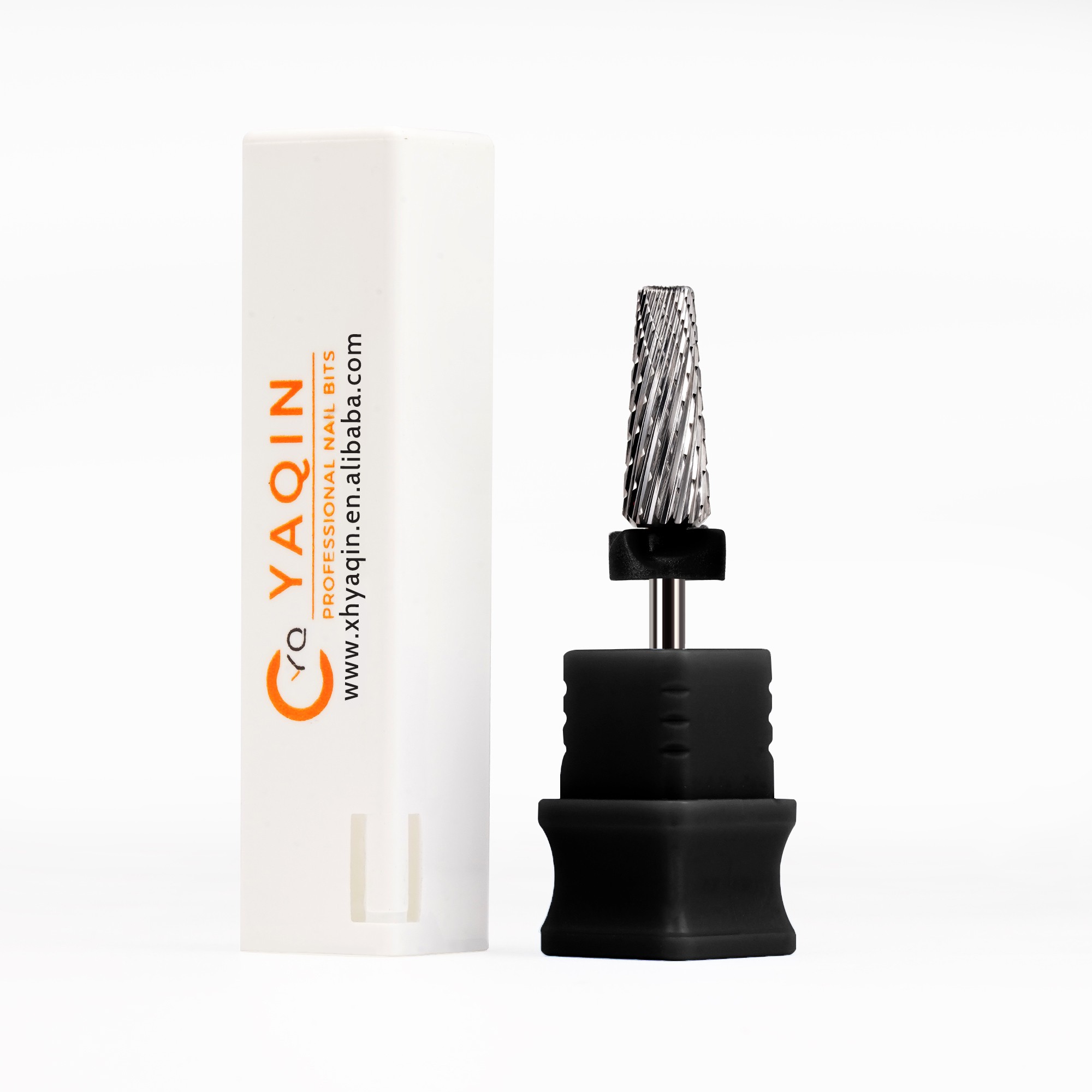
Consider a model such as 4xc Bi-Directional Nail Drill Bit Tungsten Steel With Colorful Coating. Beyond its visual finish, the more meaningful quality points are material stability, corrosion resistance, lightweight handling, and smooth bi-directional rotation without shaking or overheating. For QC teams, those features should be read as manufacturing indicators: they suggest attention to balance, finish, and process consistency rather than decoration alone.
Questions that reveal whether a factory can actually support bulk reliability
Many supplier conversations stay too general. If your goal is to reduce defect risk, it helps to ask sharper questions. Not aggressive ones, just specific ones. The answers often show whether the factory is prepared for long-term cooperation or only trying to win an order.
- How is batch consistency monitored when production volume increases?
- What are the key in-process inspection points for nail drill bits?
- How are nonconforming units identified, segregated, and documented?
- What controls are used for coating quality and adhesion?
- How does the factory prevent mixed packing across similar models?
- Can OEM or ODM specifications be managed without disrupting standard QC flow?
- What export packing measures help protect bits from corrosion or physical damage?
A serious factory usually answers in process language. A weak one often replies with broad promises.
Procurement cost is not only the invoice price
Cost-focused searches often begin with unit price comparisons, but quality and safety managers know the fuller picture. The true landed cost of a defective bulk order includes incoming inspection time, internal sorting, delayed launches, customer complaints, reverse logistics, and possible reputation damage. In categories used by professionals and salons, one unstable batch can affect reorder confidence quickly.
This is where a dependable Nail Drill Bit Factory becomes a cost-control decision rather than just a sourcing decision. The supplier’s value is not limited to making the bit. It includes reducing uncertainty around every batch.
For example, a well-made tungsten carbide bit designed for nail removal, acrylic removal, polishing, cuticle work, manicures, pedicures, and nail art should also be easy to clean and less prone to residue or dust buildup. Those details may seem secondary during quotation review, but they influence end-user satisfaction, maintenance convenience, and complaint frequency after sale.
What a lower-risk supplier relationship looks like over time
The strongest factory relationships are usually not built on constant firefighting. They are built on predictability. Buyers know what specification will be followed. QC knows what checkpoints are in place. Packaging teams know what labeling standards will be met. Sales teams know fewer surprises will reach customers.
Yaqin’s positioning around honesty, rigor, responsibility, and mutual benefit may sound simple, but in procurement terms those values translate into something practical: clearer communication, disciplined execution, and a stronger chance that problems are addressed systematically rather than defensively. For teams managing repeated or large-scale purchases, that mindset matters.
It also supports OEM/ODM projects, where customization can create extra defect opportunities if the supplier lacks process control. Color coating variations, directional designs, or packaging changes all increase complexity. A factory with experience in both manufacturing and export coordination is generally better placed to manage those details without letting quality drift.
Before you approve the next bulk order
Quality managers and safety managers are often asked to step in after a defect has already become expensive. The better moment is earlier, during supplier evaluation. If you are comparing vendors, look beyond the sample finish and quotation sheet. Study how the factory controls raw materials, monitors production, handles packing, and communicates about process discipline.
In this category, defect prevention is not abstract. It shows up in smoother rotation, cleaner finishing, lower heat buildup, stronger corrosion resistance, more reliable packing, and fewer surprises at receiving inspection. A factory that can repeatedly deliver those outcomes is not simply manufacturing nail drill bits; it is protecting your downstream cost structure.
That is ultimately when a Nail Drill Bit Factory reduces defect risk in bulk orders: when quality is built into the system early enough that procurement, QC, and safety teams do not have to compensate for preventable failures later.
News List
- Preventing Gouges and Uneven Filing With Small Barrel Nail Drill BitsSep 20, 2026
- How Diameter and Grit Affect Small Barrel Nail Drill Bit PerformanceSep 20, 2026
- Can Hytos Nail Drill Bits Be Used Safely on Natural Nails and Gel Polish?Sep 20, 2026
- How to Verify Fit Between Hytos Nail Drill Bits and an E-File HandpieceSep 20, 2026
- Safe Speed Settings for Umbrella Nail Drill Bits Around the Nail FoldSep 20, 2026
- Umbrella vs Flame Nail Drill Bits: Which Shape Offers Better Cuticle Control?Sep 20, 2026
Best-Selling Products
 Cross Cut Safety Stainless Steel Tungsten Carbide Nail Drill Bits Salon Foot Use XF-C Grit for Removing Nails
 First-rate Quality Tungsten Carbide Nail Drill Bits Best Coating Manicure Remove Gel Nails Accessories
 Professional Advanced Safety Cuticle Bits Two-Way Rotate 3/32'' Carbide Tungsten 5 in 1 Nail Drill Bits
 Wholesale 5 in 1 Electric Manicure Nail Drill Bits Various Coating Cone Cuticle Bit with Rotary Cross Cut for Nail Art
 New Slant Tooth Tungsten Steel Nail Drill Bits Dead Skin Removal 5-in-1 Universal Grinding Nail Polish Head Tool Nail Drill Bits
 4.0mm Small 5 in 1 Integrated Sharpe Tungsten Nail Drill Bit Straight Teeth Gel Polish Removal
 Flame Sharp XF F M C XC Silver Safety Professional Corn Tungsten Carbide Nail Bit for Drill Machine Accessories
 Factory Direct 5 in 1 Tungsten Carbide Nail Drill Bits 6.8MM Cross Cut Safety Manicure 5 in 1 Nail Drill Bits
Please give us a message