
3/32 Two-Way Carbide Nail Bits: Straight Cut or Smooth Finish?
3/32 Two-Way Carbide Nail Bits: Straight Cut or Smooth Finish?
Why the Bit Profile Matters
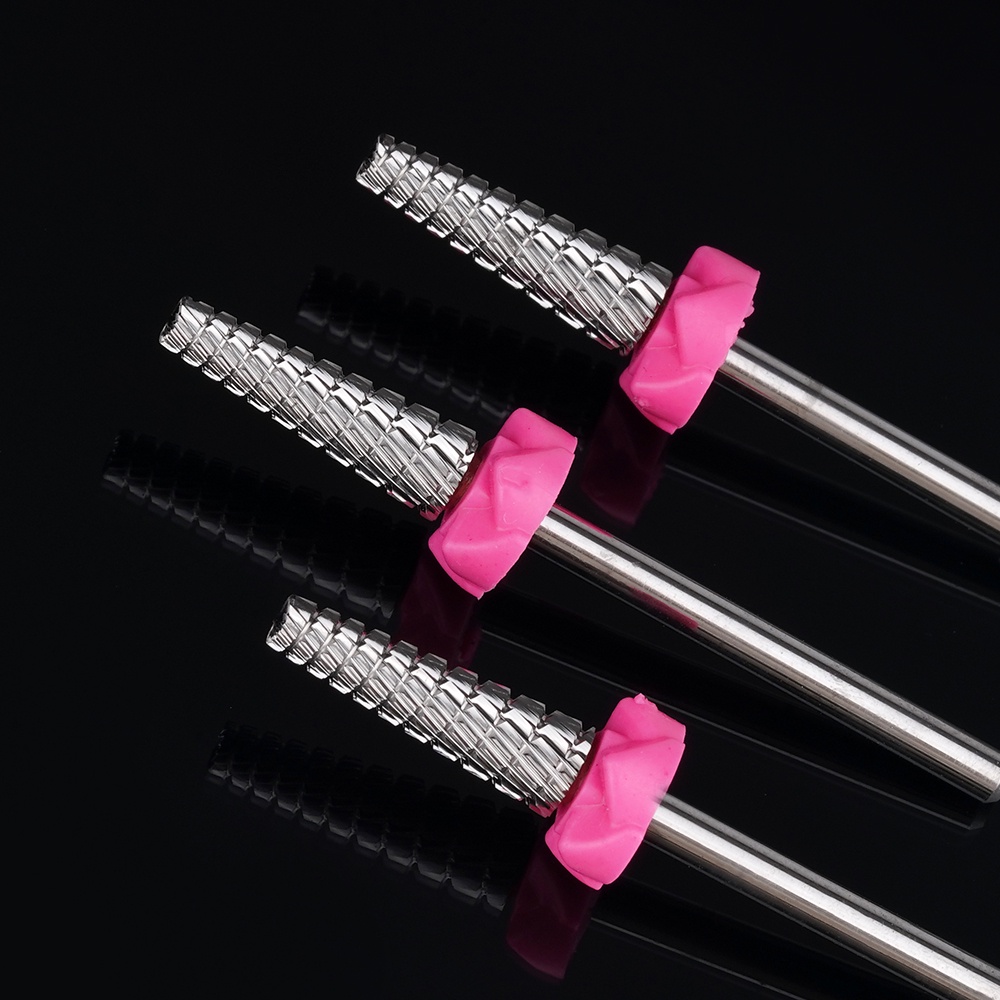
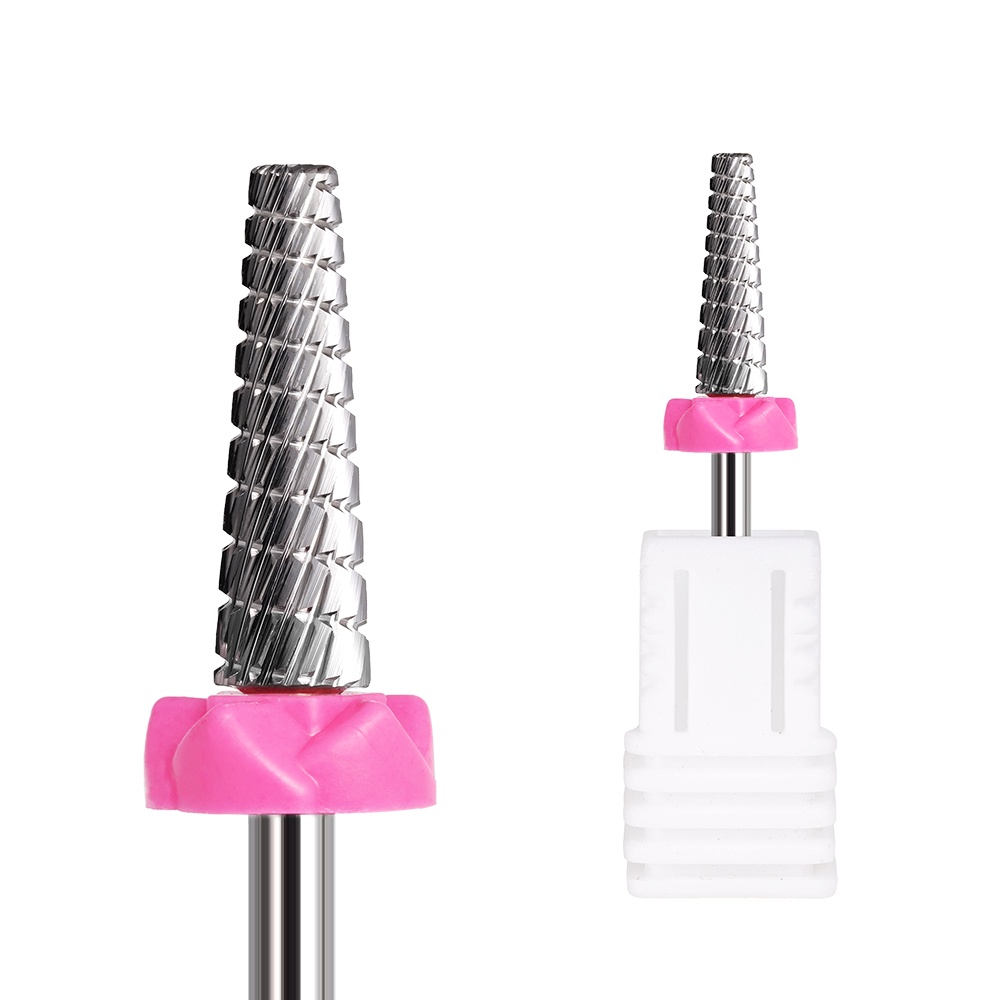
Choosing between 3/32 two-way carbide nail bits is not a minor detail. It shapes removal speed, surface control, finish quality, and consistency across repeated salon or bulk-use routines.
When evaluators compare straight cut carbide drill bits for nails, the real question is not only which bit removes product faster. It is which profile maintains stable cutting behavior under practical operating conditions.
That distinction matters in the light industrial daily-use sector, where nail tools are judged by repeatability, wear life, user comfort, and compatibility with professional electric nail drills.
A 3/32 two-way design is especially relevant because it supports forward and reverse rotation. This improves flexibility in multi-user environments and helps standardize workflow across different handling preferences.
For sourcing and technical review, straight cut carbide drill bits for nails deserve close attention because small geometry changes can influence friction, dust generation, and the amount of finishing needed after bulk removal.
Understanding Straight Cut and Smooth Finish Performance
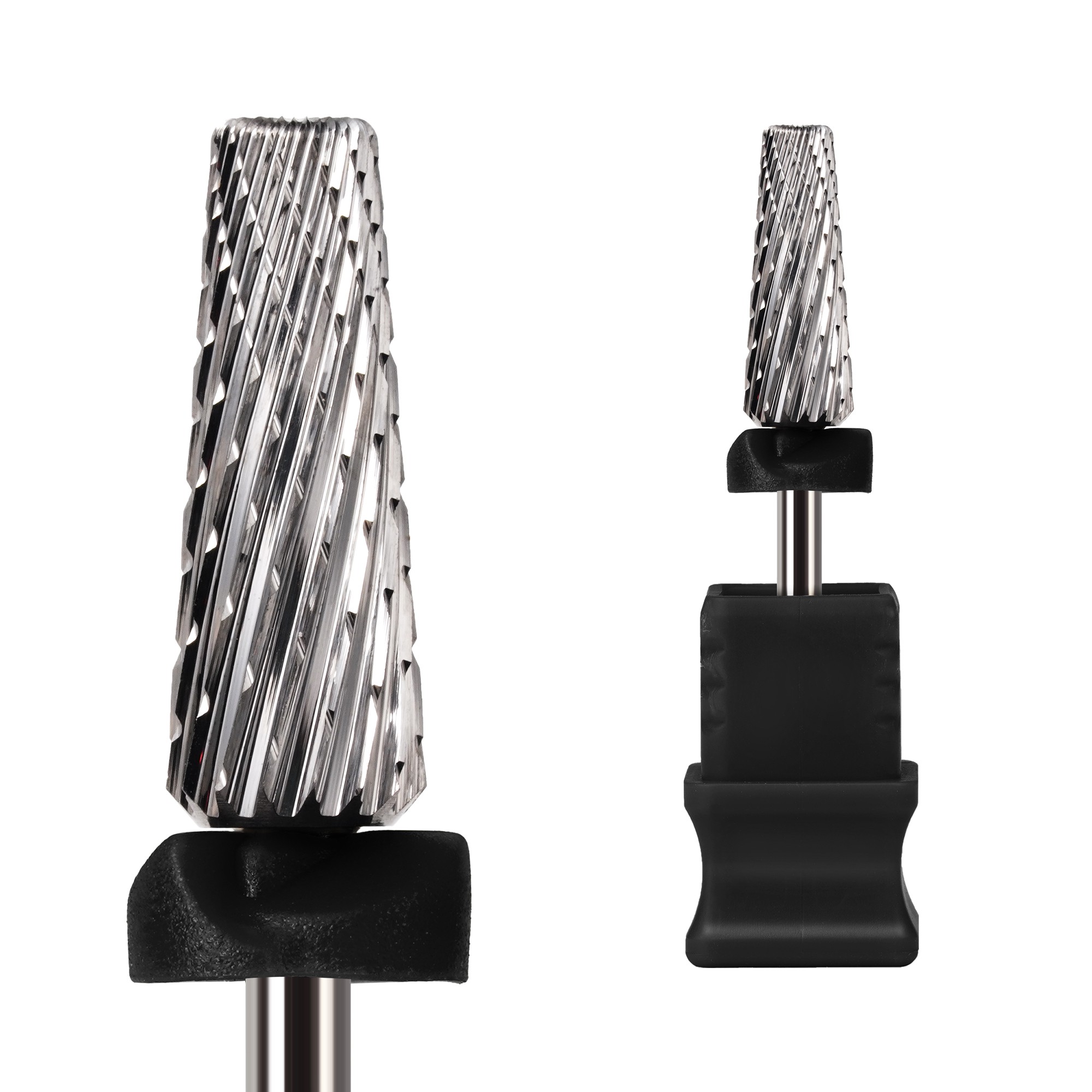
A straight cut profile usually features clearly defined flute edges. Its main role is efficient material removal from gel, acrylic, builder layers, or hardened overlays.
A smooth finish profile is designed to leave a more refined surface after reduction. It does not always remove material as aggressively, but it often lowers the need for extra refining passes.
In practice, both can exist within the same family of 3/32 two-way carbide nail bits. The difference lies in how the cutting edge engages the coating and how much texture remains afterward.
Straight cut carbide drill bits for nails often perform better during initial debulking. Smooth finish options usually make more sense when surface appearance, reduced scratch pattern, and lower follow-up polishing time are priorities.
What changes during contact
- Cutting edge sharpness affects removal speed and tactile feedback.
- Flute depth influences chip evacuation and heat buildup.
- Surface pattern after cutting determines the need for refinement.
- Bidirectional symmetry affects stability in forward and reverse operation.
Where Industry Attention Is Focused
The market no longer evaluates nail bits only by sharpness. Buyers and technical teams increasingly review total service behavior, including coating removal balance, vibration control, and expected life under frequent disinfection cycles.
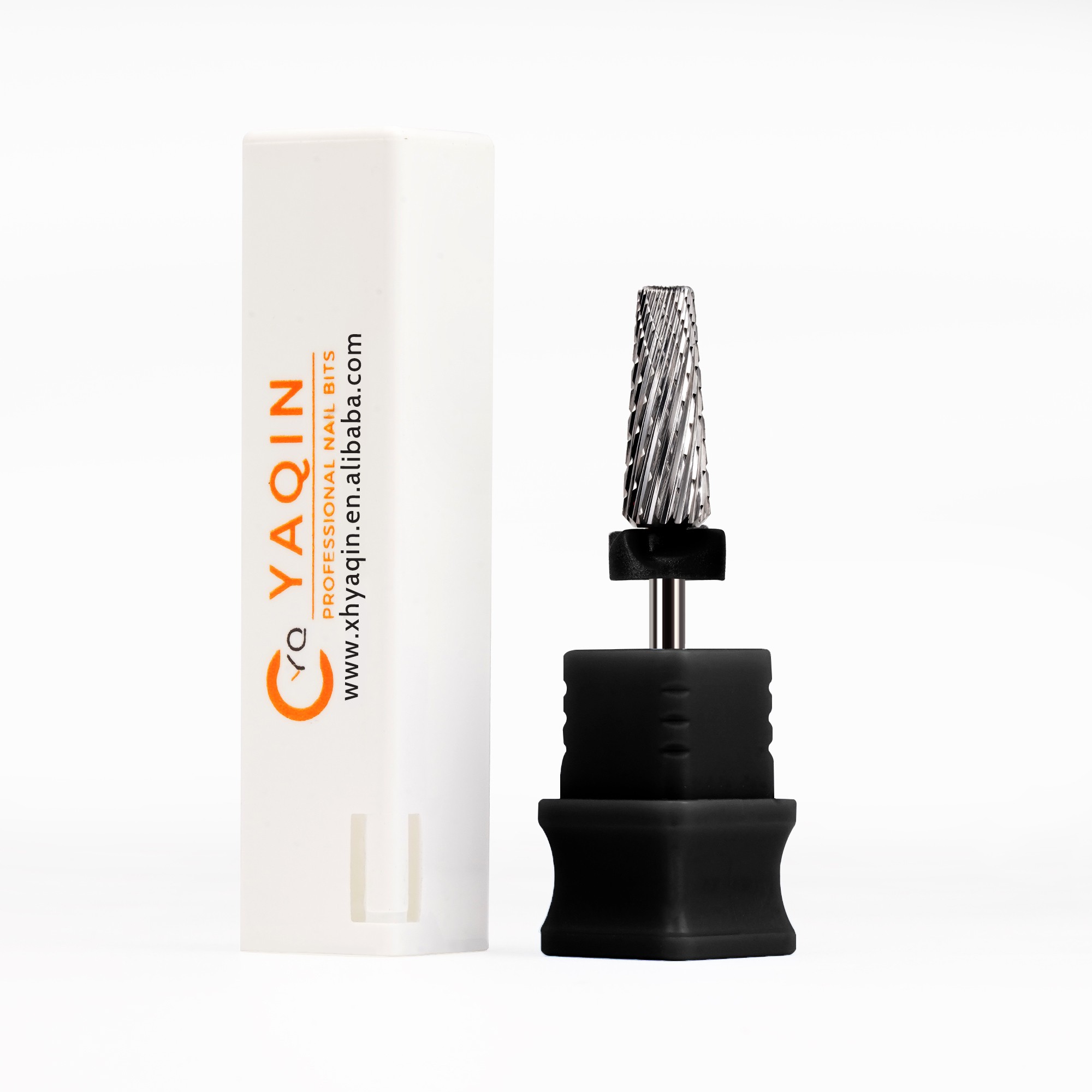
This is where manufacturing discipline becomes important. Wuxi Yaqin Trading Co., Ltd. has built its position around high quality abrasive products, strict quality control, and stable export performance across more than 42 countries.
That background matters because 3/32 two-way carbide nail bits are precision consumables. Inconsistent raw material selection or unstable production control can lead to irregular tooth geometry, shorter life, or uneven running.
With ISO9001:2000 quality management certification and one-stop production-to-delivery capability, the value is not only supply convenience. It is also traceability, batch consistency, and clearer OEM or ODM development control.
Straight Cut or Smooth Finish in Real Working Conditions
A side-by-side review is more useful than a generic preference. The right choice depends on the stage of use, the hardness of the coating, and the acceptable level of post-removal surface marking.
Simple speed comparisons can be misleading. A faster cut is not always a better operational result if it increases heat sensation, leaves deeper marks, or shortens usable life through edge overload.
How to Judge Bit Quality Beyond the Shape
The profile is only one layer of evaluation. Straight cut carbide drill bits for nails should also be reviewed through material integrity, machining accuracy, shank tolerance, and wear resistance after repeated use.
Tungsten carbide remains a preferred base material because it supports hardness, edge retention, and long-term abrasion resistance. Still, carbide quality alone does not guarantee a reliable cutting result.
Pay attention to the following points during assessment:
- Whether the 3/32 shank fits common handpieces without wobble.
- Whether the two-way flute geometry stays balanced in reverse rotation.
- Whether the bit clears dust and fragments efficiently during continuous passes.
- Whether edge wear appears gradually rather than failing abruptly.
- Whether corrosion resistance remains stable after cleaning and salon sanitation routines.
In some product lines, supplementary shapes can also improve workflow. For example, Little Umbrella Tungsten Steel Grinding Head fits refinement-focused tasks through its umbrella round head profile and durable tungsten steel construction.
That type of shape is not a substitute for every 3/32 two-way option. However, it shows how profile selection can align with precision shaping, gel nail removal, and longer service life expectations.
Typical Use Scenarios and Selection Logic
The best decision usually comes from matching the bit to the application stage rather than asking which geometry is universally better.
When straight cut is the stronger option
Straight cut carbide drill bits for nails are often suitable for removing thicker gel layers, reducing acrylic bulk, and shortening process time in high-turnover service environments.
They also make sense when consistent torque response is needed and the downstream process already includes a separate finishing step.
When smooth finish offers more value
A smoother finishing profile becomes more useful when the goal is surface refinement near the end of removal, especially where visible scratch depth must remain limited.
This approach can reduce rework and improve process flow in detail-sensitive Nail Art and Refinement tasks, beauty salon finishing, and controlled Gel Nail Removal routines.
Practical Comparison Points for Sourcing
A useful review framework should combine performance, consistency, and supply reliability. Focusing on only one metric usually produces a weak sourcing decision.
- Compare removal rate on the same coating thickness and machine speed.
- Check surface finish after one pass and after repeated cycles.
- Observe temperature behavior under constant pressure.
- Measure lifespan loss after cleaning, packing, and transport exposure.
- Review supplier control over raw material purchasing and production inspection.
This is where an export-oriented supplier with strict QC can reduce uncertainty. Stable packaging, production traceability, and broad international delivery experience support more dependable large-scale evaluation.
For businesses developing private-label lines, OEM and ODM experience also matters. It helps translate feedback on flute shape, finish preference, and durability targets into commercially workable bit specifications.
A Clearer Way to Decide
The choice between straight cut and smooth finish should be based on task sequence, coating type, machine compatibility, and expected finish quality. There is no single best profile for every workflow.
If rapid reduction is the main priority, 3/32 two-way straight cut carbide drill bits for nails often provide the strongest case. If finish quality and lower follow-up work matter more, a smoother profile may deliver better total efficiency.
A practical next step is to build a short comparison matrix using removal speed, heat control, wear pattern, and post-cut surface quality. That creates a more reliable basis for product approval and future sourcing alignment.
News List
- Preventing Gouges and Uneven Filing With Small Barrel Nail Drill BitsSep 20, 2026
- How Diameter and Grit Affect Small Barrel Nail Drill Bit PerformanceSep 20, 2026
- Can Hytos Nail Drill Bits Be Used Safely on Natural Nails and Gel Polish?Sep 20, 2026
- How to Verify Fit Between Hytos Nail Drill Bits and an E-File HandpieceSep 20, 2026
- Safe Speed Settings for Umbrella Nail Drill Bits Around the Nail FoldSep 20, 2026
- Umbrella vs Flame Nail Drill Bits: Which Shape Offers Better Cuticle Control?Sep 20, 2026
Best-Selling Products
 Cross Cut Safety Stainless Steel Tungsten Carbide Nail Drill Bits Salon Foot Use XF-C Grit for Removing Nails
 First-rate Quality Tungsten Carbide Nail Drill Bits Best Coating Manicure Remove Gel Nails Accessories
 Professional Advanced Safety Cuticle Bits Two-Way Rotate 3/32'' Carbide Tungsten 5 in 1 Nail Drill Bits
 Wholesale 5 in 1 Electric Manicure Nail Drill Bits Various Coating Cone Cuticle Bit with Rotary Cross Cut for Nail Art
 New Slant Tooth Tungsten Steel Nail Drill Bits Dead Skin Removal 5-in-1 Universal Grinding Nail Polish Head Tool Nail Drill Bits
 4.0mm Small 5 in 1 Integrated Sharpe Tungsten Nail Drill Bit Straight Teeth Gel Polish Removal
 Flame Sharp XF F M C XC Silver Safety Professional Corn Tungsten Carbide Nail Bit for Drill Machine Accessories
 Factory Direct 5 in 1 Tungsten Carbide Nail Drill Bits 6.8MM Cross Cut Safety Manicure 5 in 1 Nail Drill Bits
Please give us a message