
What should distributors verify before buying a China electric nail file?
What should distributors verify before buying a China electric nail file?
A low quotation can make a China electric nail file look like an easy purchasing decision. For a distributor, however, the real decision begins after the price list arrives. If the handpiece vibrates after a few weeks, the battery capacity is inconsistent, the chuck does not hold common shank sizes securely, or replacement parts cannot be supplied, the cost quickly moves from the factory invoice to returns, lost salon accounts, and pressure on your customer-service team.
Electric nail files are sold into a market where end users expect both speed and confidence. A nail technician may use the tool all day; a home user may be especially sensitive to heat, noise, and perceived safety. Before committing to a bulk order, distributors, wholesalers, and agents should therefore verify the product as a complete commercial package: working performance, compliance evidence, quality controls, accessory compatibility, branding options, and supply continuity.
The following checks help buyers compare suppliers on the factors that protect margins after the shipment has arrived—not just on the unit price shown in an initial offer.
Start with the sales channel, not the motor specification
There is no single “best” China electric nail file. The right configuration depends on who will buy it from you and how they will use it. A compact cordless model may suit beauty retailers and home-use brands, while professional nail supply distributors may need a more durable handpiece, a stable desktop control unit, longer operating cycles, and a dependable repair-parts program.
Define the intended position before requesting samples. Is the product for occasional gel-polish removal, busy salon stations, mobile technicians, or a value-oriented online assortment? This decision affects the acceptable range for speed stability, torque, battery design, handpiece weight, cable length, display functions, and included bits. It also keeps a supplier from offering an attractive but poorly matched model merely because it is available.
Ask for a written configuration sheet that identifies what is included in the standard set: control unit, handpiece, power adapter, handpiece stand, bit set, sanding bands, instruction manual, packaging, and any optional foot pedal. “With accessories” is too vague for a purchase order. A clear bill of materials prevents unpleasant differences between the approved sample and production goods.
Evaluate real operating behavior on physical samples
Catalogue images cannot show the qualities that determine whether technicians will trust a nail drill. Obtain samples from the actual production configuration, ideally in the intended plug and packaging version, and test them in conditions close to ordinary use.
What to check while the electric nail file is running
- Speed control and stability: Confirm that the RPM range is stated clearly and that the tool changes speed smoothly. Run it at low, medium, and high settings while applying light working pressure. A model that sounds smooth without load may become erratic during filing.
- Vibration and noise: Excessive vibration contributes to hand fatigue and makes precise work harder. Listen for unusual bearing noise, rattling housings, or changes in sound after repeated starts and stops.
- Heat management: Use the tool continuously for a realistic period. Check the handpiece surface, grip comfort, and whether normal operation causes heat that would concern an end user. Heat can result from the motor, bearings, poor bit balance, or inappropriate operating technique.
- Forward/reverse operation: If the product includes directional control, verify that switching is deliberate and reliable. The control layout should reduce accidental changes during use.
- Chuck and bit retention: Test the locking mechanism with the supplied bits and standard compatible accessories. It should release and secure bits consistently, without wobble or excessive force.
- Portable-unit behavior: For rechargeable models, check charging indication, operating time under use, charging port durability, and performance as the battery level falls. Request the battery specification rather than relying only on a marketing claim.
Document this evaluation with a simple internal sample report. Record model number, sample date, test observations, issues, and whether the supplier corrected them. This makes comparison fair when several factories offer nearly identical-looking machines.
Safety and market-access documents deserve early attention
Electrical beauty tools sit at the intersection of consumer expectations and local market requirements. Distributors should not assume that a label, a logo, or a supplier statement is enough. The documents needed depend on the destination market, product design, power source, and your role in the import chain.
For a China electric nail file intended for the EU, UK, North America, or other regulated markets, ask the supplier which applicable standards and conformity documents they can provide for that exact model and adapter combination. Review test reports carefully: the manufacturer name, model number, voltage, plug type, and report scope should match the goods you intend to sell. If you change the power adapter, battery pack, casing, or branding arrangement, confirm whether the existing documentation remains applicable.
Electrical safety, electromagnetic compatibility, battery transport documentation for lithium-powered versions, material restrictions where relevant, labeling, user instructions, and local recycling obligations should all be reviewed with your compliance team or qualified adviser. A distributor should also check that manuals include sensible safety instructions: intended use, cleaning guidance, warnings about damaged cords and moisture, bit installation, and advice to stop use if abnormal heat or noise occurs.
This is not paperwork for its own sake. Clear, accurate documentation helps retailers list the product responsibly and gives your support team a better foundation when customers ask technical questions.
Look behind the sample: how production quality is controlled
A sample proves that a factory can make one acceptable unit. It does not by itself prove that every carton in a bulk order will perform the same way. Ask how the supplier manages incoming components, assembly, functional testing, and final packing.
Useful questions are specific. Which components are checked when received? Is every finished unit powered on and tested for rotation? How are noise, speed, charging, and direction-switch functions inspected? Are serial or batch identifiers used for traceability? What happens to failed units? How does the factory verify the correct adapter, plug, manual, and color box are packed together?
Wuxi Yaqin Trading Co., Ltd. emphasizes a quality-control system covering raw-material purchasing, production processes, and product packing, and states that it has passed ISO9001:2000 quality management system certification. For buyers considering any supplier, such a system is a useful starting point, but the practical value lies in seeing how procedures are applied to the order in front of you. Request inspection criteria, recent production photos or video where appropriate, and the option for a pre-shipment inspection based on agreed requirements.
Set acceptable quality limits and critical defects before production begins. A loose chuck, an unsafe adapter, an incorrect plug, a cracked housing, or a missing warning label should not be treated like a minor cosmetic issue. In contrast, the tolerance for small packaging marks may be different depending on whether your channel is premium retail, professional supply, or discount distribution.
The bit ecosystem can determine the customer experience
Distributors sometimes assess the machine carefully and treat the included nail bits as an afterthought. That is a mistake. The accessory is the working end of the system. Poorly finished or poorly matched bits can create drag, vibration, heat, and disappointing removal results—even when the electric file itself is sound.
Verify the shank size supported by the handpiece and make sure it aligns with the accessory range you plan to stock. Consider whether replacement sanding bands, ceramic bits, carbide bits, cleaning brushes, and storage accessories will be available in consistent specifications. A repeat-order accessory program can create a steadier revenue stream than the initial machine sale while helping technicians stay with your brand.
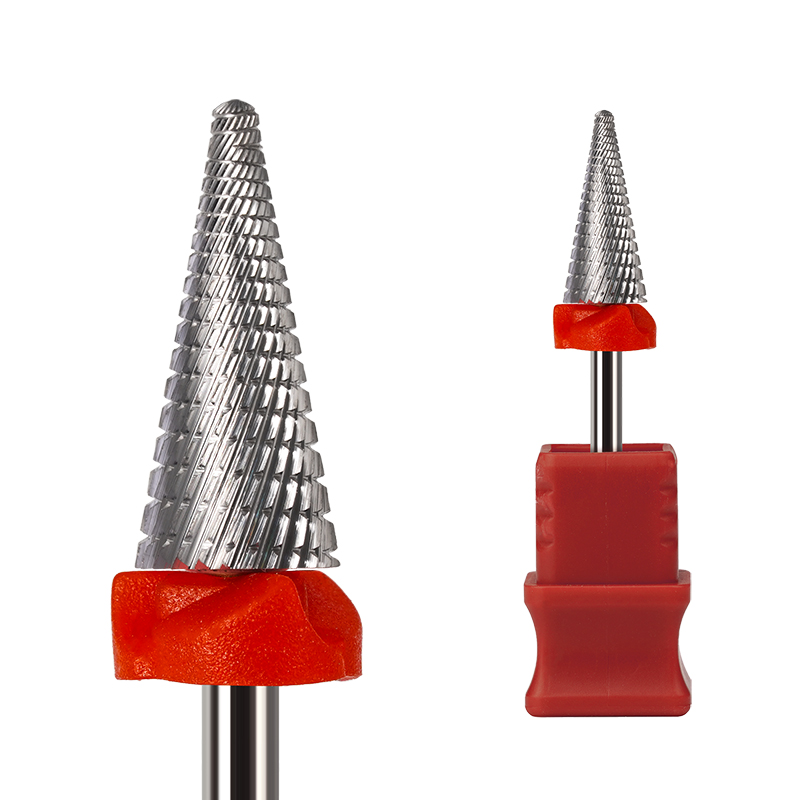
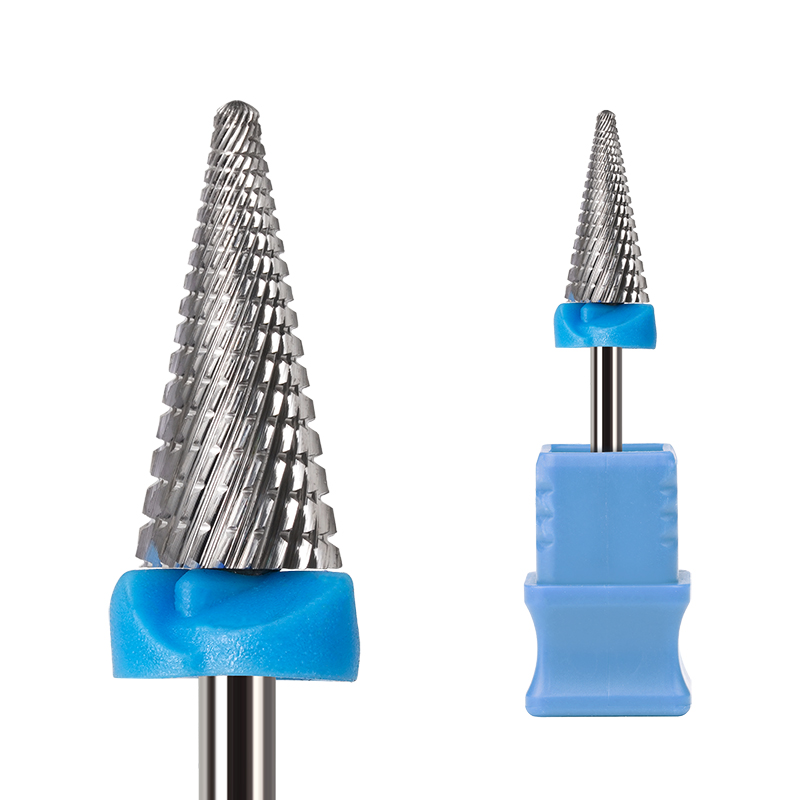
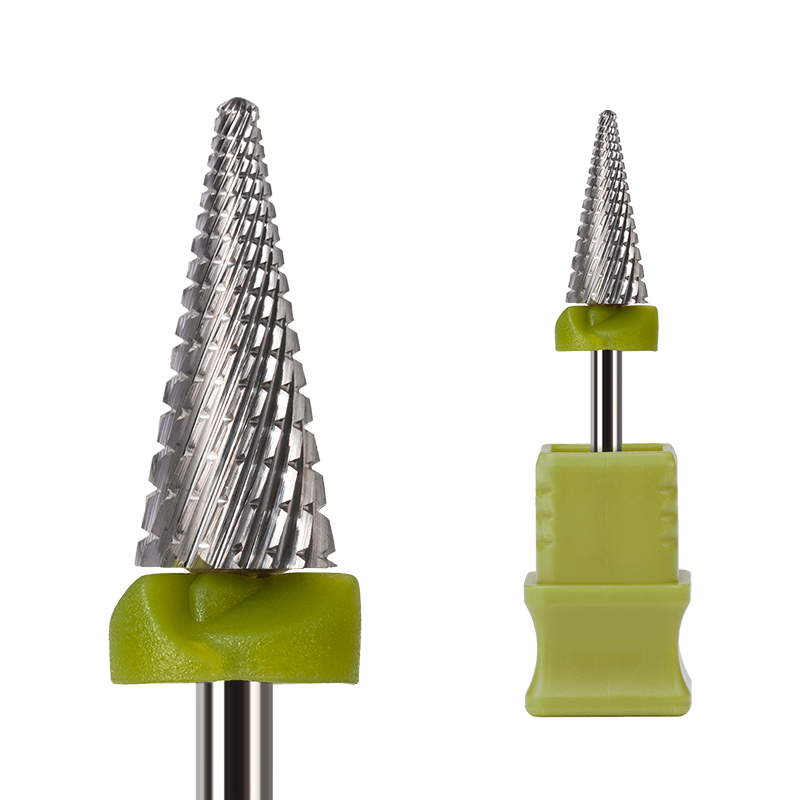
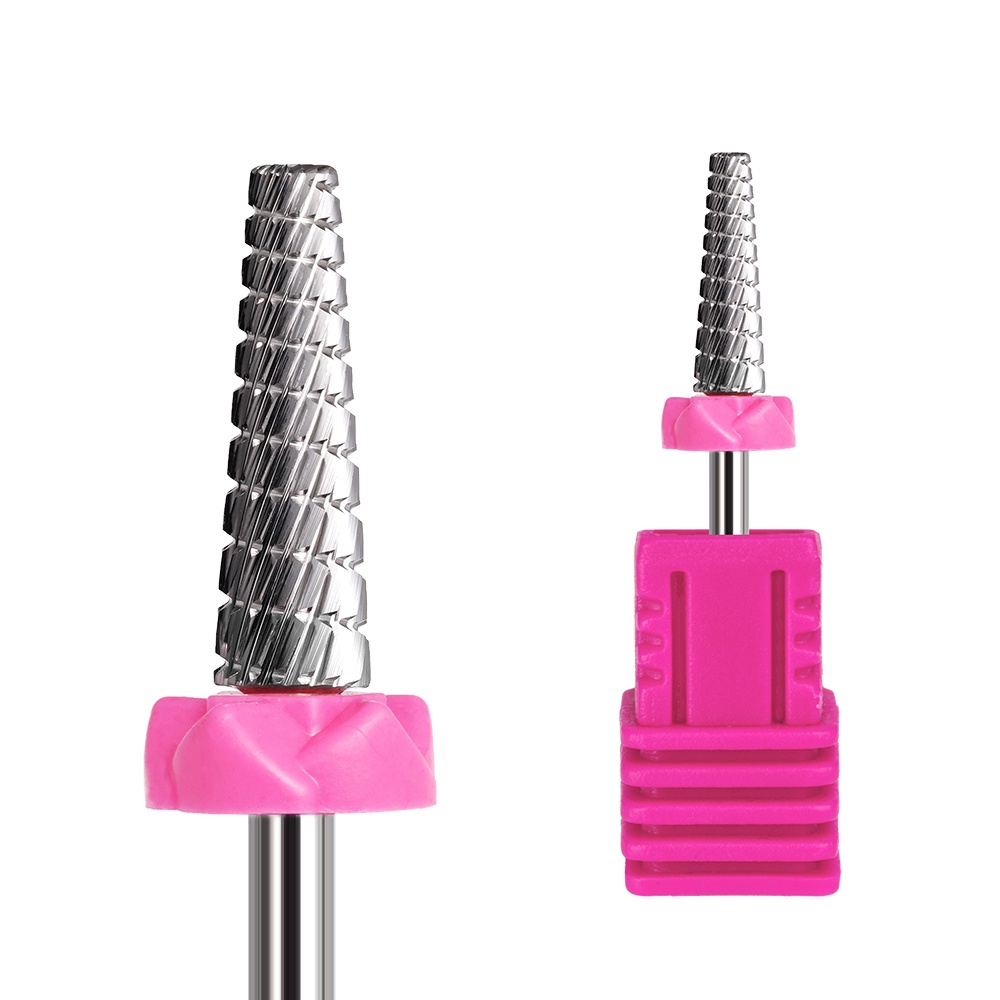
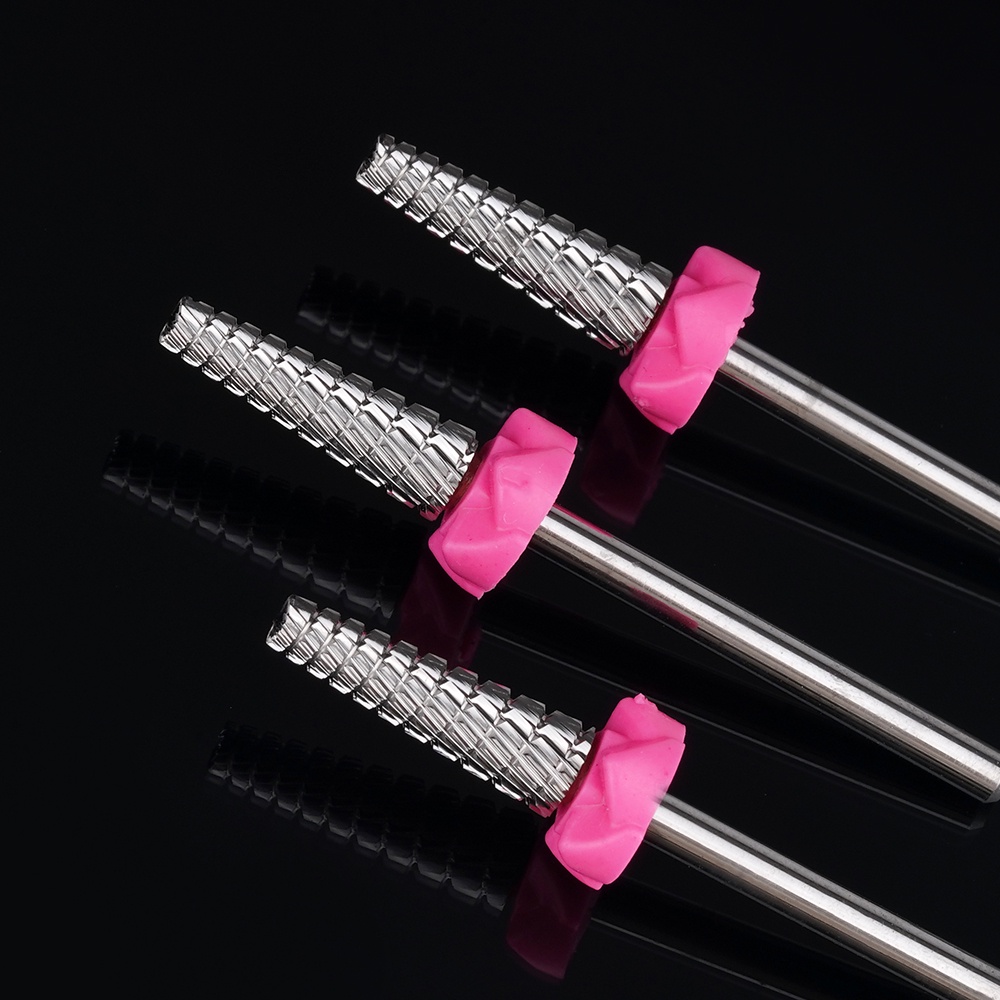
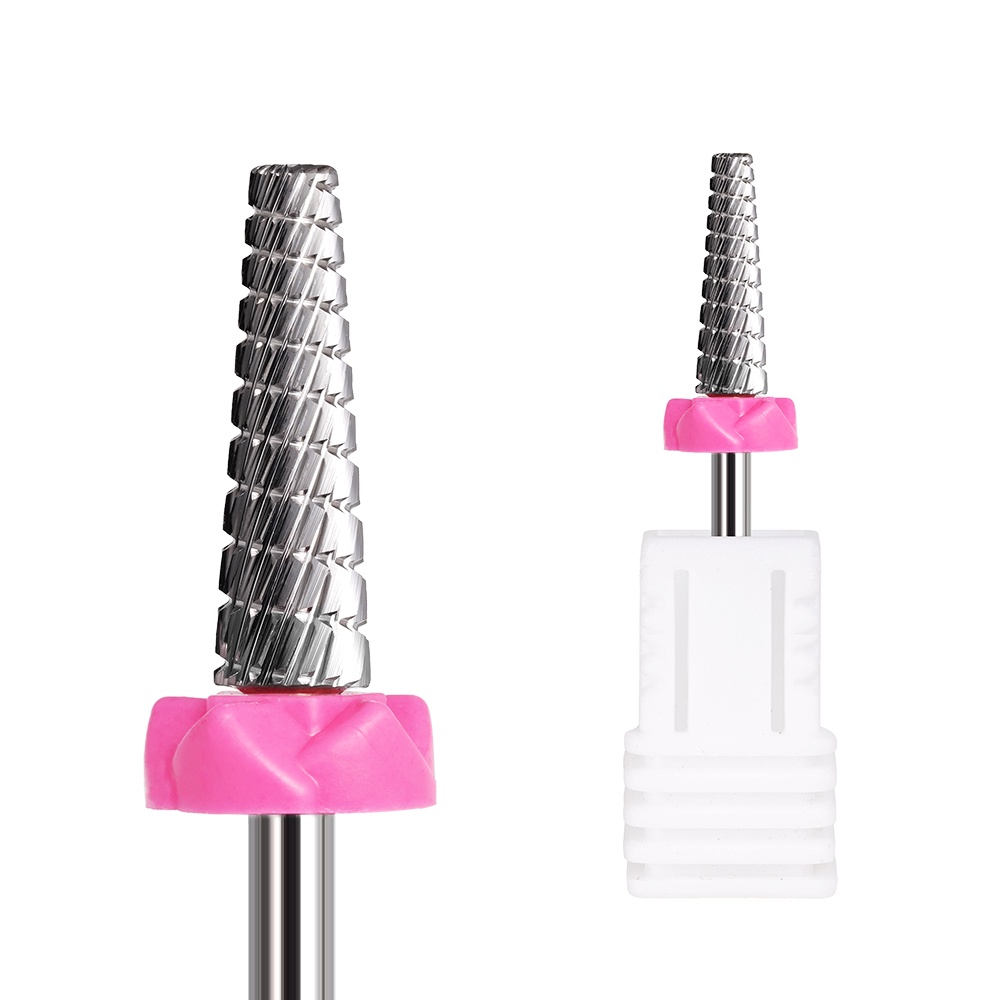
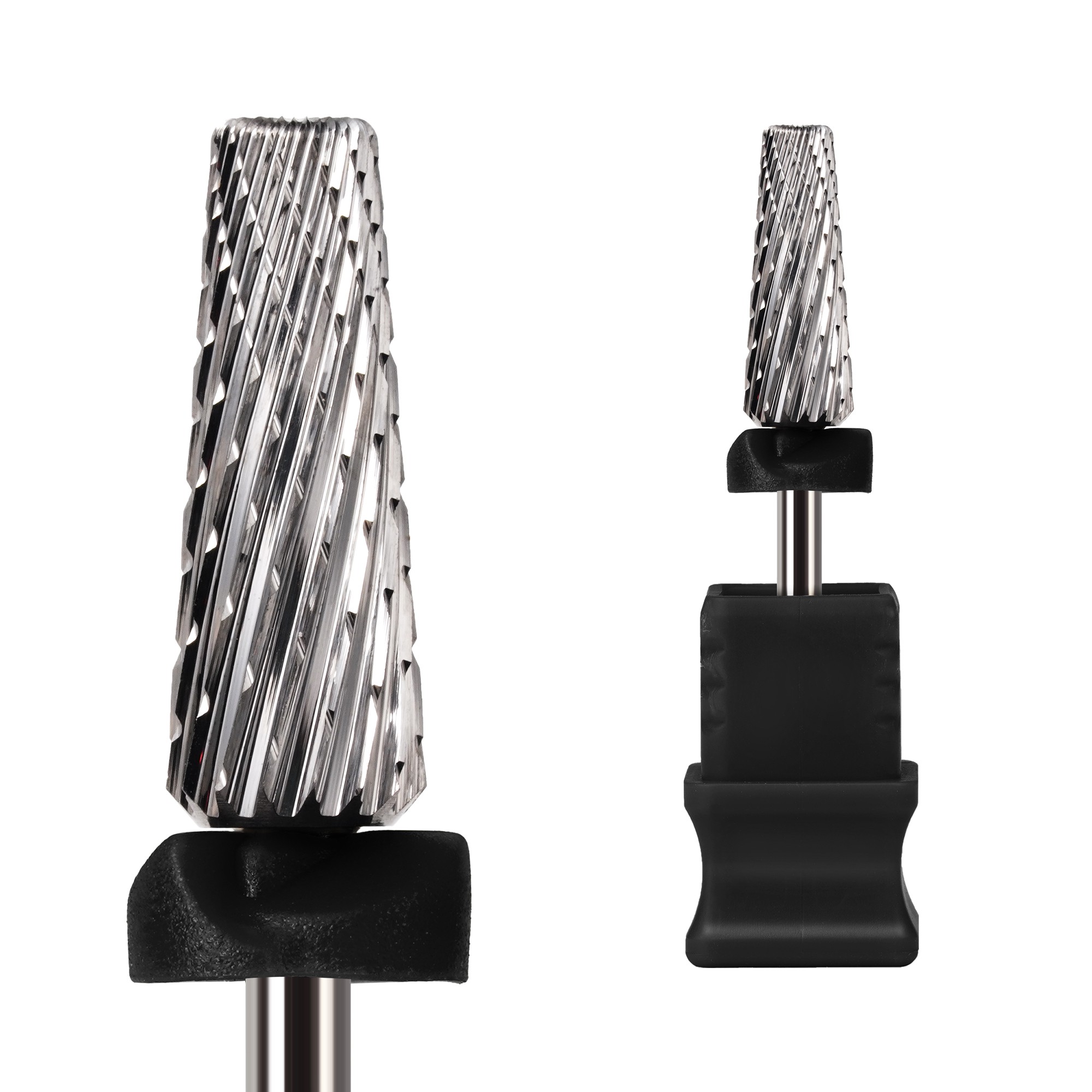
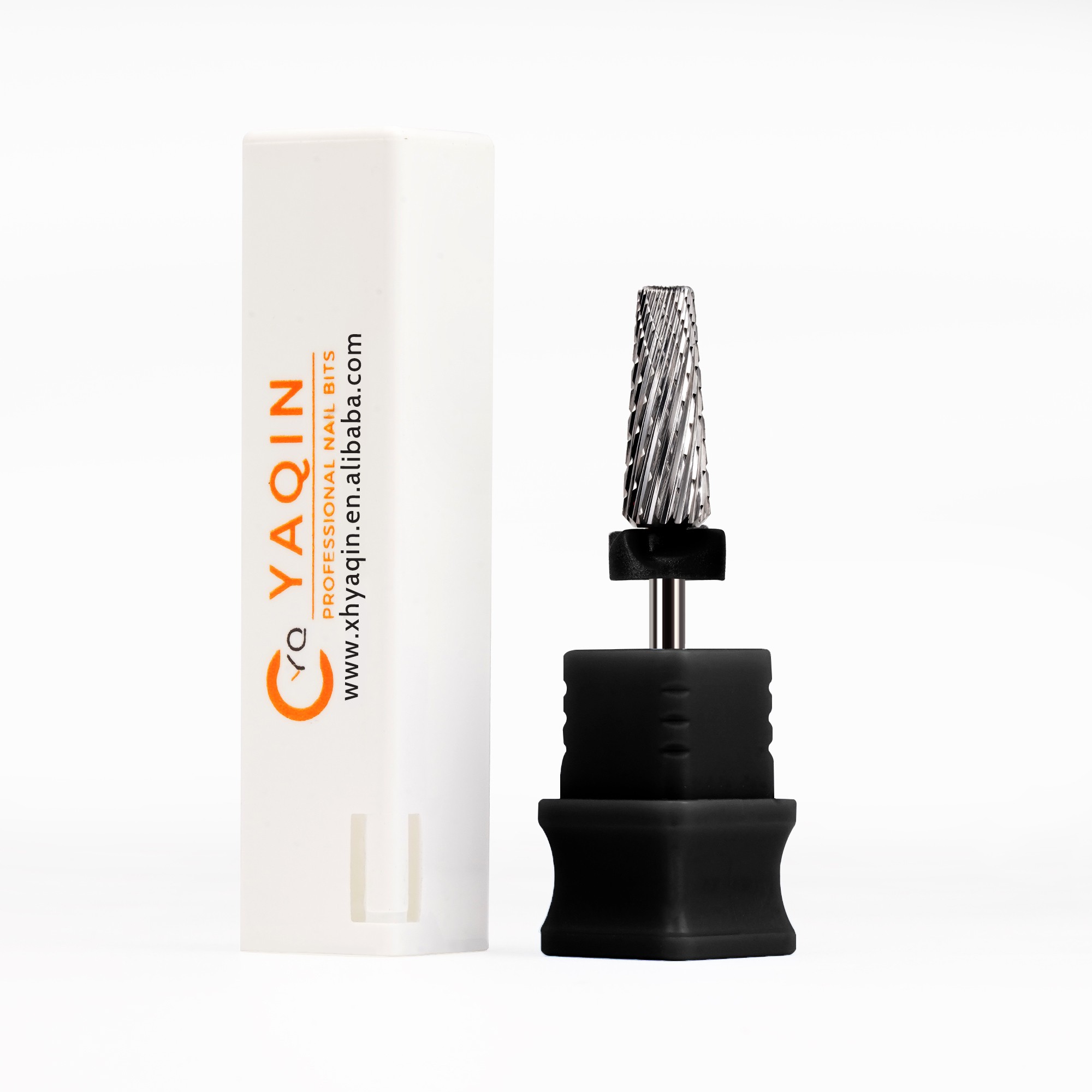
For gel-removal assortments, distributors may consider a tungsten-carbide option such as the High Quality Carbide Nail Drill Bits Super Long 5 in 1 Electric Manicure Grinding Burr SC Barrel Tungsten Carbide Bit for Nail. Its coarse, medium, and fine grit options allow buyers to build a more purposeful assortment rather than placing one general-purpose bit in every box. The stated recommended ranges are 15,000–20,000 RPM for hard gel removal and 10,000–15,000 RPM for soft gel or base gel removal.
Those figures should be treated as application guidance, not as a substitute for training. The nail plate condition, coating type, bit grit, pressure, technician skill, and direction of rotation all matter. Good product instructions should encourage the correct bit choice and controlled technique, helping users achieve efficient removal without unnecessary friction or damage to natural nails.
Calculate landed cost, service cost, and margin together
When comparing quotations, ask for an apples-to-apples cost sheet. The apparent factory price can change substantially once tooling, logo printing, color-box upgrades, extra bits, special plugs, sample charges, export packaging, inspection, freight, import duties, local warehousing, marketplace fees, and warranty reserves are considered.
Request clarity on the MOQ for a standard model versus a private-label version. Some factories can offer a low price only at a volume that creates inventory risk for a new distributor. A slightly higher unit cost with a manageable first order, stable replenishment lead time, and realistic spare-parts support can be the better commercial choice.
Warranty policy needs the same attention. Ask what failures are covered, how claims are handled, whether spare handpieces or adapters can be purchased separately, and how long replacement parts will remain available. Do not promise end customers a warranty period or response time that your supplier cannot support. It is wise to order a small quantity of service parts with the first shipment, especially for handpieces, adapters, batteries where permitted, and frequently misplaced accessories.
Private labeling should be controlled, not improvised
OEM and ODM possibilities can help distributors differentiate a China electric nail file in crowded retail and salon markets. Yet branding changes introduce approval points that must be managed. Confirm the logo location and method, color reference, packaging artwork, barcode placement, manual language, warning labels, and carton marks before mass production.
Ask for digital artwork approval and, where the project warrants it, a pre-production packaging sample. Check the spelling and technical statements in every language. A polished box cannot compensate for an unclear manual, while a correct manual can reduce avoidable returns from users who do not understand bit locking, direction controls, or charging procedures.
Yaqin’s experience in abrasive-product production and OEM/ODM service may be particularly relevant when a distributor wants a coordinated nail-drill-bit assortment alongside the electric file. In this category, visual consistency matters, but functional compatibility matters more. A branded system should feel coherent from the control unit to the replacement bit packaging.
Use the supplier conversation as a reliability test
The way a supplier handles detailed questions often predicts how they will handle an order problem. Reliable partners answer with model-specific information, identify limitations honestly, and confirm changes in writing. Be cautious when replies are limited to broad assurances, when specifications shift between messages, or when the supplier avoids sending documentation until after a deposit is discussed.
Before placing a purchase order, align on the final product specification, approved sample, packaging files, testing expectations, quantity tolerance, production schedule, payment terms, shipment terms, and claim procedure. Keep all approved details in the order documents rather than relying on chat history. If possible, conduct a factory or third-party verification appropriate to the order value and risk level.
A distributor does not need the cheapest electric nail file to compete. The stronger position is a product line that performs predictably, fits the intended user, carries supportable documentation, and can be replenished without surprises. By checking the tool, the accessories, the production controls, and the supplier’s operating discipline before buying, you turn a sourcing decision into a more durable commercial relationship—and give your customers a reason to reorder with confidence.
News List
- Preventing Gouges and Uneven Filing With Small Barrel Nail Drill BitsSep 20, 2026
- How Diameter and Grit Affect Small Barrel Nail Drill Bit PerformanceSep 20, 2026
- Can Hytos Nail Drill Bits Be Used Safely on Natural Nails and Gel Polish?Sep 20, 2026
- How to Verify Fit Between Hytos Nail Drill Bits and an E-File HandpieceSep 20, 2026
- Safe Speed Settings for Umbrella Nail Drill Bits Around the Nail FoldSep 20, 2026
- Umbrella vs Flame Nail Drill Bits: Which Shape Offers Better Cuticle Control?Sep 20, 2026
Best-Selling Products
 Cross Cut Safety Stainless Steel Tungsten Carbide Nail Drill Bits Salon Foot Use XF-C Grit for Removing Nails
 First-rate Quality Tungsten Carbide Nail Drill Bits Best Coating Manicure Remove Gel Nails Accessories
 Professional Advanced Safety Cuticle Bits Two-Way Rotate 3/32'' Carbide Tungsten 5 in 1 Nail Drill Bits
 Wholesale 5 in 1 Electric Manicure Nail Drill Bits Various Coating Cone Cuticle Bit with Rotary Cross Cut for Nail Art
 New Slant Tooth Tungsten Steel Nail Drill Bits Dead Skin Removal 5-in-1 Universal Grinding Nail Polish Head Tool Nail Drill Bits
 4.0mm Small 5 in 1 Integrated Sharpe Tungsten Nail Drill Bit Straight Teeth Gel Polish Removal
 Flame Sharp XF F M C XC Silver Safety Professional Corn Tungsten Carbide Nail Bit for Drill Machine Accessories
 Factory Direct 5 in 1 Tungsten Carbide Nail Drill Bits 6.8MM Cross Cut Safety Manicure 5 in 1 Nail Drill Bits
Please give us a message