
Quartz Nail Drill Bit Performance in Surface Smoothing Tasks
Quartz Nail Drill Bit Performance in Surface Smoothing Tasks
For technical evaluators assessing abrasive efficiency and finish quality, the Quartz Nail Drill Bit stands out in surface smoothing tasks that demand consistency, control, and durability. Understanding how this bit performs across material contact, heat management, and finish refinement helps determine whether it meets professional production standards and large-scale application needs.
When evaluators search for Quartz Nail Drill Bit performance, they usually want a practical answer: does it produce a uniform smooth surface without excessive heat, vibration, or premature wear? In most professional smoothing tasks, the answer depends less on marketing claims and more on grit behavior, cutting stability, operator control, and compatibility with repeated production use.
For technical readers, the value of this assessment lies in measurable performance. Surface smoothing is not simply about fast abrasion. It is about balancing stock removal, finish quality, thermal control, service life, and predictable results across different users and working conditions.
What Technical Evaluators Really Need to Confirm
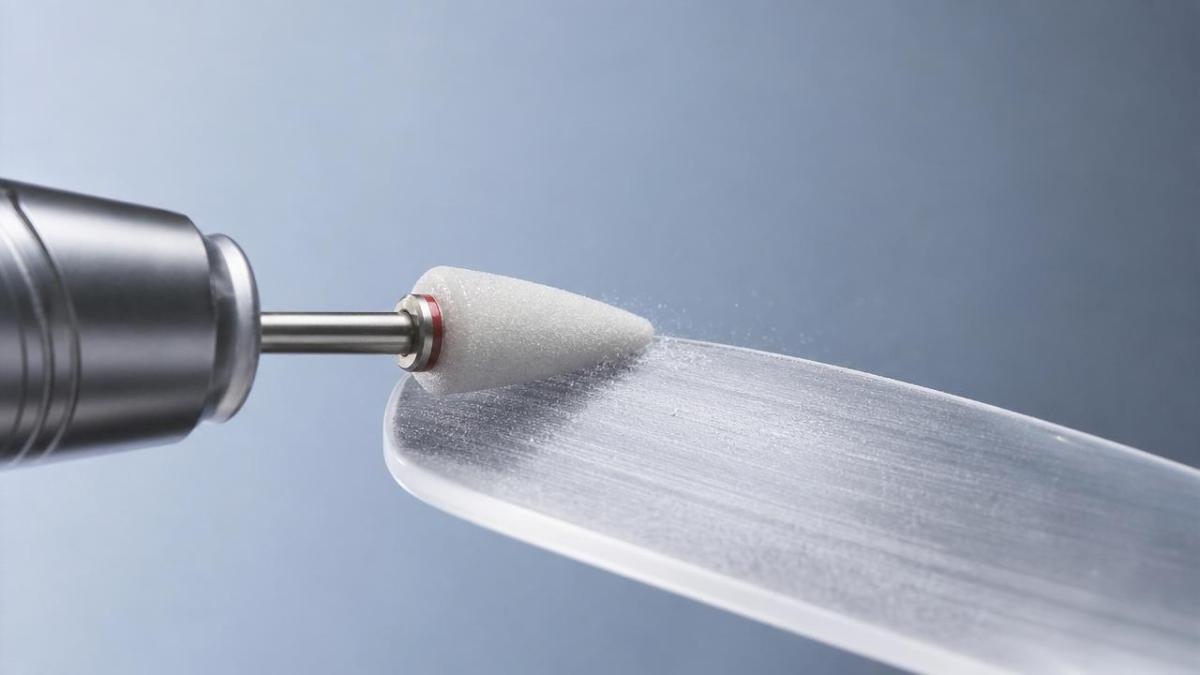
The core search intent behind Quartz Nail Drill Bit is evaluative rather than introductory. Technical evaluators are not just asking what the bit is. They are asking whether it performs reliably in smoothing applications where finish consistency directly affects service quality, workflow efficiency, and customer safety.
The first concern is surface outcome. Evaluators want to know whether the bit leaves an even, refined finish or creates visible scratch patterns that require extra correction. In nail preparation and finishing, this distinction has direct impact on labor time and downstream coating performance.
The second concern is heat generation during continuous contact. Even an abrasive bit with strong removal ability can fail a technical evaluation if it produces localized heat too quickly. Excessive heat increases discomfort, raises safety concerns, and often signals unstable cutting action or poor debris evacuation.
The third concern is wear behavior over time. A bit may perform well in early cycles but lose smoothing precision after repeated use. For large-scale buyers, durability is not only a maintenance issue. It is a cost-control issue that affects replacement frequency, output consistency, and inventory planning.
Finally, evaluators want practical compatibility. The bit must work predictably with standard nail drill systems, support operator control at realistic speeds, and maintain stable performance in both salon and distribution-level purchasing environments.
How Quartz Nail Drill Bit Performance Should Be Judged in Surface Smoothing Tasks
A proper evaluation starts with contact behavior. In smoothing tasks, the Quartz Nail Drill Bit should engage the nail surface progressively rather than aggressively. Progressive engagement helps reduce sudden grabbing, supports fine correction, and makes it easier for technicians to control pressure during finishing passes.
The next benchmark is scratch uniformity. A technically sound smoothing bit produces a controlled and repeatable abrasion pattern. This matters because a uniform micro-texture supports better product adhesion when follow-up layers are applied, while also reducing the need for repeated rework.
Dust flow is another important indicator. During surface smoothing, debris should disperse in a consistent direction rather than accumulating around the working area. Stable dust ejection improves visibility, reduces mess, and helps prevent the abrasive surface from becoming less efficient during longer sessions.
Evaluators should also observe vibration response. Excessive vibration usually reflects imbalance, unstable geometry, or poor interaction between bit and handpiece. In smoothing applications, low vibration improves precision and reduces user fatigue, especially during repetitive professional work.
Noise level can provide secondary insight. While sound alone is not a definitive metric, abrupt changes in sound during use often indicate inconsistent contact, worn cutting surfaces, or unnecessary friction. Stable operating feedback is usually a sign of a well-performing bit in practical conditions.
Surface Finish Quality: The Most Important Output Metric
For technical assessment, finish quality should remain the primary decision factor. A Quartz Nail Drill Bit used for smoothing must create a refined surface that looks even under direct light and feels consistent across the treated area. This is where actual value becomes visible.
A high-performing bit does not simply remove material fast. It removes material selectively and predictably. That means raised areas are leveled without creating new grooves, edge transitions remain controlled, and the natural nail is not unnecessarily weakened during refinement work.
In professional settings, finish quality also affects subsequent process efficiency. If the smoothing step leaves a balanced surface, technicians spend less time correcting defects before gel, base, or polish application. That shortens cycle time while improving the consistency of final cosmetic results.
Technical evaluators should test the bit on both localized and full-surface smoothing passes. Some bits perform well in spot correction but become uneven when used over broader zones. Others remain stable across larger contact areas, which is more valuable for production-oriented use.
Another useful check is edge behavior near cuticle-adjacent areas. A bit suitable for smoothing should allow controlled finishing in tighter zones without skipping or over-cutting. This is especially important where appearance standards are high and margin for error is low.
Heat Management and Operator Safety Under Repeated Use
Heat control is one of the fastest ways to distinguish acceptable performance from truly professional-grade performance. In smoothing tasks, friction is unavoidable, but poorly managed friction leads to discomfort, inconsistent finish, and higher risk during repeated contact.
A strong Quartz Nail Drill Bit should maintain smoothing efficiency without demanding excessive pressure from the operator. When a bit requires force to remain effective, surface temperature tends to rise faster, and finish quality often becomes less predictable.
Material design contributes directly to this issue. A bit that supports efficient debris release and stable contact geometry is less likely to drag across the surface. Lower drag generally means smoother operation, less heat buildup, and better tactile feedback for the technician.
For evaluators comparing alternatives, thermal behavior should be checked not only in short demonstrations but during realistic continuous usage. Some products stay cool in brief trials yet become noticeably hotter during longer sessions. This difference matters in professional environments where throughput is high.
Safety is also tied to tip design and surface control. For example, products with a smooth flat tip can reduce accidental skin contact risk in close working areas. This design advantage becomes particularly valuable when consistent output is needed across users with different experience levels.
Durability, Wear Resistance, and Cost Efficiency
For buyers and technical reviewers, durability is not a secondary feature. It is part of the overall performance equation. A Quartz Nail Drill Bit that smooths well for only a limited number of cycles may appear effective initially but becomes inefficient in real purchasing terms.
Wear resistance should be evaluated by observing whether the bit maintains its abrasive behavior, finish consistency, and control profile after repeated cleaning and reuse. Loss of cutting balance often appears first as slower smoothing, extra heat, or a rougher final surface.
High hardness materials generally offer advantages here, especially in environments where tools are expected to support frequent operation. The goal is not merely long service life, but stable service life that delivers consistent results from one cycle to the next.
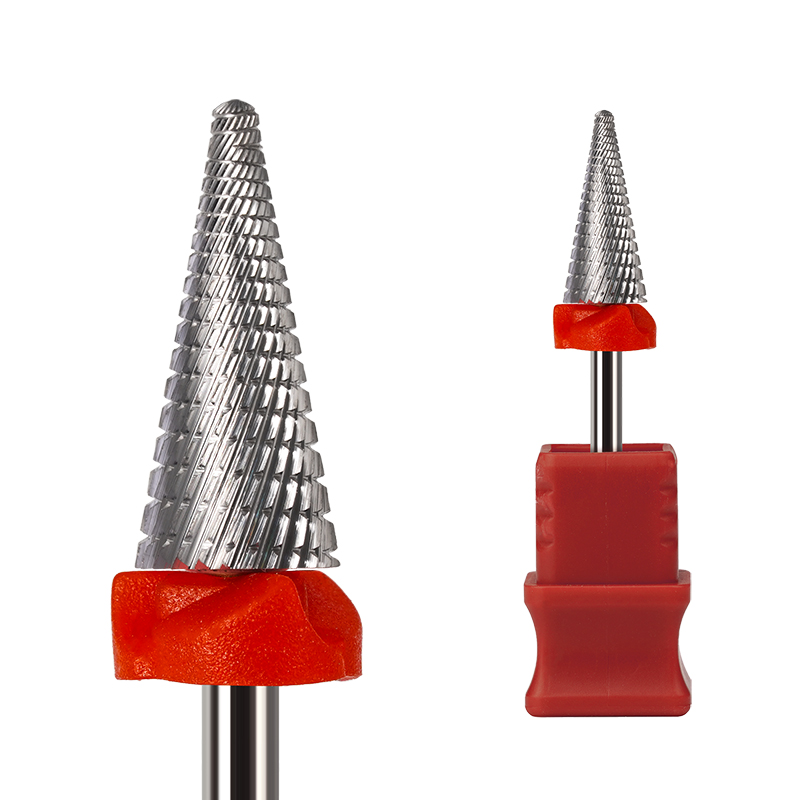
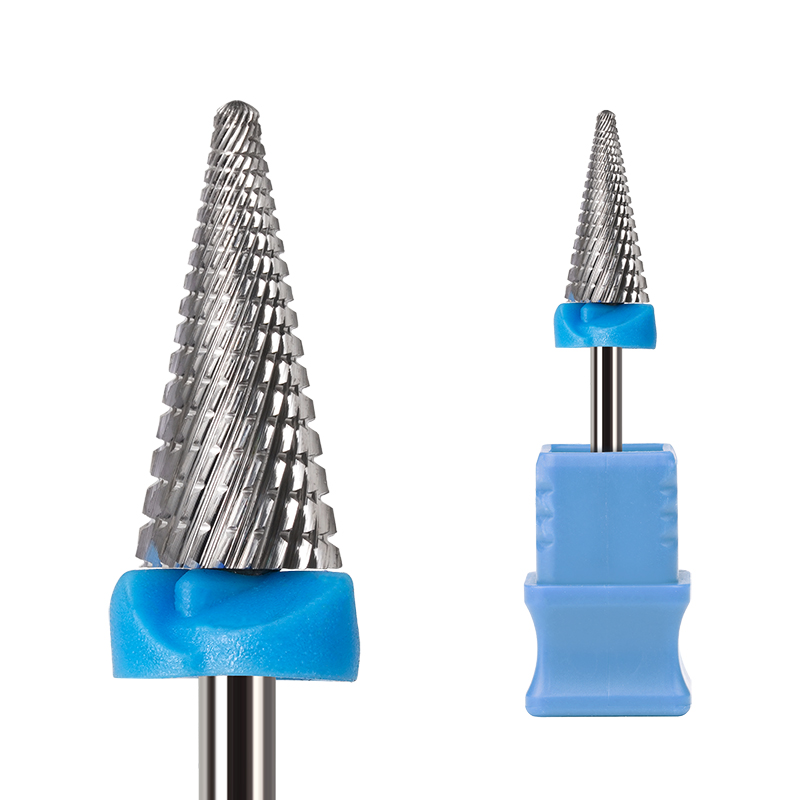
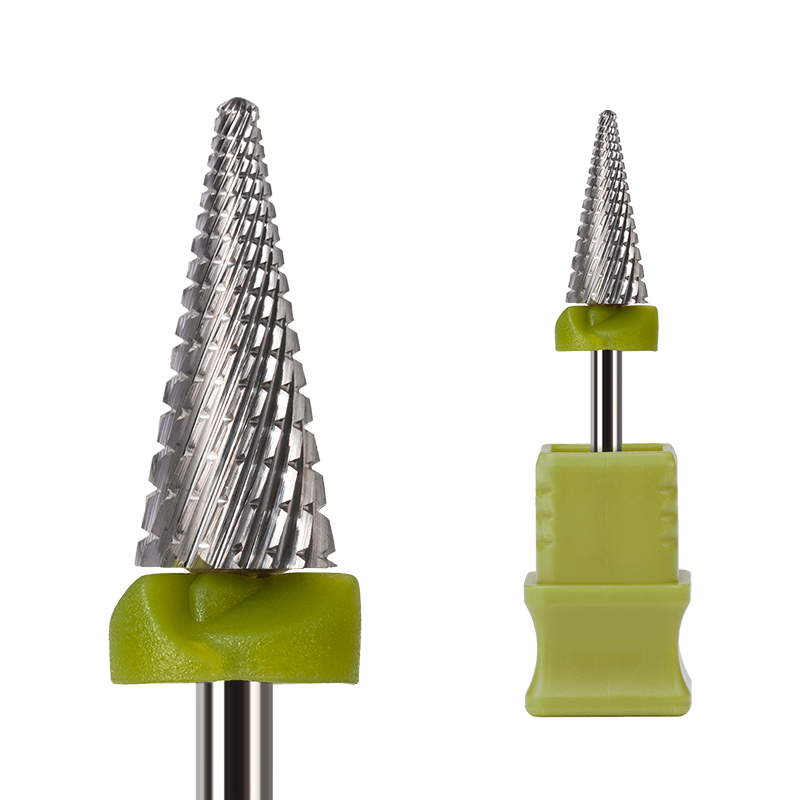
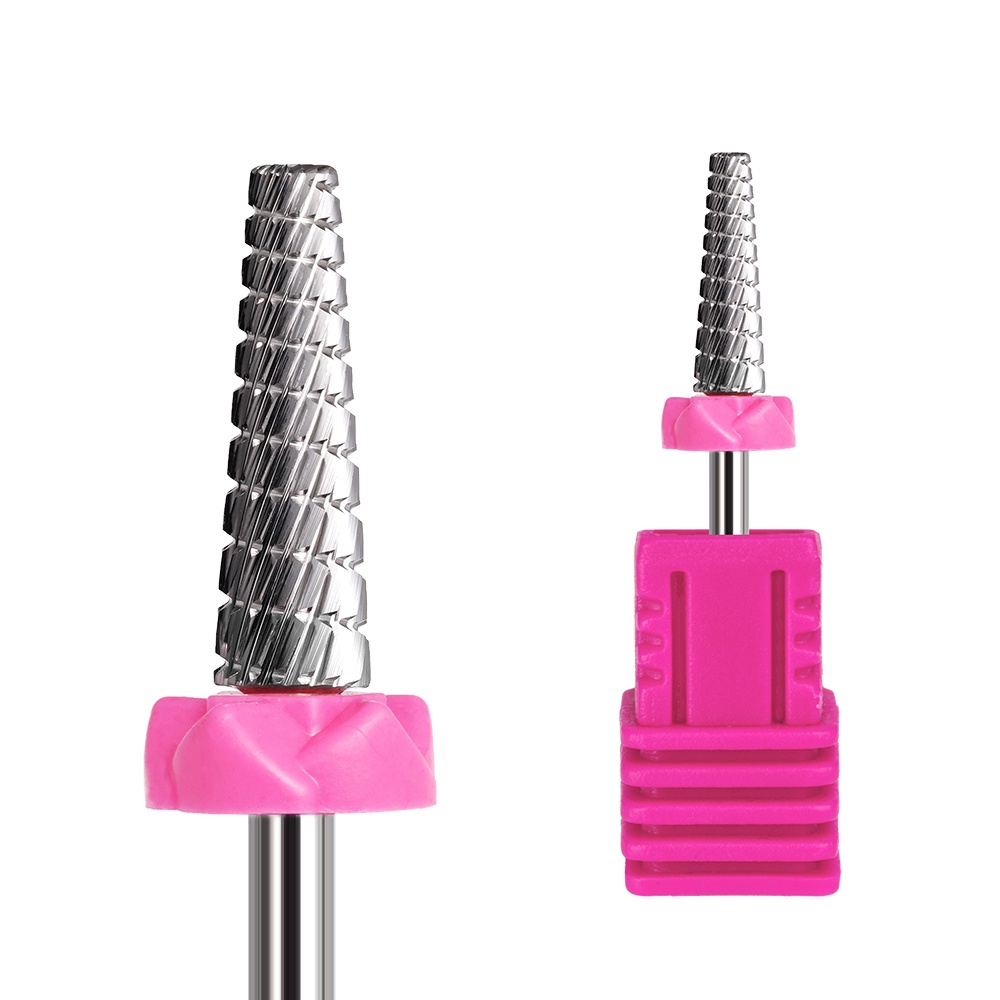
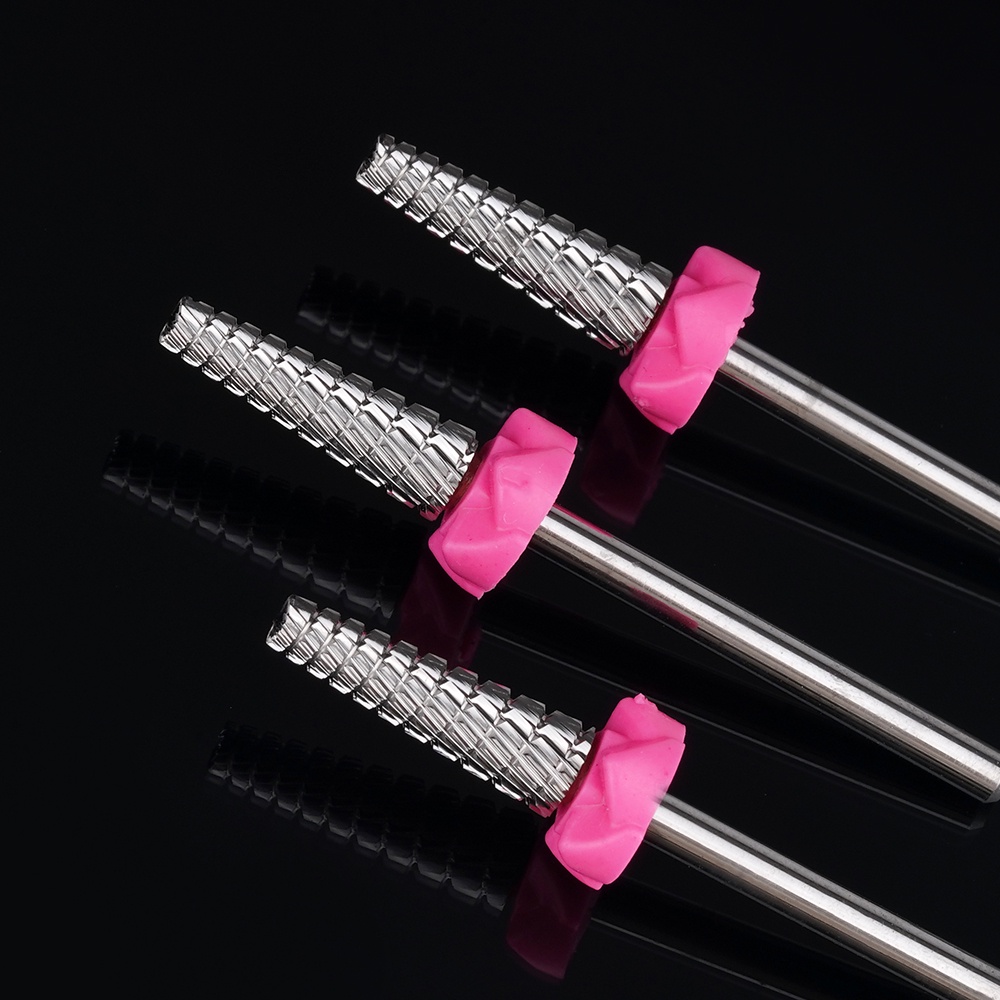
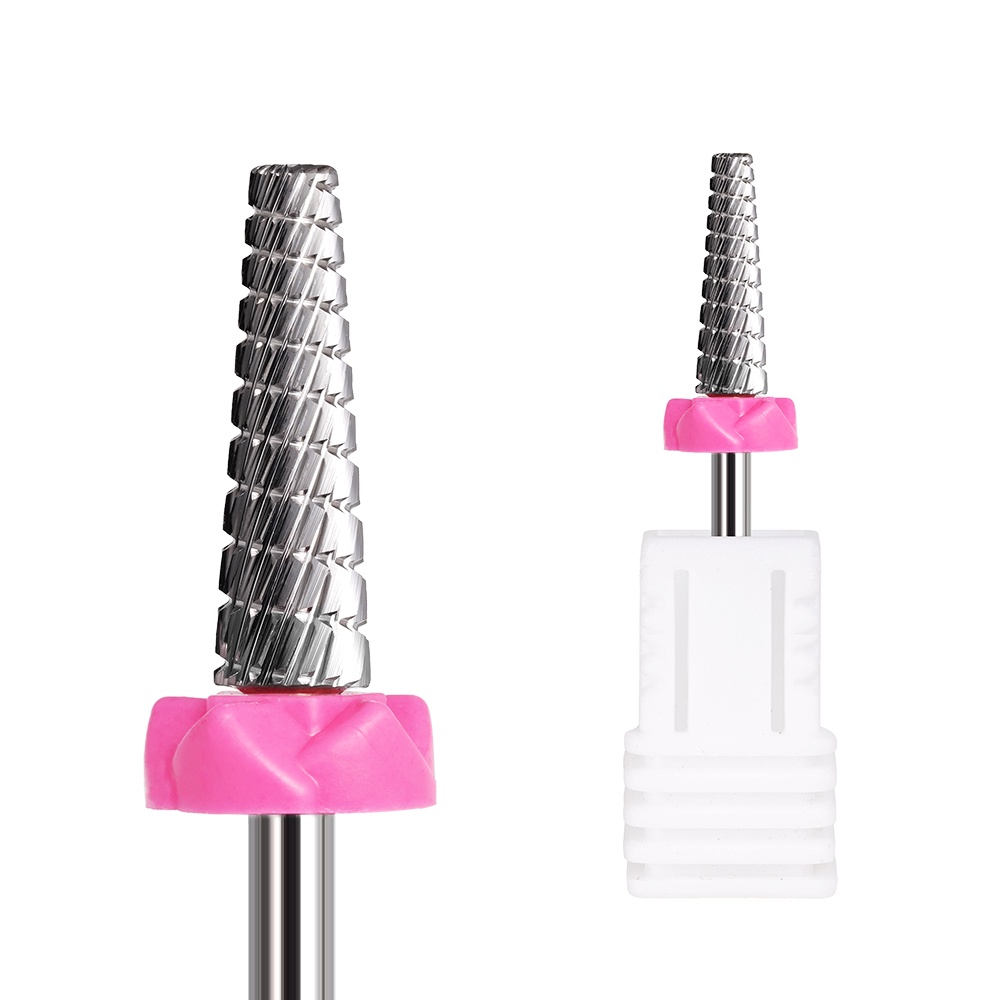
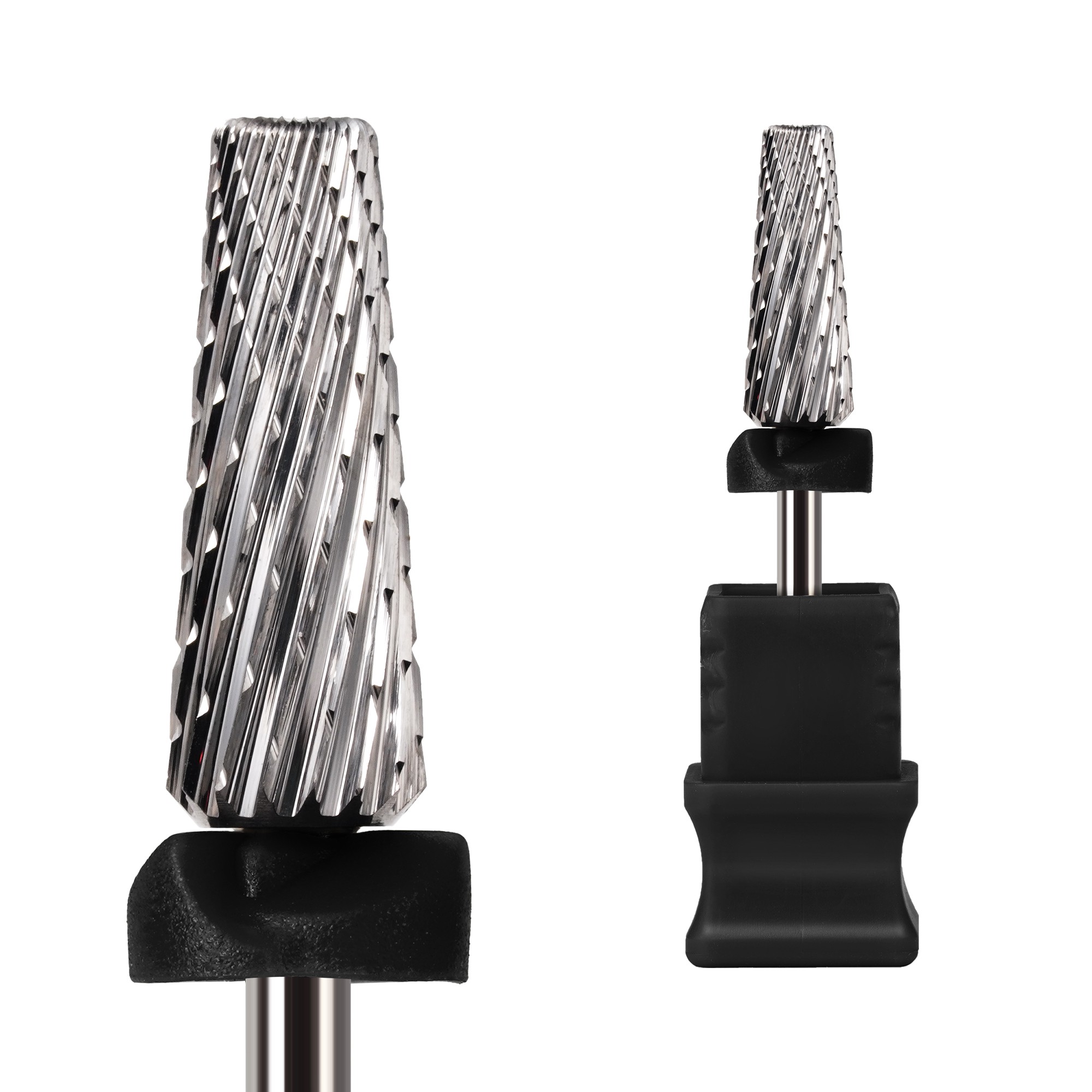
In this context, many evaluators also compare quartz-focused smoothing tools with tungsten-based alternatives built for more aggressive removal and multi-function use. For instance, New Slant Tooth Tungsten Steel Nail Drill Bits Dead Skin Removal 5-in-1 Universal Grinding Nail Polish Head Tool Nail Drill Bits represents a different performance category that combines polish removal, dead skin treatment, gel removal, and grinding efficiency in one universal format.
That comparison is useful because it highlights a key procurement principle: the best tool is not the most aggressive one, but the one whose performance profile matches the intended task. Surface smoothing often rewards control and finish precision more than maximum removal speed.
Where Quartz Nail Drill Bit Fits Best in Professional Workflows
The Quartz Nail Drill Bit is particularly relevant in workflows where surface refinement must be repeatable and visually clean. This includes preparation before overlay application, light leveling after product reduction, and controlled smoothing where natural nail preservation matters.
It is also suitable for teams that prioritize predictable handling across multiple technicians. A bit with stable smoothing characteristics reduces training variation and helps standardize finishing quality, which is valuable for salons, distributors, and OEM-oriented procurement evaluations.
Technical evaluators should pay attention to whether the bit supports both experienced operators and less advanced users. A forgiving tool profile usually lowers operational risk while still meeting finish targets, making it more scalable in larger service environments.
Compatibility with common drill systems is another practical advantage. Universal-fit designs simplify deployment and reduce friction in procurement decisions, particularly for businesses serving diverse regional markets where equipment models may vary.
In broader sourcing strategies, quartz bits may sit alongside specialized carbide or tungsten tools rather than replace them entirely. A well-structured product mix often includes dedicated smoothing bits for finish control and separate high-efficiency bits for heavy reduction tasks.
What to Ask Before Approving a Supplier or Product Batch
Before approving a Quartz Nail Drill Bit for regular procurement, evaluators should request evidence beyond catalog descriptions. The most useful indicators include material consistency, dimensional accuracy, balance stability, and repeatability across production lots.
Quality control systems matter because even small deviations can affect vibration, finish pattern, and operating comfort. Suppliers with structured raw material inspection, process control, and packaging standards are generally better positioned to deliver stable product performance at scale.
It is also important to evaluate OEM and ODM capability if private label or specification customization is part of the sourcing plan. Technical support during customization often determines whether the final product aligns with actual market expectations and operational requirements.
For international buyers, supplier experience in export markets is relevant as well. Companies serving multiple countries typically have stronger understanding of compliance expectations, packaging demands, and consistency requirements across distribution channels.
This is where experienced production-export operations such as Wuxi Yaqin Trading Co., Ltd. become relevant to procurement discussions. Their emphasis on abrasive product manufacturing, strict quality control, ISO-certified management, and large-scale OEM/ODM support aligns with the priorities technical evaluators usually apply.
Final Assessment: Is Quartz Nail Drill Bit a Strong Choice for Smoothing?
For surface smoothing tasks, the Quartz Nail Drill Bit is a strong option when the evaluation standard emphasizes finish consistency, manageable heat, controlled abrasion, and dependable repeatability. Its value is highest in workflows where refined output matters more than aggressive bulk removal.
Technical evaluators should focus on four decision points: the quality of the final surface, thermal behavior during realistic use, resistance to wear across repeated cycles, and compatibility with operator control requirements. These factors reveal far more than broad product claims.
If the target application is fine preparation, surface refinement, or controlled finishing, Quartz Nail Drill Bit performance can meet professional expectations when backed by stable manufacturing quality. If the task demands broader removal capability, pairing it with a more aggressive multi-function bit may be the better system-level solution.
In short, the right conclusion is not whether the bit is universally good, but whether it is technically appropriate for the smoothing role it is expected to fill. For evaluators making purchasing or qualification decisions, that is the judgment that matters most.
News List
- Preventing Gouges and Uneven Filing With Small Barrel Nail Drill BitsSep 20, 2026
- How Diameter and Grit Affect Small Barrel Nail Drill Bit PerformanceSep 20, 2026
- Can Hytos Nail Drill Bits Be Used Safely on Natural Nails and Gel Polish?Sep 20, 2026
- How to Verify Fit Between Hytos Nail Drill Bits and an E-File HandpieceSep 20, 2026
- Safe Speed Settings for Umbrella Nail Drill Bits Around the Nail FoldSep 20, 2026
- Umbrella vs Flame Nail Drill Bits: Which Shape Offers Better Cuticle Control?Sep 20, 2026
Best-Selling Products
 Cross Cut Safety Stainless Steel Tungsten Carbide Nail Drill Bits Salon Foot Use XF-C Grit for Removing Nails
 First-rate Quality Tungsten Carbide Nail Drill Bits Best Coating Manicure Remove Gel Nails Accessories
 Professional Advanced Safety Cuticle Bits Two-Way Rotate 3/32'' Carbide Tungsten 5 in 1 Nail Drill Bits
 Wholesale 5 in 1 Electric Manicure Nail Drill Bits Various Coating Cone Cuticle Bit with Rotary Cross Cut for Nail Art
 New Slant Tooth Tungsten Steel Nail Drill Bits Dead Skin Removal 5-in-1 Universal Grinding Nail Polish Head Tool Nail Drill Bits
 4.0mm Small 5 in 1 Integrated Sharpe Tungsten Nail Drill Bit Straight Teeth Gel Polish Removal
 Flame Sharp XF F M C XC Silver Safety Professional Corn Tungsten Carbide Nail Bit for Drill Machine Accessories
 Factory Direct 5 in 1 Tungsten Carbide Nail Drill Bits 6.8MM Cross Cut Safety Manicure 5 in 1 Nail Drill Bits
Please give us a message