
Nail Filing Additions for Aged Skin and Nails: Gentle Tools That Reduce Damage
Nail Filing Additions for Aged Skin and Nails: Gentle Tools That Reduce Damage
Choosing the right nail filing additions for aged skin and nails can make routine care safer, gentler, and far more comfortable. As skin becomes thinner and nails more brittle with age, soft-touch tools and carefully designed abrasive products help reduce friction, splitting, and accidental damage. In this guide, you’ll discover practical options that support healthier nail care while making each step easier for daily use.
For many older adults, nail care stops being a cosmetic task and becomes a comfort and safety issue. Nails may thicken, peel, or split more easily. The skin around them can turn dry, delicate, and slow to recover from even minor irritation. That changes the logic of filing. A tool that feels efficient on younger hands or feet may be too aggressive later in life.
That is why discussions around nail filing additions for aged skin and nails matter. The goal is not a perfectly polished finish at any cost. The goal is controlled shaping, less friction, fewer nicks, and better support for regular at-home care between salon visits or podiatry appointments.
Why aging skin and nails need a different approach
As people age, nail plates often become more brittle or, in some cases, thicker and harder to trim. At the same time, the surrounding skin may lose elasticity and moisture. This creates a frustrating combination: nails may require more effort to shape, but the skin can tolerate less pressure and less abrasion.
Several common changes affect tool choice:
- Thinner skin is easier to irritate with rough edges or high-friction surfaces.
- Brittle nails are more likely to split if filed too aggressively or in the wrong direction.
- Ridged nails can catch on coarse files.
- Reduced hand strength may make standard emery boards harder to control.
- Thicker toenails may tempt users to apply excess force, increasing the risk of damage.
The safest adjustment is usually not “do less,” but “use gentler, more controllable additions.” That may mean softer abrasives, ergonomic handles, low-pressure buffing surfaces, separator supports, or carefully selected powered accessories used at low speed.
What “gentle” actually means in nail filing tools
Consumers often assume a gentle tool is simply a soft-looking one. In practice, gentleness depends on how a tool interacts with the nail and skin over time. A file can be firm yet safe if it removes material evenly and does not snag. A padded tool can still be harmful if the abrasive layer is too coarse.
When evaluating additions for aged skin and nails, four factors matter most:
- Grit level: Finer grits are generally better for fragile nails and finishing edges. Very coarse grits can tear rather than shape.
- Edge design: Rounded or cushioned edges reduce accidental scraping on nearby skin.
- Surface consistency: Even abrasive distribution lowers the chance of catching or gouging.
- Control: A tool that is easy to hold and guide often matters more than speed.
For older users, a slower, more predictable filing experience is usually the better tradeoff. The small amount of time saved by a harsher tool rarely offsets the discomfort of splits, redness, or over-filing.
Useful filing additions that make routine care safer
Not every useful addition is a file itself. Some of the best solutions are accessories that improve control, visibility, hygiene, or pressure management.
Foam-backed or cushioned nail files
These are often easier on brittle nails than rigid boards. The slight give helps reduce harsh contact, especially when smoothing corners. They are useful for people whose nails flake at the tips or crack when shaped too quickly.
Fine-grit glass or crystal files
High-quality glass files are widely preferred for delicate natural nails because they tend to seal the edge more smoothly than coarse disposable boards. The key is quality and condition. A chipped or damaged glass file should be replaced immediately.
Buffing blocks with very fine surfaces
These can help smooth ridges and rough edges, but they should be used sparingly. Over-buffing older nails can thin them further. For aged nails, buffing should focus on rough spots rather than repeated full-surface polishing.
Cuticle-safe detailing tools
When the skin around the nail is fragile, aggressive trimming is a common mistake. Gentle detailing tools designed to lift residue or clean around the sidewalls with minimal scraping can be more appropriate than sharp metal implements.
Toe separators and grip supports
These may seem minor, but they improve access and reduce the need to twist the hand or foot awkwardly. Better positioning often means lighter pressure and fewer mistakes.
Low-speed electric filing attachments
For some users, especially those managing thickened toenails or old polish layers, manual filing becomes tiring or inconsistent. In those cases, powered additions can help, but only when the attachment is chosen carefully and used conservatively.
When electric filing helps—and when it creates risk
Electric nail tools are often marketed as easier and faster, but for aged skin and nails, “faster” is not always a benefit. Powered filing becomes useful when nail thickness, old product buildup, or limited hand mobility makes manual shaping difficult. It becomes risky when users choose coarse bits, high speeds, or prolonged contact.
A safer approach is to think of electric filing as a precision aid, not a shortcut. The best attachments for older users tend to offer controlled material removal, stable rotation, and smooth contact points rather than extreme abrasion.
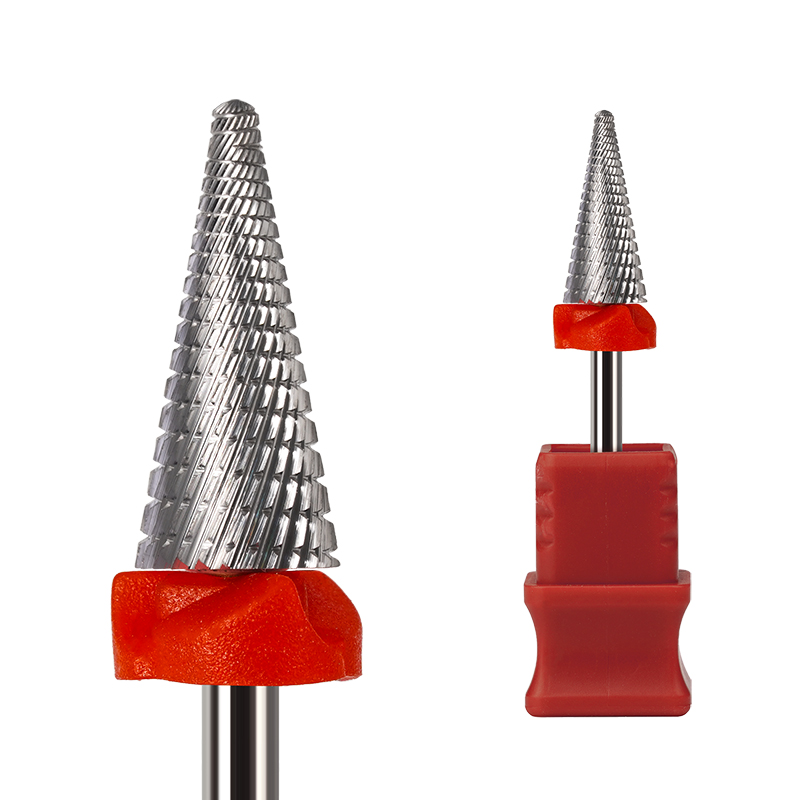
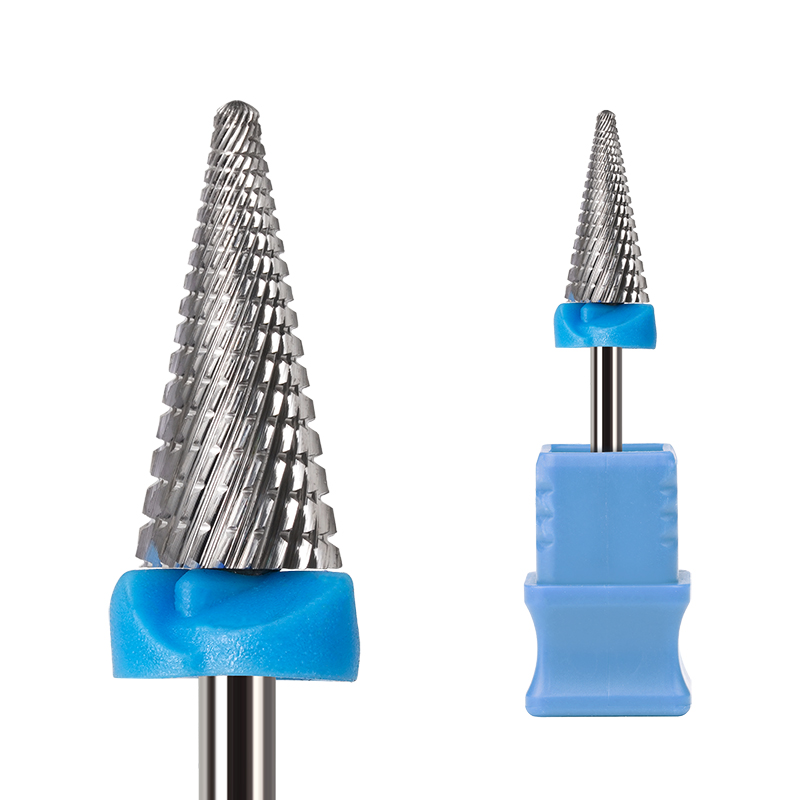
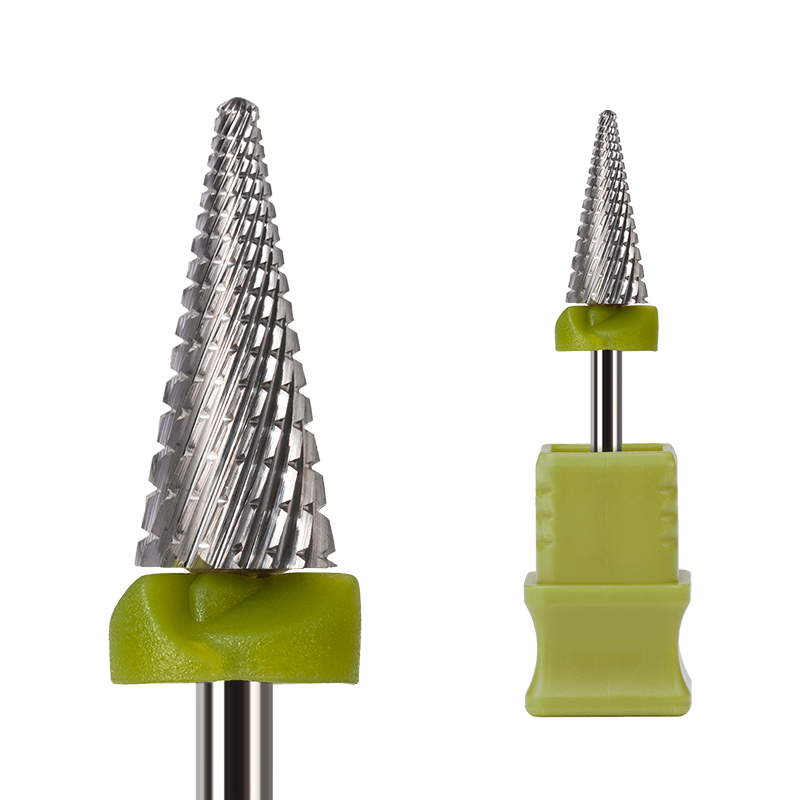
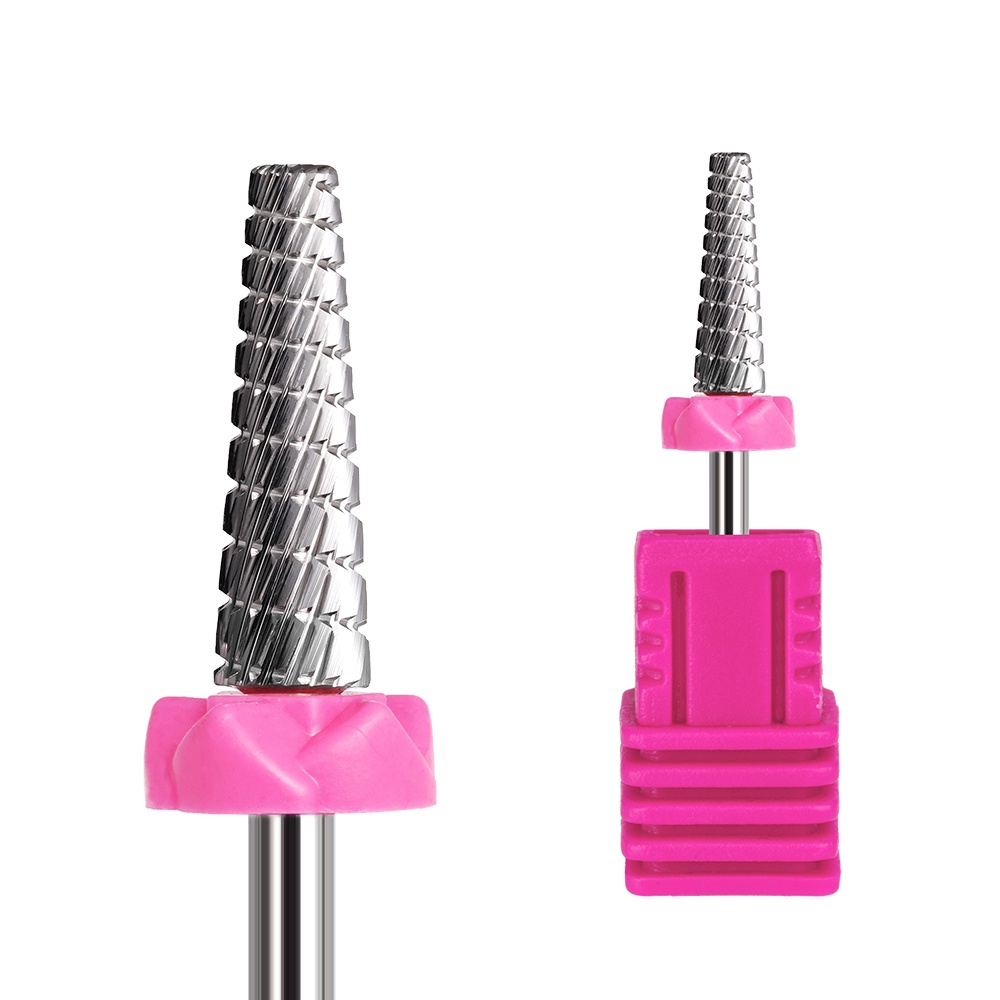
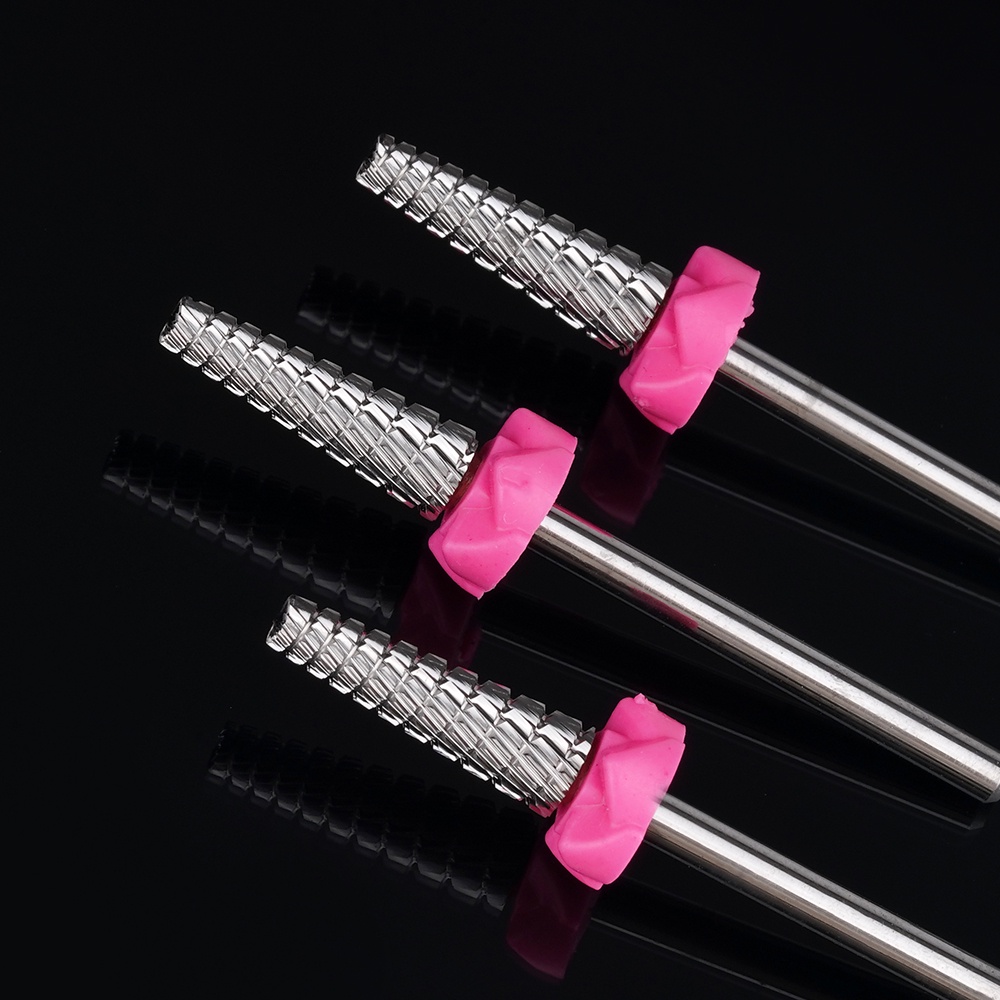
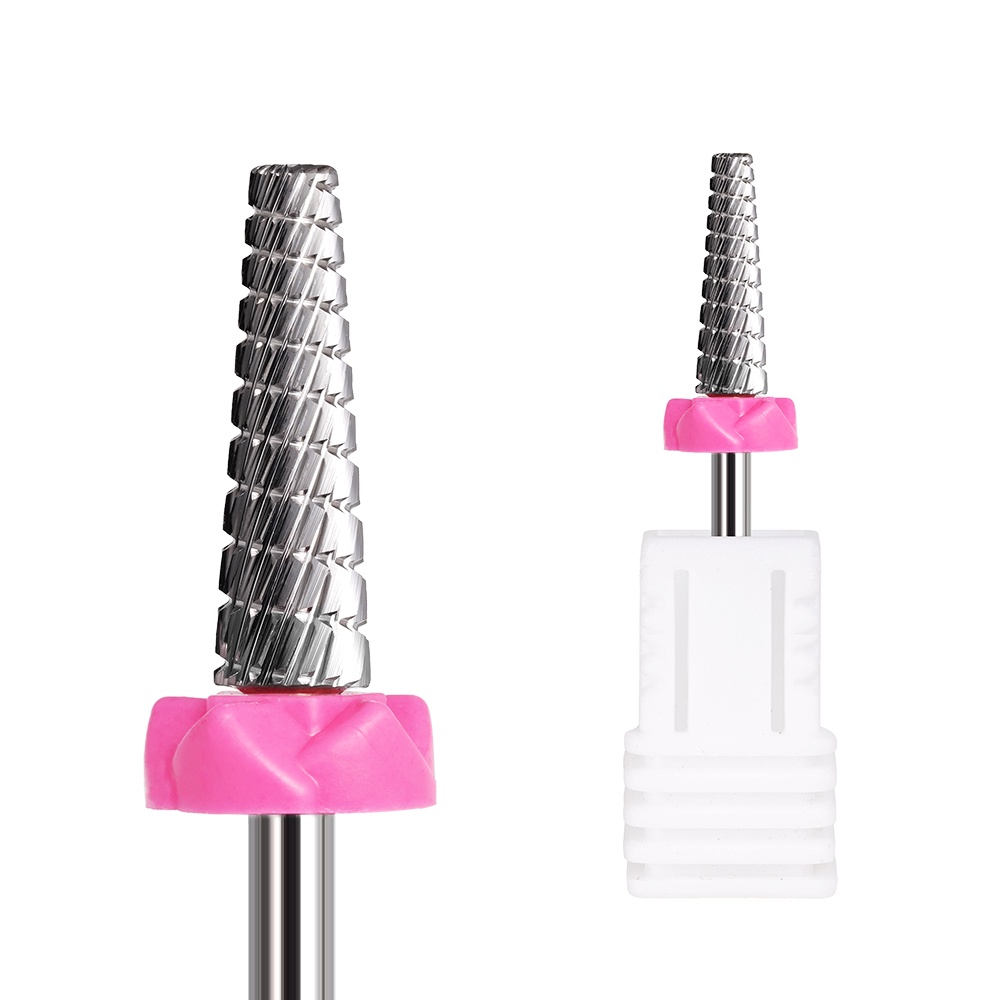
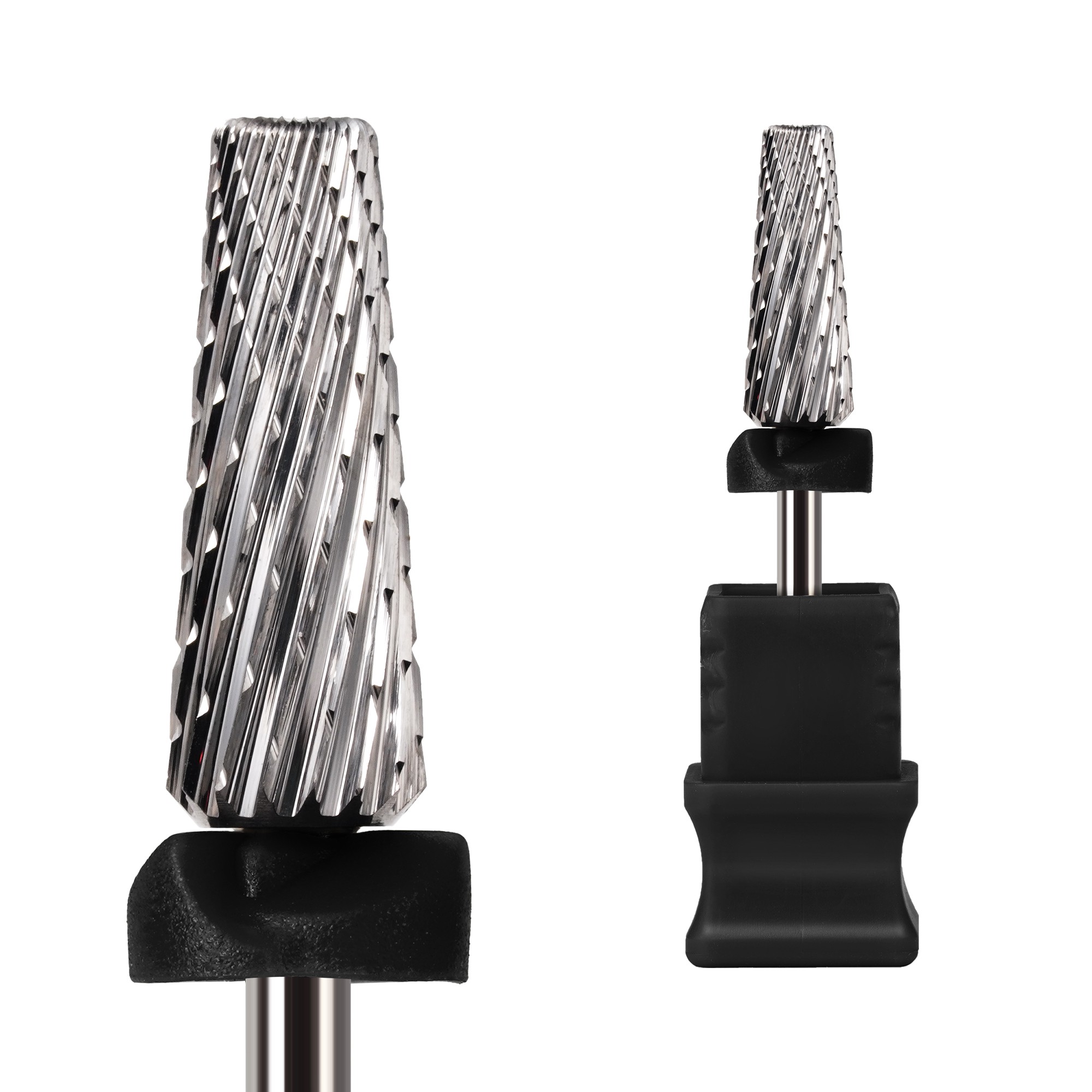
Some consumers looking for more controlled dead skin or product removal may come across professional-style bits such as New Slant Tooth Tungsten Steel Nail Drill Bits Dead Skin Removal 5-in-1 Universal Grinding Nail Polish Head Tool Nail Drill Bits. Tools in this category are designed for durability and efficient removal of polish, gel residues, or tougher surface buildup. For an older user, though, the important question is not whether the bit is strong enough. It is whether the bit can be used at a low enough speed, with a light enough touch, and only in areas where the skin barrier is protected.
That distinction matters. Strong materials such as tungsten steel or tungsten carbide can maintain cutting consistency over time, which helps reduce skipping and uneven wear. But durable does not automatically mean gentle. Technique, speed, and the user’s experience still determine safety.
How to choose the right grit and tool type for common problems
Many consumers buy the wrong filing additions because they shop by category instead of by problem. A better approach is to match the tool to the condition of the nail and skin.
If nails split or peel easily
Choose a very fine file or glass file. File in one controlled direction or with very light short strokes, depending on the tool. Avoid coarse boards and aggressive buffing. The objective is to smooth frayed edges before they catch on fabric or scratch the skin.
If nails are thick and difficult to shorten
Do not jump straight to the roughest abrasive. Start by softening the nail after bathing, then use a sturdy but not overly coarse file. If manual effort becomes excessive, a low-speed electric option may help, ideally with a smooth-tip bit that reduces accidental digging.
If the skin around the nail tears easily
Prioritize edge-safe files, soft-touch handles, and tools that keep the abrasive area away from surrounding skin. Skip sharp cuticle cutting unless advised by a qualified professional. Dry skin should be moisturized consistently, because hydrated skin tolerates routine nail care better.
If old polish, gel residue, or hardened buildup is the issue
This is where some consumers consider more advanced accessories. A bit designed for efficient surface removal can reduce repeated rubbing, which is one hidden source of irritation. For example, a well-made dual-action bit with a smooth flat tip may remove stubborn layers more predictably than repeated scraping with manual tools. Still, such tools are best used with restraint, especially on natural nails that are already thin or ridged.
Common mistakes that cause unnecessary damage
Most nail care damage in older users does not come from one dramatic incident. It comes from small habits repeated over time.
- Using coarse grit because the nail feels thick.
- Filing too long in one spot, creating heat and thinning.
- Trying to remove dry cuticle or dead skin without softening first.
- Using powered tools at salon-level speeds for home care.
- Ignoring reduced sensation in the feet, which can delay noticing injury.
- Keeping worn-out files and bits that no longer cut evenly.
One overlooked issue is contamination and maintenance. Reusable nail tools should be kept clean and dry. If a file surface becomes uneven, clogged, chipped, or rusty, it stops being predictable. Predictability is one of the most important safety features for aged skin.
A practical home routine that reduces friction and over-filing
A gentle routine usually works better than occasional heavy correction. For most older adults, that means shorter sessions more often.
Start after washing hands or bathing, when nails are slightly more pliable but not waterlogged. Dry thoroughly. Inspect the skin first. If there are cracks, redness, swelling, or signs of infection, postpone filing and seek professional advice if needed.
Use a fine file to shorten and shape only the uneven edge. Avoid digging into corners. If the nail surface has rough patches, smooth them lightly rather than trying to create a glossy finish. Apply moisturizer or cuticle oil afterward to reduce dryness around the nail folds.
For thicker nails or stubborn residues, use powered accessories only briefly and at low intensity. Professional-grade hardware can be beneficial in the right hands, especially if the bit design supports clean debris ejection and stable performance, but home users should treat such tools with caution rather than confidence alone.
When professional help is the better option
Even the best nail filing additions for aged skin and nails have limits. Home care is not the right answer when there is significant thickening, pain, discoloration, lifting, repeated ingrown edges, or suspected fungal involvement. Those cases call for professional assessment, whether from an experienced nail technician trained in gentle elder care or a medical foot-care provider, depending on severity.
This is especially important for people with diabetes, circulation issues, reduced sensation, or a history of slow wound healing. In these situations, seemingly minor filing errors can become much more serious. Product choice matters, but risk profile matters more.
What is worth paying for—and what is not
Consumers do not always need the largest tool kit. In fact, a smaller set of well-chosen additions is often safer and more useful. The worthwhile upgrades are usually:
- a reliable fine-grit file,
- a gentle buffer,
- an easy-grip tool shape,
- good lighting and positioning support,
- and, if needed, a carefully selected electric attachment used conservatively.
What tends to be less useful is buying highly aggressive abrasives in the hope of solving every problem faster. Older nails rarely benefit from force. They benefit from consistency, low friction, and tools that remove only what needs to be removed.
That is the real value behind better nail filing additions for aged skin and nails. They do not turn care into a beauty ritual. They make routine maintenance more manageable, reduce avoidable injury, and support comfort over time. For aging hands and feet, that is usually the standard that matters most.
News List
- Preventing Gouges and Uneven Filing With Small Barrel Nail Drill BitsSep 20, 2026
- How Diameter and Grit Affect Small Barrel Nail Drill Bit PerformanceSep 20, 2026
- Can Hytos Nail Drill Bits Be Used Safely on Natural Nails and Gel Polish?Sep 20, 2026
- How to Verify Fit Between Hytos Nail Drill Bits and an E-File HandpieceSep 20, 2026
- Safe Speed Settings for Umbrella Nail Drill Bits Around the Nail FoldSep 20, 2026
- Umbrella vs Flame Nail Drill Bits: Which Shape Offers Better Cuticle Control?Sep 20, 2026
Best-Selling Products
 Cross Cut Safety Stainless Steel Tungsten Carbide Nail Drill Bits Salon Foot Use XF-C Grit for Removing Nails
 First-rate Quality Tungsten Carbide Nail Drill Bits Best Coating Manicure Remove Gel Nails Accessories
 Professional Advanced Safety Cuticle Bits Two-Way Rotate 3/32'' Carbide Tungsten 5 in 1 Nail Drill Bits
 Wholesale 5 in 1 Electric Manicure Nail Drill Bits Various Coating Cone Cuticle Bit with Rotary Cross Cut for Nail Art
 New Slant Tooth Tungsten Steel Nail Drill Bits Dead Skin Removal 5-in-1 Universal Grinding Nail Polish Head Tool Nail Drill Bits
 4.0mm Small 5 in 1 Integrated Sharpe Tungsten Nail Drill Bit Straight Teeth Gel Polish Removal
 Flame Sharp XF F M C XC Silver Safety Professional Corn Tungsten Carbide Nail Bit for Drill Machine Accessories
 Factory Direct 5 in 1 Tungsten Carbide Nail Drill Bits 6.8MM Cross Cut Safety Manicure 5 in 1 Nail Drill Bits
Please give us a message