
Essential Tools for Manicures and Nail Filing Additions for Aged Skin and Nails
Essential Tools for Manicures and Nail Filing Additions for Aged Skin and Nails
If your hands and nails have become drier, thinner, or easier to split with age, the right manicure kit matters more than people think. Choosing the essential tools for manicures, and nail filing additions for aged skin and nails is less about getting a salon look and more about avoiding small injuries, over-filing, and irritation. Mature nails usually need slower shaping, softer abrasion, better hydration, and tools that stay precise instead of dragging across the nail plate.
One mistake I see often is treating aging nails the same way you would treat strong, flexible young nails. That usually leads to peeling at the free edge, rough cuticle trimming, or filing that creates heat and discomfort. A better approach is to build a small set of dependable tools and use each one for a narrow job.
What actually belongs in a manicure kit for mature hands
You do not need a drawer full of gadgets. A practical set usually includes a fine-grit nail file, a gentle buffer, a cuticle pusher with a smooth edge, sharp nippers only if you know how to use them, a soft nail brush, a rich hand cream, and a cuticle oil that you will use consistently.
The file is the tool that deserves the most attention. For aged nails, coarse files are usually the wrong choice unless you are shortening thick enhancement material rather than the natural nail. A fine or medium-fine grit gives you more control and lowers the chance of shredding the edge. If nails peel easily, shape in one direction with light pressure instead of sawing back and forth.
Buffers can help, but only when used lightly. A high-shine buffer may make nails look healthier for a day, yet repeated aggressive buffing can thin nails that are already fragile. If the surface is ridged, the goal is to smooth slightly, not erase every line.
As for cuticle care, a rounded pusher is safer than relying on nippers for everything. Mature skin tends to be less forgiving. A tool that glides without scratching is often more valuable than a sharper tool that promises speed.
In plain terms: if a tool removes material quickly, it should be used carefully and only when there is a clear reason.
Why nail filing feels different on aged skin and nails
Nails often become drier over time. Skin around the sidewalls can also get thinner, tighter, or more prone to cracking. That changes the whole manicure routine. Filing that once felt normal can suddenly feel harsh. Even a small slip can leave the skin sore for days.
This is why nail filing additions for aged skin and nails should focus on comfort and control. Look for tools that reduce friction, help you see the working area clearly, and avoid sharp, jagged contact points. Good lighting helps more than people expect. So does a dust brush, because fine filing dust sitting on dry skin can increase irritation.
Another detail many people overlook is file freshness. A worn-out file is not automatically gentler. Sometimes it skips, catches, or forces you to press harder. A quality file in good condition is safer than an old one you keep using out of habit.
Choosing files and bits without damaging the natural nail
For home care, a hand file will be enough for many people. If you mainly trim, refine shape, and tidy the free edge, staying manual is often the safer path. Electric tools become more relevant when you are dealing with gel removal, stubborn dead skin around enhancements, or thick product layers that would take too long to remove by hand.
That said, not every drill accessory suits mature nails. The bit should match the task, and the task should justify the tool. On delicate natural nails, speed and pressure are where problems start. If you use an e-file at all, keep the contact light and avoid lingering in one spot.
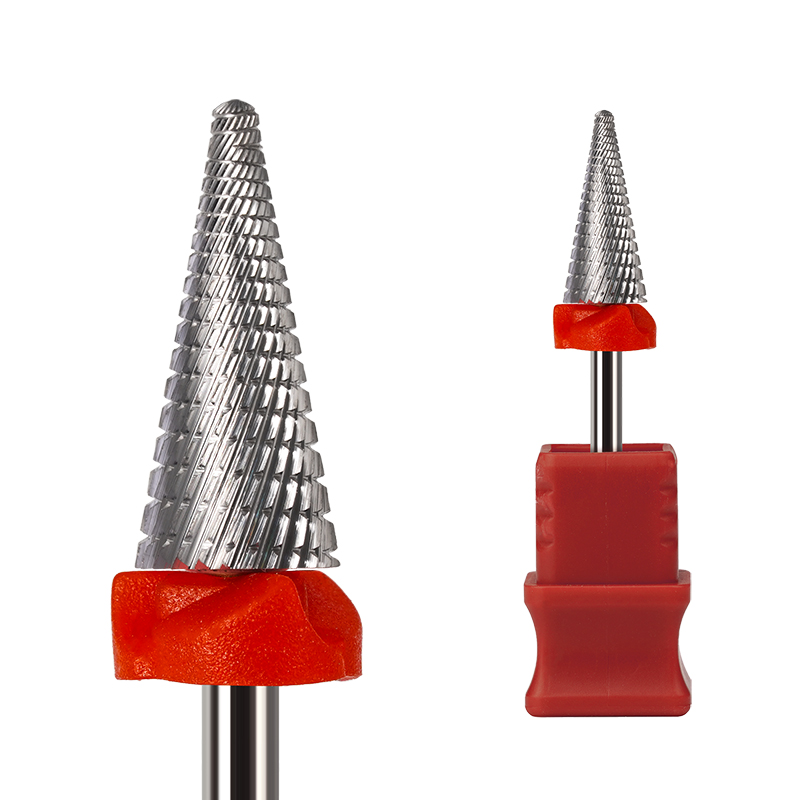
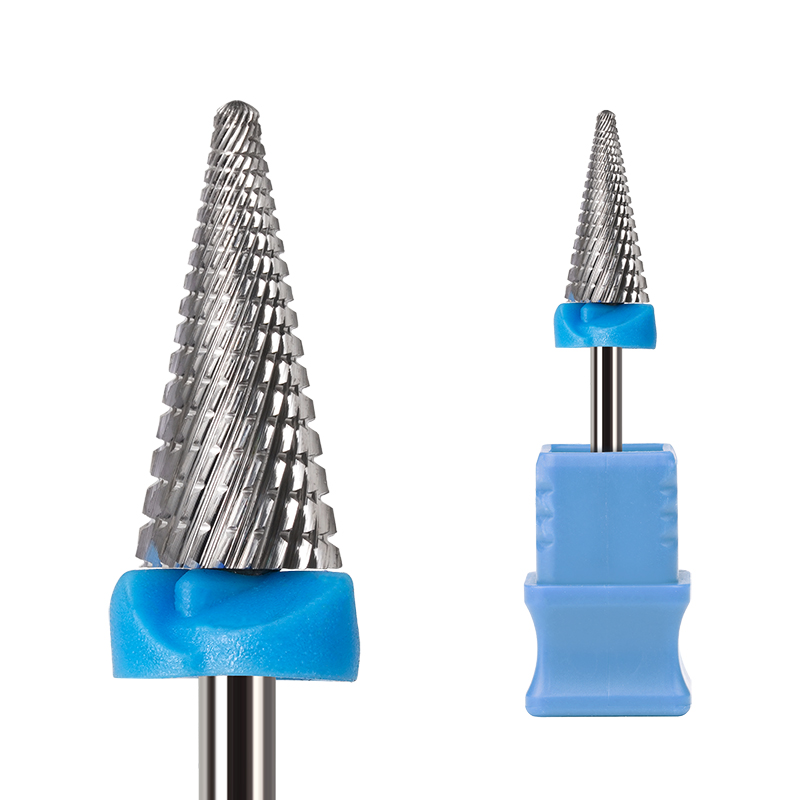
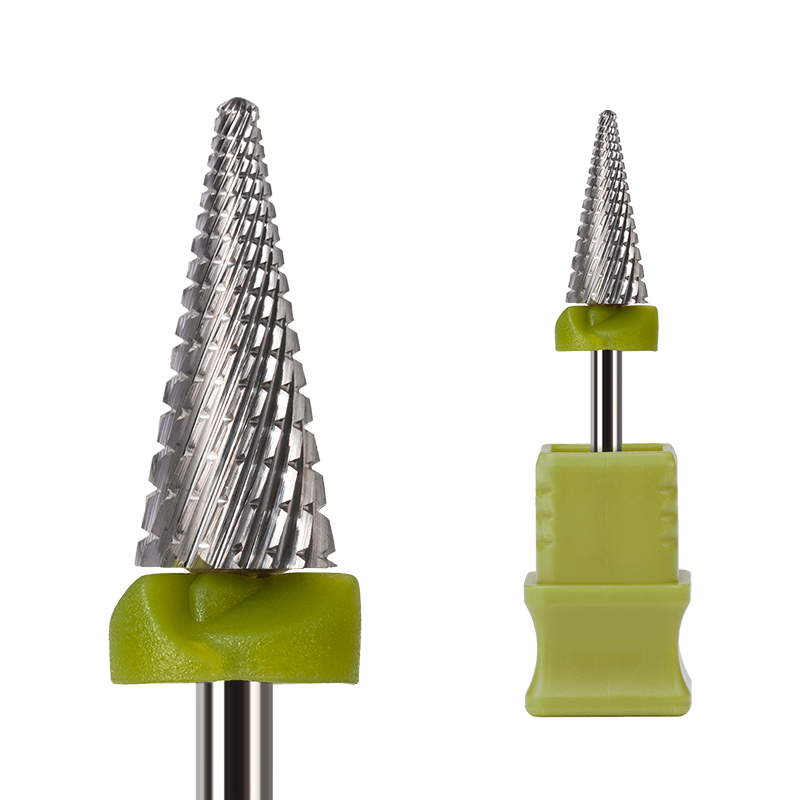
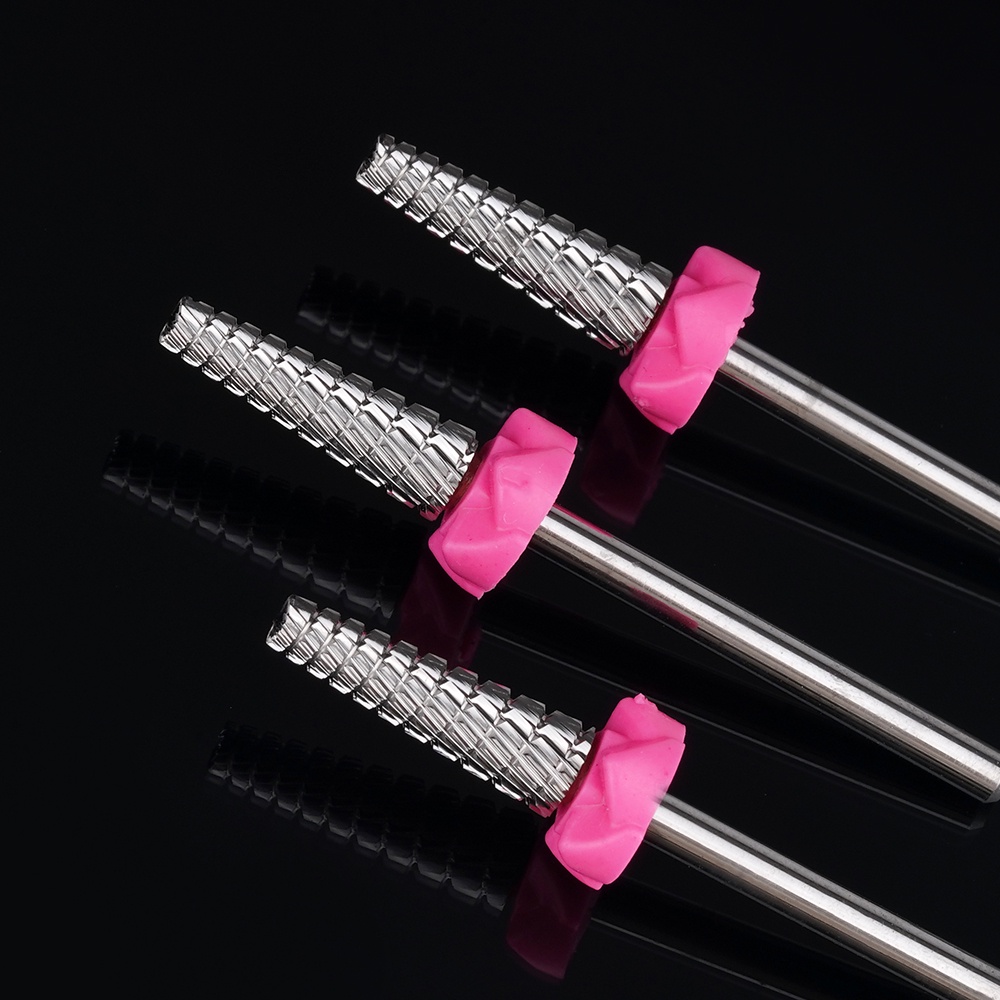
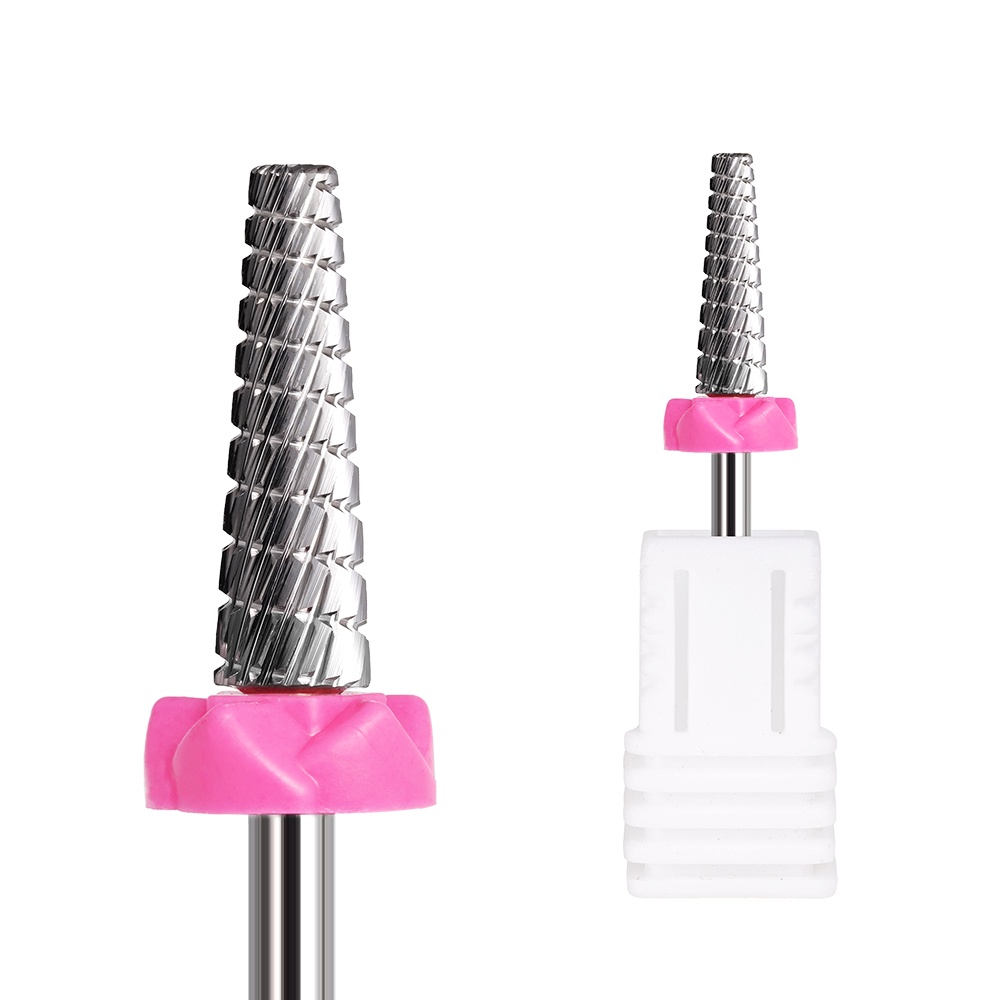
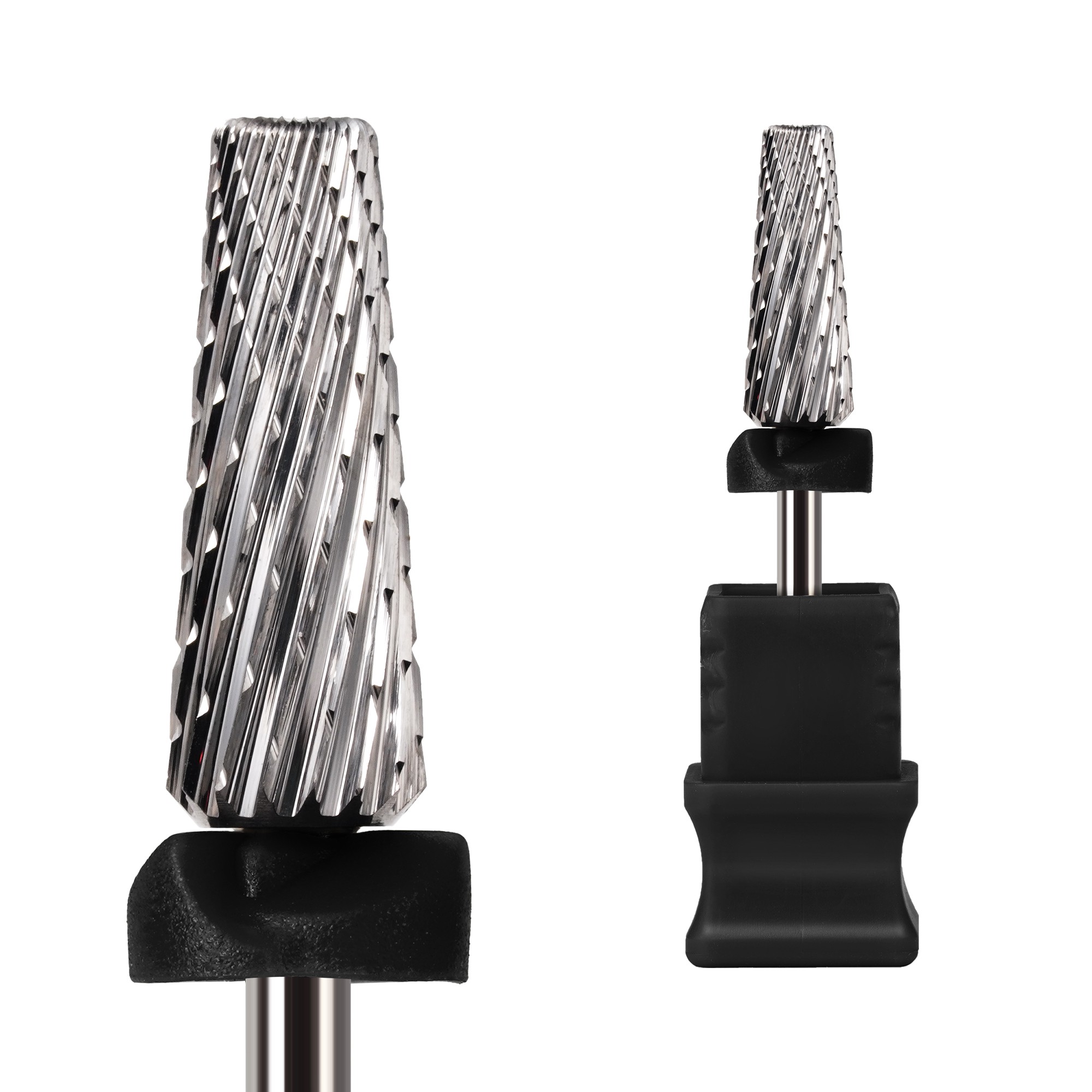
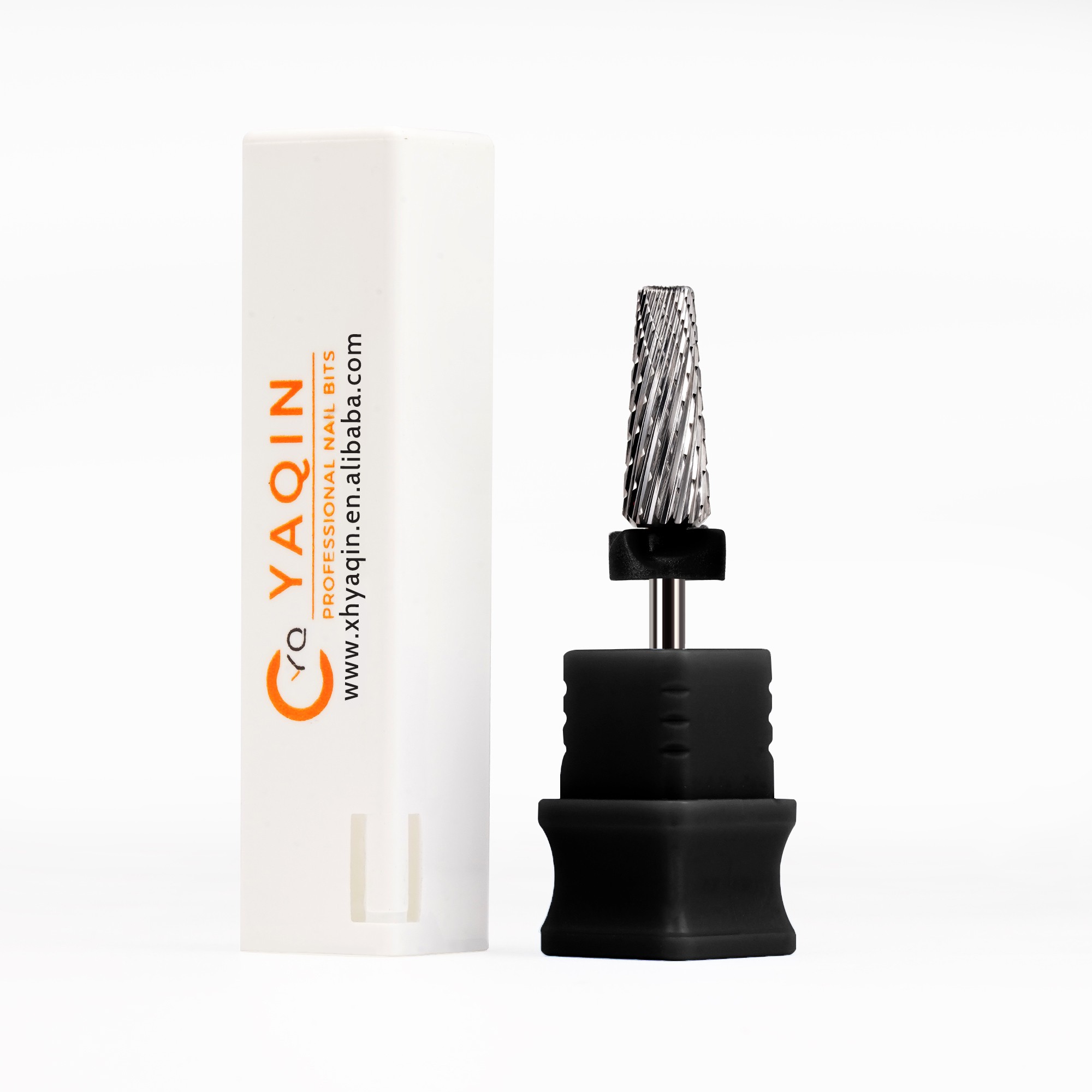
A useful example for tougher removal work is New Slant Tooth Tungsten Steel Nail Drill Bits Dead Skin Removal 5-in-1 Universal Grinding Nail Polish Head Tool Nail Drill Bits. It is positioned for professional nail technicians and DIY users who need one bit to handle polish removal, dead skin cleanup, gel reduction, and other heavy-duty surface work. The tungsten steel and tungsten carbide construction suggests good hardness and durability, which matters because a stable, sharp bit usually performs more cleanly than a low-quality one that drags or dulls too fast.
Still, this kind of tool is not the first thing I would recommend for someone whose main concern is a thin natural nail with no enhancement product on it. It fits better when you need controlled removal of hard gel, soft gel, base layers, nail tips, or callused buildup, and when the user already understands how to work gently. In the wrong hands, even a well-made bit can remove more than intended.
The best additions are often the simple ones
People searching for the essential tools for manicures often focus on cutters and files, but comfort usually comes from the supporting items.
- Cuticle oil: helps reduce dryness, hangnails, and the temptation to cut living skin.
- Hand cream with a richer texture: useful after washing, filing, or polish removal.
- Soft brush: clears dust without scraping the sidewalls.
- Acetone alternatives or buffered removers: worth considering if full-strength remover leaves skin very dry, though actual performance varies by formula.
- Lint-free wipes: better than rough tissue when cleaning the nail surface.
These are not glamorous tools, but they change the experience. Dryness and friction are often what make a manicure feel harsh on older hands, not the manicure itself.
What to avoid, even if the packaging looks impressive
Be careful with anything marketed as “extra strong,” “coarse,” or “fast removal” unless you are buying it for artificial product removal and know that is your use case. A lot of consumer disappointment comes from using a tool designed for speed on a surface that needs delicacy.
It also makes sense to avoid cheap metal tools with rough seams or inconsistent finishing. A cuticle pusher should feel smooth. Nippers should meet cleanly. Files should have even abrasive coverage. In the abrasive products trade, precision is not just a quality issue; it changes safety. That is one reason buyers often pay attention to whether a supplier has stable quality control rather than choosing only on price.
Companies with a long manufacturing and export background in abrasive tools, such as Wuxi Yaqin Trading Co., Ltd., tend to emphasize process control, raw material checks, and product consistency. For ordinary consumers, that matters less as a corporate story and more as a practical buying clue: when a nail tool performs predictably from one use to the next, you are less likely to overcompensate with pressure.
A routine that works better for mature nails
Start after washing your hands, but do not begin filing when nails are waterlogged and overly soft. Let them dry fully first. Then shorten if needed, refine the shape with a fine-grit file, and stop as soon as the edge feels even. Do not keep filing just to chase perfection under bright light. That extra minute is where many splits begin.
Next, soften the cuticle area with oil or remover, gently push back only the non-living tissue, and trim only obvious hangnails or lifted dead skin. If you are unsure whether the skin is ready to be cut, it usually is not.
If there is old gel or a stubborn coating to remove, choose a dedicated removal step rather than scraping aggressively with a file tip. That is where a durable drill bit designed for polish and gel reduction can make sense, especially when the bit has a shape that improves visibility and a smooth tip that lowers the chance of accidental poking. But again, this is a targeted tool, not an everyday answer for every nail.
Finish with oil first, then cream. Many people reverse the order, but oil placed directly around the nail fold often gives better local softness before a heavier cream seals things in.
Common misconceptions that lead to damage
One common belief is that ridged or yellowing nails need more buffing. Usually they need less abrasion and better moisture support, unless there is a separate medical cause that should be checked by a clinician.
Another is that stronger tools are automatically better tools. They are not. For aged skin and nails, the better tool is usually the one that removes only what you intend to remove, at a pace that lets you stop in time.
There is also a tendency to copy salon techniques at home without the same level of control. Professional-looking results come from restraint more than force. If your nails are already thin, sore, or splitting down the sides, pause cosmetic work and simplify the routine instead of adding more steps.
When to keep it simple and when to upgrade
If your main goal is neat, healthy nails, a basic manual kit is enough for most weeks. Upgrade only when you have a real problem to solve: thick gel removal, persistent dead skin around enhancement services, or product buildup that manual tools handle poorly.
That is the right way to think about nail filing additions for aged skin and nails. Additions should remove friction from the routine, not create new risk. A fine file, a smoother cuticle tool, better hydration, and selective use of quality removal accessories will do more for mature nails than a large kit full of aggressive tools.
Good manicures on aging hands are usually quiet, careful, and consistent. If you remember one thing, let it be this: the best essential tools for manicures are the ones that protect the natural nail while making care easier to repeat every week.
FAQ
Should older nails be filed wet or dry?
Dry is usually better for shaping. Wet nails can be softer and easier to overwork.
Is an electric nail drill safe for thin nails?
Only in limited situations and with good control. For thin natural nails, hand filing is often the safer option.
What grit is usually better for aged nails?
A fine or medium-fine grit is usually easier to control. Very coarse grit is better reserved for artificial product removal.
Do I need to cut cuticles to keep nails tidy?
Not always. Softening and gently pushing back non-living tissue is often enough.
When should I stop home manicure care and ask a professional?
If nails are painful, separating from the nail bed, repeatedly splitting, or showing sudden color changes, it is sensible to get professional or medical advice.
Internal Link Anchor Text Suggestions
- best nail drill bits for gel removal: product category or buying guide
- how to choose nail file grit at home: educational guide page
- cuticle care tools for sensitive skin: care tips or product collection page
- tungsten carbide nail bit vs ceramic bit: comparison article
- home manicure routine for brittle nails: tutorial or blog article
External Authority Source Suggestions
- government or public health dermatology guidance pages
- professional nail industry association hygiene and safety resources
- brand or manufacturer technical documentation for abrasive tool materials and care
News List
- Preventing Gouges and Uneven Filing With Small Barrel Nail Drill BitsSep 20, 2026
- How Diameter and Grit Affect Small Barrel Nail Drill Bit PerformanceSep 20, 2026
- Can Hytos Nail Drill Bits Be Used Safely on Natural Nails and Gel Polish?Sep 20, 2026
- How to Verify Fit Between Hytos Nail Drill Bits and an E-File HandpieceSep 20, 2026
- Safe Speed Settings for Umbrella Nail Drill Bits Around the Nail FoldSep 20, 2026
- Umbrella vs Flame Nail Drill Bits: Which Shape Offers Better Cuticle Control?Sep 20, 2026
Best-Selling Products
 Cross Cut Safety Stainless Steel Tungsten Carbide Nail Drill Bits Salon Foot Use XF-C Grit for Removing Nails
 First-rate Quality Tungsten Carbide Nail Drill Bits Best Coating Manicure Remove Gel Nails Accessories
 Professional Advanced Safety Cuticle Bits Two-Way Rotate 3/32'' Carbide Tungsten 5 in 1 Nail Drill Bits
 Wholesale 5 in 1 Electric Manicure Nail Drill Bits Various Coating Cone Cuticle Bit with Rotary Cross Cut for Nail Art
 New Slant Tooth Tungsten Steel Nail Drill Bits Dead Skin Removal 5-in-1 Universal Grinding Nail Polish Head Tool Nail Drill Bits
 4.0mm Small 5 in 1 Integrated Sharpe Tungsten Nail Drill Bit Straight Teeth Gel Polish Removal
 Flame Sharp XF F M C XC Silver Safety Professional Corn Tungsten Carbide Nail Bit for Drill Machine Accessories
 Factory Direct 5 in 1 Tungsten Carbide Nail Drill Bits 6.8MM Cross Cut Safety Manicure 5 in 1 Nail Drill Bits
Please give us a message