
Is a wholesale electric nail file powerful enough for busy salon use?
Is a wholesale electric nail file powerful enough for busy salon use?
A wholesale electric nail file can be powerful enough for busy salon use, but the answer depends less on the word “wholesale” and more on the motor, torque delivery, handpiece balance, bit choice, and maintenance routine. A drill that feels fast on a single gel removal may still struggle during a full appointment schedule if the speed drops under pressure, the handpiece heats up, or vibration makes controlled cuticle work difficult.
In a high-volume salon, the problem is rarely simply “not enough RPM.” Operators need a machine that removes product efficiently without forcing the bit into the surface, maintains stable rotation through acrylic or hard-gel work, and remains comfortable during repeated use. The right electric nail file can shorten repetitive filing tasks and improve consistency, but excessive pressure, unsuitable bits, or poor technique can make even a powerful unit perform badly.
Power for salon work means controlled torque, not maximum speed alone
Electric nail files are often described by their maximum rotational speed, but speed and usable power are not the same. RPM indicates how fast the bit can spin when it is not heavily loaded. Torque is the turning force that helps the bit continue rotating when it contacts product. For salon work, torque matters when removing bulk acrylic, reducing builder gel, shortening enhancements, or refining thick overlays.
A high-speed drill with weak torque may sound impressive in an advertisement yet slow down as soon as the operator begins removing dense material. This causes several practical problems: the technician may press harder, work takes longer, heat builds more easily, and the finish can become uneven. A stable motor lets the operator use a lighter touch, which is better for precision and more comfortable for the client.
That does not mean every appointment requires the most aggressive drill available. Natural nail preparation, cuticle work, and final smoothing require control more than raw cutting force. In fact, excessive speed or an overly coarse bit during these steps increases the chance of thinning the natural nail, creating friction heat, or leaving visible rings in enhancement material.
Signs that a drill has enough working power
- Rotation remains reasonably steady when the bit meets cured gel, acrylic, or dip product.
- The operator can remove material with light, moving contact rather than firm downward pressure.
- The handpiece does not become uncomfortably hot during normal continuous work.
- Vibration stays low enough for clean work near sidewalls, cuticles, and the free edge.
- Forward and reverse operation are both stable when the workflow requires them.
A salon drill should be judged while doing the tasks that occupy the most time in that salon. A technician mainly handling soft gel removal has different requirements from one regularly reducing long acrylic extensions. Buying based only on the highest listed speed can lead to an unnecessarily aggressive or poorly balanced tool.
Match the machine to the heaviest routine service
A practical way to assess a wholesale electric nail file is to identify the most demanding service it will perform repeatedly. Do not assess it only by occasional use. A drill that handles a light polish change may not be suitable for a schedule full of structured gel fills and extension removals.
When the drill will be shared between several operators, its expected workload increases further. Continuous back-to-back use exposes weak connections, poorly fitted collets, unstable speed controls, and handpieces that retain heat. A suitable salon unit should feel consistent at the end of the working day, not merely perform well during the first short service.
The bit can make a capable drill feel weak
Operators sometimes blame the electric file when removal becomes slow, but the bit is often the real limitation. A worn cutting surface, incorrect grit, clogged flutes, or an unsuitable shape can reduce efficiency dramatically. Pushing harder in response does not solve the problem; it raises heat and reduces control.
For bulk product removal, a carbide-style bit with a geometry suited to material reduction is usually more efficient than a fine finishing bit. For detailed areas, a narrower or rounded profile can provide better access and reduce the risk of catching surrounding skin. The correct bit should remove product progressively as it moves, not stall, bounce, or require repeated pressure at one point.
Bit fit also affects performance. The handpiece collet must hold the shank securely and concentrically. A bent shank, damaged chuck, or poorly seated bit can create vibration that feels like motor weakness. In addition to reducing precision, vibration can fatigue the operator’s hand and make close work around the cuticle less predictable.
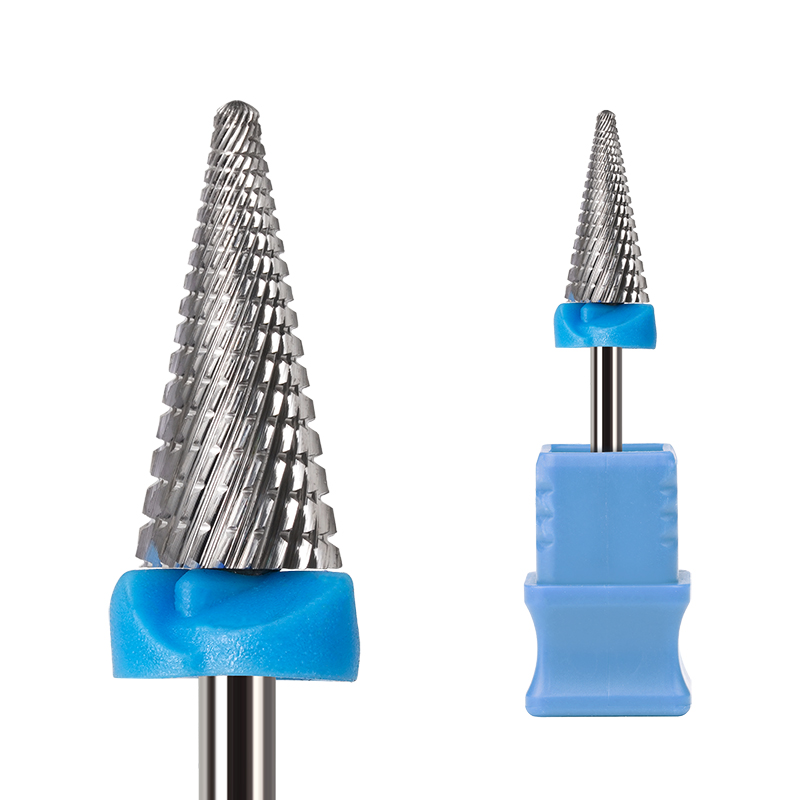
For regular gel, acrylic, and cuticle-related work, Blue Coated Nail Drill Bits offer several usable profiles, including round cylinder, corn shape, round cone, flat head cylinder, and large round head options. Their 2.35 mm shank diameter supports universal compatibility with handpieces designed for that standard size. Available in medium and fine grits, they can be selected according to whether the task is material reduction, surface refinement, or controlled work around the cuticle area.
The listed tungsten steel and tungsten carbide construction is relevant in a busy setting because wear resistance affects how long a bit maintains its cutting behavior. A dull bit can generate more friction even when the machine itself is operating correctly. Blue coating does not replace correct technique, cleaning, or timely bit replacement, but a durable, corrosion-resistant bit is better suited to repeated processing and regular salon handling.
Why overheating happens even with a powerful nail drill
Heat is one of the clearest signs that the filing process needs adjustment. It may be caused by excessive contact pressure, remaining in one spot too long, using a dull or clogged bit, selecting a grit that is too fine for bulk removal, or running at a speed that does not suit the material. The drill motor can also contribute if it loses speed under load and encourages the operator to compensate with pressure.
A controlled approach is more effective than simply reducing speed to the lowest setting. Start with a speed that allows the bit to cut smoothly, keep the bit moving across the enhancement, and use light contact. The operator should work in passes rather than trying to remove the entire thickness from one small area. This distributes friction and makes it easier to monitor how much product remains.
Direction matters as well. The chosen forward or reverse setting should allow the bit’s cutting action to travel comfortably away from the skin and across the working surface based on the operator’s hand position. An awkward direction often causes snagging, instability, or uneven passes. The goal is not to work at the fastest possible setting; it is to maintain a stable, visible, controlled path.
When the client reports heat
Stop immediately rather than continuing through discomfort. Check whether the bit has become dull, clogged, or damaged. Confirm that the operator is not holding it stationary, pressing too hard, or using the wrong grit for the job. Examine the handpiece for unusual heat and vibration. If the drill loses speed during normal light contact, the motor, battery, power supply, or internal drive components may need inspection.
Heat should not be treated as an unavoidable part of electric filing. Some warmth can occur during material removal, especially on dense enhancements, but sharp discomfort indicates that the process is not under adequate control.
Handpiece design affects all-day productivity
A powerful motor is less useful if the handpiece is heavy, loud, or difficult to hold accurately. Busy salon use involves repeated grip changes, close visual work, and frequent transitions between removal, shaping, and detail refinement. A handpiece should allow the operator to keep the wrist relaxed and maintain a pencil-like grip where precision is required.
Low vibration is particularly important. Small vibration may not seem significant during a quick removal, but over multiple services it can contribute to fatigue and make fine work slower. It can also cause the bit to skip across the surface, producing uneven thinning or visible marks that require additional finishing.
Look for a secure bit-locking mechanism and a handpiece that accepts the intended shank size without forcing or excessive play. The cable, if present, should not pull against the operator’s hand or restrict movement around the table. Cordless models can improve mobility, but they must maintain sufficient output as battery charge declines. For a salon that relies heavily on e-file services, battery behavior and charging logistics deserve the same attention as stated speed.
A practical evaluation before committing to volume purchase
When assessing units for regular operator use, test or verify performance against the daily workflow rather than a simple no-load spin. Ask whether the machine is intended for continuous professional use, whether speed control is progressive and stable, and whether replacement parts or servicing are available through the supplier. A low initial purchase cost can become less attractive if handpieces wear quickly or downtime disrupts appointments.
- List the main services performed each day and identify the thickest material normally removed.
- Check the stated speed range, but give equal attention to torque stability under realistic filing pressure.
- Confirm handpiece comfort, vibration level, directional control, and the security of the bit lock.
- Use compatible bits in the correct grit and shape before judging machine performance.
- Monitor handpiece temperature after repeated use, not only after a short demonstration.
- Set a cleaning and inspection routine for bits, collets, vents, cables, and charging equipment.
Operators should also distinguish between product removal and natural nail work. A machine powerful enough for acrylic reduction should not be used with the same speed, pressure, and bit choice when preparing a natural nail. Equipment capability gives more options; it does not remove the need for technique and task-specific settings.
Choosing capacity without overbuying
Not every salon needs the same level of output. A location focused on basic manicures and occasional gel removal may benefit more from quiet operation, light weight, and reliable low-to-medium speed control than from maximum material-cutting capacity. A salon providing frequent enhancement services should prioritize stable torque, cooling behavior, durable handpieces, and bits that remain sharp through regular use.
For shared workstations, it is sensible to think about redundancy as well as raw power. One highly capable drill can still create workflow problems if it is the only unit available when maintenance is needed. Equipment should be selected around the actual appointment mix, the number of active operators, and the time required for cleaning, charging, and bit changes between services.
The best result comes from treating the electric file and bit as a working pair. A reliable machine, properly fitted 2.35 mm bit, suitable grit, light pressure, and consistent movement will usually outperform a higher-speed unit used with dull accessories or rushed technique. For busy salon work, “powerful enough” means the system can remove the required material smoothly while leaving the operator in control throughout the day.
News List
- Preventing Gouges and Uneven Filing With Small Barrel Nail Drill BitsSep 20, 2026
- How Diameter and Grit Affect Small Barrel Nail Drill Bit PerformanceSep 20, 2026
- Can Hytos Nail Drill Bits Be Used Safely on Natural Nails and Gel Polish?Sep 20, 2026
- How to Verify Fit Between Hytos Nail Drill Bits and an E-File HandpieceSep 20, 2026
- Safe Speed Settings for Umbrella Nail Drill Bits Around the Nail FoldSep 20, 2026
- Umbrella vs Flame Nail Drill Bits: Which Shape Offers Better Cuticle Control?Sep 20, 2026
Best-Selling Products
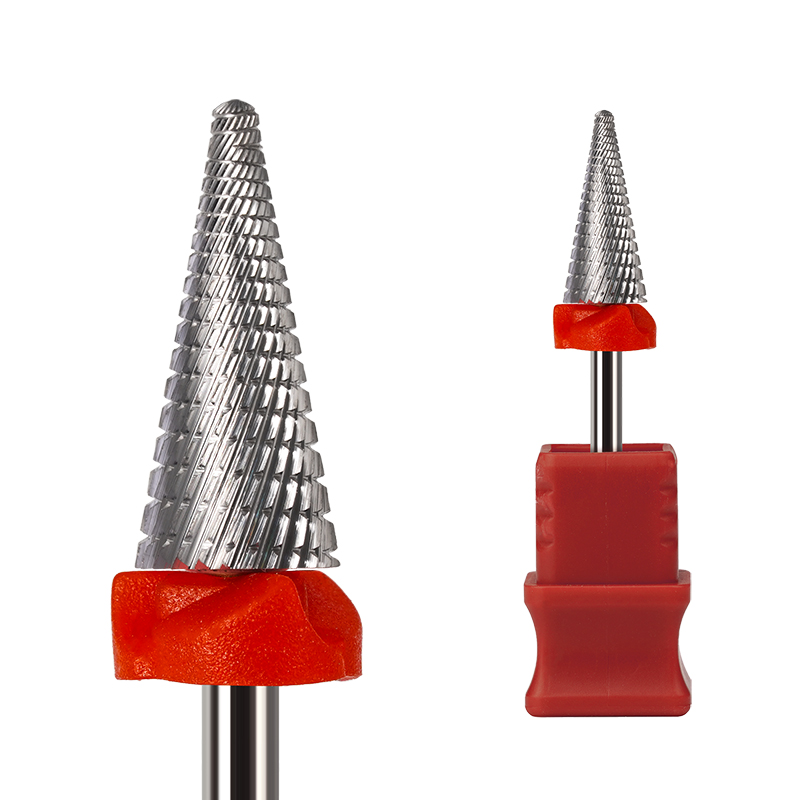
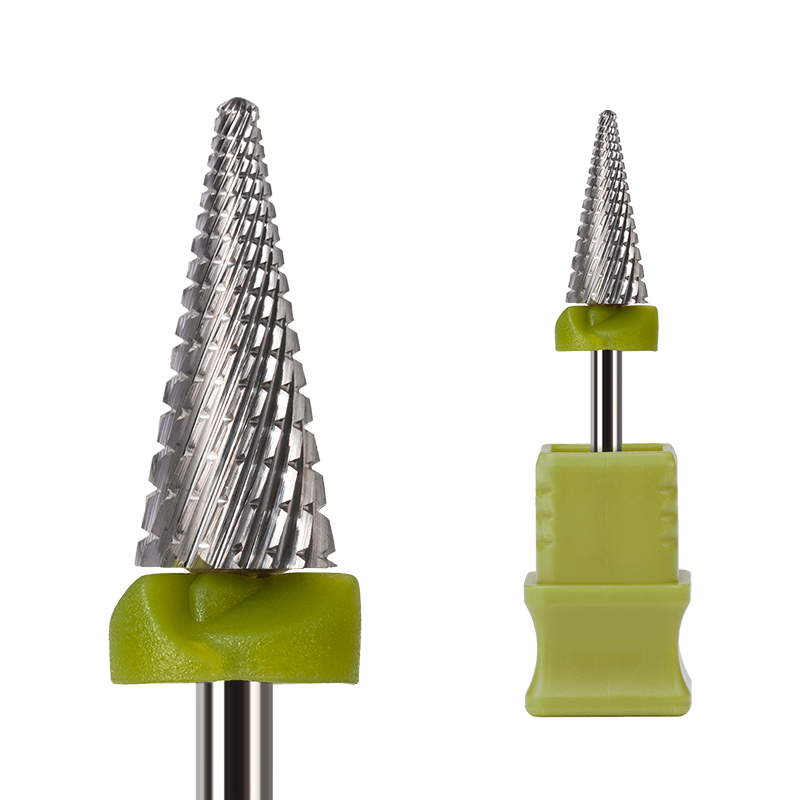
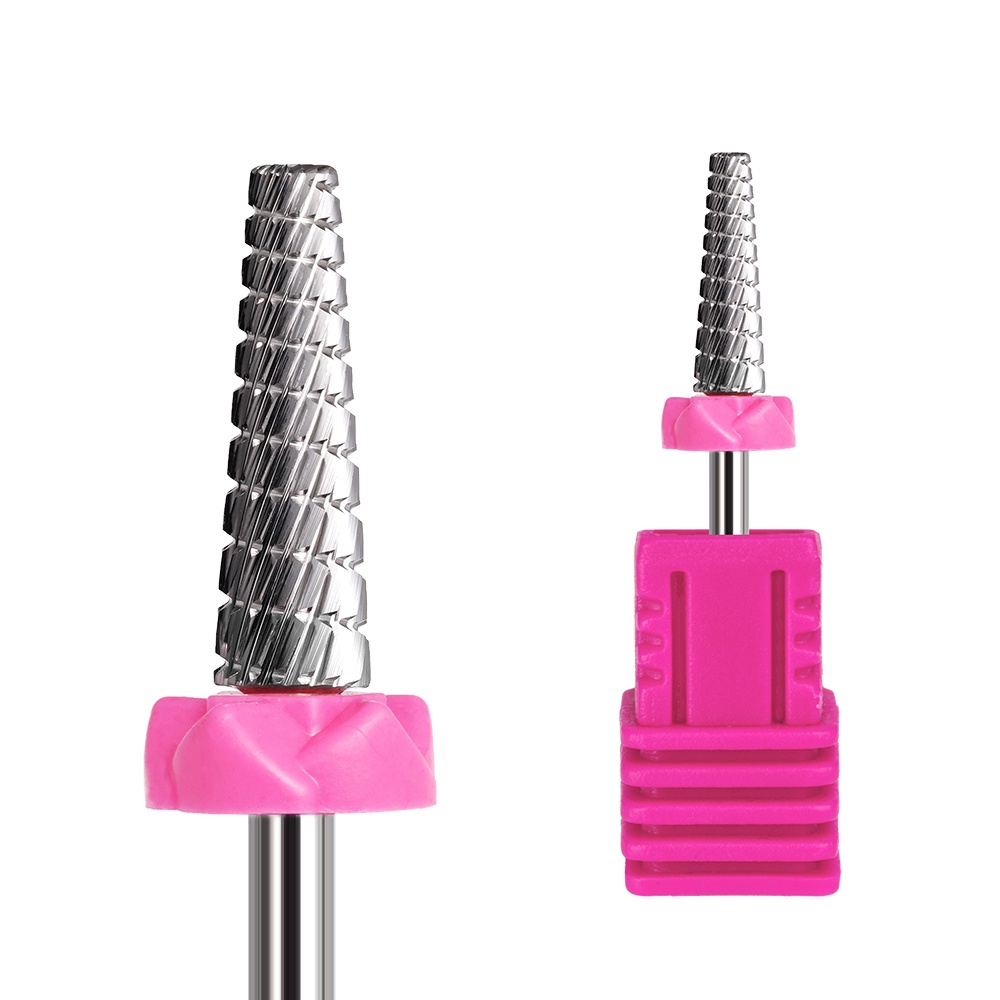
 Cross Cut Safety Stainless Steel Tungsten Carbide Nail Drill Bits Salon Foot Use XF-C Grit for Removing Nails
 First-rate Quality Tungsten Carbide Nail Drill Bits Best Coating Manicure Remove Gel Nails Accessories
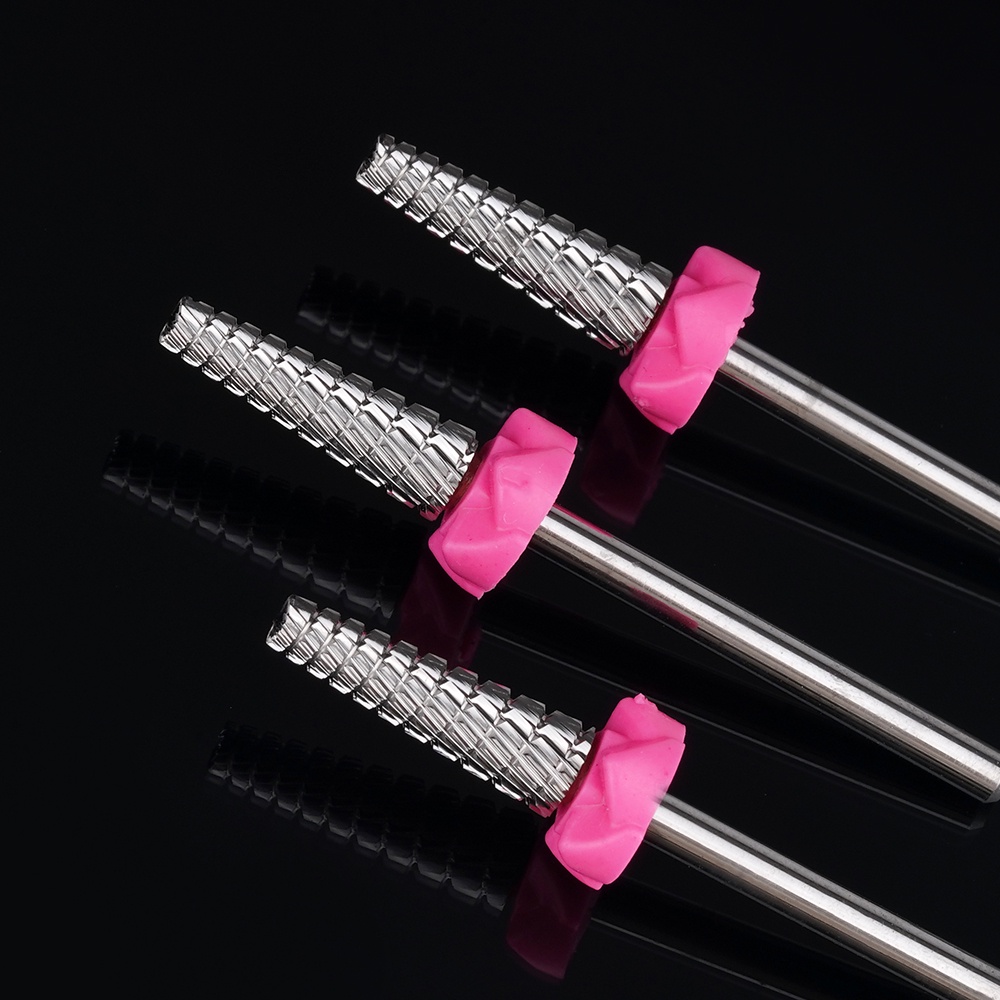
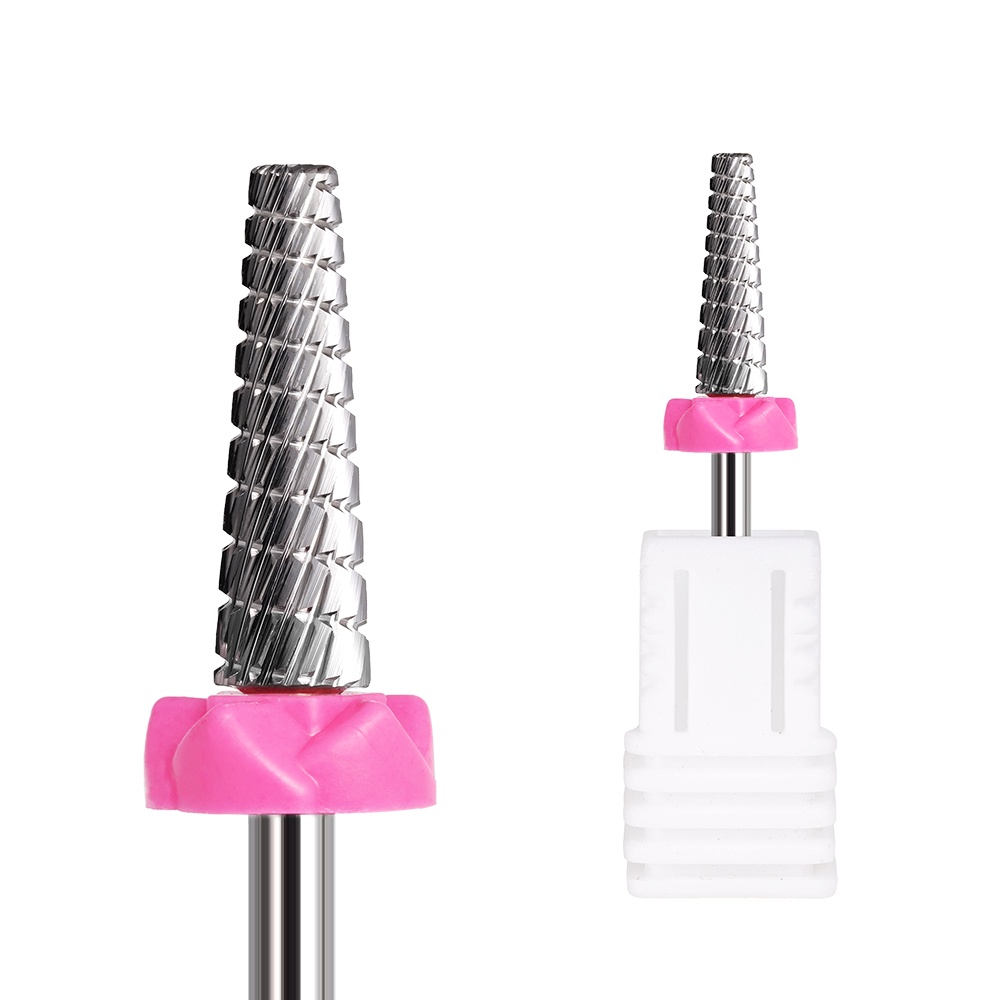
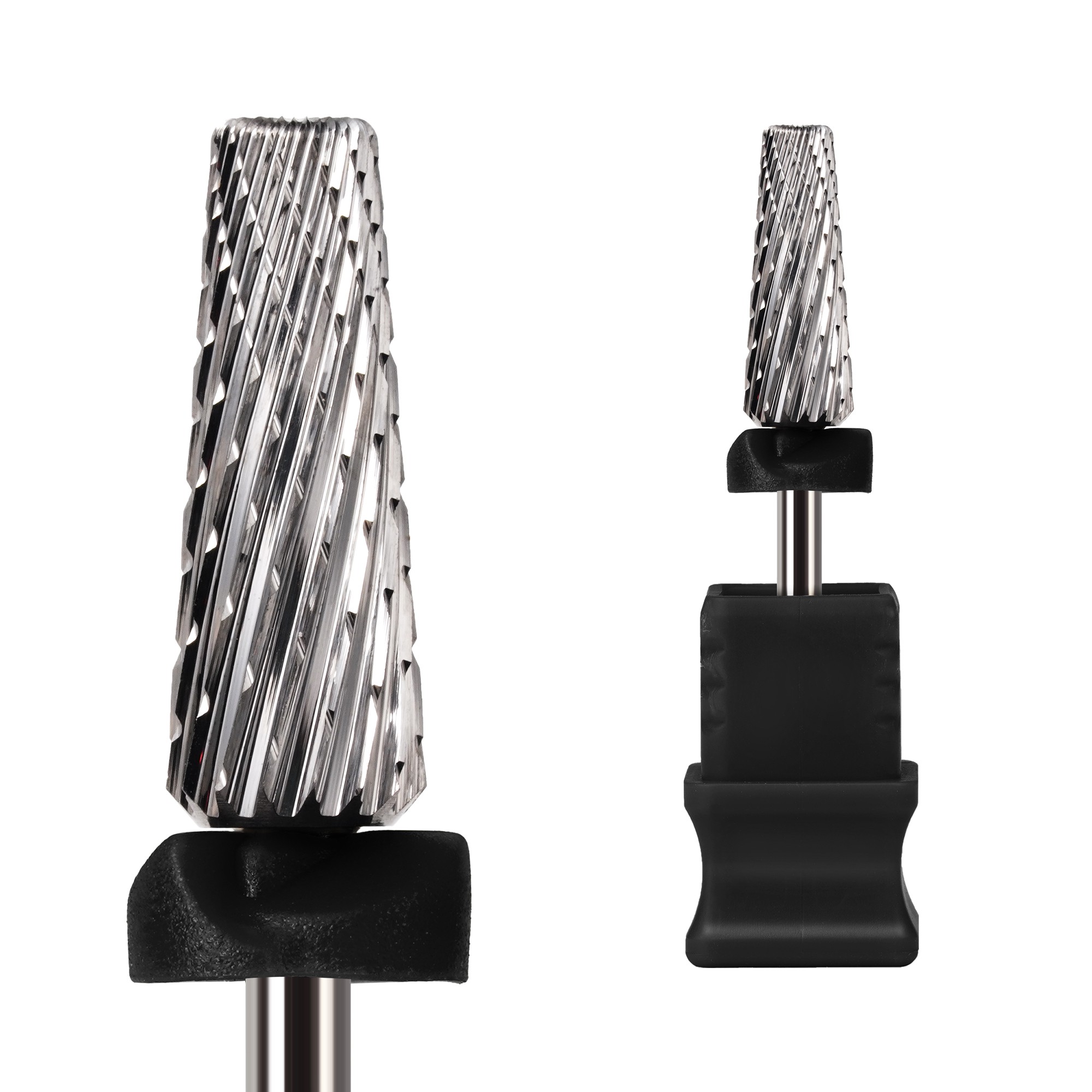
 Professional Advanced Safety Cuticle Bits Two-Way Rotate 3/32'' Carbide Tungsten 5 in 1 Nail Drill Bits
 Wholesale 5 in 1 Electric Manicure Nail Drill Bits Various Coating Cone Cuticle Bit with Rotary Cross Cut for Nail Art
 New Slant Tooth Tungsten Steel Nail Drill Bits Dead Skin Removal 5-in-1 Universal Grinding Nail Polish Head Tool Nail Drill Bits
 4.0mm Small 5 in 1 Integrated Sharpe Tungsten Nail Drill Bit Straight Teeth Gel Polish Removal
 Flame Sharp XF F M C XC Silver Safety Professional Corn Tungsten Carbide Nail Bit for Drill Machine Accessories
 Factory Direct 5 in 1 Tungsten Carbide Nail Drill Bits 6.8MM Cross Cut Safety Manicure 5 in 1 Nail Drill Bits
Please give us a message