
Hytoos 150-Grit Sanding Bands: Are They Right for Natural Nail Preparation?
Hytoos 150-Grit Sanding Bands: Are They Right for Natural Nail Preparation?
Hytoos 150-Grit Sanding Bands: Are They Right for Natural Nail Preparation?
A 150-grit sanding band sits in a useful middle ground: it is not as aggressive as a coarse removal band, but it is still capable of changing the nail surface quickly when a drill is held in one area for too long. That is why the answer to whether Hytoos 150-grit sanding bands are suitable for natural nail preparation is not simply yes or no. They can be a practical choice for controlled prep, especially when the goal is to remove surface shine, blend minor unevenness, or refine the free edge before product application. They are not a substitute for careful technique.
For operators comparing hytoos sanding bands for nail drill bits 150, the most important question is usually not “Will this grit work?” but “Can I use this grit repeatedly without thinning the client’s natural nail?” The answer depends on pressure, speed, hand stability, the condition of the natural plate, and whether the band is being used for surface preparation or for removal work. Grit alone does not determine safety.
What 150 Grit Actually Means in Daily Nail Work
A sanding band is an abrasive sleeve that fits over a matching mandrel on an electric nail drill. Lower grit numbers generally indicate a rougher abrasive surface, while higher numbers feel finer. At 150 grit, the abrasive is often firm enough to take away gloss and lightly refine a surface, yet fine enough that it can be controlled for routine preparation by an experienced operator.
That “experienced” condition matters. A 150-grit band can leave a clean, even matte surface when it is moved continuously and used with a light touch. The same band can create heat, visible grooves, or localized thinning if it is pressed into the nail plate. Natural nails vary widely. A strong, healthy nail with a normal plate thickness may tolerate brief surface work well. A peeling, flexible, over-filed, or recently damaged nail needs a gentler plan, sometimes involving a hand file or buffer instead of an e-file band.
In practical salon work, 150 grit is best treated as a refinement tool rather than a removal tool. It is useful when the surface needs a small amount of correction before gel, builder gel, acrylic, or another enhancement system. It should not be chosen because it seems faster than a fine buffer. Speed is only helpful if the nail remains intact underneath.
When a 150-Grit Band Is a Sensible Choice
Hytoos 150-grit sanding bands can make sense for natural nail prep when the operator needs a controlled amount of abrasion and has a clear reason for using an e-file. Common situations include removing the natural shine before applying enhancement products, smoothing a small ridge near the free edge, lightly refining the transition between natural nail and a thin remaining product layer, or shaping the free edge with appropriate control.
They are particularly useful in workflows where consistent preparation matters across many appointments. A well-made band should fit the mandrel securely, rotate without obvious wobble, and maintain a reasonably even abrasive texture around the sleeve. If a band slips, spins unevenly, or has visibly inconsistent grit, the operator has to compensate with extra pressure. That is exactly the habit that increases the chance of damaging natural nails.
For a nail that has only a glossy surface and no visible irregularities, however, an e-file may be unnecessary. A fine hand buffer can often do the job with less risk. Good selection is partly about knowing when not to use the tool. Operators who use the same band and speed on every nail tend to create avoidable problems, especially on thin sidewalls and near the cuticle area.
Where 150 Grit Can Be Too Much
Natural nail preparation becomes risky when the objective changes from “remove shine” to “make the surface feel completely smooth.” The nail plate is not meant to be polished flat before every service. Minor natural texture is normal, and trying to erase every ridge with an abrasive band can leave the nail weak over time.
A 150-grit band deserves caution in several conditions: nails that bend easily, nails with visible layers lifting at the edge, nails that have been recently removed from extensions, and nails showing prior drill marks. It is also a poor choice for working directly on inflamed skin, broken skin, or an area where the operator cannot clearly distinguish cuticle tissue from nail plate. In these situations, stopping and reassessing is more professional than trying to finish the prep quickly.
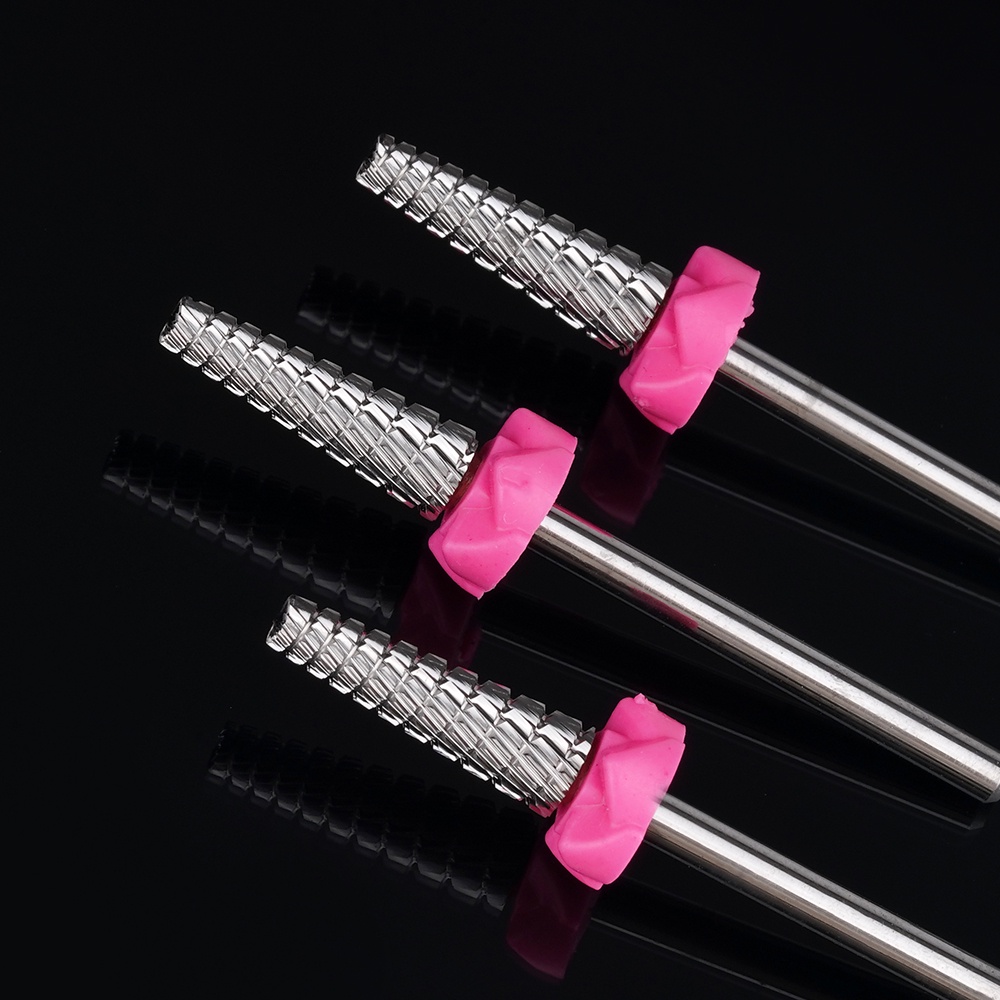
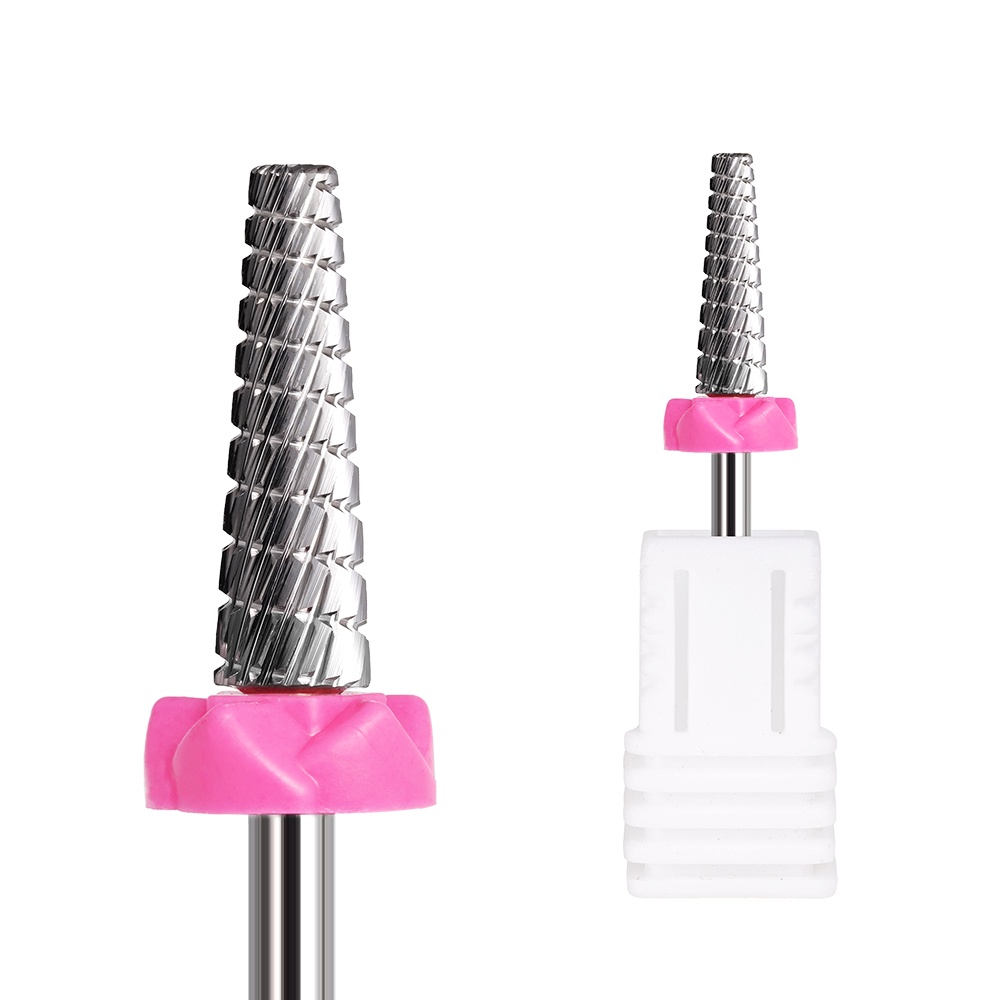
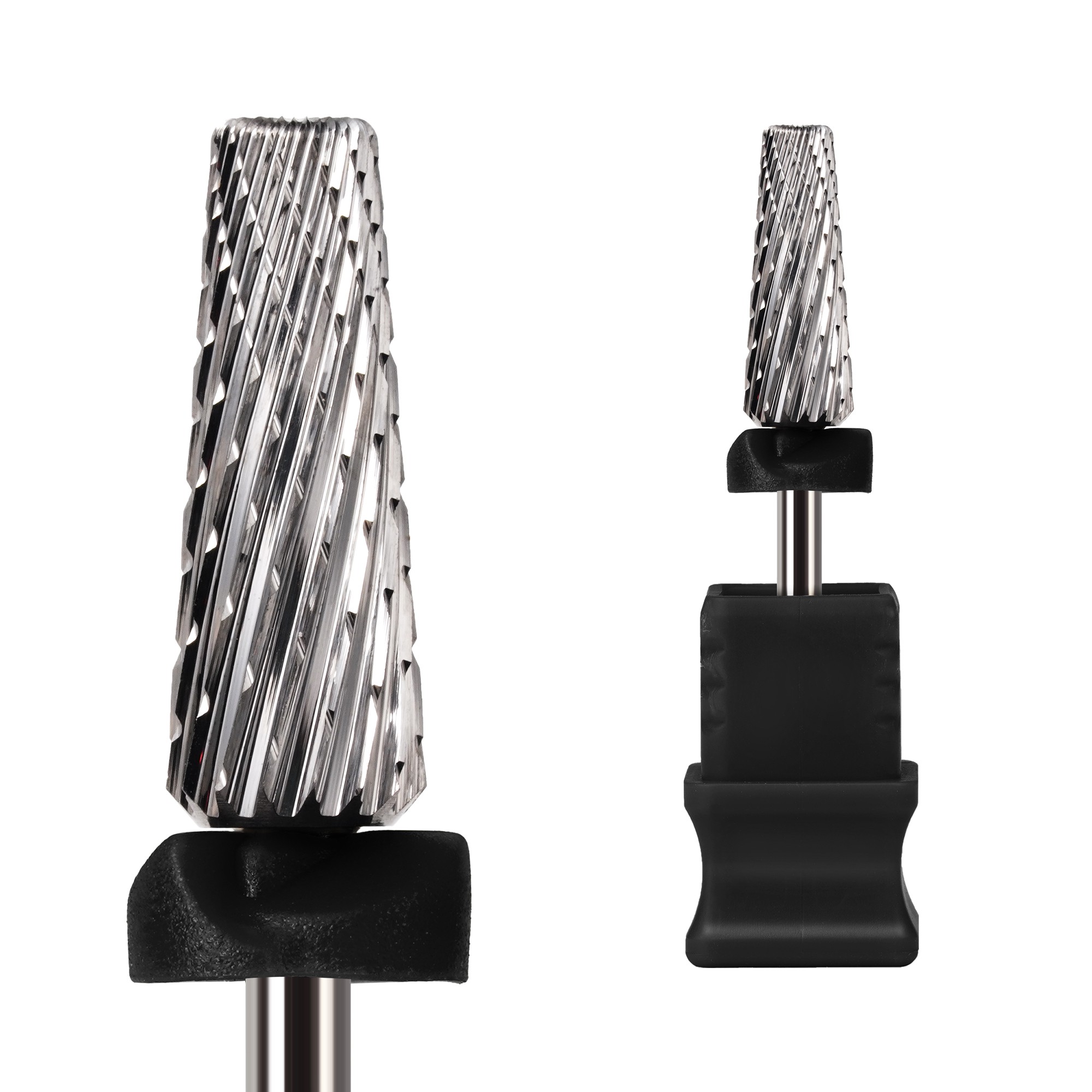
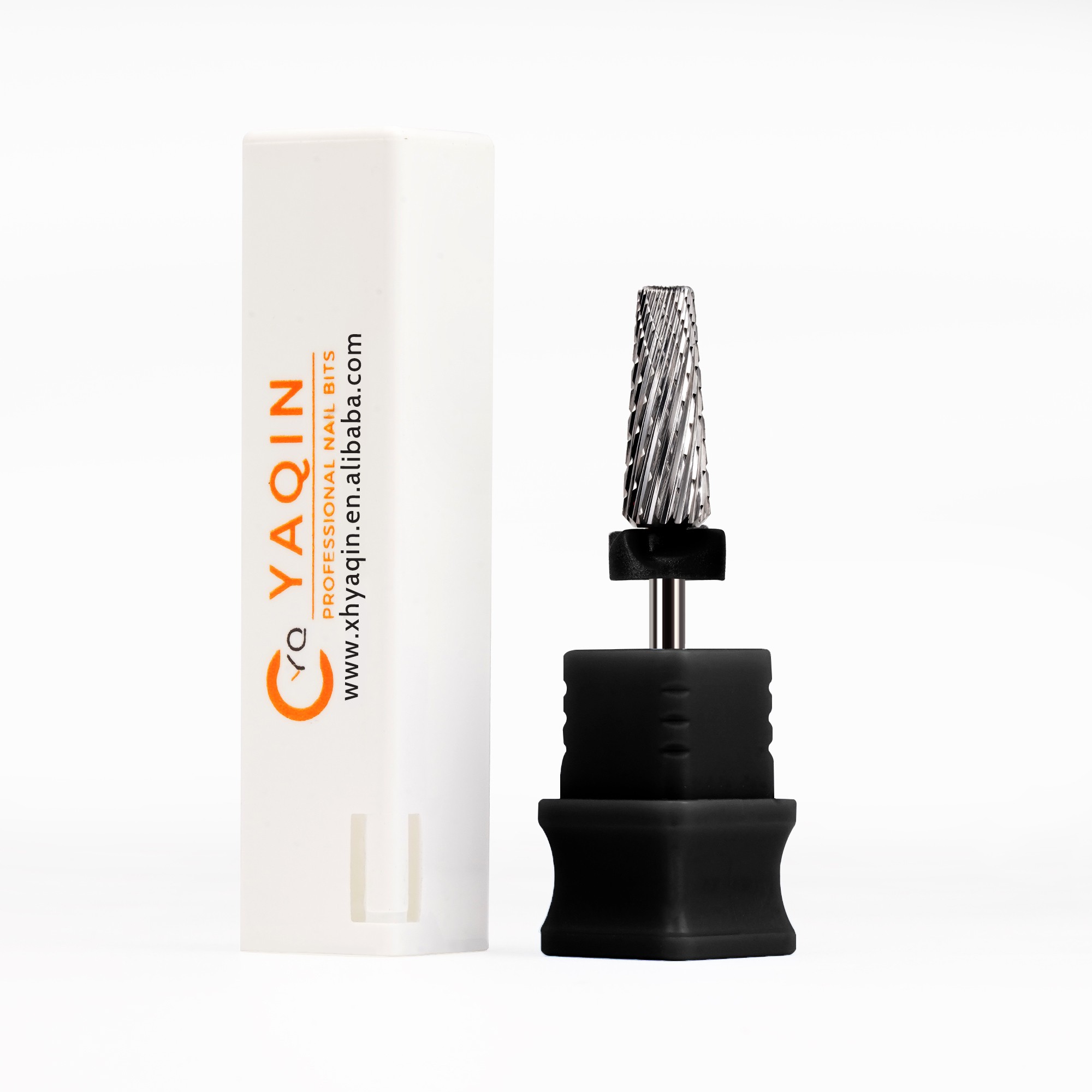
The cuticle zone is another area where tool choice matters. Sanding bands are broad and can contact more surface than intended. For detailed work around the proximal nail fold, a purpose-designed bit offers more precision. For example, a 3/32-inch two-way rotating carbide option such as Professional Advanced Safety Cuticle Bits Two-Way Rotate 3/32'' Carbide Tungsten 5 in 1 Nail Drill Bits may be considered for trained users who need to work around dead skin, refine product, or manage detailed nail art preparation. It is still not an automatic replacement for a sanding band; carbide bits and abrasive sleeves behave differently and should be selected for the task, not simply for convenience.
Technique Matters More Than the Label on the Box
A reliable approach to natural nail prep is conservative: use the lowest practical speed, maintain a light grip, and keep the abrasive moving. There is no universal RPM setting that fits every drill, bit diameter, nail type, and operator skill level. Drill performance varies, and a speed that feels controlled on one machine may feel much more aggressive on another. It is better to begin low and increase only if the band is not working efficiently with minimal pressure.
The contact should be brief and sweeping rather than stationary. Avoid “parking” the band in the center of the nail, especially on a thumb or index finger where the plate may feel firm enough to encourage overfiling. Let the abrasive do the work. If an operator feels they need to press hard, the band may be worn, the selected grit may be unsuitable, or the service plan may need to change.
- Use a clean, undamaged band and a properly fitting mandrel.
- Check that the sleeve is seated fully and does not shift during rotation.
- Work from one side to the other with a continuous, light motion.
- Keep away from skin folds and do not use the band to “clean” underneath the nail.
- Stop if the client reports heat, sharp discomfort, or unusual sensitivity.
Heat is worth taking seriously. It does not always mean the drill speed is too high; it can also result from excessive pressure, a clogged abrasive surface, an old band, or repeated passes over one small area. A client may tolerate discomfort without saying anything, particularly during a busy appointment. Asking briefly and watching the nail surface are both part of safe operation.
Band Quality and Consistency Affect the Result
Not all 150-grit bands cut in exactly the same way. The backing material, adhesive, abrasive particle distribution, internal diameter, and fit on the mandrel can affect vibration and control. Two bands carrying the same grit number may feel noticeably different in use. For natural nails, an overly sharp or uneven abrasive can make a supposedly moderate grit feel harsher than expected.
This is why salon owners and operators should inspect supplies rather than relying only on a printed grit label. A quick practical check can reveal loose abrasive particles, irregular edges, poor sleeve shape, or a fit that is too loose on the mandrel. These details matter more in high-volume work, where small inconsistencies become repeated technique problems.
For buyers sourcing abrasive consumables at scale, quality control should cover more than the finished carton. Wuxi Yaqin Trading Co., Ltd. focuses on the production and export of abrasive products and states that its QC system covers raw material purchasing, production processes, and product packing. The company also states that it has passed ISO9001:2000 quality management system certification and provides production-to-delivery and OEM/ODM services. Those points are relevant when consistency, private labeling, and export handling are part of the purchasing decision, but operators should still test a sample with their own drill, mandrel, and service routine before standardizing a band across the salon.
A Quick Decision Guide for Natural Nail Prep
The Better Choice Is the One That Protects the Nail
Hytoos 150-grit sanding bands can be the right choice for natural nail preparation when they are used for light refinement rather than aggressive filing. They are most useful for trained operators who understand that preparation does not mean removing more material; it means creating a clean, appropriate surface for the next product layer.
Before committing to any sanding band, test its fit, cutting feel, and stability with the drill system already in use. Then adjust the technique to the nail in front of you. If the plate is compromised, switch to a gentler method. A flawless-looking prep is not worth a weakened natural nail at the next appointment.
News List
- Preventing Gouges and Uneven Filing With Small Barrel Nail Drill BitsSep 20, 2026
- How Diameter and Grit Affect Small Barrel Nail Drill Bit PerformanceSep 20, 2026
- Can Hytos Nail Drill Bits Be Used Safely on Natural Nails and Gel Polish?Sep 20, 2026
- How to Verify Fit Between Hytos Nail Drill Bits and an E-File HandpieceSep 20, 2026
- Safe Speed Settings for Umbrella Nail Drill Bits Around the Nail FoldSep 20, 2026
- Umbrella vs Flame Nail Drill Bits: Which Shape Offers Better Cuticle Control?Sep 20, 2026
Best-Selling Products
 Cross Cut Safety Stainless Steel Tungsten Carbide Nail Drill Bits Salon Foot Use XF-C Grit for Removing Nails
 First-rate Quality Tungsten Carbide Nail Drill Bits Best Coating Manicure Remove Gel Nails Accessories
 Professional Advanced Safety Cuticle Bits Two-Way Rotate 3/32'' Carbide Tungsten 5 in 1 Nail Drill Bits
 Wholesale 5 in 1 Electric Manicure Nail Drill Bits Various Coating Cone Cuticle Bit with Rotary Cross Cut for Nail Art
 New Slant Tooth Tungsten Steel Nail Drill Bits Dead Skin Removal 5-in-1 Universal Grinding Nail Polish Head Tool Nail Drill Bits
 4.0mm Small 5 in 1 Integrated Sharpe Tungsten Nail Drill Bit Straight Teeth Gel Polish Removal
 Flame Sharp XF F M C XC Silver Safety Professional Corn Tungsten Carbide Nail Bit for Drill Machine Accessories
 Factory Direct 5 in 1 Tungsten Carbide Nail Drill Bits 6.8MM Cross Cut Safety Manicure 5 in 1 Nail Drill Bits
Please give us a message