
How wholesale nail drill bit pricing changes with order volume
How wholesale nail drill bit pricing changes with order volume
A larger order does not automatically produce the lowest-cost purchase. In wholesale nail drill bit sourcing, volume usually reduces the quoted unit price because fixed setup, packing, inspection, and export handling can be spread across more pieces. Yet finance approval should be based on the landed and usable cost, not the line-item price alone. A deeply discounted order can become expensive when it creates slow-moving inventory, mixed-quality stock, or a cash commitment that exceeds realistic demand.
For a Wholesale Nail Drill Bit order, the sound decision is normally the order size that achieves a meaningful production and freight efficiency without forcing the business to carry more inventory than it can sell or consume within a reasonable replenishment cycle. The quotation is only the starting point; the approval decision depends on what remains true after specifications, packaging, quality control, logistics, payment terms, and expected replacement rates are considered.
Why unit prices fall as order volume rises
Nail drill bits are small products, but their supply cost includes more than the abrasive or cutting material. A supplier must source raw materials, produce or machine the bit, assemble any required components, inspect finished goods, pack them, prepare export documents, and coordinate shipment. Some of those activities cost nearly the same whether the buyer orders a small batch or a larger production run.
At low volumes, each unit carries a larger share of those fixed activities. Once the order reaches a more efficient production quantity, the supplier can schedule materials and labor more predictably, use standard packing runs, and reduce handling per piece. That is why quantity breaks are common.
The reduction is not always smooth. A supplier may quote similar pricing across several order sizes, then offer a more noticeable change once an order supports a full material batch, a production run, or a more efficient carton configuration. Finance teams should therefore ask for tiered quotations rather than assuming that every additional unit creates the same saving.
The price break can hide a higher total commitment
A quotation may make the largest tier look financially compelling, particularly when the unit price is compared in isolation. The appropriate comparison is the total cash required to put usable stock into the business and the time required to convert that stock back into cash.
For example, a larger purchase can lower the ex-works price while increasing inventory exposure. Nail drill bits are compact, so storage cost may look insignificant at first. The more relevant risk is assortment risk: a particular shape, grit, shank type, color finish, or retail pack may not move at the expected rate. A slow-moving SKU ties up funds that could otherwise cover faster-selling styles, marketing, freight, or operating needs.
This matters even more when the order includes a broad mix. A supplier may calculate a volume discount on the total number of bits, while the buyer carries the risk of each individual variation. Before approving a mixed order, confirm whether the minimum applies per SKU, per grit, per style, or across the whole purchase order. A discount based on total volume is useful only if the mix reflects actual demand.
Compare quotations on a like-for-like basis
Two Wholesale Nail Drill Bit quotations can show the same product name and sharply different prices because the underlying offer is different. A lower number is not evidence of a cheaper comparable item. It may reflect a different material, cutting profile, grit specification, shank tolerance, coating, packaging method, or inspection standard.
Use a written specification sheet before requesting final pricing. It should identify the bit type, head shape, intended application, shank size, material or abrasive type, grit where applicable, finish, individual packaging, labeling requirements, and accepted quality criteria. For export orders, it should also state the commercial term and destination so freight comparisons do not distort the result.
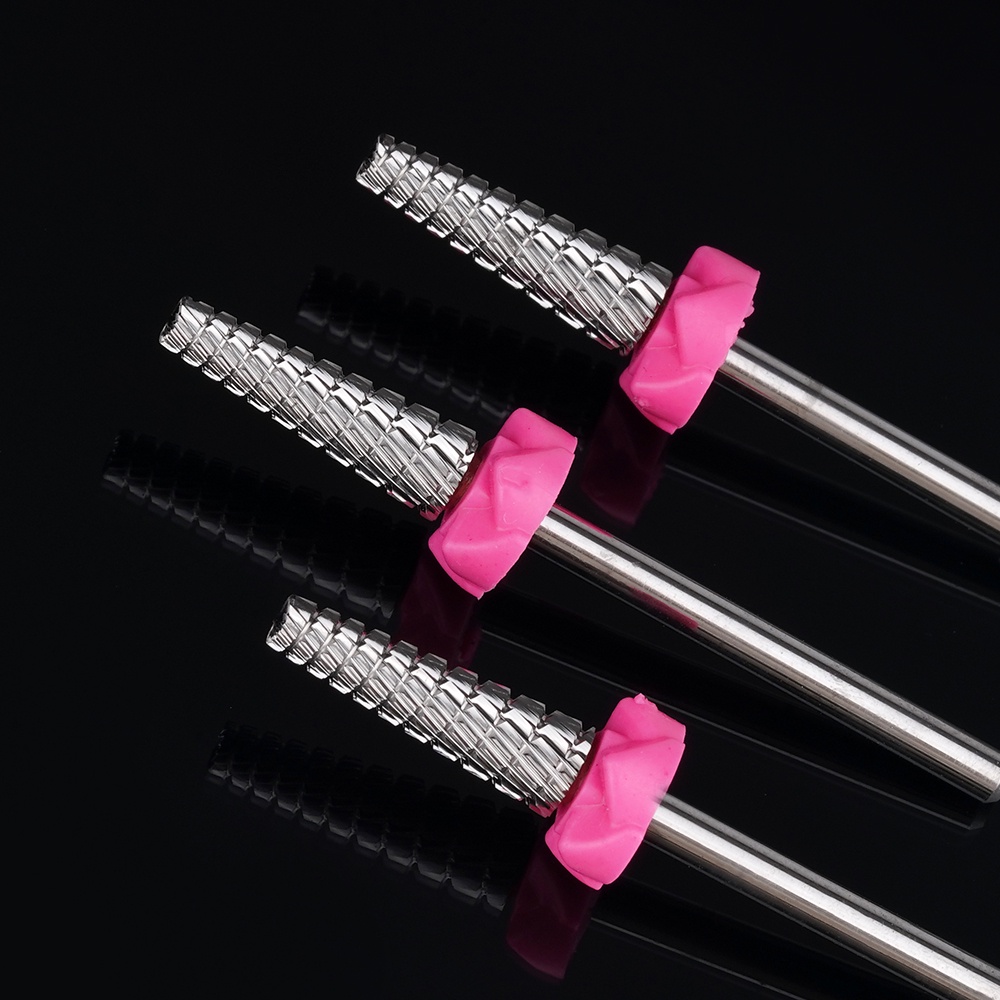
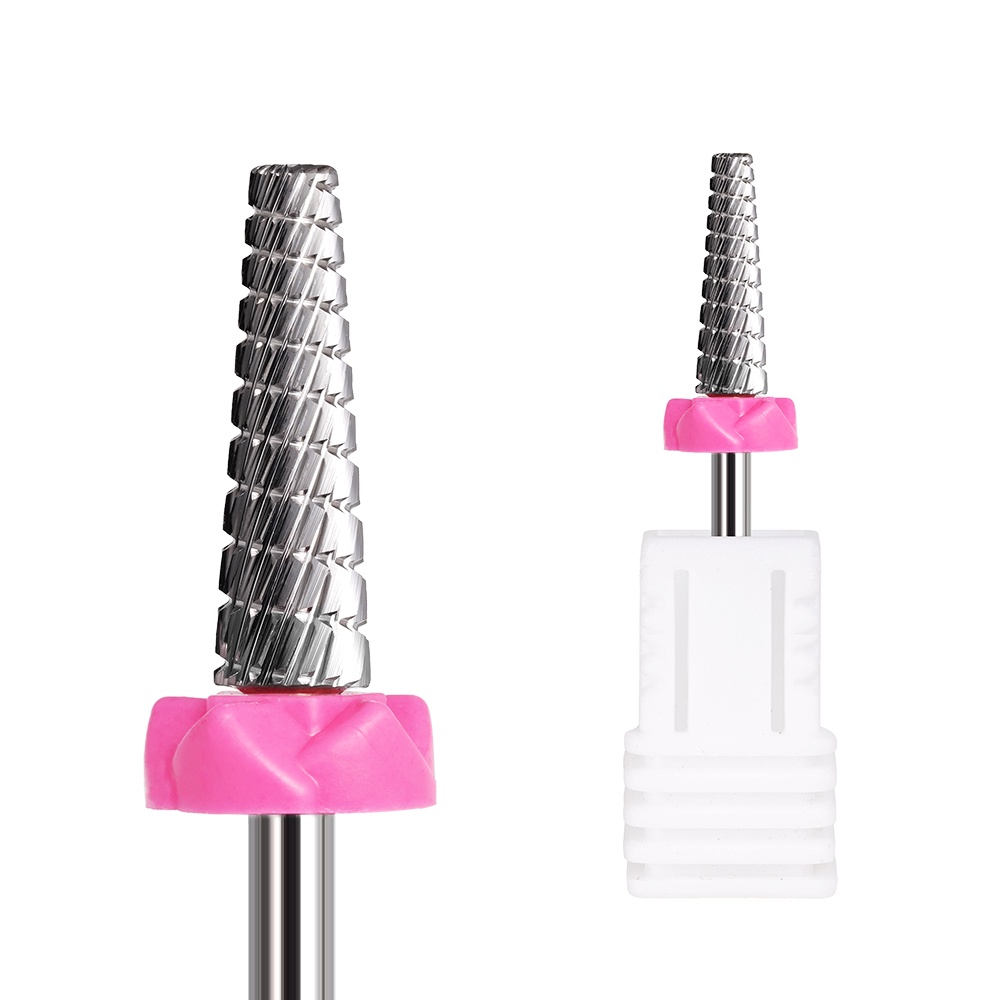
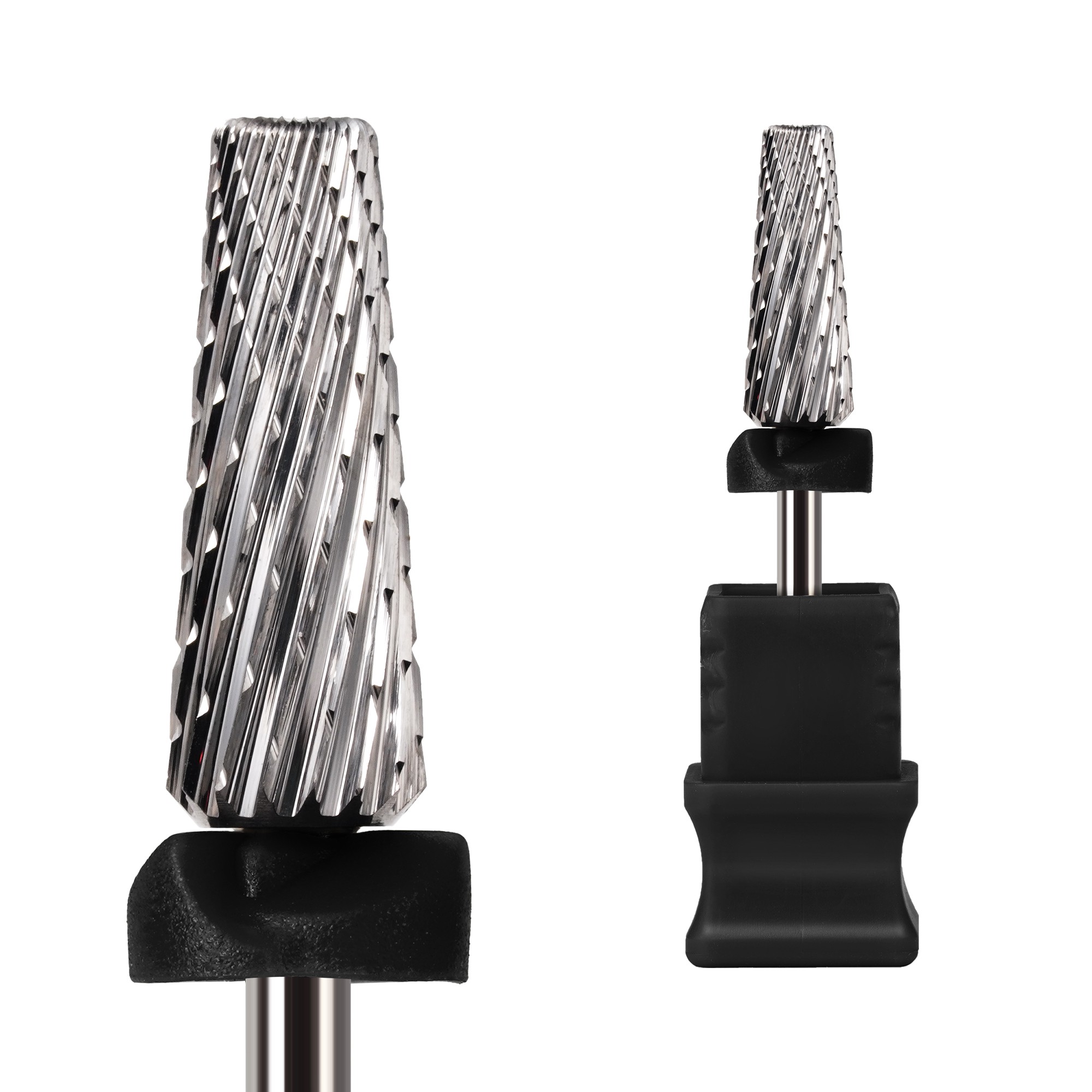
Product selection affects both price and replacement cost. A tungsten steel bit designed for repeated salon work may cost more upfront than a basic alternative, but a longer service life can reduce consumption and customer complaints when the application genuinely requires it. For precision shaping or gel nail removal, an umbrella round-head option such as the Little Umbrella Tungsten Steel Grinding Head should be evaluated by its intended workload, finish consistency, and expected replenishment rate, rather than being approved simply because it is sold as a premium material. It is not necessarily the right choice for every assortment or every budget tier.
When comparing suppliers, the financial review should separate product price from the following variables:
- Sample cost and whether the approved sample represents mass-production quality.
- Inner packaging, barcode labels, logo printing, and any artwork or setup charges.
- Inspection scope, including whether checks cover raw material, production stages, and final packing.
- Defect handling terms and the practical process for replacement or credit.
- Payment structure, currency exposure, and the timing of the remaining balance.
- Shipping term, carton count, weight, dimensions, and destination-side charges.
This approach prevents a common approval error: treating a supplier quote as complete when only the product unit price has been defined.
Quality consistency is a volume-cost issue, not a separate purchasing issue
At a small scale, an inconsistent batch may be inconvenient. At wholesale scale, it can change the economics of the order. Nail technicians and salons generally need predictable fit, cutting behavior, and durability. If a portion of a shipment performs differently from the approved sample, the buyer may face returns, replacements, repacking work, or damage to repeat demand. The apparent saving from a lower price tier can disappear quickly.
For this reason, the right question is not simply, “What is the price at 1,000 pieces?” It is, “What quality controls apply at 1,000 pieces, and what happens if the delivered product differs from the approved specification?”
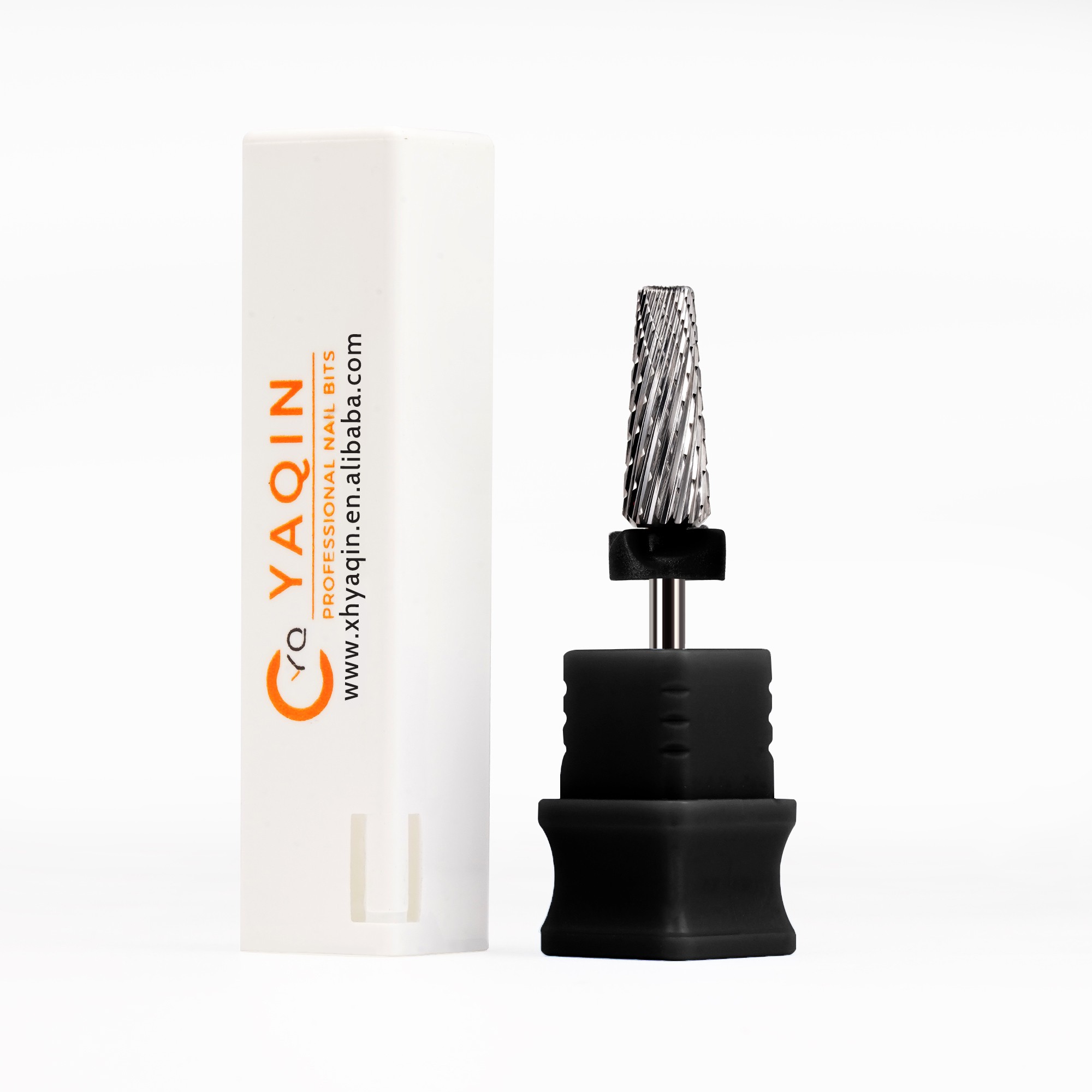
Supplier capability should be assessed in the context of the order. A supplier with documented controls over incoming materials, production, and packing is better positioned to maintain consistency as volume grows. Wuxi Yaqin Trading Co., Ltd. describes a QC system covering those stages, ISO9001:2000 quality-management certification, and one-stop support from production through delivery. These points are relevant to an approver because they address process control, but they should still be translated into order-specific requirements: approved samples, inspection criteria, packing confirmation, and a clear remedy for nonconforming goods.
When a larger order is justified
Higher-volume purchasing is usually defensible when demand is stable, the chosen SKUs have an established sales or usage pattern, and the order can use standard production and packing. It is also more attractive when the next price tier reduces freight per sellable unit and does not require excessive customization or a broad, uncertain product mix.
It is less attractive when a buyer is testing new bit shapes, entering a new market, changing packaging, or sourcing a technical specification without prior approval samples. In these cases, a smaller initial order may have a higher unit price but a lower total risk. The first order can validate quality, customer acceptance, transit durability, and reorder timing. A later order can then consolidate demand into the styles that have proven their value.
A split strategy often works well: place deeper volume behind established, fast-moving items while keeping experimental or niche configurations at a lower quantity. This avoids paying premium small-order pricing across the full catalog while keeping the business from overcommitting to uncertain SKUs.
Ask for a decision-ready quotation
Finance approval becomes faster when procurement requests a quotation that can be compared without assumptions. Ask suppliers to quote several quantity tiers using the same specification and clearly identify what changes at each tier. The buyer should be able to see whether the saving comes from the product itself, fewer packaging costs, a different commercial term, or a change in material or process.
- Set the demand assumption by SKU, not only by total pieces.
- Request tiered prices at realistic reorder quantities, including the supplier’s stated minimum order quantity.
- Lock the technical specification and packaging before comparing suppliers.
- Calculate delivered cost per usable unit, including freight, labels, inspection, and expected handling costs.
- Review the cash tied up at each tier against expected sales or internal consumption.
- Approve the quantity that balances unit-cost improvement with turnover, not the one with the lowest quoted unit price.
The final approval should leave enough room for operational reality. A supplier may offer an attractive volume price, but a delayed production slot, incomplete packaging confirmation, or weak defect process can impose costs that never appear on the initial quotation. A purchase order that defines the product, packout, quality threshold, delivery term, and claim process is more valuable than an informal agreement built around a low unit price.
Questions that change the purchasing decision
Should the buyer always order at the next discount tier?
No. Move to the next tier only when the incremental saving is larger than the cost and risk of holding the extra stock. Stable, repeatable demand supports larger orders; uncertain product acceptance does not.
Is factory price the best number for comparing suppliers?
No. Compare the delivered cost of a sellable, correctly packed unit. Factory price can exclude freight, export handling, custom packaging, inspection, and destination-side costs that materially change the final result.
Can different nail drill bit materials be compared only by purchase price?
No. The comparison should include intended use, expected lifespan, replacement frequency, and the consequences of inconsistent performance. A lower-cost bit may be appropriate for an entry-level assortment, while a durable tungsten steel option may make more sense for repeated professional use.
What should be confirmed before releasing a large production order?
Confirm the approved sample, exact specification, SKU-level quantities, packout, inspection arrangement, lead time, payment milestones, shipping term, and the process for handling defects. Those details determine whether the quoted volume saving will survive delivery and use.
News List
- Preventing Gouges and Uneven Filing With Small Barrel Nail Drill BitsSep 20, 2026
- How Diameter and Grit Affect Small Barrel Nail Drill Bit PerformanceSep 20, 2026
- Can Hytos Nail Drill Bits Be Used Safely on Natural Nails and Gel Polish?Sep 20, 2026
- How to Verify Fit Between Hytos Nail Drill Bits and an E-File HandpieceSep 20, 2026
- Safe Speed Settings for Umbrella Nail Drill Bits Around the Nail FoldSep 20, 2026
- Umbrella vs Flame Nail Drill Bits: Which Shape Offers Better Cuticle Control?Sep 20, 2026
Best-Selling Products
 Cross Cut Safety Stainless Steel Tungsten Carbide Nail Drill Bits Salon Foot Use XF-C Grit for Removing Nails
 First-rate Quality Tungsten Carbide Nail Drill Bits Best Coating Manicure Remove Gel Nails Accessories
 Professional Advanced Safety Cuticle Bits Two-Way Rotate 3/32'' Carbide Tungsten 5 in 1 Nail Drill Bits
 Wholesale 5 in 1 Electric Manicure Nail Drill Bits Various Coating Cone Cuticle Bit with Rotary Cross Cut for Nail Art
 New Slant Tooth Tungsten Steel Nail Drill Bits Dead Skin Removal 5-in-1 Universal Grinding Nail Polish Head Tool Nail Drill Bits
 4.0mm Small 5 in 1 Integrated Sharpe Tungsten Nail Drill Bit Straight Teeth Gel Polish Removal
 Flame Sharp XF F M C XC Silver Safety Professional Corn Tungsten Carbide Nail Bit for Drill Machine Accessories
 Factory Direct 5 in 1 Tungsten Carbide Nail Drill Bits 6.8MM Cross Cut Safety Manicure 5 in 1 Nail Drill Bits
Please give us a message