
How an Electric Nail File Factory Ensures Product Safety
How an Electric Nail File Factory Ensures Product Safety
Product safety in nail care tools is not a narrow factory concern. It shapes user trust, market access, complaint rates, and long-term brand stability across the light industrial daily-use sector.
That is why a dependable electric nail file Factory is judged by more than output speed. The real question is whether safety control remains consistent from material sourcing to delivery.
In export-driven manufacturing, small deviations can create large risks. Surface finish, rotational balance, abrasive precision, packaging integrity, and traceability all affect whether products arrive safe, stable, and ready for use.
For companies supplying multiple overseas markets, safety management also has to be practical. It must work under changing specifications, OEM requests, and different expectations from the USA, Europe, and other regions.
What product safety means in this category
An electric nail file Factory deals with products that combine contact surfaces, abrasive performance, mechanical movement, and repeated handling. Safety therefore includes several layers, not one inspection point.
The first layer is material safety. Components must be stable, suitable for intended use, and free from defects that could affect durability or user contact.
The second layer is structural safety. Bits, shanks, and related parts must match dimensional requirements, rotate smoothly, and remain reliable during normal use.
The third layer is process safety. Even good raw materials can fail if grinding, finishing, cleaning, or packing are not tightly controlled.
The final layer is consistency. A safe sample is not enough. The standard must hold across batches, private label orders, and shipment cycles.
Why the industry pays close attention
Nail care tools sit in a practical but quality-sensitive market. Buyers increasingly compare factories on defect prevention, documentation, and repeatability rather than price alone.
This is especially true when the electric nail file Factory serves broad export regions. Different markets may emphasize packaging compliance, product stability, or after-sales risk control in different ways.
Another reason is usage diversity. These products are applied in nail care and nail art, where precision matters. If a bit runs unevenly or wears too quickly, safety and performance both decline.
In practice, safety has become a business filter. It affects qualification, reorder confidence, and whether a supplier can support long-term OEM or ODM cooperation.
How a reliable factory builds safety into production
A strong system starts before production begins. Raw material purchasing should follow clear standards, approved supplier rules, and incoming inspection procedures.
For abrasive tools and nail bits, this usually includes checks on hardness, dimensional tolerance, alloy quality, finish condition, and compatibility with the intended application.
During production, process control becomes the center of safety assurance. This means monitoring grinding accuracy, edge uniformity, concentricity, cleaning, assembly stability, and visual defects.
A mature electric nail file Factory does not wait until the final step to identify problems. It places checkpoints inside the workflow, so deviations are isolated before they spread through a batch.
Final inspection then confirms whether the batch meets release standards. Packaging control matters here as well, because poor packing can turn a compliant product into a damaged shipment.
Core control points often include
- Incoming material verification against technical specifications.
- In-process checks for dimensional accuracy and surface quality.
- Rotation and fit testing for safe, stable operation.
- Sampling plans for batch consistency and traceability.
- Packaging inspection to reduce transit damage and contamination.
The value of a documented QC system
Safety becomes more dependable when it is documented, repeatable, and auditable. A factory with a complete QC framework can explain not only what it checks, but how it responds when data falls outside limits.
Wuxi Yaqin Trading Co., Ltd. provides a useful example of this operating logic. Its business focuses on producing and exporting high-quality abrasive products to 42 countries, including the USA, Canada, Germany, the UK, Italy, and Poland.
That export footprint raises the bar for control discipline. A strict QC system covering raw material purchasing, production processes, and product packing supports more stable global delivery.
ISO9001:2000 certification adds another layer of confidence. Certification alone does not guarantee perfection, but it does indicate that quality procedures are structured, maintained, and managed systematically.
In daily operations, this matters because safety issues are rarely dramatic at first. They usually begin as small inconsistencies that documented systems are better at catching early.
Where OEM and ODM experience affects safety
Customization often introduces risk. New logos, colors, packaging formats, or performance preferences can change process variables if the project is not managed carefully.
An experienced electric nail file Factory treats OEM and ODM work as controlled change, not informal adjustment. Specifications should be translated into inspection standards before mass production begins.
This is where one-stop service also helps. When production, quality review, and delivery coordination are linked, it becomes easier to maintain version control and reduce communication gaps.
For example, a customized bit may require the same dimensional fit but a different appearance finish or branding detail. Without clear process validation, cosmetic changes can unintentionally affect handling or packaging safety.
A practical product example inside the safety framework
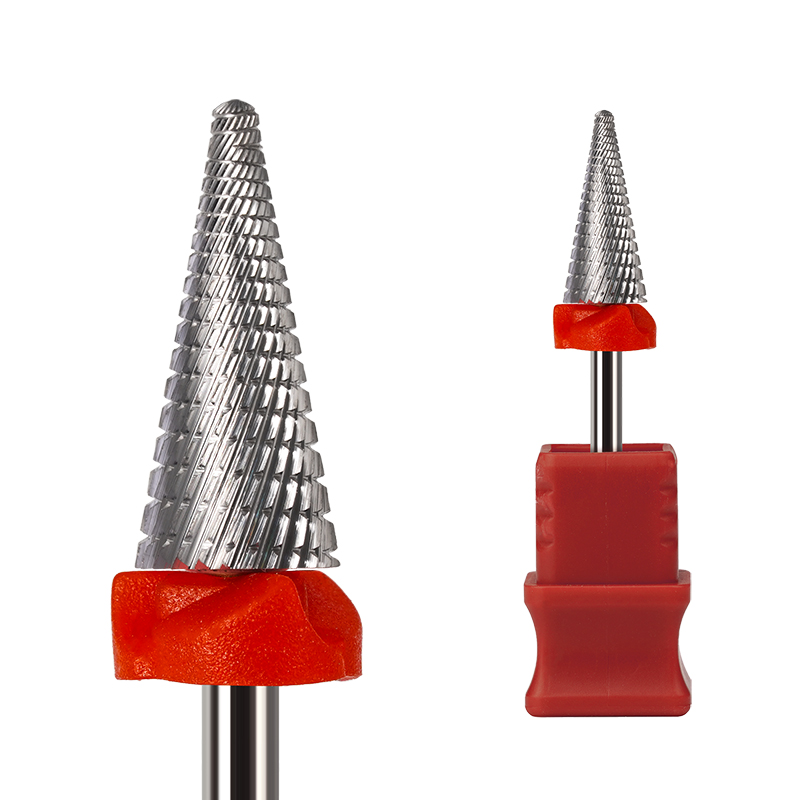
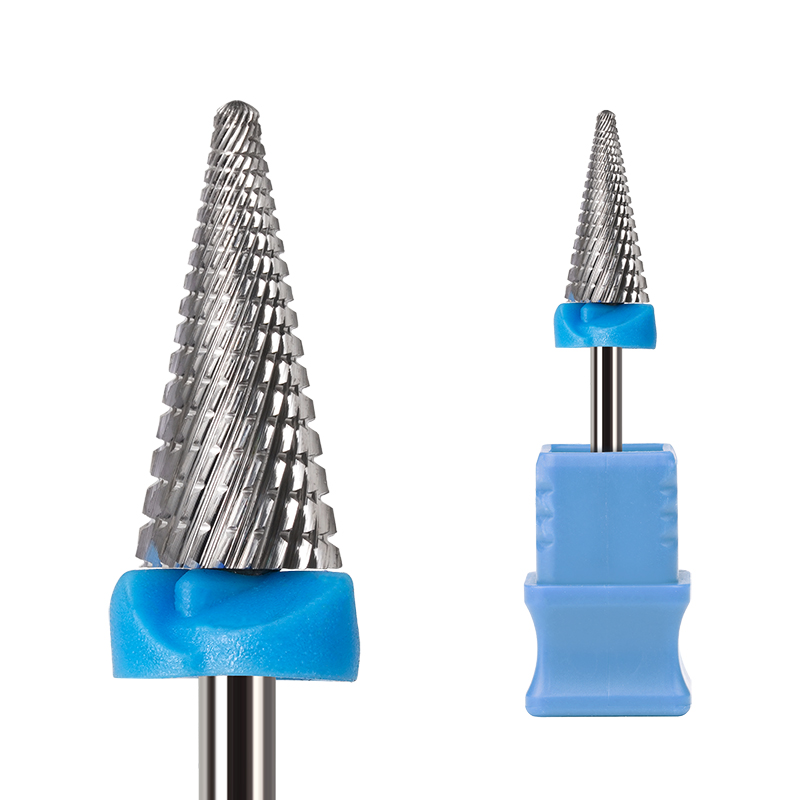
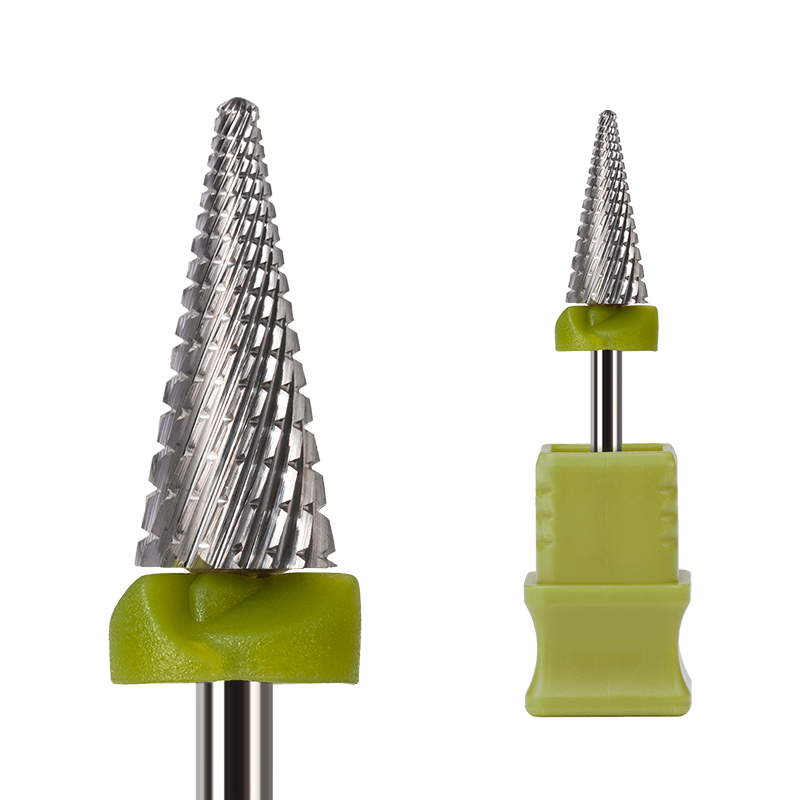
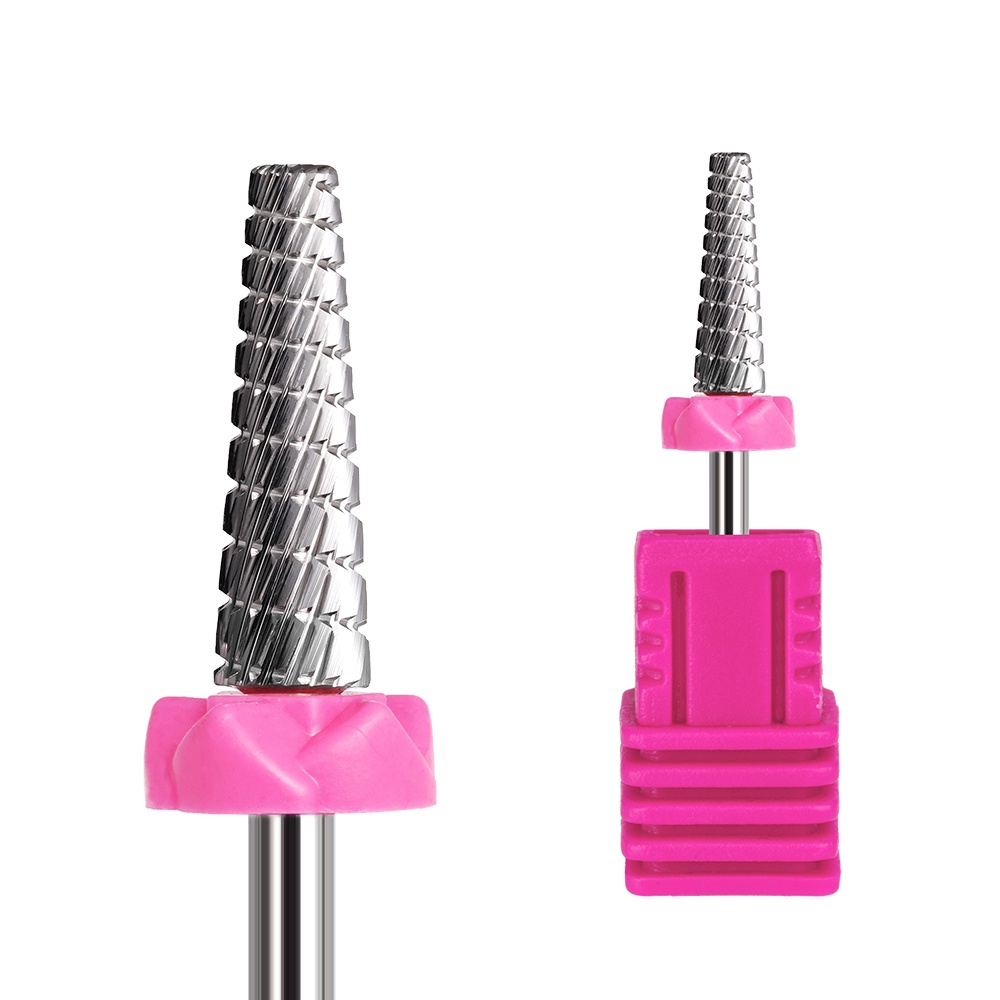
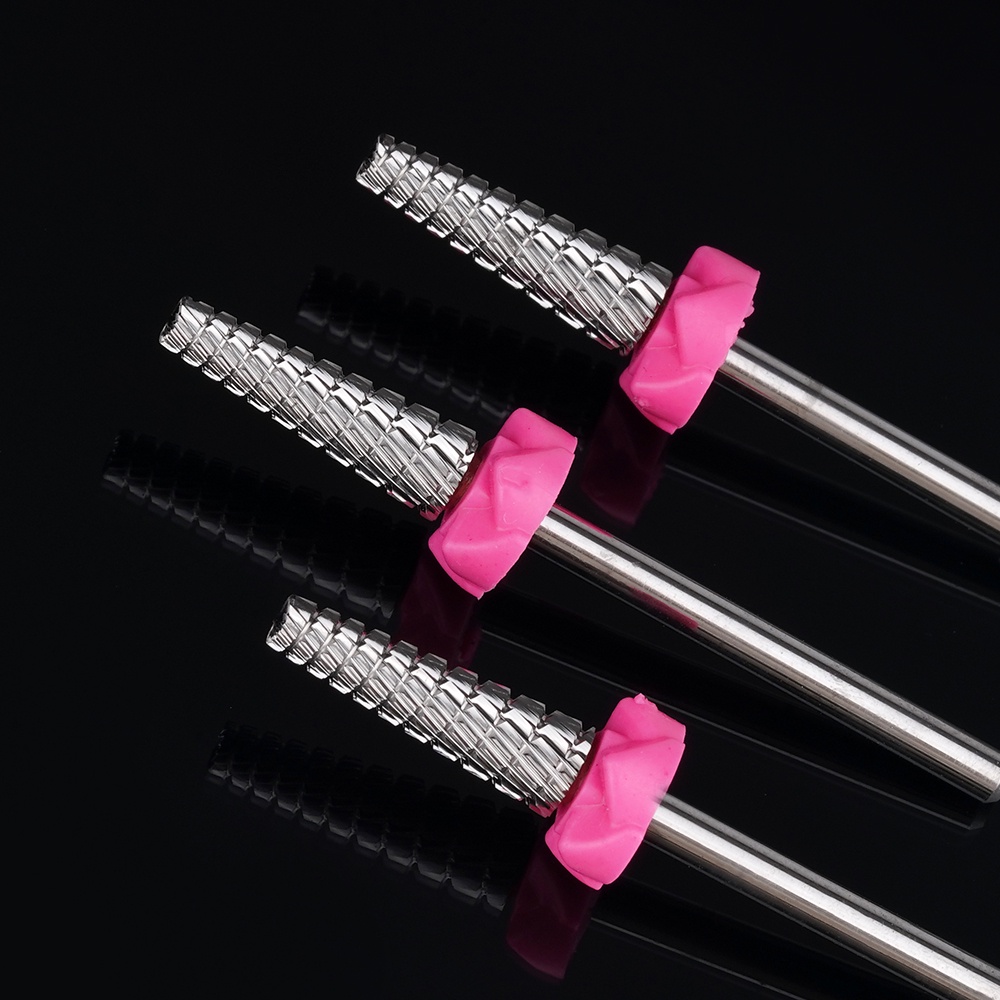
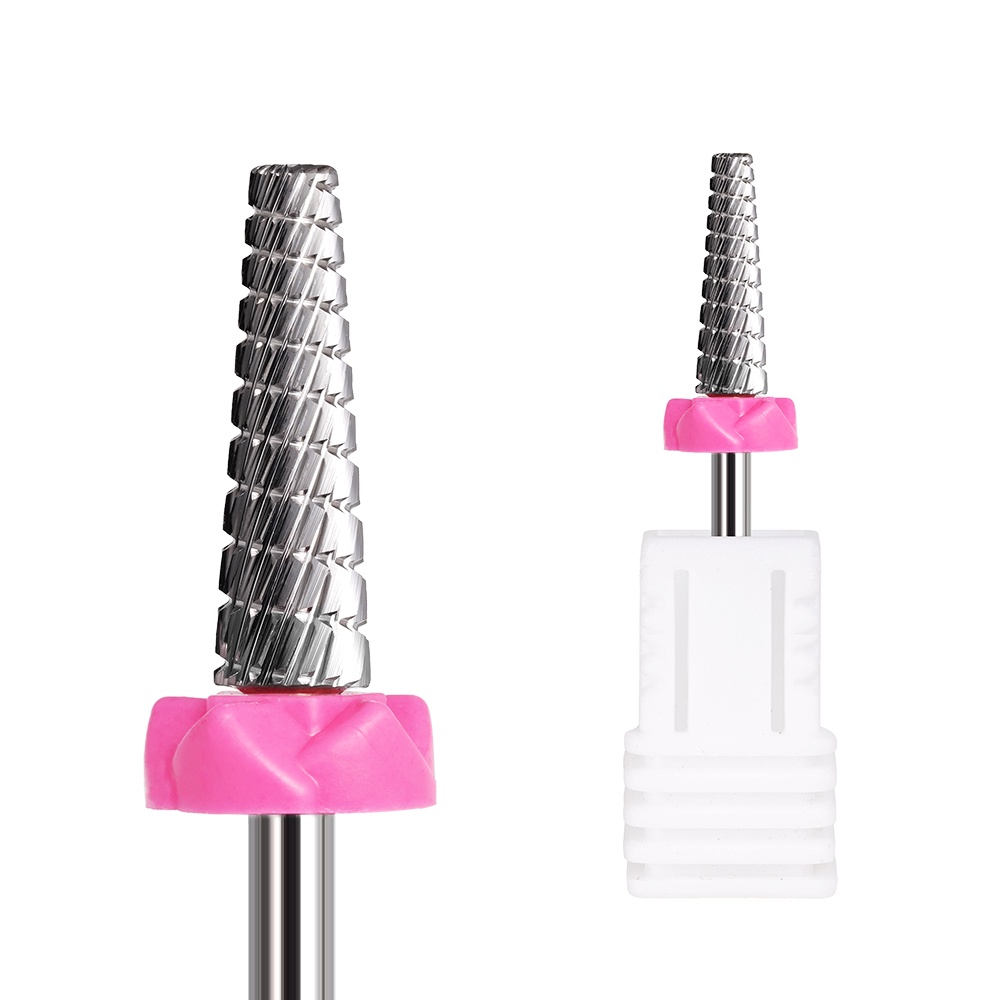
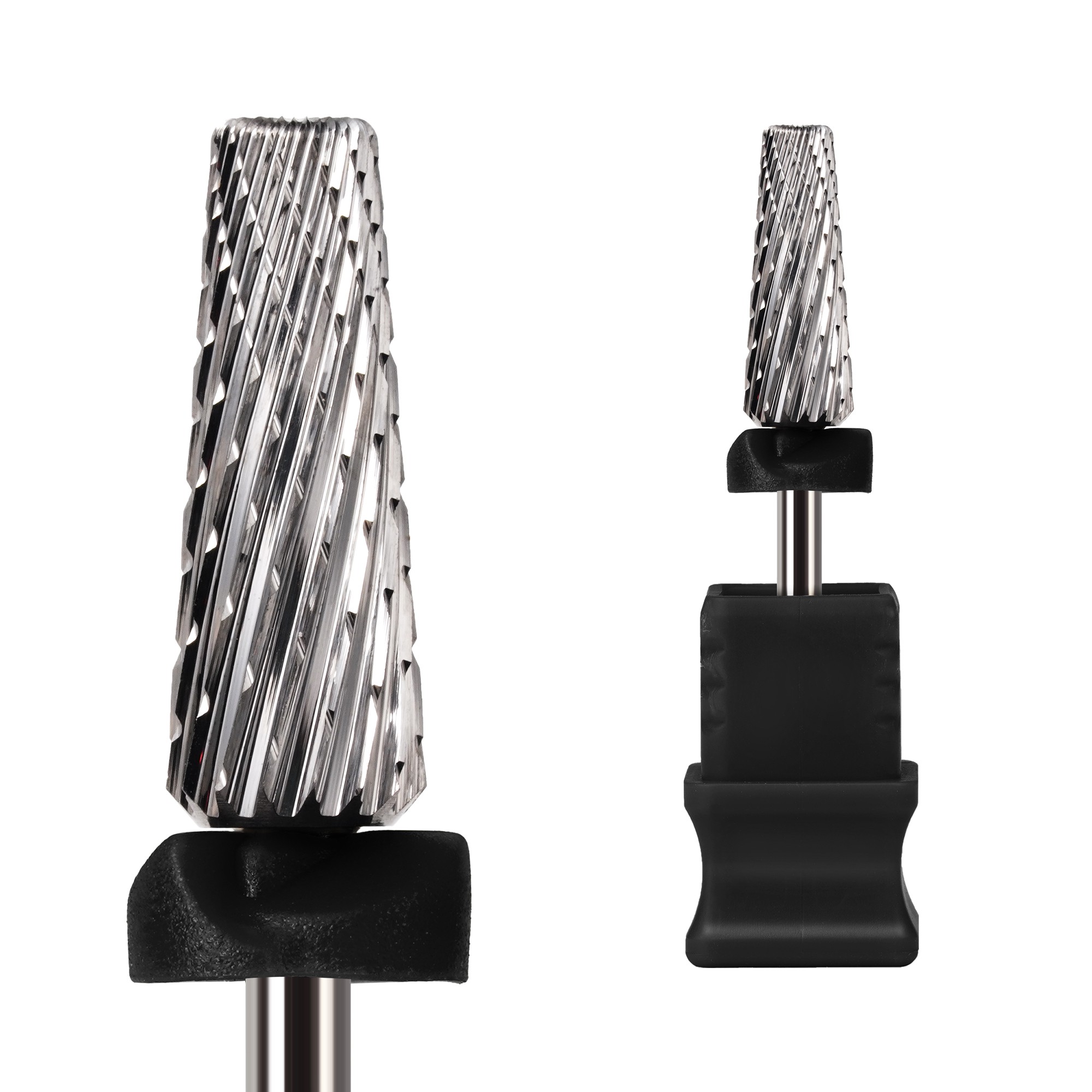
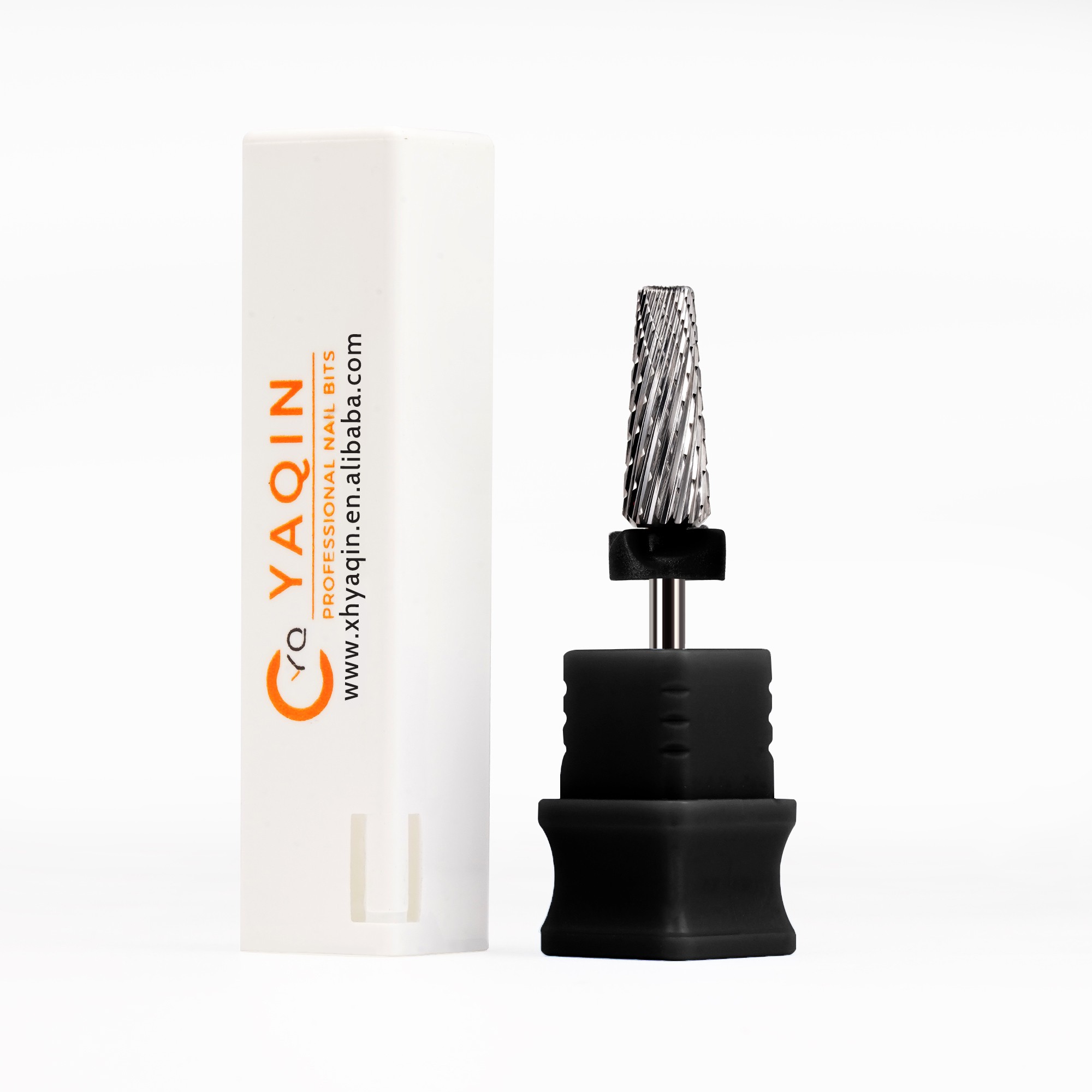
Safety can be understood more clearly through actual product characteristics. Consider Professional Advanced Safety Cuticle Bits Two-Way Rotate 3/32'' Carbide Tungsten 5 in 1 Nail Drill Bits.
A product like this combines Tungsten Carbide, high quality alloy, a 3/32'' size, and Two-Way Rotate capability. Each feature creates a separate quality checkpoint.
Material quality influences wear resistance and service life. Dimensional precision affects fit and maneuverability. Rotational balance influences noise, stability, and safe control during filing or cuticle work.
Because the same bit may be used for filing nails, removing dead skin, tackling gel polish, and shaping or polishing surfaces, consistency is especially important. Versatility only adds value when performance remains predictable.
For that reason, an electric nail file Factory should evaluate multifunctional products not only by finish quality, but also by repeated-use stability and batch-to-batch uniformity.
Useful criteria when assessing a supplier
A supplier review becomes more effective when safety questions are concrete. General claims about quality are less useful than evidence tied to process control.
Reading safety signals beyond the inspection report
A capable electric nail file Factory usually shows safety discipline in everyday details. Communication is precise, specifications are confirmed clearly, and nonconformities are handled with records rather than excuses.
It is also worth watching how the factory discusses delivery. Safe products still need safe transit conditions, especially for abrasive and precision components that can be affected by impact or poor packing.
Factories with stable export experience often understand this better. Their process thinking extends beyond the production line to labeling, unit protection, carton control, and shipment consistency.
This broader view aligns with Yaqin’s operating philosophy of honesty, rigor, responsibility, and mutual benefit. In practical terms, those values support a safer and more transparent supply relationship.
Turning safety review into the next decision
When comparing suppliers, it helps to build a checklist around real control points rather than broad promises. Start with materials, process checkpoints, final inspection, packaging, traceability, and customization discipline.
Then match those findings to the intended application. A multifunctional bit for nail care and nail art needs different scrutiny than a simpler, single-use abrasive item.
If an electric nail file Factory can explain how it prevents variation, not just how it reacts to complaints, that is usually a strong sign of maturity.
The most useful next step is to compare product requirements with the supplier’s actual QC workflow. That approach makes safety evaluation more objective, more efficient, and more relevant to long-term sourcing decisions.
News List
- Preventing Gouges and Uneven Filing With Small Barrel Nail Drill BitsSep 20, 2026
- How Diameter and Grit Affect Small Barrel Nail Drill Bit PerformanceSep 20, 2026
- Can Hytos Nail Drill Bits Be Used Safely on Natural Nails and Gel Polish?Sep 20, 2026
- How to Verify Fit Between Hytos Nail Drill Bits and an E-File HandpieceSep 20, 2026
- Safe Speed Settings for Umbrella Nail Drill Bits Around the Nail FoldSep 20, 2026
- Umbrella vs Flame Nail Drill Bits: Which Shape Offers Better Cuticle Control?Sep 20, 2026
Best-Selling Products
 Cross Cut Safety Stainless Steel Tungsten Carbide Nail Drill Bits Salon Foot Use XF-C Grit for Removing Nails
 First-rate Quality Tungsten Carbide Nail Drill Bits Best Coating Manicure Remove Gel Nails Accessories
 Professional Advanced Safety Cuticle Bits Two-Way Rotate 3/32'' Carbide Tungsten 5 in 1 Nail Drill Bits
 Wholesale 5 in 1 Electric Manicure Nail Drill Bits Various Coating Cone Cuticle Bit with Rotary Cross Cut for Nail Art
 New Slant Tooth Tungsten Steel Nail Drill Bits Dead Skin Removal 5-in-1 Universal Grinding Nail Polish Head Tool Nail Drill Bits
 4.0mm Small 5 in 1 Integrated Sharpe Tungsten Nail Drill Bit Straight Teeth Gel Polish Removal
 Flame Sharp XF F M C XC Silver Safety Professional Corn Tungsten Carbide Nail Bit for Drill Machine Accessories
 Factory Direct 5 in 1 Tungsten Carbide Nail Drill Bits 6.8MM Cross Cut Safety Manicure 5 in 1 Nail Drill Bits
Please give us a message