
Electric Nail File Manufacturer: Key Performance Factors
Electric Nail File Manufacturer: Key Performance Factors
Electric Nail File Manufacturer: Key Performance Factors
Choosing an electric nail file Manufacturer requires more than a quick price check.
Catalog photos rarely show how stable the motor runs after long hours.
They also do not reveal tolerance control, dust resistance, or assembly consistency.
For technical evaluation, those hidden details matter far more than surface claims.
A capable electric nail file Manufacturer should deliver repeatable performance, safe operation, and stable OEM or ODM execution.
This article breaks down the factors that usually separate dependable suppliers from risky ones.
Why Technical Evaluation Must Go Beyond Catalog Claims
An electric nail file Manufacturer often promotes speed range, appearance, and accessory count first.
Those points help marketing, but they do not confirm production capability.
In actual sourcing, failure rates usually come from unstable motors, poor balance, weak bearings, and inconsistent bit fit.
That also means the best supplier is not always the cheapest one.
A sound assessment should compare process discipline, component quality, testing methods, and after-sales support.
When these areas are strong, long-term user satisfaction becomes much easier to protect.
The Core Evaluation Mindset
- Check whether performance stays stable under continuous use.
- Verify if measured values match declared specifications.
- Review how the factory controls variation between batches.
- Confirm whether accessories and drill bits fit safely.
- Examine traceability, inspection reports, and corrective action records.
Motor Stability and Torque Delivery
Motor performance is usually the first serious checkpoint for any electric nail file Manufacturer.
Speed range alone is not enough.
The more important issue is whether torque remains stable when load changes.
If the motor drops speed too quickly, filing becomes uneven and heat rises fast.
That creates user discomfort and shortens service life.
What to Verify
- Speed stability at low, medium, and high RPM.
- Torque retention during gel removal and surface grinding.
- Temperature rise after extended operation.
- Controller response during rapid start, stop, and reverse switching.
A reliable electric nail file Manufacturer should provide test data, not vague reassurance.
Load simulation results are especially useful when comparing suppliers for private label projects.
Vibration Control, Noise, and User Safety
Vibration is one of the clearest signs of manufacturing quality.
Even a powerful unit feels low grade if the handpiece shakes during use.
Poor balance often comes from weak shaft alignment, bearing quality issues, or loose chuck tolerances.
Noise levels also tell a story.
A harsh, irregular sound usually points to internal friction or unstable rotation.
Practical Safety Indicators
- Consistent bit locking without wobble.
- Smooth operation after repeated bit changes.
- Stable casing temperature during continuous sessions.
- Predictable direction switching without sudden jerks.
These points are critical when the end market includes professional salons and frequent daily use.
A strong electric nail file Manufacturer treats vibration control as an engineering issue, not a cosmetic one.
Material Durability and Precision Tolerance
Durability depends on both internal parts and the working accessories used with the machine.
That is why bit compatibility deserves careful review during supplier selection.
For example, premium tungsten carbide or tungsten steel bits reduce wear and improve cutting consistency.
This matters even more when hard gel, base coat, or callus removal is part of the use case.
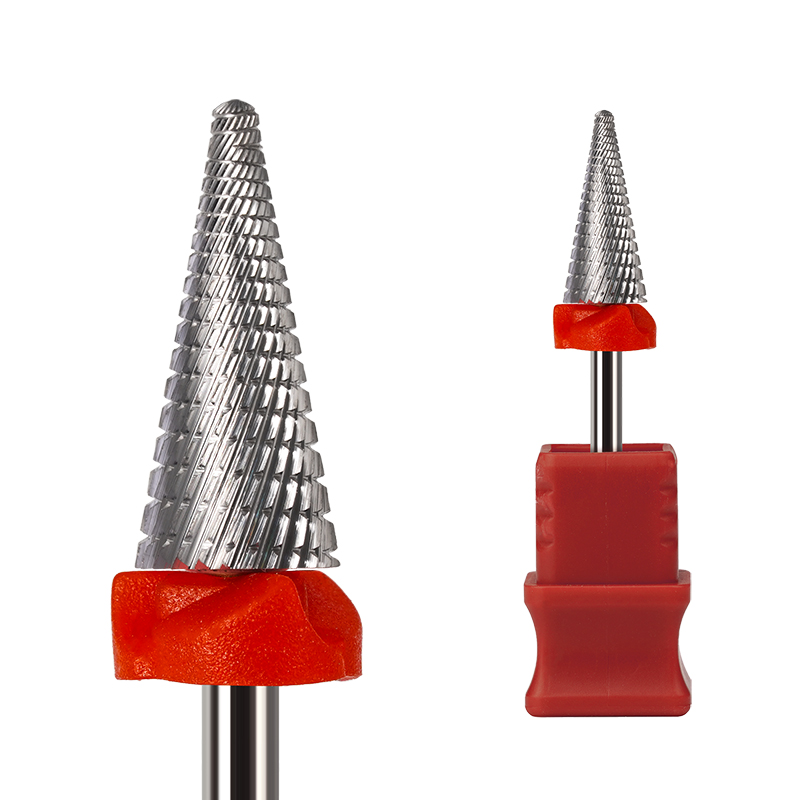
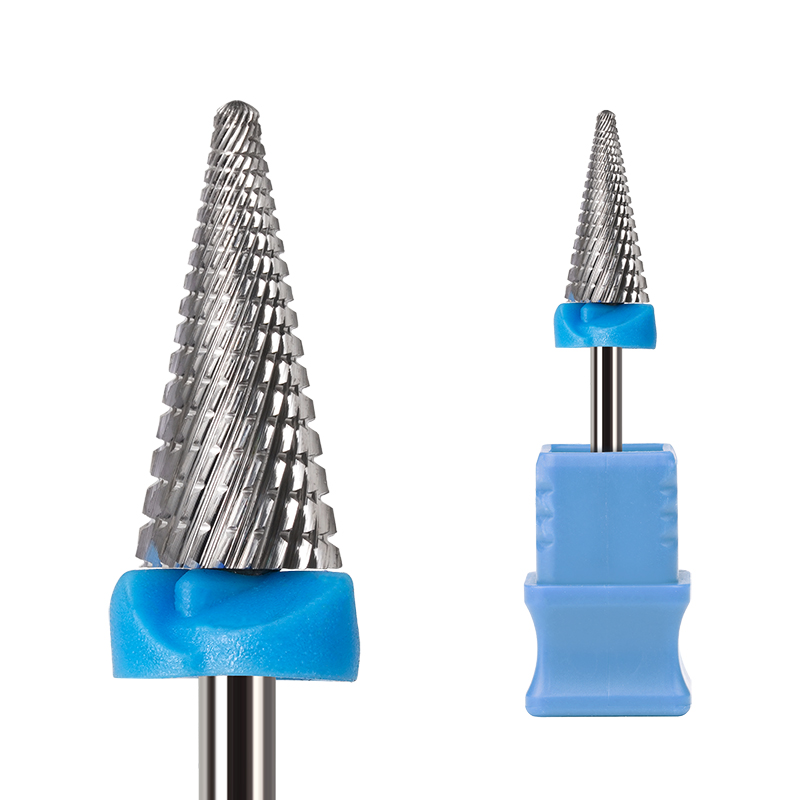
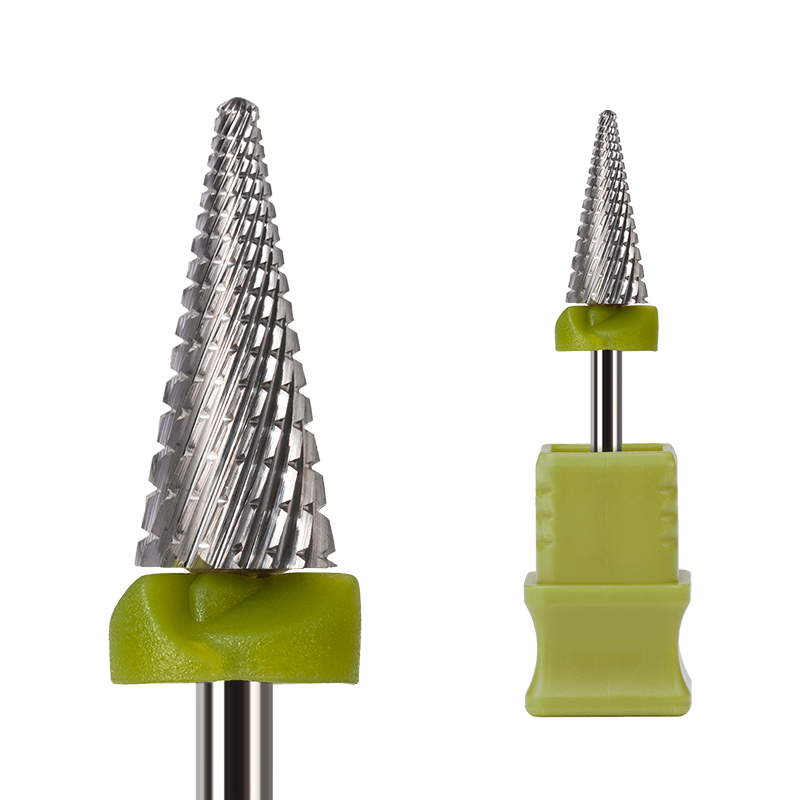
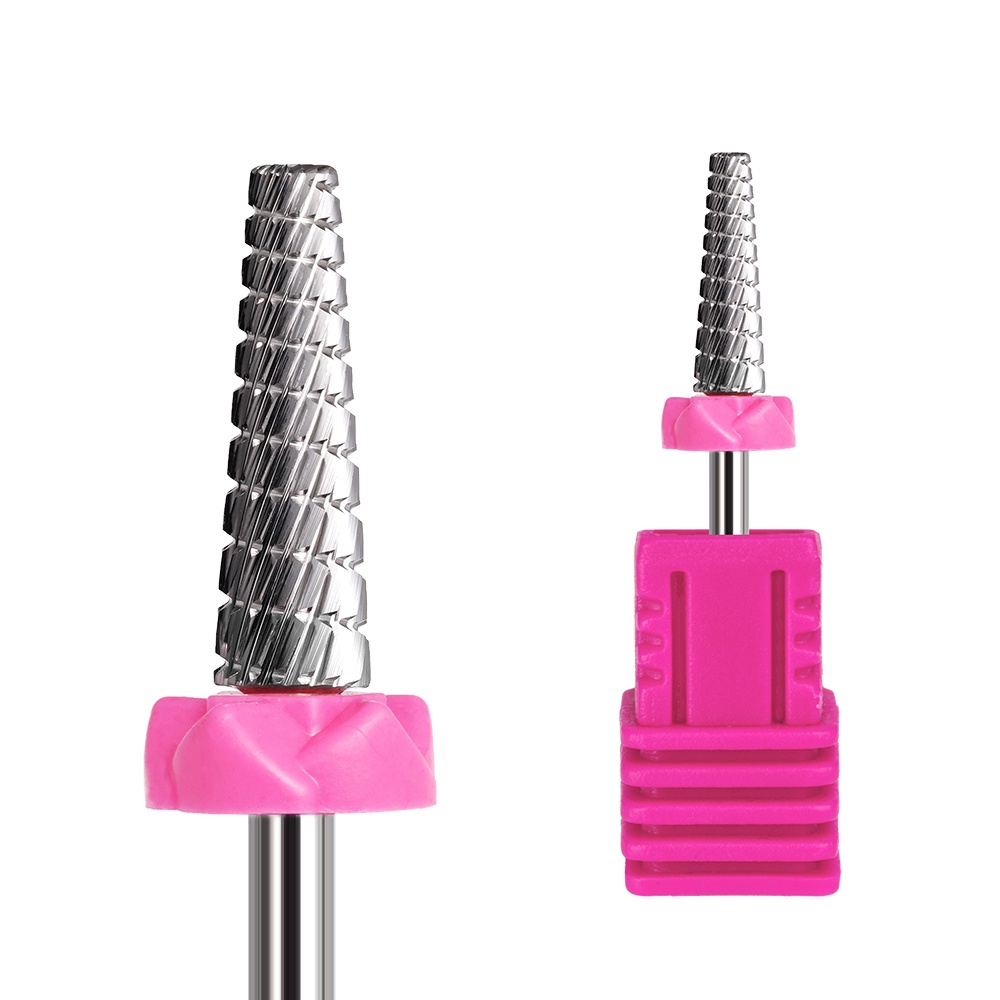
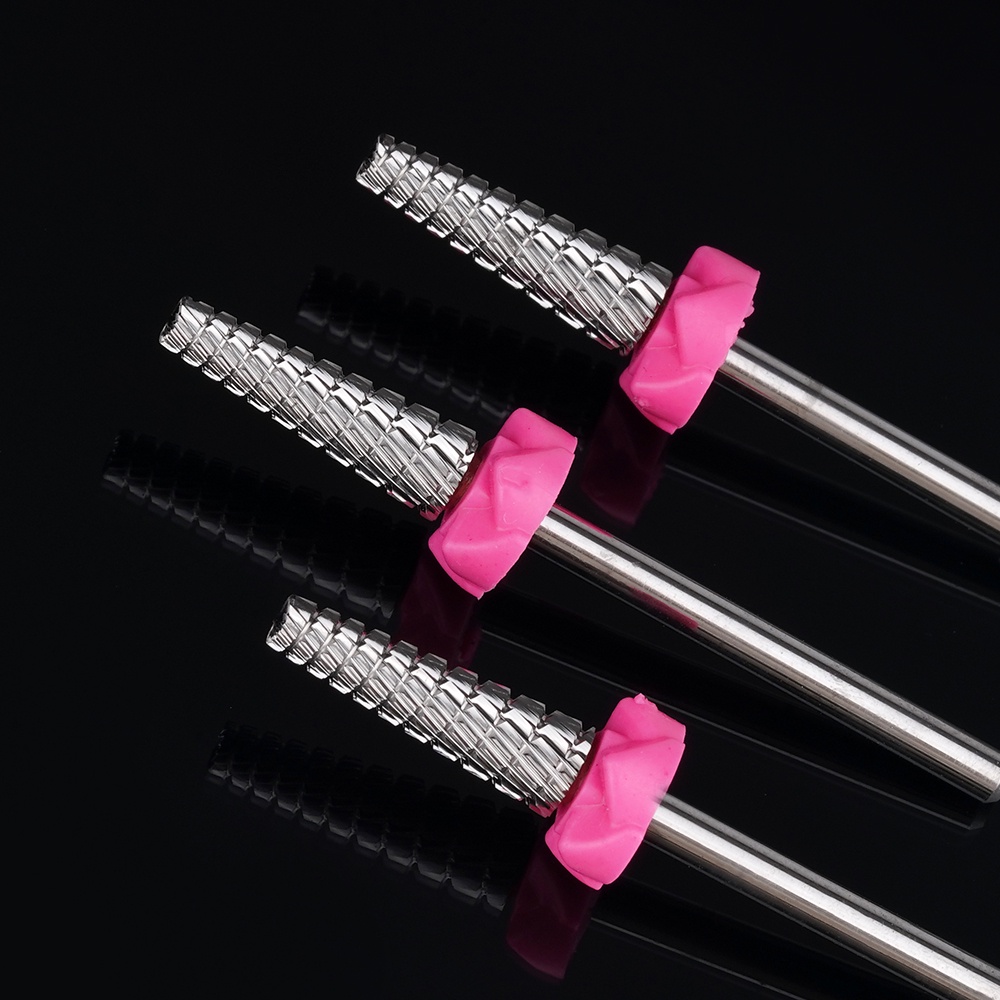
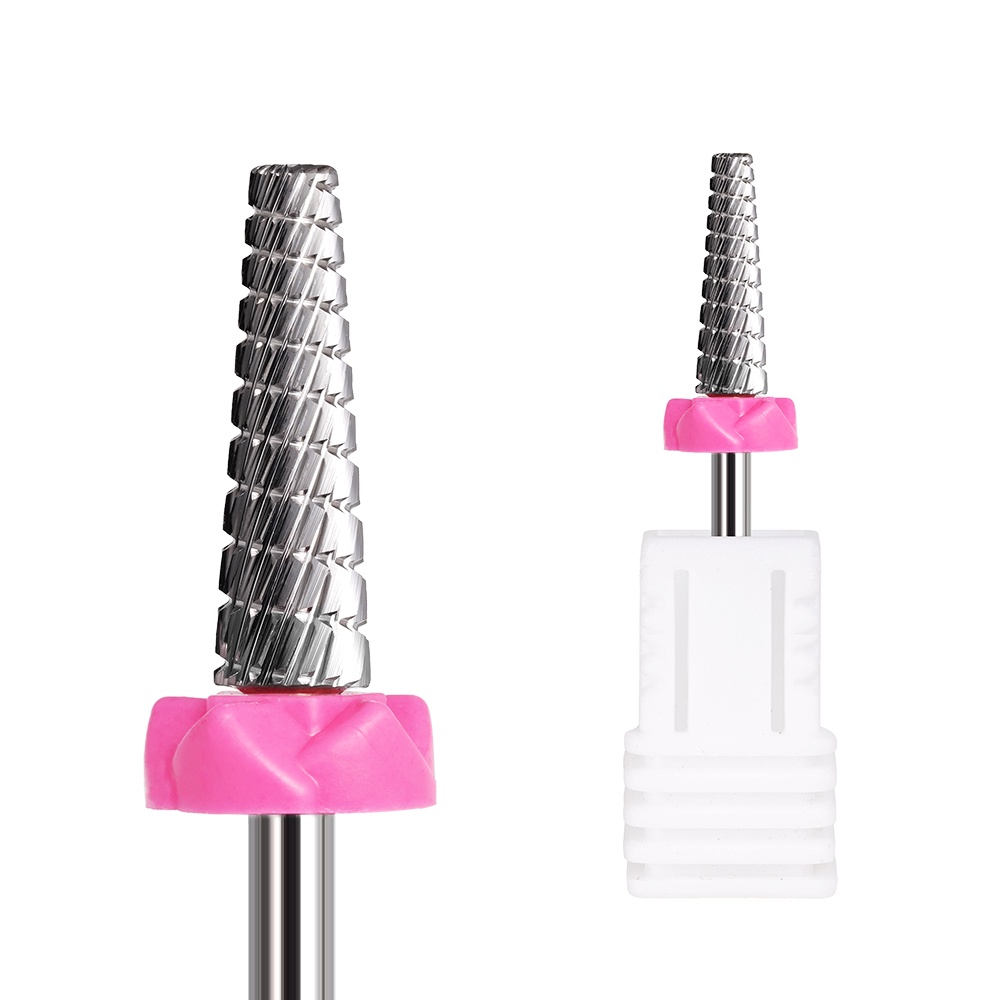
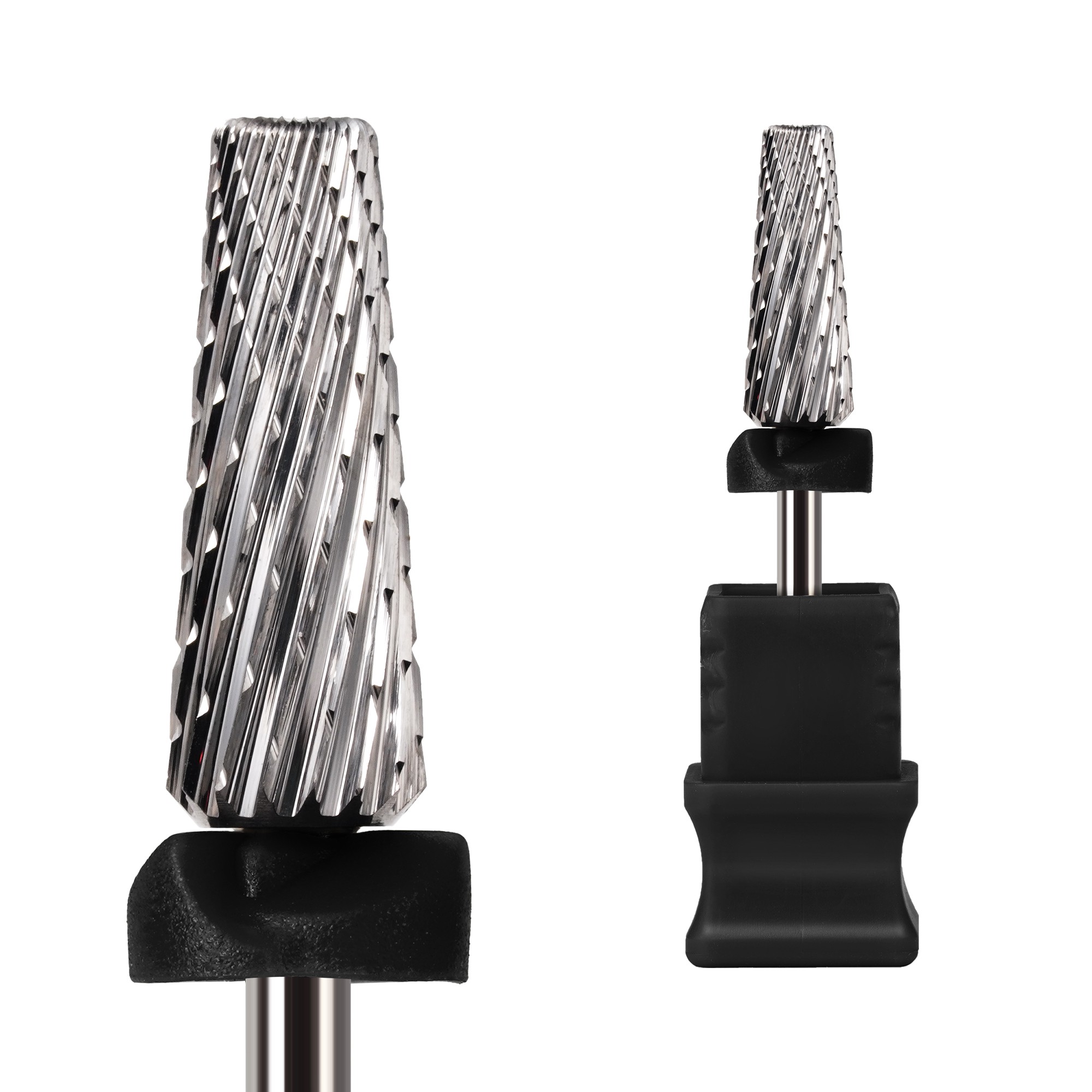
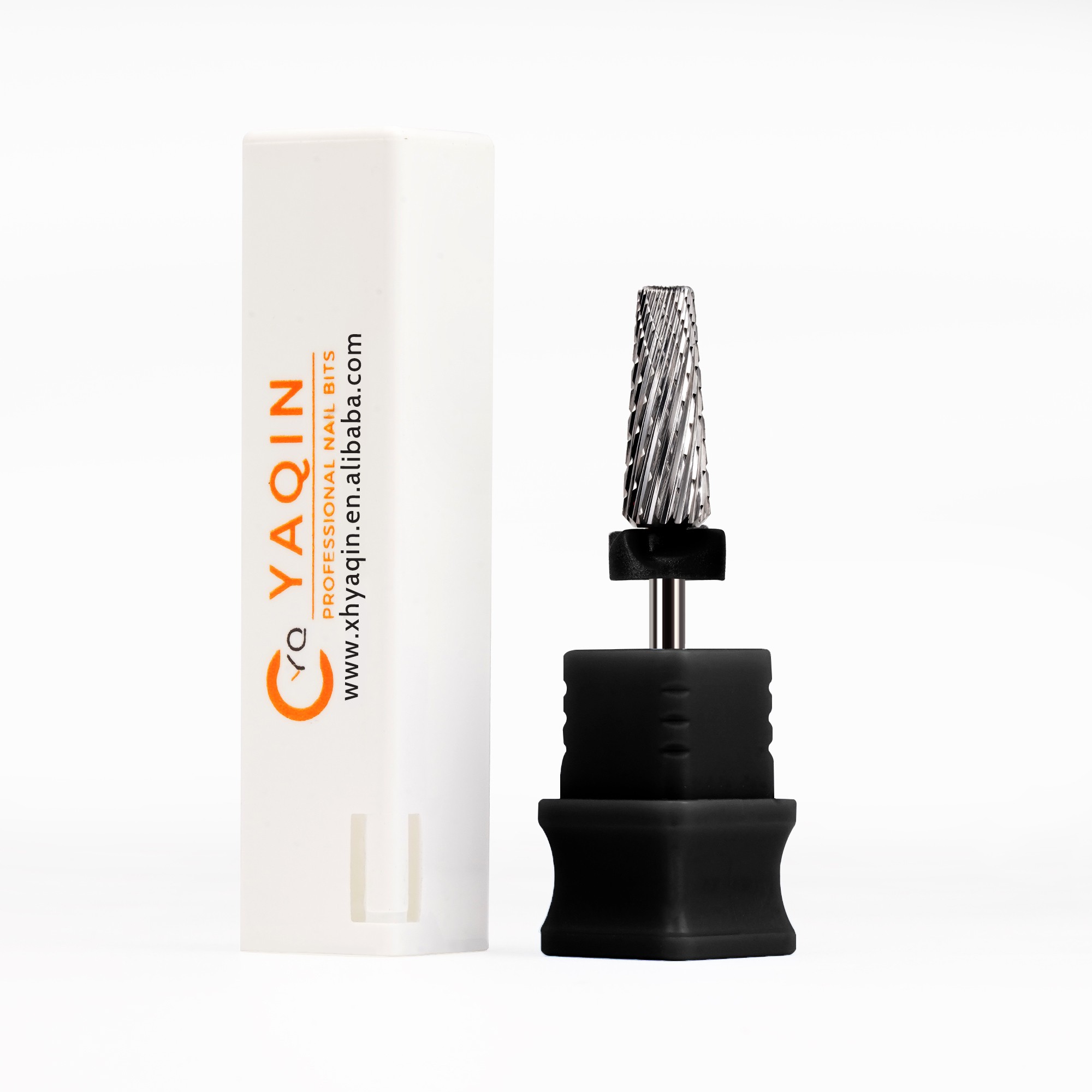
One relevant example is New Slant Tooth Tungsten Steel Nail Drill Bits Dead Skin Removal 5-in-1 Universal Grinding Nail Polish Head Tool Nail Drill Bits.
Its tungsten steel construction, smooth flat tip, and controlled dust ejection align with practical safety and durability priorities.
When an electric nail file Manufacturer can support such accessories with stable fit, overall system value improves.
Tolerance Questions Worth Asking
- How is spindle concentricity measured?
- What is the allowable chuck tolerance?
- How often are gauges calibrated?
- What happens when a batch exceeds vibration limits?
Clear answers here usually indicate a mature factory process.
Quality Assurance and Manufacturing Discipline
Quality assurance is where claims become evidence.
A dependable electric nail file Manufacturer should control raw materials, assembly, inspection, and packing with the same discipline.
If one stage is weak, final reliability usually suffers.
Wuxi Yaqin Trading Co., Ltd. works as a trading factory focused on high quality abrasive products and export execution.
Its market already covers the USA, Canada, Germany, the UK, Italy, Poland, and many other countries.
The company operates a complete QC system across raw material purchasing, production, and packing.
ISO9001:2000 certification and one-stop service also support OEM and ODM coordination.
For technical review, that kind of structure reduces communication gaps and improves traceability.
Key QA Documents to Request
- Incoming material inspection records.
- In-process control sheets.
- Final functional test reports.
- Nonconformance and corrective action logs.
- Packaging verification standards for export transit.
OEM and ODM Readiness in Real Projects
Not every electric nail file Manufacturer can handle customization smoothly.
Some can assemble standard units, but struggle with labeling changes, accessory combinations, or packaging compliance.
The more mature suppliers manage these changes without disrupting consistency.
From a technical standpoint, OEM and ODM readiness includes version control, sample validation, and approved component lists.
It also includes accessory matching.
For instance, if a brand wants a universal 5-in-1 bit option for salon-quality nail care, the supplier should confirm fit, balance, and lifespan.
That step prevents performance issues after launch.
Common OEM Risk Signals
- No formal sample approval process.
- No revision history for packaging or components.
- Unclear responsibility for defect handling.
- Accessory changes made without retesting.
A Simple Evaluation Framework for Supplier Comparison
A practical scorecard helps keep supplier comparison objective.
It also prevents single-factor decisions based only on price or lead time.
Final Takeaway
A qualified electric nail file Manufacturer should prove performance through engineering control and quality evidence.
Motor stability, vibration control, precision tolerance, and durable accessory compatibility should stay at the center of evaluation.
Strong QA systems and disciplined OEM or ODM workflows matter just as much.
Before making a final sourcing decision, request test records, review process controls, and compare how each supplier handles real production risk.
That approach gives a clearer picture of who can deliver consistent quality, safer operation, and better long-term value.
News List
- Preventing Gouges and Uneven Filing With Small Barrel Nail Drill BitsSep 20, 2026
- How Diameter and Grit Affect Small Barrel Nail Drill Bit PerformanceSep 20, 2026
- Can Hytos Nail Drill Bits Be Used Safely on Natural Nails and Gel Polish?Sep 20, 2026
- How to Verify Fit Between Hytos Nail Drill Bits and an E-File HandpieceSep 20, 2026
- Safe Speed Settings for Umbrella Nail Drill Bits Around the Nail FoldSep 20, 2026
- Umbrella vs Flame Nail Drill Bits: Which Shape Offers Better Cuticle Control?Sep 20, 2026
Best-Selling Products
 Cross Cut Safety Stainless Steel Tungsten Carbide Nail Drill Bits Salon Foot Use XF-C Grit for Removing Nails
 First-rate Quality Tungsten Carbide Nail Drill Bits Best Coating Manicure Remove Gel Nails Accessories
 Professional Advanced Safety Cuticle Bits Two-Way Rotate 3/32'' Carbide Tungsten 5 in 1 Nail Drill Bits
 Wholesale 5 in 1 Electric Manicure Nail Drill Bits Various Coating Cone Cuticle Bit with Rotary Cross Cut for Nail Art
 New Slant Tooth Tungsten Steel Nail Drill Bits Dead Skin Removal 5-in-1 Universal Grinding Nail Polish Head Tool Nail Drill Bits
 4.0mm Small 5 in 1 Integrated Sharpe Tungsten Nail Drill Bit Straight Teeth Gel Polish Removal
 Flame Sharp XF F M C XC Silver Safety Professional Corn Tungsten Carbide Nail Bit for Drill Machine Accessories
 Factory Direct 5 in 1 Tungsten Carbide Nail Drill Bits 6.8MM Cross Cut Safety Manicure 5 in 1 Nail Drill Bits
Please give us a message