
Gel Removal Bits: Which Grit, Shape, and Material Reduce Heat and Nail Damage?
Gel Removal Bits: Which Grit, Shape, and Material Reduce Heat and Nail Damage?
Gel Removal Bits: Which Grit, Shape, and Material Reduce Heat and Nail Damage?
Selecting gel removal bits requires more than comparing cutting speed. Technical evaluators must assess grit, geometry, material consistency, and thermal performance before approving a bit.
The right configuration removes product efficiently while preserving natural nail integrity. The wrong choice increases friction, heat, vibration, operator variability, and avoidable rework during professional services.
What Technical Evaluators Should Decide First
The core search intent behind gel removal bits is practical selection: identifying which bit removes gel predictably without generating excessive heat or thinning the natural nail.
For most controlled gel removal workflows, a medium grit carbide or ceramic bit offers the best balance between material removal speed and operator safety.
Coarse bits can be appropriate for reducing thick builder gel, hard gel overlays, or enhancement bulk, but they require tighter process controls and trained handling.
Fine grit bits are better suited to refining residual product, smoothing transition zones, and working near sensitive areas where aggressive cutting creates unnecessary risk.
Technical evaluation should begin with the coating system being removed. Soft gel polish, builder gel, poly gel, acrylic, and hard gel respond differently to cutting action.
It is also important to separate bulk removal from finishing. A bit that performs well during fast product reduction may be unsuitable for detail work around the cuticle.
Evaluators should therefore approve gel removal bits as part of a workflow, rather than expecting one universal bit to deliver maximum speed and maximum delicacy everywhere.
How Grit Selection Affects Heat and Nail Protection
Grit determines how aggressively a bit contacts the gel surface. In practical terms, grit affects cutting speed, chip size, surface finish, friction, and heat generation.
Coarse grit gel removal bits remove bulk quickly because their cutting surfaces engage more material per pass. This can reduce total contact time when used correctly.
However, coarse grit also creates a narrower margin for error. Excessive pressure, poor drill control, or repeated passes can rapidly cut through product layers.
Medium grit is usually the most versatile specification for professional evaluation. It removes builder gel and thicker color systems efficiently while maintaining more controlled material reduction.
For many salons and distributors, medium grit provides a practical standardization point. It supports consistent technician performance across varied gel systems without excessive stock complexity.
Fine grit configurations are valuable when the objective changes from removal to refinement. They reduce the likelihood of abrupt grooves, over-filing, and visible surface damage.
A fine grit bit should not be judged as inefficient simply because it removes less material per pass. Its value lies in controlled finishing near the natural nail.
The safest procurement strategy is generally a graded assortment: coarse for bulk reduction, medium for routine gel removal, and fine for residual product and finishing.
Why Bit Shape Matters as Much as Grit
Bit geometry controls contact area, access, visibility, and pressure distribution. Two gel removal bits with identical grit can perform very differently when their shapes are changed.
Barrel bits are common for broad flat surfaces because they provide stable coverage. They work efficiently across enhancement overlays, especially when operators maintain a parallel approach.
A safety barrel with a rounded top reduces accidental digging at the cuticle area. This makes it a sensible choice for standardized salon training programs.
Flame-shaped bits are designed for detail access around sidewalls, cuticle zones, and narrow transitions. They should be used carefully because localized contact can concentrate heat.
Small cone and tapered shapes can improve precision around lifted edges or product seams. They are less suitable for removing large amounts of gel over broad areas.
Umbrella shapes offer a useful compromise for pre-treatment and controlled contour work. Their profile can improve maneuverability while reducing abrupt contact at curved nail surfaces.
For evaluators sourcing multi-purpose tooling, the High Quality Tungsten Cuticle Carbide Nail Drill Bits Nail Removal Pre-Treatment Grinding Head Umbrella Shape Nail Drill Bit combines an umbrella profile with tungsten steel construction for detailed preparation and gel-related work.
Shape selection should reflect the operator's task sequence. A broad bit for surface reduction and a smaller profile for perimeter control usually produces better results than one compromise shape.
Carbide, Ceramic, and Diamond: Material Differences That Matter
Material selection affects cutting behavior, wear resistance, cleaning requirements, thermal response, and the consistency of the bit over its usable service life.
Tungsten carbide is widely preferred for efficient bulk removal. Its sharp flutes cut through gel and enhancement material rather than relying only on abrasive surface friction.
Because carbide removes material with a cutting action, it can reduce prolonged rubbing when matched with the correct speed and pressure. This helps manage heat during removal.
Carbide flute design is critical. Well-defined, evenly machined teeth evacuate dust effectively, while poorly finished flutes can clog, drag, and create inconsistent cutting behavior.
Ceramic bits are often selected for their smooth feel and relatively low heat transfer. They can be particularly useful for gel polish removal and sensitive client applications.
High-quality ceramic bits can maintain steady removal performance, but they remain vulnerable to impact damage. Procurement testing should include drop resistance and visual inspection procedures.
Diamond bits use embedded abrasive particles rather than cutting flutes. They are best suited for natural nail refinement, cuticle work, surface texturing, and delicate preparation tasks.
Diamond is generally not the first choice for rapid bulk gel removal. Extended contact can create friction, making it less efficient for thick product reduction than carbide or ceramic.
Heat Control Depends on More Than the Bit
Heat is a system-level issue. Even high-quality gel removal bits can become uncomfortable when the drill speed, pressure, dwell time, or cleaning condition is incorrect.
The primary cause of heat is sustained friction at one point. Operators should keep the bit moving and use overlapping passes rather than holding contact in a fixed location.
Excessive pressure is usually counterproductive. It increases friction and vibration while making the operator less able to feel the difference between product layers and natural nail.
Rotation speed should be validated by bit material, grit, shape, and intended task. Higher RPM is not automatically safer or faster when it encourages pressure and heat.
For routine gel polish reduction, moderate controlled speed generally produces better visibility and thermal control. Thick hard gel may need more cutting capacity, not simply more RPM.
Dust evacuation also affects temperature. When gel debris accumulates in flutes or on abrasive surfaces, the bit rubs instead of cuts, increasing heat and reducing efficiency.
Testing should include repeated removal cycles without cleaning between every pass. This reveals whether flute geometry and coating quality remain effective in realistic service conditions.
Evaluate vibration as well as temperature. Runout, poor shank tolerance, or imbalance can force technicians to compensate with pressure, which increases discomfort and nail damage risk.
How to Match Removal Bits to Gel Types
Soft gel polish usually requires less aggressive removal than builder gel. A medium ceramic or fine-to-medium carbide bit can remove color layers with controlled passes.
Builder gel varies greatly by formula, thickness, and curing method. A medium carbide barrel is often effective, while coarse grit should be reserved for substantial bulk.
Hard gel overlays generally benefit from carbide cutting flutes because the material resists abrasion. Medium grit is appropriate for routine removal, with coarse grit for heavy reductions.
Poly gel can produce dense dust and may load a bit differently than conventional hard gel. Evaluators should test chip evacuation, cleaning time, and cutting consistency.
Acrylic systems demand a different risk assessment because the material is harder and often thicker. Bits approved for gel should not automatically be approved for acrylic removal.
When product composition is unknown, technicians should begin with a less aggressive configuration. Conservative initial passes reduce the chance of accidental natural nail contact.
For mixed-service environments, labeling bits by material application reduces confusion. Clear identifiers such as “gel bulk,” “gel finish,” and “cuticle prep” support repeatable use.
What to Check When Comparing Supplier Samples
Technical evaluators should not approve samples based only on initial cutting speed. A reliable bit must remain consistent after cleaning, sterilization, repeated use, and handling.
Inspect shank diameter and concentricity. A 3/32-inch shank must fit securely in standard e-files, with minimal runout and no noticeable wobble during operation.
Examine flute edges under magnification when possible. Clean machining, uniform spacing, and consistent edge profiles usually indicate better cutting balance and predictable dust discharge.
For ceramic products, inspect the surface for cracks, chips, and uneven abrasive areas. Small manufacturing defects can expand under load and compromise operator confidence.
Material traceability matters for large-scale sourcing. Suppliers should be able to explain the base material, coating method, grit classification, and recommended applications for each model.
Packaging should prevent impact damage and preserve product identification. Individual protection, grit labels, directional markings, and batch control support efficient receiving inspection.
Longer service life should be verified through controlled cycles, not assumed from material claims. Compare cutting performance after repeated cleaning and removal tasks under identical conditions.
A durable tungsten steel and high-quality alloy construction can support stable grinding performance, especially when the bit is designed for precise control and manageable vibration.
Build a Practical Evaluation Protocol
A structured evaluation protocol makes purchasing decisions more defensible. Test the same gel system, nail form, drill model, speed range, and operator technique across samples.
Record removal time for a defined product thickness. Fast performance matters, but it should be measured alongside nail surface condition, heat feedback, and dust accumulation.
Use a scoring method that includes cutting efficiency, thermal comfort, vibration, finish quality, cleaning performance, durability, and packaging reliability. Weight criteria by intended market use.
Ask technicians to identify when they feel compelled to apply pressure. A bit that requires force to cut may create more long-term risk than its initial timing suggests.
Assess the transition from gel to natural nail. The ideal bit gives operators tactile and visual control, allowing them to leave a thin protective product layer when required.
Include left-handed and right-handed users in testing where possible. Directional flutes may perform differently depending on rotation direction and the technician's working position.
For OEM or ODM programs, confirm that grit, shape, branding, and packaging specifications can remain stable across future production batches, not merely a first sample order.
Recommended Bit Strategy for Lower-Risk Gel Removal
For most professional applications, the strongest baseline is a medium grit carbide safety barrel for bulk removal, supported by a fine bit for finishing and perimeter control.
Add a ceramic medium grit option when a smoother removal feel or lower perceived heat transfer is important for the intended salon or retail customer segment.
Use diamond bits for preparation and detailed natural nail work, not as the primary tool for fast removal of thick gel overlays or enhancement material.
Reserve coarse carbide gel removal bits for experienced operators and clearly defined heavy-product applications. Their speed is valuable only when training and process control are adequate.
Umbrella-shaped carbide tools can complement the set for pre-treatment, contouring, dead-skin removal, and controlled work around curved areas where broad barrels are less maneuverable.
When specifying a complete assortment, prioritize consistent grit labeling, verified shank tolerances, stable machining quality, and application guidance over an unnecessarily large number of shapes.
The goal is not to eliminate all friction. It is to select tools that cut efficiently, evacuate debris, remain stable, and give technicians enough control to protect the nail.
Conclusion
The best gel removal bits are selected through task matching, not broad claims about aggressiveness. Medium grit carbide remains the most practical starting point for routine professional removal.
Shape determines how safely the bit reaches broad surfaces, sidewalls, and cuticle zones. Material determines cutting action, durability, heat behavior, and cleaning performance over time.
Technical evaluators should validate bits under repeatable conditions, measuring more than removal speed. Heat, vibration, debris evacuation, natural nail protection, and lifecycle consistency deserve equal attention.
With a defined assortment and disciplined testing process, buyers can choose gel removal bits that improve service efficiency while reducing avoidable heat exposure and nail damage.
News List
- Preventing Gouges and Uneven Filing With Small Barrel Nail Drill BitsSep 20, 2026
- How Diameter and Grit Affect Small Barrel Nail Drill Bit PerformanceSep 20, 2026
- Can Hytos Nail Drill Bits Be Used Safely on Natural Nails and Gel Polish?Sep 20, 2026
- How to Verify Fit Between Hytos Nail Drill Bits and an E-File HandpieceSep 20, 2026
- Safe Speed Settings for Umbrella Nail Drill Bits Around the Nail FoldSep 20, 2026
- Umbrella vs Flame Nail Drill Bits: Which Shape Offers Better Cuticle Control?Sep 20, 2026
Best-Selling Products
 Cross Cut Safety Stainless Steel Tungsten Carbide Nail Drill Bits Salon Foot Use XF-C Grit for Removing Nails
 First-rate Quality Tungsten Carbide Nail Drill Bits Best Coating Manicure Remove Gel Nails Accessories
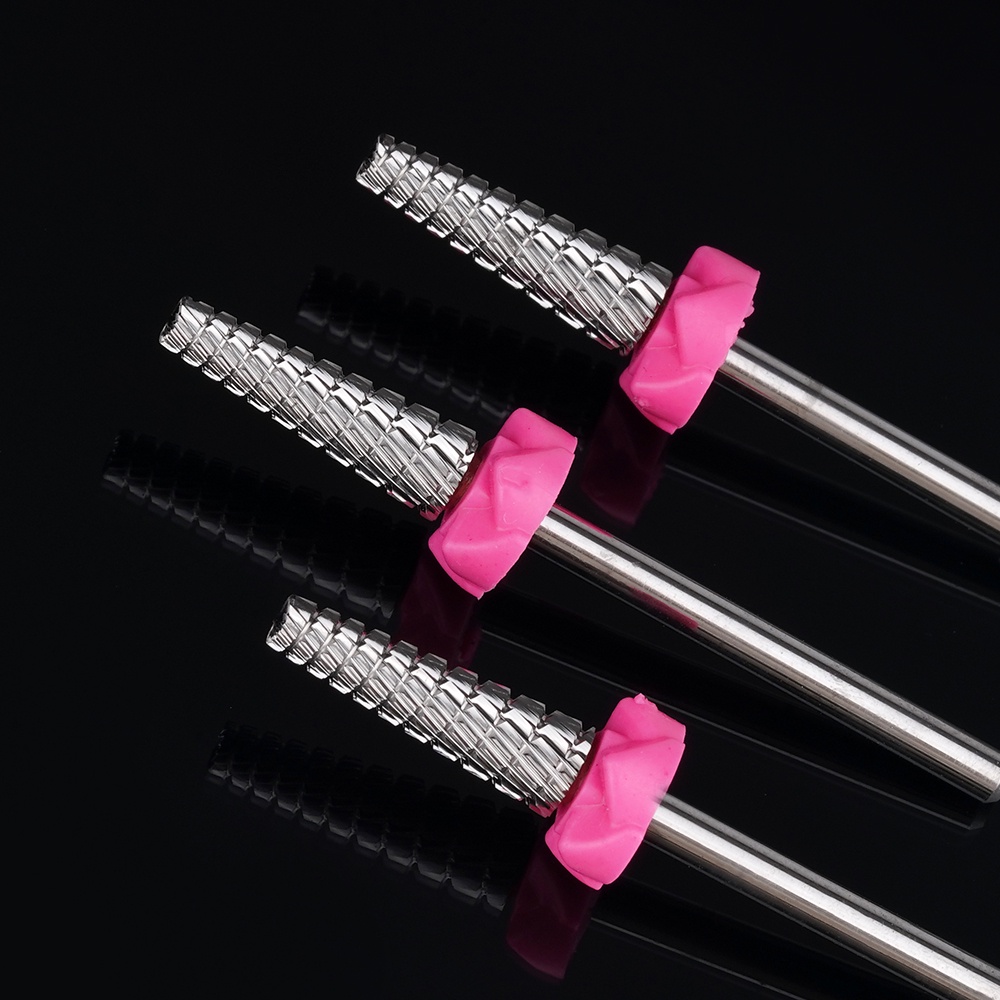
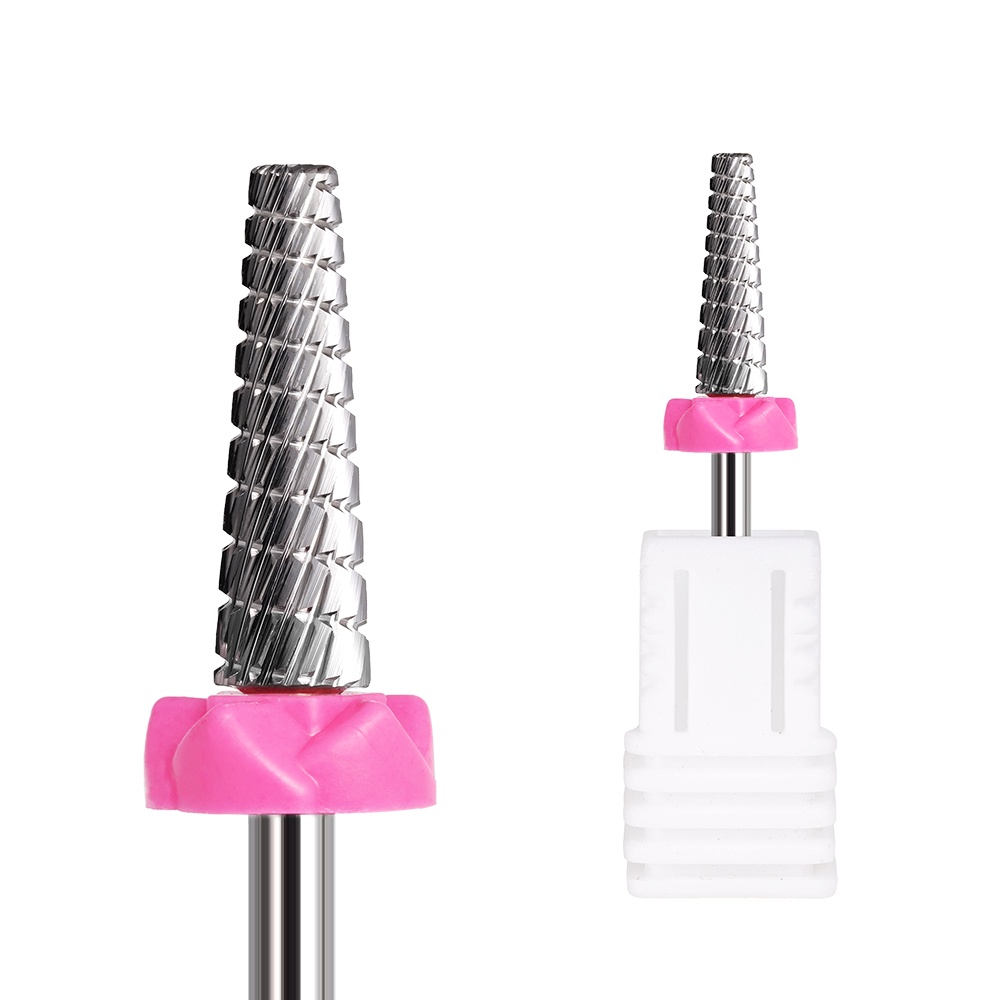
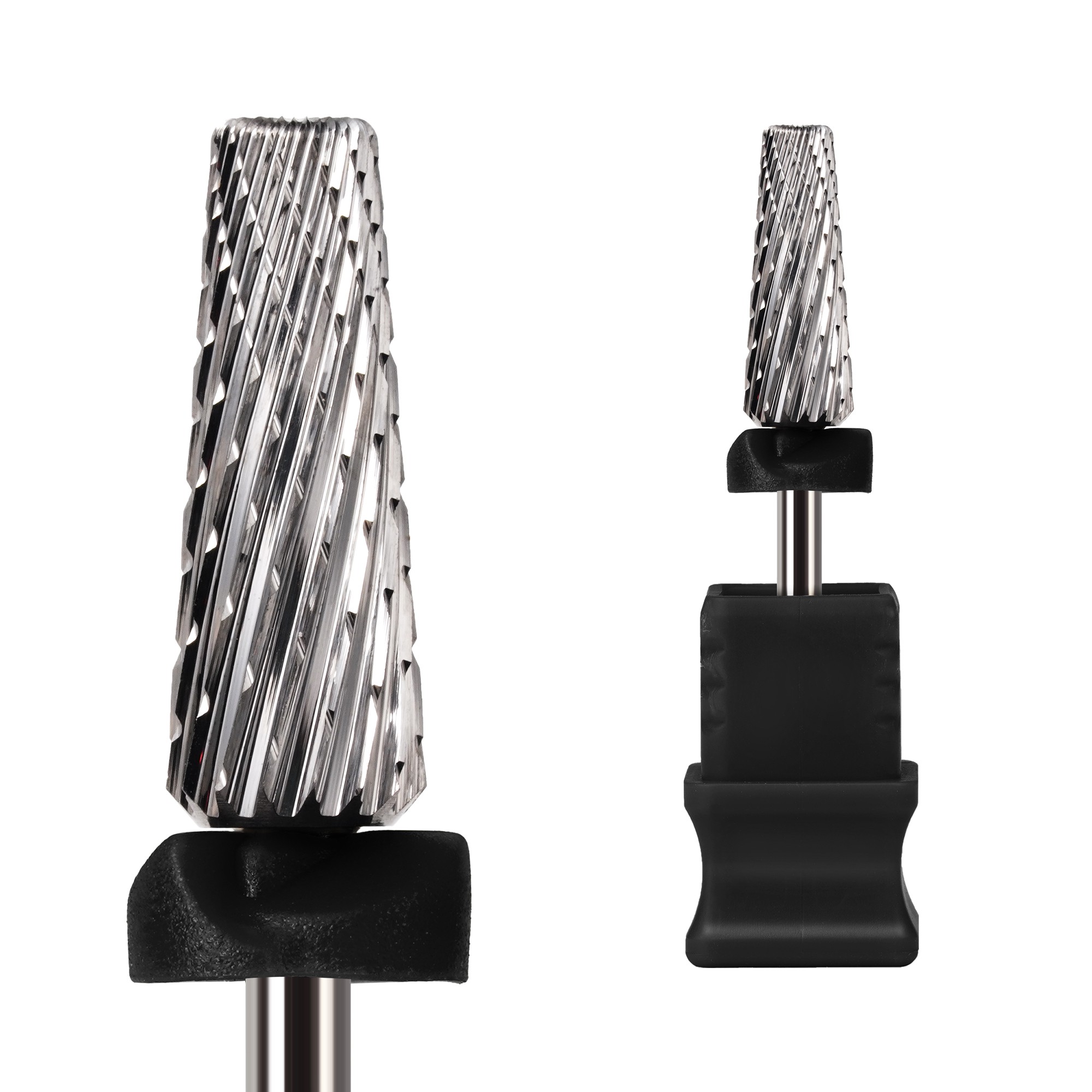
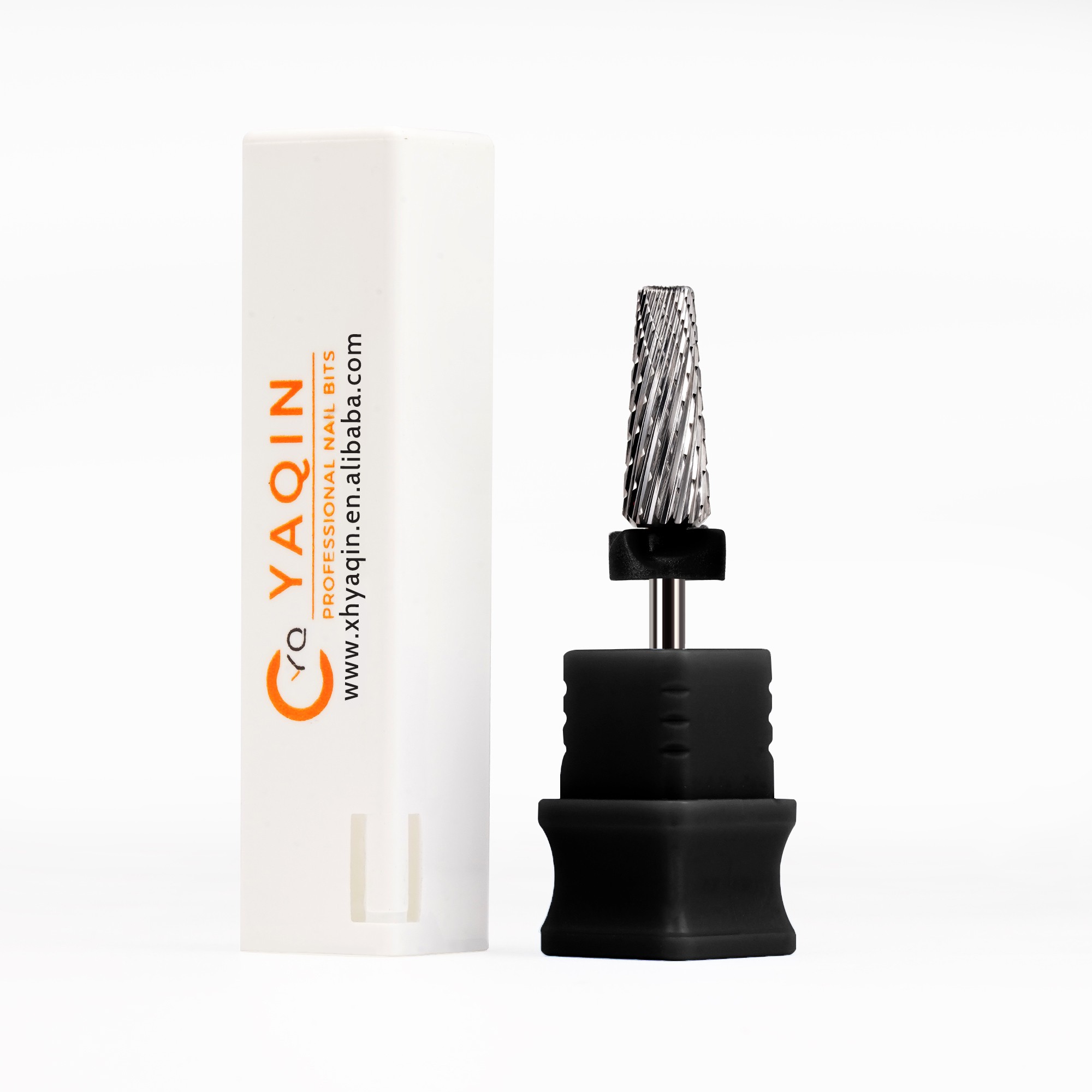
 Professional Advanced Safety Cuticle Bits Two-Way Rotate 3/32'' Carbide Tungsten 5 in 1 Nail Drill Bits
 Wholesale 5 in 1 Electric Manicure Nail Drill Bits Various Coating Cone Cuticle Bit with Rotary Cross Cut for Nail Art
 New Slant Tooth Tungsten Steel Nail Drill Bits Dead Skin Removal 5-in-1 Universal Grinding Nail Polish Head Tool Nail Drill Bits
 4.0mm Small 5 in 1 Integrated Sharpe Tungsten Nail Drill Bit Straight Teeth Gel Polish Removal
 Flame Sharp XF F M C XC Silver Safety Professional Corn Tungsten Carbide Nail Bit for Drill Machine Accessories
 Factory Direct 5 in 1 Tungsten Carbide Nail Drill Bits 6.8MM Cross Cut Safety Manicure 5 in 1 Nail Drill Bits
Please give us a message