
Do wholesale electric nail file models differ much in vibration control
Do wholesale electric nail file models differ much in vibration control
Do Wholesale Electric Nail File Models Differ Much in Vibration Control?
When evaluating a Wholesale electric nail file, vibration control is one of the fastest ways to separate a well-engineered unit from one that only looks acceptable on paper. Two models may share similar speed claims, similar handpiece shapes, and even similar packaging language, yet behave very differently once they run under load. For technical assessment work, that difference matters because vibration is not just a comfort issue. It directly affects cutting accuracy, operator fatigue, bearing life, bit stability, noise, and in some cases thermal buildup around the handpiece.
So yes, models can differ quite a lot in vibration control. The reason is simple: vibration is the result of many small engineering decisions interacting with each other. Motor quality, shaft concentricity, collet tolerance, bearing selection, handpiece shell rigidity, internal balancing, assembly consistency, and even the quality variation of the nail bit itself all play a part. A unit that feels smooth during a short no-load test may become unstable after longer use or at certain speed bands.
That is why buyers who source for salons, schools, distributors, or private-label programs usually need more than a catalog comparison. They need a practical method for judging whether one model is merely adequate or genuinely stable in real operation.
Why vibration varies more than many buyers expect
In light industrial daily-use products, especially handheld electric tools with rotating accessories, visible specifications rarely tell the whole story. A nail file may list a high RPM range, low noise, and ergonomic design, but vibration often comes from tolerances hidden inside the assembly. Even a small deviation in spindle alignment can be felt at higher speeds. The same applies to imbalance between the motor rotor and the output shaft.
There is also a common sourcing mistake: judging the machine without separating machine vibration from bit vibration. A handpiece can be reasonably balanced, but if the included bits have poor concentricity, the user will still feel chatter and assume the motor is the problem. For this reason, technical evaluation should test the handpiece with both the supplied accessories and a verified reference bit.
Another source of variation is production consistency. A factory may produce a good sample but struggle to hold the same assembly standard across batches. This is where supplier-side quality control becomes more important than marketing claims. Companies with stricter incoming inspection, process checks, and packing control are generally better positioned to keep vibration performance stable over repeat orders. Wuxi Yaqin Trading Co., Ltd., for example, emphasizes a QC system covering raw material purchasing, production process, and packing, which is relevant here because vibration problems often begin long before final assembly.
The components that usually decide smoothness
If a sourcing team wants to understand where the difference really comes from, it helps to look at the handpiece as a mechanical system rather than a beauty tool.
Motor and rotor balance
A well-balanced motor reduces the baseline vibration before the bit even starts cutting. Lower-grade assemblies may still run, but they tend to generate more noticeable resonance at specific speed ranges. In daily salon use, that can show up as hand fatigue during long sessions or reduced confidence when working near the cuticle.
Bearing quality and fit
Bearing performance is one of the least visible but most decisive factors. Loose fit, poor-grade bearings, or inconsistent lubrication can produce micro-vibration early and then worsen with operating hours. A unit may pass a basic startup test but become noisy and rough after routine use.
Collet precision and bit retention
The clamping mechanism needs to hold the bit concentrically. If the collet does not center the bit properly, runout increases, and vibration rises sharply. This is especially important when users switch bits frequently. A model with a durable, precise locking mechanism often feels smoother even if its speed rating is similar to cheaper alternatives.
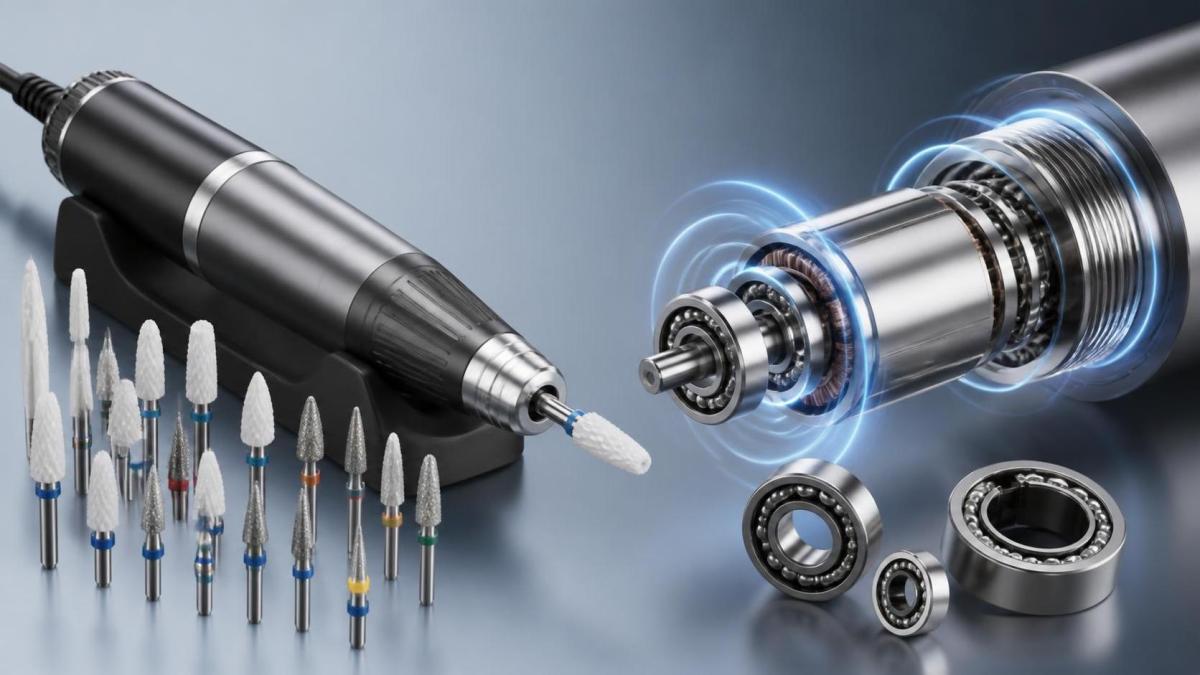
Handpiece structure and shell rigidity
The outer shell is not just cosmetic. A rigid housing helps control resonance and keeps internal components aligned. Thin or poorly fitted housings can amplify vibration that would otherwise remain modest. Weight distribution matters too. Some handpieces are technically powerful but tiring to hold because the balance point is awkward.
How to assess vibration without relying on vague claims
Many suppliers describe their units as low-vibration, but technical review needs a clearer approach. In practice, comparison should include both objective checks and operator-level observation.
This last point is often overlooked. One smooth demo unit is not enough for wholesale evaluation. If the project involves private label, long-term salon supply, or multi-market export, sample-to-sample consistency matters as much as headline performance.
What vibration means for service life and user complaints
Excess vibration usually creates a chain reaction. It can accelerate bearing wear, loosen internal fittings, and make the handpiece louder over time. It may also reduce finishing accuracy, especially in detailed work where the operator relies on controlled pressure. From a distributor or importer perspective, that leads to a different kind of cost: returns that are hard to classify. Users may report “noise,” “heating,” “rough feeling,” or “unstable bit rotation,” even though the root cause is the same vibration problem.
This is one reason technical teams increasingly ask about assembly control, incoming material inspection, and post-production testing rather than looking only at cosmetic finish. A supplier with OEM/ODM experience is often more prepared for this conversation because custom projects usually require tighter control of repeatability, accessory compatibility, and packaging protection during export. Yaqin’s one-stop service model, from production to delivery, is relevant in that sense: vibration quality is not only made on the assembly line, it can also be affected by transport protection, accessory matching, and batch management.
There is no single “best” level without context
Not every project needs the same standard of smoothness. A model intended for occasional use may tolerate a different threshold than one meant for high-frequency salon work, training schools, or professional technicians doing long sessions. The technical question is not only whether one unit vibrates more than another, but whether the vibration level remains acceptable for the target workload, bit type, and maintenance cycle.
It is also worth remembering that user perception varies. Some operators are highly sensitive to handle buzz and tonal change; others focus more on torque and speed response. That is why mixed evaluation methods are useful: visual observation of runout, touch-based comparison, and basic endurance checking. Where local requirements or customer specifications apply, these should be confirmed at the project stage rather than assumed.
Questions worth asking before approving a model
A serious sourcing review for a Wholesale electric nail file should go beyond brochure language. Useful questions include:
- Is vibration tested only at no-load, or also under light working load?
- Are the included bits checked for concentricity, or is handpiece performance validated separately?
- How many samples from a batch can be provided for consistency review?
- What process controls are used for bearings, collets, and final assembly?
- For OEM/ODM projects, can the same internal specification be maintained after branding or packaging changes?
None of these questions are excessive. They help prevent the common situation where a product passes the first impression test but creates avoidable service issues after shipment.
A practical conclusion for technical evaluation
Wholesale electric nail file models do differ substantially in vibration control, and the gap is often bigger than the visible price difference suggests. Smoothness comes from the combined quality of motor balance, bearing system, collet precision, handpiece structure, and production consistency. It also depends on whether the accessories match the machine well enough to avoid false performance signals.
For buyers comparing export-ready supply options, the better approach is to treat vibration as a quality system issue, not a standalone feature. Suppliers serving multiple markets such as the USA, Canada, Germany, the UK, Italy, Poland, and many others are usually more familiar with the need for stable batch quality, documentation, and repeatable production control. Certifications such as ISO9001:2000 may indicate a structured management approach, but the real test still comes down to sample consistency, assembly discipline, and honest technical communication.
If a model is being considered for larger-volume procurement, ask for multi-sample testing, verify performance with known good bits, and confirm how QC is applied from raw materials through packing. That will tell you far more about vibration behavior than a single speed number ever will.
News List
- Preventing Gouges and Uneven Filing With Small Barrel Nail Drill BitsSep 20, 2026
- How Diameter and Grit Affect Small Barrel Nail Drill Bit PerformanceSep 20, 2026
- Can Hytos Nail Drill Bits Be Used Safely on Natural Nails and Gel Polish?Sep 20, 2026
- How to Verify Fit Between Hytos Nail Drill Bits and an E-File HandpieceSep 20, 2026
- Safe Speed Settings for Umbrella Nail Drill Bits Around the Nail FoldSep 20, 2026
- Umbrella vs Flame Nail Drill Bits: Which Shape Offers Better Cuticle Control?Sep 20, 2026
Best-Selling Products
 Cross Cut Safety Stainless Steel Tungsten Carbide Nail Drill Bits Salon Foot Use XF-C Grit for Removing Nails
 First-rate Quality Tungsten Carbide Nail Drill Bits Best Coating Manicure Remove Gel Nails Accessories
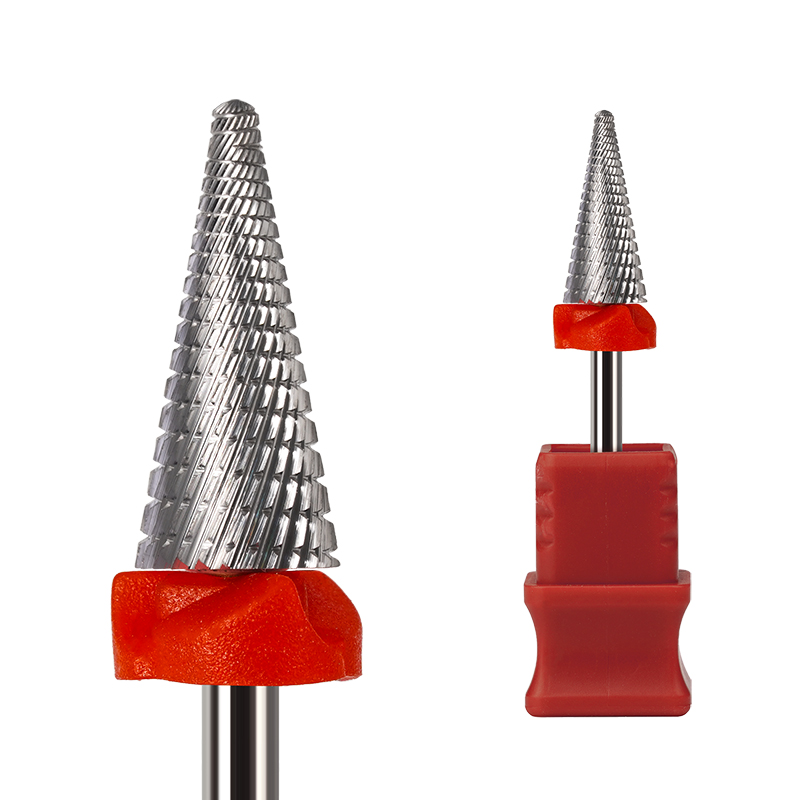
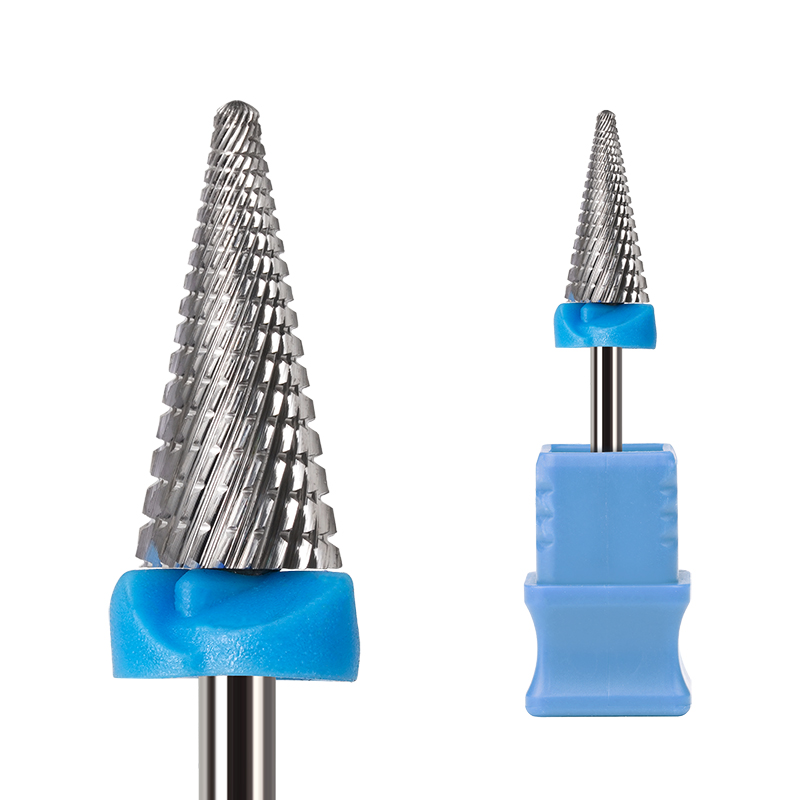
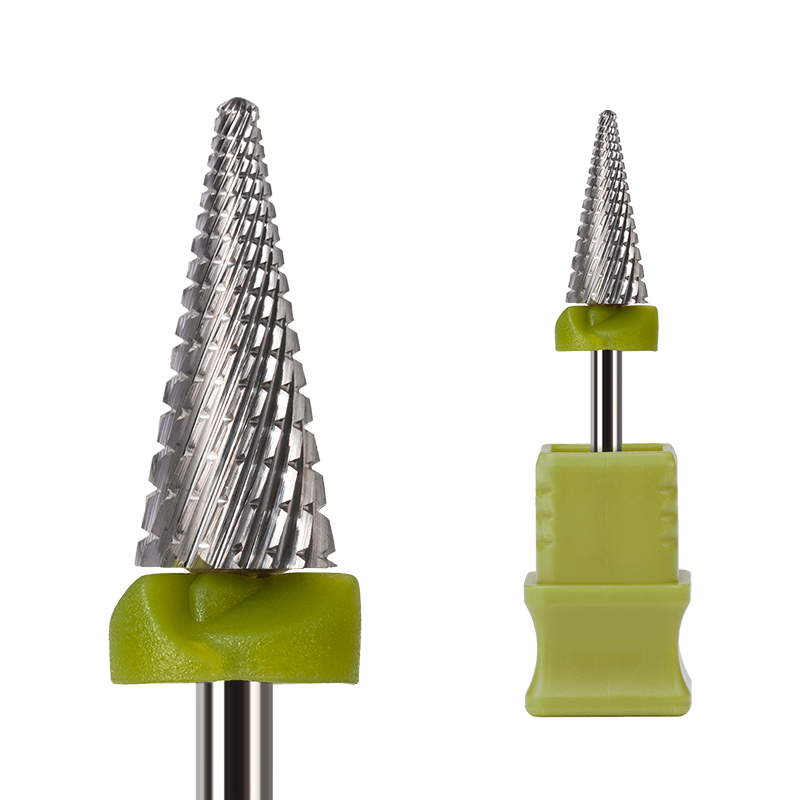
 Professional Advanced Safety Cuticle Bits Two-Way Rotate 3/32'' Carbide Tungsten 5 in 1 Nail Drill Bits
 Wholesale 5 in 1 Electric Manicure Nail Drill Bits Various Coating Cone Cuticle Bit with Rotary Cross Cut for Nail Art
 New Slant Tooth Tungsten Steel Nail Drill Bits Dead Skin Removal 5-in-1 Universal Grinding Nail Polish Head Tool Nail Drill Bits
 4.0mm Small 5 in 1 Integrated Sharpe Tungsten Nail Drill Bit Straight Teeth Gel Polish Removal
 Flame Sharp XF F M C XC Silver Safety Professional Corn Tungsten Carbide Nail Bit for Drill Machine Accessories
 Factory Direct 5 in 1 Tungsten Carbide Nail Drill Bits 6.8MM Cross Cut Safety Manicure 5 in 1 Nail Drill Bits
Please give us a message