
Do long 5 in 1 nail drill bits reduce bit changes during services?
Do long 5 in 1 nail drill bits reduce bit changes during services?
Do Long 5 in 1 Nail Drill Bits Really Cut Down on Bit Changes?
In a busy nail service, changing drill bits is not usually the biggest time drain by itself. The interruption is. A technician stops, puts down the handpiece, finds the next bit, checks the grit, changes direction if needed, and then has to regain the same level of control around the nail plate. Repeating that sequence several times during removals can make a service feel slower and less fluid.
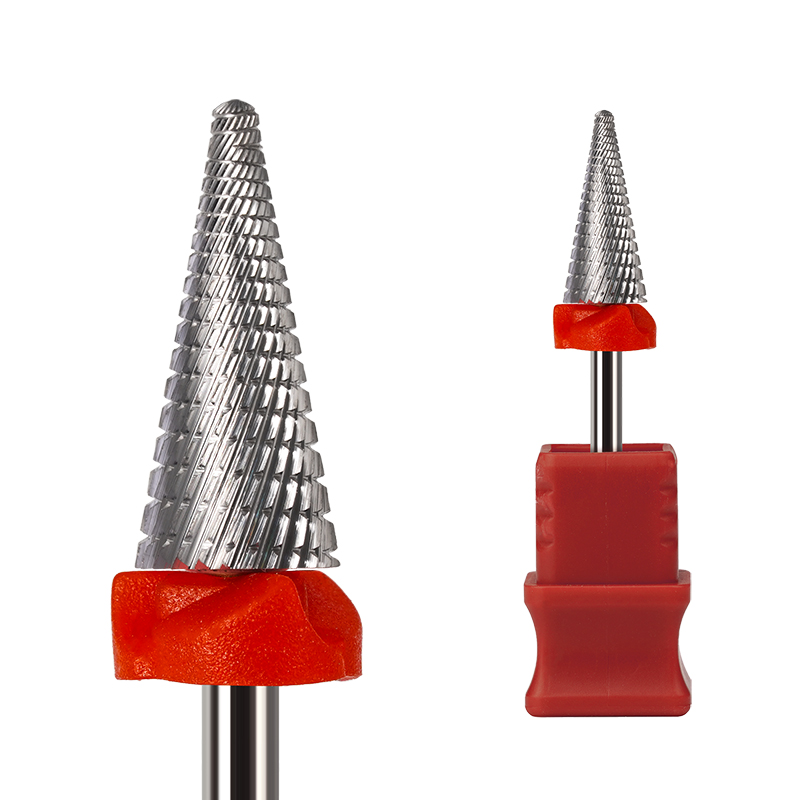
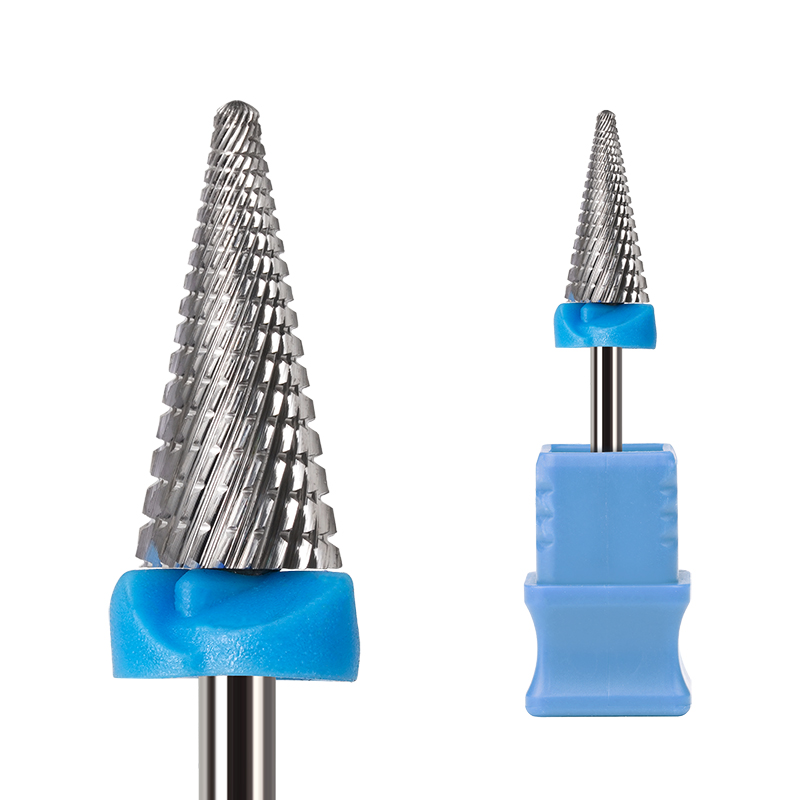
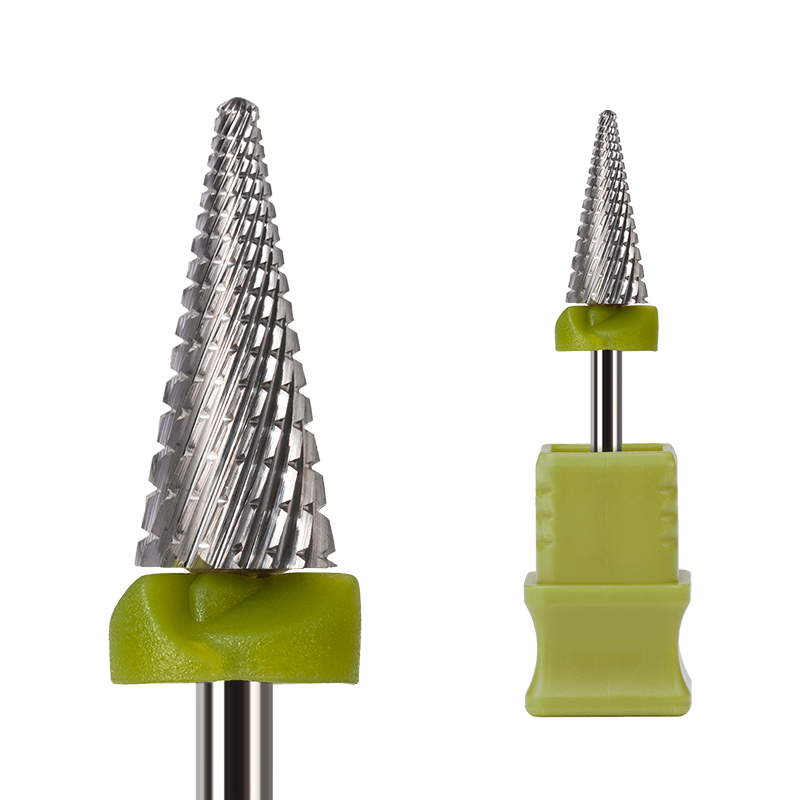
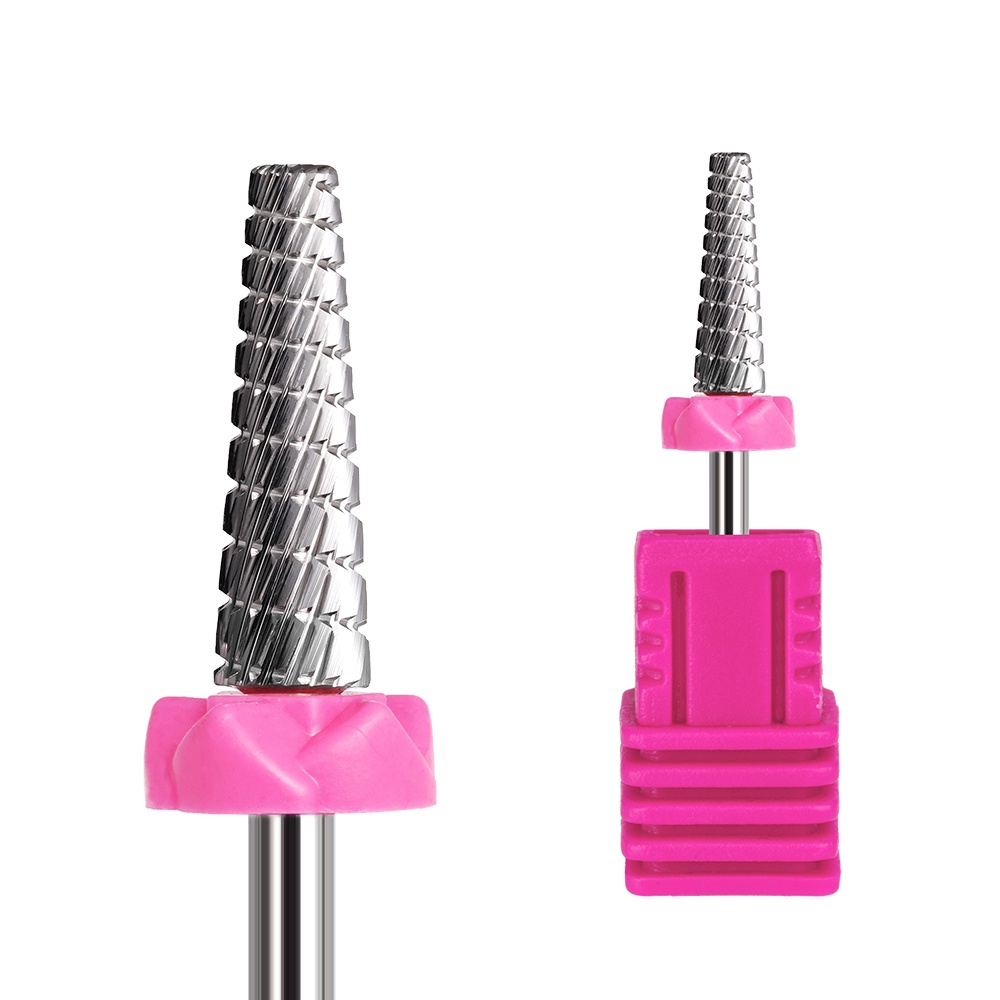
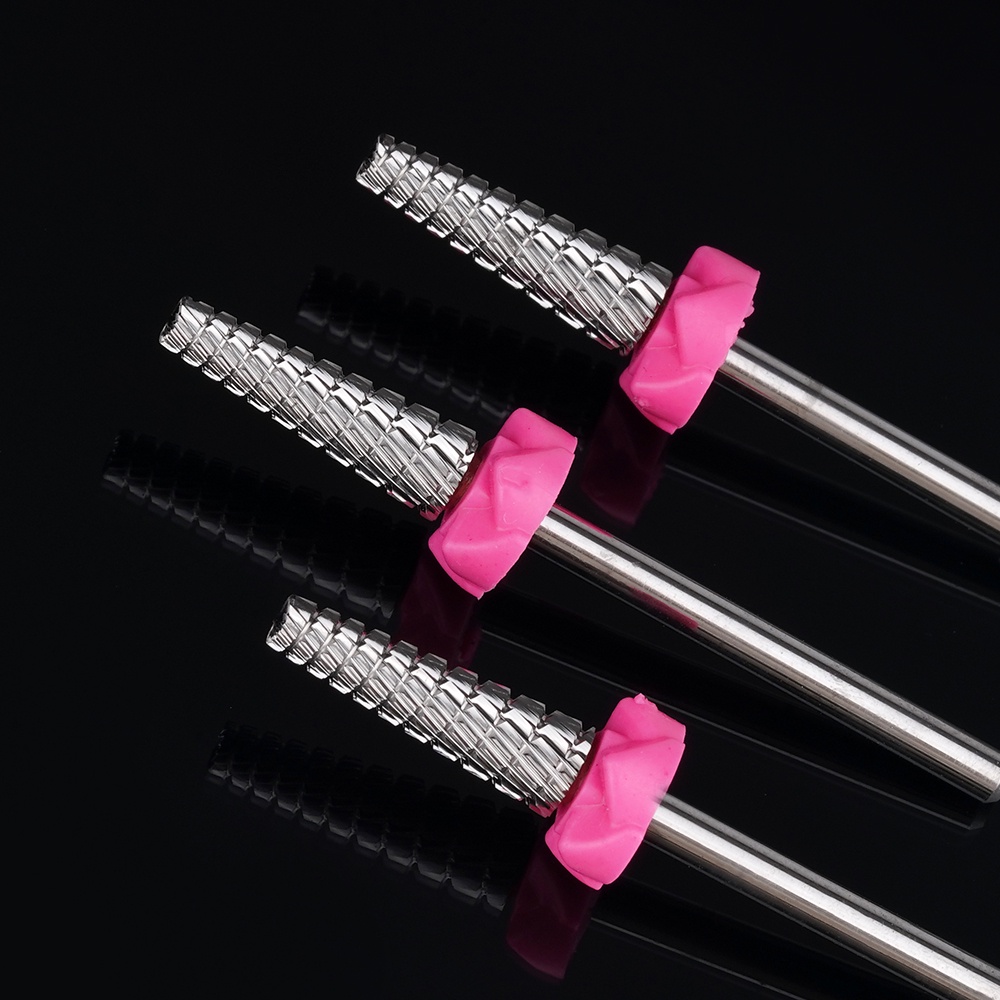
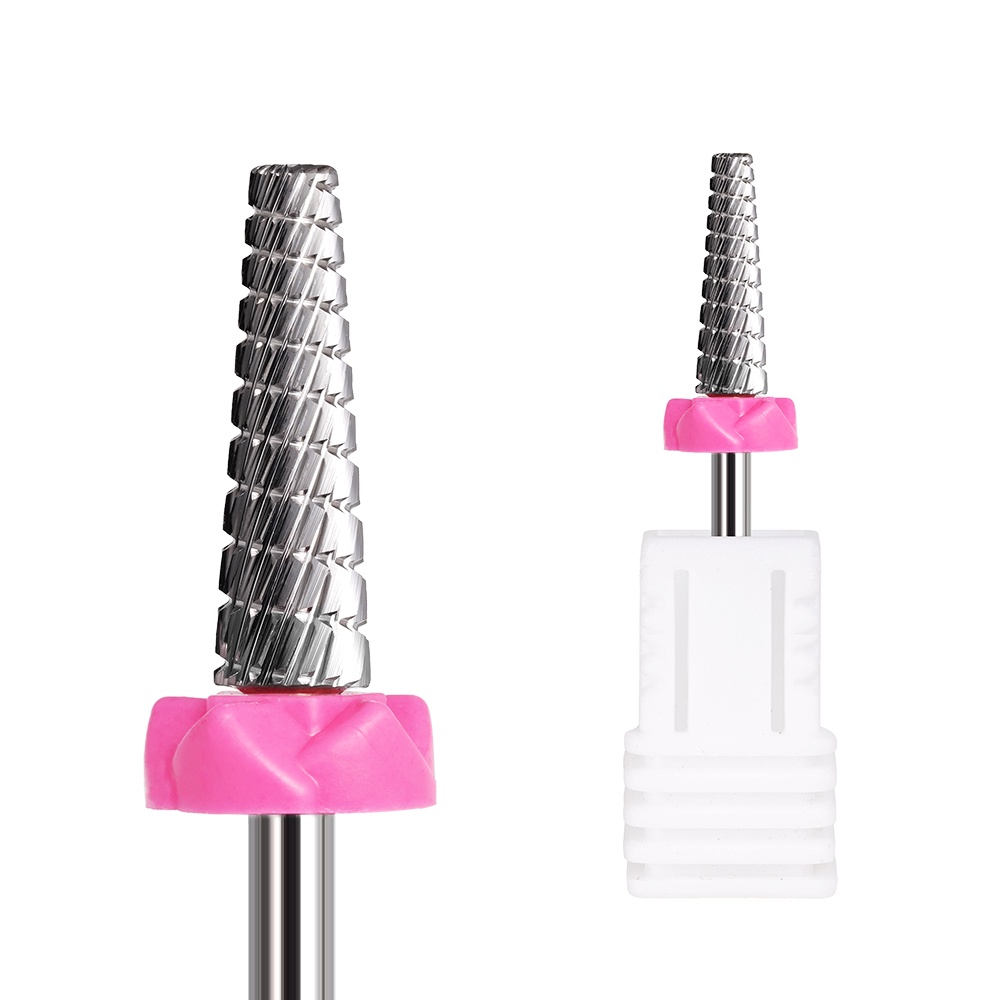
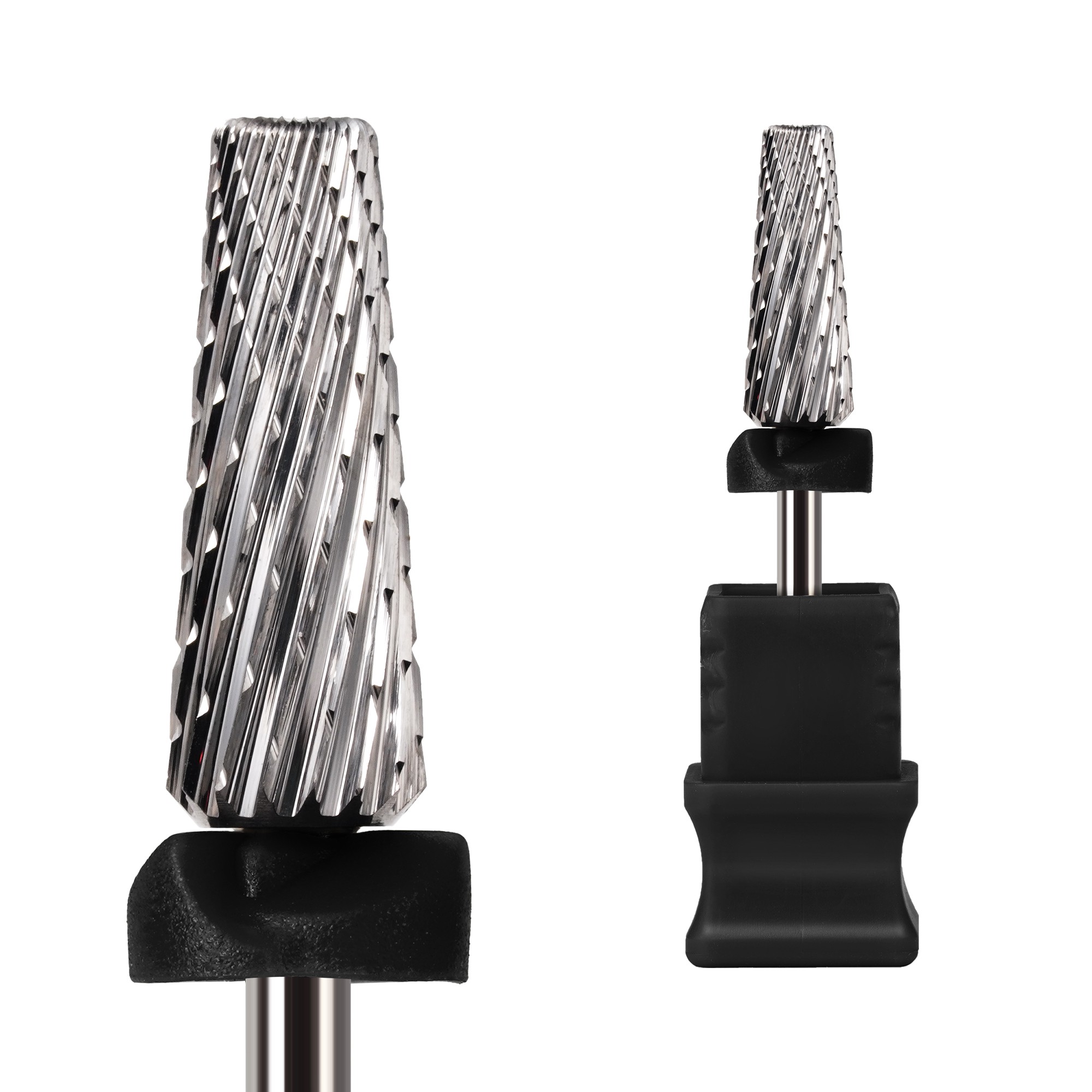
That is why long 5 in 1 nail drill bits have become popular for enhancement removal and prep work. Their stepped or graduated cutting surface is designed to cover several jobs that might otherwise require separate barrel, safety, and finer-grit bits. In the right hands, they can reduce bit changes noticeably. They do not eliminate the need for a complete bit set, though, and they are not a shortcut for poor technique.
The practical answer is yes: a well-made long 5-in-1 bit can often replace several abrasive steps during a gel, builder gel, acrylic, or hard-gel removal service. Whether it actually saves time depends on the bit’s cut, its usable working length, the product being removed, the client’s nail condition, and how the operator uses the different zones.
Why the “5 in 1” design changes the workflow
A conventional carbide barrel bit generally has one consistent grit and one main purpose. It may remove bulk efficiently, but a technician may switch to a finer bit as the enhancement gets thinner, then use another profile around the cuticle area or sidewalls. A 5-in-1 carbide bit is different because the cutting pattern is divided into working zones. Depending on the specific design, those zones may progress from a coarser removal area to medium and fine sections, with a smoother safety-oriented end.
The longer body matters because it gives the operator more usable surface to work with. On a longer nail or a wide enhancement, the technician can make controlled passes across a larger area without constantly repositioning the handpiece. This can be particularly useful when reducing length, thinning an old acrylic overlay, refining the bulk of builder gel, or removing color while leaving a controlled protective layer near the natural nail.
The important phrase here is controlled protective layer. Experienced technicians rarely try to grind every trace of enhancement from every client. When the natural nail is close, switching from aggressive removal to conservative refinement is safer than chasing a perfectly bare surface with a coarse cutting zone. A multi-zone bit helps make that transition without immediately changing tools, but the operator still has to recognize when the service has reached that point.
Where one long bit can replace multiple steps
For many enhancement maintenance appointments, a long 5-in-1 bit can handle the following sequence with less interruption:
- Reduce length and remove the top bulk of acrylic, hard gel, or builder gel with the coarser section.
- Blend uneven product thickness through the center of the nail with a medium cutting area.
- Refine remaining product near the lower third of the enhancement using a finer zone and lighter pressure.
- Work more carefully near sidewalls and the cuticle line with the safety-end area, provided the bit profile is suitable for that task.
- Clean beneath free edges when the client’s nail length, extension shape, and service procedure allow safe access.
This does not mean every zone should touch every part of the nail. The “five functions” describe potential working options, not a requirement to use the whole bit during every appointment. In fact, technicians who get the best service life from carbide bits tend to use only the necessary zone, keep the bit moving, and avoid forcing it into cured product.
The jobs a 5-in-1 bit should not be forced to do
A versatile carbide bit is not a complete e-file system. Fine cuticle detailing may still call for a dedicated flame, tapered, ball, or small safety bit, depending on the technician’s method. Surface polishing on a natural nail is normally better handled with an appropriate buffer, sanding band, or polishing attachment rather than a carbide removal bit. Likewise, lifting product, severe cracks, damaged nail plates, or unusually sensitive clients require a slower and more selective approach.
There is also a difference between clearing product quickly and preparing a nail correctly. An operator might save a bit change during removal but create more work later by leaving uneven thickness at the apex, over-thinning a sidewall, or running a coarse zone too close to new growth. A smoother sequence is useful only when it improves control rather than encouraging speed for its own sake.
For that reason, long 5 in 1 nail drill bits are most effective as a removal-and-refinement tool. They are less convincing as an all-purpose answer to every filing, prep, polishing, and cuticle task in a salon.
Bit length helps, but balance and cut quality matter more
“Long” can refer to the extended working head, the overall bit length, or both, so it is worth checking product dimensions instead of relying on the name alone. A longer cutting surface gives more room to move between grit zones, but it can feel different in the handpiece. If the bit is poorly balanced, even a powerful e-file may transmit vibration. That can make fine work uncomfortable for the technician and unsettling for the client.
Material and machining are equally important. Tungsten carbide is widely used for product removal because it is hard, durable, and capable of cutting cured enhancement material efficiently when the flute design is correct. Yet “carbide” alone is not a quality guarantee. Inconsistent flutes, rough edges, weak shank fit, or uneven coating can lead to dragging, excess heat, chatter, and premature wear.
A professional option such as the 5 In 1 Pro Gold Tungsten Carbide Nail Drill Bit is intended to combine high-hardness tungsten carbide construction with a multi-purpose working profile. For technicians, the relevant benefits are not merely the finish or appearance of the bit; they are stable rotation, predictable cutting, quiet operation, and enough maneuverability to move from bulk removal into detail refinement without reaching for another barrel bit.
The gold-colored finish found on some bits may be useful for product identification or visual presentation, but it should not be treated as proof of performance. Ask how the bit cuts, how it is packaged, whether it fits the intended handpiece shank size, and whether its grit progression suits the materials used in the salon.
A safer way to use the different zones
The most common mistake with a multi-zone bit is using it like a single coarse barrel. The technician applies one speed, one pressure level, and one angle across the entire nail. That defeats the purpose of the design. Each zone should be treated as a different tool surface.
Begin with the coarser area only where there is enough product thickness to support it. Keep the handpiece moving in smooth passes and use light, deliberate contact instead of pressure. If the product is lifting, remove the loose material carefully rather than driving the bit under an edge. As the enhancement becomes thinner, move to the less aggressive portion of the bit. Around the cuticle zone, reduce pressure further and avoid working directly on the natural nail plate unless the selected attachment and technique are specifically intended for that purpose.
Handpiece speed should be matched to material, bit cut, and operator confidence. There is no responsible universal RPM figure for every service, e-file, or client. A setting that feels efficient on thick acrylic may be too forceful for thin builder gel close to the natural nail. Heat is a warning sign, not something to work through. Stop, reassess the contact point, clean product from the bit if necessary, and use lighter passes.
Direction and client positioning are easy to overlook
Forward and reverse rotation affect how a carbide bit engages with the product. Right-handed and left-handed technicians may use direction differently, especially when working on opposite sidewalls. Before using a new bit on a client, test its cutting behavior on a practice tip. Notice which direction feels controlled, whether the flutes pull product smoothly, and where each grit zone begins and ends.
Client hand position also makes a real difference. If a finger is twisted or unsupported, the technician tends to compensate with wrist pressure and less stable e-file contact. Supporting the finger, maintaining a clear line of sight, and asking the client to relax their hand often improves precision more than changing to a more aggressive bit.
Choosing the right version for your usual services
Before adding a long multi-function bit to a working kit, look at the services performed most often. A salon doing frequent acrylic removals may favor a more assertive coarse-to-fine progression. A technician focused on structured gel maintenance may benefit more from a medium or fine configuration that offers careful control near the natural nail. For DIY users, caution is even more important: a less aggressive bit and a conservative technique are generally wiser than choosing the fastest-cutting option.
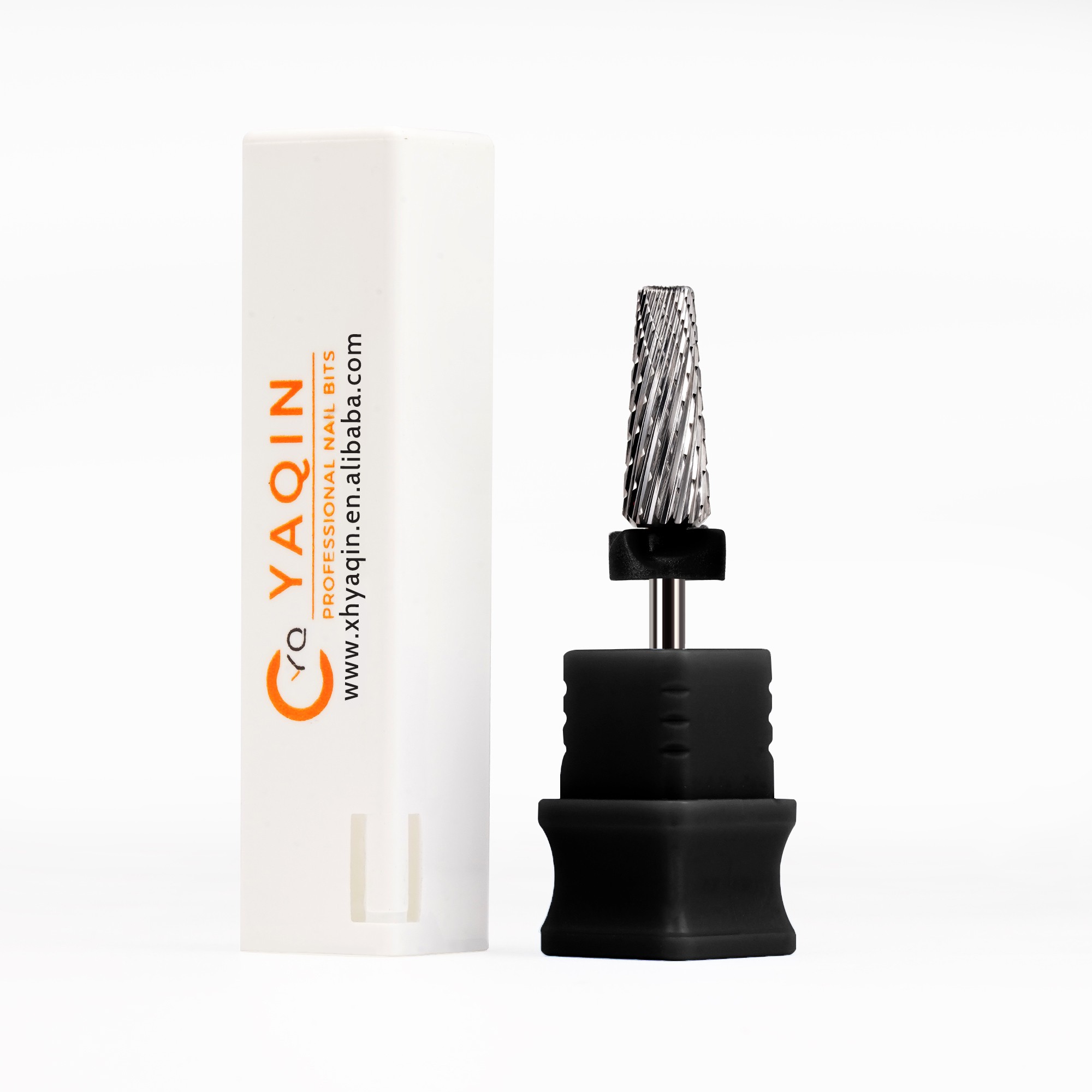
For salons and distributors, consistency between batches matters just as much as the initial sample. Wuxi Yaqin Trading Co., Ltd. focuses on abrasive product production and export, serving markets including the United States, Canada, Germany, the United Kingdom, Italy, and Poland, alongside other countries. Its stated quality-control process covers raw-material purchasing, production, and packing, and the company reports ISO9001:2000 quality management system certification. That kind of process focus is relevant when purchasing consumable tools at scale, because technicians need replacement bits to feel familiar rather than unpredictably sharp, rough, or imbalanced.
OEM or ODM requirements can also be practical rather than decorative. Individual protective packaging helps keep bits separate and clean before use, while custom colors or logos may support organized salon kits or private-label ranges. But any customization should come after confirming the basics: carbide quality, cut pattern, usable length, shank compatibility, and the intended service workflow.
Care determines whether the time savings last
A bit that is clogged with acrylic dust will cut less cleanly, even if it was excellent when new. After each service, remove debris according to the salon’s cleaning and disinfection procedure and the bit manufacturer’s care guidance. Inspect the flutes for packed product, visible wear, corrosion, or damage. A dull or damaged bit often encourages the technician to apply more pressure, which is exactly what raises the risk of heat and discomfort.
It is also sensible to separate bits by purpose. A long 5-in-1 bit can reduce changes during one service, but it should not become the only bit in the drawer. Keep dedicated fine-detail and polishing tools available, and replace any tool that no longer runs smoothly or cuts predictably.
Used with the right material and a disciplined technique, long 5 in 1 nail drill bits can make removal services feel more continuous and controlled. The real gain is not simply fewer tool changes. It is having the appropriate cutting surface ready at the moment the service moves from fast product reduction to careful refinement.
News List
- Preventing Gouges and Uneven Filing With Small Barrel Nail Drill BitsSep 20, 2026
- How Diameter and Grit Affect Small Barrel Nail Drill Bit PerformanceSep 20, 2026
- Can Hytos Nail Drill Bits Be Used Safely on Natural Nails and Gel Polish?Sep 20, 2026
- How to Verify Fit Between Hytos Nail Drill Bits and an E-File HandpieceSep 20, 2026
- Safe Speed Settings for Umbrella Nail Drill Bits Around the Nail FoldSep 20, 2026
- Umbrella vs Flame Nail Drill Bits: Which Shape Offers Better Cuticle Control?Sep 20, 2026
Best-Selling Products
 Cross Cut Safety Stainless Steel Tungsten Carbide Nail Drill Bits Salon Foot Use XF-C Grit for Removing Nails
 First-rate Quality Tungsten Carbide Nail Drill Bits Best Coating Manicure Remove Gel Nails Accessories
 Professional Advanced Safety Cuticle Bits Two-Way Rotate 3/32'' Carbide Tungsten 5 in 1 Nail Drill Bits
 Wholesale 5 in 1 Electric Manicure Nail Drill Bits Various Coating Cone Cuticle Bit with Rotary Cross Cut for Nail Art
 New Slant Tooth Tungsten Steel Nail Drill Bits Dead Skin Removal 5-in-1 Universal Grinding Nail Polish Head Tool Nail Drill Bits
 4.0mm Small 5 in 1 Integrated Sharpe Tungsten Nail Drill Bit Straight Teeth Gel Polish Removal
 Flame Sharp XF F M C XC Silver Safety Professional Corn Tungsten Carbide Nail Bit for Drill Machine Accessories
 Factory Direct 5 in 1 Tungsten Carbide Nail Drill Bits 6.8MM Cross Cut Safety Manicure 5 in 1 Nail Drill Bits
Please give us a message