
Do ceramic nail drill bits require more frequent replacement than carbide in high-volume salons?
Do ceramic nail drill bits require more frequent replacement than carbide in high-volume salons?
Sep 26, 2026
For project managers running high-volume nail salons—where 60+ clients move through daily, machines run 10–12 hours straight, and drill bits see nonstop rotation—the question isn’t *if* tools wear out. It’s *how fast*, *why*, and *what that really costs* when you factor in labor, retraining, service delays, and client satisfaction dips from inconsistent filing.
Ceramic nail drill bit durability sits at the center of this operational calculus. You’ve likely heard the pitch: “Ceramic runs cooler,” “Less dust,” “Gentler on natural nails.” All true. But in a salon where a single technician may reshape, prep, and remove gel on 40+ nails per shift, thermal fatigue, micro-fracturing, and gradual edge degradation don’t show up in brochures—they show up as mid-afternoon bit chatter, uneven surface finishes, or that subtle hesitation before recommending a full set because the bit just *doesn’t bite right anymore*.
So—do ceramic nail drill bits require more frequent replacement than carbide in high-volume salons? The short answer is yes—but not for the reasons most assume.
It’s not about hardness alone. Tungsten carbide scores ~9 on the Mohs scale; high-purity zirconia ceramic sits around 8.5. That 0.5 difference matters less than how each material responds to *repeated thermal cycling*. Ceramic excels at heat dissipation—yes—but it’s also more brittle under lateral stress. In real-world use, that means while a ceramic bit stays cool during light buffing or thin-layer gel removal, it begins micro-cracking faster when subjected to aggressive side-loading (e.g., correcting thick acrylic overlays or grinding down stubborn enhancements). Carbide, by contrast, yields slightly under pressure but resists crack propagation. Its wear is gradual, predictable, and largely linear—edge dulling rather than sudden chipping.
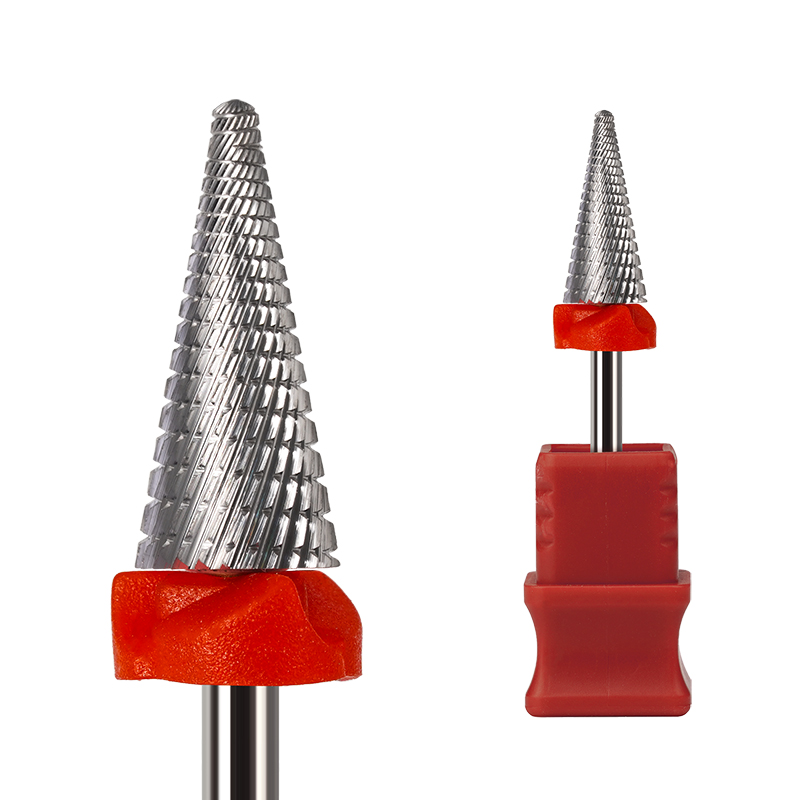
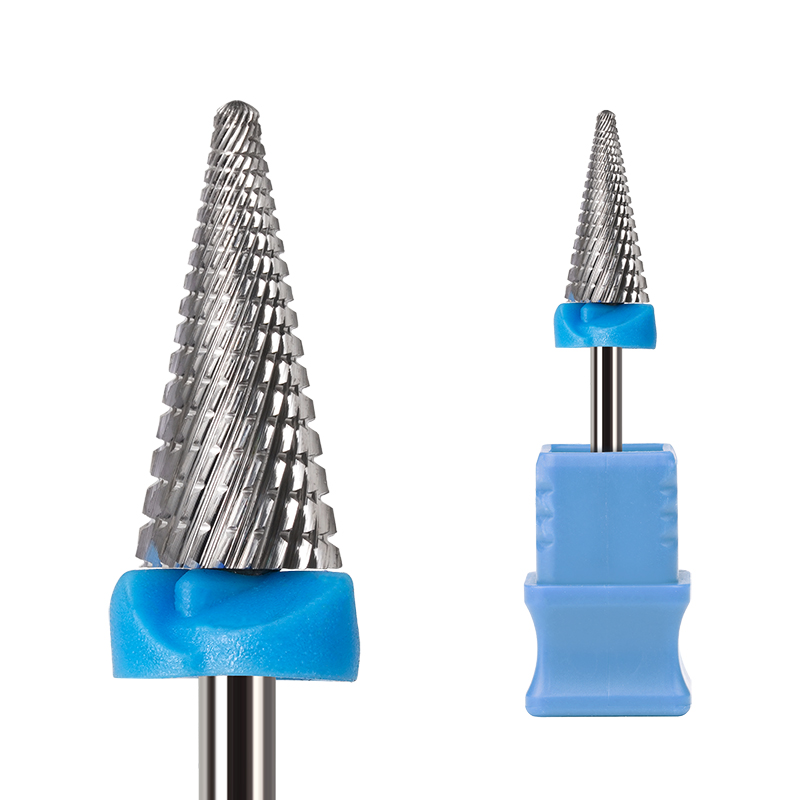
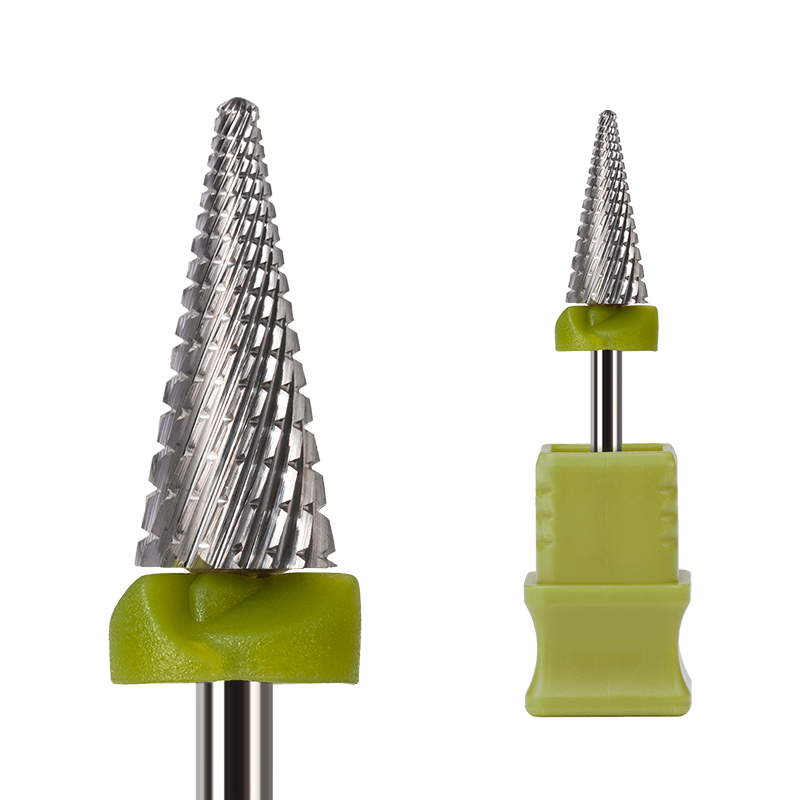
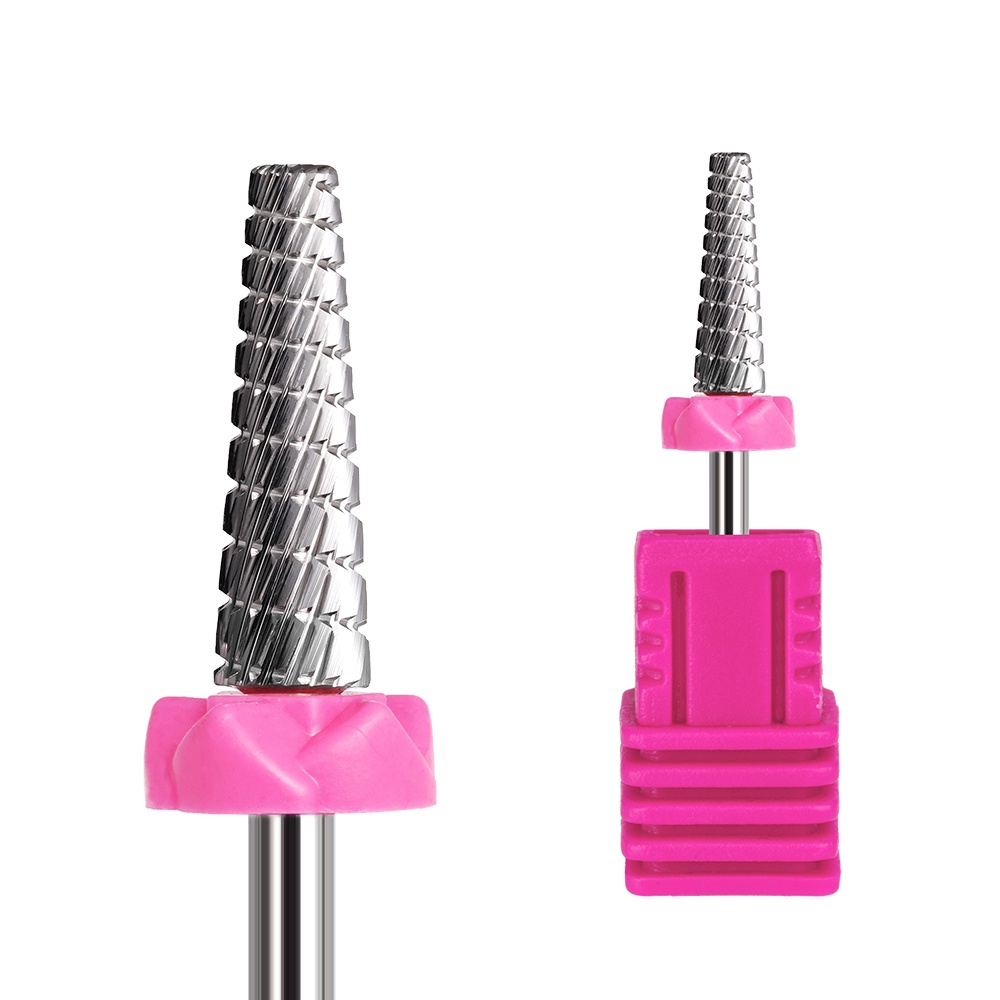
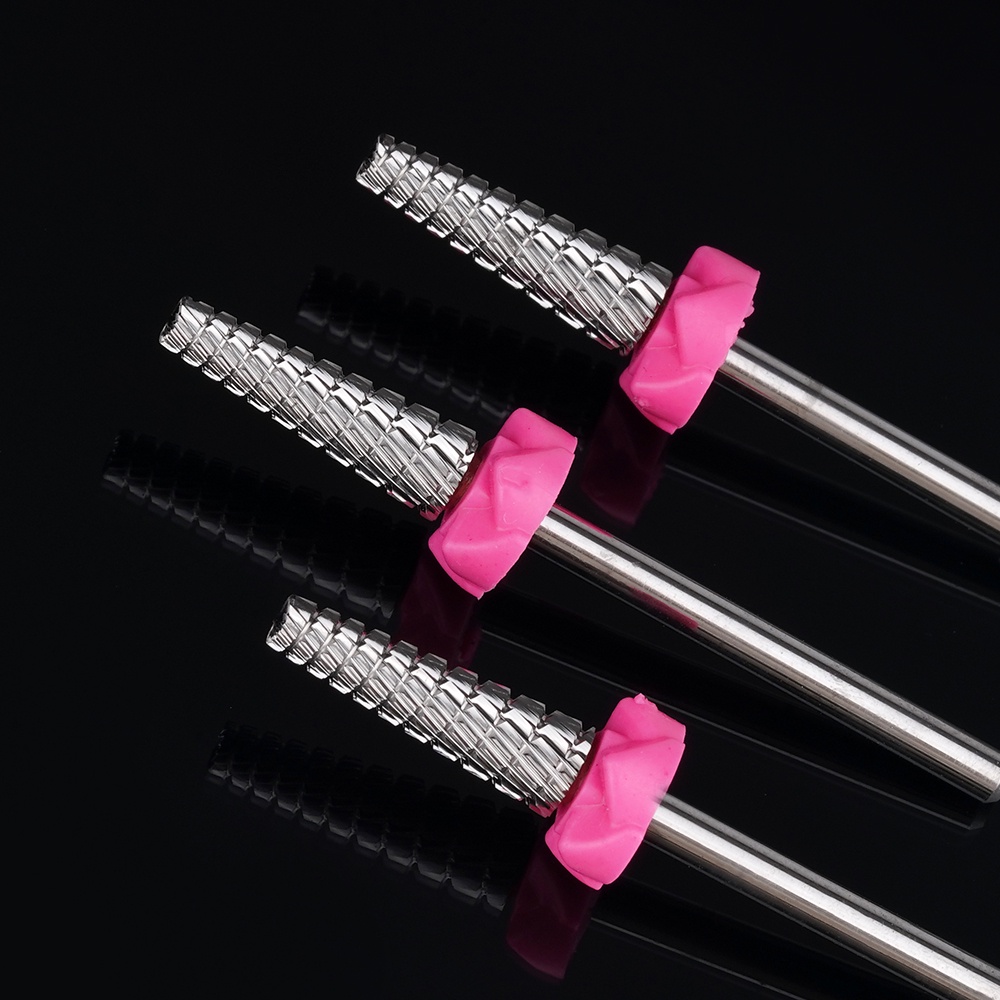
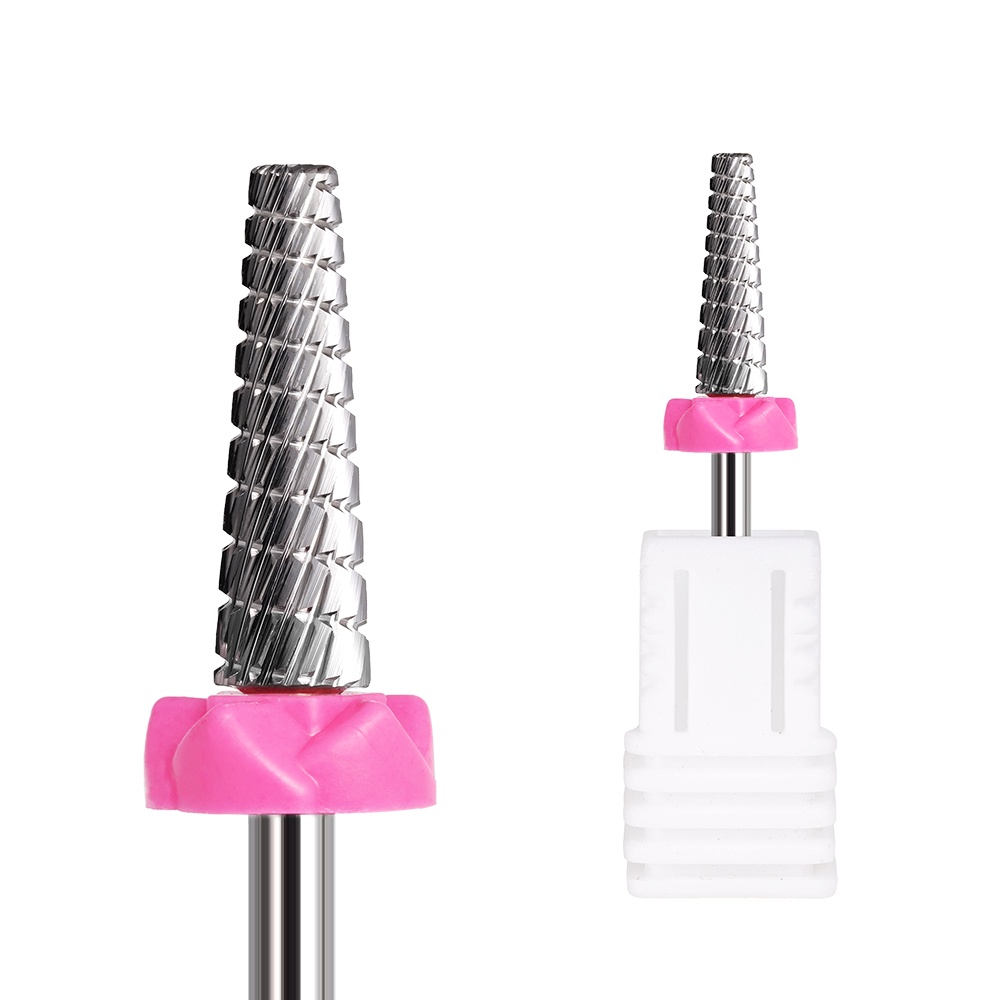
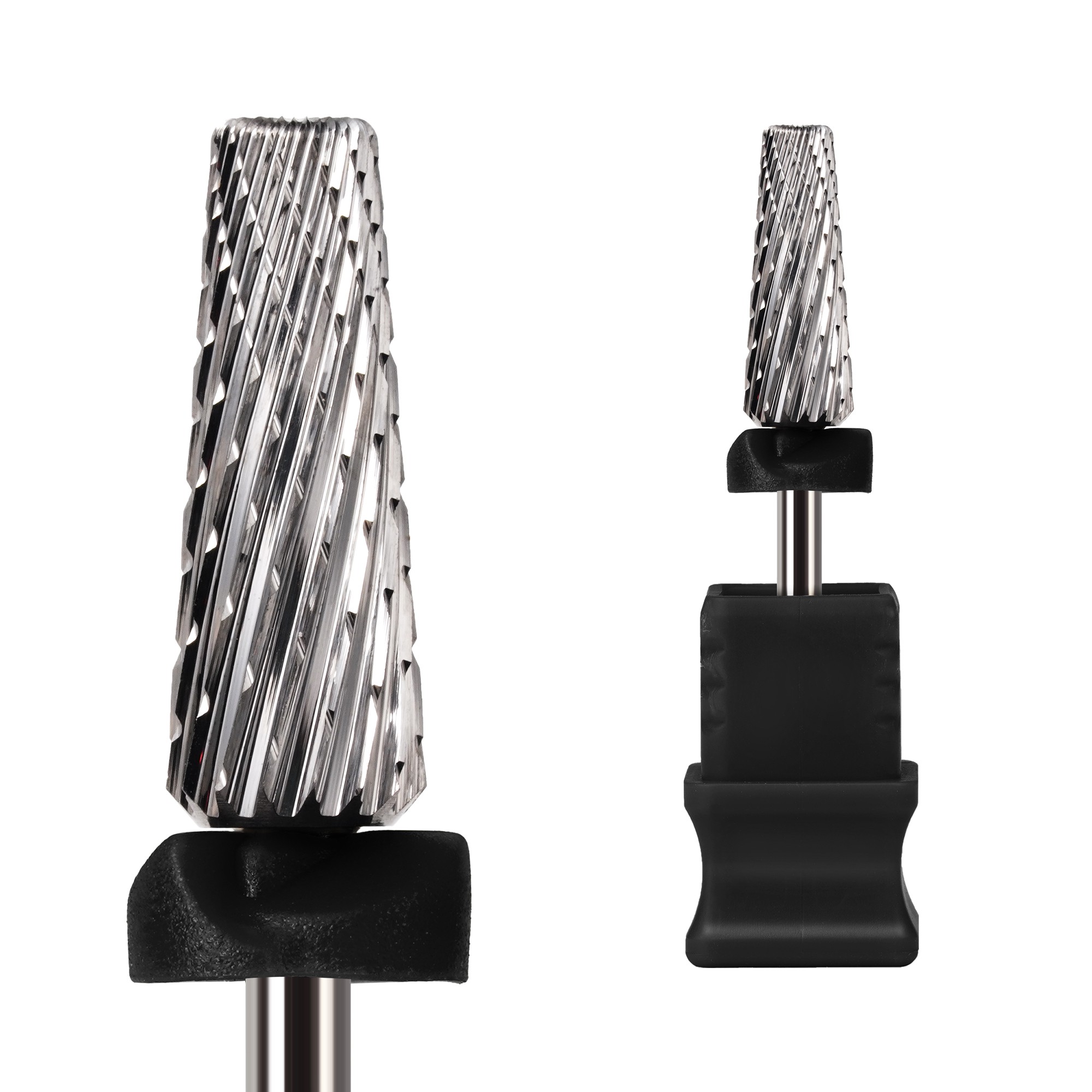
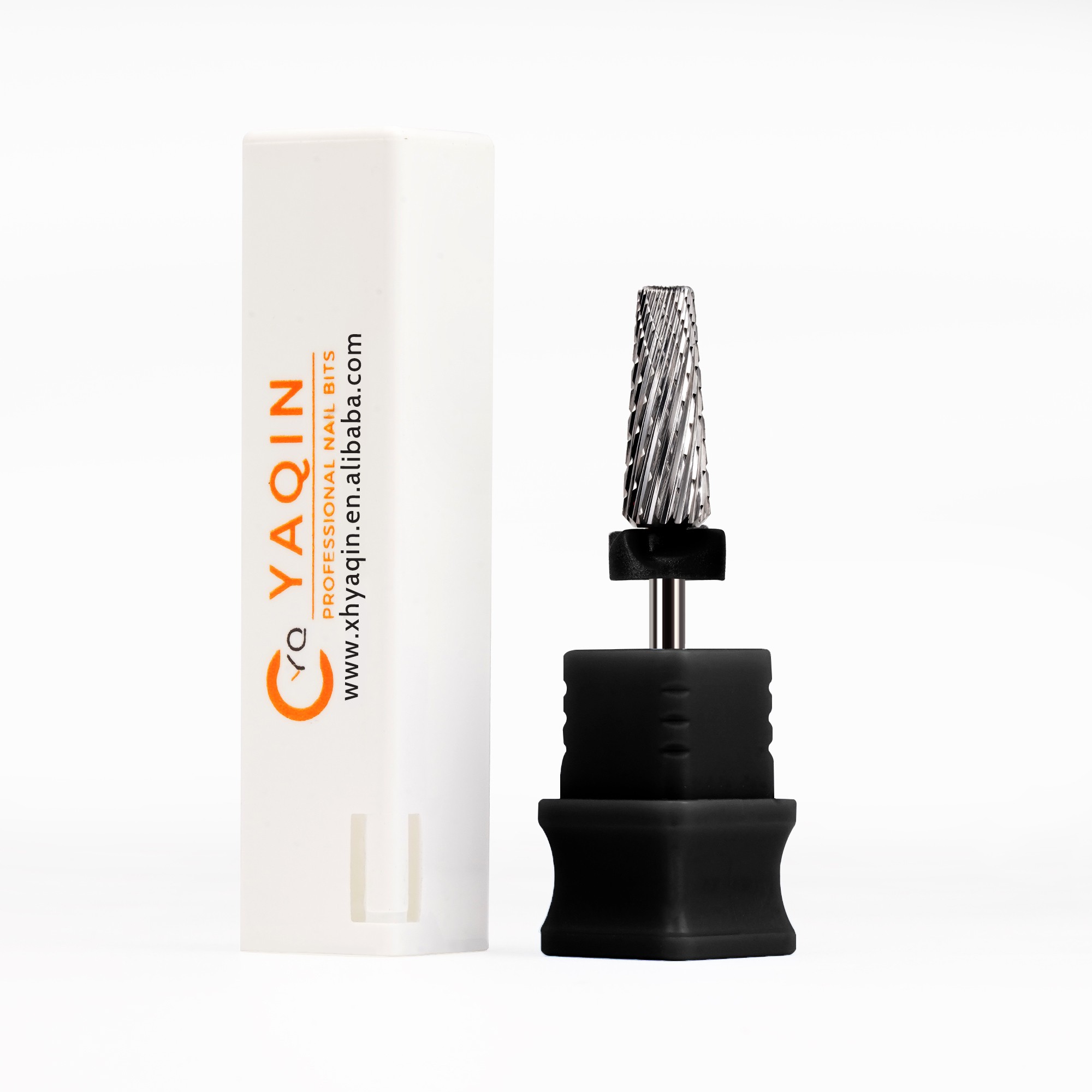
Wuxi Yaqin Trading Co., Ltd., with over a decade of abrasive product engineering and ISO9001:2000-certified process control, has tracked field performance across thousands of salon hours. Their data shows ceramic bits in high-throughput environments average 12–18 working days before noticeable performance drop—assuming two full shifts daily and standard gel/acrylic removal protocols. Carbide equivalents, particularly those with optimized grain structure and barrel geometry like the High Quality Carbide Nail Drill Bits Super Long 5 in 1 Electric Manicure Grinding Burr SC Barrel Tungsten Carbide Bit for Nail, consistently deliver 35–45 days under identical conditions. That’s not just longer life—it’s fewer changeovers, less technician downtime, and no last-minute bit swaps mid-appointment.
What’s often overlooked is *how* replacement frequency impacts workflow rhythm. A ceramic bit might feel smoother at day one—but by day ten, technicians start compensating: increasing RPM to maintain cut rate, applying more downward pressure (which accelerates bit wear *and* risks nail plate damage), or switching bits mid-service to avoid overheating. Each adjustment introduces variability—slower prep times, inconsistent finish quality, higher chance of client discomfort. Carbide doesn’t eliminate technique sensitivity, but its performance curve flattens more gently. When a tungsten carbide bit loses 20% of its original sharpness, it still removes gel evenly and predictably. Ceramic, once past its thermal fatigue threshold, loses consistency faster—not just in cutting speed, but in surface uniformity.
There’s also the hidden cost of inconsistency in training. New technicians learn on whatever bit is stocked. If ceramic bits behave differently across batches—or degrade unpredictably depending on gel thickness, UV cure time, or even ambient humidity—their muscle memory forms around an unstable reference point. Carbide offers tighter tolerances across production runs. Yaqin’s QC system monitors grain distribution, sintering density, and dimensional stability at three critical checkpoints: raw tungsten steel powder sourcing, green-state pressing, and post-sintering precision grinding. That consistency translates directly into reproducible results—something project managers can build SOPs around, not troubleshoot around.
That said, ceramic isn’t obsolete—it’s situational. In salons specializing in delicate nail art, ultra-thin overlays, or corrective services for compromised nails, ceramic’s lower friction coefficient and minimal heat transfer remain valuable. But for volume-driven operations—multi-station studios, resort spas with back-to-back bookings, or chain locations scaling across regions—carbide delivers stronger ROI *not* because it lasts longer in theory, but because its failure mode is slower, more measurable, and easier to schedule.
One practical tip: Don’t compare bits solely by grit label. “Medium” ceramic behaves very differently from “Medium” carbide—not just in coarseness, but in how aggressively it bites, how much torque it draws, and how quickly it loads with residue. Yaqin’s carbide bits, for instance, use a proprietary SC barrel profile that reduces clogging during extended soft-gel removal—meaning fewer cleaning stops, less solvent use, and sustained RPM efficiency over time. That design nuance matters more than material alone.
Also worth noting: Replacement frequency isn’t purely about material. It’s shaped by operator habit, machine calibration, and maintenance discipline. A well-maintained rotary tool with stable voltage output extends *any* bit’s life—but especially carbide, whose structural integrity depends on consistent rotational force. Conversely, fluctuating RPM or excessive side pressure amplifies ceramic’s vulnerability to edge fracture.
Ultimately, choosing between ceramic and carbide isn’t about picking a “better” material. It’s about matching tool behavior to operational reality. If your KPIs track appointments per technician per day, average service time variance, or rework rate due to uneven filing—you’ll find carbide’s slower, steadier decline aligns more closely with predictable scheduling, tighter labor budgets, and repeat-client confidence. Ceramic shines where thermal sensitivity is the primary constraint—not throughput.
And for those managing fleets of stations across multiple locations? Standardizing on a single, rigorously tested carbide platform—like Yaqin’s High Quality Carbide Nail Drill Bits Super Long 5 in 1 Electric Manicure Grinding Burr SC Barrel Tungsten Carbide Bit for Nail—means simplified inventory, unified training modules, and real-time wear tracking across sites. No guessing whether “batch #C-782” performs like “C-781.” Just calibrated, consistent, traceable performance—backed by a QC system built for export-grade reliability.
Because in high-volume nail service, the best bit isn’t the one that feels nicest on day one. It’s the one that lets your team deliver the same flawless result—appointment after appointment, shift after shift, month after month—without second-guessing the tool in their hand.
News List
- Preventing Gouges and Uneven Filing With Small Barrel Nail Drill BitsSep 20, 2026
- How Diameter and Grit Affect Small Barrel Nail Drill Bit PerformanceSep 20, 2026
- Can Hytos Nail Drill Bits Be Used Safely on Natural Nails and Gel Polish?Sep 20, 2026
- How to Verify Fit Between Hytos Nail Drill Bits and an E-File HandpieceSep 20, 2026
- Safe Speed Settings for Umbrella Nail Drill Bits Around the Nail FoldSep 20, 2026
- Umbrella vs Flame Nail Drill Bits: Which Shape Offers Better Cuticle Control?Sep 20, 2026
Best-Selling Products
 Cross Cut Safety Stainless Steel Tungsten Carbide Nail Drill Bits Salon Foot Use XF-C Grit for Removing Nails
 First-rate Quality Tungsten Carbide Nail Drill Bits Best Coating Manicure Remove Gel Nails Accessories
 Professional Advanced Safety Cuticle Bits Two-Way Rotate 3/32'' Carbide Tungsten 5 in 1 Nail Drill Bits
 Wholesale 5 in 1 Electric Manicure Nail Drill Bits Various Coating Cone Cuticle Bit with Rotary Cross Cut for Nail Art
 New Slant Tooth Tungsten Steel Nail Drill Bits Dead Skin Removal 5-in-1 Universal Grinding Nail Polish Head Tool Nail Drill Bits
 4.0mm Small 5 in 1 Integrated Sharpe Tungsten Nail Drill Bit Straight Teeth Gel Polish Removal
 Flame Sharp XF F M C XC Silver Safety Professional Corn Tungsten Carbide Nail Bit for Drill Machine Accessories
 Factory Direct 5 in 1 Tungsten Carbide Nail Drill Bits 6.8MM Cross Cut Safety Manicure 5 in 1 Nail Drill Bits
Please give us a message