
Are quartz nail drill bits compatible with all common electric nail drills?
Are quartz nail drill bits compatible with all common electric nail drills?
Yes—Quartz Nail Drill Bits are compatible with most common professional electric nail drills—but “compatible” doesn’t mean “plug-and-play in every scenario.” For after-sales maintenance technicians, the real question isn’t whether quartz bits fit physically. It’s whether they’ll perform reliably, safely, and consistently across varying tool conditions—especially after months or years of field use, repeated sterilization, and torque fluctuations.
What “Compatibility” Actually Means in Practice
Compatibility for a Quartz Nail Drill Bit hinges on three interdependent factors—not just one:
- Shank geometry: The physical interface between bit and chuck (e.g., 3/32″ / 2.35mm straight shank, or 1/8″ for higher-torque models).
- Torque & RPM response: How the bit reacts under load—not just at startup, but during sustained grinding of hard gels, acrylics, or callused skin.
- Thermal & mechanical stability: Whether the quartz coating remains bonded to the substrate when exposed to friction heat, coolant spray, or repeated thermal cycling.
A bit may slide into a Kupa M15 or Erica Diamond Pro chuck without resistance—but if its core material softens above 65°C or its coating delaminates after 40–50 autoclave cycles, it’s functionally incompatible for long-term service—even if it fits.
Why “Universal Fit” Isn’t Enough
Many manufacturers advertise “universal compatibility” based solely on shank diameter. That’s misleading for technicians managing fleet-wide tool health. Real-world incompatibility rarely shows up as a failure to insert—it appears as:
- Increased vibration at mid-RPM ranges (15,000–25,000 RPM), accelerating wear on drill bearings;
- Uneven material removal, forcing technicians to rework nails and extend service time;
- Sudden loss of grip during high-load tasks (e.g., removing thick hard gel), risking slippage and client injury;
- Accelerated bit wear due to micro-chatter—often mistaken for “low-quality quartz,” when the root cause is mismatched torque curve or inconsistent shank runout.
That’s why reputable suppliers like Wuxi Yaqin Trading Co., Ltd. don’t just verify shank dimensions—they validate torque transfer efficiency and thermal decay thresholds across multiple drill platforms. Their ISO9001:2000-certified QC process includes dynamic balance testing and simulated 500-cycle thermal stress trials—not just static dimension checks.
The Critical Role of Core Material—and Why Quartz Alone Doesn’t Tell the Whole Story
“Quartz Nail Drill Bit” describes the surface coating—not the structural foundation. What matters most for durability and safety is the substrate: tungsten steel or tungsten carbide. Quartz provides hardness and low-friction cutting; the core delivers torsional rigidity and heat dissipation.
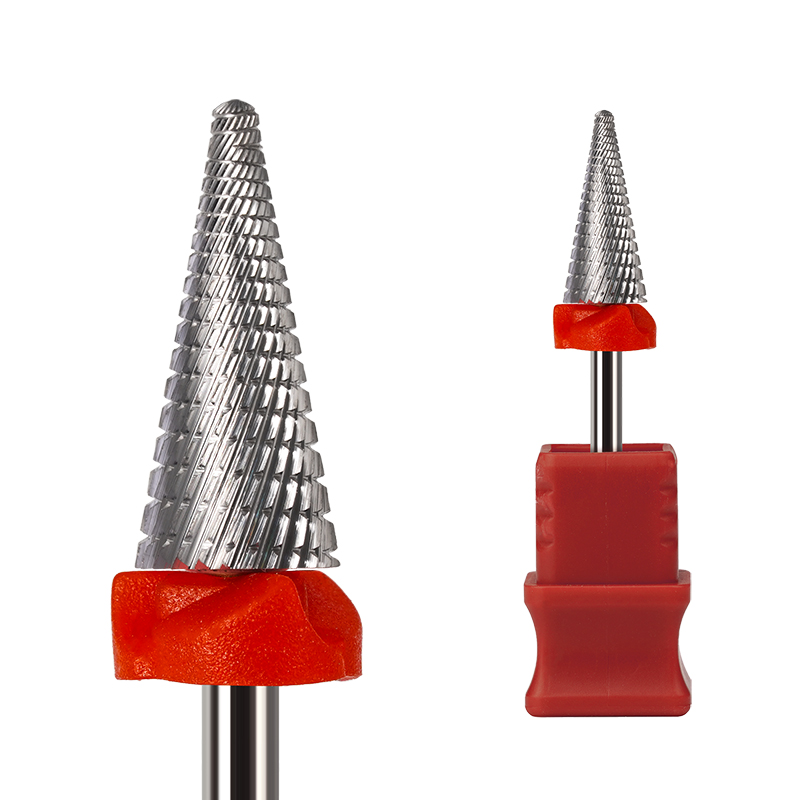
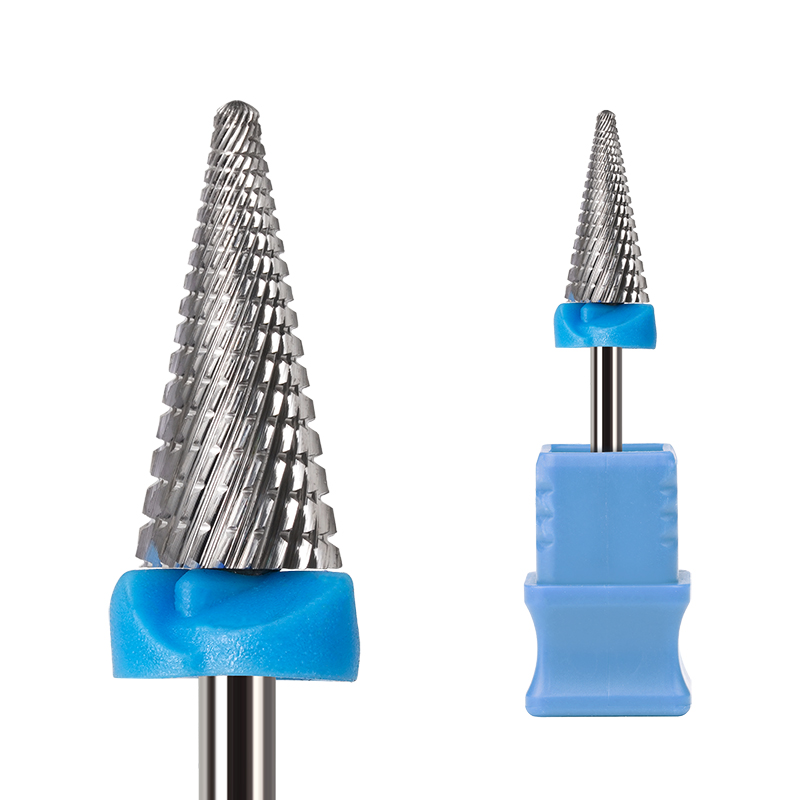
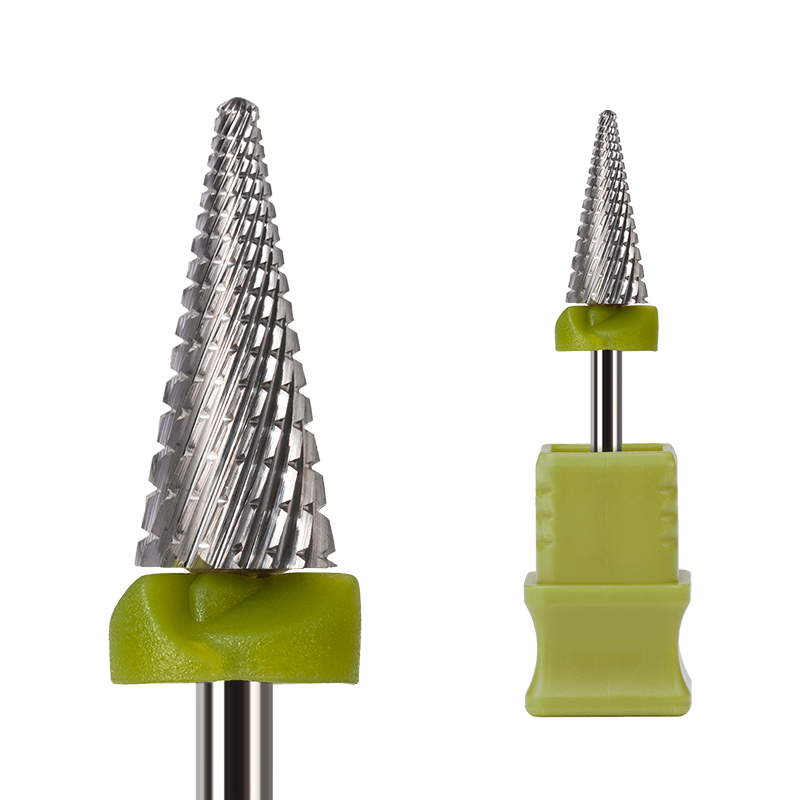
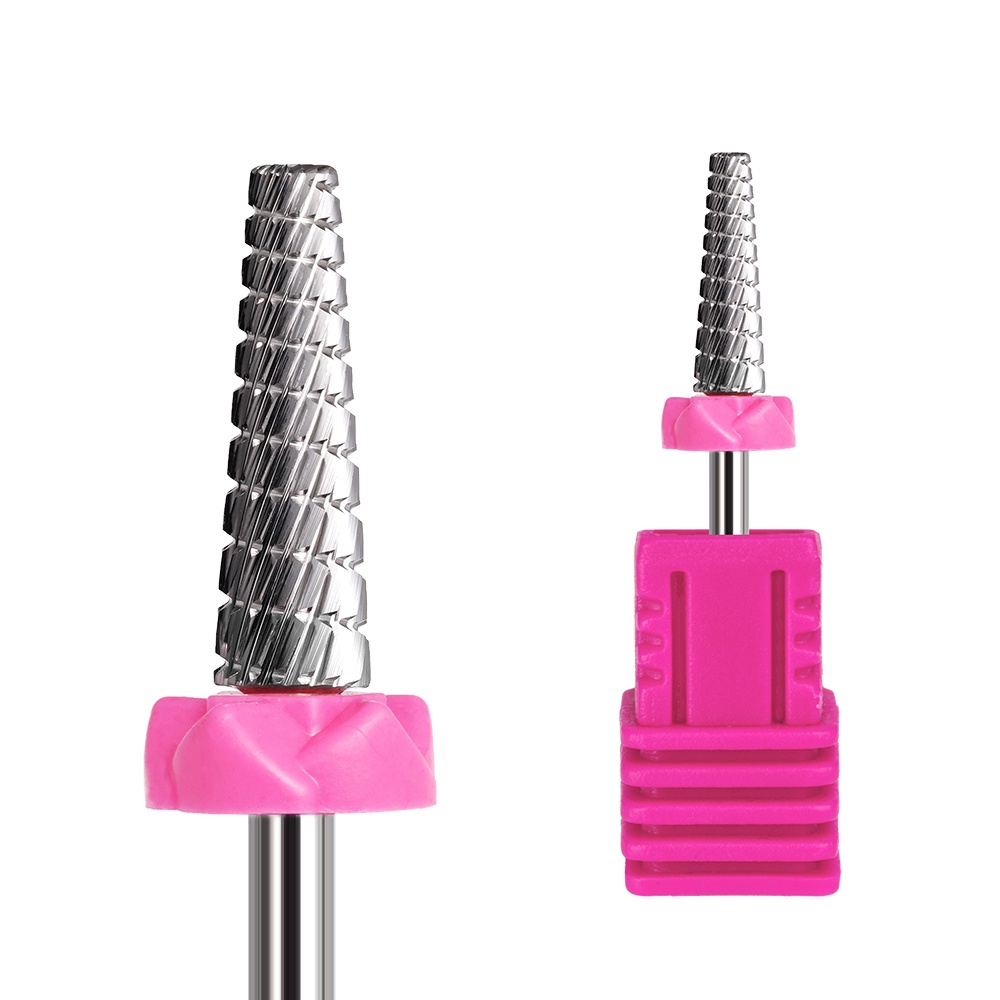
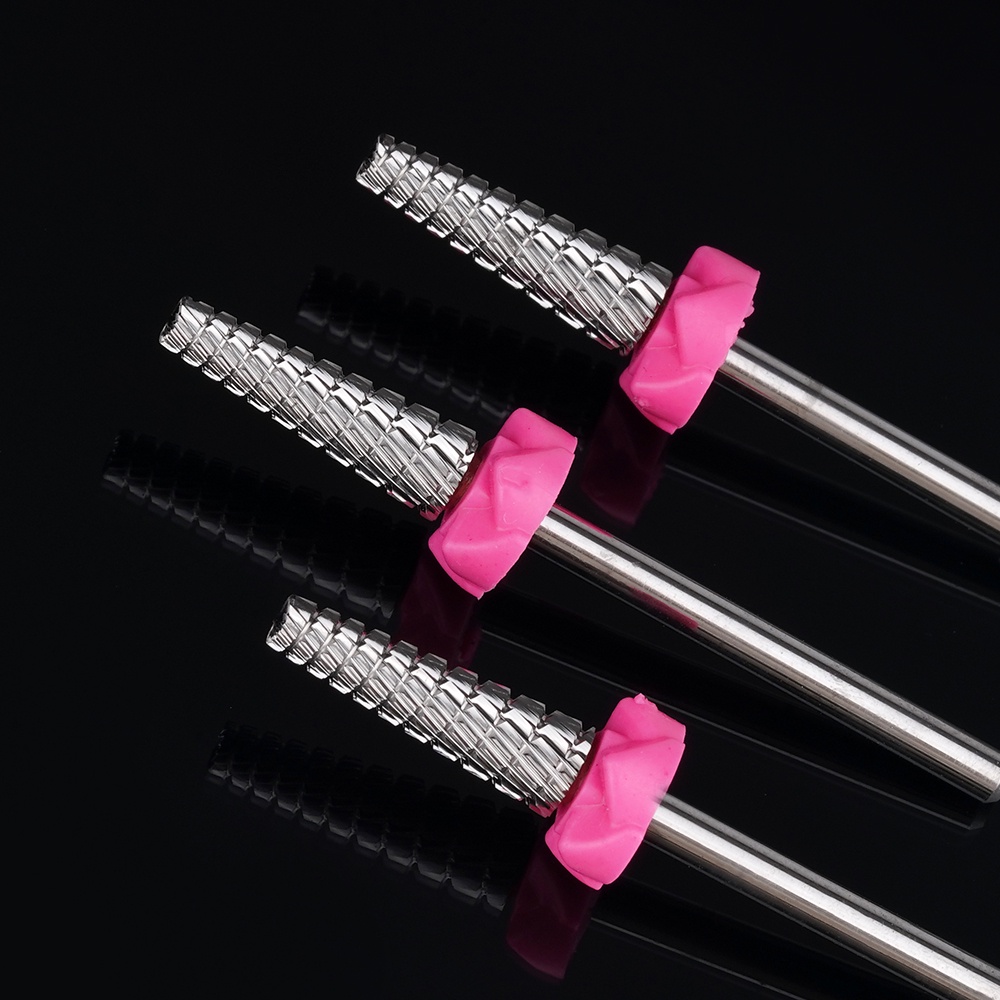
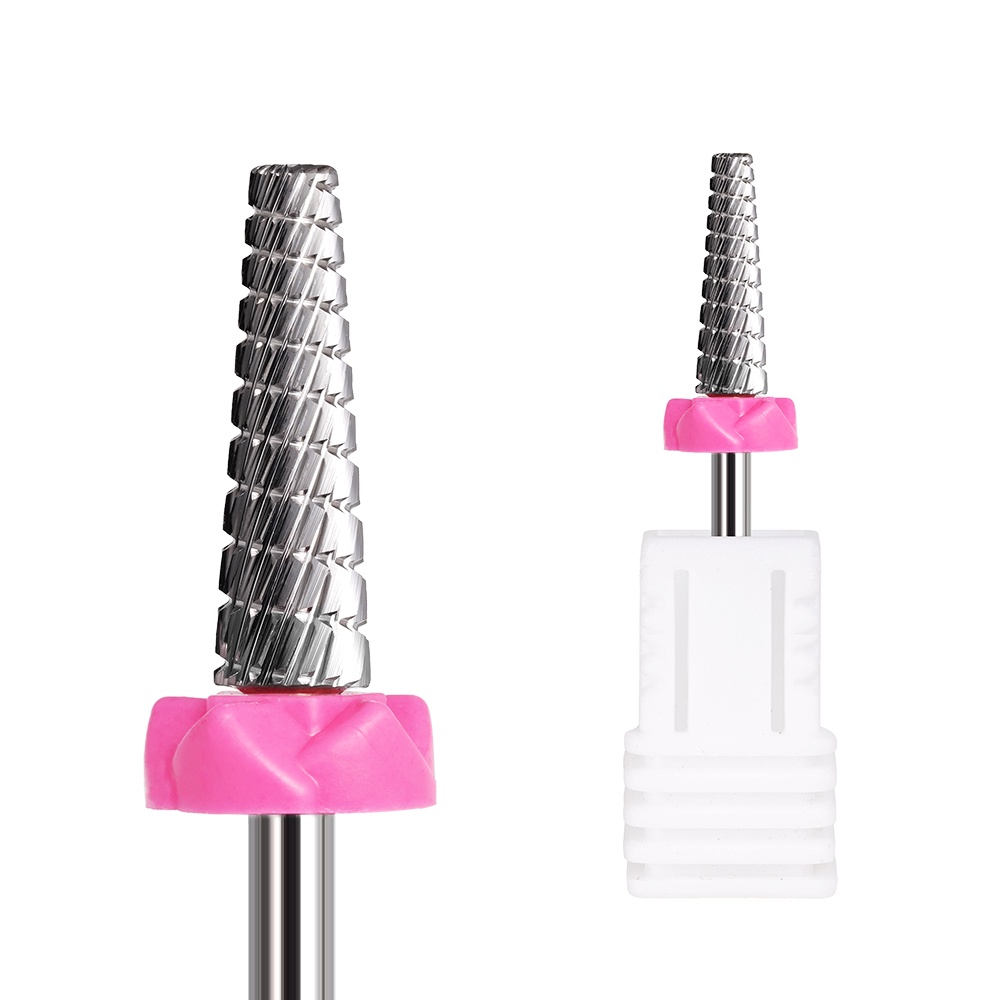
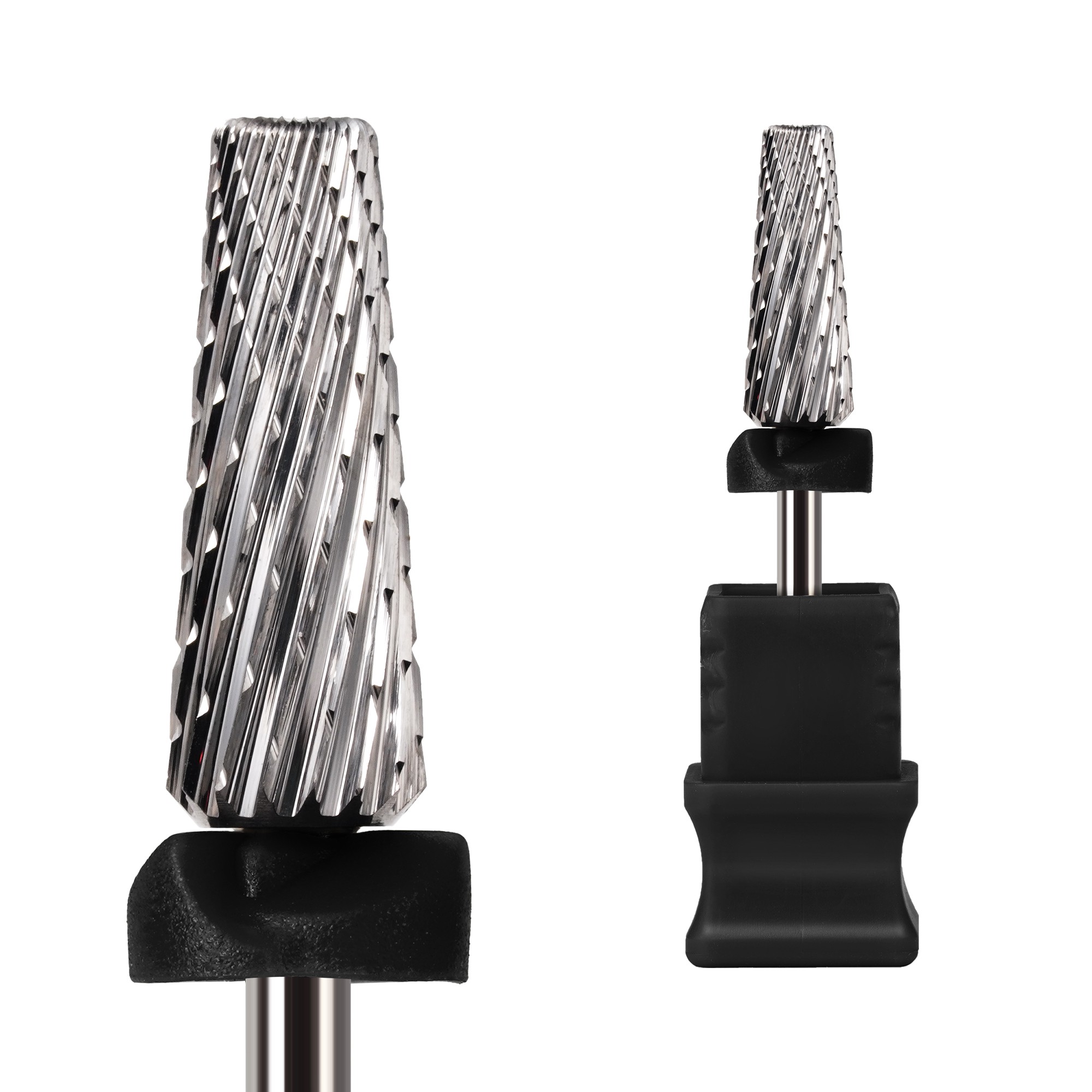
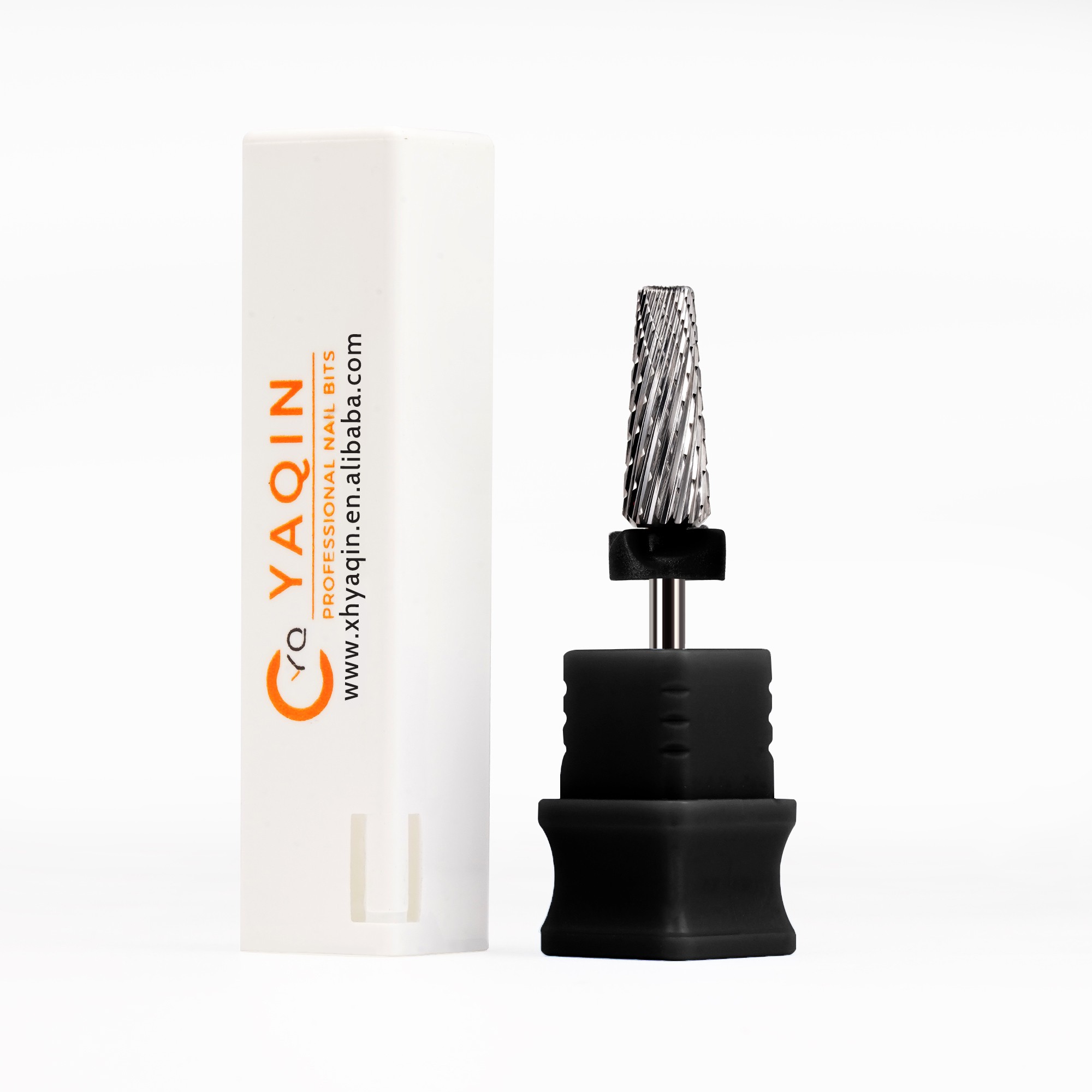
A quartz-coated bit built on low-carbon steel will deflect under load, causing chatter and premature coating fracture. A bit built on premium tungsten steel—like those used in Yaqin’s Wholesale 5 in 1 Electric Manicure Nail Drill Bits Various Coating Cone Cuticle Bit with Rotary Cross Cut for Nail Art—maintains dimensional stability even at peak torque, ensuring consistent grinding surface contact and reducing operator fatigue.
This distinction is critical during after-sales troubleshooting: If a technician observes erratic performance across multiple drills, the issue may not be the drill units themselves—but inconsistent bit core quality across the shop’s inventory.
Real-World Compatibility Checklist for Technicians
Before deploying new Quartz Nail Drill Bits across your service fleet, verify these five points—not just once, but during routine maintenance audits:
- Chuck condition: Inspect for wear, scoring, or spring fatigue in the collet. A worn chuck won’t hold *any* bit securely—even a perfect 3/32″ shank.
- RPM calibration: Use a non-contact tachometer. Drills drifting ±10% from rated speed alter heat buildup and material removal rates, affecting quartz longevity.
- Coolant delivery consistency: Blocked nozzles or degraded hoses cause localized overheating—coating failure often starts at the tip where cooling is weakest.
- Bit runout: Measure with a dial indicator (<0.02mm max). Excessive runout multiplies vibration and accelerates wear on both bit and drill spindle.
- Usage pattern alignment: A fine-grit quartz cone bit designed for cuticle work shouldn’t be used for full gel removal. Misapplication causes rapid coating degradation—not incompatibility, but misuse.
When Compatibility Breaks Down—And What to Do
The most frequent compatibility failures occur not at installation, but after 3–6 months of use:
- Coating flaking near the shank: Usually indicates repeated thermal shock from improper cleaning (e.g., submerging hot bits in cold disinfectant) or insufficient drying before autoclaving.
- Reduced cutting efficiency on acrylics: Often traced to accumulated resin residue in the cross-cut grooves—not dulling, but clogging. A quick soak in acetone + ultrasonic clean restores performance.
- Vibration only at specific RPM bands: Points to resonance between bit mass and drill motor frequency. Switching to a different shank length (e.g., 38mm vs. 42mm) often resolves it.
These aren’t “defective bits.” They’re signals that operational parameters need adjustment—something only experienced technicians can diagnose by observing behavior, not just checking specs.
Final Judgment: Compatibility Is a System Property
A Quartz Nail Drill Bit isn’t compatible or incompatible in isolation. It’s compatible—or not—within a specific system: drill model + chuck condition + RPM setting + cooling method + application load + maintenance history.
For after-sales teams, the goal isn’t finding “the one bit that works everywhere.” It’s building a repeatable verification protocol: confirm shank fit, validate thermal response under load, monitor for early signs of coating stress, and track performance decay against baseline metrics. That’s how technicians reduce unplanned downtime—not by swapping bits, but by understanding why a bit behaves the way it does in context.
Yaqin’s approach reflects this reality: their bits are engineered for predictable interaction across major platforms—not just dimensional fit, but stable torque transfer and controlled thermal expansion. That’s why technicians across 42 countries rely on them not for “first-use compatibility,” but for consistent, measurable performance over hundreds of service cycles.
News List
- Preventing Gouges and Uneven Filing With Small Barrel Nail Drill BitsSep 20, 2026
- How Diameter and Grit Affect Small Barrel Nail Drill Bit PerformanceSep 20, 2026
- Can Hytos Nail Drill Bits Be Used Safely on Natural Nails and Gel Polish?Sep 20, 2026
- How to Verify Fit Between Hytos Nail Drill Bits and an E-File HandpieceSep 20, 2026
- Safe Speed Settings for Umbrella Nail Drill Bits Around the Nail FoldSep 20, 2026
- Umbrella vs Flame Nail Drill Bits: Which Shape Offers Better Cuticle Control?Sep 20, 2026
Best-Selling Products
 Cross Cut Safety Stainless Steel Tungsten Carbide Nail Drill Bits Salon Foot Use XF-C Grit for Removing Nails
 First-rate Quality Tungsten Carbide Nail Drill Bits Best Coating Manicure Remove Gel Nails Accessories
 Professional Advanced Safety Cuticle Bits Two-Way Rotate 3/32'' Carbide Tungsten 5 in 1 Nail Drill Bits
 Wholesale 5 in 1 Electric Manicure Nail Drill Bits Various Coating Cone Cuticle Bit with Rotary Cross Cut for Nail Art
 New Slant Tooth Tungsten Steel Nail Drill Bits Dead Skin Removal 5-in-1 Universal Grinding Nail Polish Head Tool Nail Drill Bits
 4.0mm Small 5 in 1 Integrated Sharpe Tungsten Nail Drill Bit Straight Teeth Gel Polish Removal
 Flame Sharp XF F M C XC Silver Safety Professional Corn Tungsten Carbide Nail Bit for Drill Machine Accessories
 Factory Direct 5 in 1 Tungsten Carbide Nail Drill Bits 6.8MM Cross Cut Safety Manicure 5 in 1 Nail Drill Bits
Please give us a message