
Ceramic Nail Drill Bit Pros and Limits for Heat-Sensitive Work
Ceramic Nail Drill Bit Pros and Limits for Heat-Sensitive Work
Why Ceramic Bits Matter in Heat-Sensitive Nail Work
In precision nail care, heat build-up is not a minor comfort issue. It directly affects service control, surface quality, and client tolerance during repeated contact.
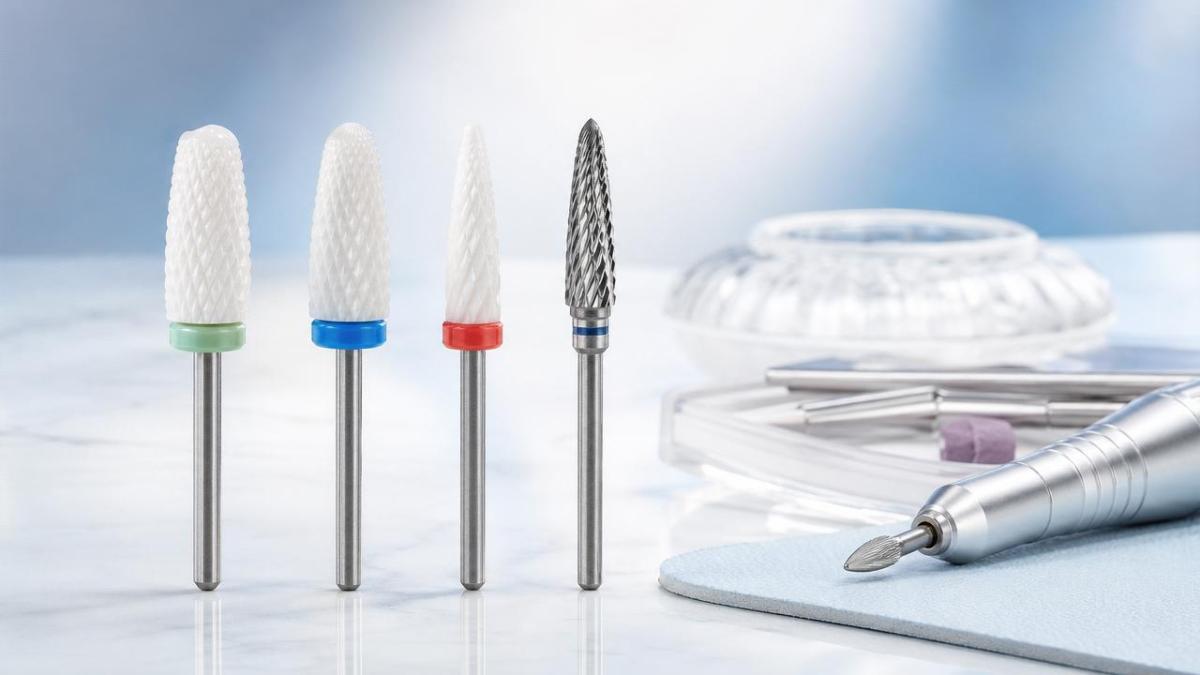
That is why the ceramic nail drill bit draws attention in heat-sensitive work. It usually transfers less heat to the nail area than many metal-based options.
The cutting feel is often smoother as well. When paired with suitable speed and pressure, the bit can reduce sudden friction spikes that cause discomfort.
For technical comparison, however, the ceramic nail drill bit should not be judged by material alone. Grit pattern, flute design, machine stability, and operator consistency remain decisive.
This makes ceramic especially relevant in the light industrial daily-use sector, where professional nail tools must balance user comfort, repeatable output, hygiene, and scalable supply quality.
What a Ceramic Nail Drill Bit Actually Offers
A ceramic nail drill bit is commonly chosen for e-file tasks that demand lower perceived heat, controlled removal, and a less aggressive working sensation.
In practice, ceramic bits are often used for product removal, surface refining, cuticle-area cleaning, and prep steps where excessive friction can quickly become a problem.
The material itself tends to resist corrosion and can stay visually clean with proper maintenance. It also produces a distinct contact feel that many professionals describe as lighter or quieter.
Still, not every ceramic nail drill bit behaves the same way. Coarse teeth, shallow flutes, or poor concentricity can undermine the very comfort advantage buyers expect.
So the value is not simply “ceramic versus metal.” The real question is whether the bit design supports controlled abrasion under realistic salon speed ranges.
Where Ceramic Performs Best
Ceramic usually performs best when the task involves moderate removal and frequent skin-near work, especially where heat-sensitive clients respond quickly to vibration or friction.
Typical high-value situations
- Removing gel layers without creating a harsh scraping sensation
- Refining overlays where smooth contact matters more than aggressive stock removal
- Working on thinner nail plates that react quickly to temperature changes
- Long service sessions where comfort consistency supports workflow quality
From an evaluation perspective, the ceramic nail drill bit becomes more attractive when the service model prioritizes repeatability across many appointments, not just fast one-pass removal.
That matters for suppliers serving broad export markets. Product consistency must hold across different machine setups, climates, and operator habits.
Wuxi Yaqin Trading Co., Ltd. works in that environment, supplying abrasive products to more than 42 countries with QC controls covering materials, production, and packing.
In this context, material choice is only part of the assessment. Stable manufacturing and inspection standards are what turn a promising bit design into a dependable commercial option.
Limits That Should Not Be Ignored
The ceramic nail drill bit has clear benefits, but it is not the universal answer for every removal job or every service rhythm.
Its first limitation appears in very heavy, time-sensitive removal. If the coating is thick or the enhancement is hard, ceramic may feel slower than a more aggressive carbide solution.
Another limit involves impact resistance. Ceramic can be durable in use, yet accidental drops or poor handling may increase breakage risk compared with some metal alternatives.
Performance also falls quickly when speed is mismatched. Running too fast can still create heat. Running too slow can increase drag and encourage pressure compensation.
Cleaning practices matter as well. Fine dust packed into flutes changes cutting behavior and can distort a fair trial result during product evaluation.
Common misreadings during assessment
- Assuming low heat transfer means zero heat risk
- Comparing bits with different grit levels as if material were the only variable
- Ignoring machine torque and handpiece vibration
- Testing only one service type, then generalizing too broadly
A Practical Comparison Framework
A useful evaluation compares ceramic against other bit materials by task, not by marketing label. Heat-sensitive work needs a matrix that reflects actual service demands.
This type of framework helps separate perceived comfort from measurable output. It also makes sourcing discussions more objective across product lines and OEM or ODM programs.
How Mixed Material Portfolios Improve Tool Selection
Heat-sensitive work rarely relies on one bit type alone. Many professional kits perform best when ceramic and tungsten steel options are used for different stages.
For example, a ceramic nail drill bit may handle comfort-focused refinement, while a multi-function tungsten steel bit supports more demanding shaping or removal steps.
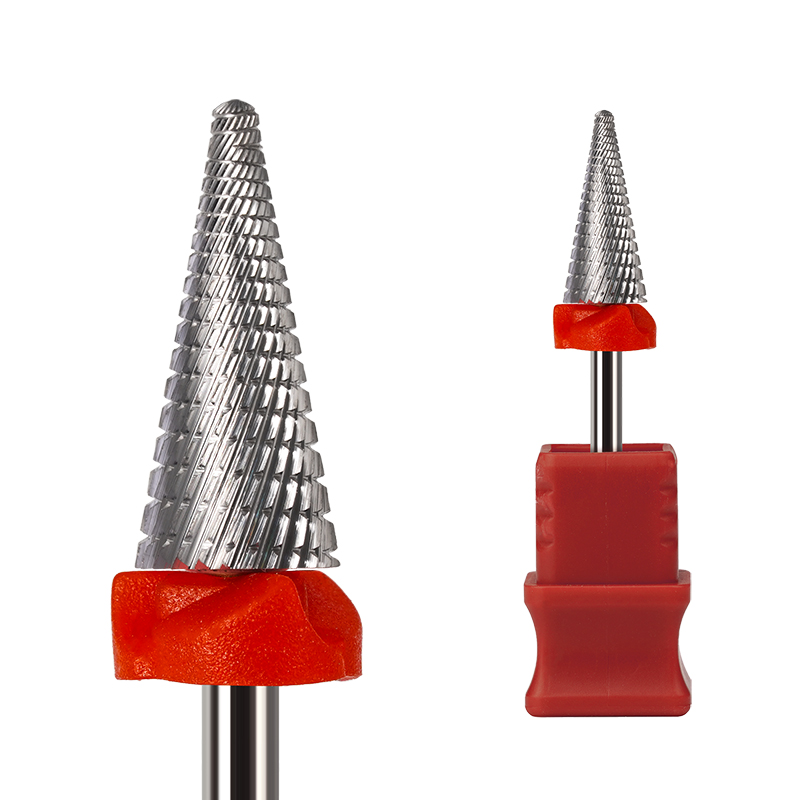
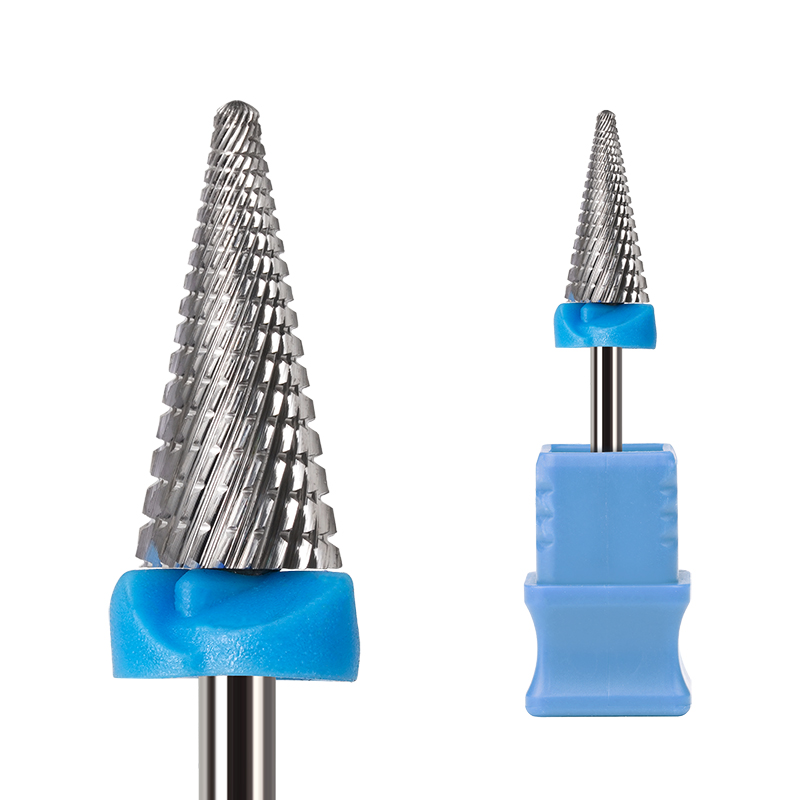
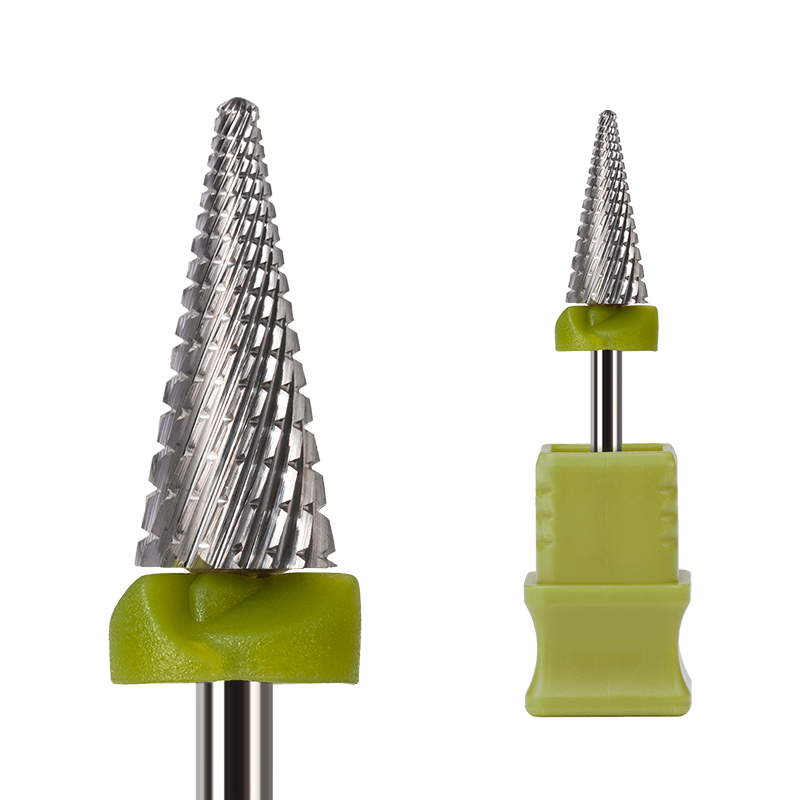
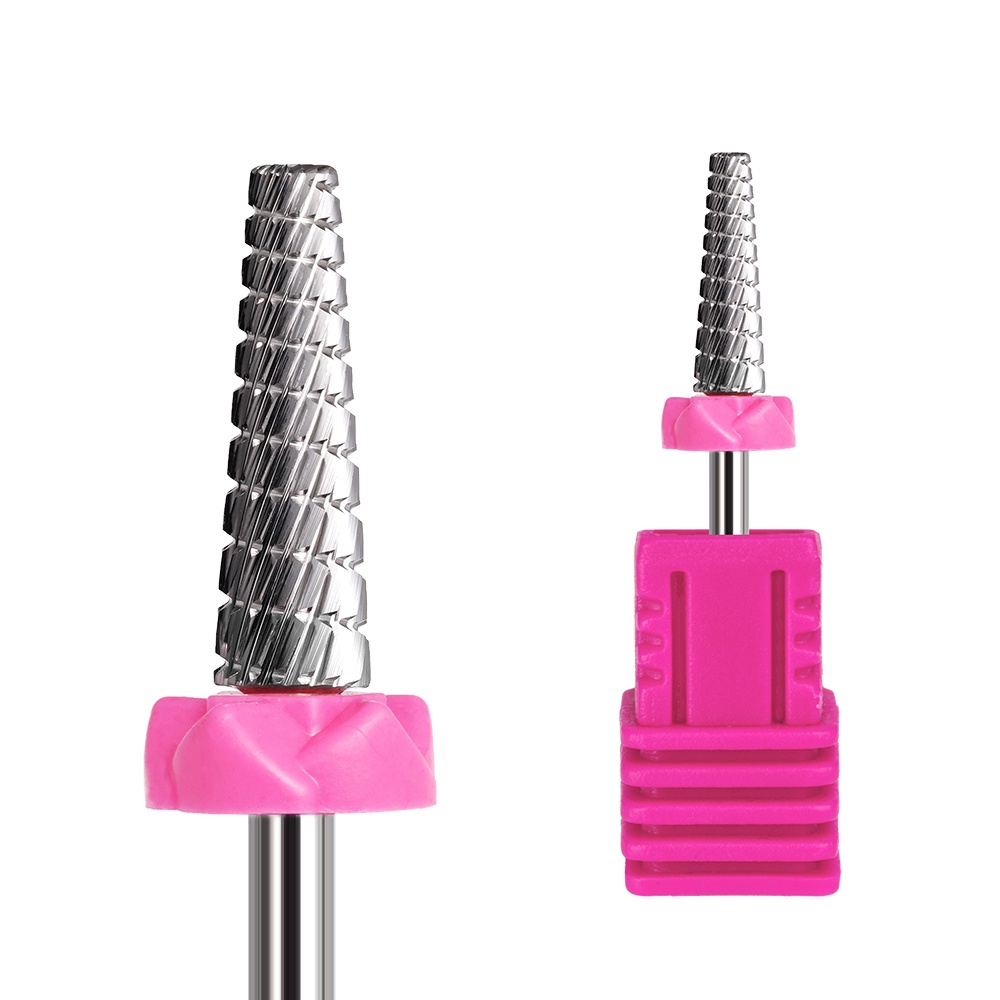
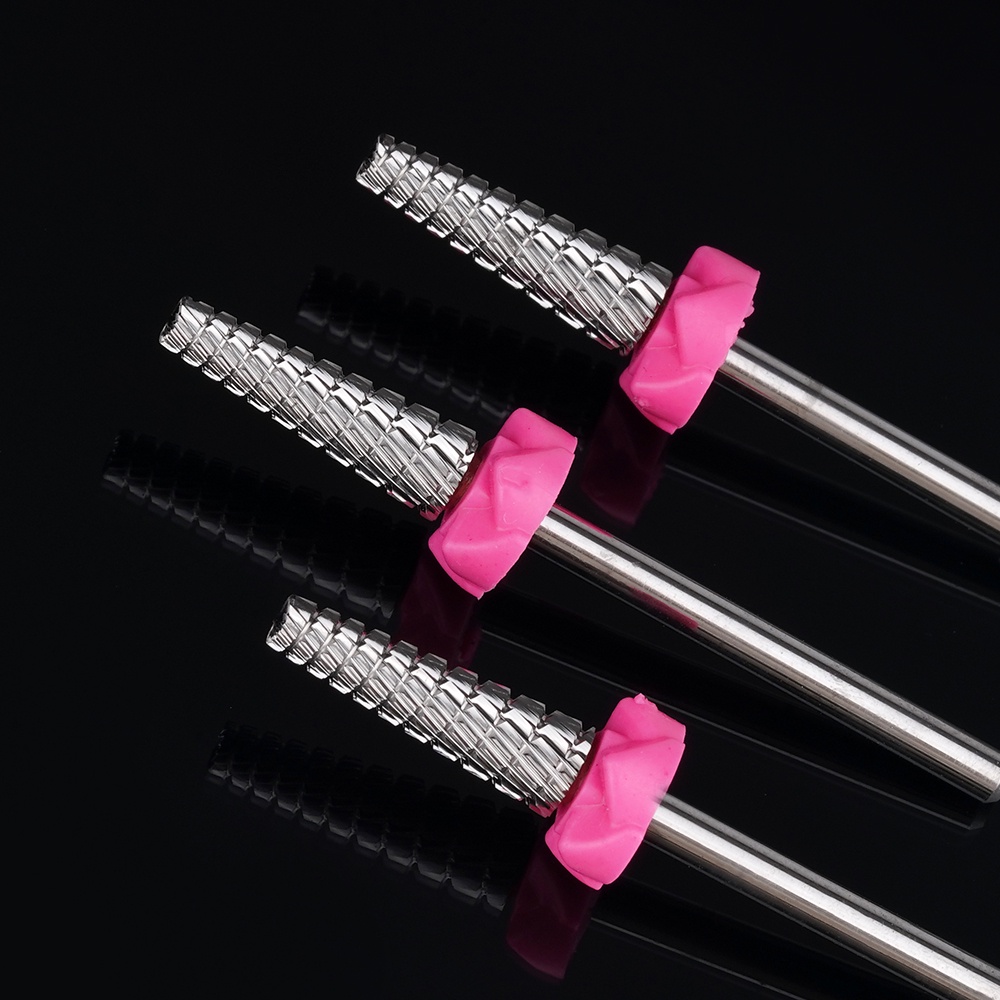
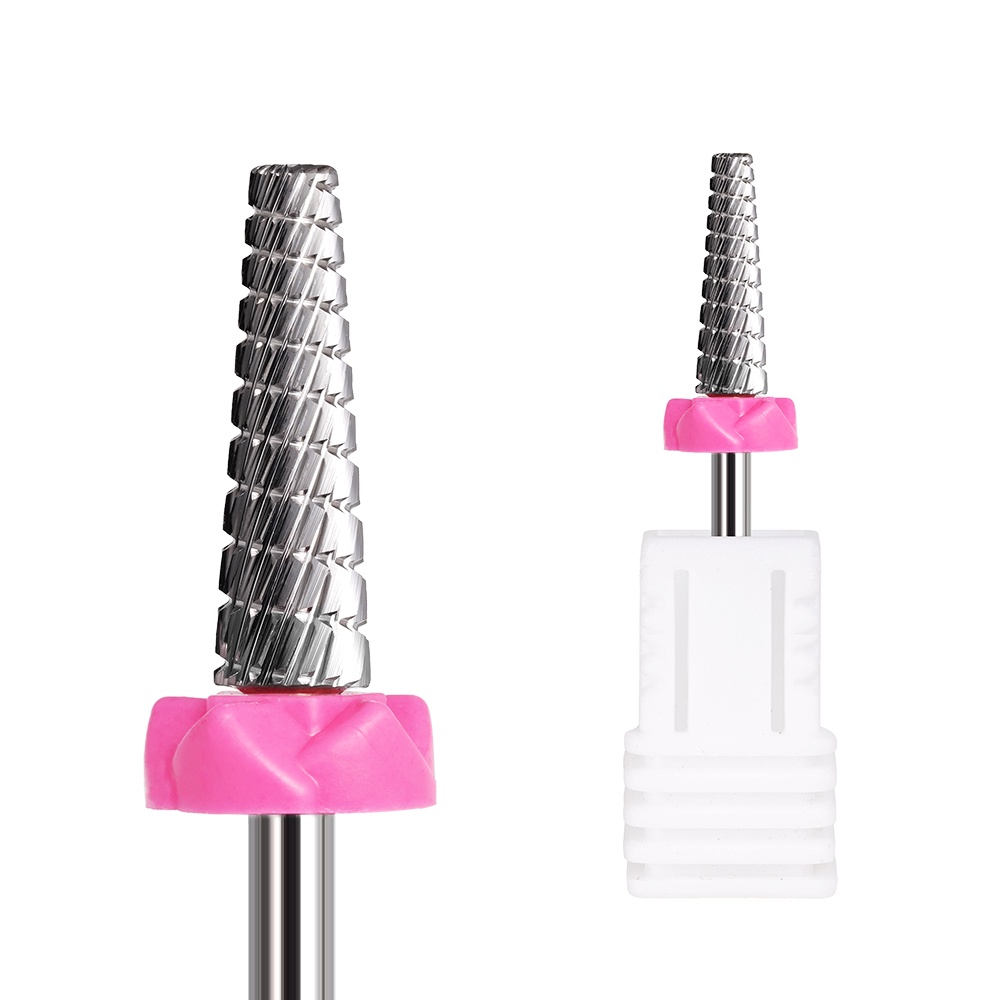
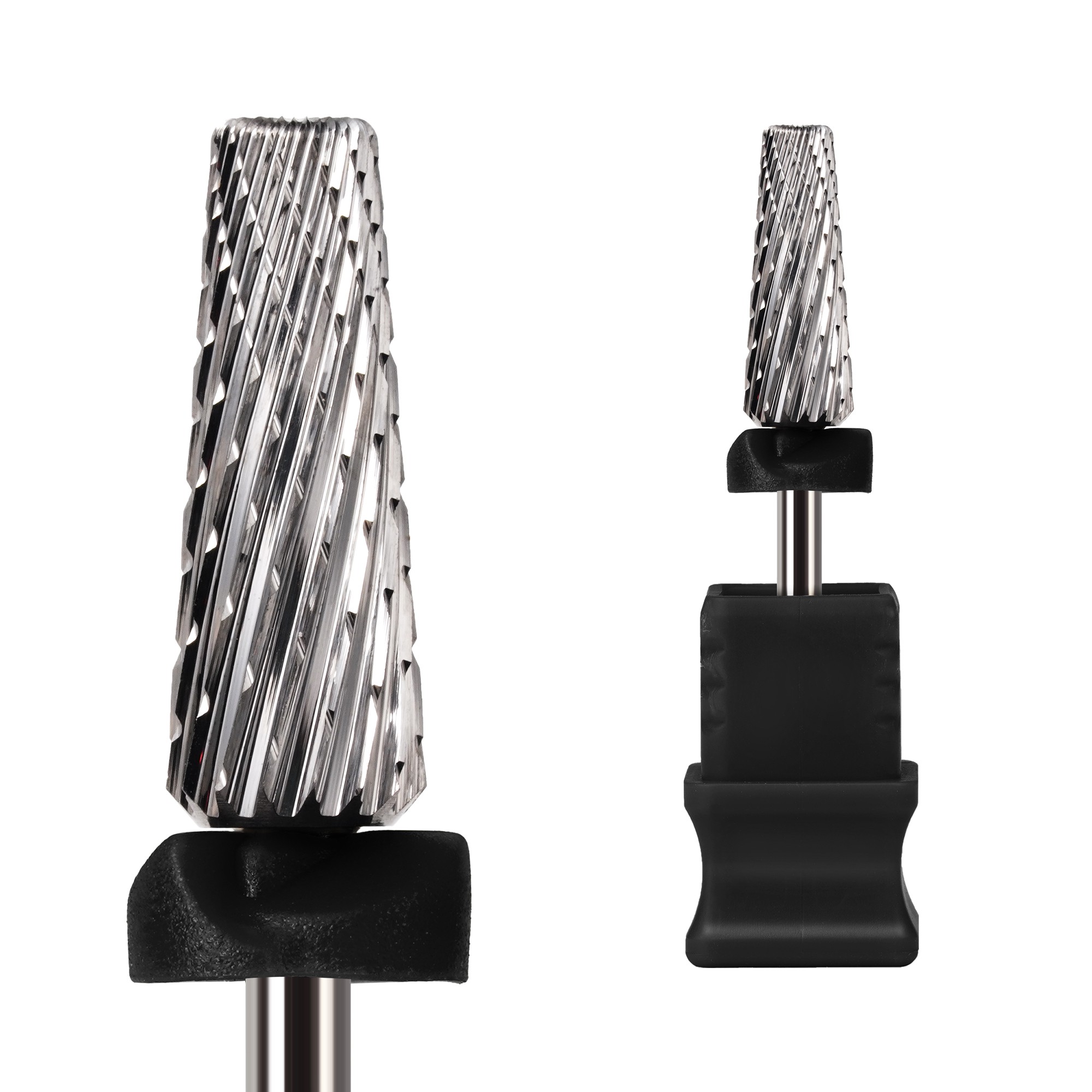
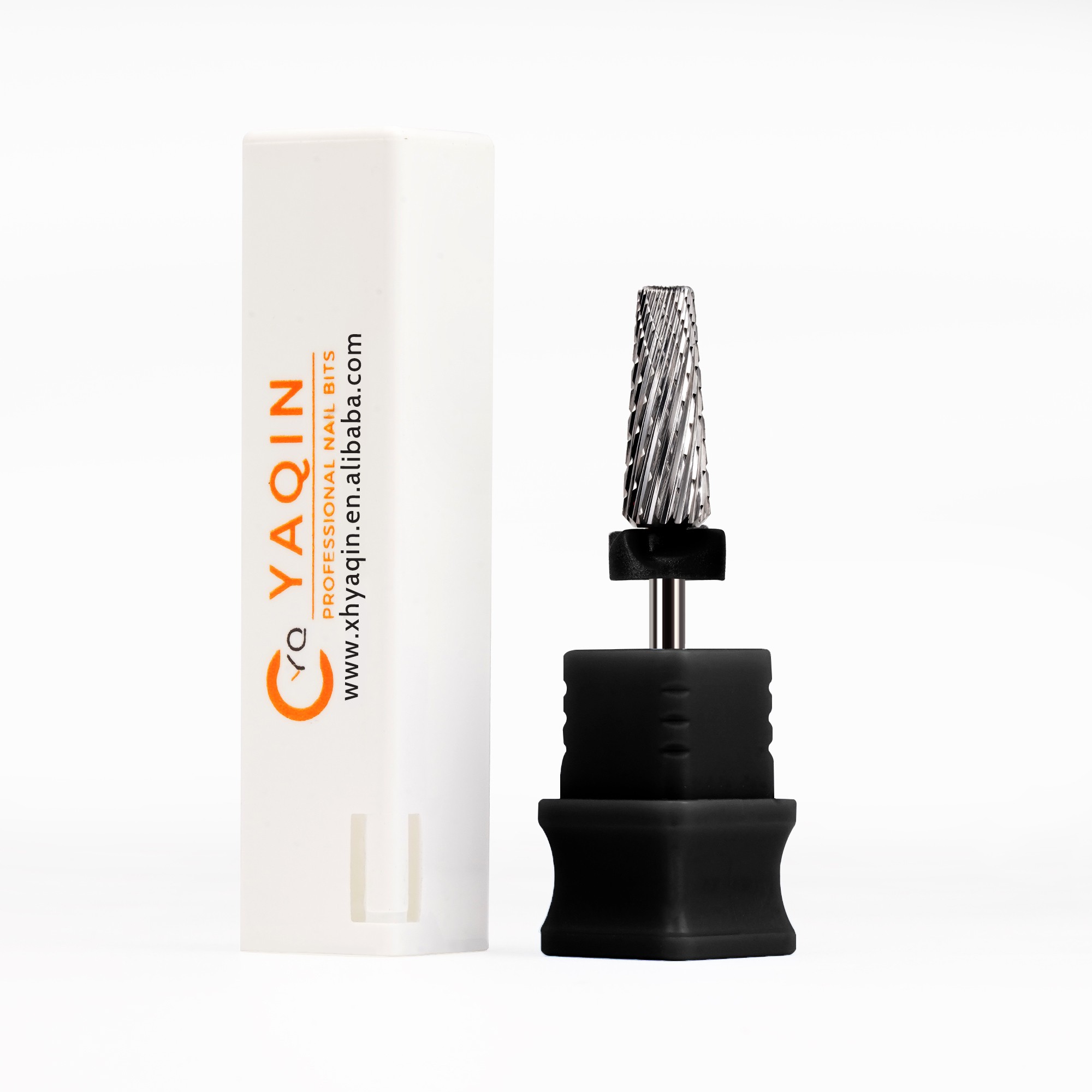
A relevant reference is 5-in-1 Multi-Functional, built with corrosion-resistant tungsten steel and a fine-to-coarse transition across the surface.
Its bidirectional design suits clockwise and counterclockwise use. The 3/32 inch shank also fits common handpieces used in nail care environments.
That kind of tool can cover filing, shaping, smoothing, buffing, carving, and gel polish removal with fewer bit changes. In evaluation terms, it provides a useful contrast to ceramic behavior.
The comparison is valuable because low heat alone does not define the best system. The better question is which combination supports comfort, precision, cleaning efficiency, and tool life together.
What to Review Before Large-Scale Adoption
When moving from sample testing to regular procurement, several points deserve closer attention than promotional claims.
- Match grit level to service category, not to general preference alone
- Check bit balance and cutting stability across multiple handpieces
- Review dust behavior, cleaning time, and post-sterilization appearance
- Confirm packaging consistency for export handling and batch traceability
- Request clear QC information from raw material selection through final packing
This is where supplier discipline becomes commercially important. Yaqin’s ISO9001:2000 certified management approach and one-stop production-to-delivery support are relevant to long-term evaluation.
Not because certification guarantees the perfect bit, but because repeatable process control reduces variation that can distort field feedback.
For a ceramic nail drill bit, consistency between batches is especially important. Small design changes can noticeably affect heat sensation, removal rate, and surface finish.
A Sensible Next Step
The ceramic nail drill bit earns its place when heat-sensitive work requires smoother contact and better comfort control. Its strengths are real, but they depend on context.
A sound decision usually comes from side-by-side testing, realistic RPM settings, and clear task grouping rather than broad assumptions about material categories.
It helps to compare ceramic options with multi-stage metal bits, review QC stability, and define where each tool fits in the service sequence.
With that approach, the ceramic nail drill bit becomes easier to judge as part of a working system, not just as a standalone feature on a product list.
News List
- Is It Better to Source All Nail Drill Bits From One Factory?Aug 24, 2026
- How to Spot Fake Diamond Coating on Nail Drill BitsAug 24, 2026
- Are Silicone Nail Drill Bits Reusable After Sterilization?Aug 24, 2026
- Essential tools for manicures that make beginner work more consistentAug 24, 2026
- Which must-have items for nail technicians improve service speed mostAug 24, 2026
- How gel removal bits affect speed and heat during soak-off removalAug 24, 2026
Best-Selling Products
 Cross Cut Safety Stainless Steel Tungsten Carbide Nail Drill Bits Salon Foot Use XF-C Grit for Removing Nails
 First-rate Quality Tungsten Carbide Nail Drill Bits Best Coating Manicure Remove Gel Nails Accessories
 Professional Advanced Safety Cuticle Bits Two-Way Rotate 3/32'' Carbide Tungsten 5 in 1 Nail Drill Bits
 Wholesale 5 in 1 Electric Manicure Nail Drill Bits Various Coating Cone Cuticle Bit with Rotary Cross Cut for Nail Art
 New Slant Tooth Tungsten Steel Nail Drill Bits Dead Skin Removal 5-in-1 Universal Grinding Nail Polish Head Tool Nail Drill Bits
 4.0mm Small 5 in 1 Integrated Sharpe Tungsten Nail Drill Bit Straight Teeth Gel Polish Removal
 Flame Sharp XF F M C XC Silver Safety Professional Corn Tungsten Carbide Nail Bit for Drill Machine Accessories
 Factory Direct 5 in 1 Tungsten Carbide Nail Drill Bits 6.8MM Cross Cut Safety Manicure 5 in 1 Nail Drill Bits
Please give us a message