
Carbide Nail Drill Bits vs Ceramic: Which Option Lasts Longer in Salon Use?
Carbide Nail Drill Bits vs Ceramic: Which Option Lasts Longer in Salon Use?
In a salon, bit lifespan is not a small detail. It affects service speed, surface finish, client comfort, heat buildup, and how often a technician has to stop and replace tools. When people ask whether carbide or ceramic lasts longer, they usually mean more than simple breakage resistance. They want to know which bit stays sharp under repeated gel removal, acrylic refining, cuticle work, and back-to-back appointments without becoming rough, clogged, or unreliable.
Under real salon use, carbide usually lasts longer than ceramic in terms of cutting life and resistance to wear. That is the short answer. The longer and more useful answer is that durability depends heavily on what “use” looks like in your station: the products you remove, your pressure habits, your e-file speed, how often bits are dropped, and how carefully they are cleaned and disinfected.
For operators choosing between the two, the right decision is rarely about which material is better in theory. It is about which one holds performance longer in your actual workflow.
What “lasting longer” means in salon conditions
A bit can fail in several ways before it physically breaks. In practice, technicians usually notice one of these problems first:
- It takes longer to remove product than it did when new.
- The bit generates more heat during the same task.
- The cutting action becomes uneven or grabby.
- Dust or product buildup becomes harder to clear from the flutes.
- The surface result becomes less controlled, especially near the apex or sidewall.
- The shank starts showing signs of corrosion or wear after repeated sanitation cycles.
So when comparing carbide nail drill bits with ceramic, the useful question is not just which one survives longer physically. It is which one maintains predictable cutting performance over time with the least interruption to your work.
Why carbide generally wins on lifespan
Tungsten carbide has a long-established reputation in abrasive and cutting applications because of its hardness and wear resistance. In nail services, that usually translates into a bit that keeps its edge longer when used for frequent removal of hard gel, builder gel, acrylic, and other cured coatings.
For high-volume salon use, carbide’s main advantage is that it tolerates repetitive mechanical work very well. A skilled technician can use the same bit through many services before the cut quality noticeably drops, provided the bit is not misused or damaged by impact. This matters most in salons where removal is done all day rather than occasionally.
Many operators also find that carbide remains more consistent when they need fast bulk removal. That consistency is a form of durability. A bit that still cuts cleanly after repeated services reduces hand fatigue and lowers the temptation to compensate with excess pressure, which can create heat and client discomfort.
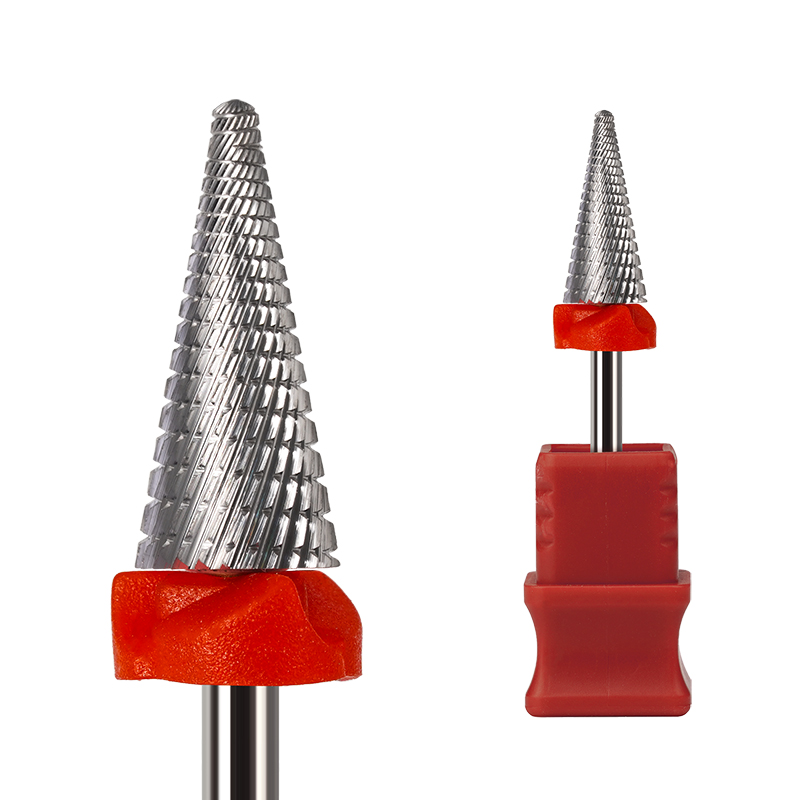
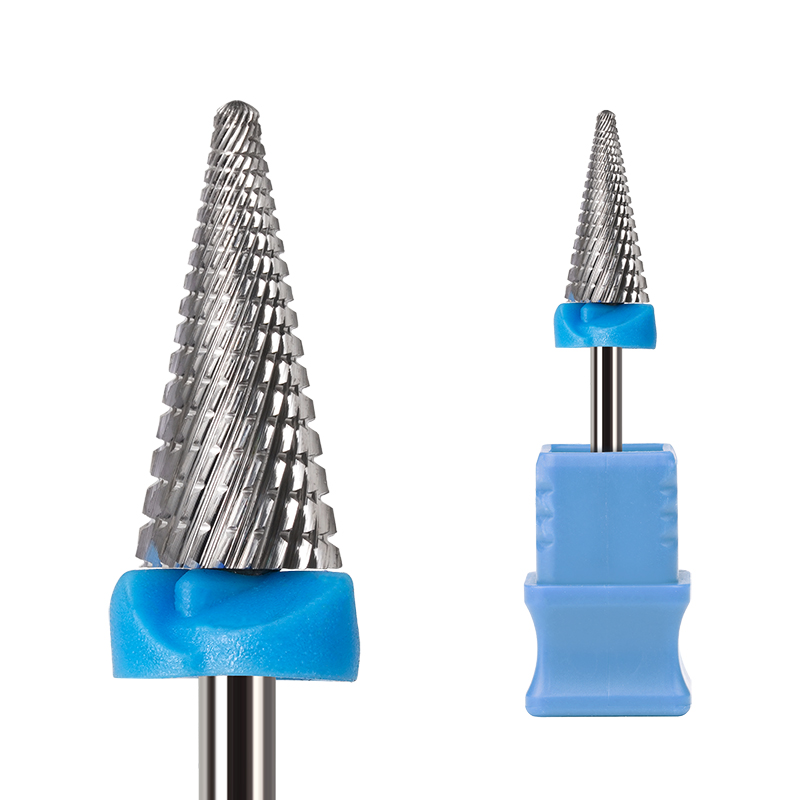
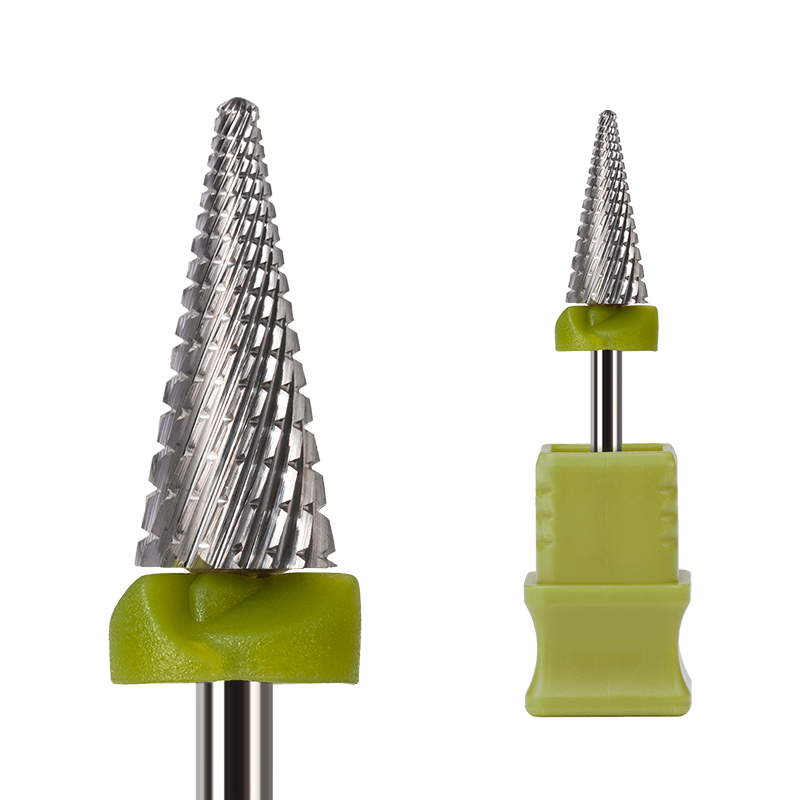
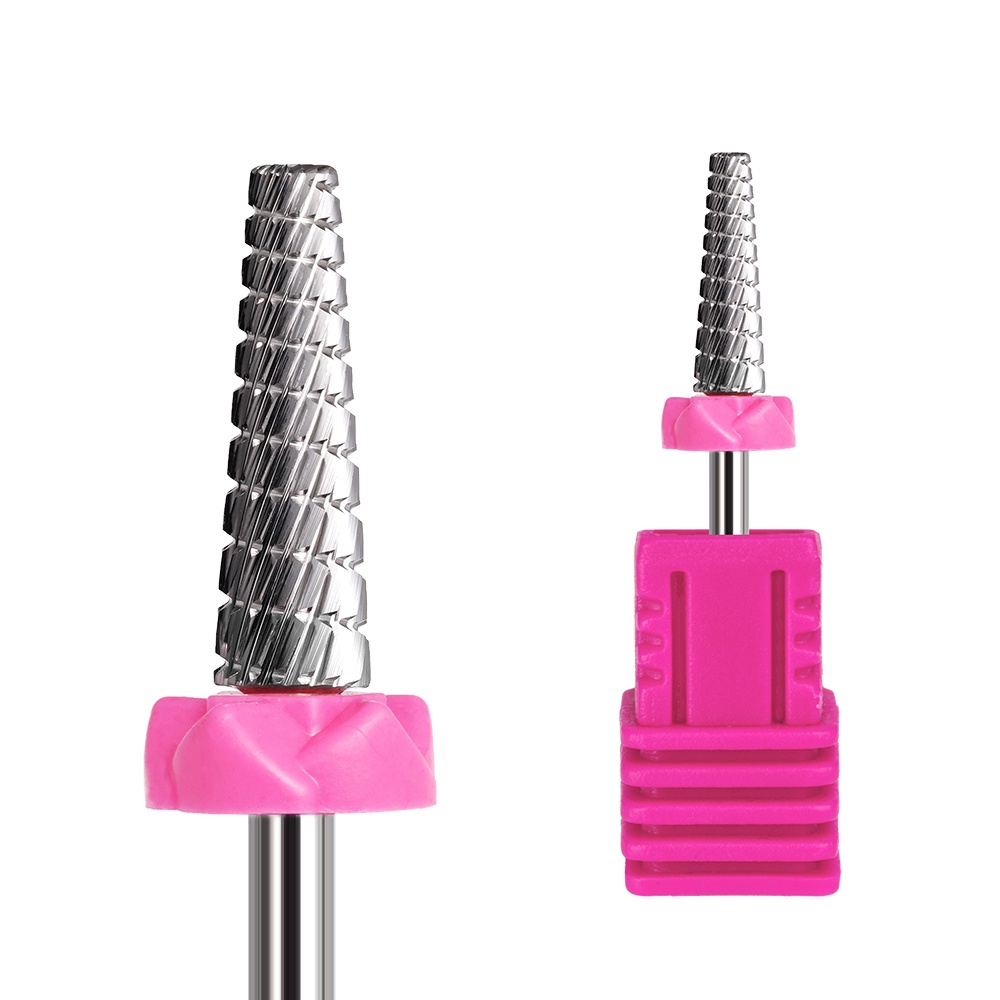
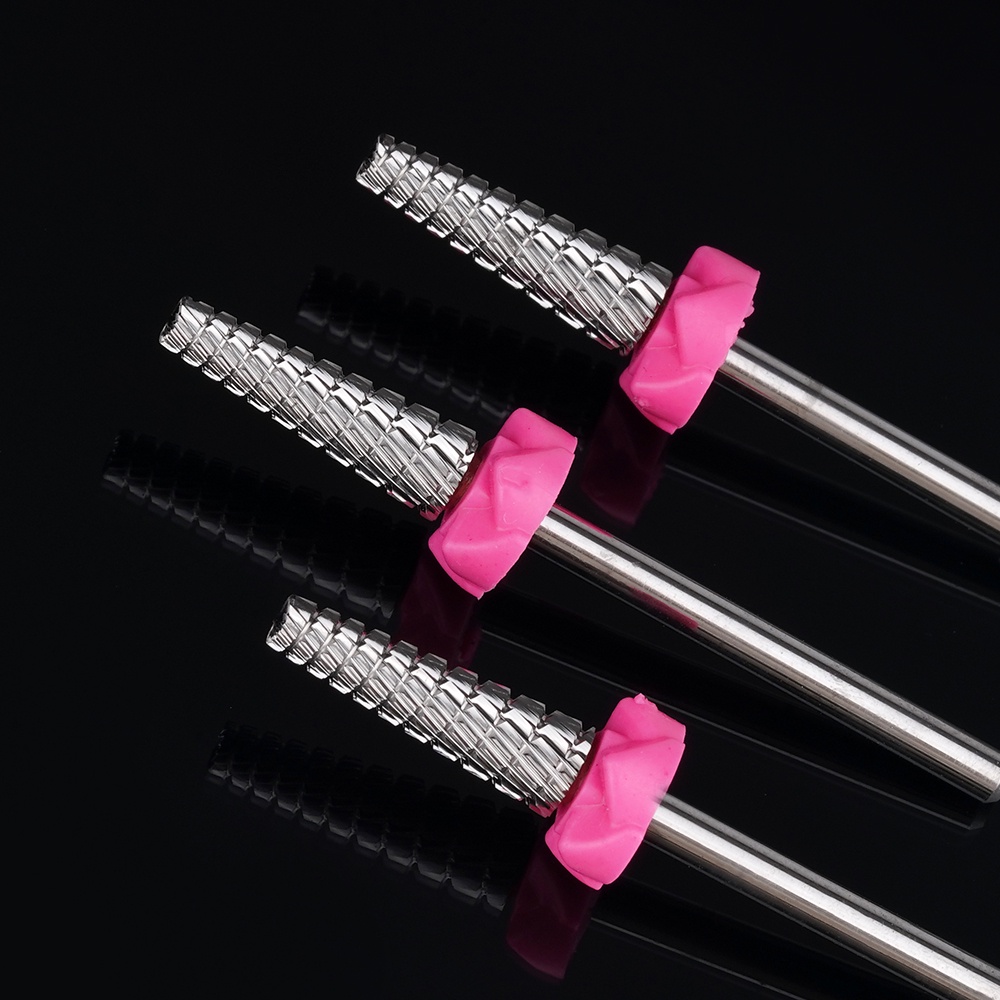
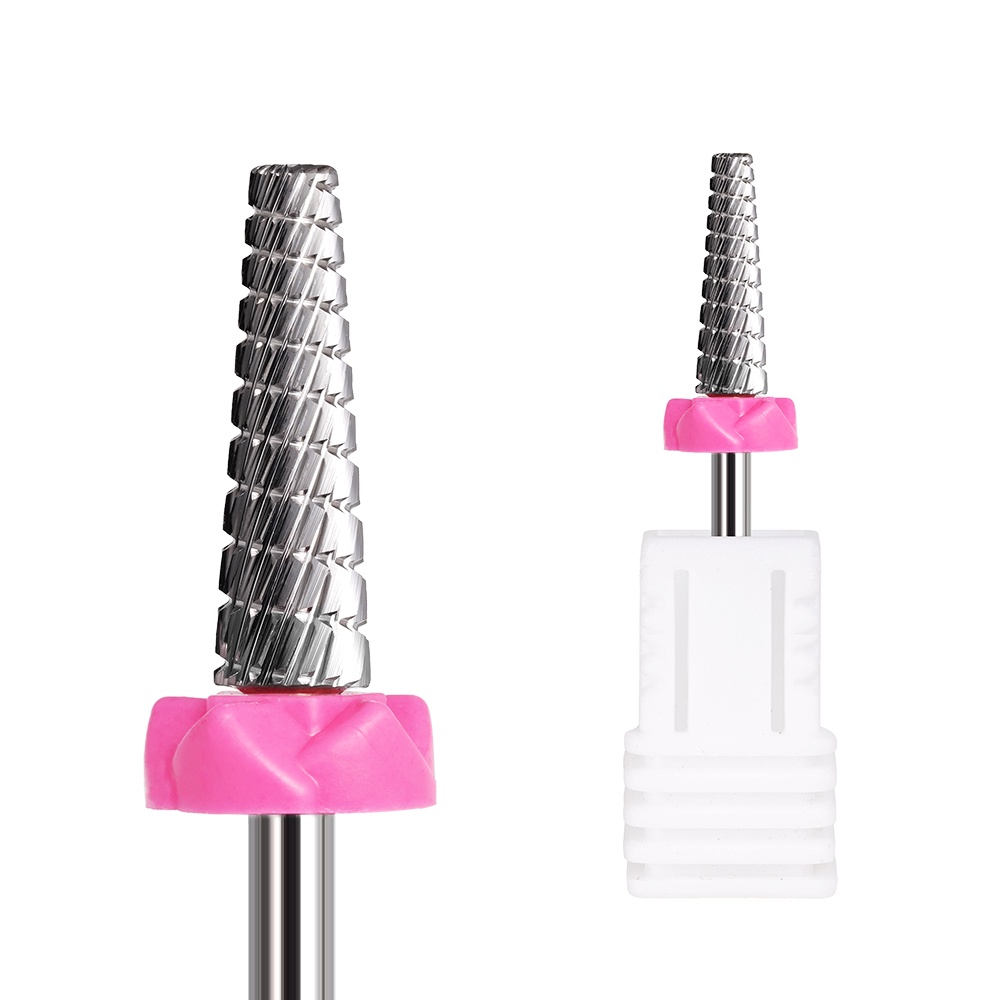
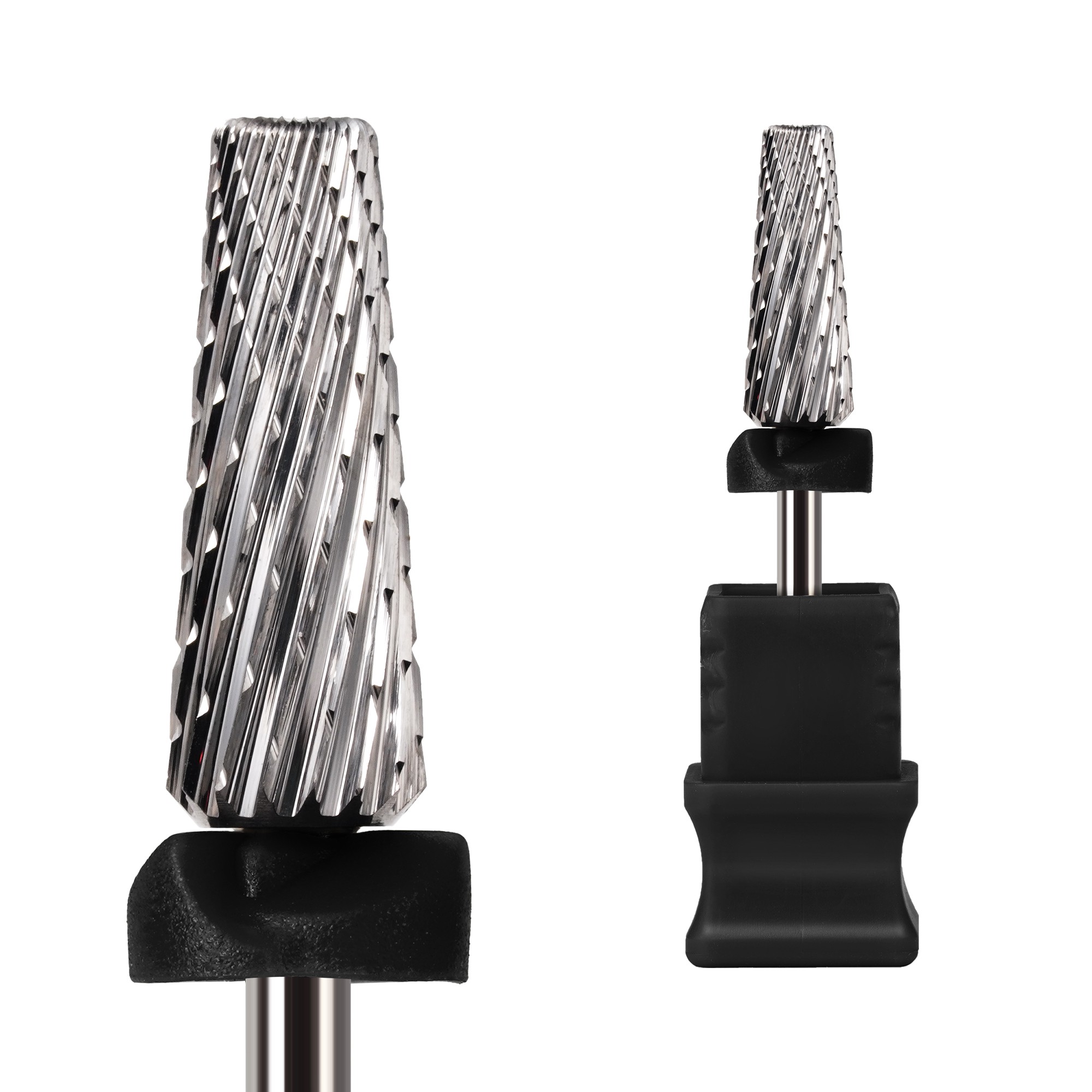
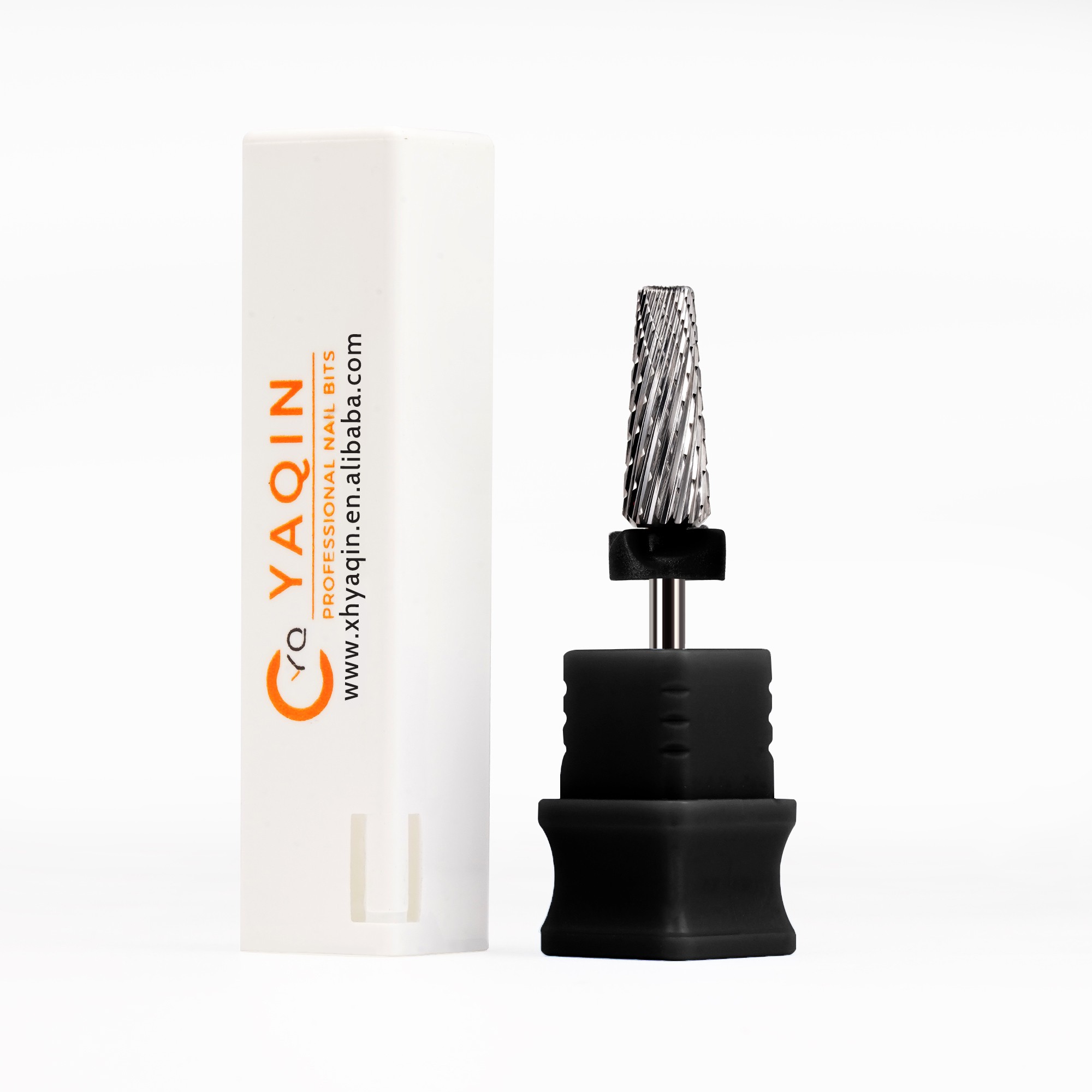
Products built from tungsten steel or high quality alloy are often preferred in these settings for exactly that reason. A typical example is Tungsten Carbide Nail Drill Bits for Safe Removal of UV Gel Polish Electric Manicure Tool, designed for tasks such as filing nails, removing dead skin, tackling gel polish, and shaping or smoothing the nail surface while maintaining stable grinding performance.
Where ceramic performs well, but not always longer
Ceramic bits are often chosen for a different reason: comfort in use. Many technicians describe them as running cooler, feeling smoother on the nail, and producing a less aggressive sensation during removal. That can make ceramic appealing for beginners, sensitive clients, or services where control matters more than raw removal speed.
But longer-lasting is a separate issue. Ceramic can hold up well in normal use, especially for gel polish removal and lighter refinement work. Still, in heavy-duty salon environments, ceramic often loses its edge advantage sooner than carbide when used on tougher overlays or frequent acrylic work. The exact rate depends on quality, grit pattern, and maintenance, but the general pattern is familiar to experienced operators: ceramic may stay comfortable, yet carbide tends to stay productive longer.
Ceramic also has another practical weakness in salon life: impact damage. If a bit is dropped onto a hard floor or knocked off a station, ceramic is typically more vulnerable to chipping or cracking. Carbide is not indestructible, but it usually handles accidental handling stress better.
The real comparison depends on service type
Not all salons wear out bits in the same way. Material choice should match the work mix.
For frequent acrylic removal and hard gel debulking:
Carbide is usually the better long-life option. It is more suitable when the goal is repeated, efficient product removal over many appointments.
For routine gel polish removal:
Both materials can work well. If your services are mostly soak-off gel polish with moderate e-file use, ceramic may provide acceptable lifespan, especially if client comfort is your priority. Carbide still often outlasts it, but the difference may not justify switching if your workflow is light and controlled.
For surface refining and finishing:
The issue is less about lifespan and more about cut behavior. Some technicians prefer ceramic’s smoother feel, while others rely on fine carbide cuts for precision. Here, “lasting longer” may be less important than “stays controllable.”
For back-to-back high-volume salon work:
Carbide usually offers stronger value because its service life under repeated load tends to be better. A bit that saves even a small amount of time per client becomes more useful across a full day.
Heat, pressure, and the false durability problem
One common mistake is blaming material when the real issue is technique. A bit that seems to wear out quickly may actually be suffering from poor operating conditions.
If a technician uses too much downward pressure, runs at an unsuitable RPM, or keeps the bit in one area too long, both carbide and ceramic will appear to “age” faster. Heat increases, product may fuse into the flute pattern, and cutting efficiency drops. In that case, the bit is not necessarily worn out in the material sense. It is being used in a way that reduces performance.
This is why experienced operators often get dramatically different life spans from the same bit model. Technique affects durability more than many buyers expect.
With carbide, incorrect pressure can create excessive friction even though the bit itself remains structurally sound. With ceramic, the same misuse can make the operator feel the bit is dull sooner. In both cases, proper angle, steady motion, and correct speed range matter as much as the base material.
Cleaning and disinfection matter more than many technicians think
In salon use, bits do not simply wear from contact with nail product. They also degrade through cleaning mistakes.
Residue left in the cutting grooves reduces efficiency and increases heat. Aggressive cleaning tools can damage cutting edges. Inadequate drying after disinfection can affect metal components over time. If sanitation protocols are inconsistent, comparing carbide and ceramic fairly becomes impossible because both are being shortened by maintenance failure rather than work wear.
Operators should pay attention to three practical issues:
- Whether product debris is fully removed from the flute pattern before sterilization or disinfection steps
- Whether the chosen cleaning method is compatible with the bit material and finish
- Whether bits are stored in a way that prevents collision and accidental dropping
In many salons, premature replacement is caused as much by handling damage as by actual cutting wear.
Cost per service is more useful than unit price
Ceramic bits are sometimes selected because they appear attractive in use, while carbide is sometimes selected because it feels like the “professional” option. Neither is the right decision framework.
The better way to judge value is cost per completed service under your real workload.
If a carbide bit costs more up front but lasts significantly longer in acrylic or builder gel removal, its lifetime cost may be lower. If a ceramic bit is comfortable and effective for lighter gel services but requires more frequent replacement in heavy use, it may only be economical in salons with a narrower service menu.
For operators, time is part of this equation. A bit that removes product faster without sacrificing control can indirectly reduce operator strain and improve schedule reliability. Those benefits are easy to overlook because they do not appear on the invoice, but they are felt every day on the salon floor.
Common selection mistakes
The longest-lasting option is often missed because of a few recurring assumptions.
“Ceramic always runs cooler, so it must last longer.”
Cooler feel and longer service life are not the same thing. Ceramic may feel gentler, but carbide often maintains cutting performance over more heavy-use cycles.
“Carbide is too aggressive for regular salon use.”
That depends on cut design, grit/coarseness, RPM, and operator control. A well-matched carbide bit in trained hands is not automatically harsh. It can be precise, stable, and efficient.
“If a bit is expensive, it should survive everything.”
No bit survives poor technique, repeated drops, or careless sanitation. Even premium bits fail early under bad handling conditions.
“One material should cover every task.”
Most experienced salons do not work that way. They keep different bit types for different stages of service. The “longer-lasting” choice for bulk removal may not be the best choice for close-surface refinement.
How operators should decide in practice
If your daily work involves frequent hard product removal, especially acrylics, hard gels, builder systems, or extended refill correction, carbide is usually the safer long-term choice. It is the material most likely to keep removal efficiency over repeated use and reduce replacement frequency.
If your services are lighter, your clients are highly sensitivity-focused, or your technique style prioritizes smoother contact over aggressive removal speed, ceramic can still be a practical option. It may not be the longest-lasting in absolute terms, but it may fit the service feel you want to deliver.
For many salons, the most realistic answer is not carbide or ceramic exclusively. It is carbide for bulk removal and ceramic or finer specialty bits for selected finishing or comfort-oriented steps. That mixed approach often delivers the best balance of productivity, client experience, and tool life.
When evaluating a carbide option, operators should look beyond material label alone. Bit geometry, flute pattern, finish quality, balance, and manufacturing consistency all affect how long the bit remains useful. A well-made carbide bit with high hardness and stable grinding performance will often show its value quickly in repeated UV gel polish removal and shaping work. That is why products such as the Tungsten Carbide Nail Drill Bits for Safe Removal of UV Gel Polish Electric Manicure Tool are often positioned around longer service life, precise control, and a quieter, more stable grinding process rather than material claims alone.
So which option lasts longer?
In most busy salon environments, carbide lasts longer than ceramic in meaningful working terms. It typically resists wear better, holds cutting efficiency longer, and stands up more reliably to repeated high-load removal tasks. For technicians who need dependable performance through full days of service, that usually makes carbide the more practical choice.
Ceramic still has a place. It can offer a smoother feel, good control, and satisfactory durability for lighter or more comfort-focused services. But if the decision is specifically about longer lifespan under frequent salon use, carbide is generally ahead.
The best selection comes from matching the bit to the actual workload, not the trend. A salon that understands its service mix, operator habits, and maintenance discipline will almost always make a better choice than one chasing material claims in isolation.
News List
- Preventing Gouges and Uneven Filing With Small Barrel Nail Drill BitsSep 20, 2026
- How Diameter and Grit Affect Small Barrel Nail Drill Bit PerformanceSep 20, 2026
- Can Hytos Nail Drill Bits Be Used Safely on Natural Nails and Gel Polish?Sep 20, 2026
- How to Verify Fit Between Hytos Nail Drill Bits and an E-File HandpieceSep 20, 2026
- Safe Speed Settings for Umbrella Nail Drill Bits Around the Nail FoldSep 20, 2026
- Umbrella vs Flame Nail Drill Bits: Which Shape Offers Better Cuticle Control?Sep 20, 2026
Best-Selling Products
 Cross Cut Safety Stainless Steel Tungsten Carbide Nail Drill Bits Salon Foot Use XF-C Grit for Removing Nails
 First-rate Quality Tungsten Carbide Nail Drill Bits Best Coating Manicure Remove Gel Nails Accessories
 Professional Advanced Safety Cuticle Bits Two-Way Rotate 3/32'' Carbide Tungsten 5 in 1 Nail Drill Bits
 Wholesale 5 in 1 Electric Manicure Nail Drill Bits Various Coating Cone Cuticle Bit with Rotary Cross Cut for Nail Art
 New Slant Tooth Tungsten Steel Nail Drill Bits Dead Skin Removal 5-in-1 Universal Grinding Nail Polish Head Tool Nail Drill Bits
 4.0mm Small 5 in 1 Integrated Sharpe Tungsten Nail Drill Bit Straight Teeth Gel Polish Removal
 Flame Sharp XF F M C XC Silver Safety Professional Corn Tungsten Carbide Nail Bit for Drill Machine Accessories
 Factory Direct 5 in 1 Tungsten Carbide Nail Drill Bits 6.8MM Cross Cut Safety Manicure 5 in 1 Nail Drill Bits
Please give us a message