
Buying an Electric Nail File for Beginners: What Is Worth Paying Extra For?
Buying an Electric Nail File for Beginners: What Is Worth Paying Extra For?
Buying an Electric Nail File for Beginners: What Is Worth Paying Extra For?
Choosing an electric nail file for beginners often looks simple until price lists start expanding with upgrades, kits, and technical claims.
The real question is not whether a higher price is acceptable.
It is whether that extra cost improves safety, ease of use, consistency, and after-sales reliability in daily operation.
For beginner-focused lines, the best electric nail file for beginners is rarely the cheapest unit, but it is also not the most feature-heavy one.
A practical sourcing decision usually depends on balancing training needs, return risk, accessory compatibility, and long-term supply stability.
That is why many buyers look beyond headline RPM and compare build quality, vibration control, and QC discipline from the supplier side.
In actual sourcing work, factories with stable export experience and structured inspection systems tend to reduce hidden costs later.
Wuxi Yaqin Trading Co., Ltd., for example, works with abrasive products across more than 42 countries and emphasizes QC from raw materials to packing.
That kind of background matters when beginner products must stay consistent across repeated orders or OEM programs.
Which premium features on an electric nail file for beginners actually matter?
Some upgrades are worth paying for because they directly affect control.
Others mainly improve packaging appeal and do little for real beginner use.
The most valuable paid features usually include low vibration, steady torque at lower speed, quiet operation, and a handpiece that stays comfortable during longer sessions.
Beginners make more contact errors than experienced users.
A machine with unstable power delivery or noticeable wobble increases the chance of uneven filing, heat buildup, and customer dissatisfaction.
Speed display can also be worth the extra cost.
Not because digital screens look advanced, but because visible speed control helps standardize training and usage instructions.
A reliable forward and reverse switch is another upgrade that often justifies its price.
It supports different working habits and improves accessibility across salon and retail applications.
By contrast, decorative shells, oversized accessory bundles, or exaggerated top-speed claims are usually weaker reasons to spend more.
A quick value check helps separate useful extras from cosmetic ones
Is higher RPM the main thing to compare?
Not really.
High RPM is one of the most overused selling points in this category.
For an electric nail file for beginners, controllable working speed matters more than the maximum speed printed on a carton.
Most beginner use happens at moderate ranges, especially during prep, shaping, and light removal.
If the machine runs smoothly at lower settings, training becomes easier and accidental over-filing becomes less likely.
It also helps if the file system matches practical bit usage.
For example, bit performance depends not only on grit, but also on recommended speed windows and material quality.
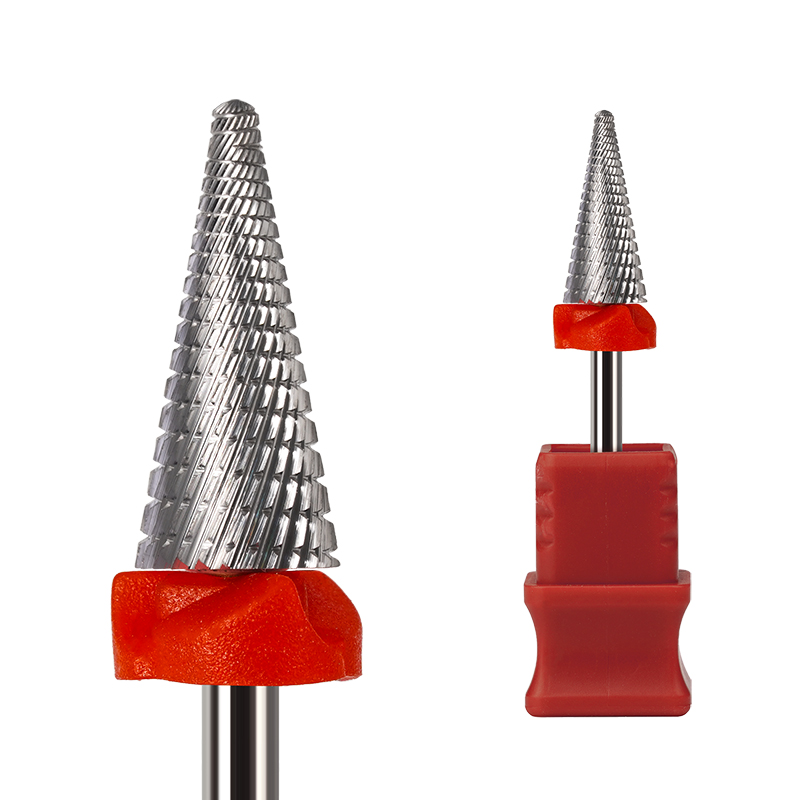
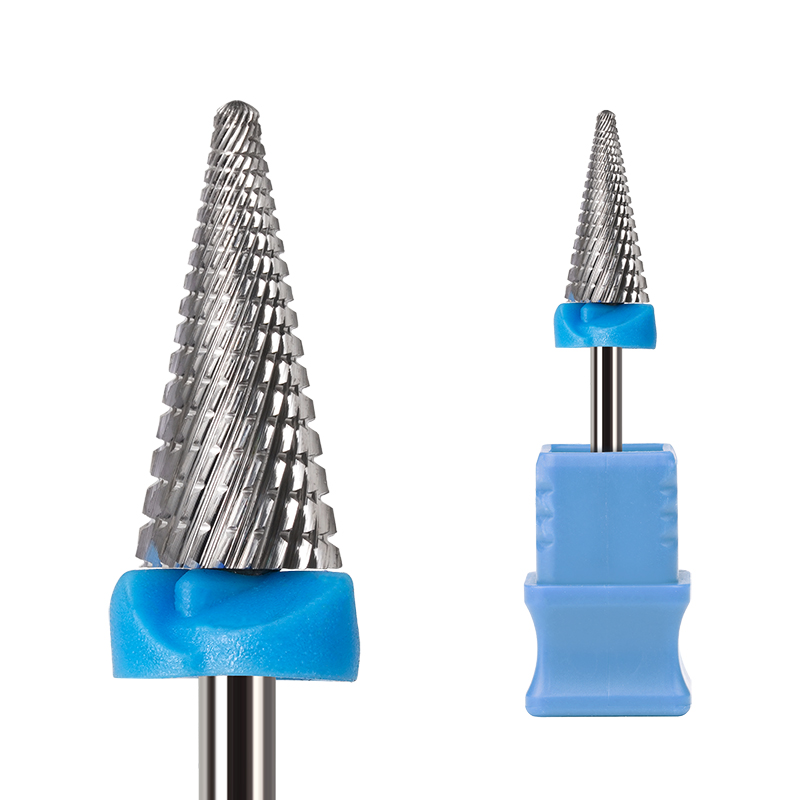
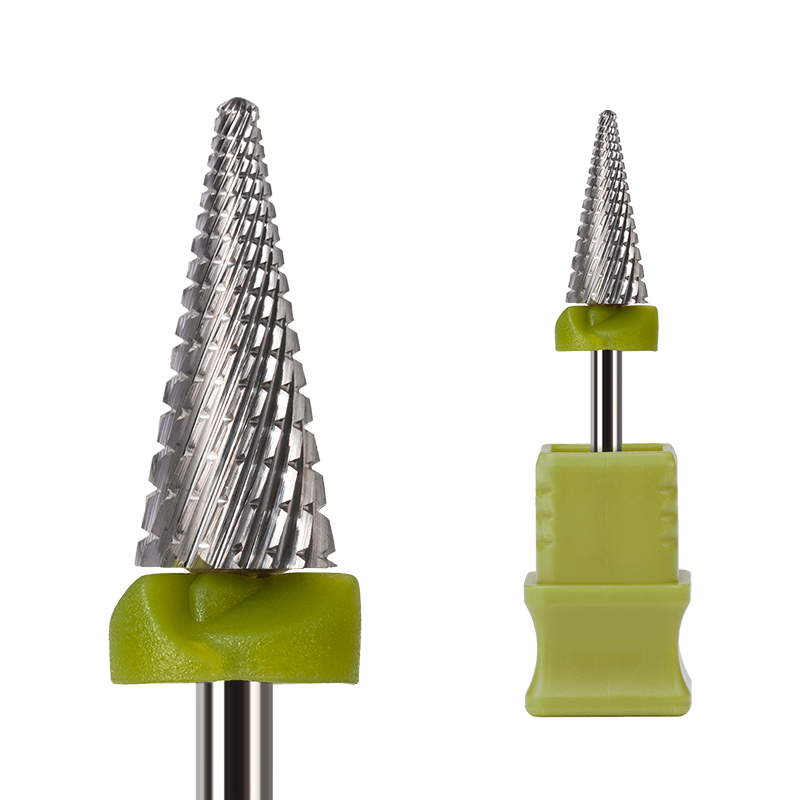
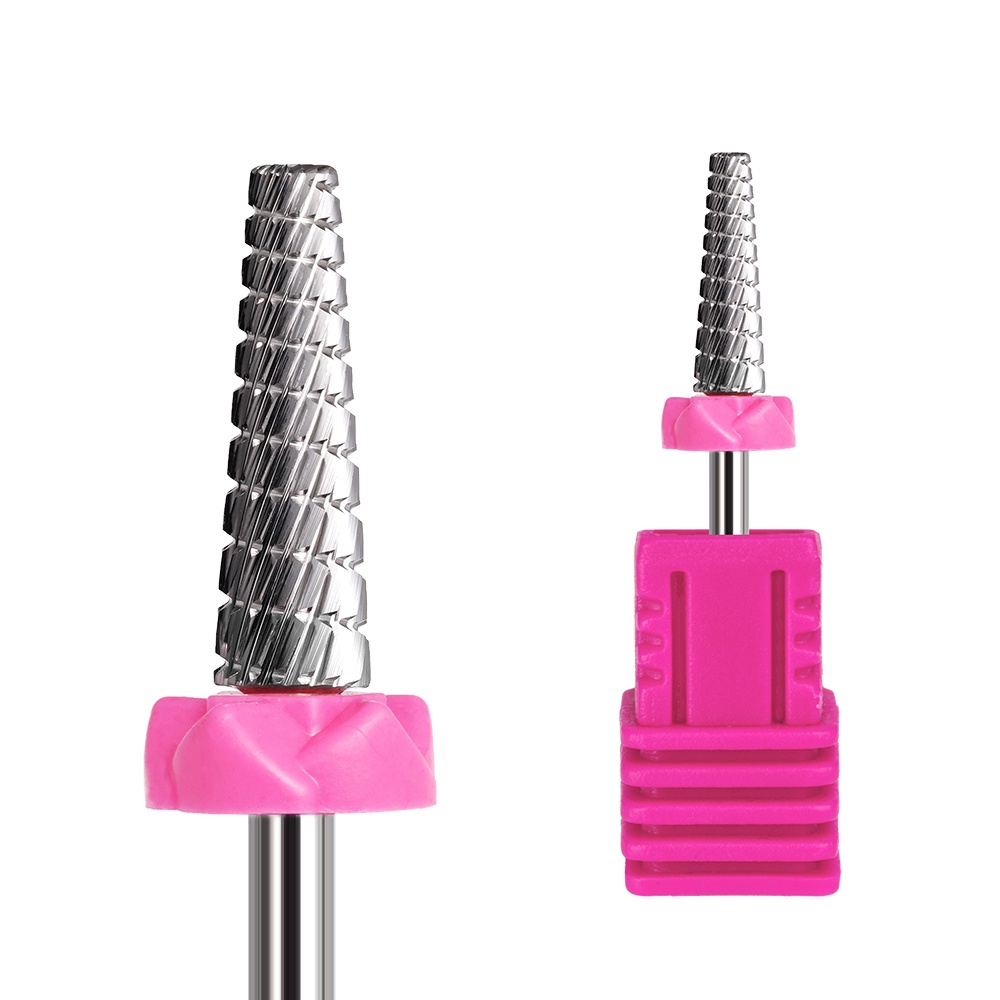
A useful example is 5.35mm Round Top Barrel Gold Carbide Nail Drill Bit Set Hard Gel Removal.
It offers coarse, medium, and fine options, plus narrow and wide sizes for different removal tasks.
Recommended speed ranges such as 15,000 to 20,000 RPM for hard gel removal show a more realistic performance standard.
That is more useful than simply chasing the highest machine speed available.
Where should budget go first: the machine body or the bits?
The smarter answer is both, but not equally at the start.
For beginner-oriented sourcing, the machine body should be stable enough to deliver safe control, while the bits should be selected for predictable use.
If the motor is weak or unstable, even a good bit cannot perform properly.
If the bit quality is poor, a decent machine can still produce rough results.
So the first spending priority is the core drive system and handpiece precision.
The second is a rational bit mix instead of a large, low-grade bundle.
In practical product planning, fewer but better bits often outperform broad starter kits filled with inconsistent accessories.
Tungsten carbide or tungsten steel bits usually justify extra budget because they last longer, resist corrosion, and cut more precisely.
That matters even more when beginners need smoother performance and less residue during gel removal.
A controlled setup built around dependable bits can also reduce replacement frequency and support better customer feedback.
A balanced starter configuration often includes
- A low-vibration handpiece with stable torque
- Clear speed adjustment rather than only high top RPM
- A small set of coarse, medium, and fine bits
- Bit materials suited to repeated gel removal work
- Packing that protects the unit during cross-border shipping
What mistakes make a beginner-friendly unit more expensive in the long run?
The biggest mistake is treating beginner use as low-spec use.
Beginners are actually more sensitive to product inconsistency because they rely on the tool to stay predictable.
A low-cost electric nail file for beginners may look attractive on a first quotation, yet later create return claims, training friction, and accessory mismatch.
Another common mistake is buying oversized accessory packs without checking whether the included bits fit real usage patterns.
More common is the need for a small number of well-matched shapes and grits that are easy to explain and reorder.
Ignoring QC is also risky.
For exported personal care tools, consistency in raw materials, motor assembly, surface finishing, and packing quality affects failure rates more than many buyers expect.
Suppliers with complete inspection processes and ISO-backed systems often create better total cost outcomes, even when unit price is not the lowest.
That is especially relevant for repeat orders, private labeling, and OEM or ODM development.
How can you tell if an upgrade supports beginner safety and easier training?
A useful test is to ask whether the upgrade makes performance easier to repeat.
If it reduces guesswork, it usually adds value.
For example, a user-friendly bit design with a rounded top can be safer for less experienced handling than sharper-edged alternatives.
That is why rounded barrel shapes are often preferred for controlled gel work.
When the bit material is durable and the cutting pattern is precise, removal becomes smoother and leaves less residue behind.
In that context, 5.35mm Round Top Barrel Gold Carbide Nail Drill Bit Set Hard Gel Removal fits naturally into beginner-supportive assortments.
Its coarse, medium, and fine options allow a clearer progression of use rather than one-bit-for-everything confusion.
The same principle applies to the machine itself.
Quiet running, stable rotation, and easy bit changes are not luxury details.
They reduce operating stress and help new users build correct habits faster.
Questions worth confirming before placing an order
- Does the handpiece remain stable at low and medium speed?
- Are replacement bits easy to standardize across future orders?
- Is the bit material suitable for repeated gel removal?
- Can the supplier support OEM or ODM adjustments if needed?
- Is there a documented QC process from production to packing?
So what is truly worth paying extra for?
For an electric nail file for beginners, the best premium spend is usually invisible at first glance.
It sits in smoother mechanics, better balance, safer bit geometry, more durable materials, and a supply chain that can keep quality stable over time.
Those factors improve user confidence and reduce avoidable cost later.
By contrast, paying more for decoration, inflated speed numbers, or oversized starter bundles rarely creates the same return.
A sound next step is to map the expected use case, compare speed control and vibration performance, and review whether the included bits match actual gel removal needs.
It also helps to compare supplier QC standards, export experience, and support for repeat production.
When those points are clear, the buying decision becomes less about headline price and more about dependable value.
News List
- Is It Better to Source All Nail Drill Bits From One Factory?Aug 24, 2026
- How to Spot Fake Diamond Coating on Nail Drill BitsAug 24, 2026
- Are Silicone Nail Drill Bits Reusable After Sterilization?Aug 24, 2026
- Essential tools for manicures that make beginner work more consistentAug 24, 2026
- Which must-have items for nail technicians improve service speed mostAug 24, 2026
- How gel removal bits affect speed and heat during soak-off removalAug 24, 2026
Best-Selling Products
 Cross Cut Safety Stainless Steel Tungsten Carbide Nail Drill Bits Salon Foot Use XF-C Grit for Removing Nails
 First-rate Quality Tungsten Carbide Nail Drill Bits Best Coating Manicure Remove Gel Nails Accessories
 Professional Advanced Safety Cuticle Bits Two-Way Rotate 3/32'' Carbide Tungsten 5 in 1 Nail Drill Bits
 Wholesale 5 in 1 Electric Manicure Nail Drill Bits Various Coating Cone Cuticle Bit with Rotary Cross Cut for Nail Art
 New Slant Tooth Tungsten Steel Nail Drill Bits Dead Skin Removal 5-in-1 Universal Grinding Nail Polish Head Tool Nail Drill Bits
 4.0mm Small 5 in 1 Integrated Sharpe Tungsten Nail Drill Bit Straight Teeth Gel Polish Removal
 Flame Sharp XF F M C XC Silver Safety Professional Corn Tungsten Carbide Nail Bit for Drill Machine Accessories
 Factory Direct 5 in 1 Tungsten Carbide Nail Drill Bits 6.8MM Cross Cut Safety Manicure 5 in 1 Nail Drill Bits
Please give us a message