
Why gel removal bits clog and how to keep them cutting cleanly
Why gel removal bits clog and how to keep them cutting cleanly
Why Gel Removal Bits Clog and How to Keep Them Cutting Cleanly
A gel removal bit can look perfectly sharp and still feel slow, hot, or unpredictable in use. In many maintenance reports, the first assumption is that the bit has worn out. Often, that is not the real problem. The cutting surface is simply packed with cured gel residue, fine filing dust, oils, or a mixture of all three. Once the flutes fill up, the bit stops clearing material efficiently. It rubs rather than cuts, heat rises, removal takes longer, and the operator may compensate with more pressure or higher speed. That usually makes the situation worse.
For service teams responsible for nail drill maintenance, clogged gel removal bits are not a minor housekeeping issue. They affect turnaround time, perceived tool quality, hygiene routines, replacement planning, and customer complaints. A bit that is cleaned correctly and used within a sensible operating range can remain consistent far longer than one repeatedly overloaded with product residue. The key is to understand what is filling the cutting edges and why.
Clogging starts when the bit cannot evacuate material
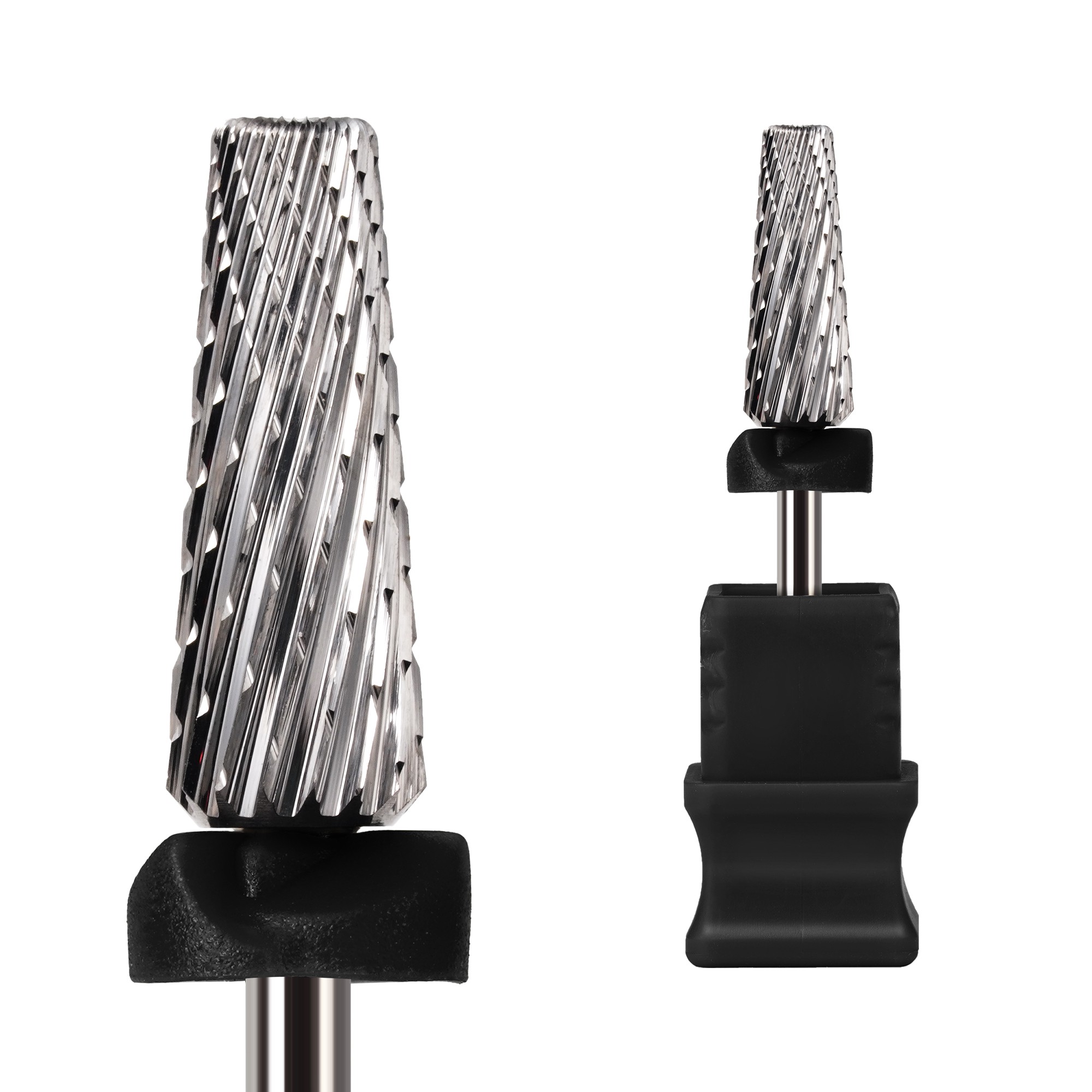
Tungsten carbide bits remove gel through cutting geometry rather than abrasion alone. Their flutes or teeth shear cured material into particles and carry those particles away from the contact area. This only works when the spaces between the teeth remain open. If dust and softened gel collect inside those spaces, the bit loses its ability to bite cleanly.
The residue is rarely just “gel.” In practical use, it may include cured color gel, base coat, builder gel, top coat, nail dust, natural nail oils, hand cream, and debris from prior cleaning. Thick overlays tend to produce larger chips, while flexible gel polish can create finer particles that compact more easily. A mixed surface—part hard builder gel, part sticky uncured or partially cured product—can be especially troublesome because it creates both powder and smear.
Heat changes the behavior of this material. When a bit is pressed too hard, held in one place, or used at a speed that does not suit the bit design and coating thickness, friction increases. Some product residue softens enough to smear across the cutting teeth instead of breaking away. That smear catches dust almost immediately. What begins as a small patch of buildup can become a compacted layer over only a few services.
This is why a bit can appear dull even if the carbide edges are still intact. A real wear problem and a contamination problem can feel similar at the drill handpiece: both reduce cutting speed. The difference is that a clogged bit often improves significantly after proper cleaning, while a worn bit does not.
The operating habits that fill flutes fastest
Excessive pressure is the most common contributor. When removal slows down, it is tempting to push the bit into the surface. That pressure creates additional friction and turns fine gel dust into tightly packed residue. The safer correction is usually to let the cutting profile work, use controlled passes, and reassess the bit type if the product being removed is unusually thick or dense.
Poor movement matters just as much. Keeping the bit stationary, especially near the center of a thick gel layer, concentrates heat and debris. Smooth, overlapping passes allow dust to escape. In contrast, short repetitive scrubbing motions can push debris deeper into the flutes. This is often seen when an operator is trying to remove the final thin film of gel with a bit intended for bulk reduction rather than finishing work.
Speed should not be treated as a universal setting. A speed that works well for one bit shape, grit pattern, handpiece, and gel system may perform poorly with another. Running too slowly may encourage rubbing instead of cutting; running too fast can generate heat or make controlled contact difficult. Service records should note the bit style involved and the material being removed before concluding that a drill has a mechanical fault.
Another overlooked cause is using one bit for too many stages of a treatment. A coarse carbide bit may be appropriate for bulk gel removal, but it is not automatically the right choice for smoothing natural nail or working around delicate areas. Moving from dense product removal to finer surface work without cleaning the bit transfers residue and makes clogging more likely. It also blurs the line between normal contamination and tool damage.
A quick way to tell clogging from actual bit wear
Before replacing a bit, inspect it under good lighting. Look along the flutes rather than only at the tip. Packed residue often appears as dull, uneven material lodged between sharper-looking cutting edges. The bit may also have a darker or slightly glazed appearance after repeated heat exposure. A small cleaning brush can reveal whether the teeth are still defined underneath the buildup.
Wear is different. On a genuinely worn carbide bit, the cutting edges may look rounded, flattened, chipped, or uneven after debris is removed. It will continue to skid or generate excess friction even when clean. If the shank is bent, the bit vibrates in the handpiece, or corrosion is visible after cleaning, it should be removed from service. Cleaning can restore open flutes; it cannot restore damaged cutting geometry.
Cleaning gel removal bits without damaging them
Routine cleaning should begin as soon as visible debris is noticed, not only at the end of the day. A dry brush designed for drill bits is useful for removing loose dust from the flutes. Brush in a direction that lifts debris out rather than forcing it further inward. Stiff metal tools should be avoided unless the bit manufacturer specifically permits them; aggressive picking can damage fine teeth or leave fragments caught in the cutting surface.
For product that has adhered more firmly, follow the cleaning and disinfection procedure specified for the bit material and the salon or service environment. Tungsten carbide is durable, but “durable” does not mean every chemical, soaking time, or sterilization cycle is harmless. Cleaning agents, ultrasonic processes, and heat treatment should be compatible with the bit, its finish, and any color coating. If there is uncertainty, the supplier’s care guidance should take priority over a generic method.
After cleaning, drying is not optional. Moisture left around the shank can contribute to staining or corrosion in surrounding components, and residual liquid can collect more dust during the next use. Bits should be fully dry before being returned to a storage case or drill station. A clean cutting surface can quickly become contaminated again if it is placed beside used tools, open powder containers, or uncapped product bottles.
A sensible maintenance sequence is simple: remove loose debris, clean according to the approved process, inspect the teeth and shank, dry completely, and store separately from used implements. The consistency of this routine matters more than making it complicated.
Match the bit to the removal job
Not every gel system behaves the same way under a drill. Soft gel polish, rubber bases, builder gel, hard gel, and enhancement products can produce different debris patterns. A bit that clears a rigid overlay efficiently may load up more quickly on a flexible, gummy coating. When repeated clogging occurs with one product range but not another, the issue may be compatibility rather than cleaning discipline.
Bit geometry, tooth spacing, direction of cut, and intended grit level all influence evacuation. Wider flute spacing generally provides more room for larger debris, while finer cutting patterns are better suited to controlled refinement. The right selection depends on the amount of product, the desired finish, and the operator’s technique. Trying to force one “all-purpose” bit through every task usually increases maintenance workload.
For operations sourcing replacement tools at scale, consistency between batches is worth watching. A bit may have the same general shape but a different tooth profile, coating behavior, or shank fit from another supplier. Wuxi Yaqin Trading Co., Ltd., which supplies abrasive products to markets including the United States, Canada, Germany, the UK, Italy, Poland, and other countries, places quality control across raw-material purchasing, production, and packing. That kind of process control is particularly relevant when maintenance teams need predictable cutting behavior rather than mixed performance from visually similar bits.
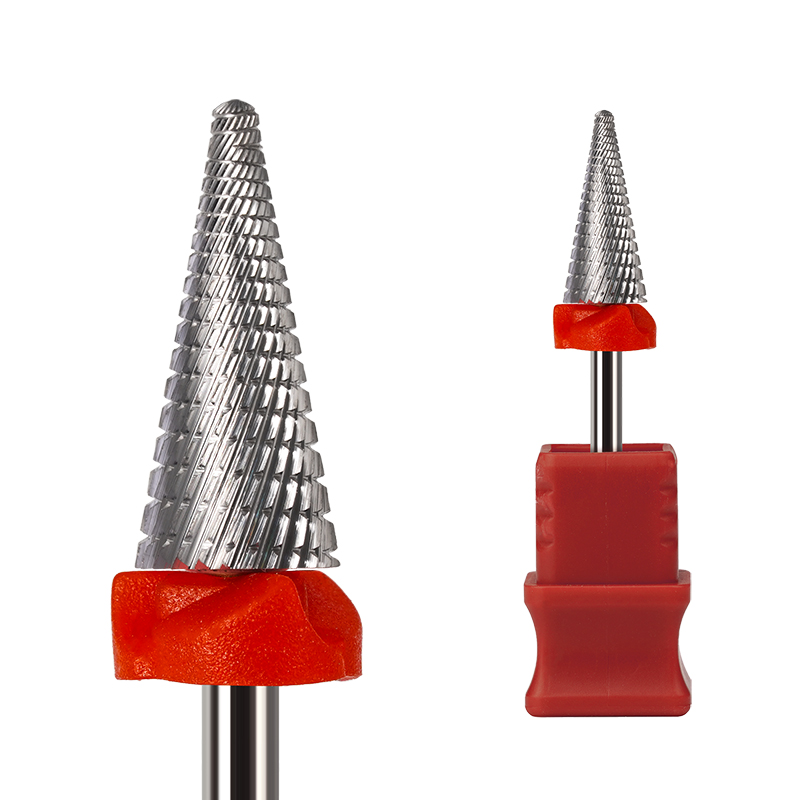
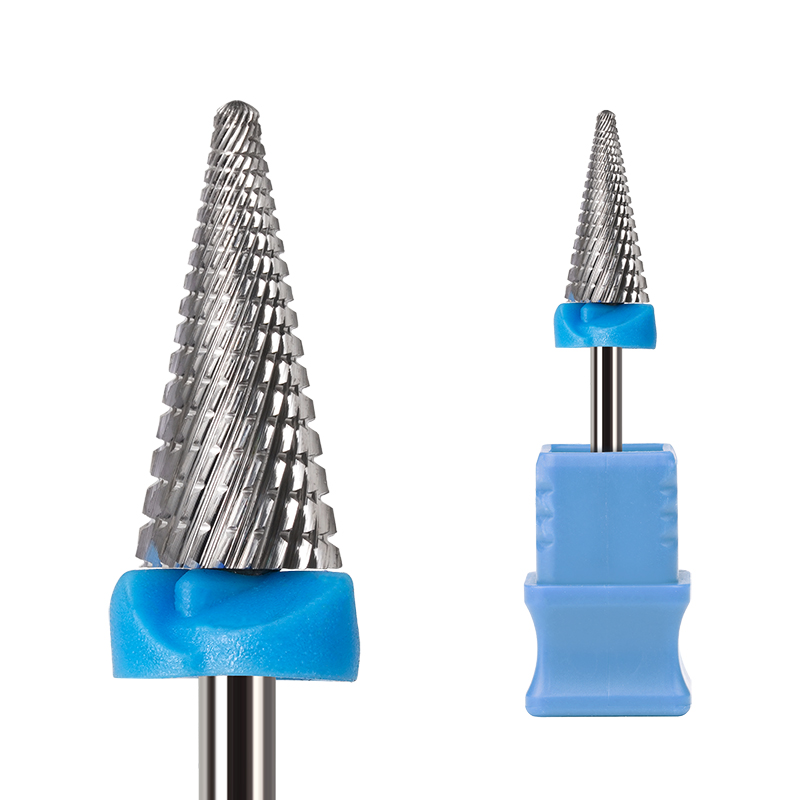
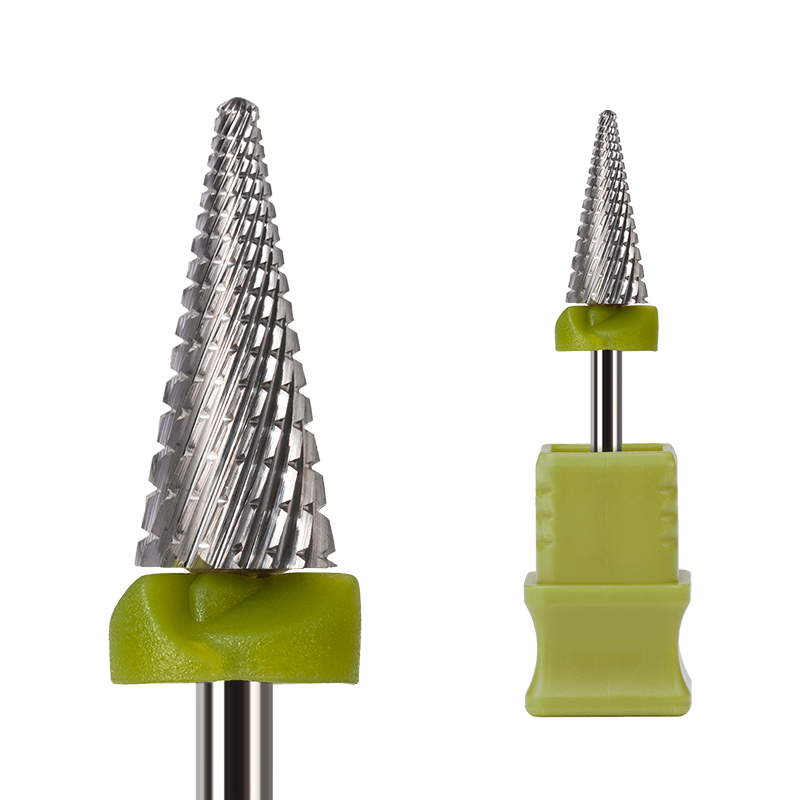
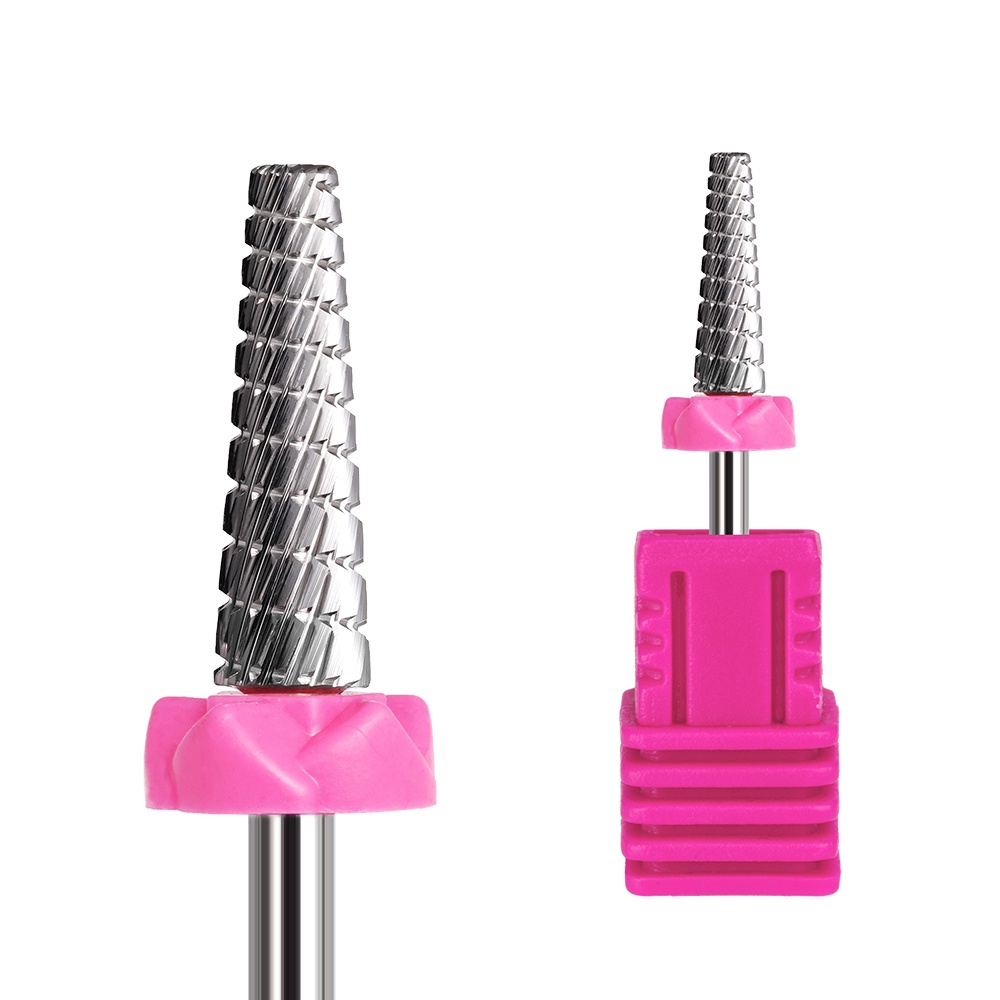
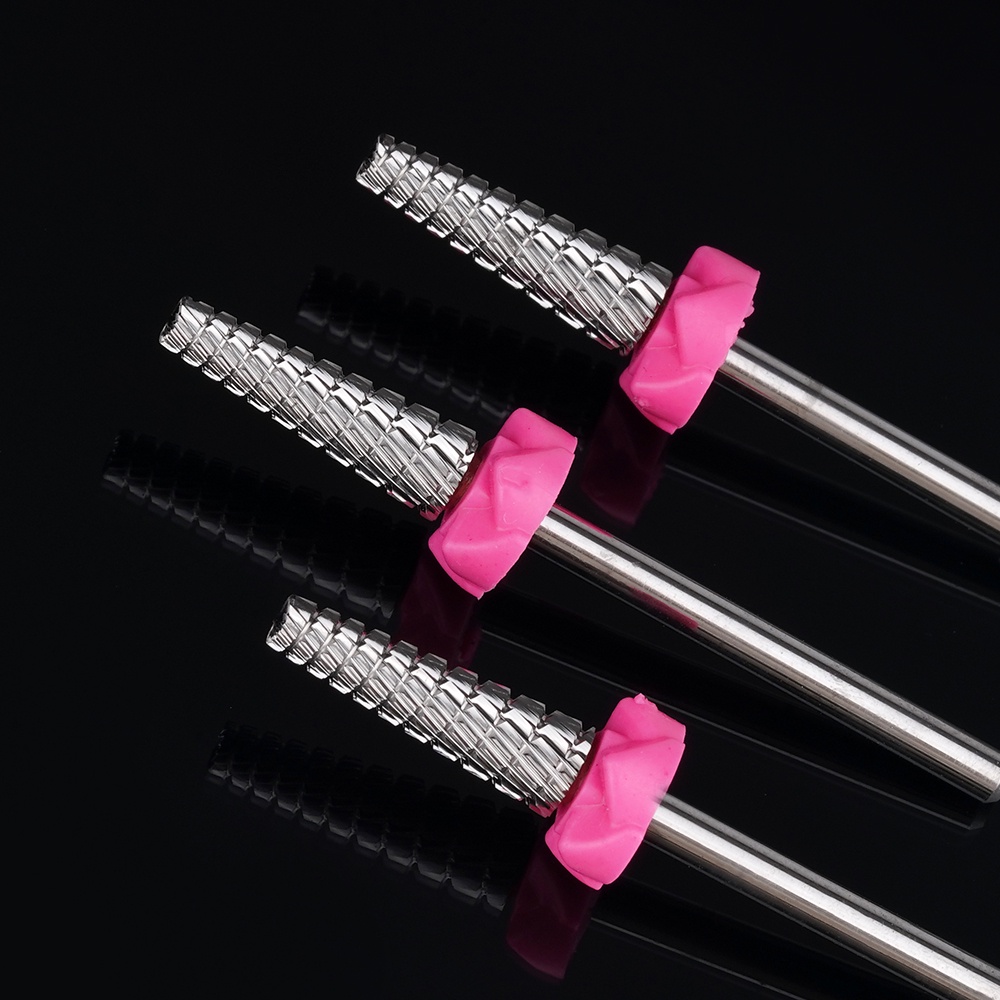
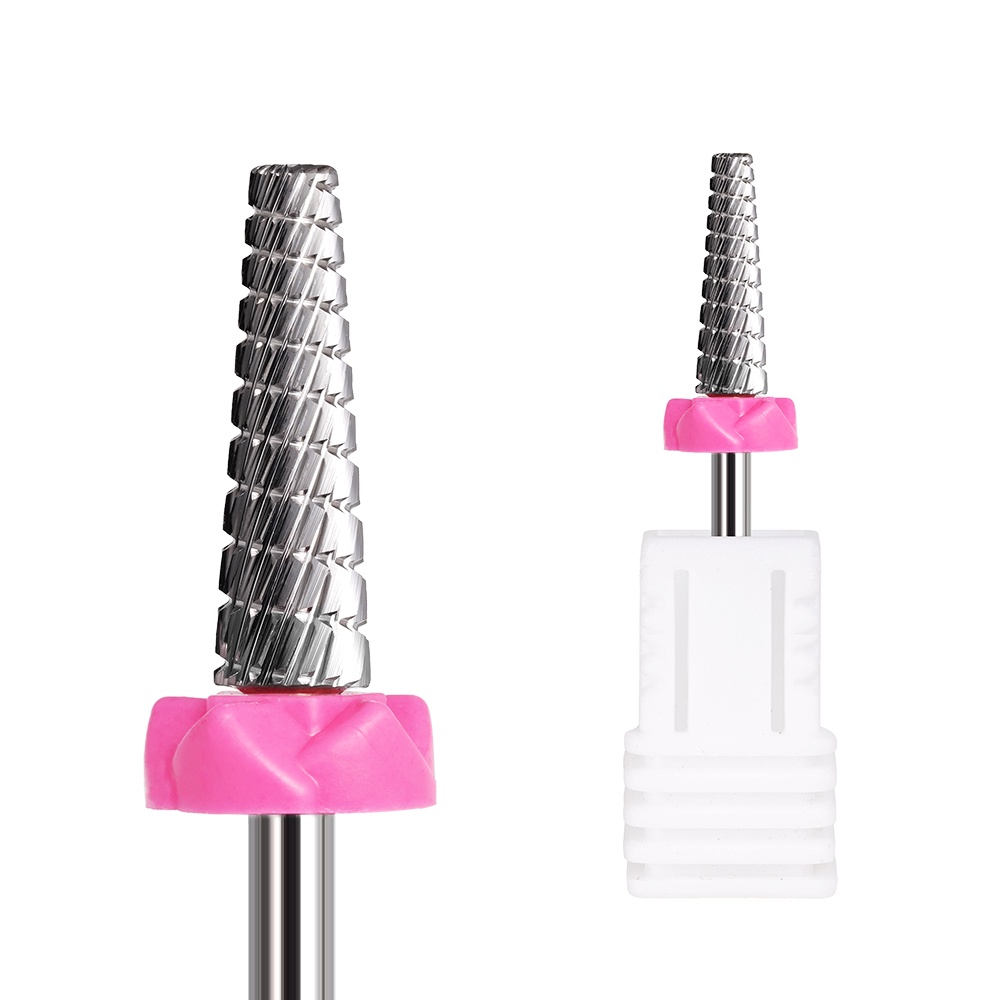
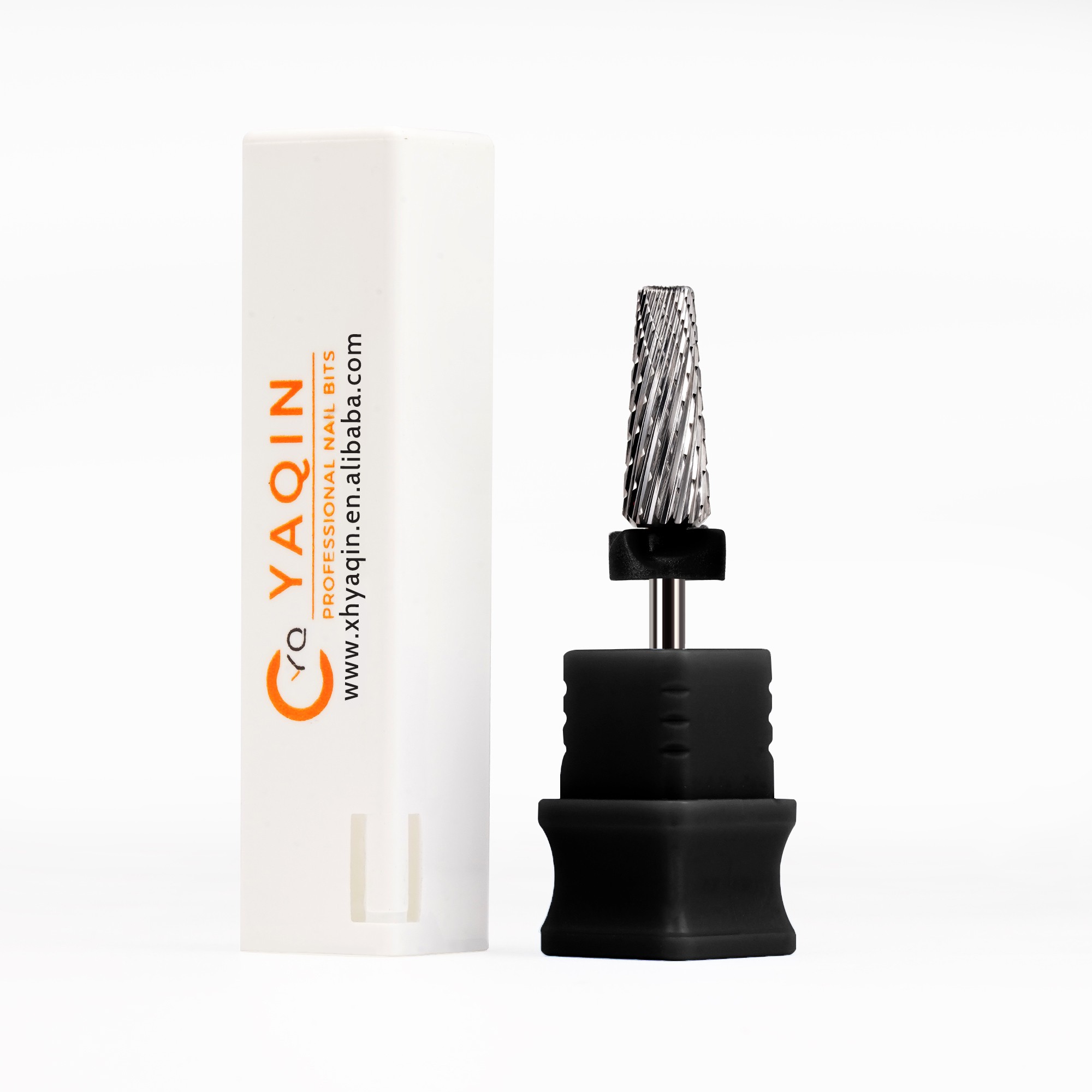
A carbide option such as Factory-Sell Tungsten Carbide Nail Drill Bits for Professional Use may be considered where the application calls for high hardness, stable grinding, and efficient gel reduction. Material alone is not a cure for clogging, though. Even a well-made tungsten carbide bit will load up if it is pressed too hard, used on unsuitable material, or returned to service without being cleaned.
Storage is part of cutting performance
Many bits become a maintenance issue between appointments rather than during them. Tossing cleaned bits into a shared tray exposes them to dust, moisture, and impact. Carbide cutting edges are hard, but they can still chip if bits strike each other or fall onto a hard surface. A dedicated holder, labeled rack, or covered case helps prevent avoidable damage and makes it easier to separate cleaned tools from those waiting for processing.
It is also useful to organize bits by function: bulk removal, refining, surface smoothing, and specialty work. This reduces the chance that a bit loaded with heavy gel residue is picked up for a finishing step. In busy service environments, visual identification such as color coding can help, but any coating or logo customization should not replace a clear internal cleaning and inspection system.
If a recurring clogging complaint reaches the service desk, ask a few specific questions before approving a replacement: What product was being removed? Was the bit cleaned before the problem appeared? Did it become hot? Was there vibration? Is the bit used for more than one task? Those answers usually reveal whether the next action is cleaning, technique guidance, a different bit profile, or a genuine quality investigation.
Keep the diagnosis practical
Clean-cutting gel removal bits depend on open flutes, controlled contact, appropriate bit selection, and disciplined post-use care. The most expensive mistake is replacing bits that are merely clogged, then repeating the same operating pattern with the new set. Clean the bit first, inspect it closely, and test it again under normal conditions. If performance does not return and the teeth or shank show damage, replacement is justified. If it cuts cleanly after maintenance, the problem was not the carbide—it was the buildup.
News List
- Preventing Gouges and Uneven Filing With Small Barrel Nail Drill BitsSep 20, 2026
- How Diameter and Grit Affect Small Barrel Nail Drill Bit PerformanceSep 20, 2026
- Can Hytos Nail Drill Bits Be Used Safely on Natural Nails and Gel Polish?Sep 20, 2026
- How to Verify Fit Between Hytos Nail Drill Bits and an E-File HandpieceSep 20, 2026
- Safe Speed Settings for Umbrella Nail Drill Bits Around the Nail FoldSep 20, 2026
- Umbrella vs Flame Nail Drill Bits: Which Shape Offers Better Cuticle Control?Sep 20, 2026
Best-Selling Products
 Cross Cut Safety Stainless Steel Tungsten Carbide Nail Drill Bits Salon Foot Use XF-C Grit for Removing Nails
 First-rate Quality Tungsten Carbide Nail Drill Bits Best Coating Manicure Remove Gel Nails Accessories
 Professional Advanced Safety Cuticle Bits Two-Way Rotate 3/32'' Carbide Tungsten 5 in 1 Nail Drill Bits
 Wholesale 5 in 1 Electric Manicure Nail Drill Bits Various Coating Cone Cuticle Bit with Rotary Cross Cut for Nail Art
 New Slant Tooth Tungsten Steel Nail Drill Bits Dead Skin Removal 5-in-1 Universal Grinding Nail Polish Head Tool Nail Drill Bits
 4.0mm Small 5 in 1 Integrated Sharpe Tungsten Nail Drill Bit Straight Teeth Gel Polish Removal
 Flame Sharp XF F M C XC Silver Safety Professional Corn Tungsten Carbide Nail Bit for Drill Machine Accessories
 Factory Direct 5 in 1 Tungsten Carbide Nail Drill Bits 6.8MM Cross Cut Safety Manicure 5 in 1 Nail Drill Bits
Please give us a message