
Wholesale Nail Drill Bit Pricing: Which Specs Affect Cost and Repeat Orders?
Wholesale Nail Drill Bit Pricing: Which Specs Affect Cost and Repeat Orders?
For buyers comparing Wholesale Nail Drill Bit options, pricing rarely comes down to one simple line on a quotation sheet. Two suppliers may offer bits that look nearly identical in photos, yet the actual landed cost, service life, complaint rate, and reorder stability can be very different. That gap usually comes from specifications hiding behind the sample: material grade, grit, flute design, shank tolerance, coating, packaging method, and whether OEM customization is involved.
For procurement teams, this matters because the lowest unit price is not always the lowest purchasing cost. If a batch wears out too fast, creates vibration, arrives with inconsistent finishing, or triggers returns from salons and distributors, the “cheap” order becomes expensive very quickly. On the other hand, when the right specs are chosen from the beginning, repeat orders tend to be smoother, forecasting becomes easier, and customer trust grows with far less friction.
Why nail drill bit pricing often feels inconsistent
Buyers in the beauty tools and daily-use light industry often notice that quotations for the same general bit type can vary more than expected. The reason is simple: “nail drill bit” is a category, not a single specification. Even within one shape, the manufacturing route can change cost significantly.
A tungsten carbide bit, for example, may differ in carbide grade, cutting precision, balance, and coating quality. A ceramic bit may vary by density and brittleness. Even basic details such as whether the bit is individually packed or bulk packed can change the final quotation, especially for wholesale orders crossing multiple markets with different retail expectations.
When buyers compare offers without aligning the full specification sheet, they may believe they are reviewing equivalent products when they are not. That is often where later disputes begin.
The specifications that most directly affect cost
1. Material: the biggest cost driver, but not the only one
Material is usually the first pricing lever. Tungsten carbide generally costs more than basic alloy options because it offers higher hardness, stronger wear resistance, and better grinding efficiency. For professional salon channels or distributors serving frequent-use technicians, that difference often makes commercial sense. A bit that lasts longer and cuts more consistently may justify a higher ex-factory price by reducing replacement frequency.
However, buyers should not stop at “carbide” as a label. The consistency of the raw material and production quality control have a direct impact on actual performance. A lower-grade carbide bit may still carry the same category name while delivering a very different lifespan.
2. Grit level and cutting pattern
Coarse, medium, and fine grit versions are not just user preferences; they can alter manufacturing complexity and reorder behavior. Coarser patterns may remove product faster, while finer surfaces are often selected for smoothing and finishing. If your market includes both salon professionals and retail-oriented DIY users, the mix of grit levels can influence inventory planning as much as production cost.
Bits with more intricate flute designs or multi-function cutting geometry may carry a higher price because they require more precise machining. Yet these versions often generate stronger repeat orders when end users appreciate the convenience of one bit handling shaping, smoothing, and finishing in a single workflow.
3. Shank size tolerance and compatibility
A specification many buyers underestimate is shank accuracy. Standard 3/32" shanks are common, but manufacturing tolerance still matters. If the shank is slightly inconsistent, users may experience wobble, unstable rotation, excess heat, or poor machine compatibility. That can lead to quality complaints even when the abrasive head itself is acceptable.
Precision control in this area may add production cost, but it protects reorder potential. Buyers supplying professional channels should treat dimensional stability as a practical cost factor, not a technical footnote.
4. Coating and surface finish
Gold, rainbow, titanium-style, or other coated finishes can influence both appearance and function, depending on the process used. In some markets, surface color supports shelf appeal and brand positioning. In others, coating is mainly associated with smoother operation and added wear resistance.
What matters for procurement is whether the coating is stable and uniform across batches. Decorative inconsistency can damage retail presentation. Functional inconsistency can affect user experience. Both increase after-sales risk.
5. Noise, balance, and working comfort
Salon technicians care about more than cutting speed. A bit that runs quietly and smoothly can feel noticeably better over a full day of appointments. That user experience is influenced by the bit’s balance, machining precision, and support structure. These features are harder to see in photos, but they often explain why one supplier’s price is higher than another’s.
For distributors building long-term salon business, comfort-related performance can drive repeat purchases more reliably than aggressive entry pricing.
What raises the quote beyond the bit itself
Some cost factors sit outside the core product but still shape the final wholesale price.
Packaging method
Individual packaging adds material and labor cost, but it protects the bit during transport and presents better at retail or in distributor stockrooms. It can also reduce scratching, coating damage, and mix-ups between grit types. For export business, especially across long shipping routes, better packaging often pays for itself by lowering damaged-goods issues.
OEM and ODM requirements
Custom logo application, special head color, private label packaging, barcode stickers, and custom inserts all increase complexity. The added cost may be modest per piece or more visible on smaller order quantities, depending on the customization method. Still, for buyers building a private brand, these features can improve perceived value and reorder loyalty in the downstream market.
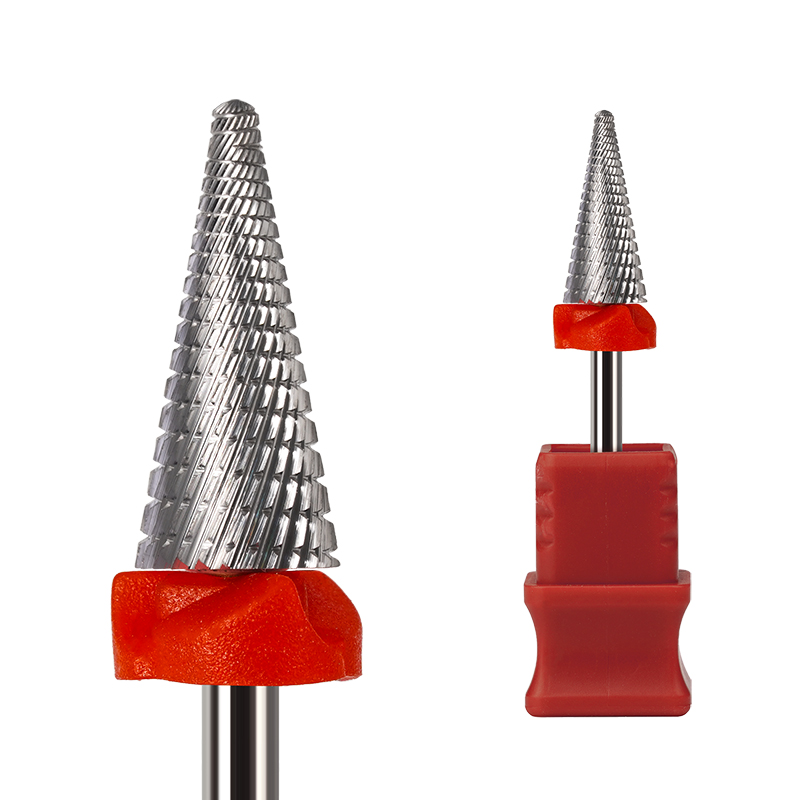
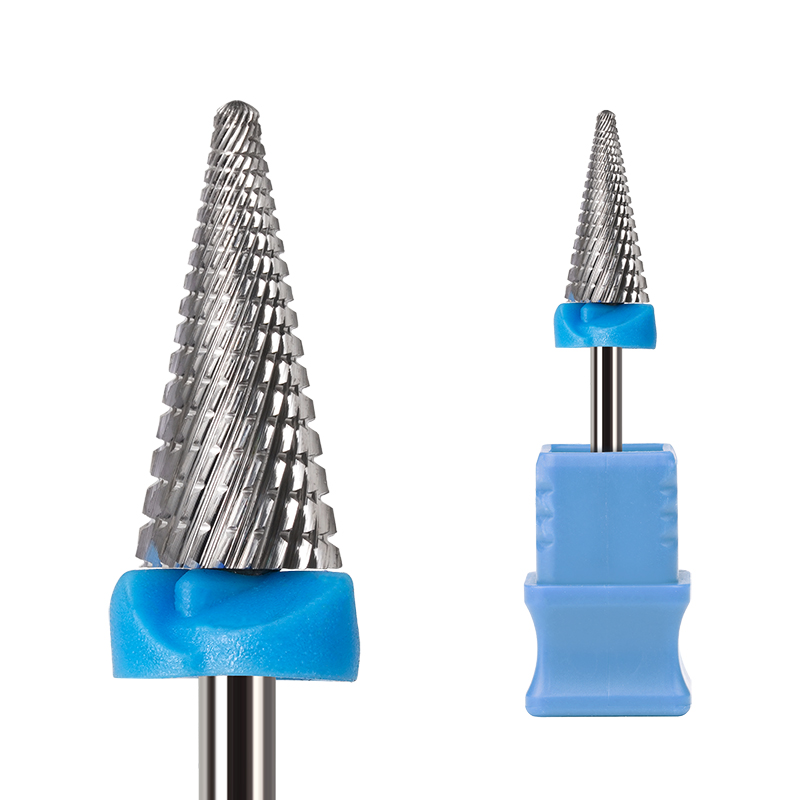
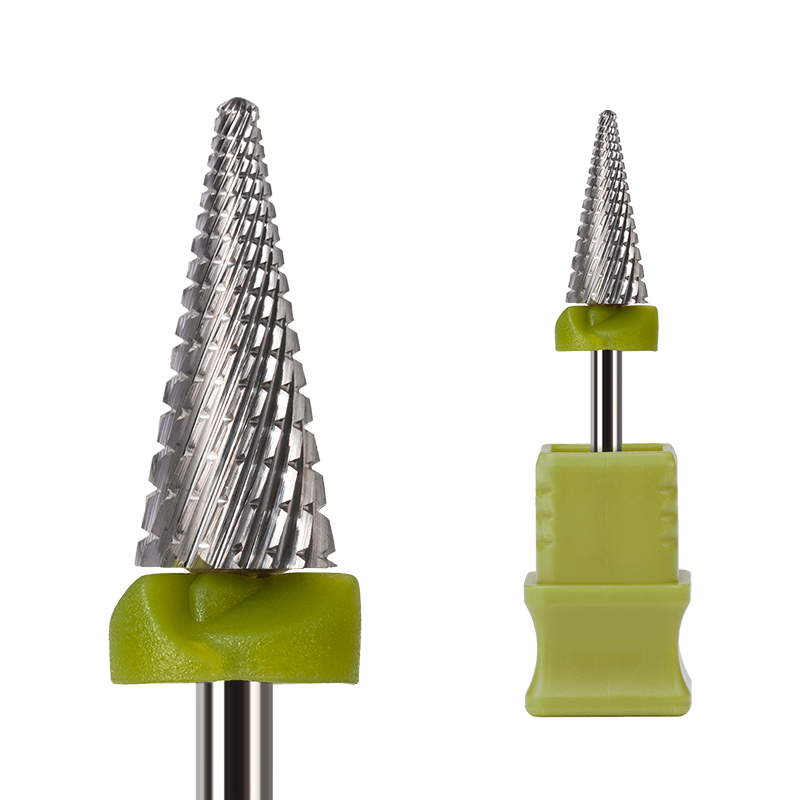
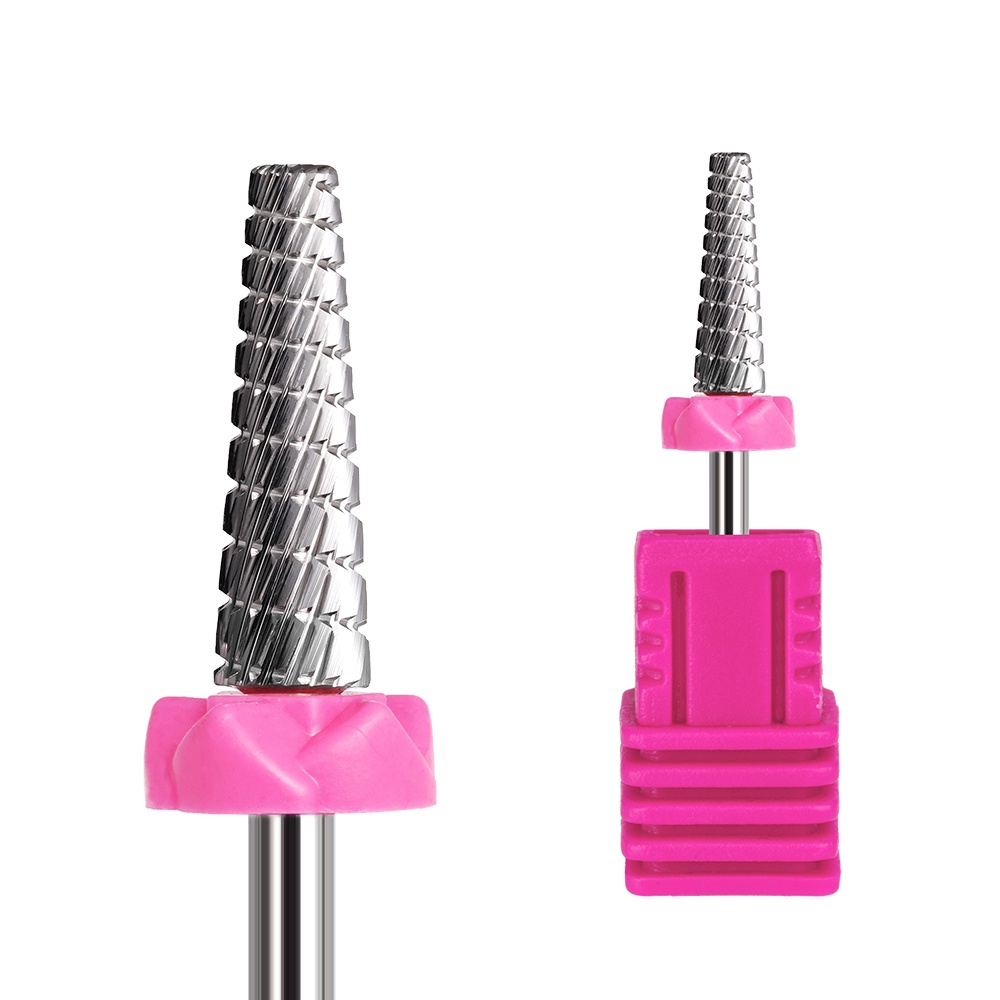
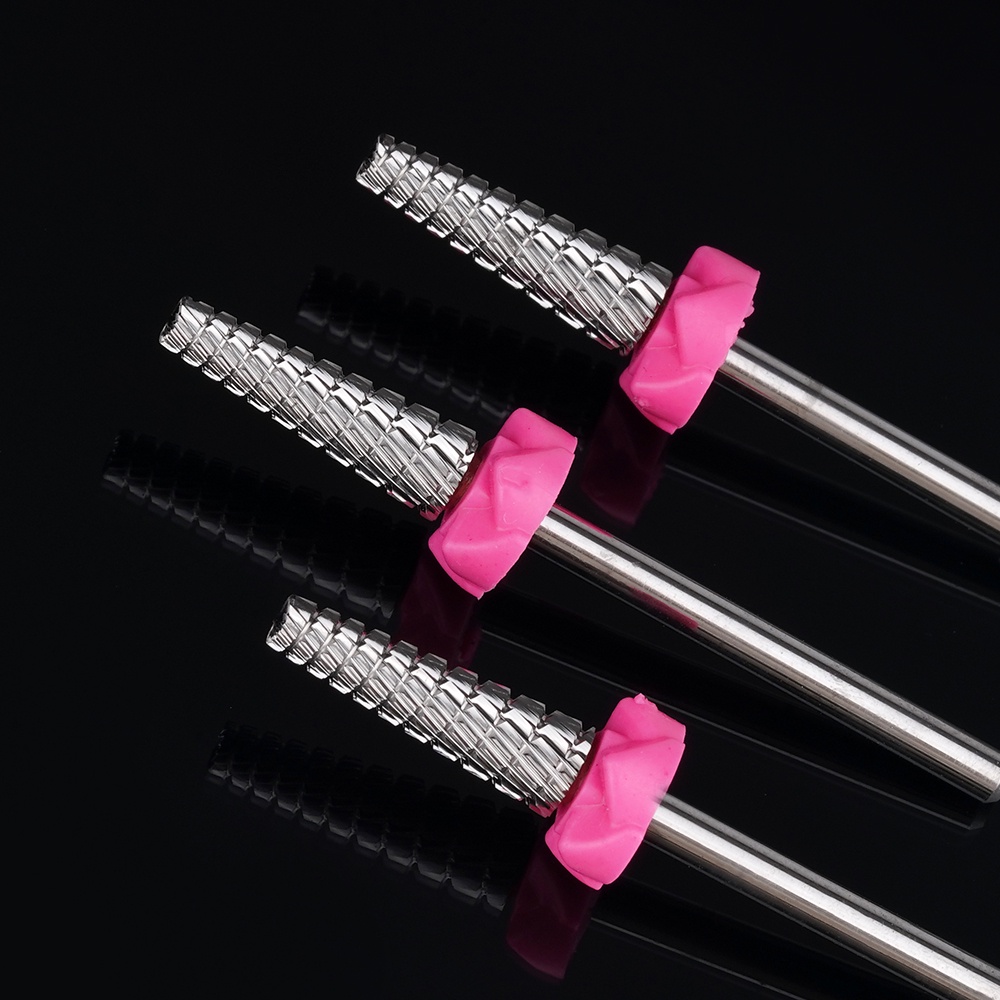
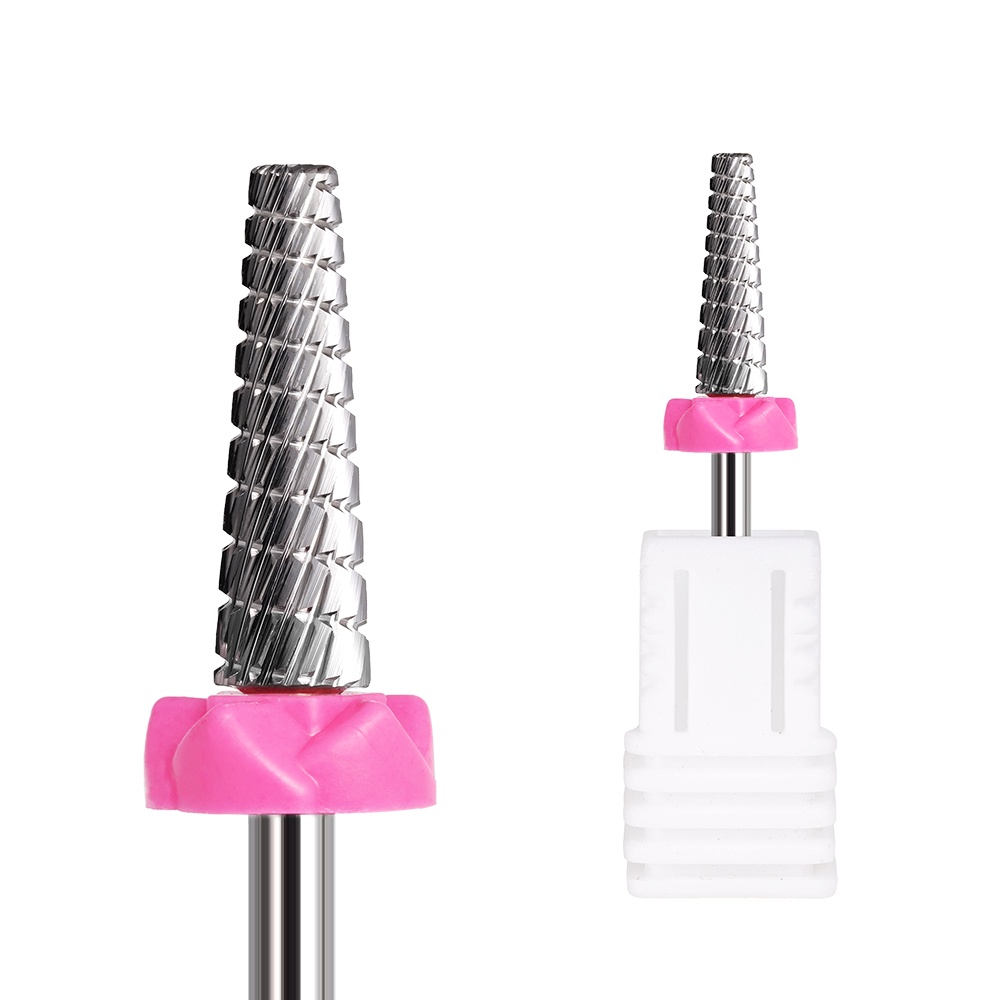
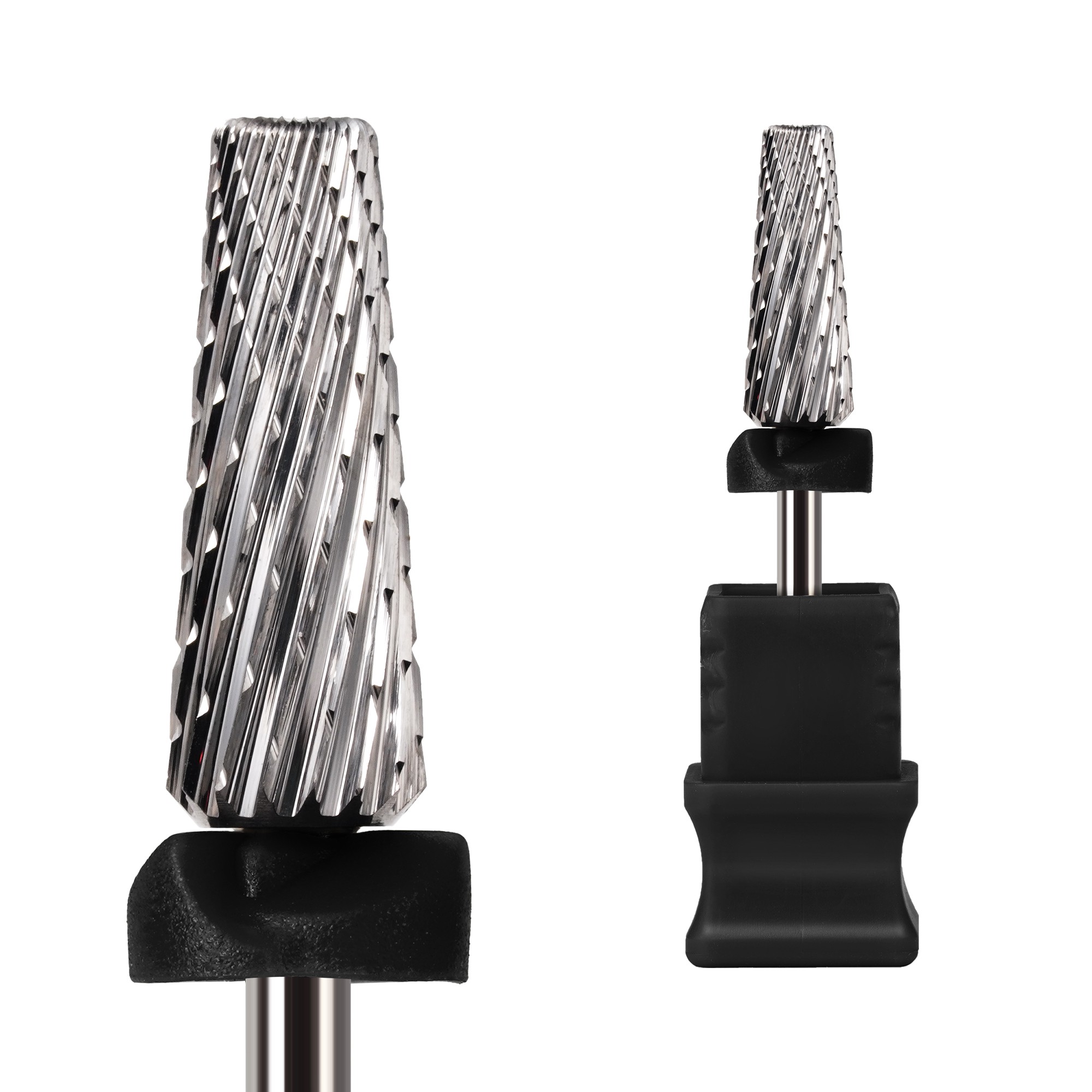
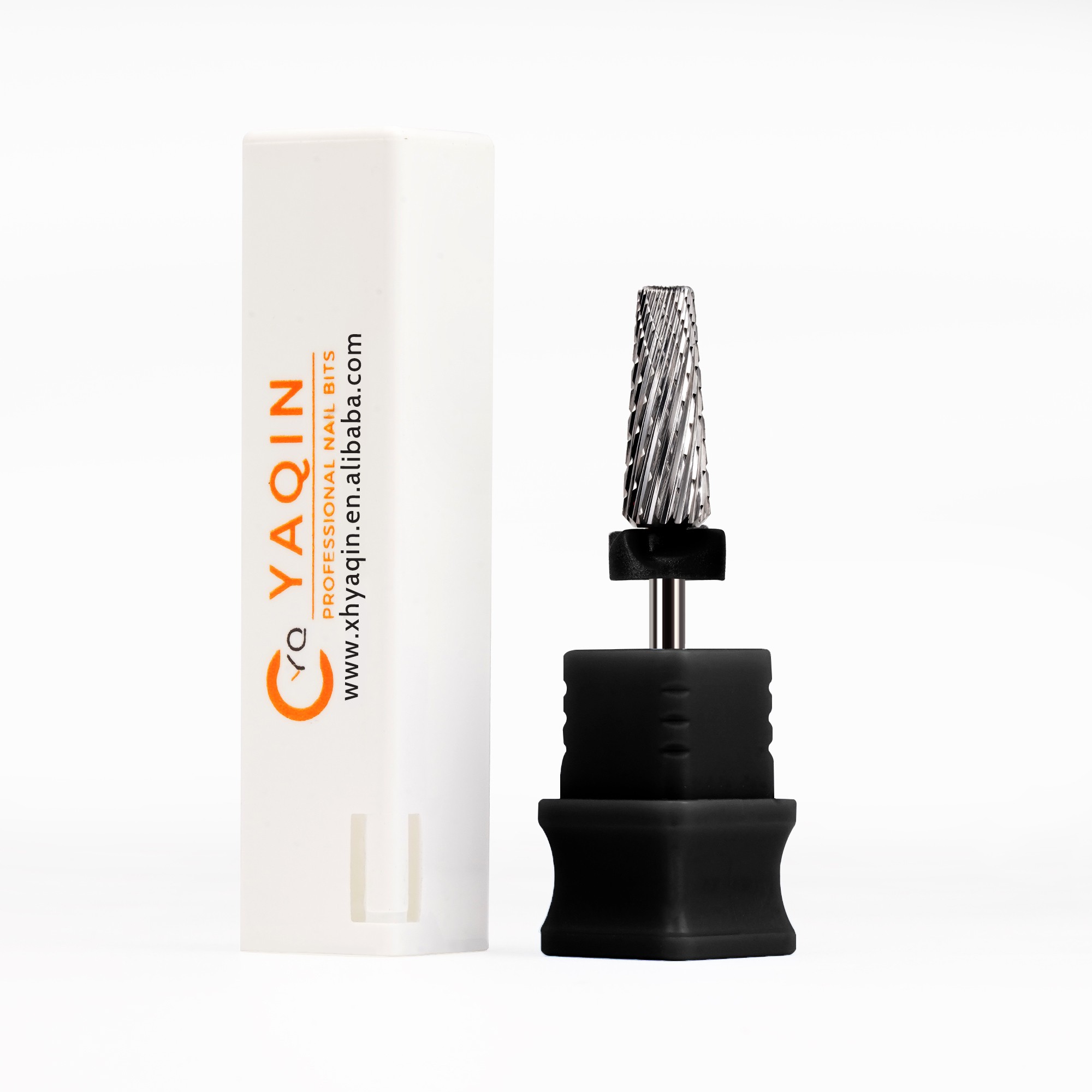
This is where a product like the 5 In 1 Pro Gold Tungsten Carbide Nail Drill Bit reflects how specification and commercial value intersect. A multi-use design, gold finish, durable tungsten carbide construction, and options for color or logo customization can place the item at a higher wholesale level than a standard bit, but it may also support stronger sell-through if your customers prioritize versatility and presentation.
Inspection standard and consistency control
Buyers often focus on the quoted sample and forget to ask how consistency is maintained in mass production. Factories with stricter QC procedures typically invest more in raw material screening, process checks, and packing review. That can influence price, but it also reduces the chance that reorder lots drift away from the approved sample.
For international procurement, consistency matters as much as the first order. A good sample without stable reproduction is not a strong supply solution.
Which specs matter most for repeat orders?
If the goal is not just one shipment but a healthy reorder cycle, a few specifications tend to matter more than others.
- Durability in real use: Salons and technicians remember whether the bit lasts.
- Stable cutting feel: Excess vibration or uneven grinding quickly leads to complaints.
- Clear function positioning: Buyers reorder faster when a product’s use case is easy to explain to customers.
- Reliable finish quality: Appearance still matters, especially for premium or retail-ready channels.
- Consistent packaging: Better organization reduces warehouse confusion and returns.
In other words, the specs that help repeat orders are not always the ones that create the strongest first impression in a catalog. Buyers may be tempted by visual styling or a low opening quote, but end-user experience usually decides whether the next purchase happens.
How procurement teams should compare wholesale offers
A practical comparison method is to stop asking only “What is your best price?” and instead ask “What exactly is included in this price?” That shift changes the discussion from surface-level negotiation to supply clarity.
When reviewing a Wholesale Nail Drill Bit quotation, buyers should confirm:
- Material type and grade
- Grit or flute specification
- Shank size and tolerance standard
- Coating type and color consistency expectations
- Packaging method: bulk or individual
- Customization scope for logo, head color, and labeling
- Inspection process before shipment
- Batch consistency approach for repeat orders
This helps avoid a common problem in wholesale purchasing: approving a sample that is not fully tied to a production specification. If the quotation and approval standard are not synchronized, future quality conversations become difficult.
Balancing low cost and low risk
There is nothing wrong with pursuing an aggressive cost target. In many distribution models, margin pressure is real, and nail tool categories can be highly competitive. But the more useful procurement question is whether a lower-priced bit reduces total business risk or increases it.
A lower-cost option may be the right choice for promotional bundles, price-sensitive retail, or entry-level markets. A more refined bit may be smarter for salons, professional supply stores, or private-label lines where reputation matters more than a small price difference. The correct answer depends on channel, expected usage frequency, and the level of after-sales tolerance in your market.
That is why many buyers divide purchasing plans by application instead of trying to force one specification across every customer type.
What experienced suppliers bring to the pricing conversation
Pricing becomes easier to judge when the supplier understands export realities, not just manufacturing. Wuxi Yaqin Trading Co., Ltd. has focused on producing and exporting abrasive products with a market presence across the USA, Canada, Germany, the UK, Italy, Poland, and many other countries. For procurement teams, that kind of background matters because it usually means the supplier is familiar with packaging expectations, product consistency concerns, and the practical details that affect international repeat business.
Equally important is process control. A complete QC system covering raw material purchasing, production, and product packing helps buyers reduce uncertainty between the approved sample and the delivered order. For OEM and ODM projects, experience also matters because customization can quickly become the hidden source of delays or mismatch if communication is weak.
In this category, one-stop coordination from production to delivery is not just a convenience. It can reduce handoff errors and make reorder management more predictable.
A final buying lens: cost per useful cycle, not just cost per piece
When buyers evaluate a nail drill bit only by unit price, the decision looks simple. When they evaluate it by useful service life, user comfort, complaint rate, and reorder confidence, the picture becomes more honest. A bit that shapes, smooths, and polishes effectively, stays stable during use, and arrives well protected can create more value than a cheaper alternative that causes friction after delivery.
That is especially true for multifunction models built for professional handling. A wholesale bit with high hardness, efficient grinding, low noise, and precise control may sit at a different price point, but if it gives technicians a better working experience and reduces replacement frequency, the commercial result can be stronger over time.
For procurement teams sourcing Wholesale Nail Drill Bit products, the smartest path is not to chase the lowest visible quote. It is to identify which specifications truly affect performance, channel fit, and repeat orders—then buy against those priorities with a clear, stable specification standard. That is where better margins and fewer problems usually begin.
News List
- Is It Better to Source All Nail Drill Bits From One Factory?Aug 24, 2026
- How to Spot Fake Diamond Coating on Nail Drill BitsAug 24, 2026
- Are Silicone Nail Drill Bits Reusable After Sterilization?Aug 24, 2026
- Essential tools for manicures that make beginner work more consistentAug 24, 2026
- Which must-have items for nail technicians improve service speed mostAug 24, 2026
- How gel removal bits affect speed and heat during soak-off removalAug 24, 2026
Best-Selling Products
 Cross Cut Safety Stainless Steel Tungsten Carbide Nail Drill Bits Salon Foot Use XF-C Grit for Removing Nails
 First-rate Quality Tungsten Carbide Nail Drill Bits Best Coating Manicure Remove Gel Nails Accessories
 Professional Advanced Safety Cuticle Bits Two-Way Rotate 3/32'' Carbide Tungsten 5 in 1 Nail Drill Bits
 Wholesale 5 in 1 Electric Manicure Nail Drill Bits Various Coating Cone Cuticle Bit with Rotary Cross Cut for Nail Art
 New Slant Tooth Tungsten Steel Nail Drill Bits Dead Skin Removal 5-in-1 Universal Grinding Nail Polish Head Tool Nail Drill Bits
 4.0mm Small 5 in 1 Integrated Sharpe Tungsten Nail Drill Bit Straight Teeth Gel Polish Removal
 Flame Sharp XF F M C XC Silver Safety Professional Corn Tungsten Carbide Nail Bit for Drill Machine Accessories
 Factory Direct 5 in 1 Tungsten Carbide Nail Drill Bits 6.8MM Cross Cut Safety Manicure 5 in 1 Nail Drill Bits
Please give us a message