
Wholesale Electric Nail File Selection Tips for Beauty Distributors and Importers
Wholesale Electric Nail File Selection Tips for Beauty Distributors and Importers
For distributors and importers, sourcing a wholesale electric nail file is not mainly about finding the lowest factory quote. It is about deciding whether a product line can hold up across different user groups, return rates, regulatory expectations, and after-sales pressure. In beauty tools, especially those used repeatedly in salons, a weak selection decision tends to surface later as vibration complaints, overheating, inconsistent torque, excessive noise, short motor life, or accessories that do not match the machine in actual use.
That is why buyers searching this topic are usually trying to answer a more practical question: which electric nail file setup is commercially reliable enough to scale across channels, but still flexible enough to fit the price band and service expectations of their market. The answer depends less on headline specifications and more on how the machine, bits, packaging, quality control, and supplier support work together.
Why this category deserves closer evaluation
Electric nail files sit in an interesting position within the light industrial daily-use sector. They are small, portable, and relatively easy to source, but the buying risk is higher than many first-time importers expect. A handpiece may look acceptable in samples yet fail under salon-frequency usage. A distributor may approve the main unit, only to discover later that the included drill bits wear too quickly, generate excess heat, or create poor user feedback because their cut pattern does not suit local technician habits.
For that reason, distributors should treat the product as a working system rather than a single SKU. The control box, handpiece, speed stability, bit compatibility, heat management, packaging durability, and consumable replenishment all affect commercial performance. This is especially true for buyers supplying professional salons, training centers, and beauty wholesalers, where end users are quick to notice differences in handling and removal efficiency.
Start with the market you actually serve
Before comparing suppliers, it helps to sort your demand into three broad channels: entry-level retail, professional salon supply, and mixed distribution. Each channel values different things, and many procurement mistakes happen when buyers apply one channel’s logic to another.
Entry-level retail tends to be more price-sensitive and more tolerant of moderate power, as long as the device is easy to use and visually presentable. Professional salon customers usually care more about torque consistency, low vibration, handpiece comfort, and accessory life. Mixed distributors often need a layered portfolio: one model for volume turnover and another for recurring salon orders with better durability and lower complaint risk.
If your customers are mainly professionals, choosing based on maximum RPM alone is a weak filter. In practice, stable output under load matters more than an impressive no-load speed claim. A machine that advertises high speed but loses efficiency during gel removal creates dissatisfaction very quickly. For importers, this often translates into avoidable replacement requests and damage to channel trust.
What to evaluate beyond the headline spec sheet
Most factories can provide standard parameter sheets, but selection quality improves when buyers test around actual use conditions. Four areas usually matter more than they first appear.
1. Handpiece stability and vibration control
This is one of the most important yet under-screened factors. Excess vibration affects precision, user fatigue, noise perception, and long-term component wear. In salon environments, even small instability becomes visible after long sessions. Ask for trial runs under extended use rather than brief demo operation. A machine that feels acceptable for two minutes may behave differently after repeated cycles.
2. Heat buildup during continuous work
Overheating is a practical commercial problem, not just a technical one. It affects user safety perception and often drives warranty claims. For distributors, it is worth asking suppliers how they test continuous use, what temperature controls are in place, and whether failure patterns have been tracked by batch. Claims such as “professional grade” are not very meaningful without this context.
3. Torque consistency under removal tasks
Electric nail files are often judged by how they perform when removing gel, base layers, acrylic residue, or dead skin around demanding areas. Machines that stall easily or fluctuate under pressure create a poor user experience even if the nominal speed looks competitive. This is where sample testing with real consumables is more useful than comparing catalog language.
4. Noise, ergonomics, and serviceability
In repeated-use environments, the perceived quality of a tool is strongly influenced by handling comfort. Buyers should look at handpiece weight, grip shape, cable flexibility, and whether routine replacement parts are available. Serviceability matters because a good distribution business depends not only on first sale, but on whether the product line can be maintained efficiently once it enters the market.
The accessory issue buyers often underestimate
Many importers focus heavily on the main electric nail file and treat bits as a minor add-on. That is usually a mistake. In real use, the bit directly affects removal speed, finish quality, heat generation, dust behavior, and the user’s sense of safety. A decent machine paired with poor consumables can still fail commercially.
When reviewing accessory compatibility, buyers should pay attention to material quality, edge retention, tooth design, application fit, and consistency across batches. For example, in gel removal and nail preparation, carbide bits made from tungsten-based materials are often preferred in professional settings because they offer better hardness and durability than low-grade alternatives, though performance still depends on manufacturing quality and cut geometry.
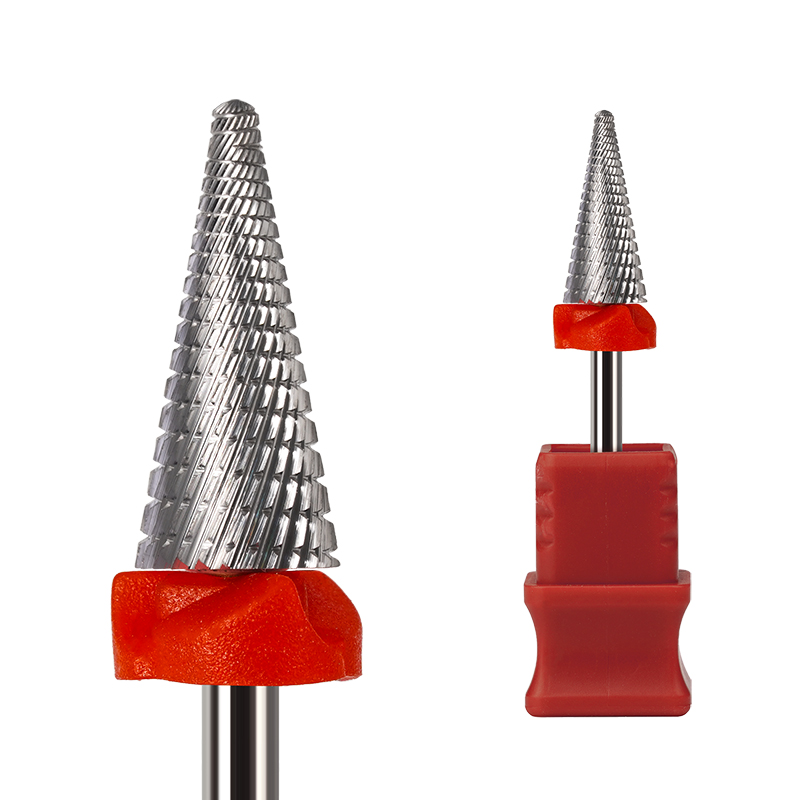
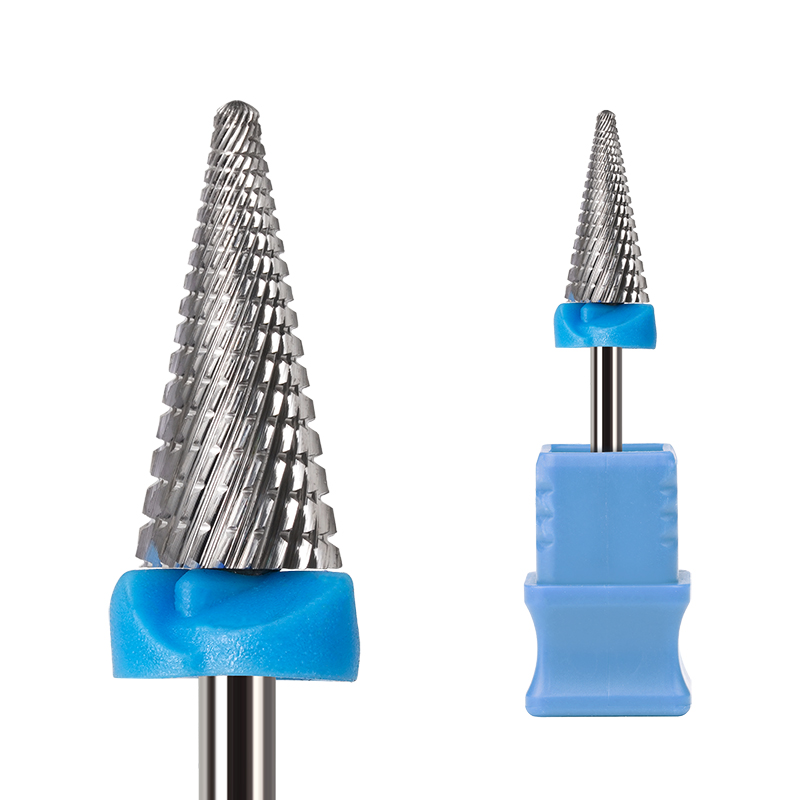
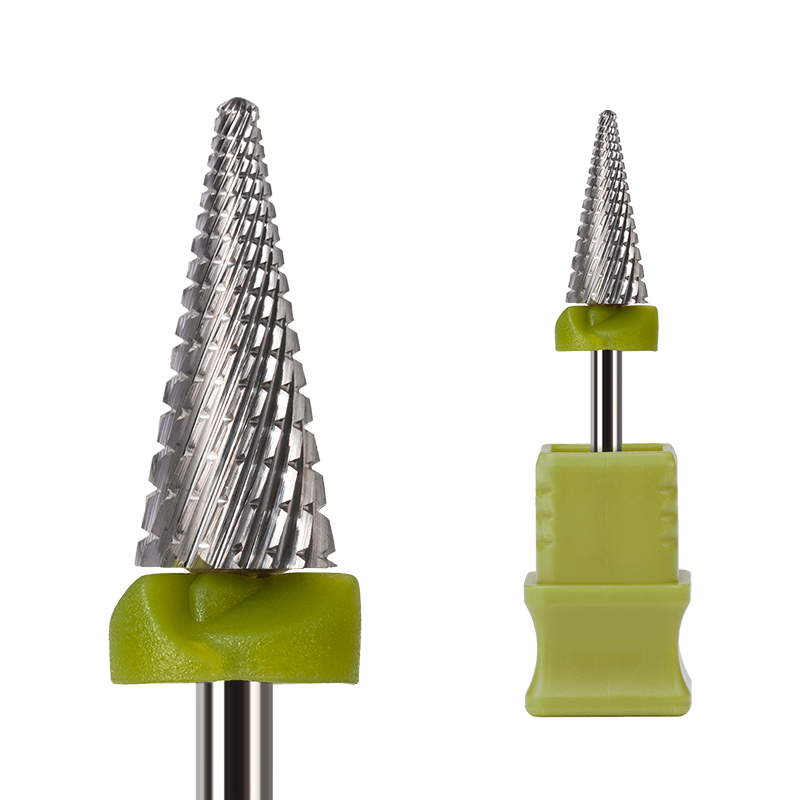
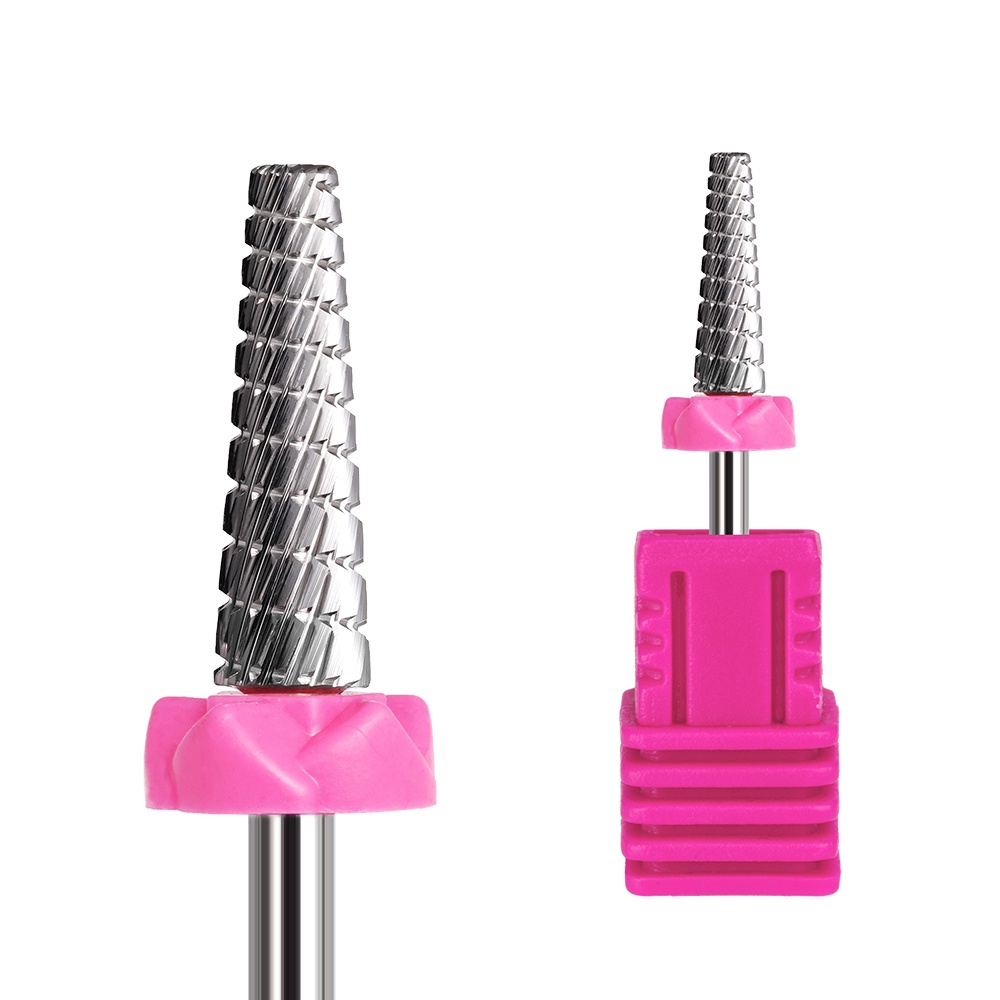
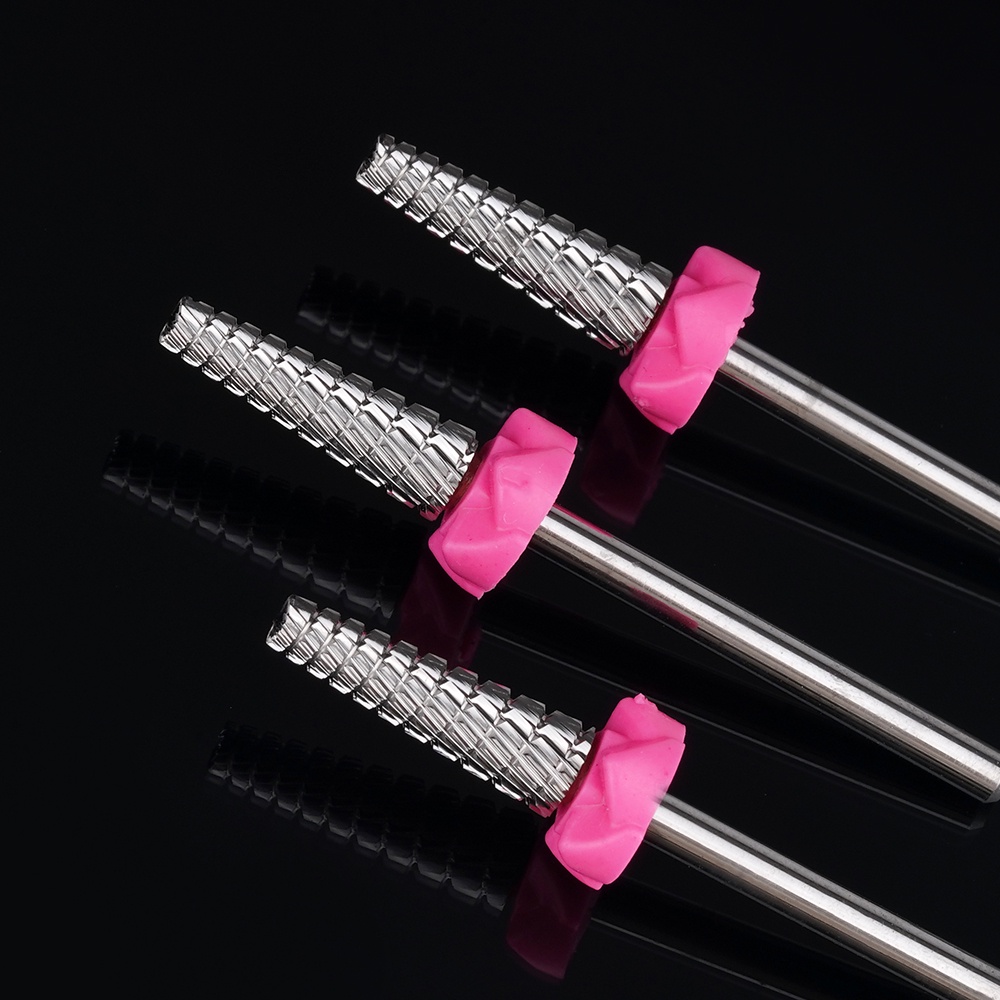
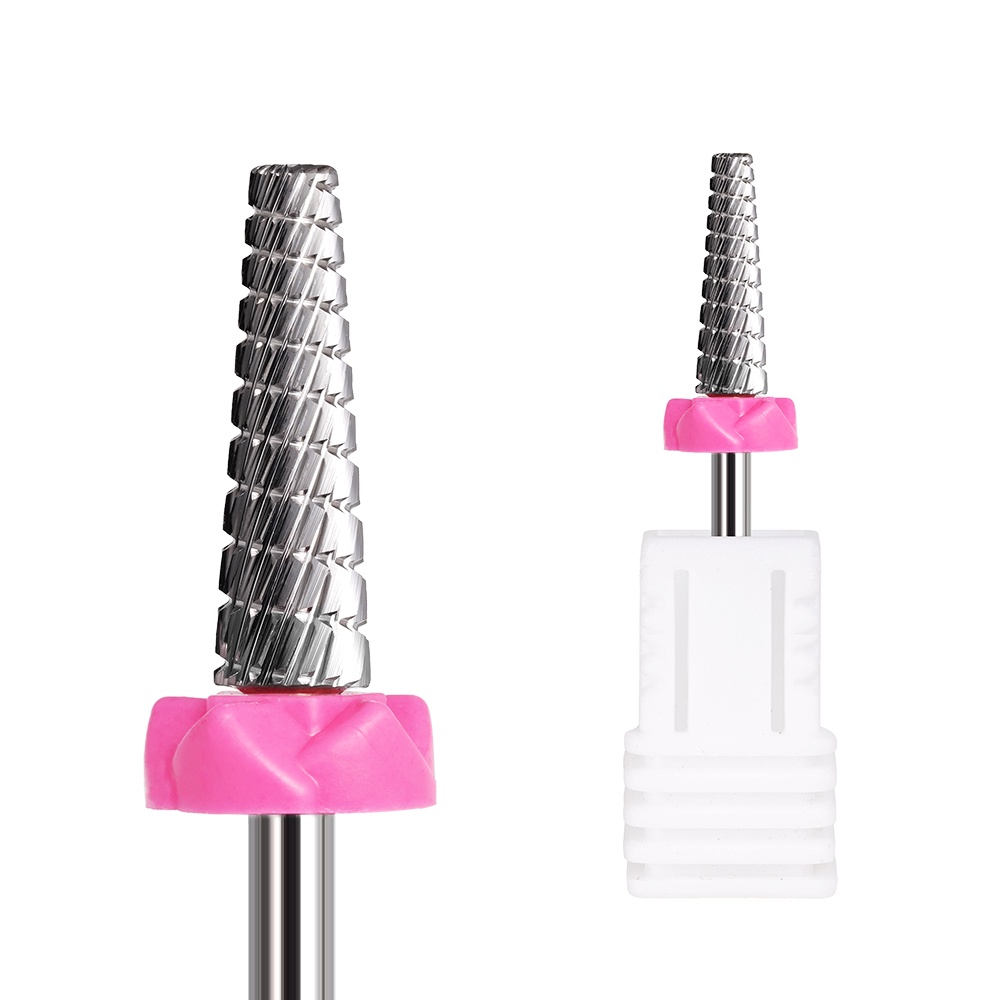
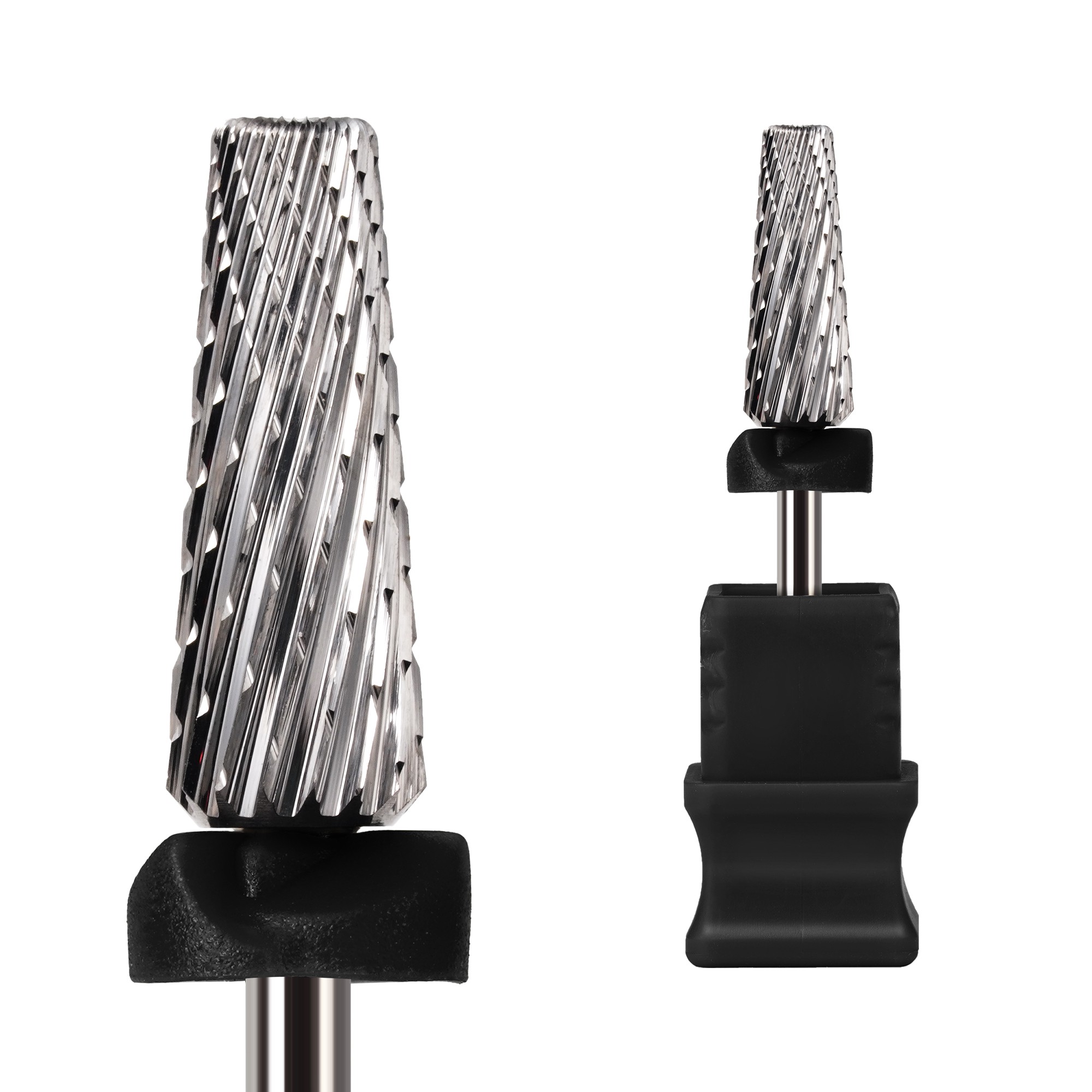
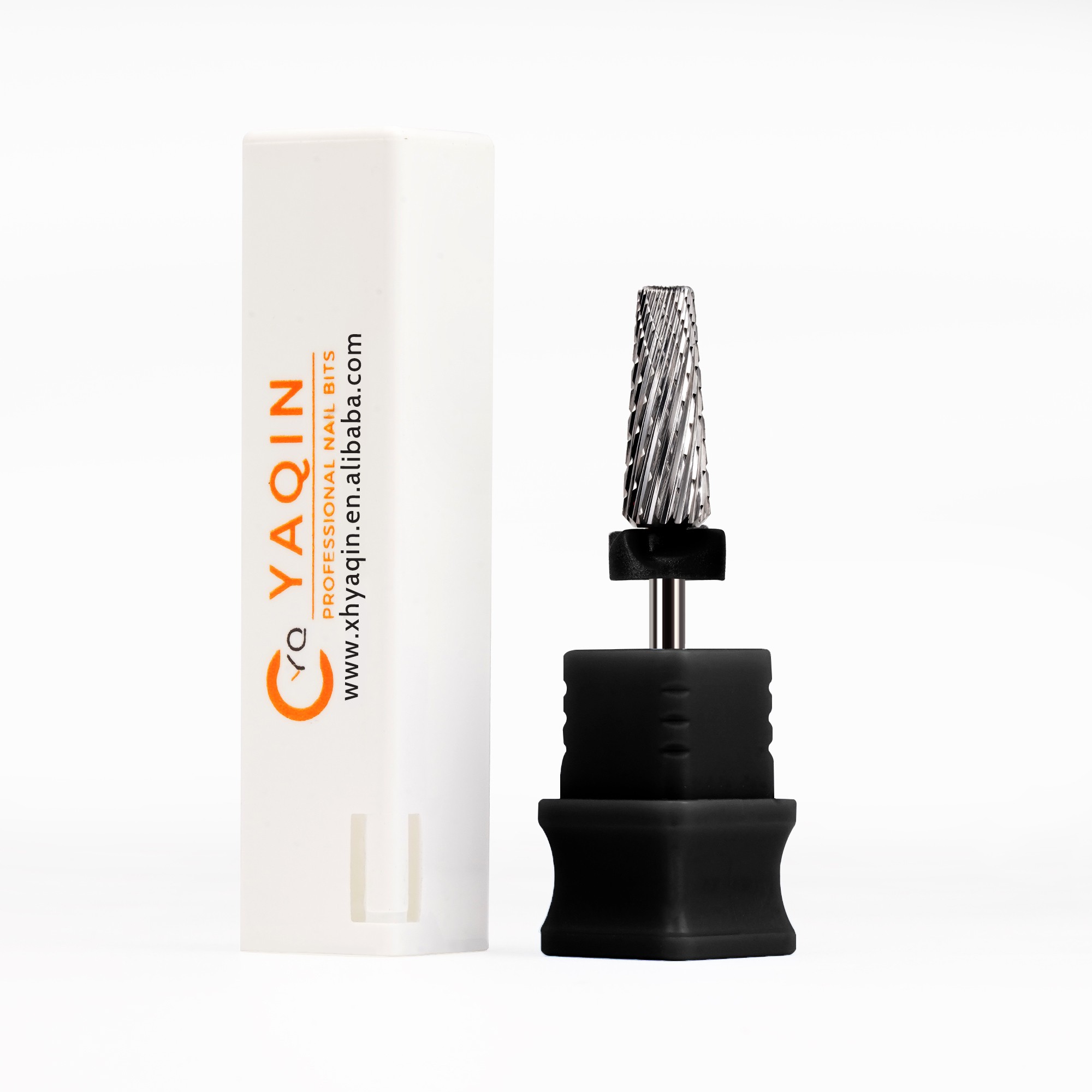
In some portfolios, it makes sense to evaluate accessories such as Golden Flat Tip Carbide 4XC Nail Drill Bit Gel Remover Skewed Tooth as part of the overall package rather than as an afterthought. The reason is not branding; it is application logic. A flat-tip carbide bit with a stable grinding surface and controlled dust ejection may suit distributors serving salon users who need efficient hard gel and soft gel removal without pushing too much risk onto the natural nail or surrounding skin. That kind of accessory decision can have a measurable effect on customer retention.
Quality control is where supplier differences become visible
In this category, many suppliers can produce a visually similar unit. The real separation often appears in process control. Buyers should ask how raw materials are screened, how motor performance is checked, how handpieces are tested, and what final inspection standards are used before packing. A supplier with a complete QC system across incoming materials, production, and packing is generally easier to work with over time because quality conversations become concrete instead of reactive.
For overseas importers, this matters even more when the product will move into multiple national markets. Defects discovered after arrival are expensive not only because of returns, but because they disrupt inventory planning and channel confidence. A factory with export experience across mature markets often has a better sense of packaging tolerance, labeling consistency, and the documentation discipline needed for repeat orders.
Wuxi Yaqin Trading Co., Ltd. positions itself as a trading factory focused on abrasive products with export coverage across the USA, Canada, Germany, the UK, Italy, Poland, and other markets, alongside a full QC process and OEM/ODM capability. For distributors, information like this is useful not as a sales claim by itself, but as a signal of whether the supplier likely understands repeat-order control, specification discipline, and the practical demands of international fulfillment. Certification claims, including quality management references, should still be checked against current documentation and product scope【待核实】.
OEM/ODM can help margins, but it also raises the execution bar
Many distributors want private label or market-specific customization, and this can be commercially sensible. A standardized housing with custom packaging, manuals, plug types, accessory bundles, or speed positioning may help differentiate your offer without developing a product from zero. But the more customization you request, the more you need a supplier that can manage version control cleanly.
Common problems in OEM/ODM projects include mismatched packaging inserts, accessory substitution without notice, unstable batch-to-batch finish, and unclear approval procedures for small revisions. These issues are rarely obvious during sample stage. Buyers should confirm how the supplier handles golden samples, artwork sign-off, replacement rules, and production change notices. If your market depends on repeat retail presentation, this process discipline matters almost as much as the machine itself.
Questions worth asking before you commit volume
A practical evaluation process usually produces better results than chasing broad promises. Buyers should be ready to ask questions such as:
- How is RPM stability tested under working load rather than no-load conditions?
- What is the complaint history for handpiece heating, vibration, and early motor failure?
- Are replacement handpieces, cords, or core consumables available as separate supply items?
- Which bit materials and tooth patterns are recommended for gel removal versus cuticle or surface work?
- Can the supplier keep the same accessory quality across repeat batches?
- What QC checkpoints exist before packing, and can they be documented?
- How are OEM/ODM revisions controlled once a custom version enters reorder stage?
These questions help uncover whether a supplier is equipped for distribution business, not just one-off sales.
A simple selection framework for importers and distributors
Common assumptions that do not always hold up
One common assumption is that a higher RPM figure automatically means better professional performance. In reality, removal efficiency depends on machine stability, bit quality, and technician control. Another is that all carbide bits perform similarly. They do not. Material grade, sharpening quality, tooth angle, and consistency all matter. A third is that a supplier with many model variations is necessarily stronger. Sometimes a narrower but better-controlled range leads to fewer quality problems and simpler after-sales management.
It is also worth being cautious with very aggressive pricing. In this category, a low opening quote can be offset later by weaker packaging, more replacements, lower accessory life, or hidden inconsistency between pilot order and bulk shipment. For distributors building long-term local reputation, that tradeoff is often unfavorable.
What a sound buying decision usually looks like
A sound decision is not always the cheapest unit, nor the most feature-heavy one. It is the option that fits your channel, keeps complaint rates manageable, supports repeat ordering, and gives your customers predictable working results. In many cases, that means choosing a supplier who understands both the electric nail file itself and the consumable side of the system, especially abrasive and removal accessories.
For beauty distributors and importers, the best procurement outcome usually comes from combining three judgments: whether the machine can perform consistently in real use, whether the accessory package supports that performance, and whether the supplier can reproduce both at scale with documented quality control. Once those three line up, the wholesale electric nail file category becomes much easier to grow with confidence.
News List
- Is It Better to Source All Nail Drill Bits From One Factory?Aug 24, 2026
- How to Spot Fake Diamond Coating on Nail Drill BitsAug 24, 2026
- Are Silicone Nail Drill Bits Reusable After Sterilization?Aug 24, 2026
- Essential tools for manicures that make beginner work more consistentAug 24, 2026
- Which must-have items for nail technicians improve service speed mostAug 24, 2026
- How gel removal bits affect speed and heat during soak-off removalAug 24, 2026
Best-Selling Products
 Cross Cut Safety Stainless Steel Tungsten Carbide Nail Drill Bits Salon Foot Use XF-C Grit for Removing Nails
 First-rate Quality Tungsten Carbide Nail Drill Bits Best Coating Manicure Remove Gel Nails Accessories
 Professional Advanced Safety Cuticle Bits Two-Way Rotate 3/32'' Carbide Tungsten 5 in 1 Nail Drill Bits
 Wholesale 5 in 1 Electric Manicure Nail Drill Bits Various Coating Cone Cuticle Bit with Rotary Cross Cut for Nail Art
 New Slant Tooth Tungsten Steel Nail Drill Bits Dead Skin Removal 5-in-1 Universal Grinding Nail Polish Head Tool Nail Drill Bits
 4.0mm Small 5 in 1 Integrated Sharpe Tungsten Nail Drill Bit Straight Teeth Gel Polish Removal
 Flame Sharp XF F M C XC Silver Safety Professional Corn Tungsten Carbide Nail Bit for Drill Machine Accessories
 Factory Direct 5 in 1 Tungsten Carbide Nail Drill Bits 6.8MM Cross Cut Safety Manicure 5 in 1 Nail Drill Bits
Please give us a message