
How gel removal bits affect speed and heat during soak-off removal
How gel removal bits affect speed and heat during soak-off removal
How gel removal bits affect speed and heat during soak-off removal
Choosing the right gel removal bits can make soak-off removal faster, smoother, and safer for both the operator and the client. The bit’s shape, grit, and material directly influence cutting speed, friction, and heat buildup, which affects comfort and control during every service. Understanding these differences helps users improve efficiency, reduce surface damage, and achieve more consistent results in professional nail work.
In real salon work, speed and heat are tied together more closely than many operators expect. A bit that removes product quickly is not automatically the “hotter” option, and a slower bit is not always safer. In many cases, excess heat comes from poor chip evacuation, too much pressure, worn flutes, or the wrong rpm for the coating being removed. That is why experienced techs do not judge a bit only by how aggressive it looks. They judge how it cuts, how stable it feels in the handpiece, and how predictably it behaves across different gel thicknesses.
Why soak-off removal still depends on the bit
Even with soak-off systems, the e-file stage matters. Most professionals are not trying to drill all the way to the natural nail. They are thinning the top layers, breaking the seal, and removing bulk so the remaining product can be soaked off more evenly. If that first step is inefficient, the service slows down. If it generates too much heat, client comfort drops immediately, and the operator often compensates by lifting off too often or reducing speed so much that the process becomes inconsistent.
This is where gel removal bits earn their keep. Their geometry determines how cleanly they shave product away, whether dust clears efficiently, and whether friction stays controlled. A bit that skates over hardened gel tends to create rubbing instead of cutting. Rubbing is what produces that sudden flash of heat clients complain about.
The three factors that change speed and heat most
1. Material
Carbide is widely preferred for removing gel polish, builder gel, and other cured coatings because it cuts rather than scrapes. Tungsten carbide, in particular, is valued for high hardness and strong grinding efficiency. A well-made carbide bit usually keeps its edge longer than softer alternatives, which matters because dull tools create more drag. More drag means more contact time, more pressure from the operator, and usually more heat.
Ceramic bits are also popular for their smooth feel and lower perceived vibration in some setups, but their behavior can vary depending on manufacturing quality and how the flutes are designed. The decision is not just carbide versus ceramic. It is also about the finish quality of the bit, shaft balance, and how evenly it runs at working speed.
2. Cut pattern and grit
Coarse bits remove bulk faster, but they are not ideal for every stage. A coarse cut is useful when reducing thick overlays or hard gel volume. For thin gel polish, it may feel too grabby unless the operator has a light, controlled hand. Fine and medium cuts remove more slowly, yet they often give better control near thinner areas and reduce the chance of leaving uneven pressure marks.
Heat can rise with any grit if the bit is used incorrectly. A coarse bit held in one spot will heat up. A fine bit pushed too hard will also heat up. The practical difference is that a sharper, more efficient cut usually reduces the need to press, and lower pressure often keeps the nail cooler.
3. Shape
Barrel, cone, safety top, and tapered shapes all change contact area. A large barrel can clear product quickly on broad surfaces because it creates a stable cutting path. A tapered bit can improve access around sidewalls and cuticle zones, but the smaller contact point concentrates force, so technique matters more. Safety-top designs are often chosen when operators want extra confidence near the proximal area without exposing a sharp end.
In other words, shape affects not just access but thermal behavior. Large, smooth passes across the nail plate usually run cooler than repeated short passes with a narrow bit tip.
What actually causes the “hot nail” feeling
Clients often describe heat as if the bit itself is the only problem, but the bit is just one part of the system. Heat typically builds when friction rises faster than the nail can dissipate it. Several things push friction up:
- Too much downward pressure
- Holding the bit in one place
- A dull or clogged cutting surface
- Using the wrong rpm for the bit diameter and coating hardness
- Poor quality balance that causes chatter instead of smooth cutting
- Trying to remove too much product too close to the natural nail
The last point is especially important during soak-off prep. The goal is usually controlled debulking, not full removal to bare nail by force. Leaving a thin layer for soak-off is often the more comfortable and predictable route.
Fast removal does not have to mean aggressive removal
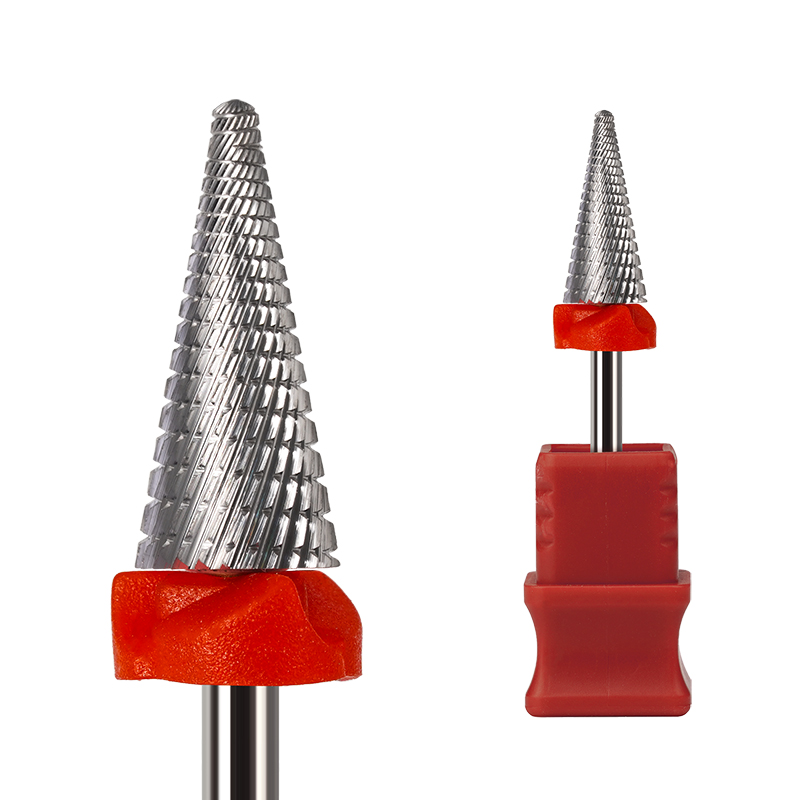
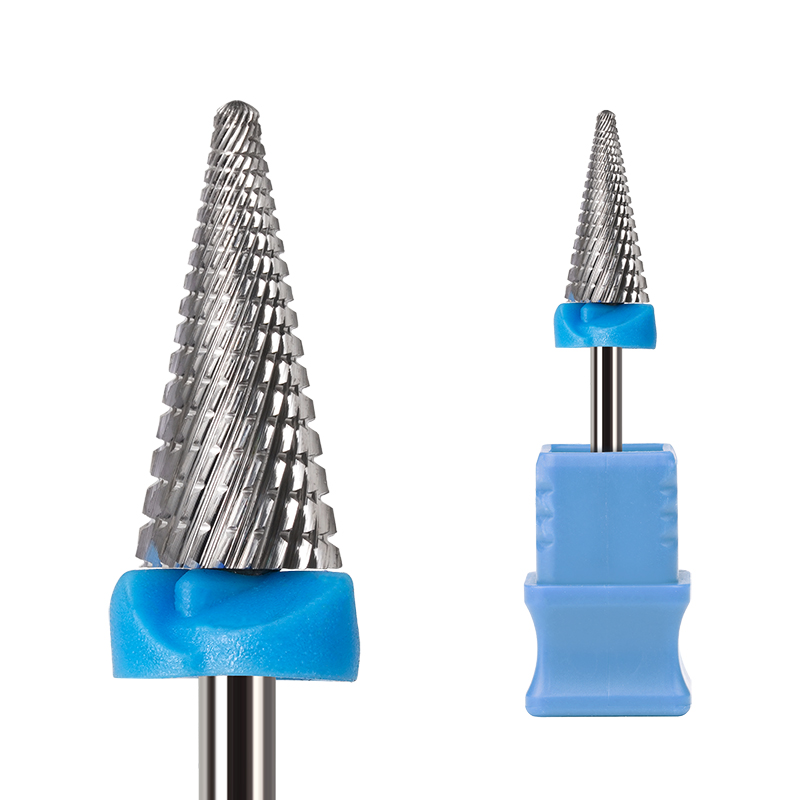
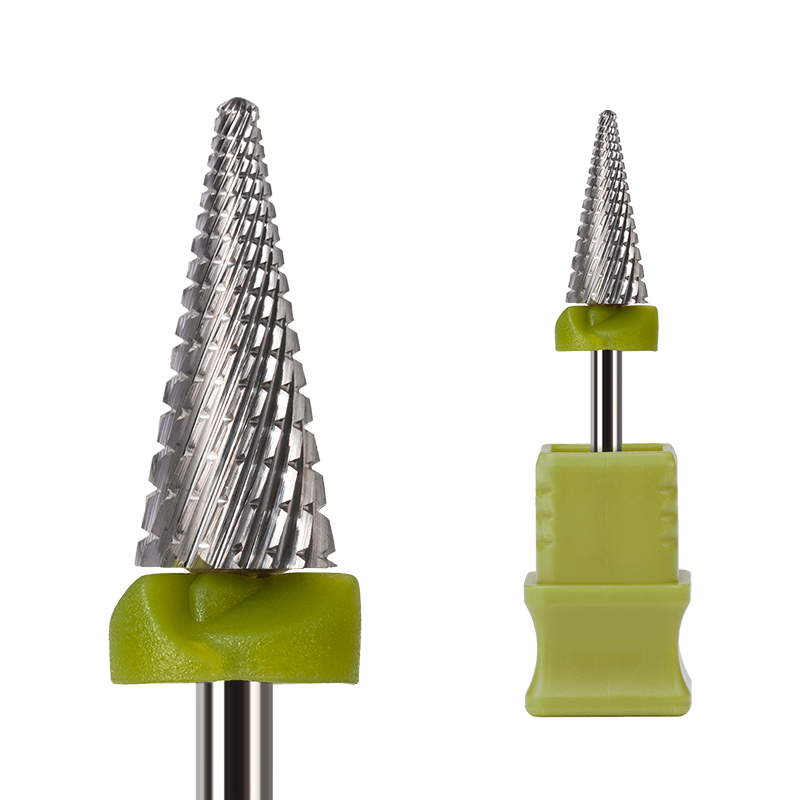
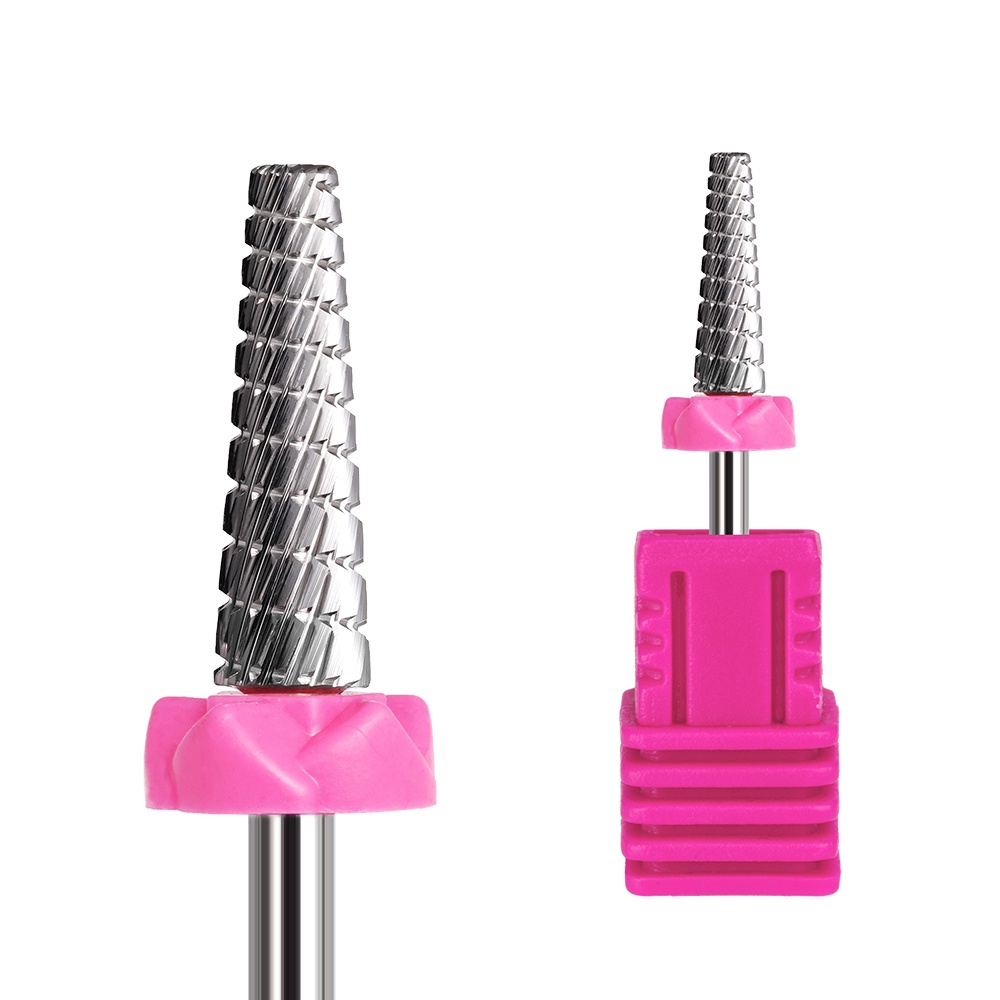
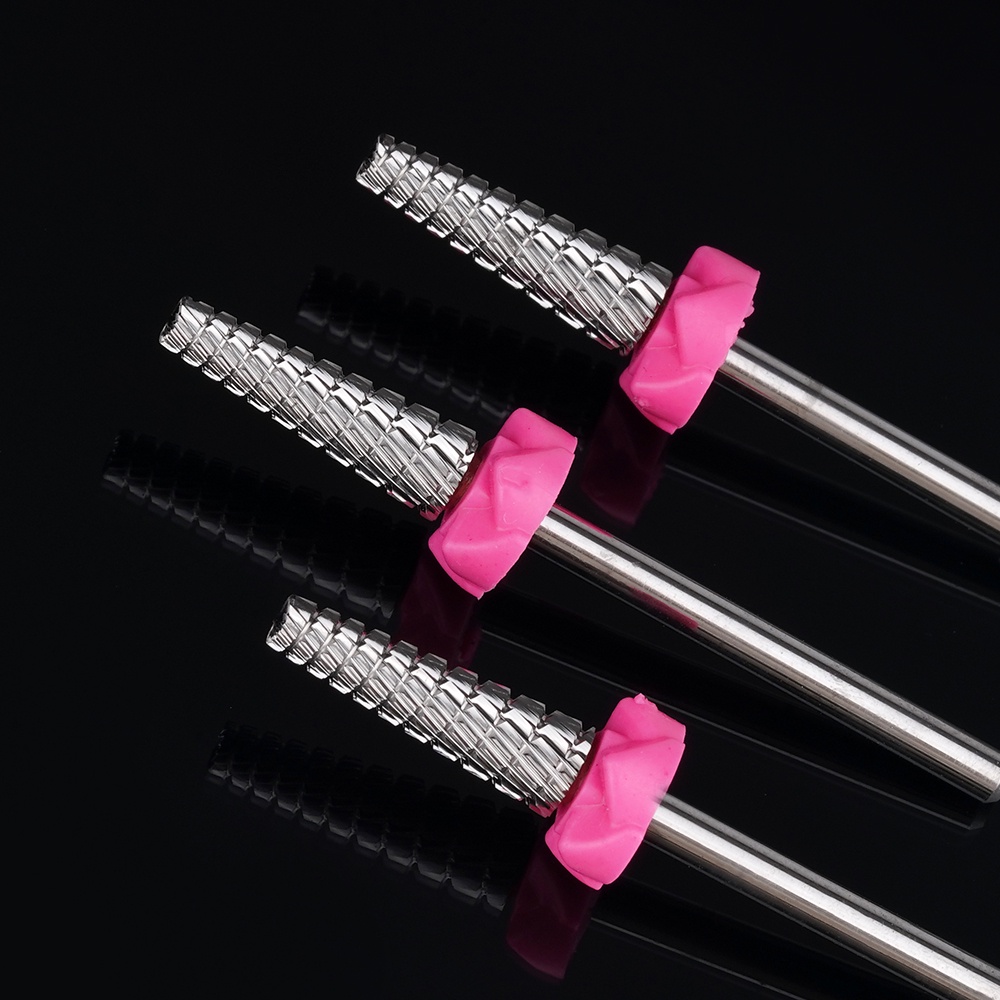
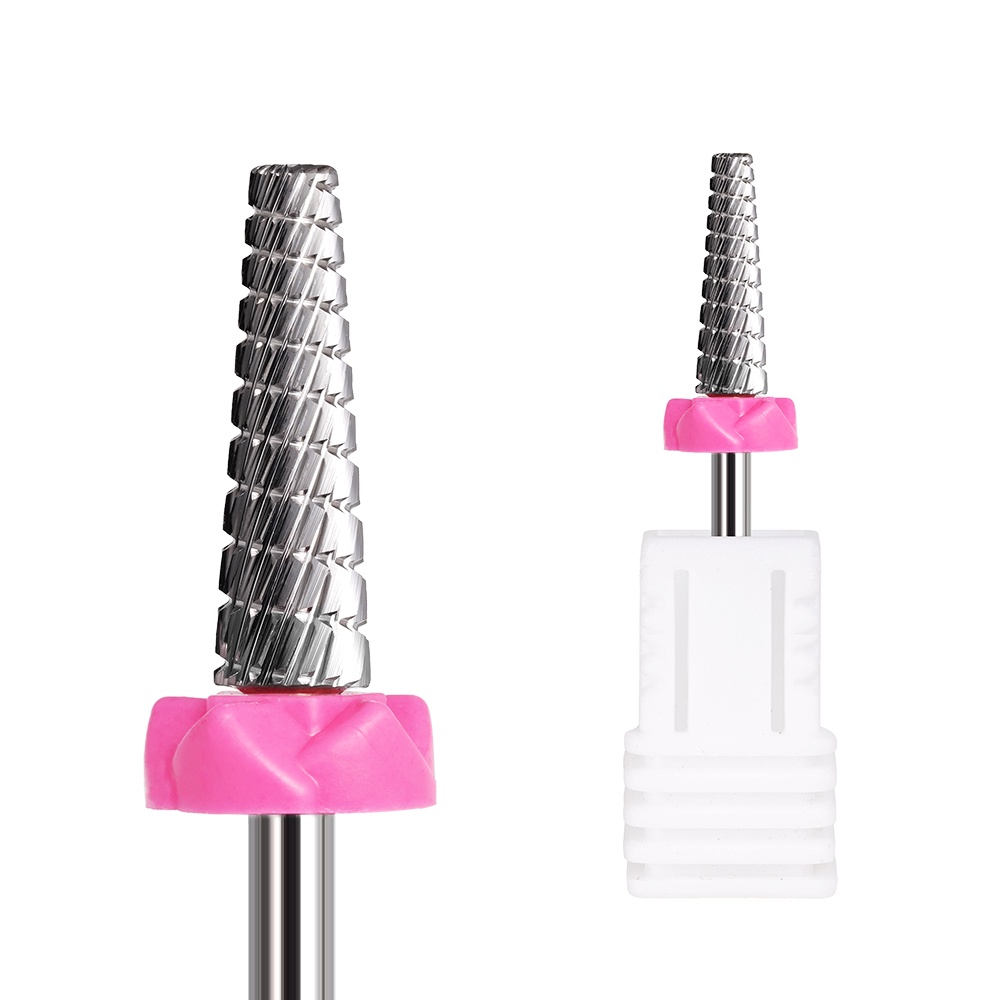
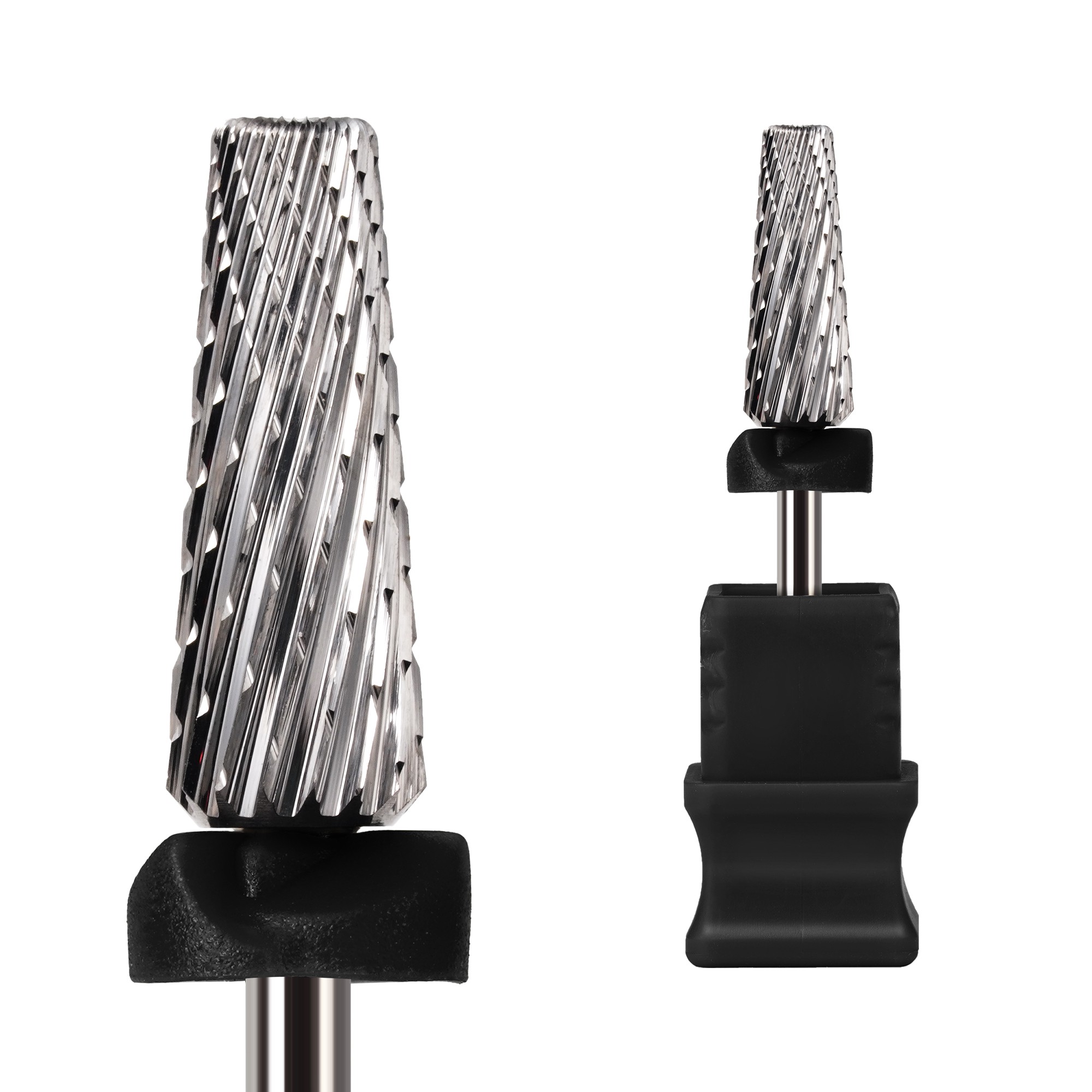
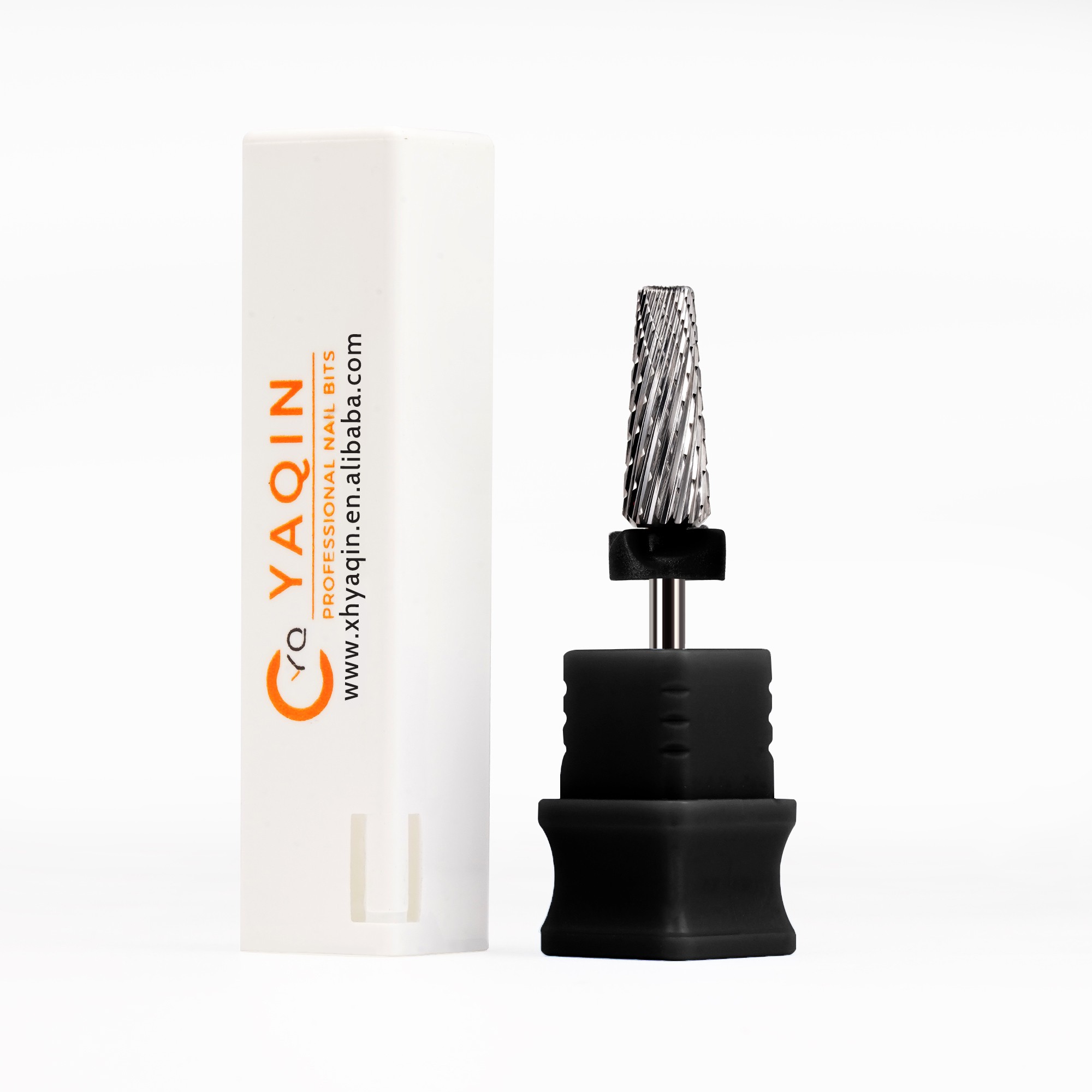
A common mistake is assuming that working faster means choosing the roughest possible bit. In practice, speed comes from efficiency and consistency. A balanced carbide bit with clean flute geometry can remove UV gel polish quickly while still feeling controlled. Products such as Tungsten Carbide Nail Drill Bits for Safe Removal of UV Gel Polish Electric Manicure Tool reflect the kind of design many operators look for: high hardness, efficient grinding, stable running, and enough precision to file, shape, smooth, and tackle gel polish without turning every pass into a fight against vibration.
That balance matters more in busy salons than people sometimes admit. If a bit cuts cleanly and runs quietly, the operator tends to maintain steadier motion. That steadier motion helps reduce hot spots. Longer service life also matters, not as a purchasing slogan but as a performance issue. Worn bits often stay in rotation longer than they should, and once the edge quality drops, both service time and heat complaints tend to rise.
How to choose for different gel removal situations
Not every soak-off removal looks the same. Thin gel polish overlays, reinforced manicures, builder bases, and layered nail art all respond differently.
When operators are unsure, medium cut is often the most forgiving starting point. It gives enough removal speed for professional use without forcing the hand into an overly aggressive rhythm.
Why manufacturing quality shows up during removal, not just on paper
Bit performance is not only about design intent. It is also about execution. In export markets such as the USA, Canada, Germany, the UK, Italy, and Poland, buyers often compare similar-looking bits that behave very differently in use. Tolerance control, raw material consistency, flute finishing, and packing quality all affect what arrives in the salon and how reliably it performs after repeated disinfection and service cycles.
That is one reason experienced distributors and private-label buyers pay attention to manufacturing discipline behind the product. Wuxi Yaqin Trading Co., Ltd. has focused on abrasive product production and export across 42 countries, with QC covering raw material purchasing, production processes, and packing, along with ISO9001:2000 quality management system certification. For salon operators, that kind of background matters less as a corporate claim and more as a practical signal: consistency is easier to maintain when the supplier treats bit quality as a process, not a one-off batch outcome. OEM and ODM capability also matters when different markets want different shank markings, colors, or handling preferences.
In daily work, “quality” shows up as less wobble, cleaner cutting, and fewer surprises when switching from one bit to the next.
Small technique changes that reduce heat immediately
If heat has been a recurring problem, changing the bit may help, but technique should be checked at the same time.
- Keep the bit moving in smooth, continuous strokes.
- Use enough rpm for cutting efficiency, but not so much that control drops.
- Reduce pressure before reducing speed. Pressing harder at low speed often creates more friction, not less.
- Clean bits regularly during service if product buildup is visible.
- Retire worn bits before they become heat generators.
- For sensitive clients, remove bulk and let soak-off do the rest.
Operators who handle high service volume often prefer bits that offer precise control and a quieter, more stable grinding feel for exactly this reason. A customizable option can also make sense for training environments or branded salon groups where identifying grit or function quickly saves time. That is part of why items like Tungsten Carbide Nail Drill Bits for Safe Removal of UV Gel Polish Electric Manicure Tool are usually evaluated not only by material, but by service life, maneuverability, and consistency from batch to batch.
The practical takeaway
When soak-off removal feels slow, the answer is not always “use a rougher bit.” When it feels hot, the answer is not always “lower the speed.” The better question is whether the bit is cutting efficiently for that product thickness, whether the shape matches the area being worked, and whether the operator can maintain motion without excess pressure.
Good gel removal bits help by reducing friction through cleaner cutting, better balance, and more predictable contact with the product surface. If you are reviewing bits for salon use, training kits, or private-label supply, it is worth checking material quality, cut type, expected service life, and how the bit behaves during real soak-off prep rather than only comparing appearance. Those details usually determine whether removal feels fast and cool, or slow and uncomfortable.
News List
- Is It Better to Source All Nail Drill Bits From One Factory?Aug 24, 2026
- How to Spot Fake Diamond Coating on Nail Drill BitsAug 24, 2026
- Are Silicone Nail Drill Bits Reusable After Sterilization?Aug 24, 2026
- Essential tools for manicures that make beginner work more consistentAug 24, 2026
- Which must-have items for nail technicians improve service speed mostAug 24, 2026
- How gel removal bits affect speed and heat during soak-off removalAug 24, 2026
Best-Selling Products
 Cross Cut Safety Stainless Steel Tungsten Carbide Nail Drill Bits Salon Foot Use XF-C Grit for Removing Nails
 First-rate Quality Tungsten Carbide Nail Drill Bits Best Coating Manicure Remove Gel Nails Accessories
 Professional Advanced Safety Cuticle Bits Two-Way Rotate 3/32'' Carbide Tungsten 5 in 1 Nail Drill Bits
 Wholesale 5 in 1 Electric Manicure Nail Drill Bits Various Coating Cone Cuticle Bit with Rotary Cross Cut for Nail Art
 New Slant Tooth Tungsten Steel Nail Drill Bits Dead Skin Removal 5-in-1 Universal Grinding Nail Polish Head Tool Nail Drill Bits
 4.0mm Small 5 in 1 Integrated Sharpe Tungsten Nail Drill Bit Straight Teeth Gel Polish Removal
 Flame Sharp XF F M C XC Silver Safety Professional Corn Tungsten Carbide Nail Bit for Drill Machine Accessories
 Factory Direct 5 in 1 Tungsten Carbide Nail Drill Bits 6.8MM Cross Cut Safety Manicure 5 in 1 Nail Drill Bits
Please give us a message