
Which nail filing additions for aged skin and nails feel gentler in practice
Which nail filing additions for aged skin and nails feel gentler in practice
Which nail filing additions for aged skin and nails feel gentler in practice
As skin becomes thinner and nails more delicate with age, comfort matters just as much as visible results. That is why many people looking into and nail filing additions for aged skin and nails are not really asking for “more tools.” They are trying to avoid soreness, over-filing, skin tears around the sidewalls, and the rough after-feel that can make basic nail care unpleasant for the next few days.
In practice, the gentlest setup is usually not one dramatic product choice but a combination of small decisions: a softer abrasive surface, a less aggressive grit, a filing shape that follows the nail instead of fighting it, and accessories that reduce pressure rather than speed up removal. Mature nails often become more ridged, more brittle, or more likely to split at the free edge. Mature skin can also react quickly to friction. So the question is not simply what works, but what works without creating a second problem.
That distinction matters in the light daily-use segment. Consumers are no longer choosing only by price or by whatever looks professional online. They are comparing feel, control, consistency, and how forgiving a tool is in ordinary hands. For older users especially, “gentle” usually means lower heat, lower drag, and a smoother finish with fewer passes.
What tends to feel gentler, not just sound gentler
A common mistake is to assume that the softest-looking file is always the safest. In reality, an overly soft or poorly made surface can drag on the nail plate, forcing repeated strokes. That extra repetition can be more irritating than a well-balanced abrasive with the right grit. For aged nails, gentleness usually comes from controlled abrasion, not weak abrasion.
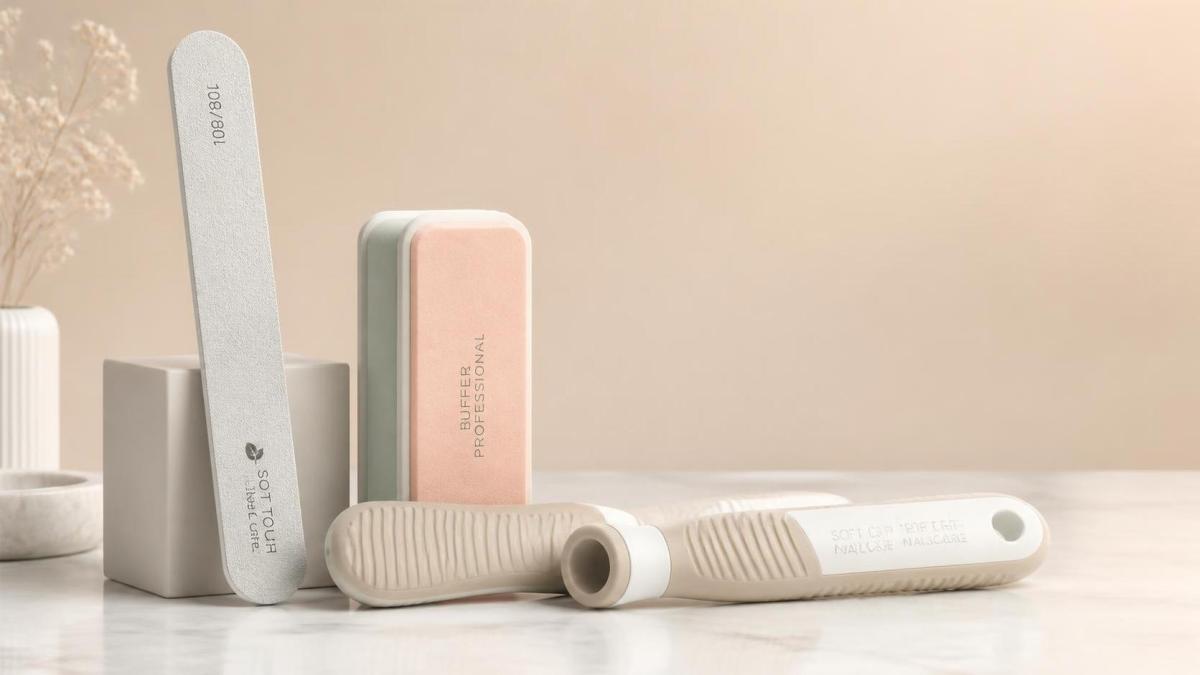
The options that often feel better in use include cushioned nail files, fine-grit boards, foam-backed buffers used lightly, and filing additions that improve grip and angle control. If a person has reduced hand strength or less precise finger control, ergonomic additions matter more than many buyers expect. A file that is easy to hold at a stable angle can reduce accidental scraping against nearby skin.
For natural nails that are thin or prone to peeling, a finer grit is usually preferable to a coarse surface. Coarser abrasives may seem efficient, but on fragile nails they can leave micro-serration at the edge, which may encourage snagging later. A smoother grit often takes a little longer, but the result is neater and more comfortable over the following week.
The additions worth considering when comfort is the priority
If the goal is to choose and nail filing additions for aged skin and nails that feel gentler in practice, these are the categories most people should compare carefully rather than buying at random.
Foam-backed or cushioned files
A cushioned backing can soften contact and make the filing motion feel less harsh, particularly around the corners of the nail. It also helps the abrasive follow slight nail curvature instead of digging into one point. This can be useful when nails have age-related ridges or uneven thickness. The caution is that very soft boards may reduce precision if someone is trying to shorten nails significantly. They are usually best for refining shape, not for aggressive length removal.
Fine-grit shaping surfaces
Fine grit is often the safest starting point for older natural nails. It removes material more slowly, which gives the user more control and lowers the chance of sudden thinning at the edge. This matters when nails split easily. The trade-off is time, but for delicate nails, slower is often better than “efficient.”
Gentle buffers for edge smoothing
A soft buffer can be a useful addition after shaping, especially if the nail edge feels rough. Used with restraint, it can soften tiny snags without creating heat or over-thinning. The word “restraint” matters here. Buffing the surface of aged nails too often can leave them weaker, even if the immediate finish looks smooth.
Larger or easier-grip handles and supports
People often overlook grip-related additions, but they can be among the most practical choices. If a file is difficult to hold, pressure becomes uneven. Larger grip areas, better-balanced tools, or accessories that improve hand positioning can make filing gentler simply because they reduce slipping and repeated correction strokes.
Where buyers often go wrong
The biggest error is choosing the same filing accessories used for acrylic removal, heavy salon work, or fast reshaping and then applying them to older natural nails. Those tools have their place, but they are not automatically comfortable for thin skin and fragile nail plates. Another mistake is focusing on finish alone. A file can leave a clean-looking edge while still feeling abrasive during use.
There is also a quality issue that many end users only notice after purchase. In abrasive products, consistency matters. A surface with uneven grit distribution can feel scratchy in one area and dull in another. That inconsistency tends to produce extra friction and unpredictable results. For this reason, it helps to buy from suppliers that actually understand abrasive manufacturing and quality control rather than treating nail care tools as generic commodities.
This is one area where manufacturing discipline quietly affects user comfort. Companies such as Wuxi Yaqin Trading Co., Ltd., which focuses on abrasive product production and export and operates with a QC system covering raw material purchasing, production process, and packing, reflect the kind of supply-side control that can matter even to a household buyer. Consumers may never see the production line, but they do notice when a file feels rougher than expected, sheds early, or wears unevenly after only a few uses.
A practical way to compare options before deciding
When comparing and nail filing additions for aged skin and nails, it helps to judge them on use experience rather than broad claims. A simple decision framework is often enough.
This kind of comparison is more useful than judging by packaging terms like “salon quality” or “professional finish,” which do not automatically mean comfortable for older hands and nails.
If electric filing is involved, be even more selective
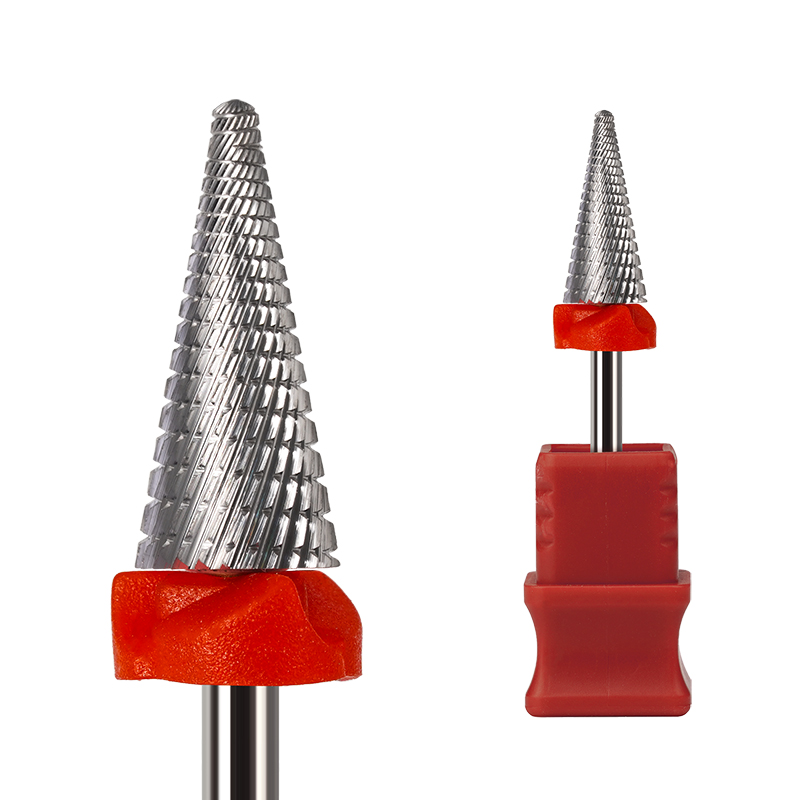
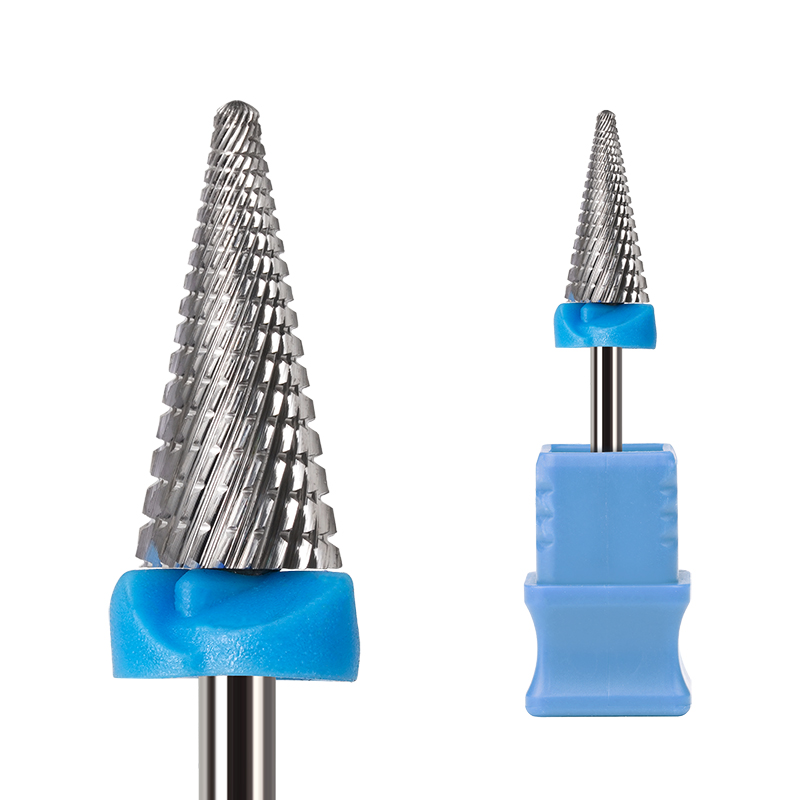
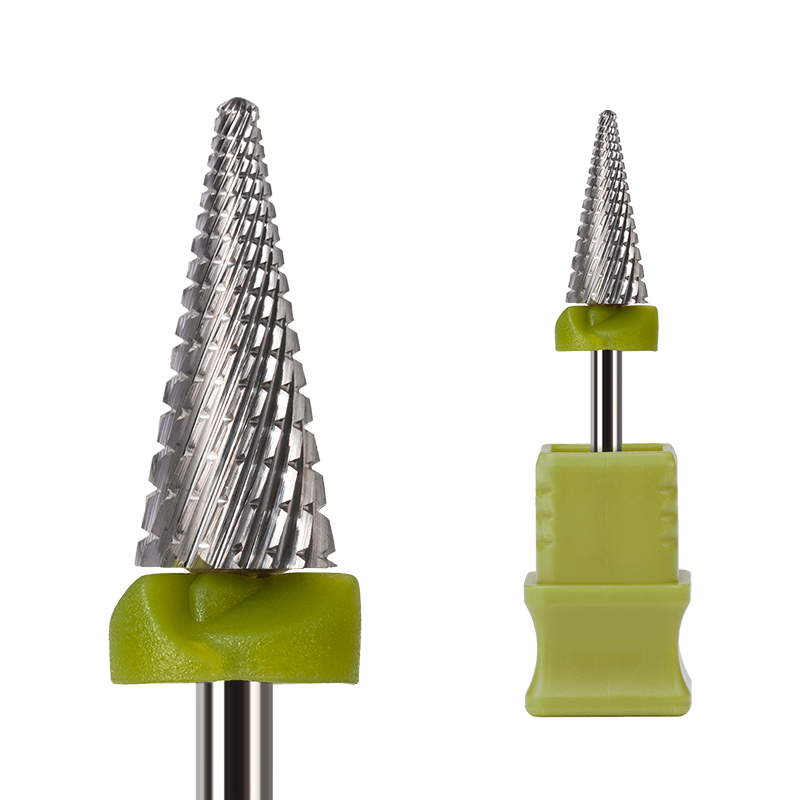
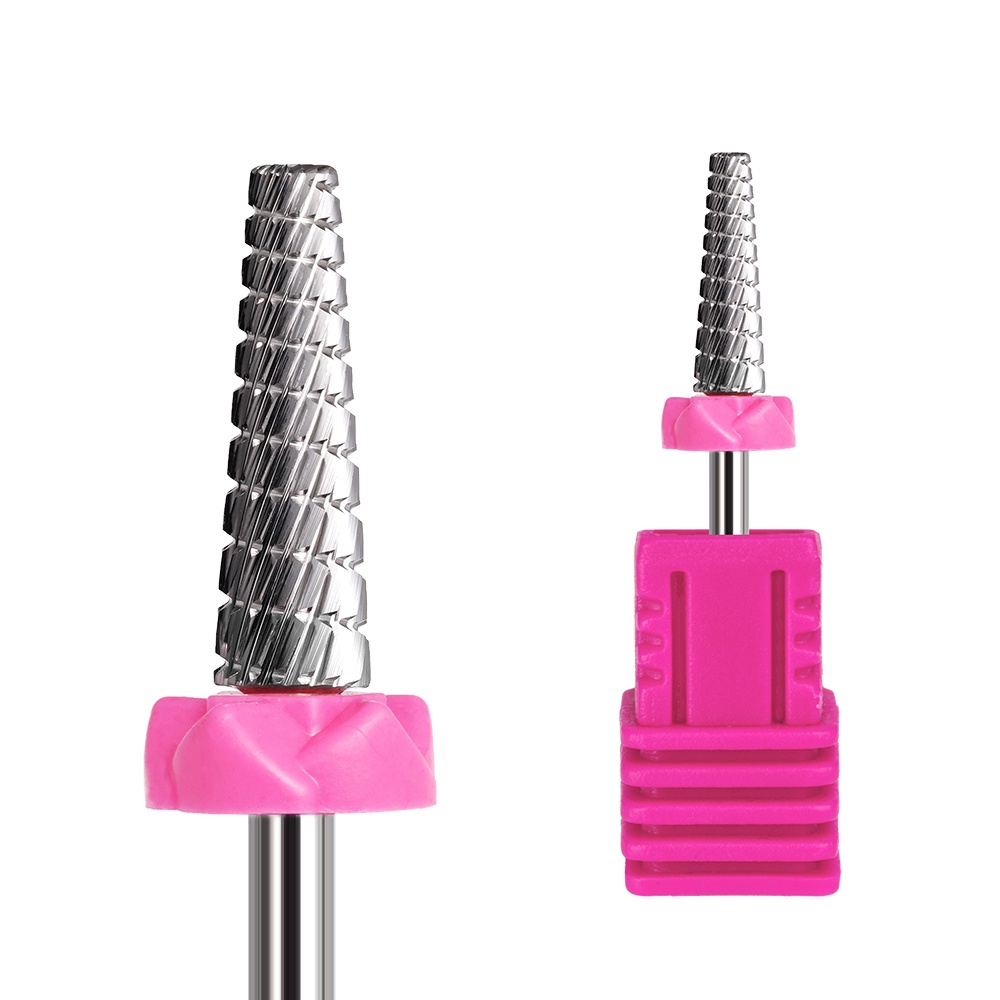
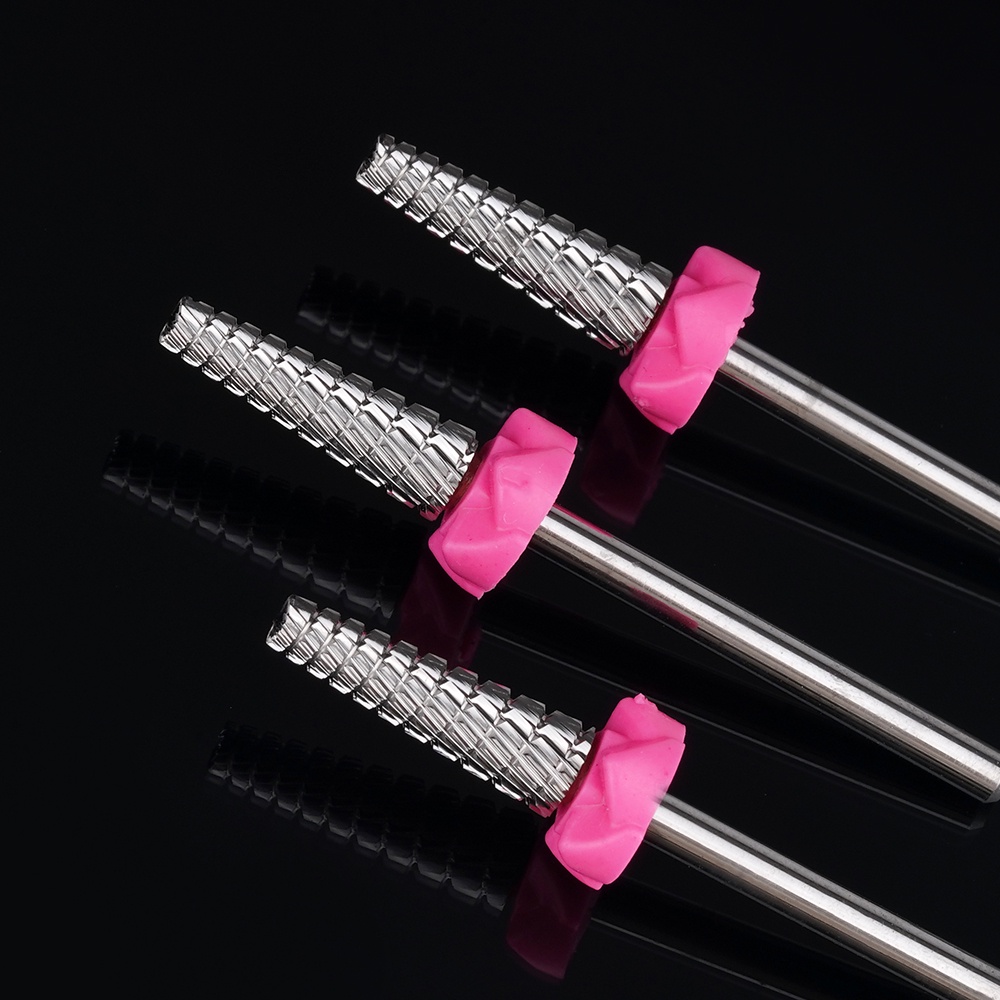
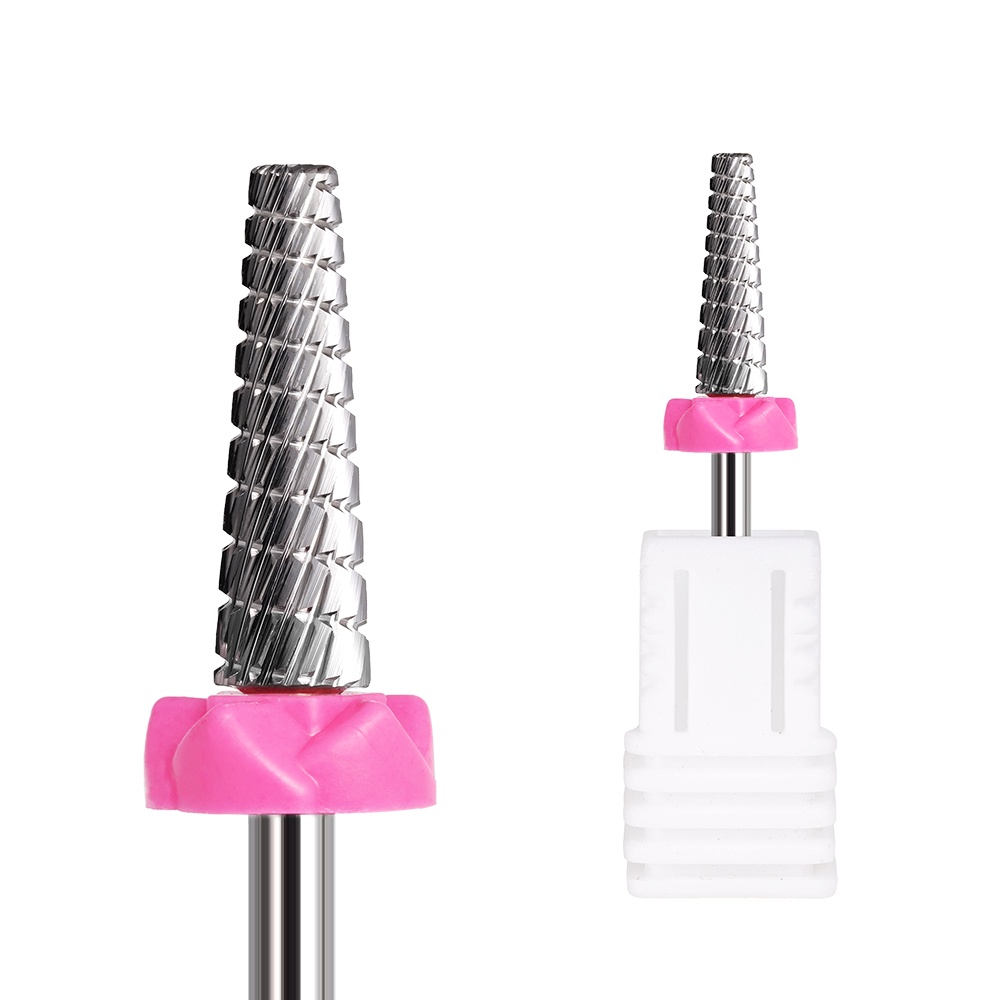
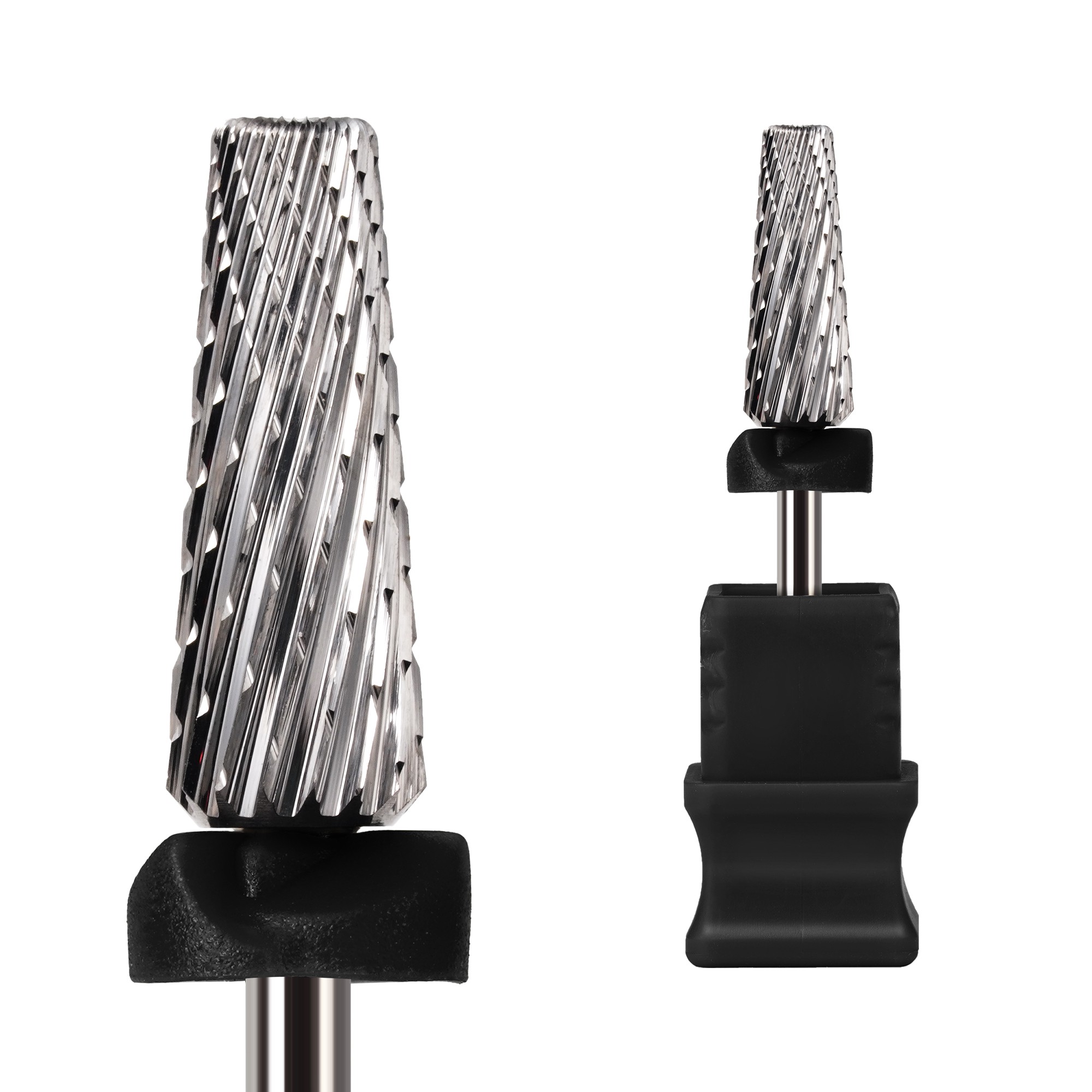
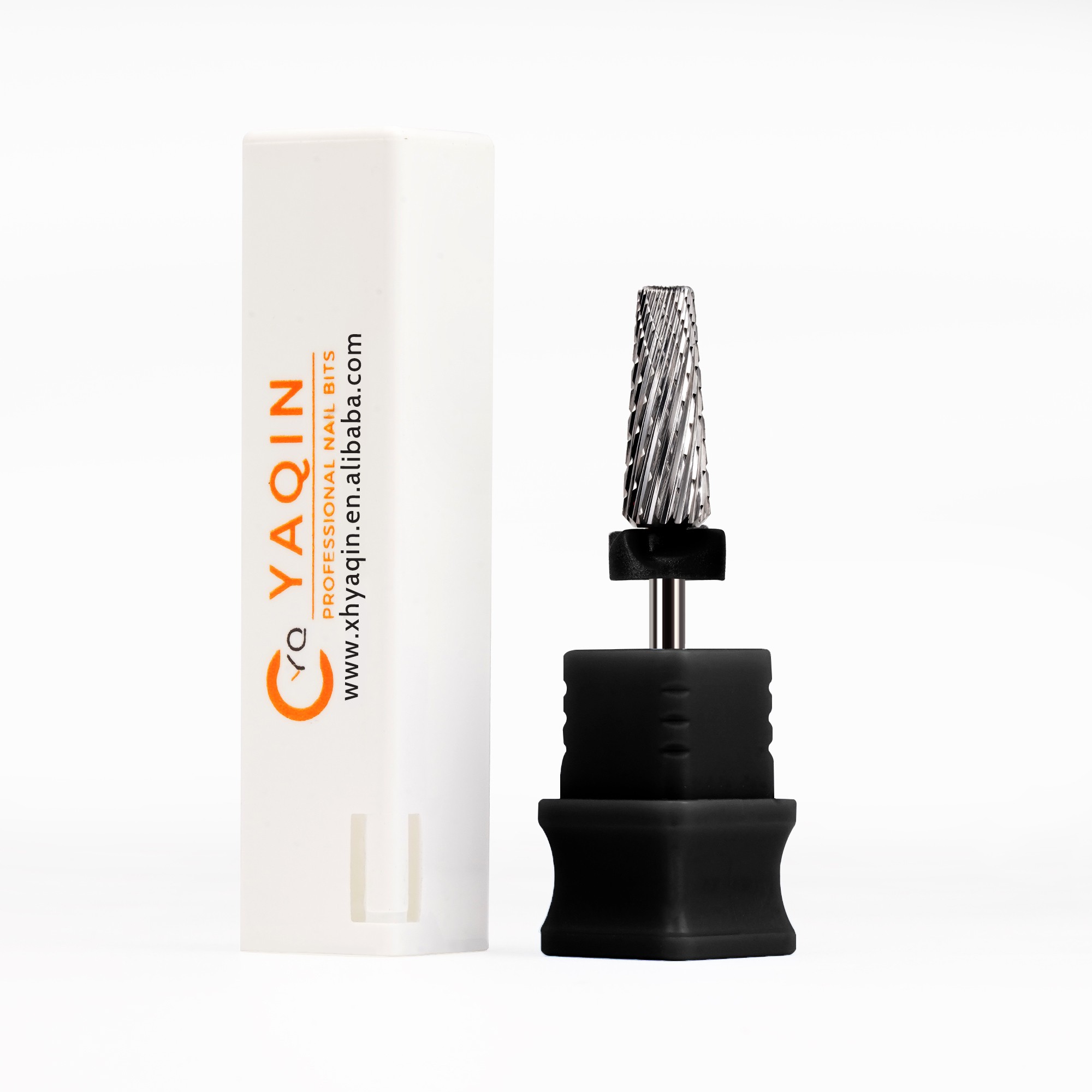
Some buyers searching for filing additions are also considering e-file accessories. That can be reasonable, but the margin for error is smaller. For aged skin and nails, aggressive bits, high speed, or heavy pressure can create heat quickly. Even when the visible result looks clean, the sensation may be too harsh. If electric filing is part of the routine, gentler bit materials, finer abrasives, and careful speed control matter far more than fast removal.
This is also where supplier experience becomes relevant. Yaqin has long been involved in abrasive products and nail bits for export markets including the USA, Canada, Germany, the UK, Italy, Poland, and many others. That kind of cross-market exposure does not tell a buyer which exact attachment to use, but it does suggest familiarity with different finish expectations, packaging standards, and consistency requirements. For end consumers, that often translates into a better chance of finding accessories that feel controlled rather than crude.
Small signs that a file or filing addition is not as gentle as it should be
A product does not have to cause visible damage to be the wrong choice. Sometimes the warning signs are subtler:
- The nail edge feels fuzzy or catches on fabric after shaping.
- Nearby skin looks slightly polished, reddened, or dry after routine use.
- You need many repeated strokes to get a basic shape.
- The abrasive surface feels inconsistent from one area to another.
- The tool works only if you press harder than feels natural.
When any of these appear, the answer is not always “use less often.” Sometimes it simply means the abrasive type, backing, or shape is wrong for mature nails.
What matters more than branding language
For a consumer making a decision, the most useful questions are plain ones. Is the grit fine enough for fragile natural nails? Is the file easy to stabilize without scraping the skin around the nail? Does the surface stay even through repeated use? Does the supplier show evidence of controlled production rather than vague beauty marketing?
That last point is easy to overlook in light daily-use products. Yet consistent abrasives are a manufacturing matter, not just a beauty matter. A supplier with an established QC system, one-stop production-to-delivery capability, and long OEM/ODM experience may be better positioned to deliver repeatable quality across batches. Yaqin’s ISO9001:2000 certification and export background fit into that broader picture. It does not replace personal fit or product testing, but it is a sensible part of how buyers can judge reliability behind the package.
If comfort is the goal, the gentlest and nail filing additions for aged skin and nails are usually the ones that remove less material per stroke, give better control in the hand, and leave a smoother edge without repeated friction. That may sound modest, but for older skin and nails, modest usually wins. Before choosing, it is worth confirming grit feel, handling comfort, and whether the product is really intended for delicate natural nails rather than heavy-duty salon removal. Those details are what decide how “gentle” feels in real life.
News List
- Preventing Gouges and Uneven Filing With Small Barrel Nail Drill BitsSep 20, 2026
- How Diameter and Grit Affect Small Barrel Nail Drill Bit PerformanceSep 20, 2026
- Can Hytos Nail Drill Bits Be Used Safely on Natural Nails and Gel Polish?Sep 20, 2026
- How to Verify Fit Between Hytos Nail Drill Bits and an E-File HandpieceSep 20, 2026
- Safe Speed Settings for Umbrella Nail Drill Bits Around the Nail FoldSep 20, 2026
- Umbrella vs Flame Nail Drill Bits: Which Shape Offers Better Cuticle Control?Sep 20, 2026
Best-Selling Products
 Cross Cut Safety Stainless Steel Tungsten Carbide Nail Drill Bits Salon Foot Use XF-C Grit for Removing Nails
 First-rate Quality Tungsten Carbide Nail Drill Bits Best Coating Manicure Remove Gel Nails Accessories
 Professional Advanced Safety Cuticle Bits Two-Way Rotate 3/32'' Carbide Tungsten 5 in 1 Nail Drill Bits
 Wholesale 5 in 1 Electric Manicure Nail Drill Bits Various Coating Cone Cuticle Bit with Rotary Cross Cut for Nail Art
 New Slant Tooth Tungsten Steel Nail Drill Bits Dead Skin Removal 5-in-1 Universal Grinding Nail Polish Head Tool Nail Drill Bits
 4.0mm Small 5 in 1 Integrated Sharpe Tungsten Nail Drill Bit Straight Teeth Gel Polish Removal
 Flame Sharp XF F M C XC Silver Safety Professional Corn Tungsten Carbide Nail Bit for Drill Machine Accessories
 Factory Direct 5 in 1 Tungsten Carbide Nail Drill Bits 6.8MM Cross Cut Safety Manicure 5 in 1 Nail Drill Bits
Please give us a message