
Which China nail drill bit works best for cuticle prep without heat buildup
Which China nail drill bit works best for cuticle prep without heat buildup
Choosing the best China Nail Drill Bit for cuticle prep without heat buildup comes down to one practical answer: use a fine or extra-fine flame-shaped bit, work at controlled speed, and prioritize sharp, balanced carbide quality over aggressive grit. For nail technicians and operators, the right bit should lift and clean the cuticle area smoothly without dragging, burning, or scratching the natural nail.
That matters because heat during cuticle prep is rarely caused by one factor alone. In most cases, it comes from the wrong bit shape, too much pressure, dull cutting edges, excessive RPM, or poor movement technique. If you want faster prep with better client comfort, you need to evaluate the bit as a working tool, not just as an accessory.
This guide explains which China Nail Drill Bit performs best for cuticle preparation, how to reduce friction and heat, and what operators should check before choosing a bit for daily salon use. It also covers material, grit, shape, safety features, and real handling tips that make a visible difference in service quality.
What Type of Bit Works Best for Cuticle Prep?
For cuticle prep, the most effective choice is usually a flame-shaped bit in fine or extra-fine grit. This shape is popular because it can reach the sidewalls, clean around the cuticle line, and gently lift non-living tissue without taking up too much surface area at once.
A large barrel bit may work well for product removal, but it is not the ideal tool for precision prep near delicate skin. A flame bit gives better access and visibility, which helps the operator maintain a lighter touch. That lighter touch is one of the main reasons it reduces the chance of heat buildup.
When buyers search for a China Nail Drill Bit for prep work, they are often comparing price first. However, for cuticle work, shape accuracy and edge consistency matter more than low cost alone. A cheaper bit that cuts unevenly can create vibration, drag, and repeated passes, all of which increase heat.
If your goal is smooth prep before base application, a narrow flame bit with fine cutting action is usually the most reliable option. It supports controlled removal of dead skin while preserving the healthy nail plate underneath. That is the balance most technicians are really looking for.
Why Does Heat Build Up During Cuticle Prep?
Heat buildup happens when friction stays in one place for too long. Even a high-quality China Nail Drill Bit can feel hot if the operator presses too hard, pauses on one spot, or uses a speed that does not match the bit and service step.
Dull bits are another common cause. When the cutting edges lose efficiency, the bit stops slicing cleanly and starts rubbing more than cutting. That extra friction is what the client feels as warmth or sudden heat, especially near thinner areas of the natural nail.
Incorrect grit also plays a role. A medium or coarse bit may remove product efficiently, but it is often too aggressive for cuticle prep. The more aggressive the contact, the more careful the operator must be. For most prep services, fine and extra-fine grades are safer and easier to control.
Machine performance should not be ignored either. Poor handpiece balance, unstable rotation, or inconsistent torque can cause chatter. Chatter creates uneven contact, and uneven contact increases both discomfort and heat. In practice, the bit and the machine have to work as a system.
How Material Affects Heat, Precision, and Daily Performance
Bit material has a direct effect on how the tool cuts, how long it stays sharp, and how much friction it creates. For professional cuticle prep, tungsten carbide is widely preferred because it combines sharp cutting performance with strong durability.
A well-made carbide bit removes debris efficiently instead of dragging across the surface. That cleaner action helps reduce repeated passes, which is one of the easiest ways to control temperature. It also makes prep faster, which matters for busy operators managing multiple appointments each day.
Lower-grade materials may look acceptable at first, but they often wear faster and lose precision sooner. Once cutting edges become inconsistent, the operator has to compensate with more pressure or more time. That hurts both comfort and service efficiency.
For this reason, many salons and nail professionals prefer sourcing a China Nail Drill Bit from suppliers with stable quality control rather than treating bits as disposable low-value items. Reliable production standards make a practical difference in balance, corrosion resistance, and edge uniformity.
Which Grit Is Safest for Cuticle Preparation?
For most cuticle prep tasks, extra-fine and fine grits are the best starting point. These grits allow delicate refinement around the cuticle zone and sidewalls with lower risk of over-filing. They are especially suitable when the goal is surface cleaning rather than product removal.
Medium grit can be useful in broader nail services, but it is usually better reserved for removing overlay material or working on thicker artificial product. Around the cuticle area, medium grit increases the margin for error, especially in less experienced hands.
Beginners should generally stay with extra-fine or fine options until they develop stable hand control. Professionals with stronger technique may use different grades depending on service speed and client condition, but even then, gentler prep often leads to better retention and less irritation.
If a client has thin nails, sensitivity, or damaged cuticle areas, the safest approach is to reduce both grit aggressiveness and RPM. In these cases, the correct bit is not just about performance. It is about controlling the service environment so the natural nail remains protected.
What Bit Features Help Reduce Heat in Real Salon Use?
The best bit for low-heat cuticle prep is not defined by one label. It is defined by several working features together: precise shape, fine cutting pattern, stable rotation, durable material, and a safety-oriented head design that supports controlled contact near the skin.
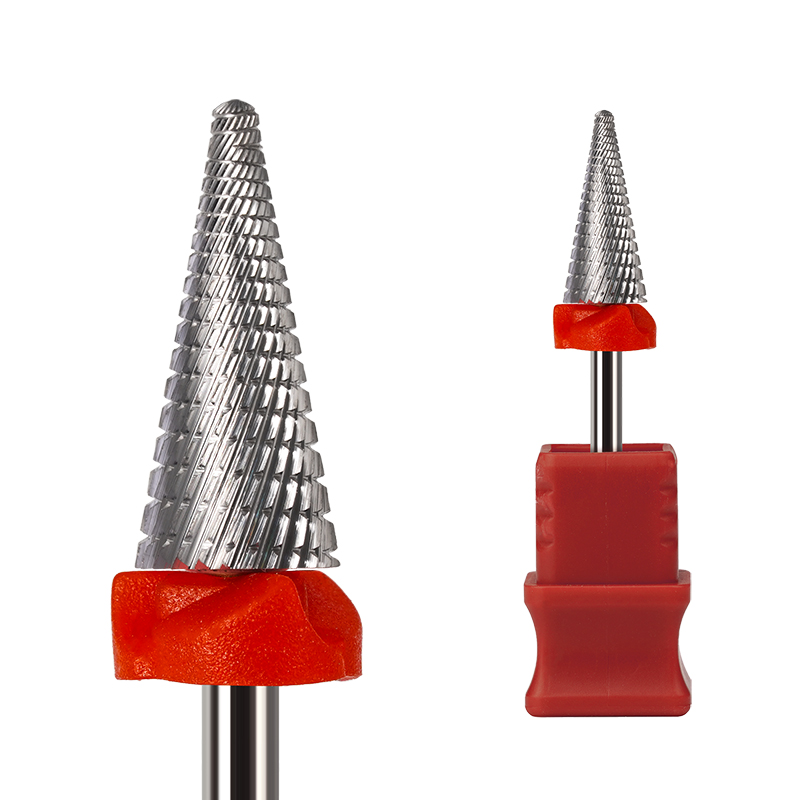
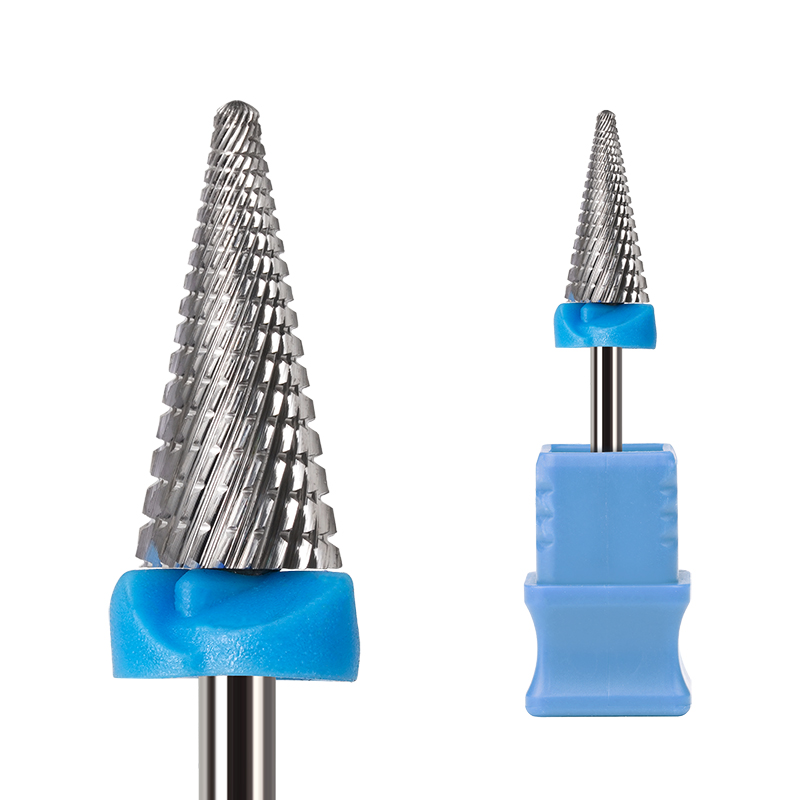
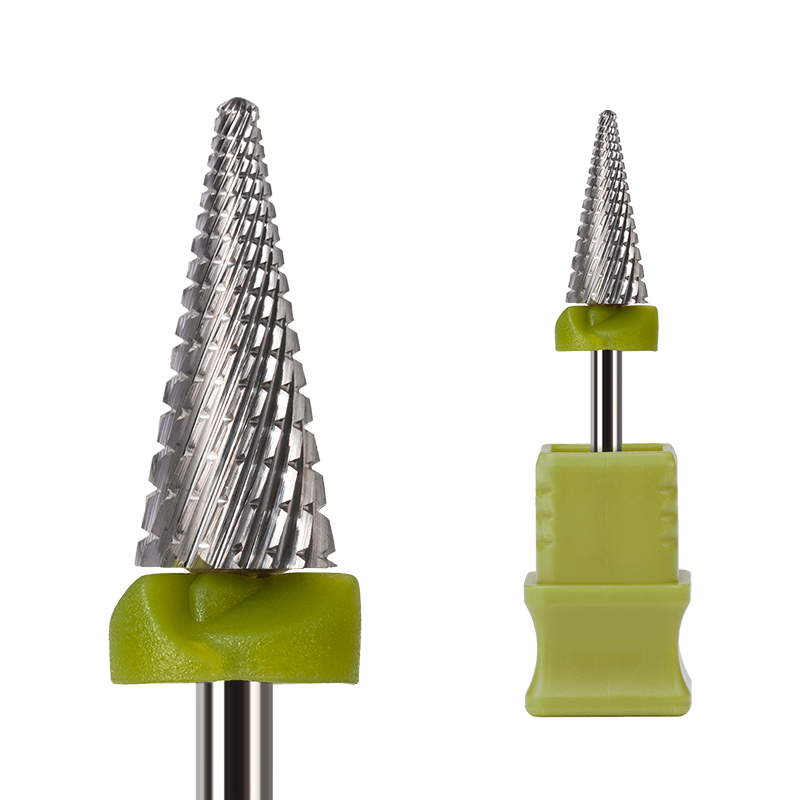
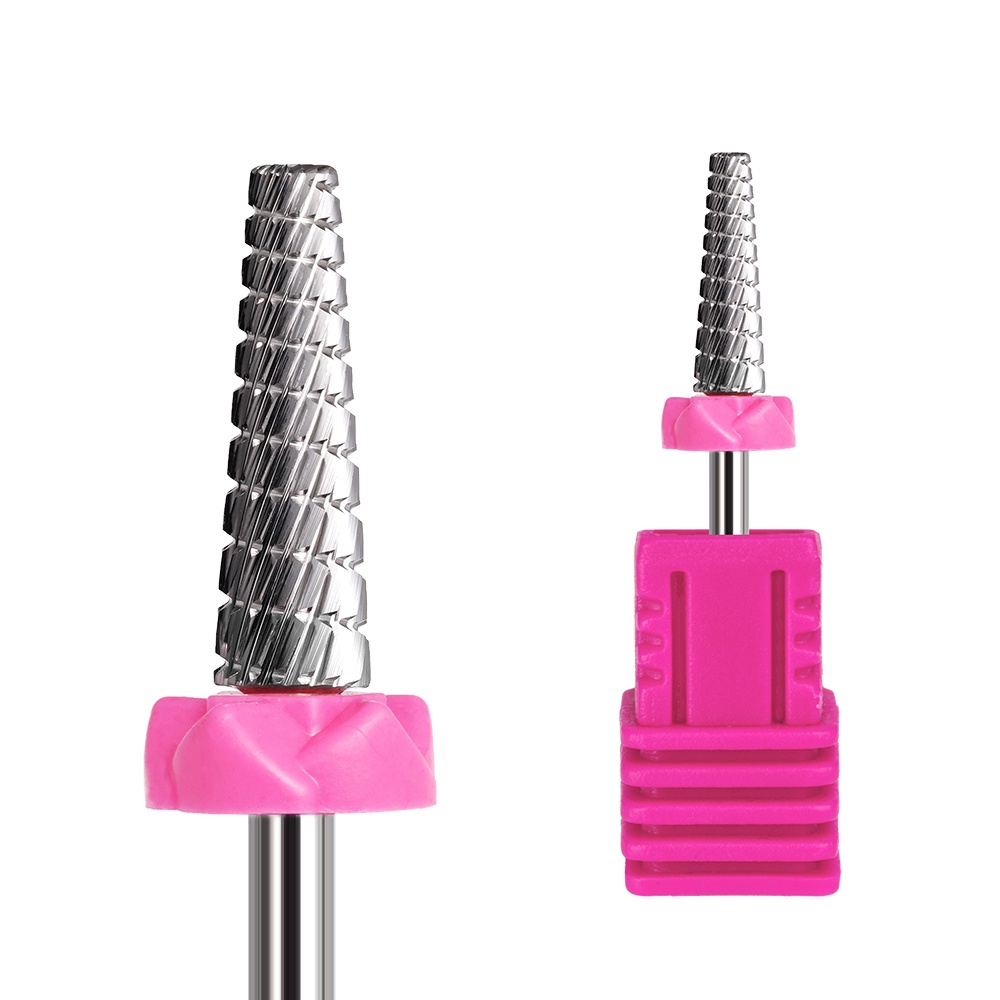
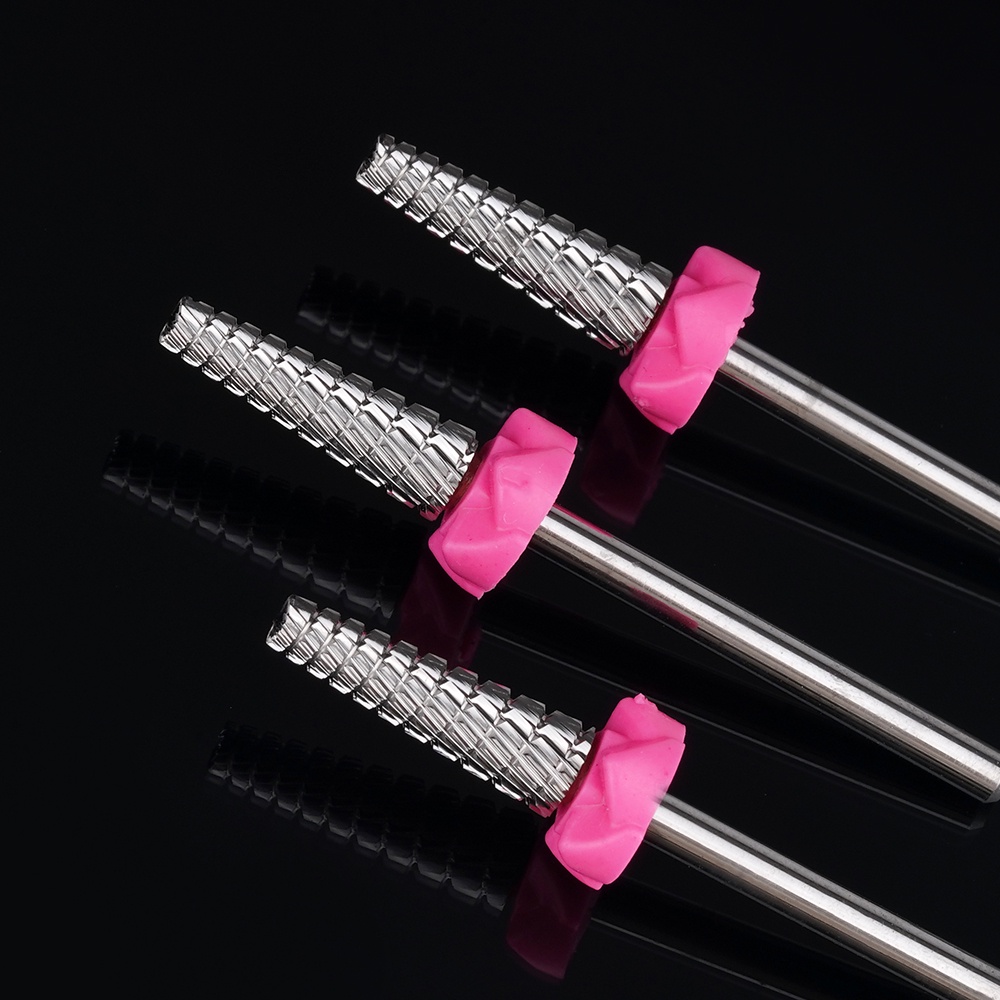
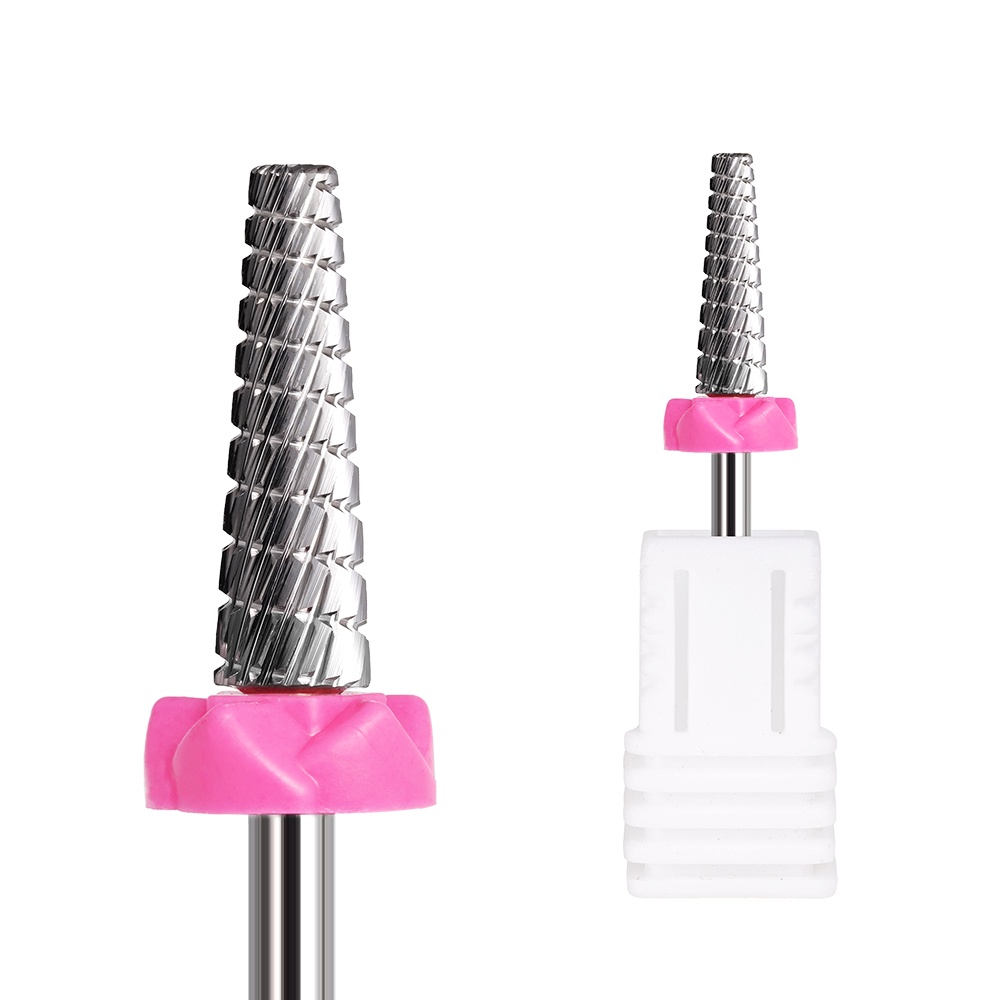
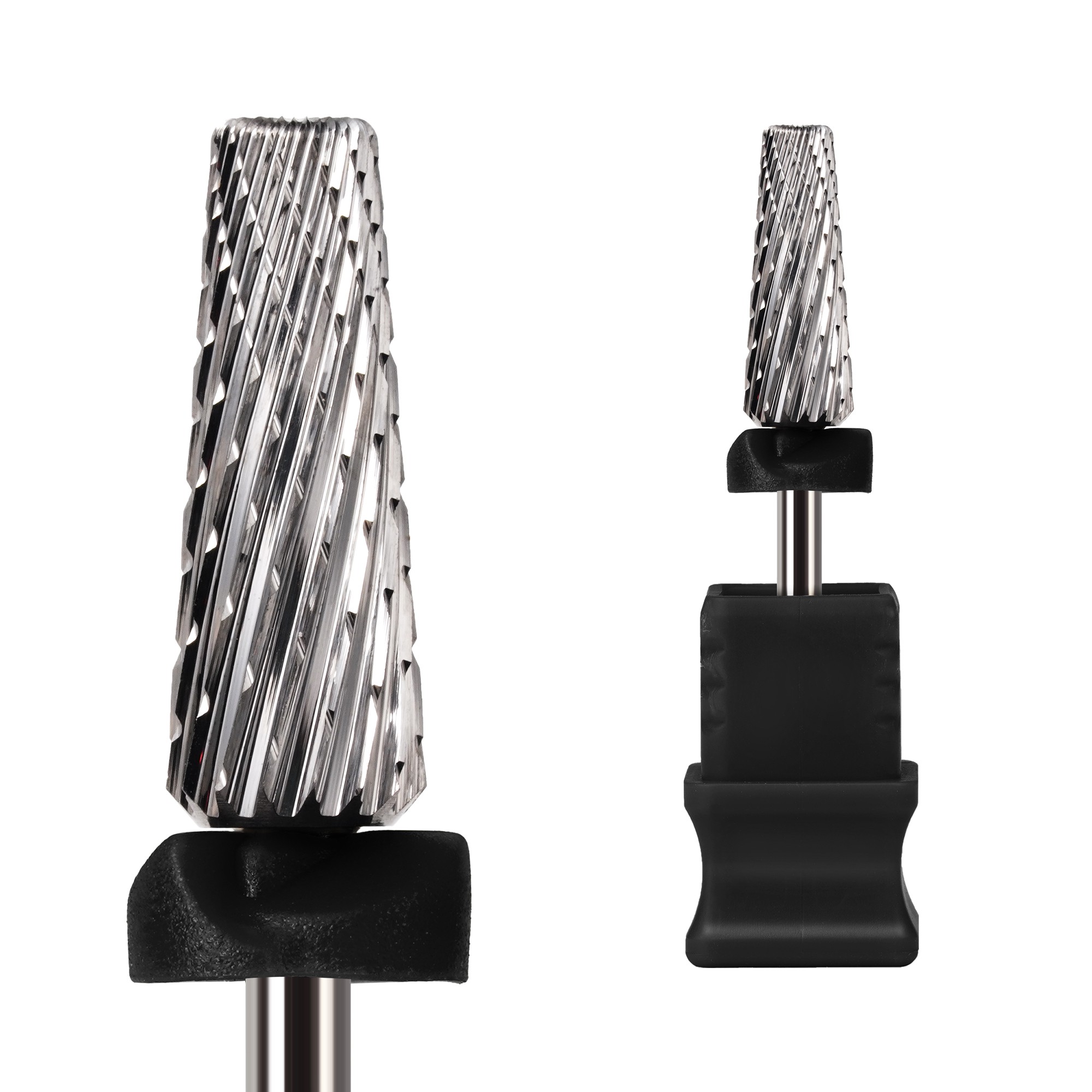
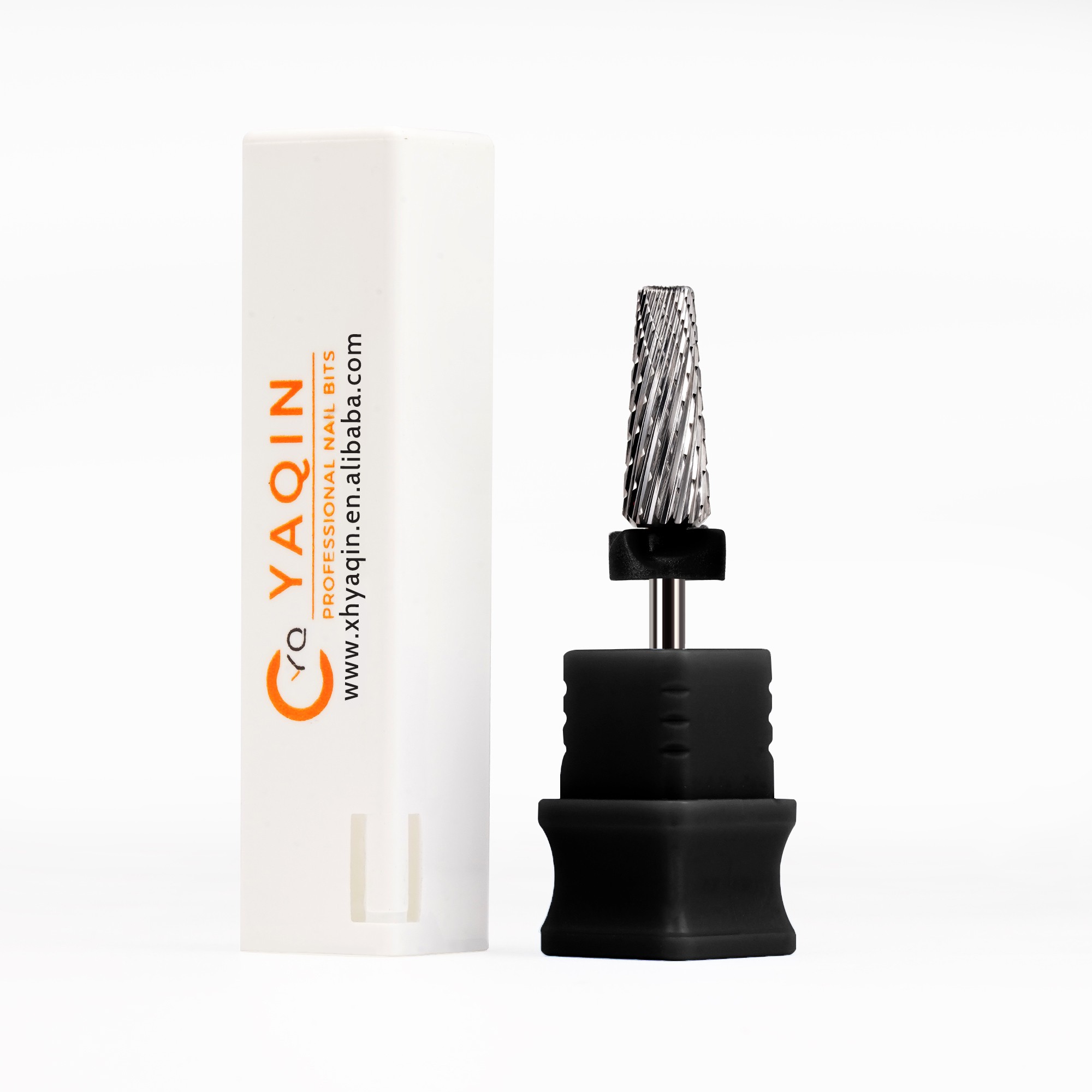
One example of this approach is Flame Sharp XF F M C XC Silver Safety Professional Corn Tungsten Carbide Nail Bit for Drill Machine Accessories. While its wider grit range supports different service steps, the finer options and safety-focused design are especially relevant for operators who want cleaner prep with less skin risk.
In practical use, technicians benefit from bits that cut efficiently without leaving residue behind. Clean cutting reduces the need to go back over the same area again and again. That directly lowers friction time, which is one of the simplest ways to limit heat sensation.
Corrosion resistance also matters more than many buyers expect. A bit that holds up well through repeated cleaning and sanitation is more likely to preserve cutting consistency over time. Once surface quality declines, prep quality usually declines with it.
How Should Operators Use the Bit to Avoid Heat Buildup?
Even the best China Nail Drill Bit cannot compensate for poor technique. To keep prep cool and comfortable, use light pressure and continuous movement. The bit should glide and clean, not dig or press. If you stop in one place, heat rises quickly.
Angle control is equally important. Work with the side of the flame bit rather than the tip alone, and keep the contact area small and intentional. This improves visibility and makes it easier to lift dead skin while avoiding accidental contact with living tissue.
Speed selection should match the service step. For delicate prep, many operators work at moderate speed rather than maximum speed. Higher RPM does not automatically mean smoother performance. In fact, excessive speed can reduce control and create more heat if the hand is not stable.
Short, controlled passes are usually better than long aggressive strokes. Clean one section, move, reassess, and return only if needed. This technique keeps friction distributed and helps preserve the natural nail surface. It also makes the service feel more comfortable for the client.
What RPM Range Is Reasonable for Different Tasks?
Cuticle prep usually requires a different approach from gel removal. Operators should avoid using product-removal settings as a default for prep work. A moderate, controlled range is normally more effective because it gives better feedback and lower heat risk.
Some carbide bits are designed for multi-step salon use and include recommended speed guidance for gel work. For example, certain professional models are suggested at 15,000 to 20,000 RPM for hard gel removal and 10,000 to 15,000 RPM for soft or base gel removal.
Those recommendations are useful, but they should not be copied blindly into cuticle prep. Prep is a precision task, not a bulk removal task. Operators should adjust according to hand stability, client sensitivity, and the exact grit and shape being used.
If warmth appears, reduce pressure first, then review speed and movement. Many technicians respond to heat by slowing the machine dramatically, but in some cases the real issue is pressing too hard with a dull or unsuitable bit. Diagnosis matters more than guesswork.
How to Evaluate a China Nail Drill Bit Before Buying
When comparing suppliers, start with the features that affect actual use: material authenticity, grit consistency, shank accuracy, balance, corrosion resistance, and finish quality. A bit that looks polished in photos may still perform poorly if the cutting geometry is inconsistent.
Ask whether the supplier has quality control across raw material selection, production, and packing. This matters because nail bits are precision tools. Small defects can lead to vibration, skin risk, reduced lifespan, and unreliable performance during detailed prep work.
For importers, salons, and distributors, a factory partner with OEM or ODM experience can also be valuable. It usually means better control over specification matching, packaging requirements, and repeat production quality. That is important when you need consistency across batches.
Companies with export experience in markets such as the USA, Canada, Germany, the UK, Italy, and Poland often have a stronger understanding of finish expectations and compliance-minded production. For professional users, that background can support more stable purchasing decisions.
Is One Bit Enough for Every Technician?
No single bit is perfect for every operator because cuticle prep depends on skill level, service type, and client condition. Beginners often need more forgiving shapes and finer grit. Experienced technicians may prefer a slightly different profile based on hand position and workflow speed.
That said, a flame-shaped fine or extra-fine carbide bit remains the most dependable general recommendation. It meets the core need behind this search: safe, efficient cuticle prep with low heat potential when used correctly. It is versatile enough for both learning and daily professional use.
Some operators also keep more than one width available. A narrower bit can be useful for tighter sidewalls, while a slightly wider version may suit broader nail plates or faster routine prep. The right choice depends on where you need precision most often.
Products such as Flame Sharp XF F M C XC Silver Safety Professional Corn Tungsten Carbide Nail Bit for Drill Machine Accessories reflect this practical reality by offering multiple grit and size options for different users and service needs.
Final Verdict: What Works Best Without Heat Buildup?
If your priority is cuticle prep without heat buildup, the best choice is typically a high-quality tungsten carbide flame bit in extra-fine or fine grit, used with light pressure and steady motion. That combination gives the best balance of control, comfort, and prep efficiency.
The most important buying lesson is that the right China Nail Drill Bit is not simply the sharpest or the cheapest option. It is the one that stays balanced, cuts cleanly, supports precise movement, and helps the operator work with fewer repeated passes.
For users and salon operators, that means focusing on bit shape, material, grit, and real handling performance rather than marketing claims alone. When those factors are aligned, cuticle prep becomes cleaner, safer, and more comfortable for both technician and client.
In short, choose fine over aggressive, precision over speed, and stable quality over short-term savings. That is the most reliable path to low-heat cuticle preparation and better daily salon results.
News List
- Is It Better to Source All Nail Drill Bits From One Factory?Aug 24, 2026
- How to Spot Fake Diamond Coating on Nail Drill BitsAug 24, 2026
- Are Silicone Nail Drill Bits Reusable After Sterilization?Aug 24, 2026
- Essential tools for manicures that make beginner work more consistentAug 24, 2026
- Which must-have items for nail technicians improve service speed mostAug 24, 2026
- How gel removal bits affect speed and heat during soak-off removalAug 24, 2026
Best-Selling Products
 Cross Cut Safety Stainless Steel Tungsten Carbide Nail Drill Bits Salon Foot Use XF-C Grit for Removing Nails
 First-rate Quality Tungsten Carbide Nail Drill Bits Best Coating Manicure Remove Gel Nails Accessories
 Professional Advanced Safety Cuticle Bits Two-Way Rotate 3/32'' Carbide Tungsten 5 in 1 Nail Drill Bits
 Wholesale 5 in 1 Electric Manicure Nail Drill Bits Various Coating Cone Cuticle Bit with Rotary Cross Cut for Nail Art
 New Slant Tooth Tungsten Steel Nail Drill Bits Dead Skin Removal 5-in-1 Universal Grinding Nail Polish Head Tool Nail Drill Bits
 4.0mm Small 5 in 1 Integrated Sharpe Tungsten Nail Drill Bit Straight Teeth Gel Polish Removal
 Flame Sharp XF F M C XC Silver Safety Professional Corn Tungsten Carbide Nail Bit for Drill Machine Accessories
 Factory Direct 5 in 1 Tungsten Carbide Nail Drill Bits 6.8MM Cross Cut Safety Manicure 5 in 1 Nail Drill Bits
Please give us a message