
How to verify if an electric nail file supplier meets your compliance needs
How to verify if an electric nail file supplier meets your compliance needs
Choosing an electric nail file Supplier is rarely a simple procurement decision. For business evaluators, the real question is not whether a supplier can ship products, but whether that supplier can stand up to compliance review, support long-term quality consistency, and reduce sourcing risk across markets. In the nail care tools category, where products may enter professional salon channels, beauty retail, and cross-border distribution, compliance is closely tied to documentation, material control, labeling accuracy, and process discipline. A supplier that looks acceptable on paper can still create problems if its factory systems are weak or poorly documented.
That is why supplier verification should go beyond brochures and product photos. You need evidence: quality certifications, raw material traceability, production controls, inspection records, export experience, and the ability to align with your own market requirements. If you are evaluating a supplier for North America, Europe, or multiple destinations at once, the review process becomes even more important because expectations around quality, packaging, and technical files are often different from one market to another.
Start with the compliance scope, not the catalog
Many buyers make the same early mistake: they begin by comparing models, prices, and packaging options before defining what compliance actually means for their business. In practice, your evaluation should start with a short internal checklist. What markets will the electric nail file enter? Will the product be sold under your own brand? Are you importing complete devices, accessories, or consumable abrasive components? Will your team require OEM or ODM support? The answers shape the supplier review from day one.
For an electric nail file Supplier, compliance is not only about one certificate. It usually involves a wider capability set: documented quality management, consistent incoming material control, stable manufacturing processes, finished-goods inspection, packaging compliance, and export documentation support. If the supplier also handles nail drill bits and related abrasive products, the same discipline should be visible across the product family, not only in a single sample item.
What a serious supplier should be able to show you
A compliant supplier should be comfortable sharing structured information. Not necessarily everything at once, but enough to prove that controls are real and repeatable. When a supplier hesitates, sends incomplete files, or offers vague answers such as “quality is guaranteed,” that is usually a sign to look deeper.
At a minimum, ask for the following:
- Quality management certification and scope details
- Factory profile showing production and trading responsibilities
- Process flow from raw material purchasing to final packing
- Inspection standards for incoming materials, in-process control, and final QC
- Product specifications, material declarations, and packaging details
- Export market experience relevant to your destination countries
- OEM/ODM workflow, including sample approval and change control
If a supplier claims a complete QC system, you should expect to see how that system works in sequence, not just as a slogan. A business such as Wuxi Yaqin Trading Co., Ltd., for example, presents itself as a trading factory focused on high-quality abrasive products, with a strict QC system covering raw material purchasing, production process, and product packing. That kind of statement is useful only when it is supported by documents, records, and a coherent review trail.
ISO certification matters, but only if the process behind it is active
One of the first documents buyers usually request is quality management certification. This is a reasonable starting point, but not the finish line. If a supplier states that it has passed ISO9001:2000 quality management system certification, your next step is to understand how that system operates in current production. A certificate can indicate that structured management exists, yet your real concern is whether that structure influences daily operations.
Ask practical questions. How are nonconforming products handled? What happens when raw materials fail inspection? Are production parameters recorded? How are packaging errors prevented before shipment? How are customer complaints traced back to production lots? These details tell you whether the quality system is alive or merely decorative.
For an electric nail file Supplier, this is especially important because even a small inconsistency in accessories, abrasive performance, bit dimensions, or assembly quality can create customer complaints, return issues, and brand risk. Compliance review should therefore connect paperwork with routine execution.
Look closely at traceability and material control
In light industrial daily-use products, traceability is often underestimated. Yet it becomes critical when a distributor faces a field complaint and needs to identify whether the issue came from one batch, one material lot, or one packaging run. A reliable supplier should be able to explain where key materials come from, how they are checked, and how batch identity is maintained throughout production and packing.
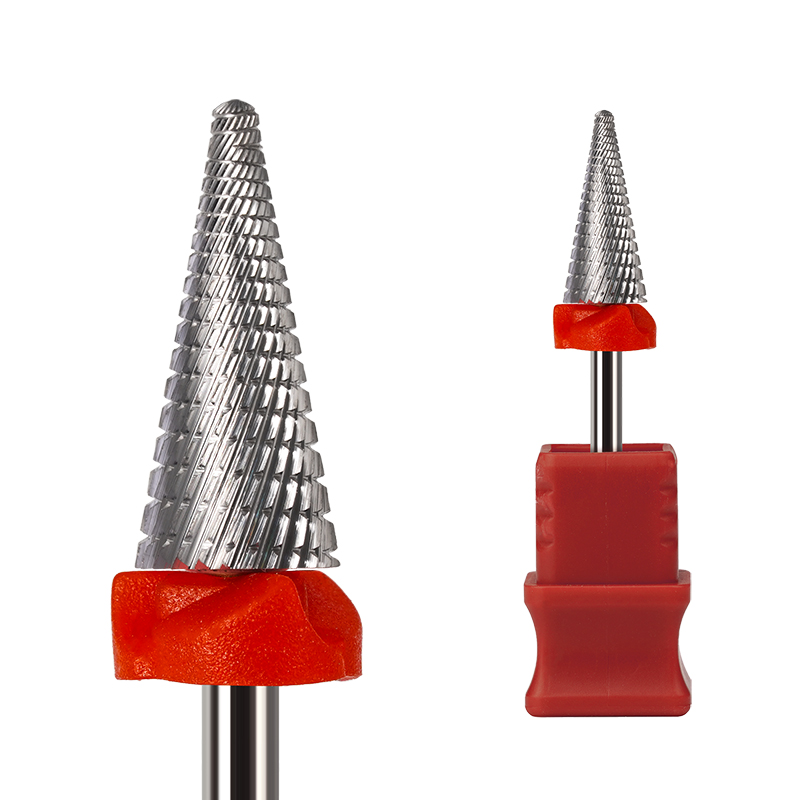
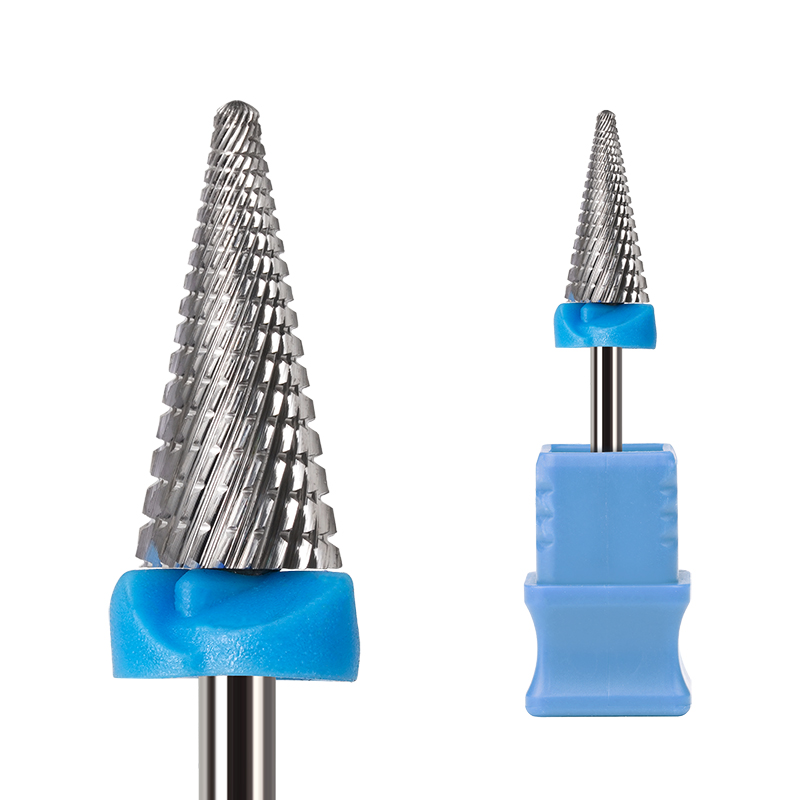
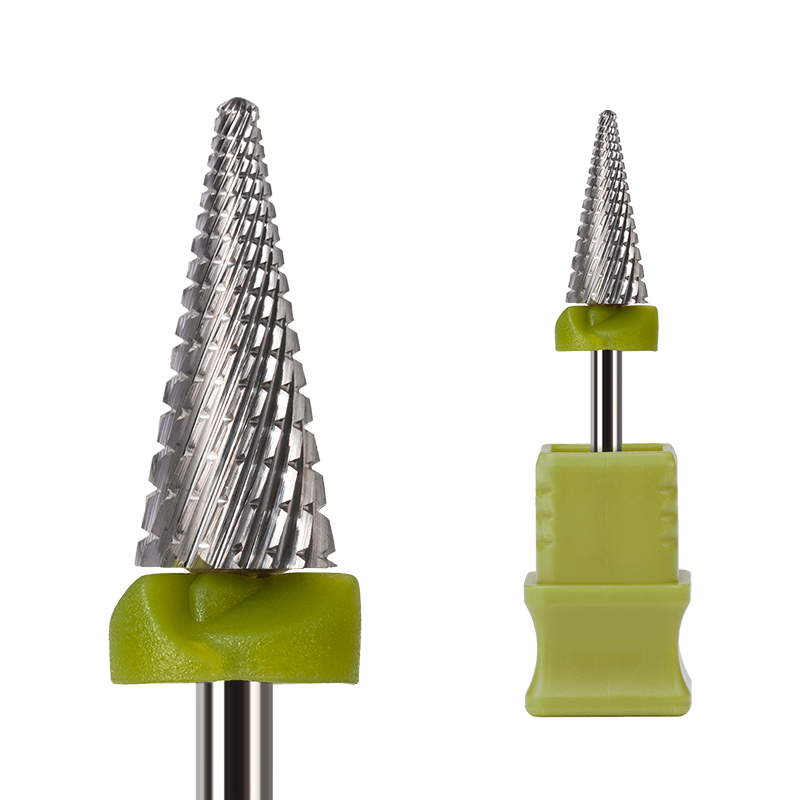
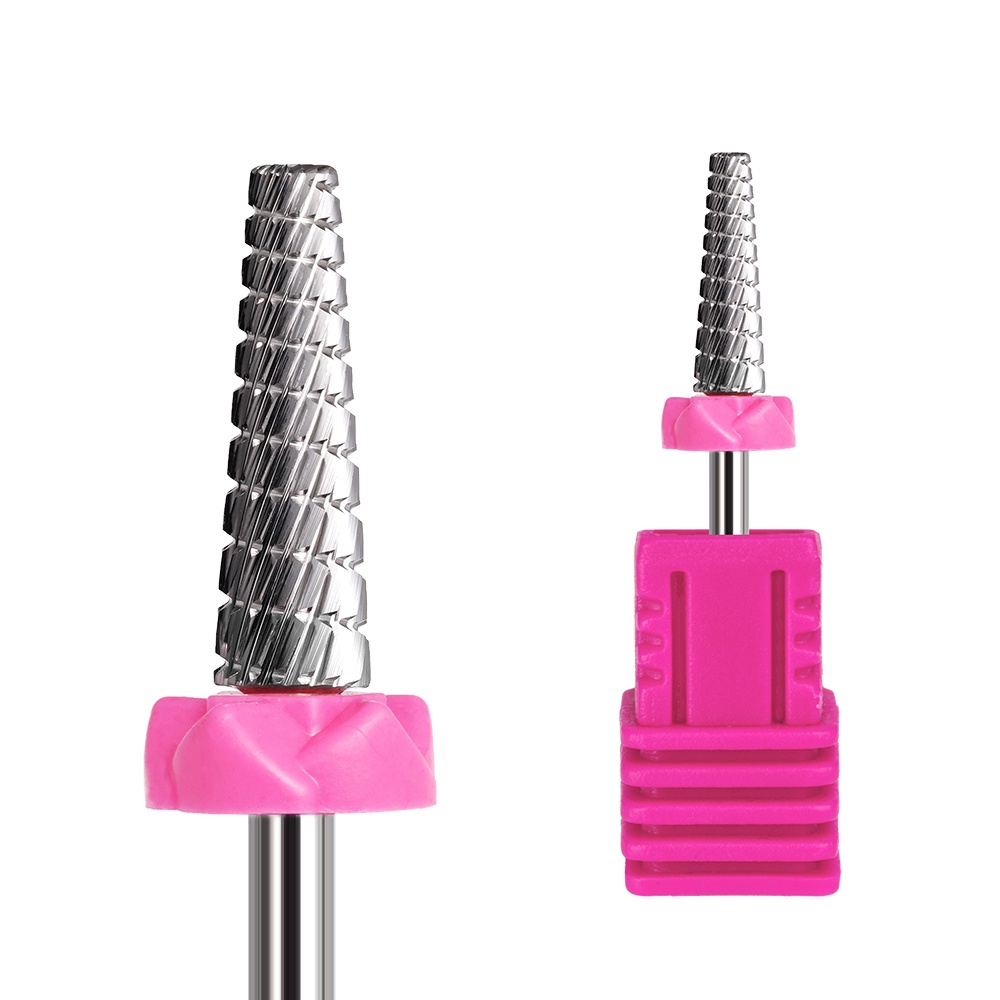
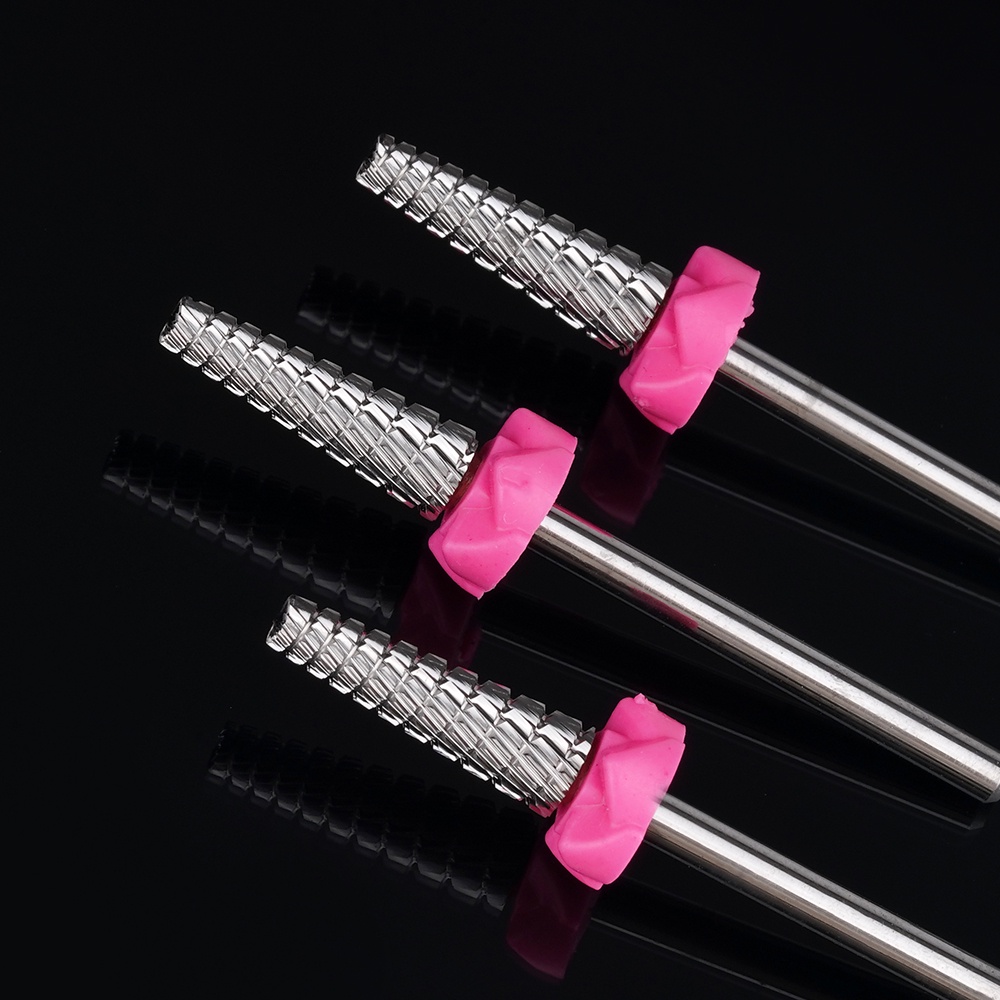
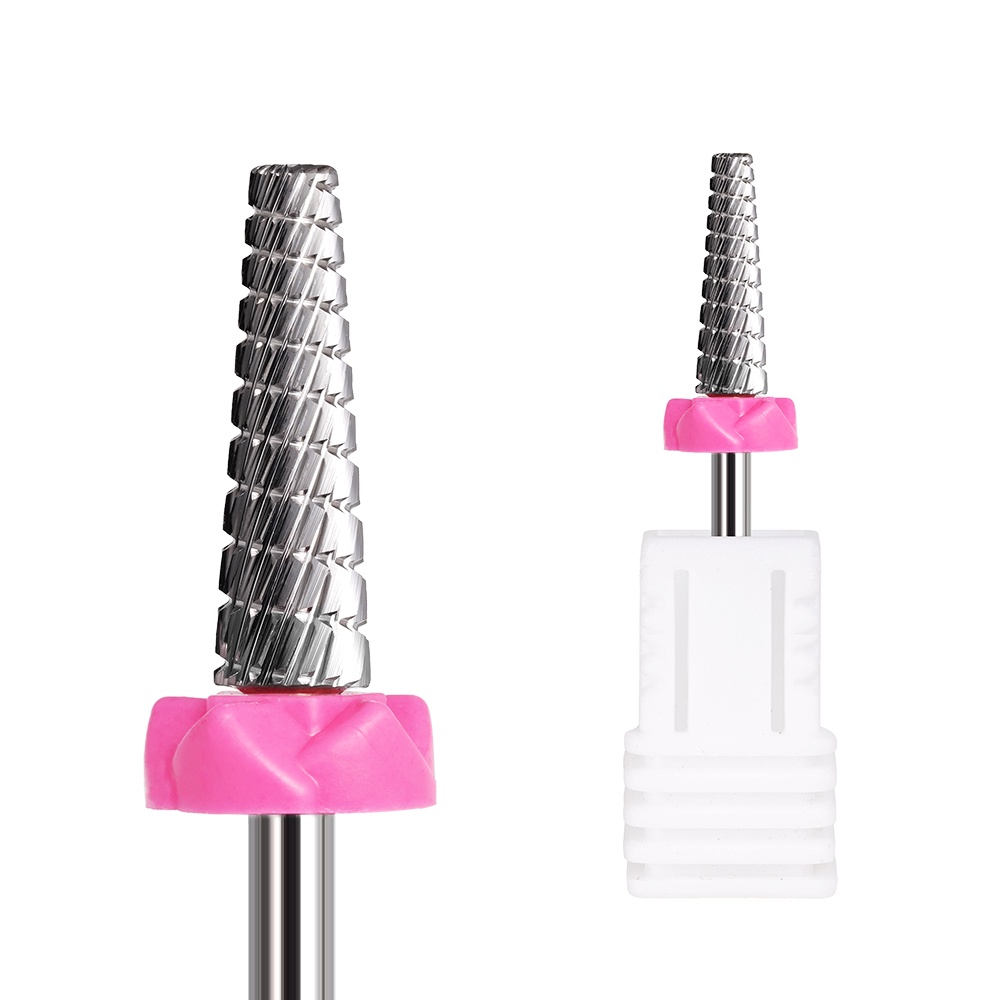
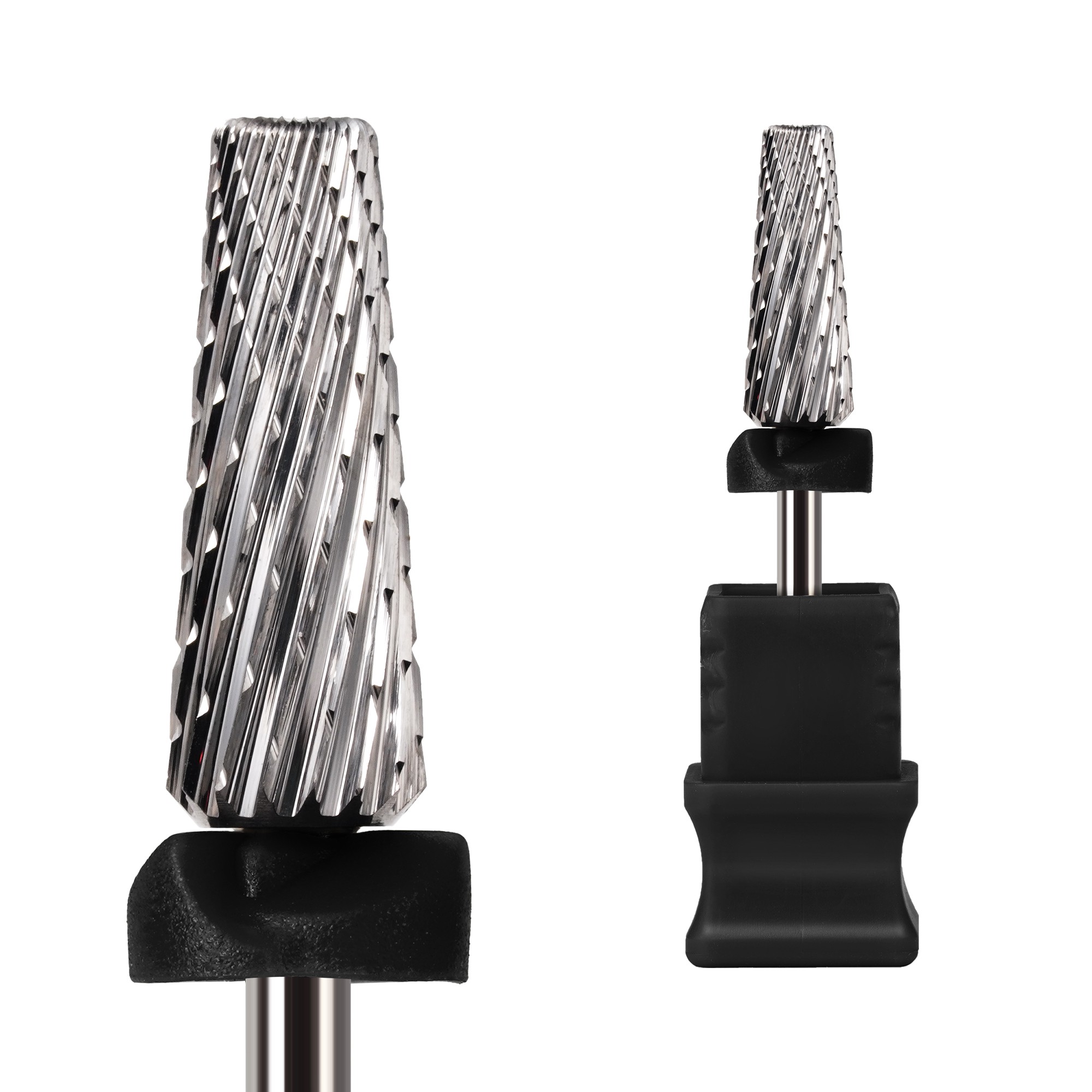
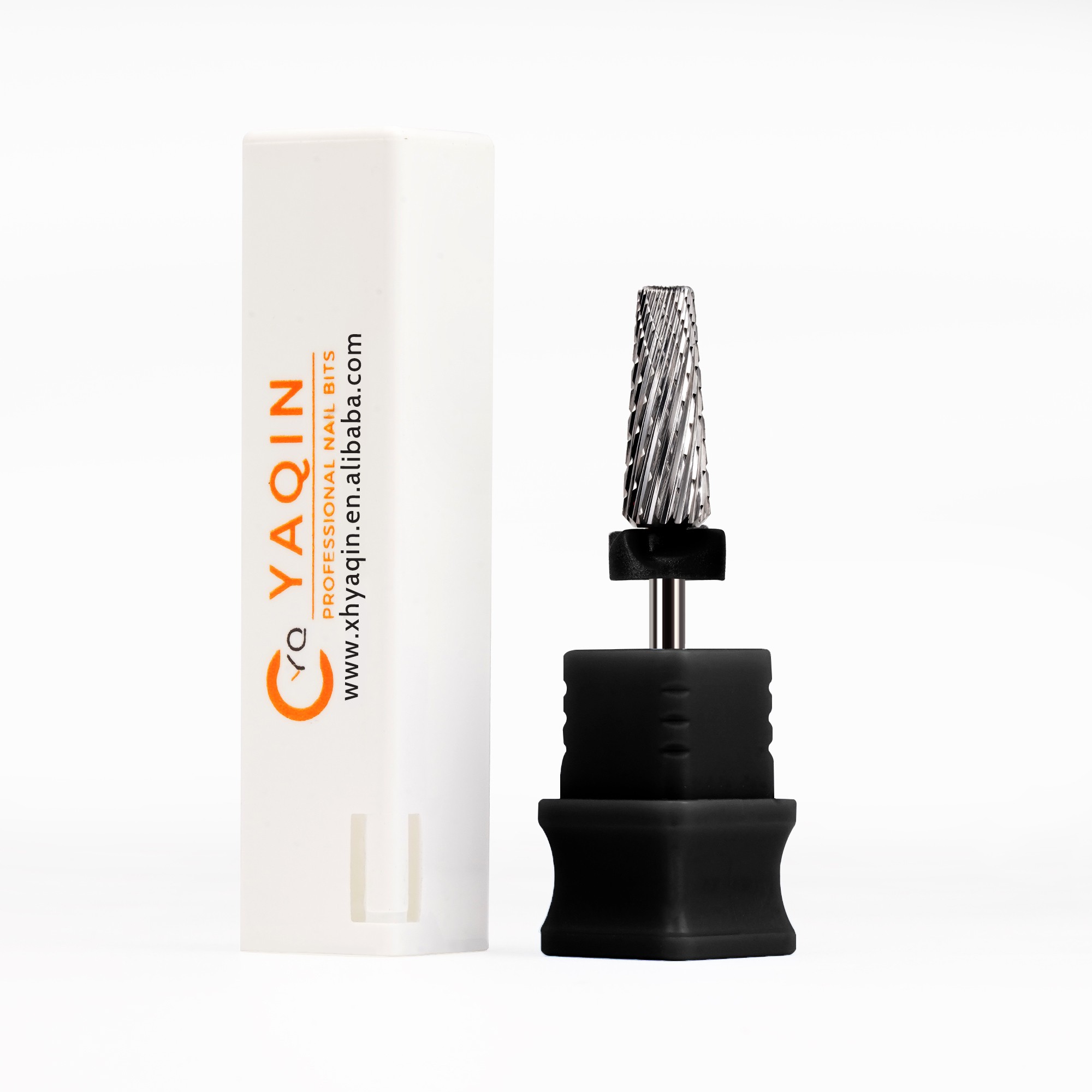
This is particularly relevant when evaluating abrasive accessories and carbide bits used alongside electric nail file systems. Materials such as tungsten carbide should be consistent in grade and machining quality. If a supplier offers items like 5.0mm Corn Bullet Shape Universal Carbide Cuticle Dc Nail Bits, you should not only examine the shape and finish, but also ask how the material is verified, how dimensions are controlled, and how grit or cutting performance is standardized between lots.
Traceability also affects OEM work. If your brand requires custom labels, special packaging, or different instruction formats, the supplier should be able to separate SKUs clearly and prevent mix-ups during production and packing. This sounds basic, but many sourcing problems begin with poor product identification rather than poor manufacturing.
Factory capability is more than equipment photos
Suppliers often highlight machinery, workshops, and packing areas. Those visuals can be useful, but they do not tell the whole story. What matters to evaluators is whether the supplier has a controlled production environment and a team that understands specification management.
During review, focus on questions such as:
- Are product specifications formally approved before mass production?
- Is there a sample retention process for reference?
- How are dimensional tolerances checked?
- Are operators trained on inspection criteria?
- How are OEM changes communicated to production and packing teams?
A supplier serving markets such as the USA, Canada, Germany, the UK, Italy, Poland, and dozens of additional countries should already have experience adapting to varied buyer requirements. That export footprint can be valuable, but only if it is supported by internal discipline. Global shipment history is not a substitute for compliance control; it is only a positive sign when paired with documentation and consistency.
Evaluate whether the supplier understands the product in real use
Technical compliance is not only a file review exercise. It also includes application understanding. In the nail care category, products are handled by salon professionals, nail technicians, and in some cases trained end users. A supplier that understands how products are used is usually better prepared to control design details, packaging claims, and safety communication.
Take carbide nail bits as an example. A well-designed bit should match its intended use and recommended operating conditions. A product designed for efficient removal of gel polish, acrylics, hard gels, and edge refining should also come with clear guidance on speed range and usage context. If a supplier provides technical recommendations such as 20k RPM and above for coarse grit, 15k–20k RPM for medium grit, and 10k–15k RPM for fine grit, that suggests a more mature approach to product communication than generic descriptions alone.
Features matter too, but evaluators should translate them into compliance thinking. A pointed round head design that helps minimize the risk of skin damage is not merely a selling point; it reflects design intent around safer use. Precision-engineered geometry and suitability for both professionals and beginners may indicate that the supplier has considered user variation, which is relevant when reviewing instructions, labeling, and product positioning.
OEM/ODM support should include process control, not just customization promises
Many importers and brand owners need private label or customized product solutions. In that situation, the right electric nail file Supplier should be able to support more than logo printing. OEM/ODM projects bring additional compliance pressure because every packaging change, language update, color variation, and accessory combination can create a new control point.
Ask the supplier how a customized project moves from concept to shipment. Is there a documented approval process for artwork, product specs, samples, and final packaging? Who signs off on changes? How are old and new versions separated? Can the supplier provide pre-shipment verification against your approved file set?
Wuxi Yaqin notes that it provides one-stop service from production to delivery and has professional OEM/ODM experience. For a buyer, the next step is verification: request the workflow, review sample approval records, and confirm how the factory avoids version confusion when multiple SKUs are packed for different clients.
Red flags that deserve attention
Some risks are obvious, others appear only after a careful conversation. Watch for these warning signs during evaluation:
- Certificates are shared without scope, date clarity, or issuing details
- Material information is vague or inconsistent across documents
- QC descriptions are broad but unsupported by forms or records
- Product specifications change between quotation, sample, and mass production discussion
- OEM requests are accepted too easily, with no mention of approval controls
- There is no clear explanation of lot identification or packing verification
Another subtle red flag is overconfidence without technical depth. If a supplier can describe product appearance well but struggles to explain inspection criteria, recommended speed ranges, material logic, or process checkpoints, you may be dealing with a sales-forward operation that lacks compliance maturity.
How to make your final assessment more reliable
Once documents have been reviewed, combine them with a practical validation step. This might include sample testing, packaging review, label verification, or a remote or on-site audit depending on project size. Your goal is to connect the supplier’s claims with physical evidence.
For example, if you are reviewing abrasive accessories used with nail file systems, check whether the delivered sample matches the declared material, dimensions, finish quality, and usage guidance. If the product is intended for salon use, assess whether instructions are clear enough for professional handling. If the supplier offers multiple grit levels or application types, confirm that each version is clearly distinguished in both product coding and packaging.
It can also be useful to test how the supplier responds to detailed questions. Strong suppliers do not need to know everything instantly, but they should be able to return with accurate answers from their technical or QC team. Responsiveness, clarity, and willingness to document decisions are often early indicators of future account stability.
A compliance-ready supplier should reduce uncertainty, not add to it
In the end, the best electric nail file Supplier is not the one with the broadest catalog or the lowest quote. It is the one that gives your sourcing, quality, and regulatory teams confidence that product requirements will be understood, documented, and repeated correctly over time. That confidence comes from visible systems: controlled purchasing, disciplined production, strict QC, traceable packing, and structured support for export and customization.
For business evaluators, the most useful mindset is simple: trust what can be verified. A supplier with established quality management, broad export experience, and a transparent process from production to delivery may be a strong candidate—but only after the documentation, controls, and communication standards hold up under review. When they do, you are not just approving a vendor. You are building a safer supply chain decision.
News List
- Is It Better to Source All Nail Drill Bits From One Factory?Aug 24, 2026
- How to Spot Fake Diamond Coating on Nail Drill BitsAug 24, 2026
- Are Silicone Nail Drill Bits Reusable After Sterilization?Aug 24, 2026
- Essential tools for manicures that make beginner work more consistentAug 24, 2026
- Which must-have items for nail technicians improve service speed mostAug 24, 2026
- How gel removal bits affect speed and heat during soak-off removalAug 24, 2026
Best-Selling Products
 Cross Cut Safety Stainless Steel Tungsten Carbide Nail Drill Bits Salon Foot Use XF-C Grit for Removing Nails
 First-rate Quality Tungsten Carbide Nail Drill Bits Best Coating Manicure Remove Gel Nails Accessories
 Professional Advanced Safety Cuticle Bits Two-Way Rotate 3/32'' Carbide Tungsten 5 in 1 Nail Drill Bits
 Wholesale 5 in 1 Electric Manicure Nail Drill Bits Various Coating Cone Cuticle Bit with Rotary Cross Cut for Nail Art
 New Slant Tooth Tungsten Steel Nail Drill Bits Dead Skin Removal 5-in-1 Universal Grinding Nail Polish Head Tool Nail Drill Bits
 4.0mm Small 5 in 1 Integrated Sharpe Tungsten Nail Drill Bit Straight Teeth Gel Polish Removal
 Flame Sharp XF F M C XC Silver Safety Professional Corn Tungsten Carbide Nail Bit for Drill Machine Accessories
 Factory Direct 5 in 1 Tungsten Carbide Nail Drill Bits 6.8MM Cross Cut Safety Manicure 5 in 1 Nail Drill Bits
Please give us a message