
China Electric Nail File Buying Guide: What Salons Should Check Before Ordering
China Electric Nail File Buying Guide: What Salons Should Check Before Ordering
China Electric Nail File Buying Guide: What Salons Should Check Before Ordering
Choosing the right China electric nail file supplier can directly affect salon efficiency, service quality, and long-term purchasing cost. That sounds obvious, but in practice many buying decisions still get reduced to unit price, packaging photos, and a short sample test. For salons, distributors, and procurement teams managing repeat orders, that approach usually misses the real cost drivers: motor stability, handpiece comfort, accessory consistency, quality control, replacement support, and delivery reliability.
A professional electric nail file is not just a small desktop tool. It sits at the center of daily nail prep, gel removal, surface refining, and time control at the technician’s table. If the machine runs hot, vibrates too much, or works poorly with the wrong bits, the issue quickly shows up in slower service, operator fatigue, inconsistent finishes, and more replacement orders than expected.
When sourcing a China electric nail file, salons should therefore look at the full working system rather than the machine body alone. That means checking compatibility with drill bits, RPM suitability for actual salon services, after-sales support for spare parts, and whether the supplier can maintain stable quality batch after batch.
Price matters, but total ownership cost matters more
A lower ex-factory quote can be attractive, especially for chain salons or importers planning volume purchasing. Still, procurement teams usually find that the cheapest option becomes expensive when three things happen: early machine failure, unstable accessory quality, or delayed replenishment. In the nail equipment category, these are not small issues. Even if the base machine is acceptable, weak bearings, poor torque stability, or inconsistent bit fit can disrupt service flow and shorten usable life.
A practical way to compare suppliers is to ask not only for price tiers, but also for expected maintenance points, recommended matching accessories, warranty handling process, and standard lead times for repeat orders. If those answers are vague, the initial quote may not reflect the real cost of ownership.
For buyers serving cost-sensitive salons, the goal is usually not to find the absolute lowest-priced unit. It is to find a stable purchasing model where performance, replacement cycle, and delivery rhythm are predictable enough to support planning.
Check the machine through the lens of real salon work
Many catalogs describe electric nail files in general terms, but procurement decisions should be tied to the actual service menu. A machine used mainly for light prep and polish removal does not need the same performance balance as one expected to handle frequent hard gel removal across multiple stations all day.
There are a few questions worth asking before placing an order:
- Is the RPM range appropriate for the salon’s common treatments?
- Does the handpiece remain comfortable during extended use?
- How much vibration is present at working speed, not just at idle?
- Is torque stable enough when pressure changes during gel removal?
- Are replacement parts and matching bits easy to reorder from the same supplier?
These checks help separate display specifications from service performance. A machine can look competitive on paper but still create operator dissatisfaction if the handpiece balance is poor or if usable speed drops sharply under load.
Do not evaluate the electric nail file separately from the bit system
This is where many sourcing decisions become incomplete. In salons, the file machine and the drill bits function as one working set. If the bit quality is inconsistent, even a decent machine will not deliver smooth, safe, repeatable results. Material, grit accuracy, shape, and heat behavior all affect technician experience.
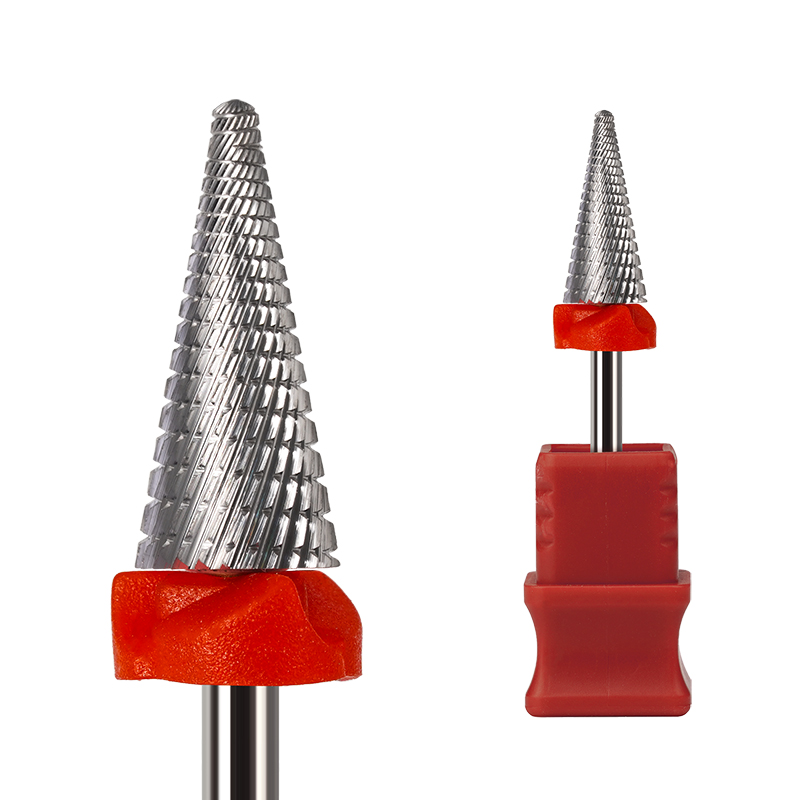
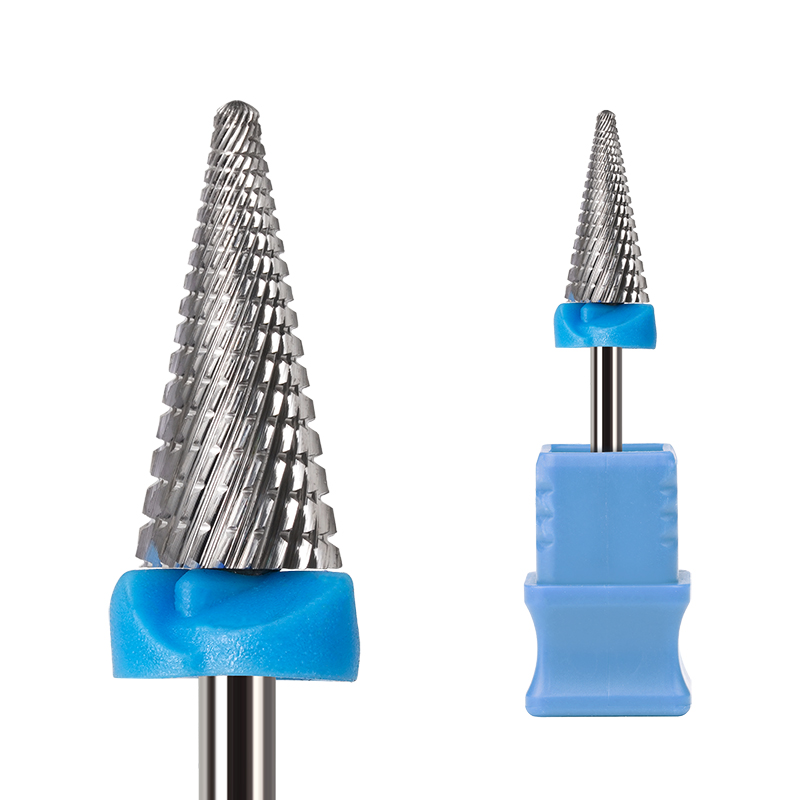
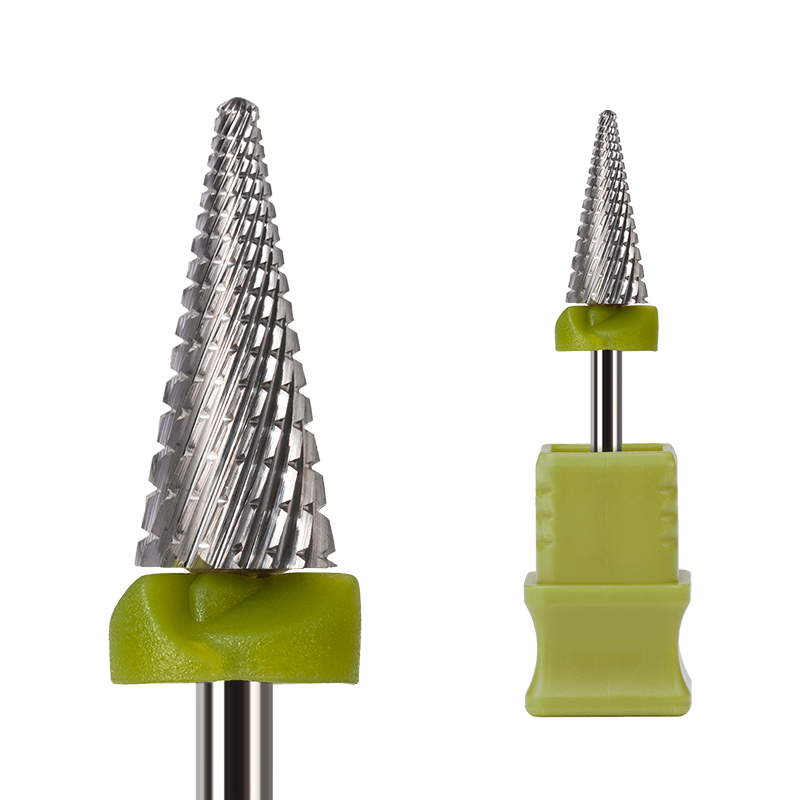
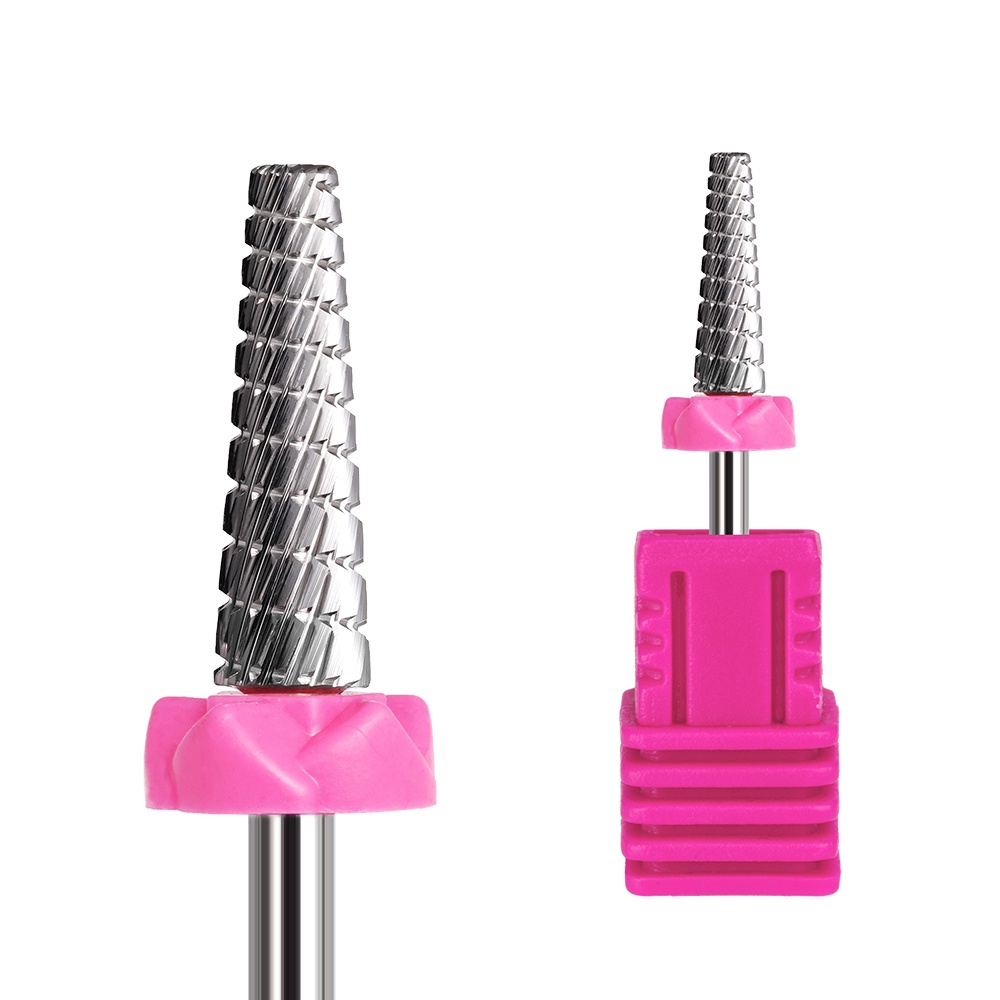
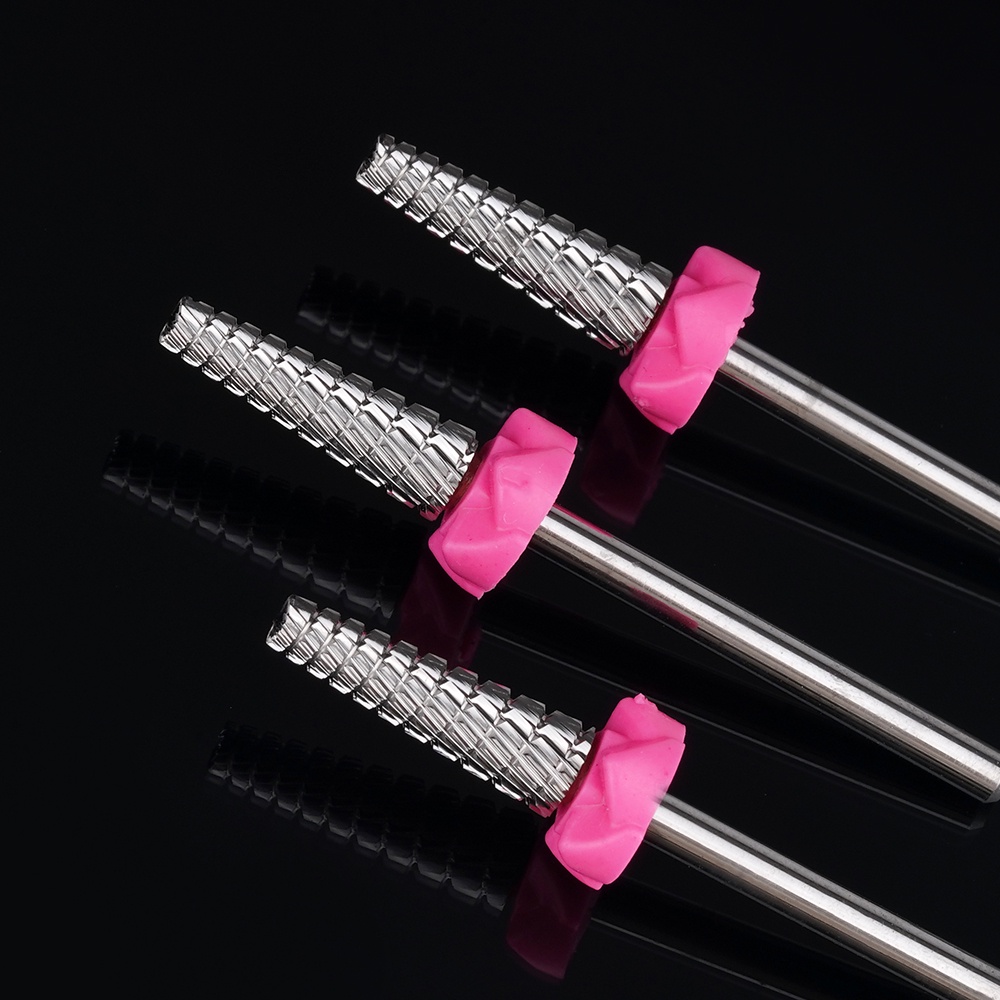
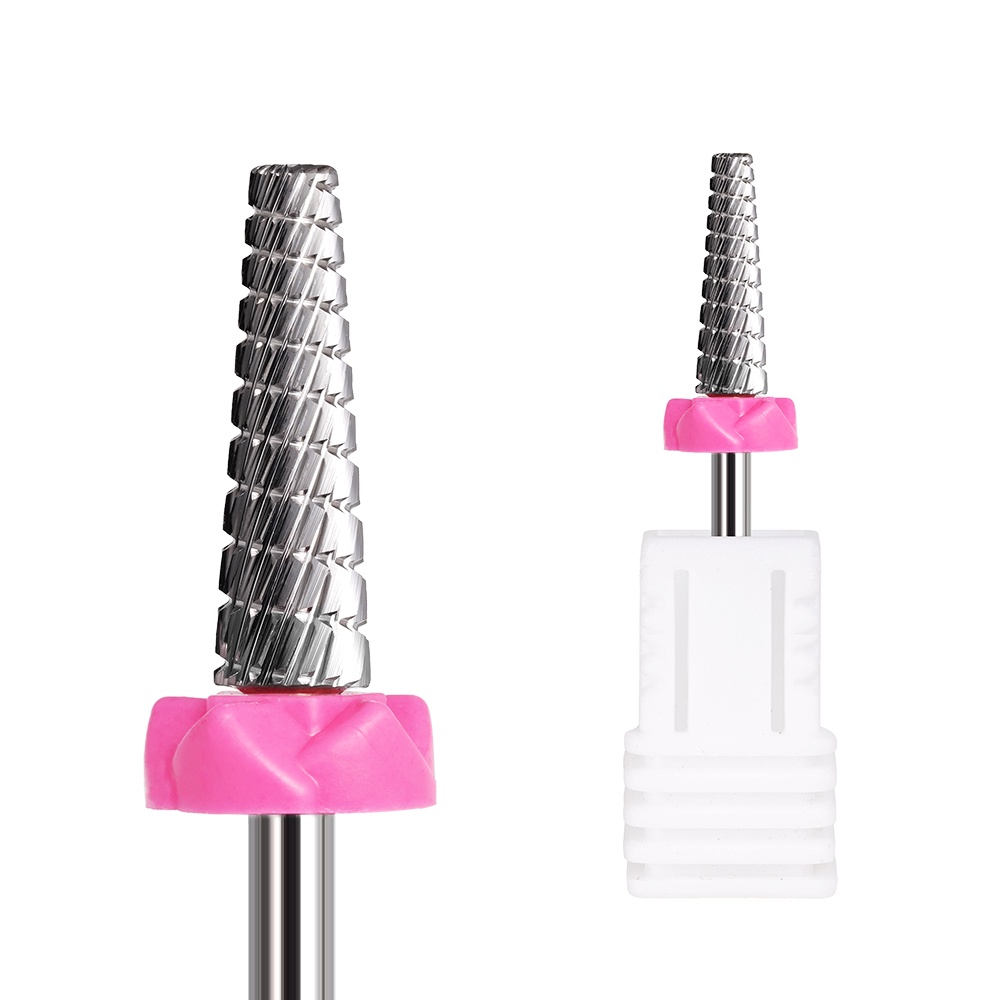
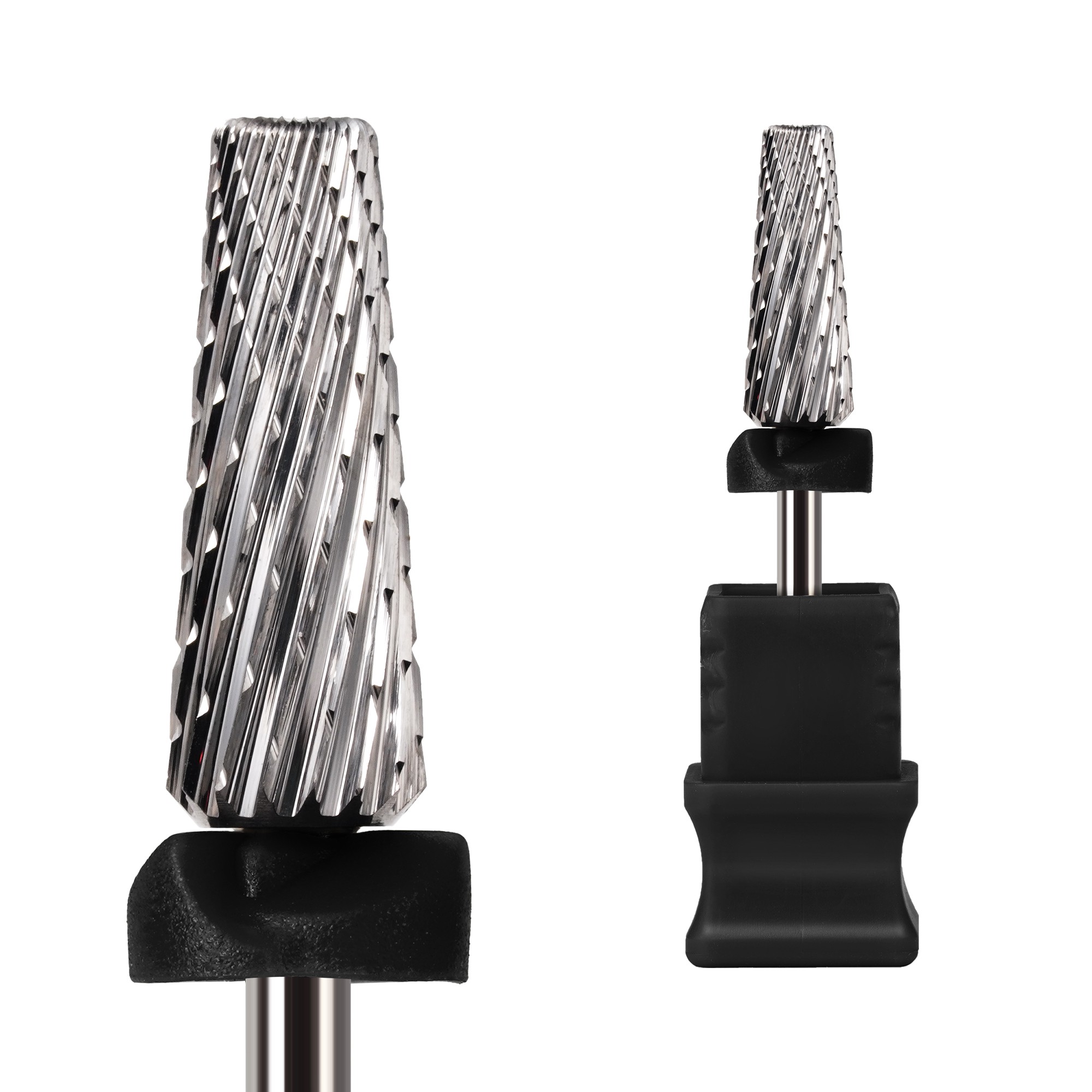
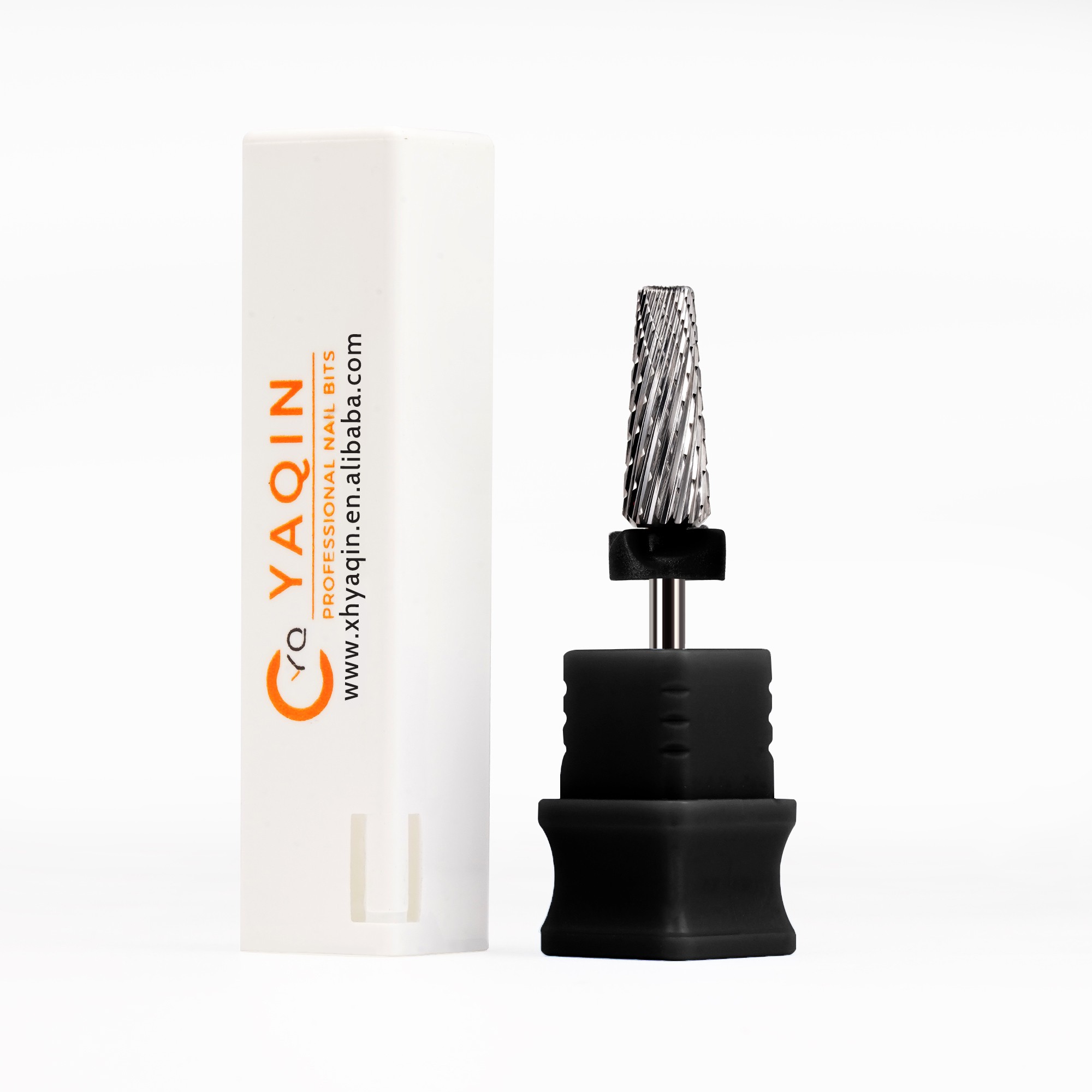
For example, salons that regularly remove gel need bits that cut precisely, clear product efficiently, and remain stable at practical working speeds. A tungsten carbide option is often preferred for durability and cutting consistency. In that context, products such as Large Barrel Smooth Top Natural Tungsten E Life Machine Carbide Nail Drill Bits make sense because the selection criteria are tied to actual use, not just appearance. Different grit options such as coarse, medium, and fine, along with narrow or wide formats, allow buyers to match stock more closely to technician habits and treatment types.
The provided speed guidance is also more useful than generic product claims. For hard gel removal, 15,000–20,000 RPM is recommended; for soft gel and base gel removal, 10,000–15,000 RPM is suggested. Those ranges give buyers a clearer basis for checking whether a machine and bit combination is suitable for everyday salon work. They also help with technician training and reduce the risk of ordering accessories that do not perform well at the salon’s actual operating speeds.
Quality control is not a slogan in this category
For procurement teams, one of the most important questions is whether the supplier can keep product quality stable over time. A good first batch is useful, but repeatability is what protects margins. This applies to both machines and abrasive accessories. Slight variation in raw material, machining, packing discipline, or final inspection can show up later as uneven finishes, corrosion issues, fit problems, or customer complaints.
That is why experienced buyers often ask about the supplier’s QC flow before discussing large order volume. Wuxi Yaqin Trading Co., Ltd., for example, positions itself as a trading factory focused on high-quality abrasive products for export markets including the USA, Canada, Germany, the UK, Italy, Poland, and many others. More relevant than market coverage alone is its emphasis on a complete QC system covering raw material purchasing, production process, and product packing, together with ISO9001:2000 quality management system certification. For buyers, details like these are useful because they suggest a more structured production environment, though final evaluation should still rely on sample consistency, communication quality, and order execution.
If you are comparing suppliers, ask for clear information on inspection steps, packaging standards, and how non-conforming goods are handled. A serious factory or trading factory should be able to answer these questions without turning them into generic marketing statements.
OEM and ODM capability can reduce hidden purchasing friction
Not every salon buyer needs customization, but many importers and private-label distributors do. Branding, packaging changes, bit assortment design, kit combinations, and market-specific labeling can all affect how easy it is to launch or reorder products. If the supplier has little OEM or ODM experience, simple changes may stretch lead time or create repeated communication errors.
This is especially relevant when you plan to combine machines with consumables and bits into a retail-ready or salon-ready set. A supplier with one-stop service from production to delivery can simplify coordination, provided the workflow is genuinely organized. It does not automatically make the supplier better, but it can reduce the number of handoffs and help buyers keep control over packaging accuracy and shipment timing.
Sampling should focus on repeatability, not just first impression
A single sample can be misleading. It may confirm design, surface finish, or basic fit, but it says less about production consistency. For a China electric nail file project, a more useful sampling process is to test the machine with the actual bit types your salon or distribution channel will stock, then compare multiple units if possible.
During evaluation, pay attention to practical details: noise level after continuous use, bit locking reliability, heat build-up, surface finishing quality, and whether the cutting feel stays stable across different bit models. If you are also buying carbide bits, compare how coarse, medium, and fine grits behave in real prep and removal tasks. For both nail professionals and beginners, a user-friendly design matters because training time and service consistency have cost implications too.
This is also where a corrosion-resistant, durable accessory line becomes relevant. If the bit system is portable, easy to identify, and durable in repeated use, stock management becomes easier and wastage tends to be lower over time.
Delivery reliability is part of product quality
Procurement teams often separate product evaluation from logistics, but salons feel both at the same time. A strong product that arrives late, ships with packaging errors, or cannot be replenished quickly still creates commercial risk. This is particularly true for high-turn accessories such as drill bits, where stockouts can interrupt services or force emergency substitute purchases.
Ask suppliers how they manage production scheduling, export packing, and repeat-order timelines. If they already serve multiple overseas markets, that may indicate experience with documentation and shipping coordination, but it is still worth confirming lead time assumptions by SKU, not only by catalog category.
A good buying decision usually looks a little less exciting
In this product category, the best procurement result is often not the one with the most aggressive quote or the most polished brochure. It is the option that stays consistent: stable machine performance, practical RPM matching, reliable abrasive quality, manageable customization, and predictable delivery.
If you are reviewing suppliers in China, ask them to support your buying process with specifics. Request realistic parameter guidance, compatible bit recommendations, quality control details, and repeat-order expectations. If the supplier can also support OEM/ODM work and integrated delivery, that may simplify sourcing, especially when you need both machines and consumables under one purchasing plan.
Before placing an order, it is worth confirming one last time how the electric nail file will actually be used in the salon: what materials technicians remove most often, what speeds they operate at, which bit shapes they prefer, and how fast replacement stock is consumed. Those answers usually matter more than a small difference in unit price.
News List
- Is It Better to Source All Nail Drill Bits From One Factory?Aug 24, 2026
- How to Spot Fake Diamond Coating on Nail Drill BitsAug 24, 2026
- Are Silicone Nail Drill Bits Reusable After Sterilization?Aug 24, 2026
- Essential tools for manicures that make beginner work more consistentAug 24, 2026
- Which must-have items for nail technicians improve service speed mostAug 24, 2026
- How gel removal bits affect speed and heat during soak-off removalAug 24, 2026
Best-Selling Products
 Cross Cut Safety Stainless Steel Tungsten Carbide Nail Drill Bits Salon Foot Use XF-C Grit for Removing Nails
 First-rate Quality Tungsten Carbide Nail Drill Bits Best Coating Manicure Remove Gel Nails Accessories
 Professional Advanced Safety Cuticle Bits Two-Way Rotate 3/32'' Carbide Tungsten 5 in 1 Nail Drill Bits
 Wholesale 5 in 1 Electric Manicure Nail Drill Bits Various Coating Cone Cuticle Bit with Rotary Cross Cut for Nail Art
 New Slant Tooth Tungsten Steel Nail Drill Bits Dead Skin Removal 5-in-1 Universal Grinding Nail Polish Head Tool Nail Drill Bits
 4.0mm Small 5 in 1 Integrated Sharpe Tungsten Nail Drill Bit Straight Teeth Gel Polish Removal
 Flame Sharp XF F M C XC Silver Safety Professional Corn Tungsten Carbide Nail Bit for Drill Machine Accessories
 Factory Direct 5 in 1 Tungsten Carbide Nail Drill Bits 6.8MM Cross Cut Safety Manicure 5 in 1 Nail Drill Bits
Please give us a message