
Nail Filing Additions for Aged Skin and Nails: Safer Options
Nail Filing Additions for Aged Skin and Nails: Safer Options
Nail Filing Additions for Aged Skin and Nails: Safer Options
As skin becomes thinner and nails more brittle with age, choosing the right nail filing additions for aged skin and nails is essential for comfort and safety.
The best options reduce friction, limit splitting, and make routine grooming feel much gentler.
That matters because aging nails often react badly to rough grit, harsh pressure, or fast shaping tools.
A smart choice is not only about neat results.
It is also about protecting fragile skin, avoiding tears, and keeping nail care comfortable at home.
Why nail changes with age need a different filing approach
Nails usually become drier and less flexible over time.
Skin around the nail can also thin out, especially near the cuticle and sidewalls.
This means common tools may suddenly feel too aggressive.
A coarse file can trigger peeling.
A stiff buffer can create heat.
Even a small slip can nick delicate skin.
That is why nail filing additions for aged skin and nails should focus on control first, then speed.
Gentle abrasion, stable grip, and low-pressure use usually matter more than fast material removal.
What makes safer nail filing additions for aged skin and nails
Safer options usually share a few practical traits.
- Fine or medium-fine grit that smooths without grabbing.
- Rounded edges that reduce accidental scratching.
- Lightweight tools that are easier to guide slowly.
- Stable surfaces that create less vibration and less heat.
- Shapes designed for narrow corners and shallow sidewalls.
When comparing nail filing additions for aged skin and nails, avoid choosing by price alone.
A slightly better surface finish often makes the tool feel much kinder during real use.
Best material options to consider
Glass files for basic shaping
Glass files are often a safe starting point.
They seal the nail edge more smoothly than many rough emery boards.
They work well for brittle nails that split easily at the corners.
Fine-grit foam buffers for surface smoothing
A soft buffer can reduce ridges gently.
Still, it should be used lightly and not too often.
Over-buffing can thin already fragile nails.
Diamond-coated precision bits for detailed care
For careful cuticle work, fine diamond surfaces can be a safer choice than sharp scraping tools.
They help refine small areas with better control.
This is especially useful when the skin is thin and pockets are small.
How to compare shapes and attachments before buying
Shape matters as much as material.
Some attachments are broad and fast.
Others are slim and more forgiving near sensitive edges.
For many people, flame or small cone shapes are among the most practical nail filing additions for aged skin and nails.
They reach delicate areas without forcing wide contact across fragile skin.
A closer look at a gentle precision option
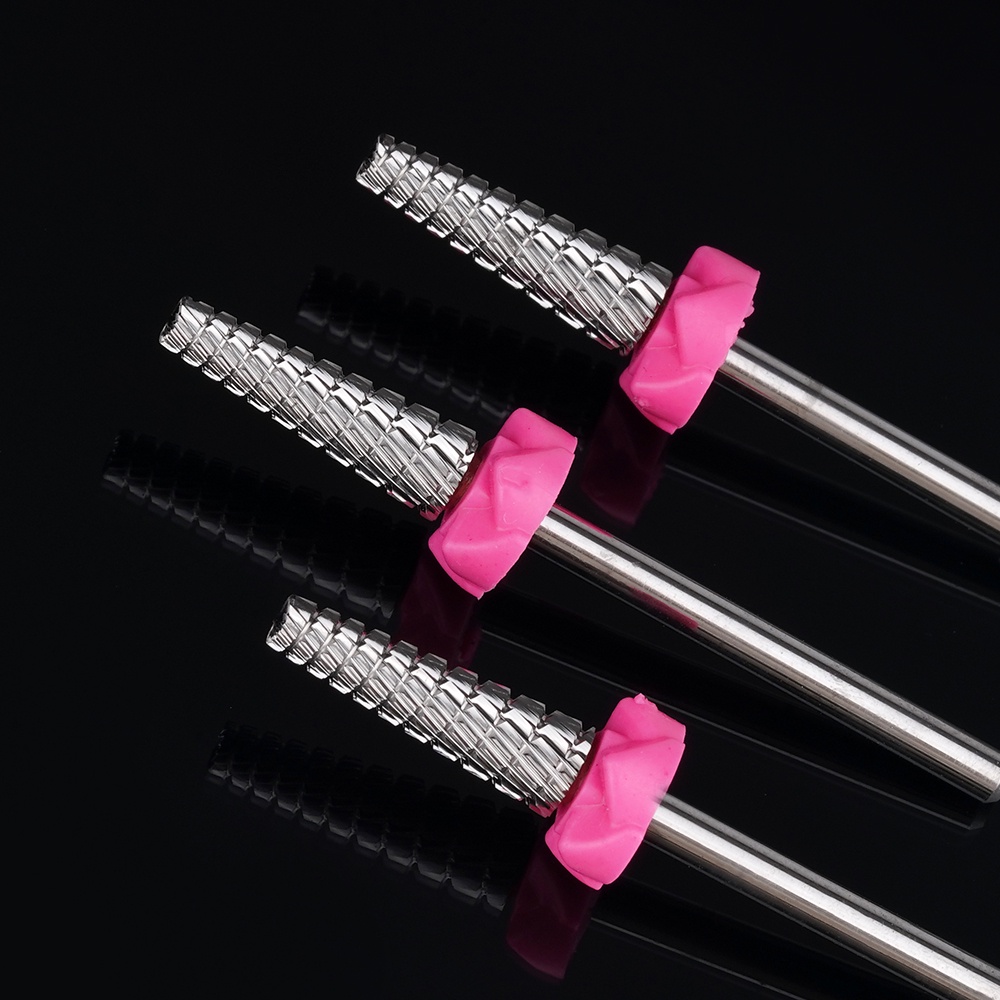
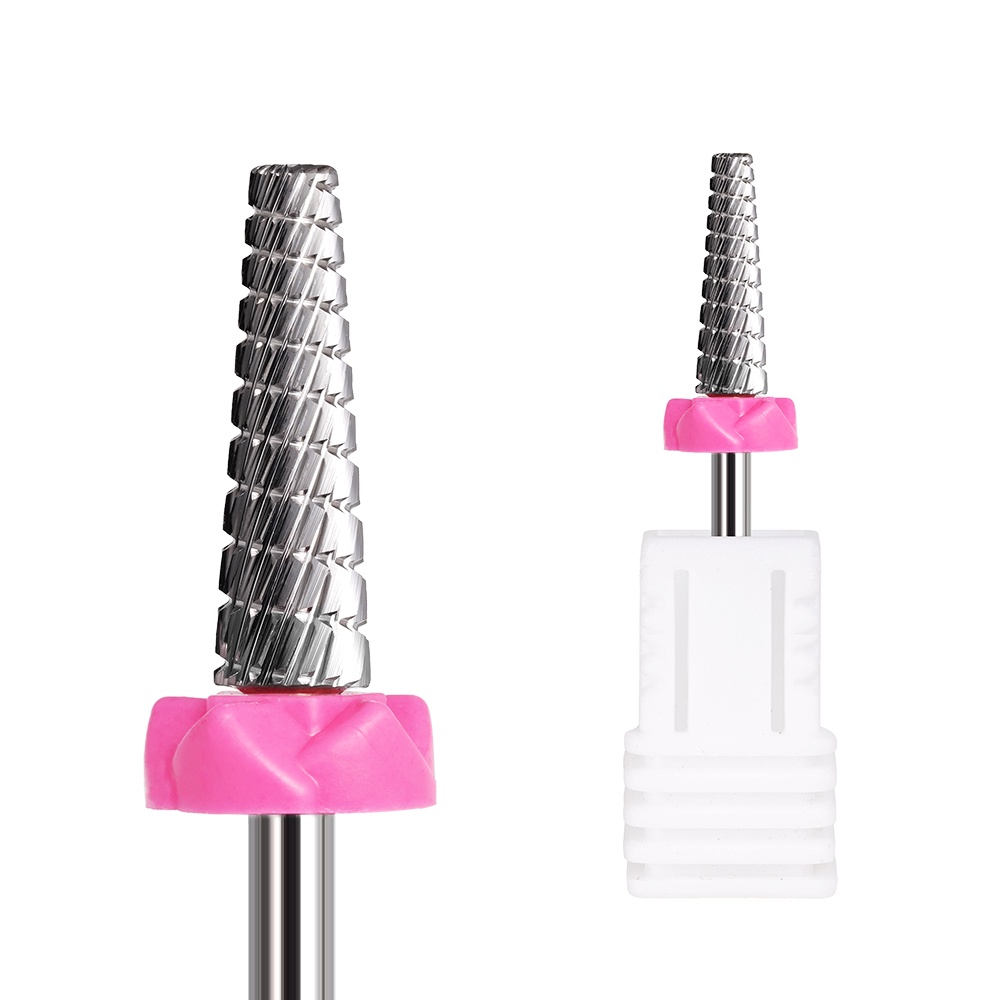
One example worth comparing is the 2*8mm Flame Bit Diamond Nail Drill Bits Stainless Steel Cuticle Remover Burr.
Its flame profile is useful for lifting the cuticle, opening small pockets, and refining side lines.
That shape tends to suit aged skin better than bulky attachments.
The stainless steel base adds stability, while the diamond sandblasting finish supports a finer contact feel.
Integrated forming technology can also help reduce wobble.
Less wobble often means better control for slow, careful work around thin skin.
This type of detail bit is not about aggressive removal.
It is better suited to precise prep, dead skin cleanup, and gentle adhesion removal from the nail surface.
Red flags to avoid when choosing safer options
Some features look efficient but create more risk for aging nails.
- Very coarse grit for routine natural nail care.
- Sharp-edged metal tools without a smoothing surface.
- Large attachments for narrow cuticle zones.
- Tools that vibrate, wobble, or heat quickly.
- Sets with no grit or size information.
When evaluating nail filing additions for aged skin and nails, transparency matters.
Clear size details, material information, and intended use usually signal a better buying decision.
How to use nail filing additions for aged skin and nails safely at home
Even the best tool can feel harsh if technique is rushed.
- Start with clean, dry nails unless the product guide says otherwise.
- Use low pressure and let the surface do the work.
- Keep movements short and controlled.
- Avoid staying in one area too long.
- Stop immediately if heat, redness, or stinging appears.
- Finish with cuticle oil or a rich hand cream.
This routine lowers friction and helps preserve moisture.
That is often the missing step in long-term nail comfort.
How to decide which option fits best
The best choice depends on the main problem you want to solve.
- For splitting edges, choose a fine glass file.
- For light ridge smoothing, use a soft fine buffer sparingly.
- For cuticle detail, choose slim diamond-coated attachments.
- For thin sidewalls, prioritize smaller flame or cone shapes.
If precision and maneuverability matter most, a small flame bit may be the better fit.
For example, the 2*8mm Flame Bit Diamond Nail Drill Bits Stainless Steel Cuticle Remover Burr is designed for delicate operational control.
That makes it easier to handle thin skin and small pockets without overly broad contact.
Final thoughts on safer nail care choices
The right nail filing additions for aged skin and nails should feel gentle, predictable, and easy to control.
Fine surfaces, smaller shapes, and stable construction usually offer the safest path.
Aging nails do not need aggressive treatment.
They need thoughtful tools and a slower approach.
When comparing options, focus on grit, shape, stability, and comfort during use.
That combination leads to better results and fewer setbacks.
Choose one gentle upgrade, test it slowly, and build a nail care routine that protects both skin and nails over time.
News List
- Preventing Gouges and Uneven Filing With Small Barrel Nail Drill BitsSep 20, 2026
- How Diameter and Grit Affect Small Barrel Nail Drill Bit PerformanceSep 20, 2026
- Can Hytos Nail Drill Bits Be Used Safely on Natural Nails and Gel Polish?Sep 20, 2026
- How to Verify Fit Between Hytos Nail Drill Bits and an E-File HandpieceSep 20, 2026
- Safe Speed Settings for Umbrella Nail Drill Bits Around the Nail FoldSep 20, 2026
- Umbrella vs Flame Nail Drill Bits: Which Shape Offers Better Cuticle Control?Sep 20, 2026
Best-Selling Products
 Cross Cut Safety Stainless Steel Tungsten Carbide Nail Drill Bits Salon Foot Use XF-C Grit for Removing Nails
 First-rate Quality Tungsten Carbide Nail Drill Bits Best Coating Manicure Remove Gel Nails Accessories
 Professional Advanced Safety Cuticle Bits Two-Way Rotate 3/32'' Carbide Tungsten 5 in 1 Nail Drill Bits
 Wholesale 5 in 1 Electric Manicure Nail Drill Bits Various Coating Cone Cuticle Bit with Rotary Cross Cut for Nail Art
 New Slant Tooth Tungsten Steel Nail Drill Bits Dead Skin Removal 5-in-1 Universal Grinding Nail Polish Head Tool Nail Drill Bits
 4.0mm Small 5 in 1 Integrated Sharpe Tungsten Nail Drill Bit Straight Teeth Gel Polish Removal
 Flame Sharp XF F M C XC Silver Safety Professional Corn Tungsten Carbide Nail Bit for Drill Machine Accessories
 Factory Direct 5 in 1 Tungsten Carbide Nail Drill Bits 6.8MM Cross Cut Safety Manicure 5 in 1 Nail Drill Bits
Please give us a message