
Essential Tools for Manicures: What You Really Need
Essential Tools for Manicures: What You Really Need
Choosing the essential tools for manicures is rarely just about filling a kit. In the light consumer goods market, tool quality affects service speed, finish consistency, hygiene control, and replacement cost over time.
That is why buyers and brand teams look beyond appearance. They compare durability, abrasive performance, material stability, and how well each tool supports real salon workflows and changing product trends.
When the goal is to build a reliable manicure offering, the most useful approach is to understand what is truly essential, what is optional, and what separates a basic tool from a professional one.
What counts as essential in a manicure setup
The phrase essential tools for manicures covers more than clippers and files. A complete setup usually includes shaping tools, cuticle tools, surface preparation products, cleaning items, and precision abrasives for gel or enhancement work.
In simple terms, essential means tools that directly influence nail safety, preparation quality, polish adhesion, and the final visual result. If one of these categories is weak, the whole service becomes less predictable.
Manual tools still matter, but electric filing accessories now play a bigger role. This is especially true where gel systems, repeat appointments, and time-sensitive service models are common.
Core categories most professionals evaluate
- Nail files and buffers for shaping, smoothing, and refining the plate.
- Cuticle pushers and nippers for clean preparation around the nail edge.
- Brushes and sanitation items for dust removal and hygiene support.
- Drill bits and abrasive accessories for gel removal, prep work, and detailed finishing.
- Storage and packing solutions that protect tools between use and transport.
Why this topic matters more now
The manicure category has become more technical. Hard gel, soft gel, builder systems, and layered finishes all require better control than traditional polish-only routines.
As a result, essential tools for manicures are now judged by performance consistency, not only by price. Tools that wear quickly, heat up, corrode, or cut unevenly create service issues and unnecessary waste.
Supply chain reliability also matters. In export-driven personal care goods, repeatable quality and documented production standards reduce risk for brands, distributors, and long-term sourcing programs.
This is one reason companies such as Wuxi Yaqin Trading Co., Ltd. focus heavily on abrasive product quality, process control, and stable delivery. In a category built on precision, small variations become visible very quickly.
The tools that make the biggest difference
Not every tool has the same impact. Some items define the service experience because they affect preparation time, finish accuracy, and how safely product can be removed from the nail surface.
Files and buffers
These remain the foundation of basic shaping. Grit selection matters because aggressive surfaces can damage natural nails, while overly soft abrasives slow the process and reduce control.
Cuticle tools
Clean cuticle work supports adhesion and improves the finished look. Good tools need precise edges, stable grip, and surface quality that holds up after repeated cleaning.
Drill bits and abrasive accessories
This category often decides whether a manicure system feels efficient or frustrating. Well-made bits help remove gel quickly, maintain a smooth prep process, and reduce uneven cutting or heat discomfort.
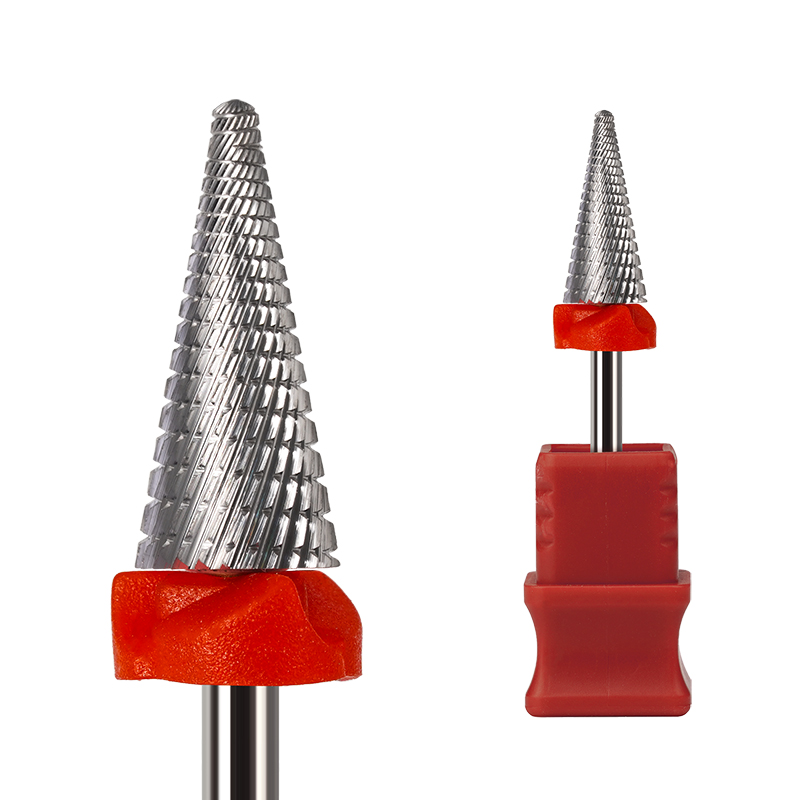
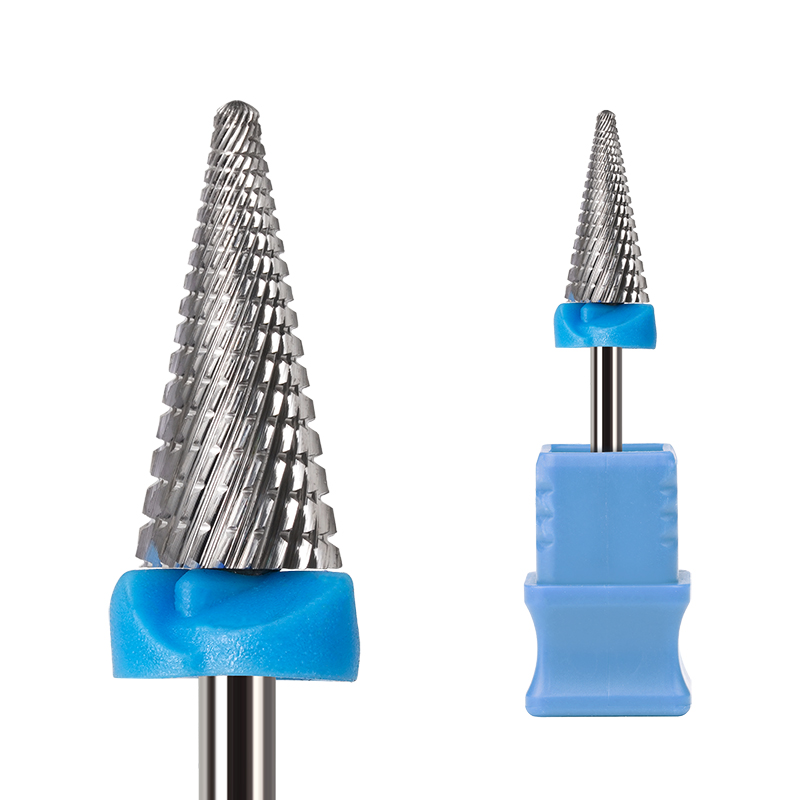
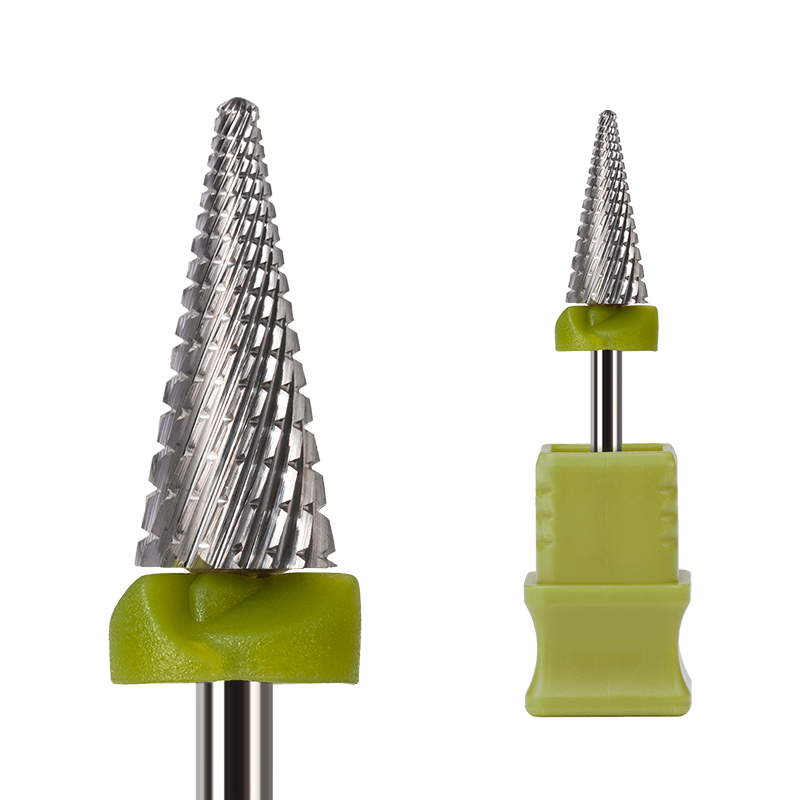
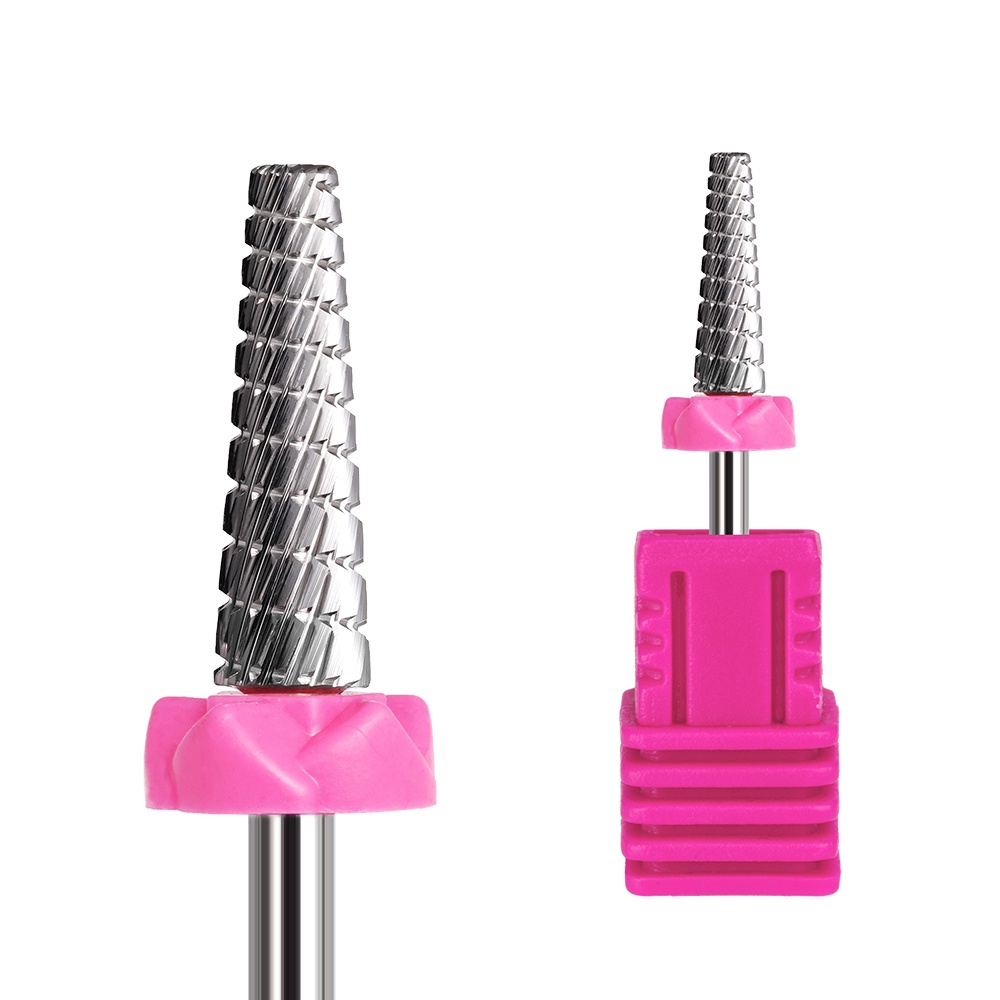
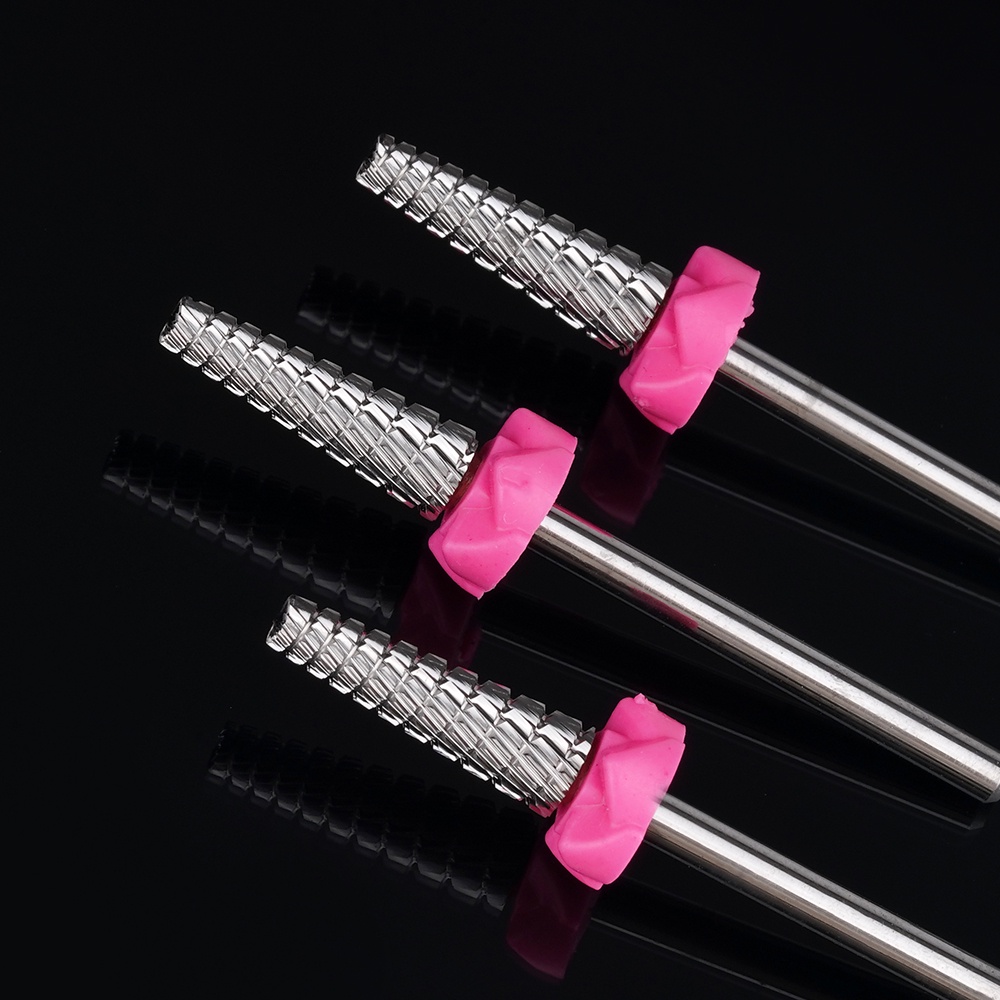
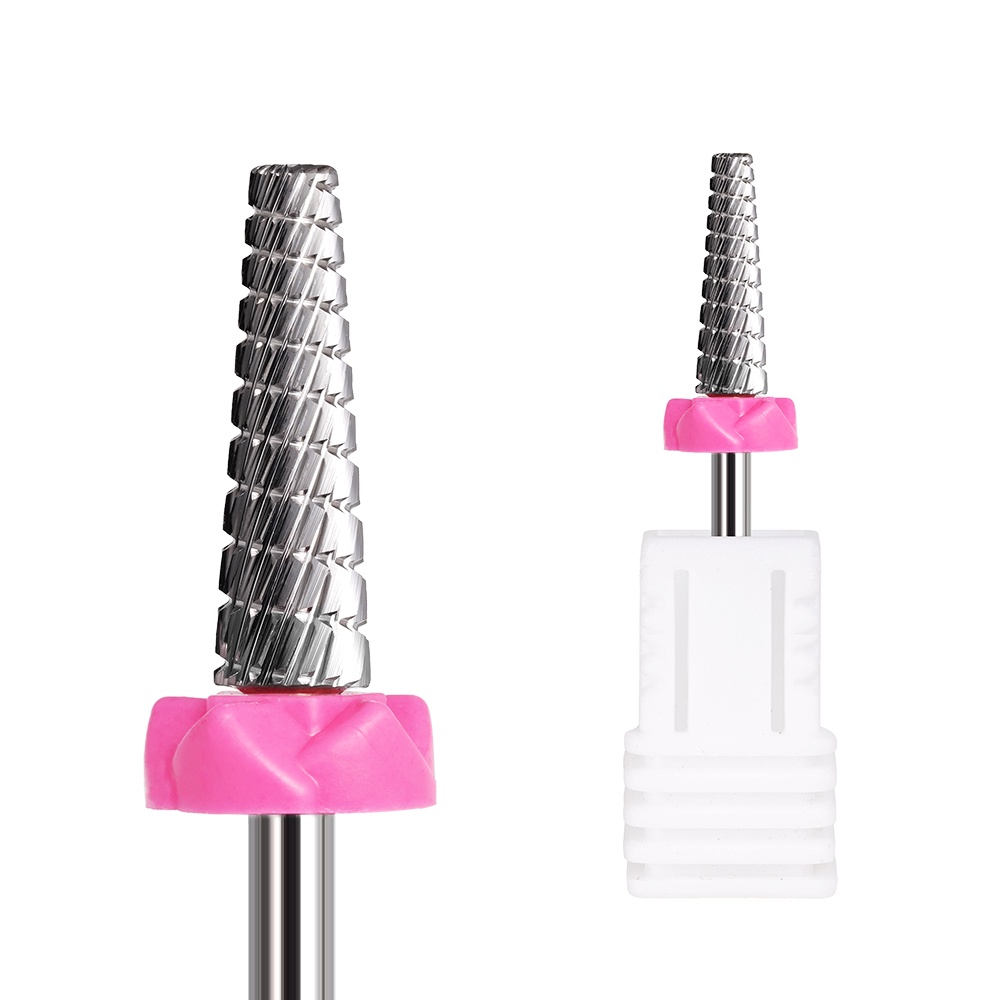
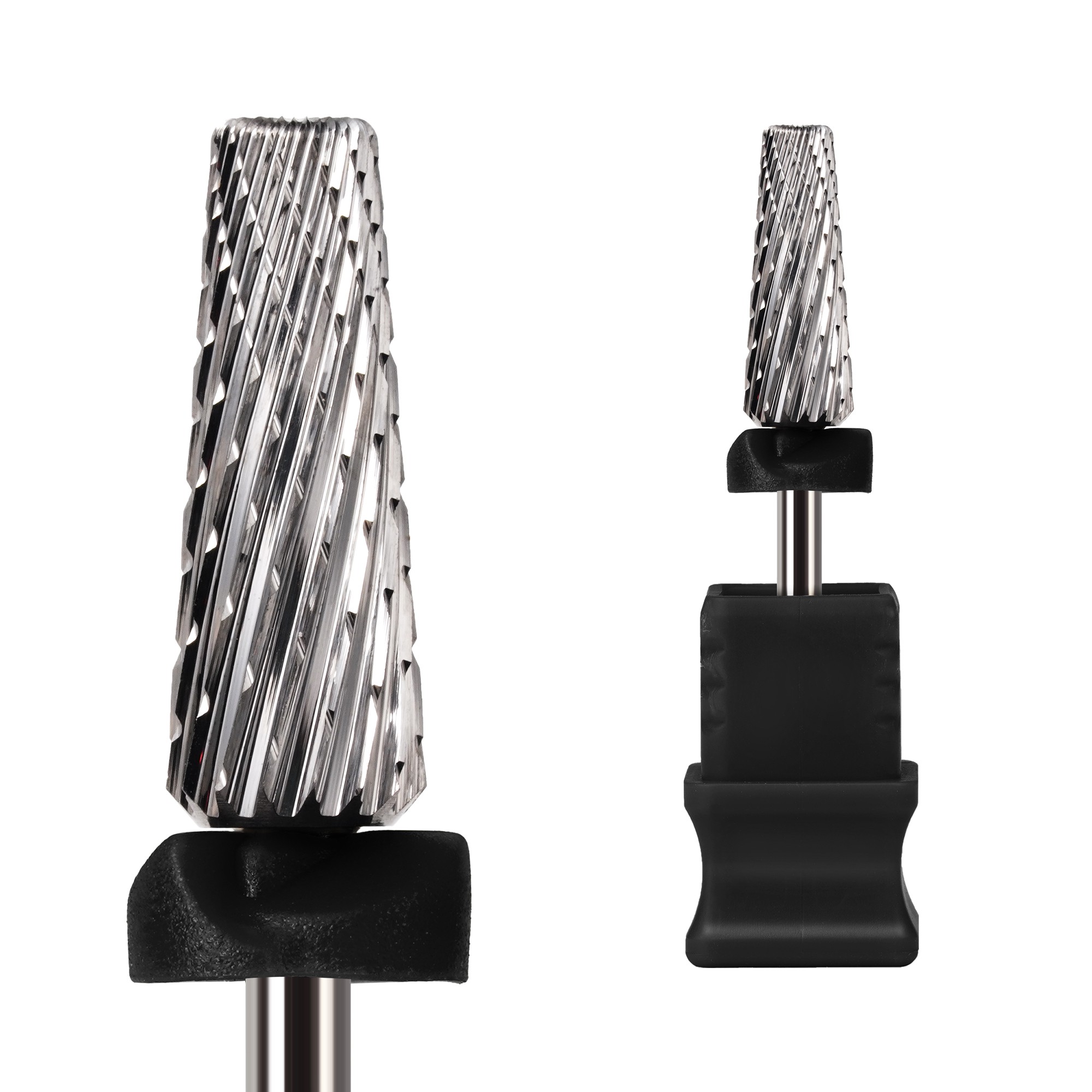
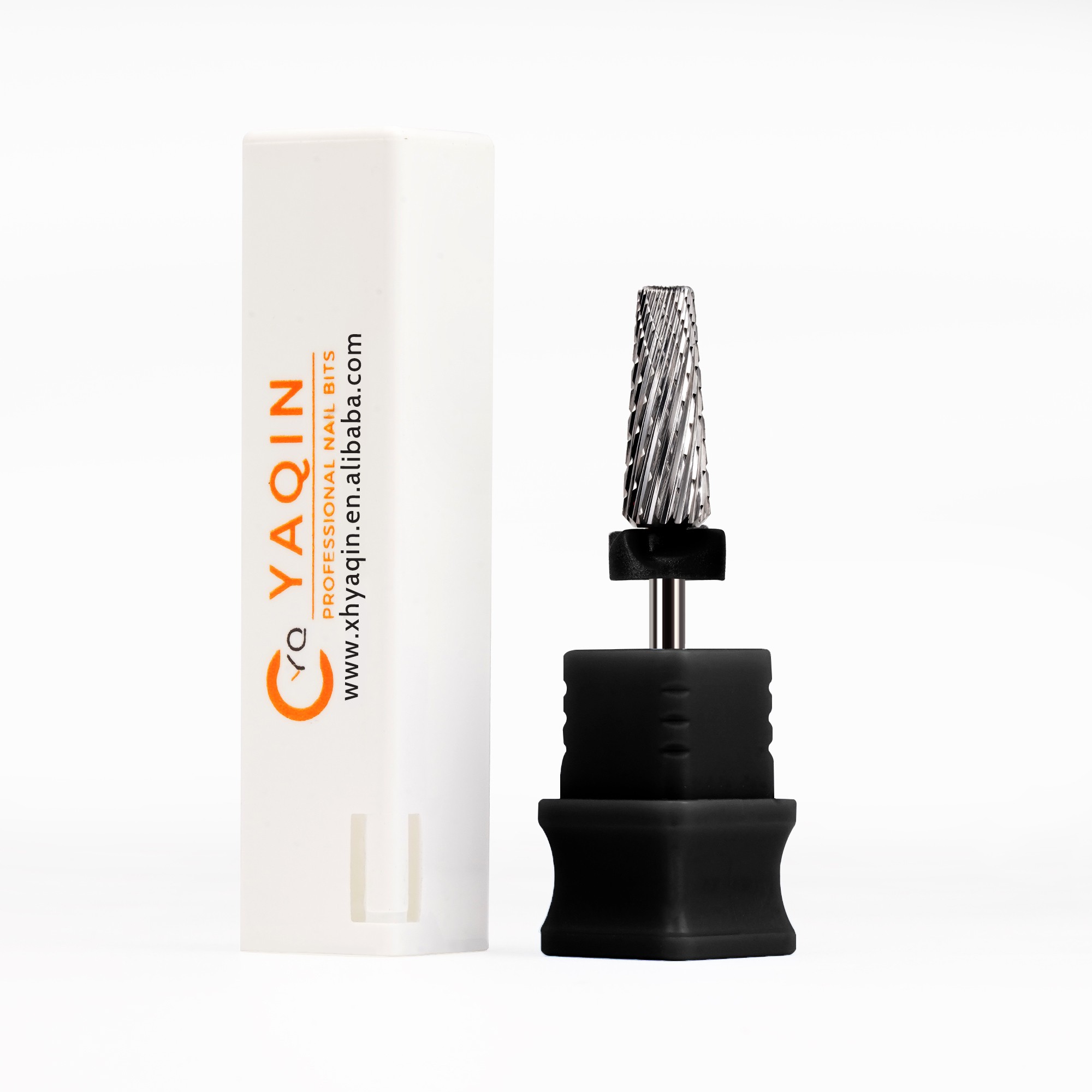
A practical example is Large Barrel Smooth Top Natural Tungsten E Life Machine Carbide Nail Drill Bits, which fits both detailed prep needs and routine gel removal when matched to the right grit and speed range.
How to judge quality, not just price
In actual sourcing, low price can hide high replacement frequency. The better question is how a tool performs across repeated use, cleaning cycles, and different manicure materials.
For electric filing tools, operating guidance is just as important as material choice. Recommended speed ranges can help maintain performance without creating unnecessary friction or user hesitation.
Matching tools to real manicure scenarios
The best essential tools for manicures depend on what the tool needs to do. A kit designed for basic polish prep will look different from one focused on gel removal and repeat enhancement services.
Natural nail preparation
Here, control is more important than speed. Fine abrasives, gentle buffers, and clean cuticle tools reduce the chance of overworking the nail plate.
Soft gel and base gel removal
A balanced bit with medium or fine cutting behavior often works better than an overly aggressive option. For many systems, 10,000 to 15,000 RPM is a practical operating range.
Hard gel reduction
This requires stronger abrasive efficiency and better durability. In those cases, higher speeds such as 15,000 to 20,000 RPM may be recommended when paired with a suitable carbide bit.
Training and entry-level use
User-friendly design becomes more important here. Smooth-top structures, predictable cutting, and easy handling help beginners work with more confidence and less risk of heat discomfort.
What reliable suppliers usually do differently
A strong manicure tool program is not only about product selection. It also depends on whether the supplier can keep specifications stable from one order to the next.
In abrasive products, reliable factories tend to manage raw material purchasing, process inspection, and packing standards very closely. That reduces inconsistency, especially for export markets with varied regulatory and quality expectations.
Wuxi Yaqin Trading Co., Ltd. operates within that model, combining production and export experience across dozens of countries with ISO9001:2000 quality management certification and OEM/ODM support. For manicure categories, that background matters because repeatability matters.
Even a specialized item such as Large Barrel Smooth Top Natural Tungsten E Life Machine Carbide Nail Drill Bits becomes more valuable when buyers know the broader quality system behind it.
A practical checklist before making decisions
When reviewing essential tools for manicures, it helps to compare tools by use case rather than by catalog order. That keeps the evaluation practical and easier to repeat.
- Map the service flow from prep to removal and identify where precision matters most.
- Check whether grit options match hard gel, soft gel, base gel, and natural nail work.
- Review material details for durability, corrosion resistance, and stable cutting performance.
- Confirm whether the supplier can support OEM/ODM needs and consistent large-scale delivery.
- Look at packing, documentation, and QC systems, not only the tool itself.
The value of essential tools for manicures becomes clear when each item supports smoother work, cleaner results, and fewer performance surprises. A smaller, well-judged selection often outperforms a larger but poorly matched kit.
The next useful step is to sort tools by application, compare abrasive specifications carefully, and judge suppliers by consistency as much as product design. That approach creates a manicure range that is easier to trust and easier to scale.
News List
- Preventing Gouges and Uneven Filing With Small Barrel Nail Drill BitsSep 20, 2026
- How Diameter and Grit Affect Small Barrel Nail Drill Bit PerformanceSep 20, 2026
- Can Hytos Nail Drill Bits Be Used Safely on Natural Nails and Gel Polish?Sep 20, 2026
- How to Verify Fit Between Hytos Nail Drill Bits and an E-File HandpieceSep 20, 2026
- Safe Speed Settings for Umbrella Nail Drill Bits Around the Nail FoldSep 20, 2026
- Umbrella vs Flame Nail Drill Bits: Which Shape Offers Better Cuticle Control?Sep 20, 2026
Best-Selling Products
 Cross Cut Safety Stainless Steel Tungsten Carbide Nail Drill Bits Salon Foot Use XF-C Grit for Removing Nails
 First-rate Quality Tungsten Carbide Nail Drill Bits Best Coating Manicure Remove Gel Nails Accessories
 Professional Advanced Safety Cuticle Bits Two-Way Rotate 3/32'' Carbide Tungsten 5 in 1 Nail Drill Bits
 Wholesale 5 in 1 Electric Manicure Nail Drill Bits Various Coating Cone Cuticle Bit with Rotary Cross Cut for Nail Art
 New Slant Tooth Tungsten Steel Nail Drill Bits Dead Skin Removal 5-in-1 Universal Grinding Nail Polish Head Tool Nail Drill Bits
 4.0mm Small 5 in 1 Integrated Sharpe Tungsten Nail Drill Bit Straight Teeth Gel Polish Removal
 Flame Sharp XF F M C XC Silver Safety Professional Corn Tungsten Carbide Nail Bit for Drill Machine Accessories
 Factory Direct 5 in 1 Tungsten Carbide Nail Drill Bits 6.8MM Cross Cut Safety Manicure 5 in 1 Nail Drill Bits
Please give us a message