
Nail Drill Bit Factory Audit Checklist for Quality Control
Nail Drill Bit Factory Audit Checklist for Quality Control
Why does a Nail Drill Bit Factory audit matter before approval?
A factory audit is not just a paperwork exercise. It is the fastest way to see whether quality control is stable, repeatable, and visible on the shop floor.
For nail drill bits, small defects create big consequences. A slight issue in material hardness, tooth geometry, or shank tolerance can affect safety, vibration, finish quality, and service life.
That is why a reliable Nail Drill Bit Factory should be checked from raw material entry to final packing, not only by sample appearance.
In practical terms, the audit should answer three questions. Can the factory make consistent bits, can it control risk, and can it trace every batch when a complaint appears later?
Factories with export experience often perform better here. For example, operations serving markets such as the USA, Germany, the UK, Italy, Poland, and other mature destinations usually face stricter expectations on documentation and process discipline.
A trading factory model can also be useful when it combines production visibility with shipment coordination. The key is whether the QC system covers purchasing, processing, inspection, and packaging in one connected chain.
What should you check first when walking into a Nail Drill Bit Factory?
Start with the basics that reveal control maturity. Clean layout, labeled materials, calibrated tools, and clear work instructions often tell more than a polished meeting room.
The first on-site checklist usually includes these points:
- Incoming material records for tungsten steel, carbide blanks, shanks, and coating supplies.
- Supplier qualification files and lot identification procedures.
- Machine maintenance logs for grinding, cutting, shaping, and polishing.
- In-process inspection standards for head shape, flute depth, runout, and balance.
- Segregation methods for conforming, suspect, and rejected products.
- Final packing controls, barcode labeling, and shipment traceability.
If these basics are missing, deeper claims about premium quality should be treated carefully. A strong Nail Drill Bit Factory normally shows records quickly and explains them clearly.
It also helps to ask how special OEM or ODM orders are managed. The answer should include drawing review, sample confirmation, change control, and separate batch tracking.
Which production points most often decide whether quality is truly stable?
Material and geometry are the two biggest factors. In nail drill bit production, even a durable raw material can fail if grinding angles are inconsistent or if heat affects the edge.
A good audit goes beyond “hard material” claims. It checks whether the factory verifies hardness, dimensional consistency, concentricity, and edge sharpness by lot.
This is especially important for bits used in dead skin removal, gel removal, and work on tough surfaces. Those applications demand efficient cutting without damaging the natural nail.
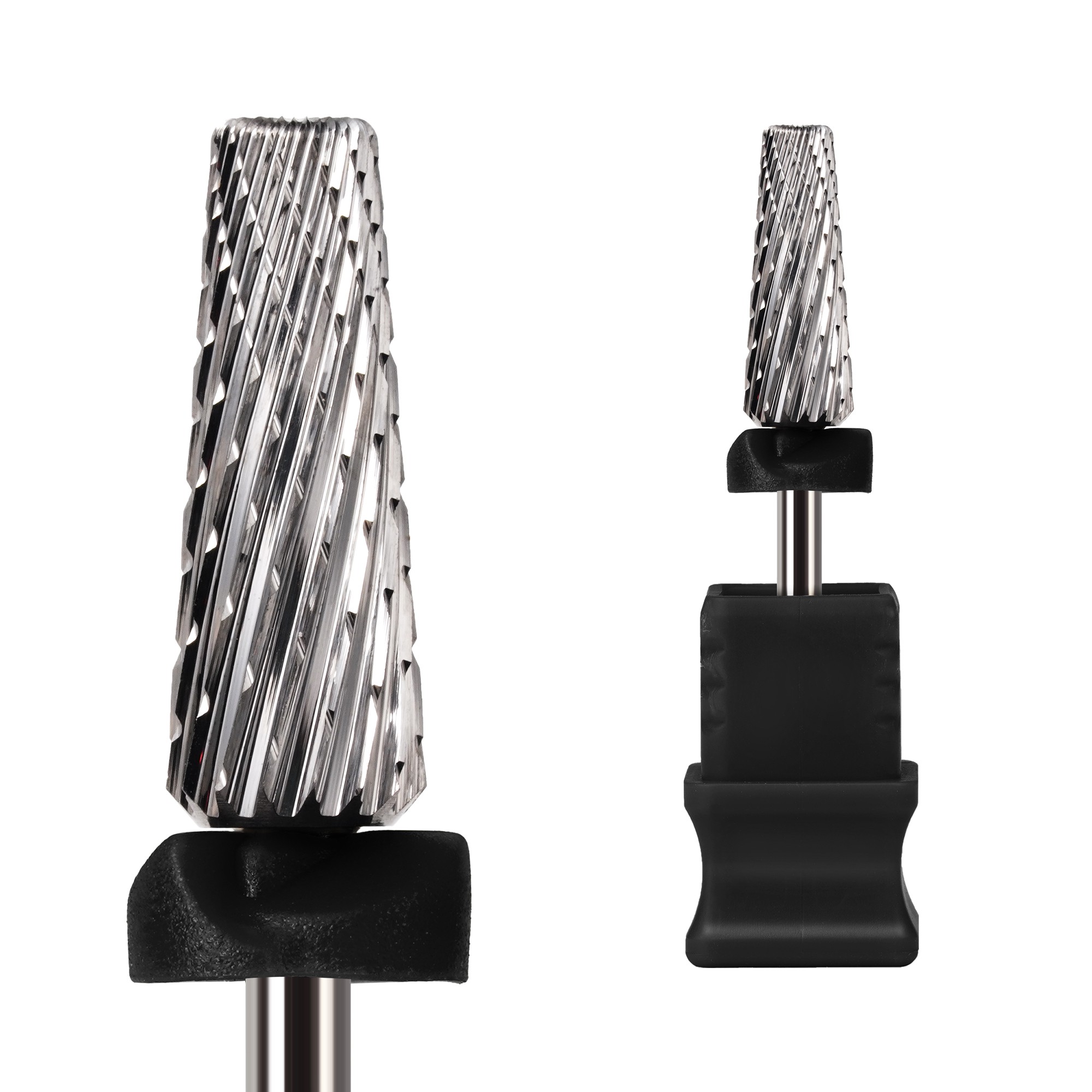
One useful benchmark is whether the factory can explain why certain bit structures are safer. For instance, a flat tip, controlled tooth angle, and stable dust ejection direction reduce splatter and accidental overcutting.
When reviewing samples, compare actual use requirements with the process capability. A bit designed for daily professional use should maintain sharpness, resist breakage, and keep a stable finish after repeated cleaning.
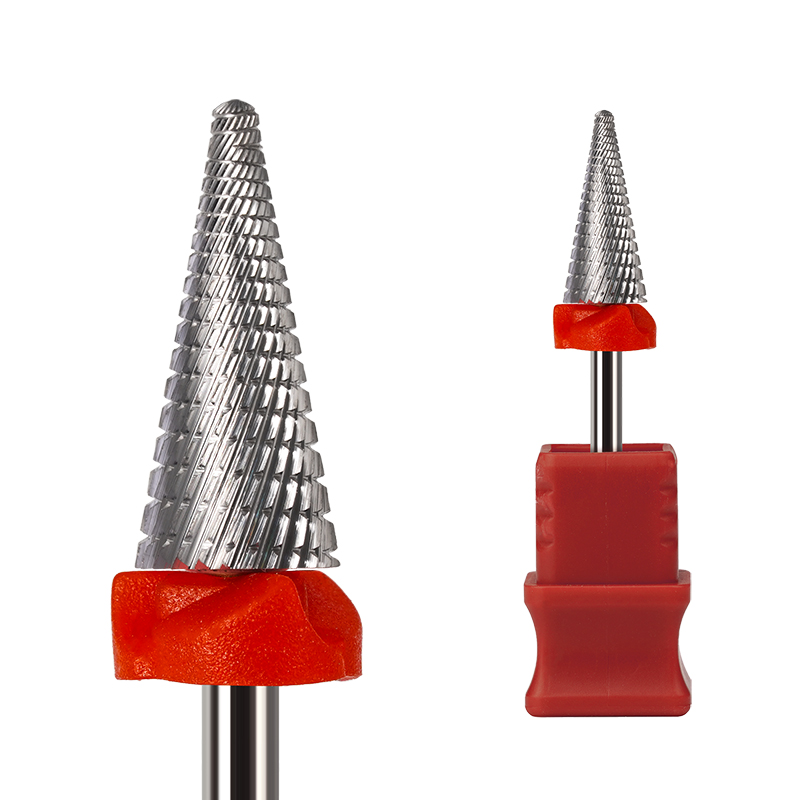
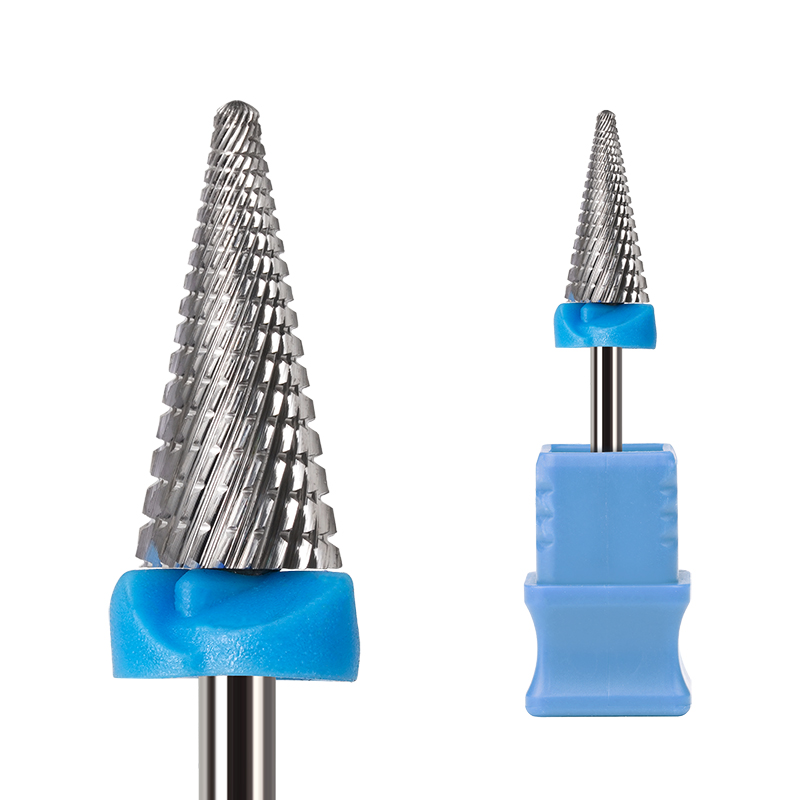
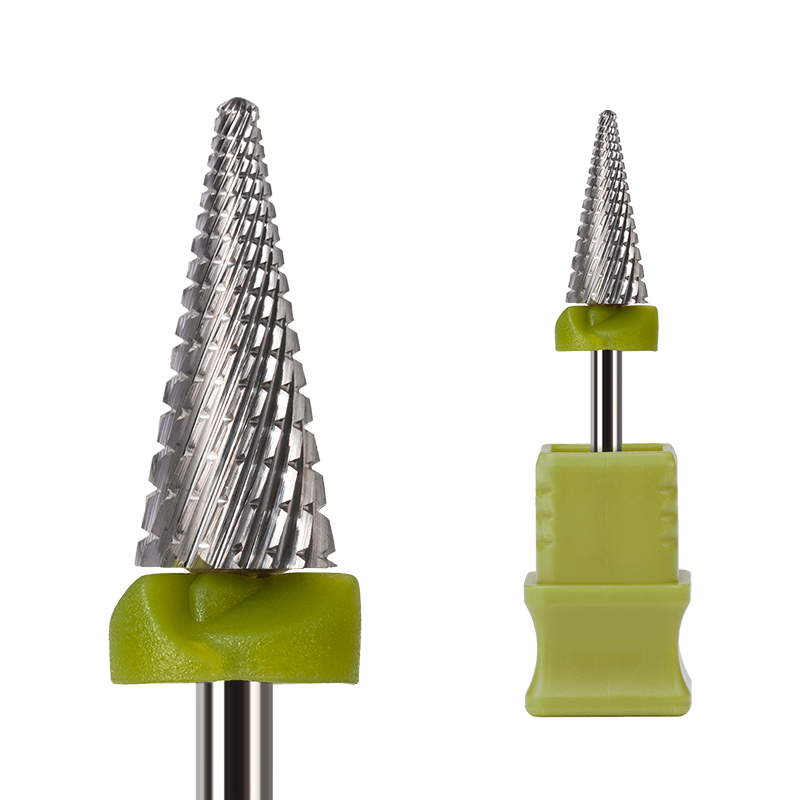
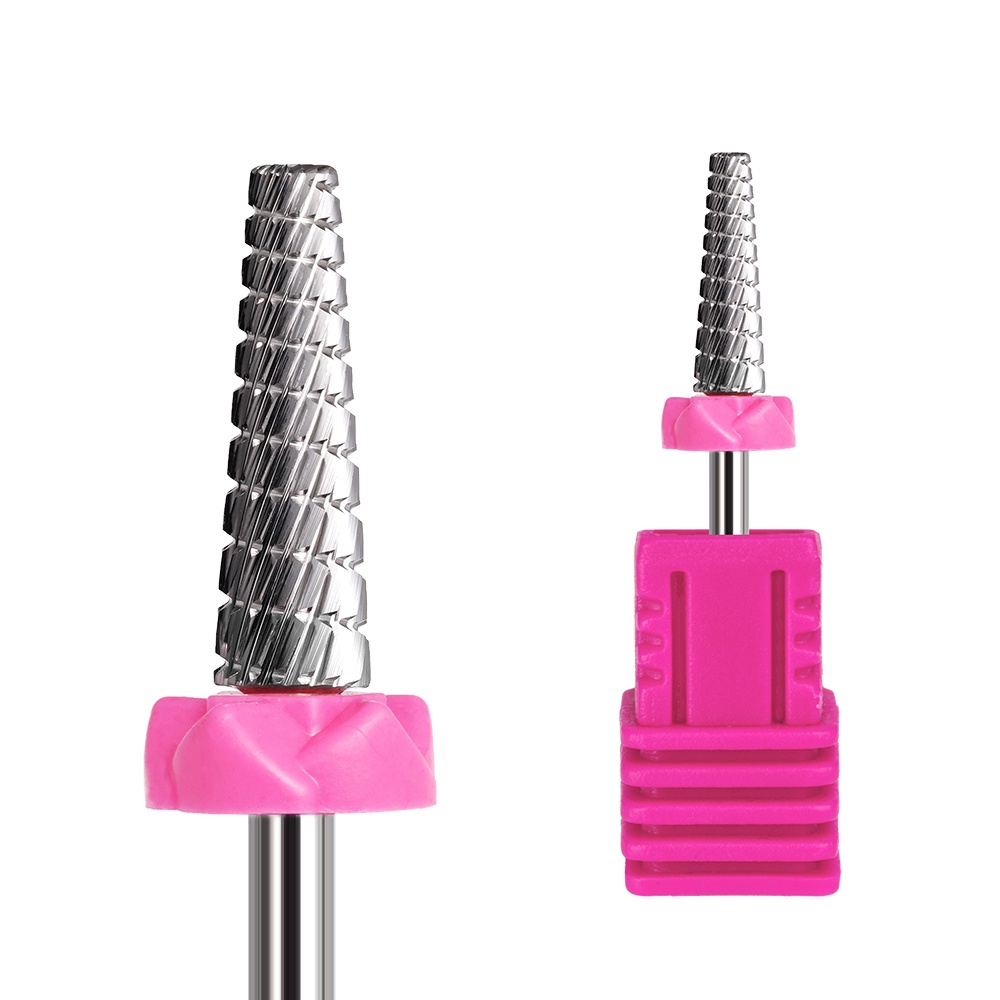
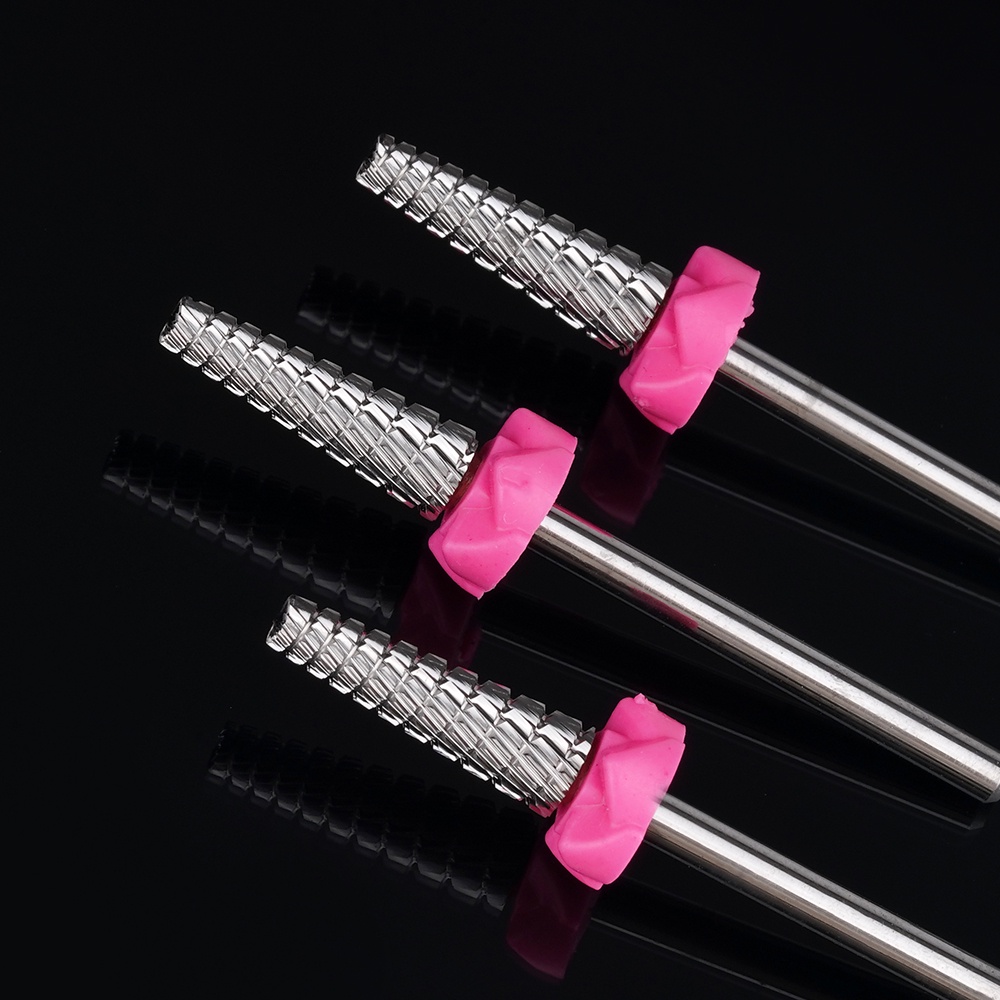
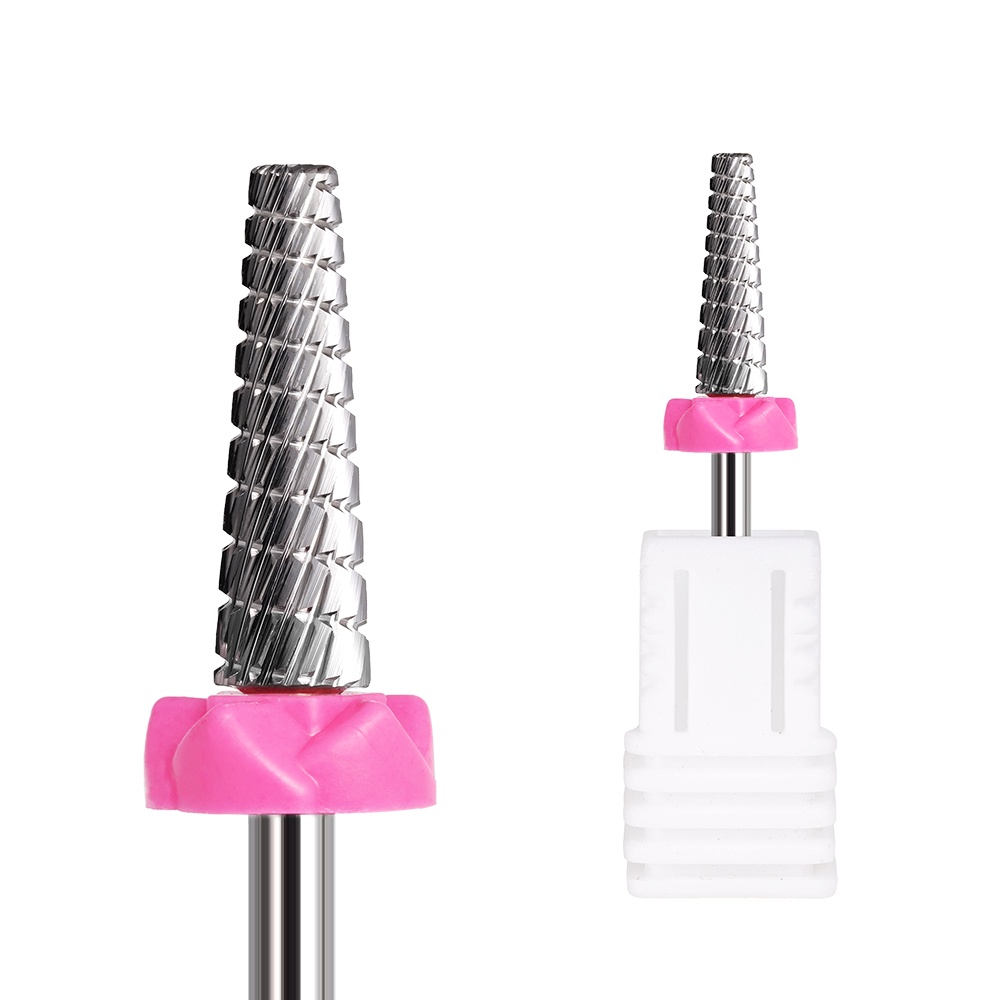
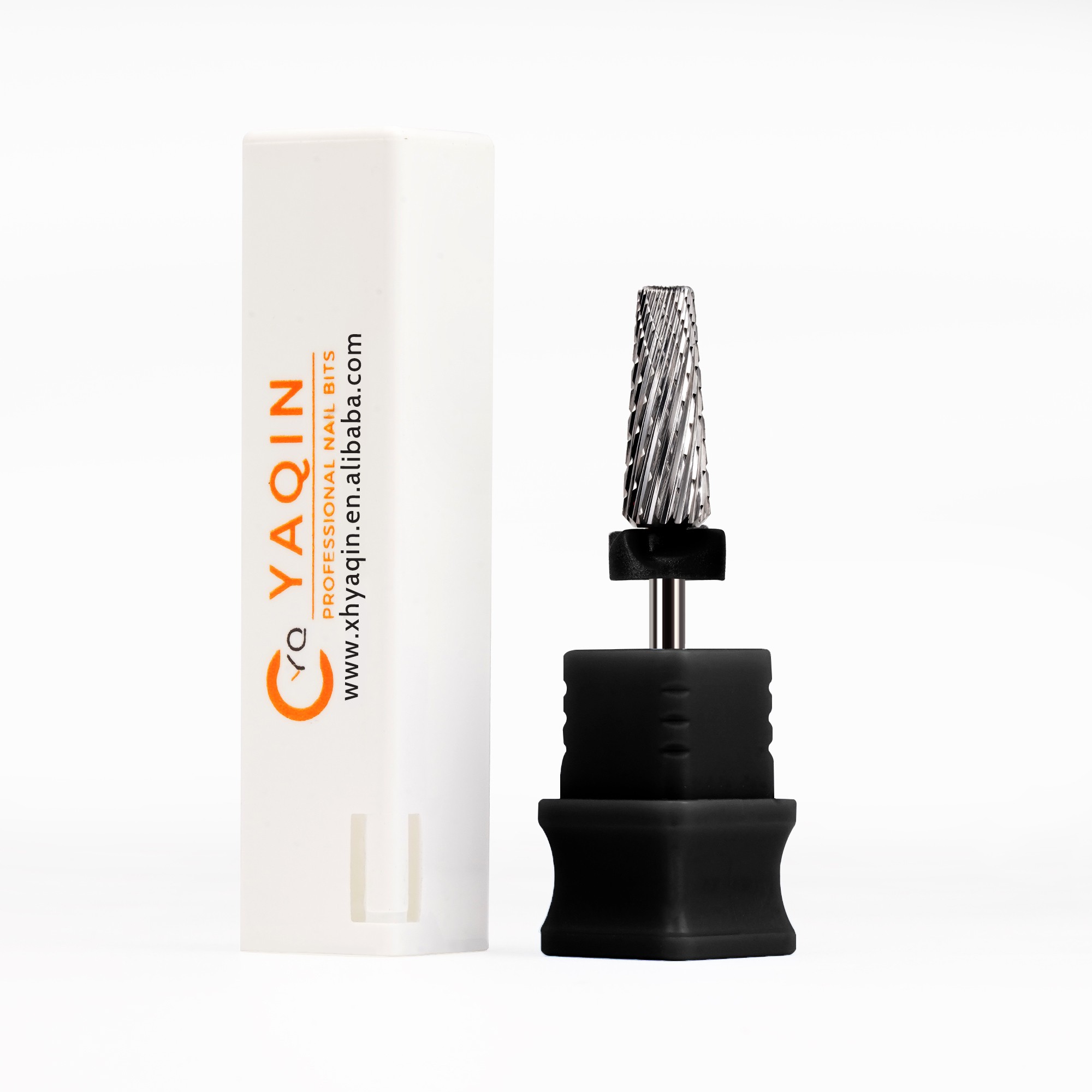
A representative example is New Slant Tooth Tungsten Steel Nail Drill Bits Dead Skin Removal 5-in-1 Universal Grinding Nail Polish Head Tool Nail Drill Bits. During an audit, products like this should not be judged only by appearance. Material confirmation, safety edge design, and durability evidence matter more.
A quick judgment table for factory audit priorities
The table below helps separate high-value checks from claims that sound good but prove very little.
How do you review certification, traceability, and safety records without wasting time?
The fastest method is to follow one batch from purchase to shipment. Pick a finished carton, then trace it backward through packing, final inspection, production date, and raw material lot.
If the factory hesitates, records are fragmented, or codes do not match, traceability may exist only on paper.
A documented quality system, including ISO-certified management practice, is a helpful sign. Still, the audit should confirm whether the system is active, not just displayed on a wall.
You should review:
- Calibration status for measuring tools and testing equipment.
- Training records for critical operators and inspectors.
- Nonconformance reports and evidence of closed corrective actions.
- Packaging specifications for moisture, contamination, and transport protection.
In actual audits, packaging is often underestimated. Yet a capable Nail Drill Bit Factory knows that edge damage, wrong labeling, or mixed lots can destroy the value of otherwise acceptable production.
Factories offering one-stop service from production to delivery often have an advantage here, because responsibility is easier to assign and trace.
What warning signs suggest the factory may look good but perform inconsistently?
Some of the biggest risks appear in factories that prepare well for audits but control little during normal production.
A common warning sign is perfect retained samples with poor process records. Another is broad quality claims without defect data, rejection rates, or inspection frequency.
Watch for these gaps:
- No standard for acceptable runout or dimensional deviation.
- Rework parts mixed with first-pass qualified parts.
- Operator decisions replacing written inspection criteria.
- Batch codes printed, but not linked to process records.
- Complaint files exist, but root cause actions are unclear.
It also helps to test whether the factory understands end use. A supplier making bits for professional nail technicians and DIY users should explain how different shapes affect removal speed, heat generation, and safety margin.
That kind of answer usually reflects real process knowledge. It is more convincing than generic claims about “high quality” or “premium material.”
How should audit findings influence supplier selection and follow-up?
An audit should not end with a pass-or-fail label only. The more useful outcome is a risk map linked to product type, order complexity, and inspection intensity.
For example, if the Nail Drill Bit Factory shows strong raw material control but weak packaging traceability, approval may still be possible with tighter shipment checks.
If grinding consistency is unstable, the issue is more serious. That affects core performance and usually requires corrective action before volume release.
A practical follow-up plan often includes:
- Define critical-to-quality points for each bit type.
- Set an agreed sampling plan for pilot and mass production.
- Require photo, measurement, and packing records by batch.
- Review complaint response timing and closure quality.
If the factory already operates with strict QC across purchasing, processing, and packing, the audit should confirm that discipline is consistent across routine orders, not only priority projects.
That is often where long-term supplier value becomes clear. Reliable quality is rarely about one impressive sample. It is about repeatable control under normal workload.
So what does a dependable audit-ready factory usually look like?
In most cases, the best signal is alignment. Materials, machines, inspectors, packaging staff, and shipment records all point to the same batch story.
A dependable Nail Drill Bit Factory does not rely on sales language to prove quality. It shows measurable controls, consistent samples, and clear corrective action when something goes wrong.
When reviewing products such as New Slant Tooth Tungsten Steel Nail Drill Bits Dead Skin Removal 5-in-1 Universal Grinding Nail Polish Head Tool Nail Drill Bits, use the audit to confirm how performance claims are supported by process evidence.
The next step is simple. Build your own checklist around material verification, geometry control, traceability, and packing discipline. Then compare each supplier against the same standards.
That approach reduces decision risk, improves consistency across orders, and makes supplier evaluation far more objective over time.
News List
- Preventing Gouges and Uneven Filing With Small Barrel Nail Drill BitsSep 20, 2026
- How Diameter and Grit Affect Small Barrel Nail Drill Bit PerformanceSep 20, 2026
- Can Hytos Nail Drill Bits Be Used Safely on Natural Nails and Gel Polish?Sep 20, 2026
- How to Verify Fit Between Hytos Nail Drill Bits and an E-File HandpieceSep 20, 2026
- Safe Speed Settings for Umbrella Nail Drill Bits Around the Nail FoldSep 20, 2026
- Umbrella vs Flame Nail Drill Bits: Which Shape Offers Better Cuticle Control?Sep 20, 2026
Best-Selling Products
 Cross Cut Safety Stainless Steel Tungsten Carbide Nail Drill Bits Salon Foot Use XF-C Grit for Removing Nails
 First-rate Quality Tungsten Carbide Nail Drill Bits Best Coating Manicure Remove Gel Nails Accessories
 Professional Advanced Safety Cuticle Bits Two-Way Rotate 3/32'' Carbide Tungsten 5 in 1 Nail Drill Bits
 Wholesale 5 in 1 Electric Manicure Nail Drill Bits Various Coating Cone Cuticle Bit with Rotary Cross Cut for Nail Art
 New Slant Tooth Tungsten Steel Nail Drill Bits Dead Skin Removal 5-in-1 Universal Grinding Nail Polish Head Tool Nail Drill Bits
 4.0mm Small 5 in 1 Integrated Sharpe Tungsten Nail Drill Bit Straight Teeth Gel Polish Removal
 Flame Sharp XF F M C XC Silver Safety Professional Corn Tungsten Carbide Nail Bit for Drill Machine Accessories
 Factory Direct 5 in 1 Tungsten Carbide Nail Drill Bits 6.8MM Cross Cut Safety Manicure 5 in 1 Nail Drill Bits
Please give us a message