
What factory capabilities matter for custom nail drill bit orders
What factory capabilities matter for custom nail drill bit orders
What Factory Capabilities Matter for Custom Nail Drill Bit Orders?
A custom nail drill bit order can look straightforward on a quotation sheet: choose a shape, select a grit, add a logo, confirm packaging, and approve the price. In practice, the real decision is much deeper. A buyer is not simply purchasing small metal tools; they are selecting a production partner whose material control, machining discipline, inspection standards, and export coordination will affect the final user experience and the reputation of the buyer’s own brand.
For procurement teams, distributors, private-label beauty brands, and salon supply businesses, evaluating a Nail Drill Bit Factory means looking beyond a broad catalog. The important question is whether the supplier can translate a product brief into repeatable, market-ready nail bits across a custom order—without unexpected variations in fit, cutting performance, coating appearance, labeling, or delivery readiness.
The following capabilities deserve close attention when comparing factories for OEM or ODM nail drill bit projects.
Start with the manufacturing path behind the product
Different nail drill bits require different production controls. A ceramic bit, a diamond-coated bit, a sanding band mandrel, and a tungsten carbide bit may all sit in the same retail collection, but their raw materials, production methods, and inspection risks are not the same. A factory that understands this distinction can offer useful technical guidance before production begins. One that does not may treat customization as little more than changing a package sticker.
For carbide or tungsten steel tools, the quality of the base material and the precision of the cutting geometry strongly influence durability and working feel. Poorly controlled flutes can create uneven contact, excessive vibration, or inconsistent removal. In nail-care applications, those issues matter because technicians need controlled movement around cuticles, sidewalls, natural nails, and artificial enhancements.
Buyers should ask a potential Nail Drill Bit Factory how it manages material purchasing and traceability. The answer does not need to reveal proprietary sourcing details, but it should explain how incoming materials are checked, how materials are separated by specification, and how production batches can be traced if an issue is found after shipment. Material consistency is particularly important for repeat orders. A sample that performs well is only valuable if future production can match it.
Precision grinding is not a cosmetic detail
Bit shape is often the first feature a customer notices, while cut geometry is what they feel during use. Flame, barrel, cone, safety, ball, under-nail, and tapered shapes each serve a different purpose. In custom development, the factory should be able to discuss functional details rather than only offer generic product names.
Consider a flame-shaped bit intended for detail work around the nail area. The profile must be balanced enough for controlled access, while the cutting surface needs to perform consistently from unit to unit. An example is the F Grid Carbide Tungsten Nail Drill Bit Flame Shape, designed for tasks such as removing hard skin around the sides and front edge of the nail, clearing remaining dead skin after small pockets are created, and supporting prep and finishing work. For this type of tool, precise grinding is directly connected to usability—not merely to appearance in a product photograph.
During supplier evaluation, request clear information about shape tolerances, shank dimensions, flute patterns, grit or cut options, and compatibility with standard nail drill handpieces. Most professional markets expect a standard 3/32-inch shank, but buyers should still state their required size and confirm it in the approved specification. “Fits most standard drills” is helpful for end users, yet it should never replace a dimensional check during product development.
It is also wise to evaluate the factory’s ability to keep edges clean and surfaces properly finished. Burrs, rough transitions, eccentric rotation, or inconsistent cutting grooves can make a bit feel unreliable even when its basic dimensions appear correct. Asking for representative samples across several shapes or cuts often reveals more than reviewing one polished showroom sample.
Customization should include engineering support, not just branding
OEM and ODM can mean very different things depending on the supplier. For some factories, OEM means applying a customer logo to an existing product. For others, it can include selecting a suitable abrasive material, refining bit geometry, developing a new color system, assembling retail kits, and adapting packaging for a target market. Neither model is inherently better. The right choice depends on how differentiated the product needs to be and how much technical responsibility the buyer wants the supplier to share.
A capable factory should be comfortable working from a practical product brief. This may include the target user, intended application, preferred shapes, desired cut grades, coating color, shank size, logo placement, packaging format, barcode requirements, and destination market. When a request is incomplete, an experienced development team should ask focused questions rather than make silent assumptions.
There is one common point of confusion worth addressing: product naming and material terminology. Buyers may use “tungsten steel,” “tungsten carbide,” or “carbide” differently in marketing materials. Before approving artwork or product copy, confirm the exact material description with the manufacturer and ensure that packaging claims match the actual specification. This protects the brand from avoidable inconsistencies across listings, cartons, and customer communications.
Quality control must be built into the process
Final inspection alone cannot fully protect a custom nail drill bit order. By the time a problem is visible at packing, a large portion of production may already be affected. The more dependable approach is a quality control system that follows the product from raw-material receipt through production and packaging.
For nail drill bits, a meaningful QC process may include checks on material condition, shank diameter, overall length, bit-head form, cutting pattern, coating coverage where applicable, sharpness or functional performance, rotation balance, surface cleanliness, and packing accuracy. The exact inspection points should reflect the product type. A diamond bit may require attention to abrasive adhesion and coverage, while a carbide bit may place greater emphasis on flute definition and grinding consistency.
Buyers should not be satisfied with the phrase “we have QC.” Ask how nonconforming goods are identified, whether production lots are recorded, and how inspection results are communicated. If the order includes multiple variants, check whether the factory has a system to prevent shape, grit, or color mix-ups during packing. A carefully made bit placed in the wrong labeled pouch can still create a costly customer complaint.
Wuxi Yaqin Trading Co., Ltd. operates with a complete QC system covering raw-material purchasing, the production process, and product packing. Its ISO9001:2000 quality management certification reflects a structured approach to quality management, while the practical value for a buyer lies in how such controls support consistency from approved sample through shipment.
Samples should be treated as a decision tool, not a formality
Custom samples are where many preventable problems can be found early. Instead of approving a sample only for color and logo placement, evaluate it as a working tool. Have qualified users test it on the applications it is intended for: natural nails, artificial nails, cuticle-area preparation, hard-skin removal, or finishing. Observe control, heat generation, cutting behavior, comfort, and how the bit holds up after repeated cleaning and use.
A buyer should also compare several pieces from the sample batch, especially when the order will be large. One good sample proves that a factory can make one good unit. Multiple consistent samples provide a more useful indication of production control.
Written approval criteria make the process clearer. These may cover dimensions, bit profile, grit or cut grade, color, logo clarity, packaging text, carton markings, and acceptable functional performance. Once confirmed, the approved sample and specification should become the reference point for production. This is particularly important when internal purchasing, marketing, and quality teams are all involved; each group may notice different risks.
Packaging capability affects both compliance and shelf appeal
In the beauty tools category, packaging has a practical role beyond branding. It protects sharp or delicate bit heads, keeps product variants identifiable, helps salons organize inventory, and supports retailer or e-commerce presentation. A factory that offers one-stop service should be able to coordinate the product and its packaging rather than leave the buyer to solve compatibility issues between separate suppliers.
Discuss the full packaging path: individual protective sleeves or cases, printed cards, blister packs, labeled boxes, multi-piece sets, inner cartons, master cartons, and shipping marks. If the order is intended for several countries, the factory should be able to follow buyer-provided language, barcode, warning, and labeling requirements. Market compliance remains the buyer’s responsibility, but a responsive manufacturing partner can help ensure approved artwork is applied accurately.
Packaging flexibility is especially useful when a brand sells to different channels. Salon-focused products may need easy identification and durable bulk packing, while retail collections may require stronger visual presentation. Online sellers often need packaging that protects the product through parcel delivery and supports straightforward SKU management in a fulfillment system.
Export experience reduces friction after production is finished
Production completion is not the same as order completion. For international buyers, documents, packaging checks, freight coordination, and handover timing can be as important as the parts themselves. A factory with export experience understands that a delayed document or incomplete carton mark can affect warehouse receiving, customs processing, and product launch schedules.
Wuxi Yaqin Trading Co., Ltd. supplies abrasive products to markets including the United States, Canada, Germany, the United Kingdom, Italy, Poland, and many other countries. This type of international reach matters because each destination and customer channel may have different expectations for communication, shipping documents, and packaging execution. Buyers should still confirm the specific Incoterms, lead time assumptions, inspection timing, and documentation needed for their own order.
Reliable communication is often underestimated in factory selection. A good supplier does not need to promise that nothing will ever change. Rather, it should communicate clearly when a material question, artwork issue, production adjustment, or shipping constraint arises. Early visibility gives a purchasing team options; late surprises remove them.
A practical scorecard for selecting a Nail Drill Bit Factory
When comparing quotations, price should be evaluated alongside capability. A lower unit cost may become less attractive if the supplier cannot maintain cutting consistency, support packaging customization, or provide clear batch control. Before making a decision, score each factory against the points below:
- Material control: Can the supplier explain how base materials and abrasive components are sourced and checked?
- Manufacturing precision: Are shape, shank, cut, grit, and finish controlled consistently?
- Development support: Can the team help convert your brief into workable product specifications?
- Sample discipline: Is there a clear approval process before bulk production begins?
- QC visibility: Are inspection points, lot handling, and packing controls clearly defined?
- Packaging options: Can the factory support the product protection and branding format your channel requires?
- Export readiness: Does the supplier have experience coordinating international orders and required documentation?
- Communication quality: Are questions answered specifically, with realistic timelines and practical recommendations?
The strongest partner is rarely the one with the longest product list. It is the one that can make a custom requirement understandable, manufacturable, inspectable, and repeatable. For buyers building a nail tool line or expanding an existing assortment, that capability creates more confidence than a low initial quote ever can.
Ultimately, a dependable Nail Drill Bit Factory should help protect the decisions made upstream—by product managers, sourcing teams, brand owners, and end users who expect a tool to feel right in the hand. When material quality, precision grinding, quality control, packaging, and delivery are managed as one connected process, custom nail drill bit orders become easier to scale with fewer unpleasant surprises.
News List
- What makes a nail drill bit manufacturer suitable for private labelsSep 20, 2026
- What factory capabilities matter for custom nail drill bit ordersSep 20, 2026
- YAQIN at CIBE Guangzhou 2026 | China International Beauty ExpoAug 31, 2026
- YAQIN at Beauty Fair 2026 Brazil | Professional Nail Drill Bits | Booth CM-21AAug 31, 2026
- How to Evaluate a Nail Drill Bit Supplier on MOQ, Consistency, and OEM SupportAug 26, 2026
- How to Evaluate a Nail Drill Bit Supplier for Consistency, Lead Time, and OEM SupportAug 26, 2026
Best-Selling Products
 Cross Cut Safety Stainless Steel Tungsten Carbide Nail Drill Bits Salon Foot Use XF-C Grit for Removing Nails
 First-rate Quality Tungsten Carbide Nail Drill Bits Best Coating Manicure Remove Gel Nails Accessories
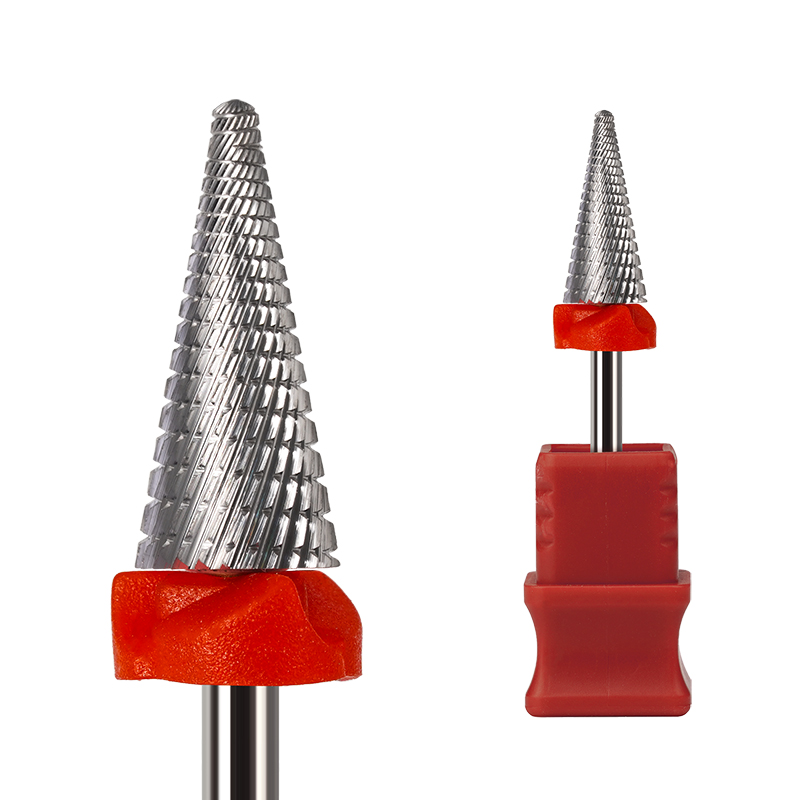
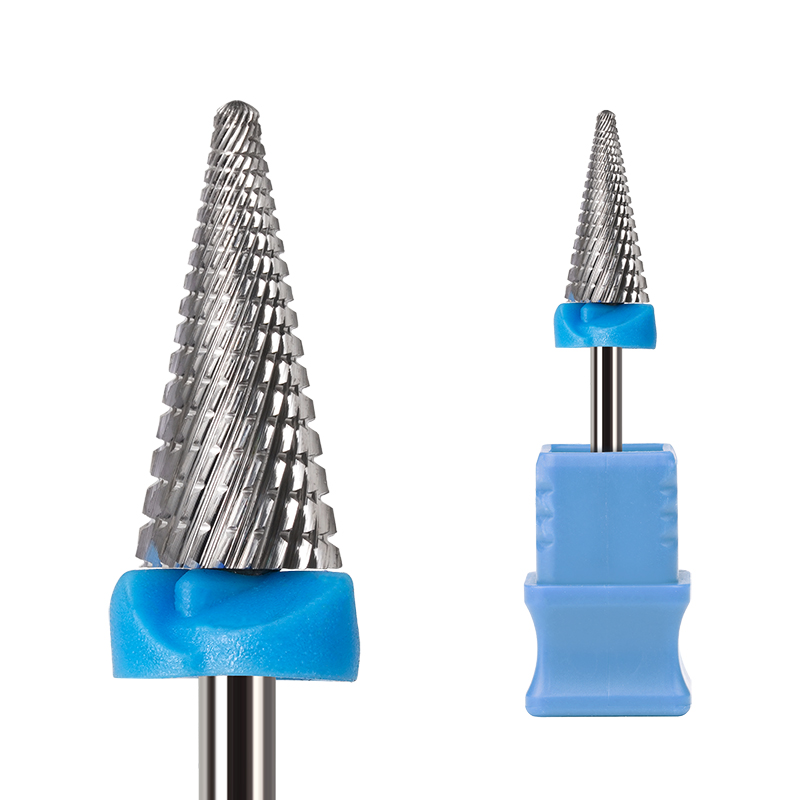
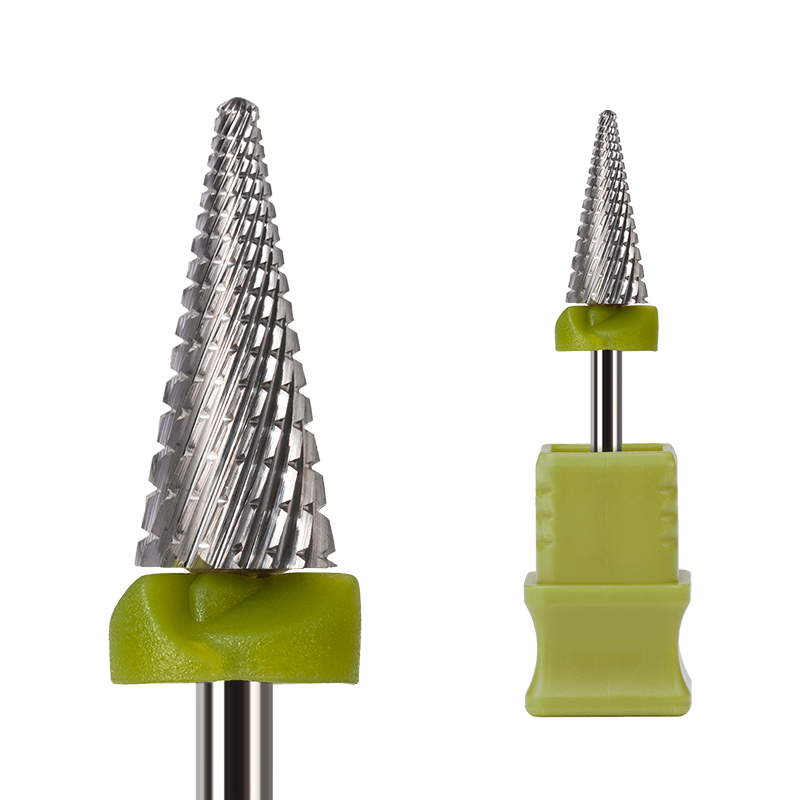
 Professional Advanced Safety Cuticle Bits Two-Way Rotate 3/32'' Carbide Tungsten 5 in 1 Nail Drill Bits
 Wholesale 5 in 1 Electric Manicure Nail Drill Bits Various Coating Cone Cuticle Bit with Rotary Cross Cut for Nail Art
 New Slant Tooth Tungsten Steel Nail Drill Bits Dead Skin Removal 5-in-1 Universal Grinding Nail Polish Head Tool Nail Drill Bits
 4.0mm Small 5 in 1 Integrated Sharpe Tungsten Nail Drill Bit Straight Teeth Gel Polish Removal
 Flame Sharp XF F M C XC Silver Safety Professional Corn Tungsten Carbide Nail Bit for Drill Machine Accessories
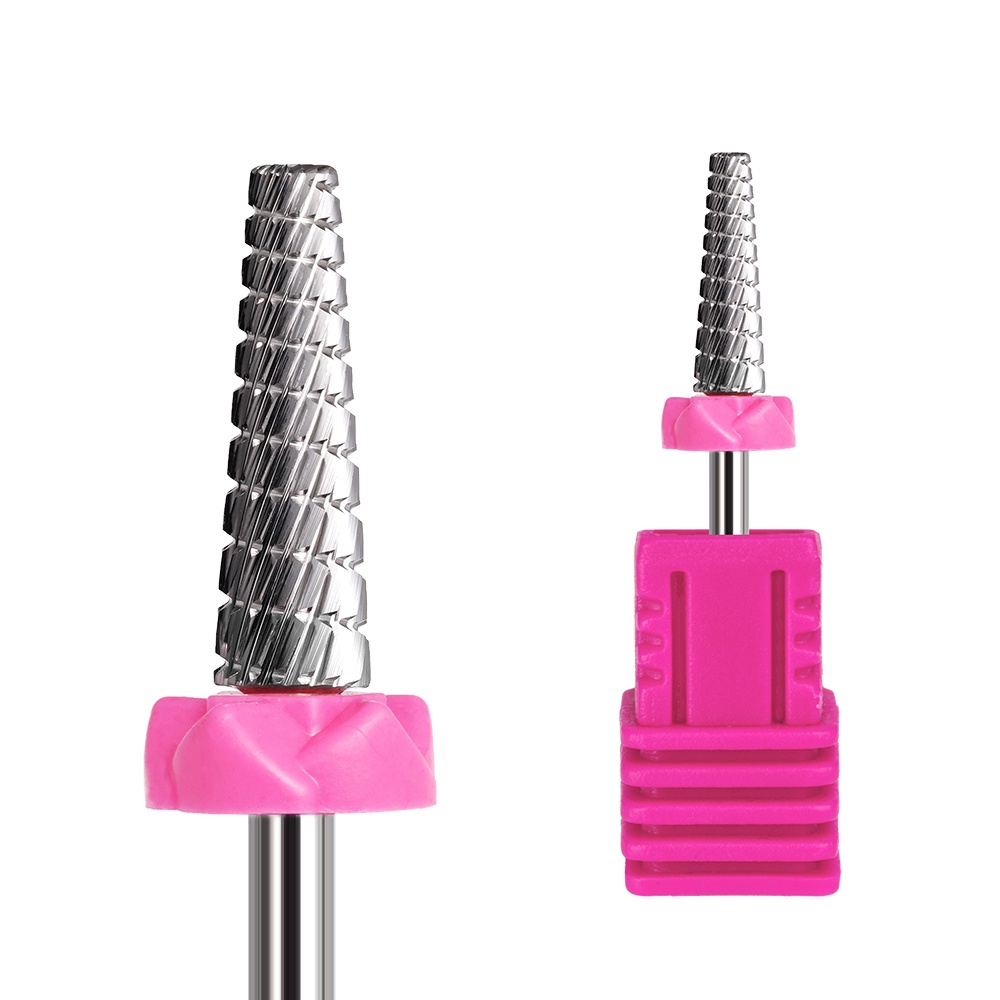
 Factory Direct 5 in 1 Tungsten Carbide Nail Drill Bits 6.8MM Cross Cut Safety Manicure 5 in 1 Nail Drill Bits
Please give us a message