
How to Evaluate a Nail Drill Bit Supplier for Consistency, Lead Time, and OEM Support
How to Evaluate a Nail Drill Bit Supplier for Consistency, Lead Time, and OEM Support
It often starts with a familiar sourcing problem: the first sample of a nail drill bit looks fine, the second production batch feels slightly different, and by the time the goods reach your warehouse, your team is trying to explain why the cutting feel, finish quality, or packing details are no longer exactly the same. For anyone building repeat sales in the nail tools category, that kind of inconsistency creates pressure quickly. Returns increase, product pages become harder to manage, and your buyers start asking whether the next shipment will match the last one.
Lead time creates a second layer of stress. A supplier may quote an attractive price, but if restocking moves unpredictably or OEM details keep getting revised at the last minute, the cost shows up elsewhere: missed selling windows, delayed launches, or too much safety stock sitting in the warehouse. This is why evaluating a Nail Drill Bit Supplier should go beyond a basic sample check. The better approach is to look at three things together: consistency, delivery reliability, and OEM support that works in practice rather than only on paper.
When a sample is good but repeat orders become risky
One common mistake is treating sample approval as the final decision point. In reality, a sample only proves that a supplier can make the item once. It does not prove that they can maintain the same grit feel, head shape, shank fit, coating appearance, and packing standard across repeated orders. Nail drill bits are small products, but small differences matter. If the cutting edge feels more aggressive than before, beginners may find the bit harder to control. If the top edge finishing changes, the perception of safety changes too.
That is especially important when the product is sold into different user groups. For example, a bit designed for both nail professionals and beginners needs predictable finishing and cutting behavior from batch to batch. If the supplier cannot hold that line, your catalog becomes harder to segment and your customer support team spends more time answering avoidable complaints.
So before comparing prices too closely, ask a more useful question: does this supplier have a repeatable manufacturing and quality process, or are they mainly good at making attractive pre-order samples?
Consistency is not just “quality”; it is repeatability you can verify
When people talk about quality, they often mean whether the item looks acceptable when first inspected. Consistency is stricter than that. It means the supplier can keep the same result over time, even when order quantities change, raw material lots change, or packaging requirements become more detailed.
A practical evaluation usually starts with a few points that are easy to overlook:
- Does the bit shape stay uniform across different batches?
- Is the shank size stable enough for normal machine fitting?
- Do grit options remain clearly separated, or does “medium” from one batch feel closer to “coarse” from another?
- Is the finish around the top and edges controlled carefully enough for safe handling?
- Are inner boxes, labels, and outer cartons packed the same way every time?
If you are evaluating a Nail Drill Bit Supplier, do not rely only on broad statements like “strict QC” or “experienced workers.” Ask for the actual control points. You want to know what they inspect before production, during production, and before packing. A supplier that can explain this clearly is usually easier to work with than one that answers only with general assurances.
It also helps to compare more than one version of the same product. If a factory supplies coarse, medium, and fine grit options, request all three rather than assuming one approved grit represents the whole line. The same applies to narrow and wide sizes, because tooling stability sometimes varies by size even when the catalog presentation looks uniform.
How to test consistency without making the process too heavy
You do not need a complicated audit to learn a lot. A simple, disciplined review can already reveal whether a supplier is organized.
Start by requesting repeat samples instead of one-time samples. If possible, ask for the same item to be prepared at different times. Compare not just the visible shape but the feel of the surface finishing, the sharpness control, and whether the labeling and protective packing remain the same. In the nail drill bit category, consistency in these details is often a better sign than a polished sales presentation.
Next, document your own approval points. Many sourcing problems come from vague internal standards rather than supplier failure alone. If your team approves one batch because it “looks okay,” and rejects the next because it “feels a bit rough,” the supplier has no stable reference. Write down what matters: grit grade, barrel shape, top smoothness, finish color if relevant, packaging format, labeling language, and acceptable tolerance in appearance.
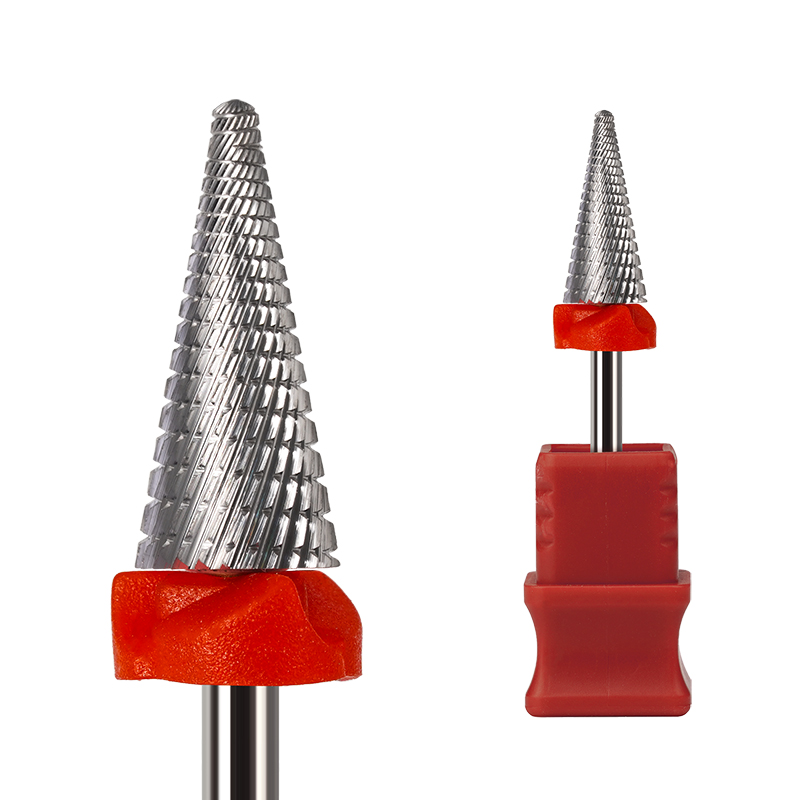
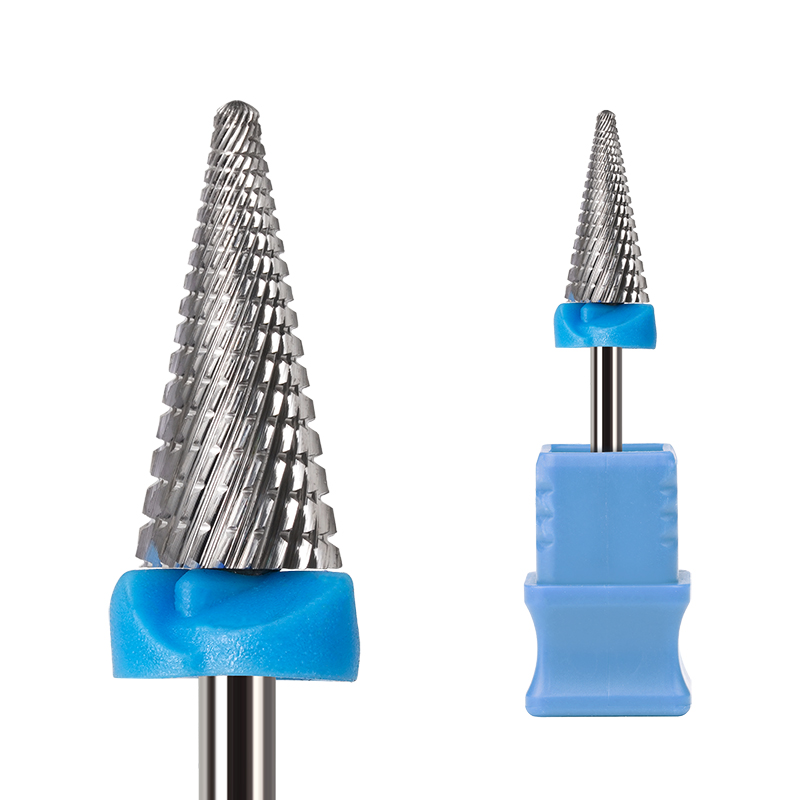
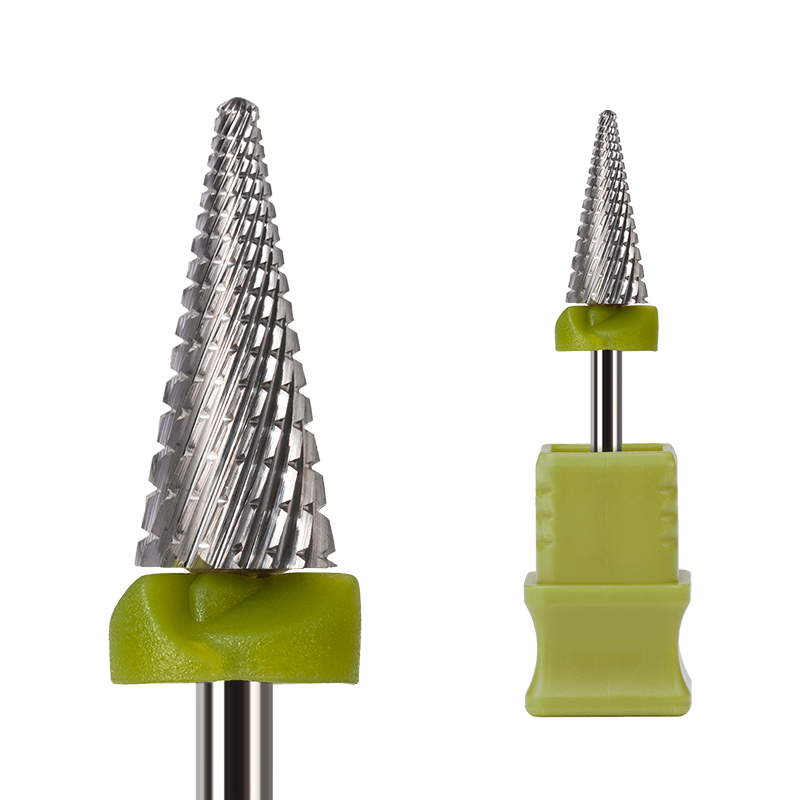
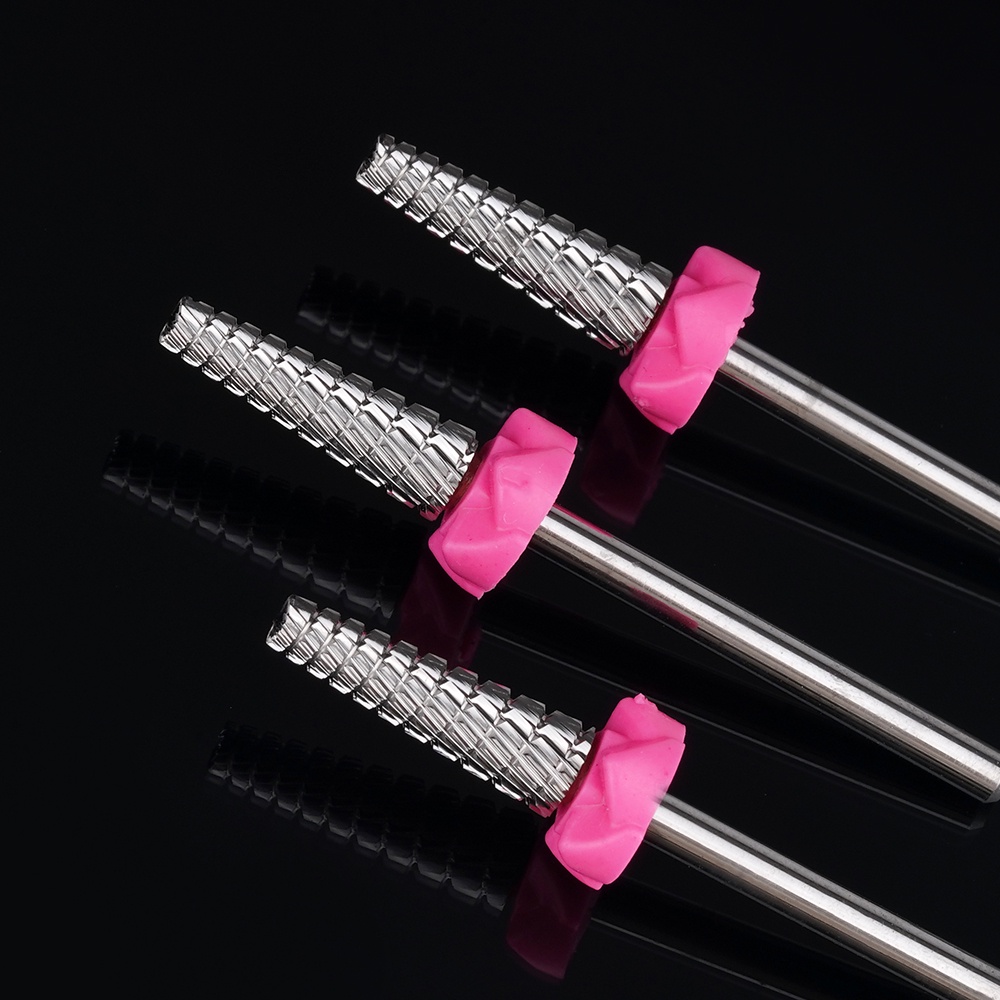
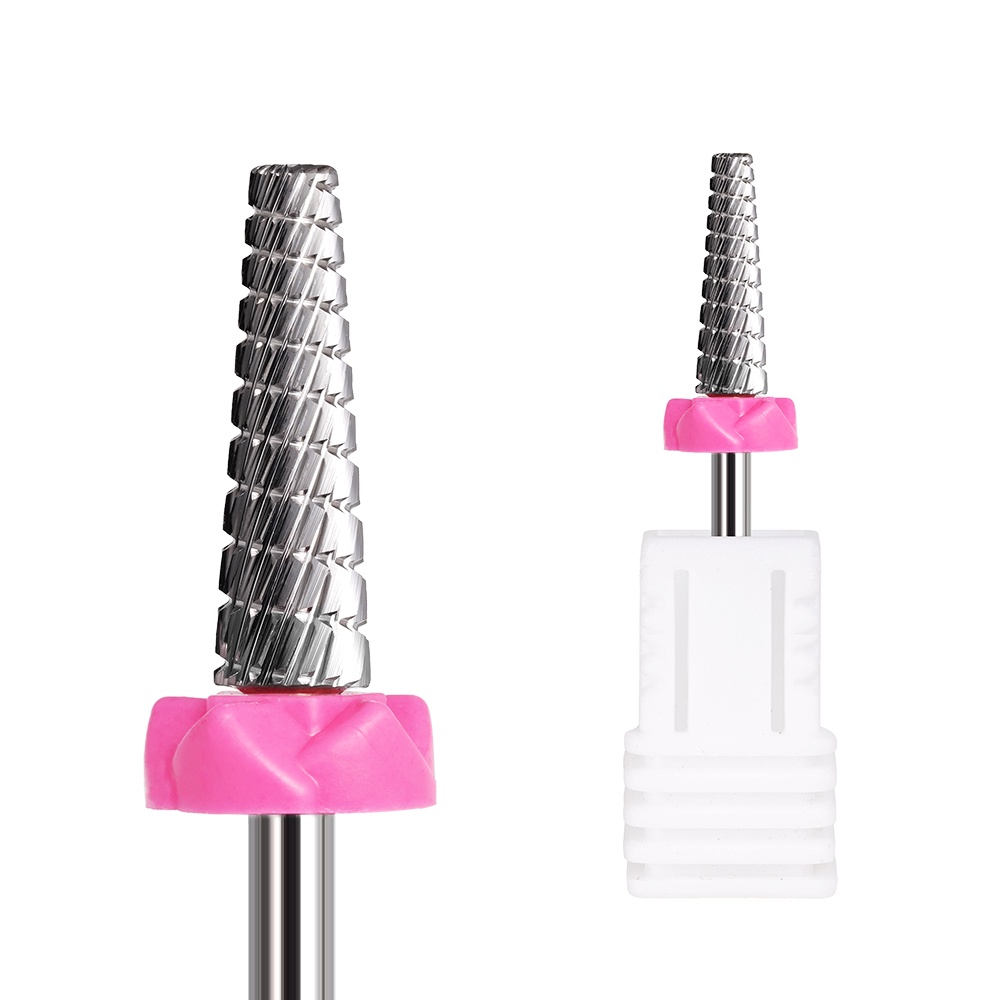
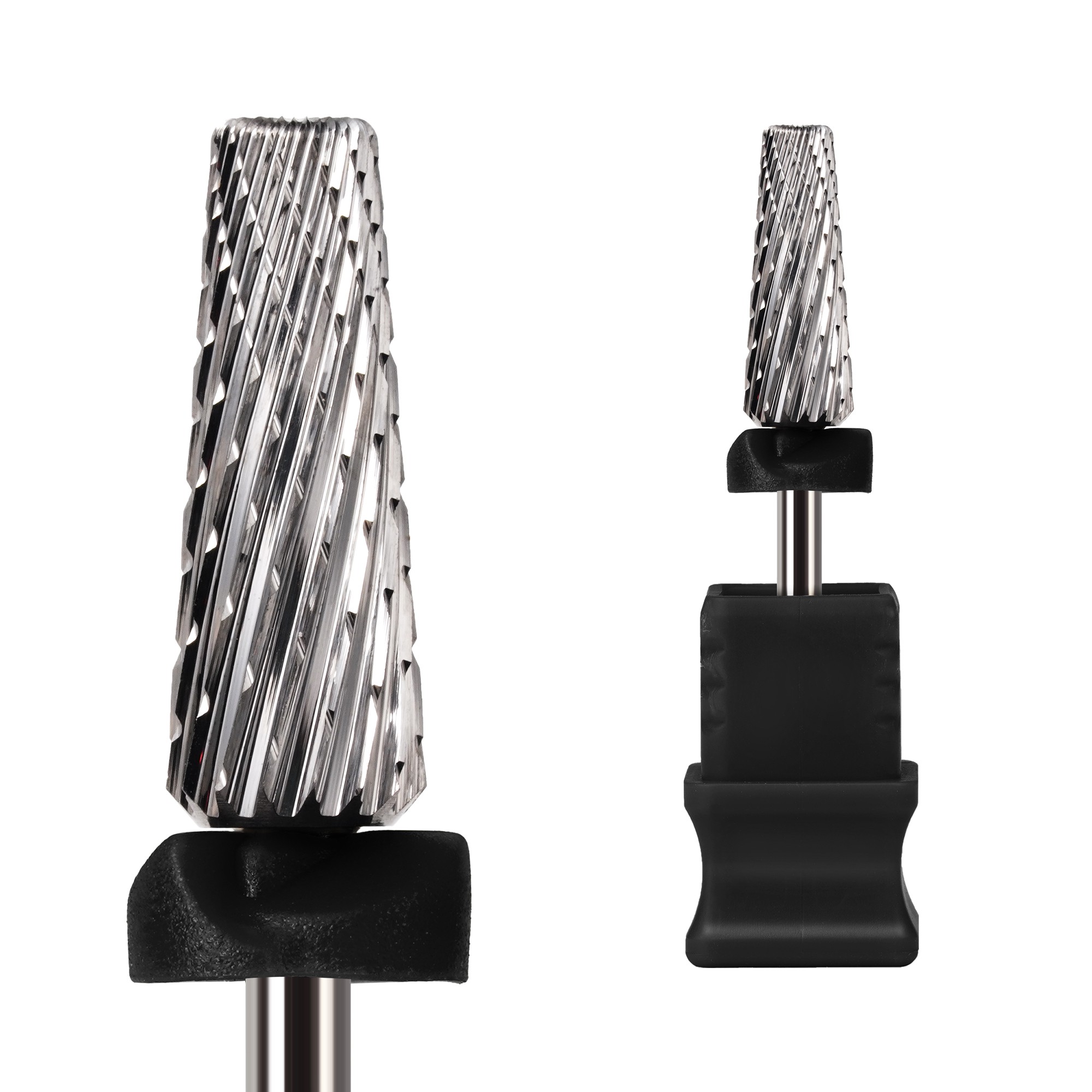
For example, if you are reviewing Tungsten Carbide Large Barrel Smooth Top Nail Drill Bits, your team should not only note the product title. You should also record whether you are approving the C Model, M Model, or F Model, whether the selected grit is coarse, medium, or fine, and whether the size is narrow or wide. Without that detail, future reorders can drift even when both sides believe they are discussing the same item.
Lead time is not the quoted number; it is the supplier’s ability to keep the promise
Another sourcing trap is treating lead time as a fixed number printed on a quotation sheet. In practice, the more useful question is whether the supplier can maintain that timing when materials, artwork, and production scheduling all move at the same time. Some vendors look fast because they quote optimistically before checking workload. Others appear slower at first but are more reliable once an order enters production.
To judge this, ask where delay usually happens. The answer tells you a lot. Delays may come from raw material purchasing, mold or tooling preparation, color confirmation for packaging, inner tray approval, export carton revisions, or simply a lack of production planning. If a supplier cannot explain their own lead time risks, you will probably end up managing those risks yourself later.
There are a few signs of stronger delivery control:
- They can separate sample lead time from mass production lead time instead of giving one vague estimate.
- They ask for artwork confirmation deadlines early rather than after production is already scheduled.
- They explain whether OEM packing changes affect production timing.
- They can tell you what parts of the process are standard and what parts are custom.
This matters even more when you are building a private label range. A plain stock order and a customized order should not be treated as if they follow the same path. A supplier with real scheduling discipline will make that distinction clear before you place the order, not after delays begin.
OEM support should solve work, not create more back-and-forth
OEM support is often misunderstood. Many buyers hear “OEM available” and assume the supplier can handle custom branding smoothly. But in this category, OEM strength is less about saying yes and more about reducing revision cycles. If every logo placement, label change, and packaging detail has to be re-explained in each email, the supplier may technically offer OEM service while still consuming too much time.
A useful evaluation is to see how they handle incomplete information. A capable supplier usually helps organize the project by confirming missing details early: logo file format, box dimensions, barcode position, item naming, grit markings, warning text, and carton shipping marks. A weak supplier waits for confusion to appear and then starts asking basic questions after deadlines are already tight.
Ask to see how they normally manage OEM communication. Not customer names or confidential files, of course, but the process itself. Do they use approval sheets? Do they confirm artwork version numbers? Do they send packing layout previews before production? Do they distinguish between product customization and packaging customization? These operational habits matter more than a broad claim of “rich OEM experience.”
In the case of carbide bits, OEM support should also connect clearly to product selection. If your branded line includes different models for salon use and beginner-friendly use, the supplier should help you keep the technical references aligned. For instance, if one barrel bit is meant for quick and safe gel removal and a smooth prep process, that should match the approved model, grit, and usage note in your item records. Otherwise, the branding may be correct while the product specification drifts.
Questions worth asking before you commit
Some questions are more revealing than price negotiation. They help you see whether the supplier’s system is stable enough for repeat business.
- How do you control differences between coarse, medium, and fine grit batches?
- What is checked before packing begins?
- What usually affects production timing for repeat orders?
- How do you confirm OEM artwork and packaging revisions?
- Can you keep records by model, size, and grit for future reorder matching?
- What happens if an approved sample and mass production need cross-checking before shipment?
The goal is not to interrogate the supplier. It is to learn whether they work from a process or from memory. In a category with many similar-looking SKUs, process wins. Memory leads to substitution errors, inconsistent packing, and avoidable delays.
A practical way to compare suppliers side by side
If you are deciding between two or three options, it helps to score them on purchasing risk rather than sales impression. One supplier may communicate faster but answer vaguely. Another may be less polished but give clearer technical confirmation. Over time, the second one is often easier to scale.
Compare them using real sourcing pressure points:
- Sample repeatability
- Clarity of specification confirmation
- Lead time explanation, not just lead time quotation
- Willingness to align model, grit, and size records
- OEM document handling
- Packing consistency
- Responsiveness when questions become specific
When you do this, some suppliers immediately stand out. A reliable Nail Drill Bit Supplier is usually not the one promising everything in the fewest words. It is the one that reduces uncertainty at each stage: sampling, order confirmation, production follow-up, and packing release.
If you are reviewing a technical item such as a large barrel smooth top carbide bit, pay attention to whether the supplier can connect product features to usage correctly. A well-organized team should understand details like tungsten carbide or tungsten steel material references, smooth-top safety positioning, and recommended rotation speed guidance for different gel removal tasks. For example, product notes such as 15,000 to 20,000 RPM for hard gel removal and 10,000 to 15,000 RPM for soft gel or base gel removal should be handled carefully and consistently in product documents if they are part of your SKU setup. That kind of accuracy is useful because it supports your sales materials and reduces internal confusion.
Where many sourcing decisions go wrong
Problems often come from choosing on the easiest variable to compare. Price is easy to compare. A single sample is easy to compare. A short message reply is easy to compare. But none of these alone tells you much about whether the supply relationship will stay stable over six months of repeat ordering.
Another common issue is mixing stock and OEM expectations. A buyer may approve a stock sample and then assume private label production will move just as quickly. In reality, custom boxes, labels, and product markings can change the process significantly. If the supplier has not clearly separated those workflows, expectations become unrealistic on both sides.
There is also the problem of under-specifying the item. In nail drill bits, “same as before” is not a strong instruction unless “before” is tied to a clear model, grit, dimension, finish, and packing record. This sounds basic, but it prevents a surprising number of disputes.
Making the final decision with fewer blind spots
Once you finish sample review and initial negotiation, pause before placing the first large order. Check whether the supplier has given you enough structure to reorder confidently. Can they reference the exact approved item? Can they explain the expected lead time and the stages that affect it? Can they manage OEM files without repeated confusion? If the answer is only partly yes, the risk is not theoretical. It will likely show up when the order volume grows or the season becomes busy.
A good sourcing decision usually feels less dramatic than people expect. It is not about finding a perfect partner with no limitations. It is about choosing a supplier whose limitations are visible, manageable, and communicated early. In this category, that matters more than polished promises.
For anyone comparing suppliers right now, the most useful mindset is simple: approve the product, but also approve the process behind the product. If the process is clear, consistency improves, lead times become more dependable, and OEM work stops feeling like a separate project every time. That is usually the point where a supplier becomes easier to scale with rather than harder to manage.
News List
- What makes a nail drill bit manufacturer suitable for private labelsSep 20, 2026
- What factory capabilities matter for custom nail drill bit ordersSep 20, 2026
- YAQIN at CIBE Guangzhou 2026 | China International Beauty ExpoAug 31, 2026
- YAQIN at Beauty Fair 2026 Brazil | Professional Nail Drill Bits | Booth CM-21AAug 31, 2026
- How to Evaluate a Nail Drill Bit Supplier on MOQ, Consistency, and OEM SupportAug 26, 2026
- How to Evaluate a Nail Drill Bit Supplier for Consistency, Lead Time, and OEM SupportAug 26, 2026
Best-Selling Products
 Cross Cut Safety Stainless Steel Tungsten Carbide Nail Drill Bits Salon Foot Use XF-C Grit for Removing Nails
 First-rate Quality Tungsten Carbide Nail Drill Bits Best Coating Manicure Remove Gel Nails Accessories
 Professional Advanced Safety Cuticle Bits Two-Way Rotate 3/32'' Carbide Tungsten 5 in 1 Nail Drill Bits
 Wholesale 5 in 1 Electric Manicure Nail Drill Bits Various Coating Cone Cuticle Bit with Rotary Cross Cut for Nail Art
 New Slant Tooth Tungsten Steel Nail Drill Bits Dead Skin Removal 5-in-1 Universal Grinding Nail Polish Head Tool Nail Drill Bits
 4.0mm Small 5 in 1 Integrated Sharpe Tungsten Nail Drill Bit Straight Teeth Gel Polish Removal
 Flame Sharp XF F M C XC Silver Safety Professional Corn Tungsten Carbide Nail Bit for Drill Machine Accessories
 Factory Direct 5 in 1 Tungsten Carbide Nail Drill Bits 6.8MM Cross Cut Safety Manicure 5 in 1 Nail Drill Bits
Please give us a message