
How to Evaluate a Nail Drill Bit Supplier on MOQ, Consistency, and OEM Support
How to Evaluate a Nail Drill Bit Supplier on MOQ, Consistency, and OEM Support
In nail tool sourcing, the cheapest quote is rarely the safest decision. A business evaluator comparing one Nail Drill Bit Supplier to another is usually dealing with a more practical question: which partner can deliver stable quality batch after batch, keep purchasing risk under control, and support future brand customization without creating operational headaches? That is where MOQ, consistency, and OEM support stop being side topics and become the center of supplier evaluation.
For distributors, private label buyers, salon chains, and importers, nail drill bits are small products with outsized consequences. If shape accuracy varies, if coating wears too quickly, or if packaging customization is handled poorly, the impact shows up in returns, user complaints, and margin erosion. A capable supplier should not only supply bits; it should help buyers build a predictable sourcing system.
The most useful way to assess a supplier is not to ask, “Can you make this product?” Most factories will say yes. Better questions are: what is your workable MOQ by SKU? How do you maintain product consistency across repeat orders? How do you manage OEM details from sample to shipment? The answers reveal whether a supplier is ready for long-term cooperation or only for one-off transactions.
MOQ Is Not Just a Number on a Quotation Sheet
Many buyers treat minimum order quantity as a simple negotiation point, but MOQ often reflects the supplier’s real manufacturing structure. A very low MOQ may sound attractive, especially for testing a new market, yet it can also indicate fragmented production, inconsistent material planning, or weak cost control. On the other hand, an excessively high MOQ can tie up cash flow and increase inventory pressure, particularly when you are developing multiple bit shapes or private label packaging.
When evaluating MOQ, look beyond the headline quantity and ask how it is built. Is the MOQ based on one bit style, one coating type, one shank size, or one packaging design? Can mixed models be combined within one order? Is there a different MOQ for standard products versus OEM items? These details matter because they directly affect your launch flexibility and replenishment strategy.
A reliable Nail Drill Bit Supplier should be able to explain the logic behind its MOQ clearly. For example, customized color, branded boxes, or special engraving may require separate production preparation. That is reasonable. What matters is transparency. A supplier that can break down MOQ by product, packaging, and branding elements usually has a more mature internal process than one that only repeats a single threshold without explanation.
Buyers should also compare MOQ against actual reorder potential. If a supplier offers a low trial quantity but struggles to scale once demand increases, the initial convenience may become a long-term risk. In practical procurement, the best supplier is often the one with balanced MOQ flexibility: manageable for testing, but organized enough for volume production.
Consistency Is the Real Cost-Control Factor
Most procurement failures in this category do not begin with a catastrophic defect. They begin with inconsistency. The first sample performs well, the second order is acceptable, and the third batch starts to show visible variation. That variation may involve cutting performance, bit sharpness, coating adhesion, concentricity, or the smoothness of rotation during use. For salon professionals and end users, those differences are easy to feel even if they are difficult to describe in a claims report.
This is why consistency should carry more weight than a slightly lower unit price. Nail drill bits are precision consumables. Their value depends not only on material claims but also on repeatable manufacturing. If you are sourcing tungsten carbide bits, for instance, you need confidence that hardness, finishing, and grinding performance will remain stable across production cycles.
One useful benchmark is whether the supplier can show a structured QC process rather than vague quality promises. A company such as Wuxi Yaqin Trading Co., Ltd., which focuses on abrasive product production and export and operates with a complete QC system covering raw material purchasing, production process, and packing, reflects the kind of operational discipline business buyers should look for. A documented system does not eliminate every issue, but it usually reduces hidden variability.
Ask for practical proof. How are raw materials checked before production? How are dimensions, balance, and surface finish inspected? Are there controls for packing accuracy to avoid SKU mix-ups? Can the supplier keep retained samples for repeat-order comparison? These questions are not too detailed; they are exactly what a serious evaluator should raise before scaling orders.
It also helps to request samples from more than one production point if timing allows. Instead of approving only a handpicked development sample, try comparing samples from a later batch or requesting several units from stock. A dependable supplier should not be nervous about that request. Consistency is strongest when quality is built into the system, not selected for display.
How to Read Product Quality Beyond the Catalog Description
Catalogs often mention premium materials and long service life, but the more important issue is whether those claims align with real application needs. Buyers in nail care and nail art should check if the bit performs smoothly in filing nails, removing dead skin, tackling gel polish, shaping, smoothing, and polishing. Performance should feel controlled rather than aggressive, especially for professional-use channels where user comfort and finish quality influence repeat business.
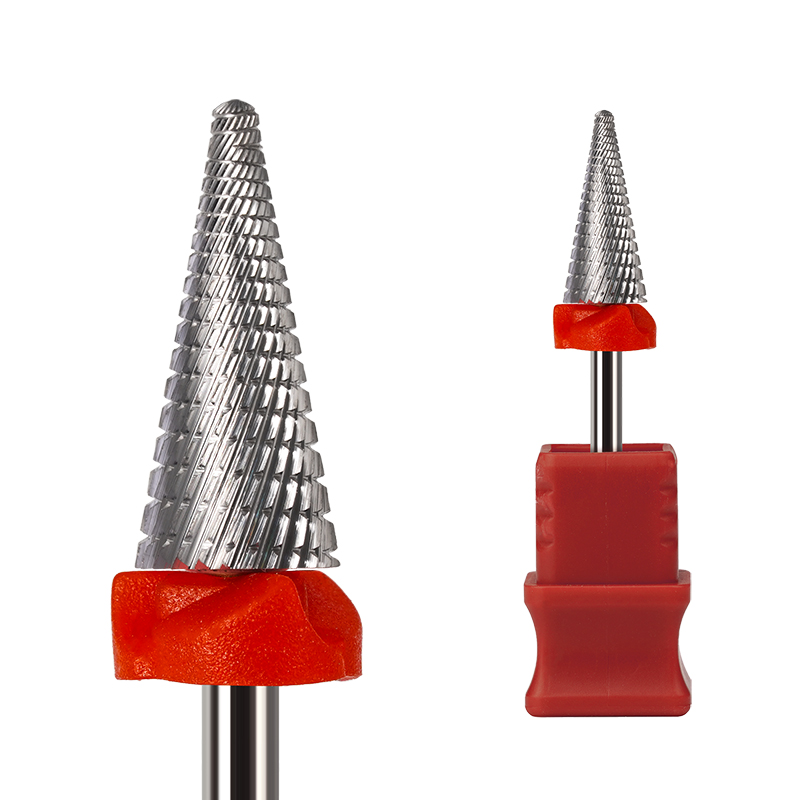
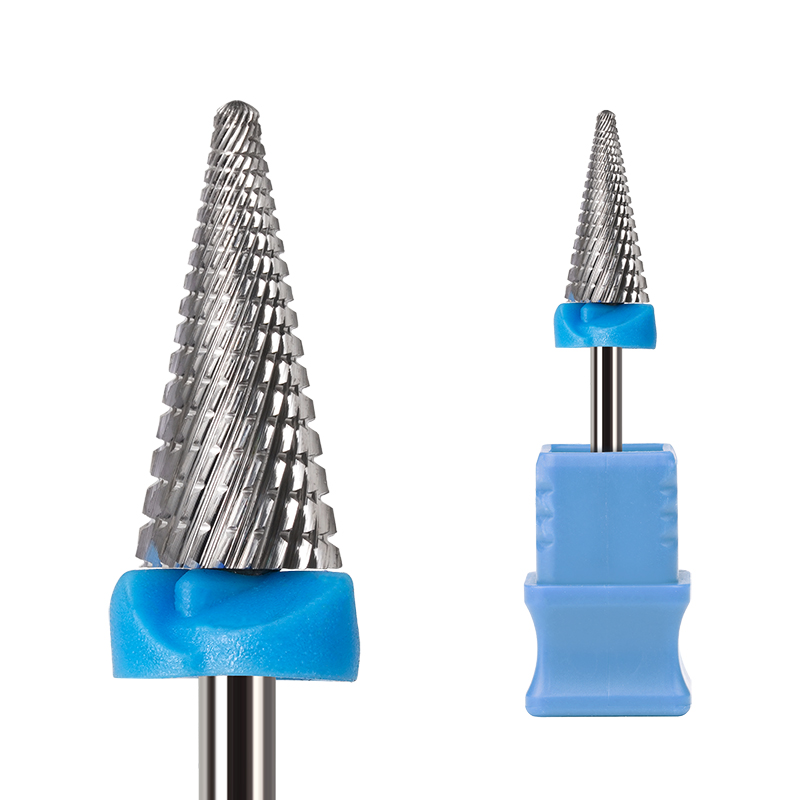
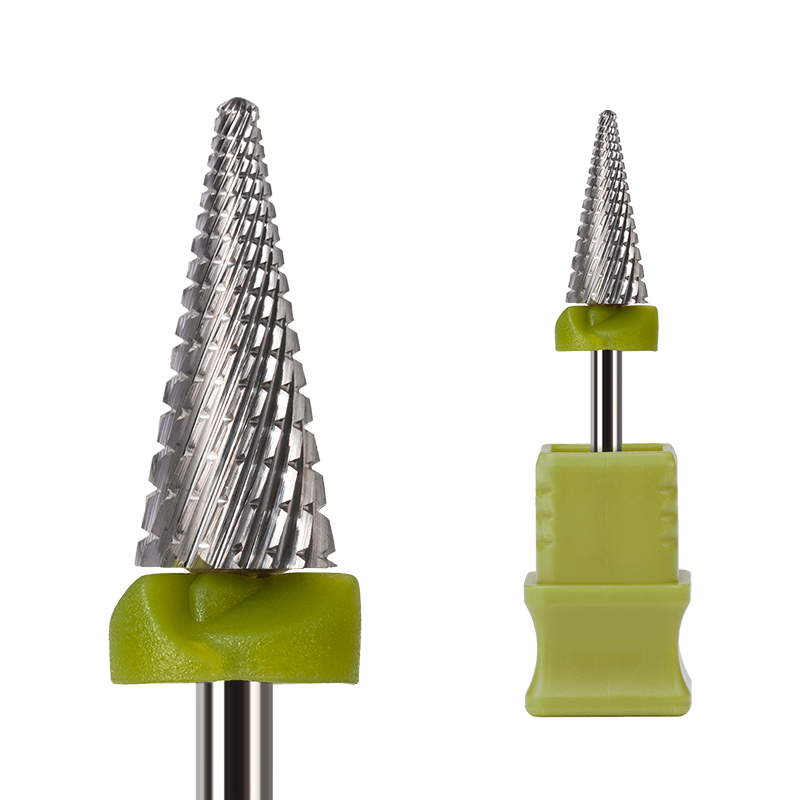
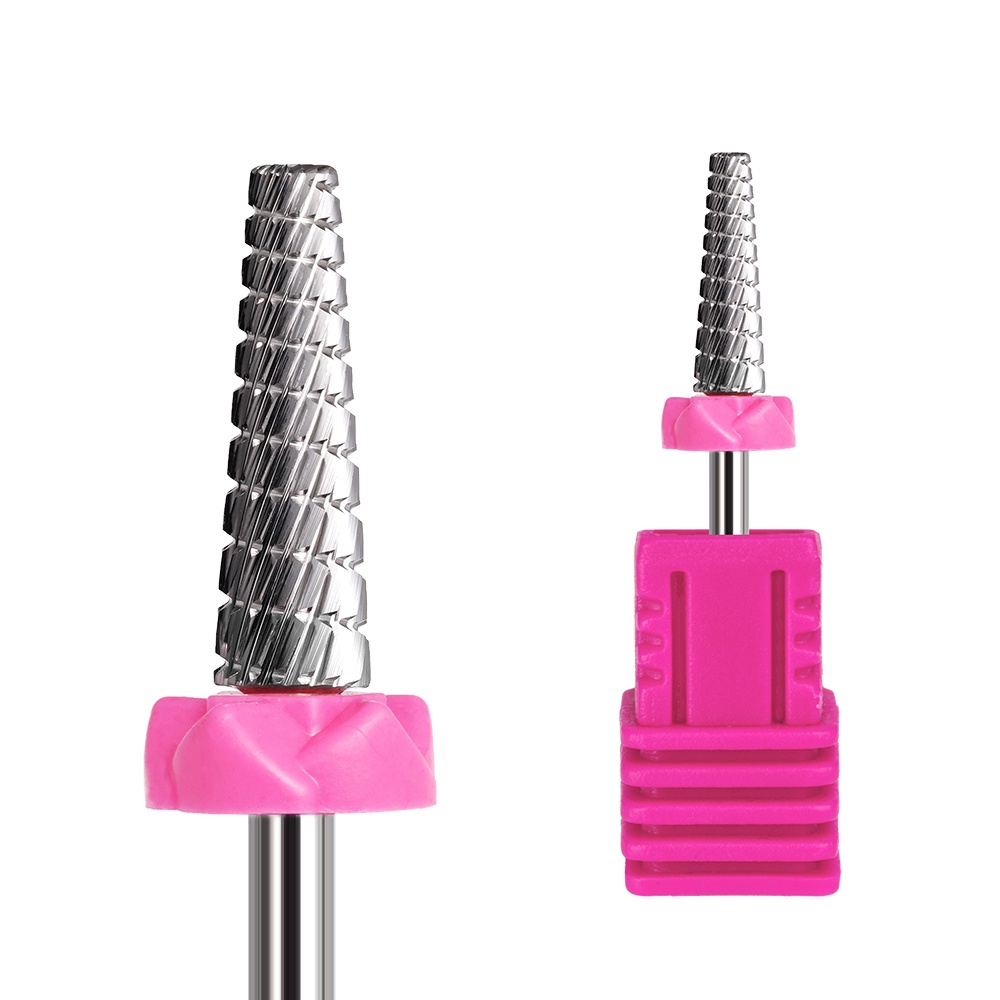
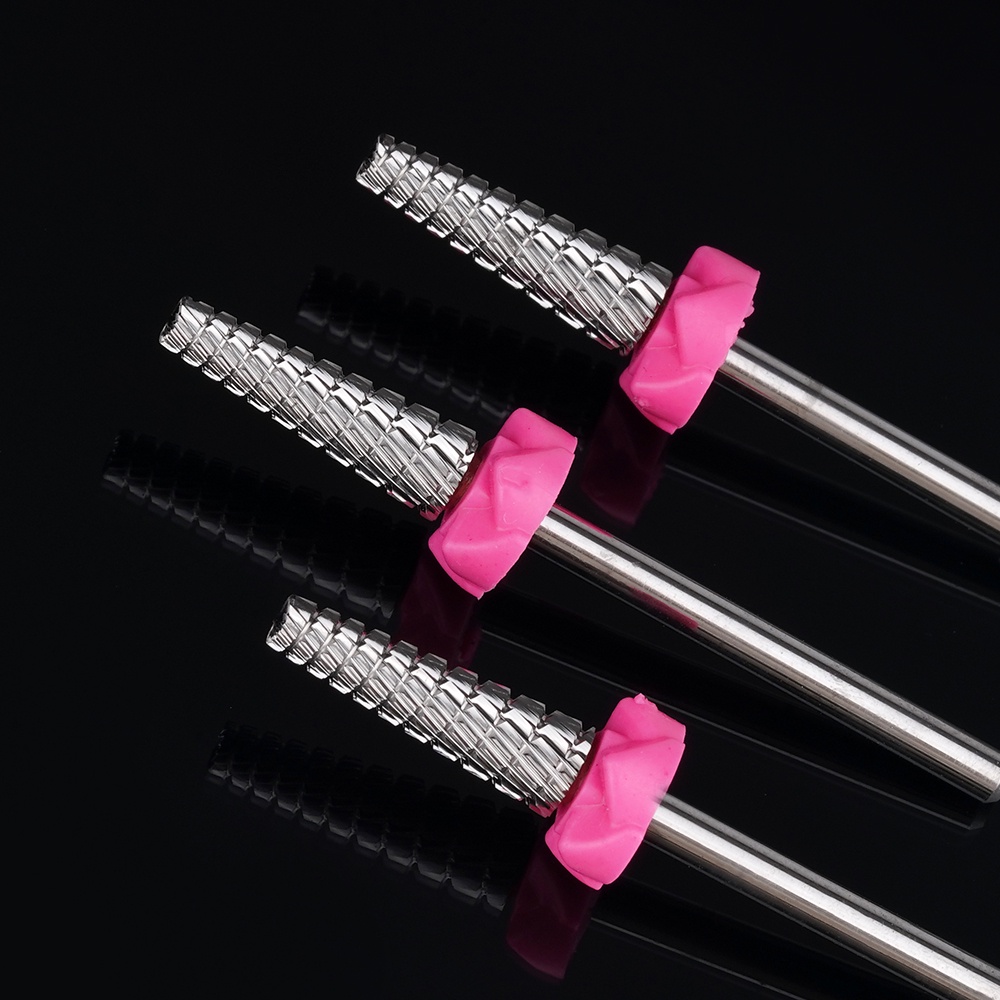
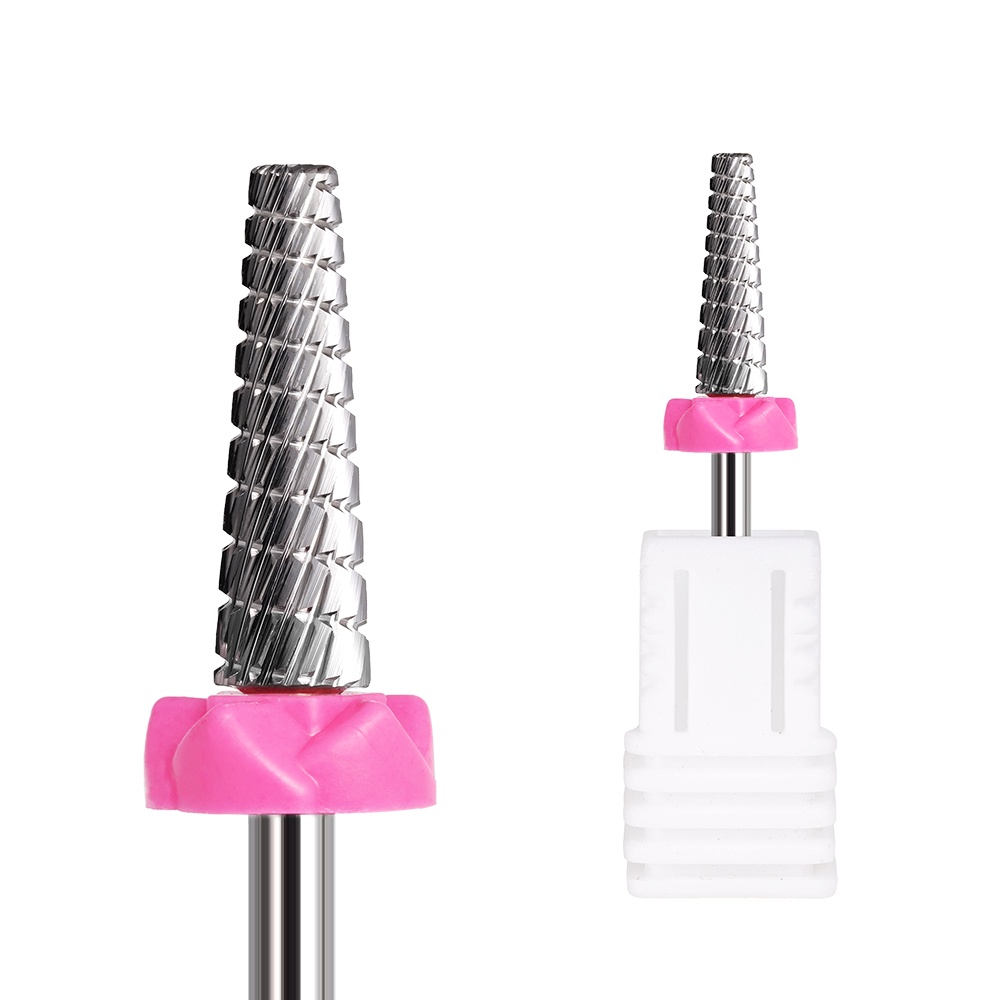
For example, a tungsten carbide model such as First-rate Quality Tungsten Carbide Nail Drill Bits Best Coating Manicure Remove Gel Nails Accessories is relevant because buyers in this segment often prioritize high hardness, efficient grinding, durability, and stable operation. Yet even with a promising specification, the supplier still needs to prove execution. Does the bit run quietly? Is maneuverability precise? Does the finish remain clean after repeated use? Those are purchasing questions, not just end-user questions, because they affect return rates and brand reputation.
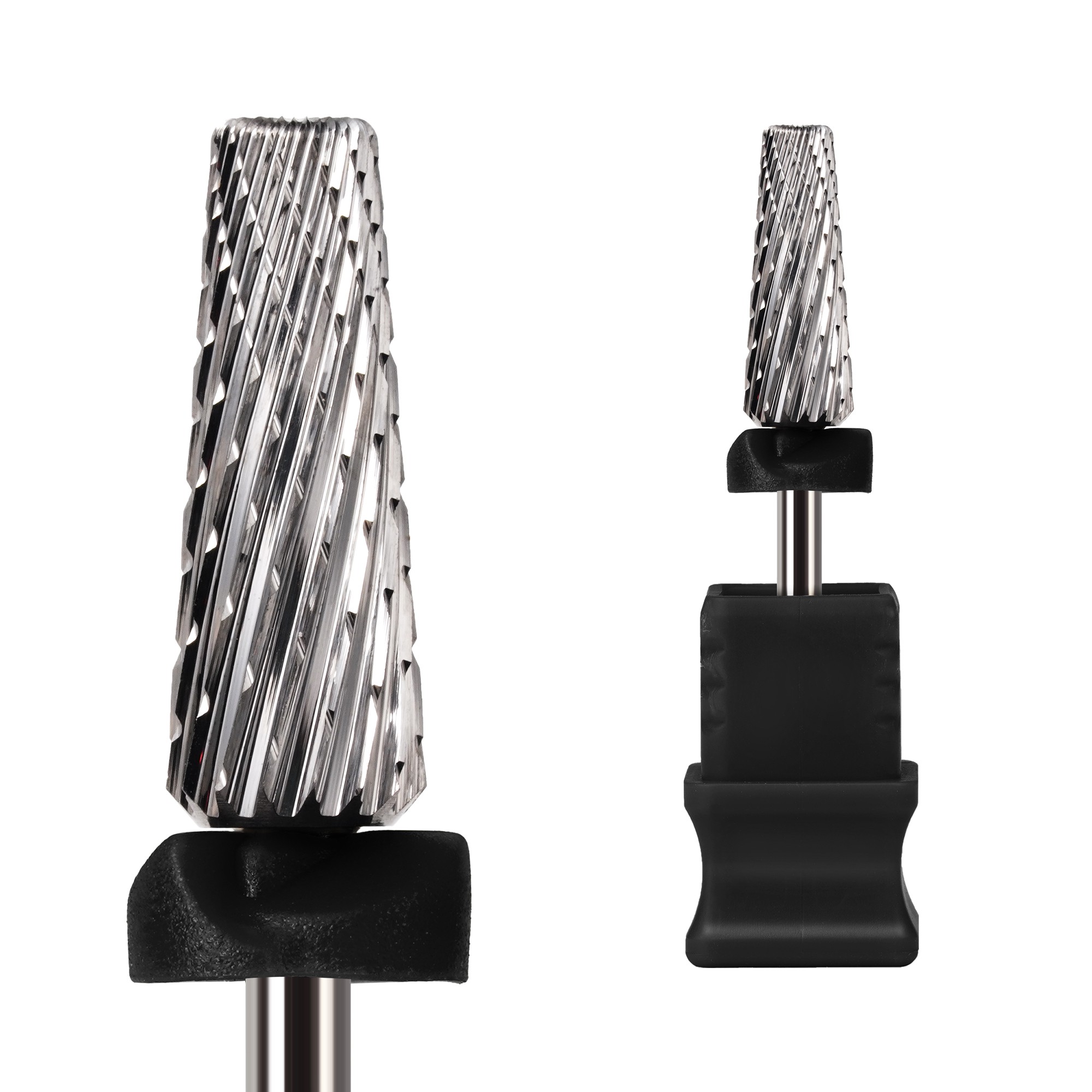
Appearance can also reveal process discipline. Uniform coating, clean flute geometry, consistent color treatment where applicable, and careful packaging presentation often indicate a supplier that pays attention to detail. If customizable color is offered, ask whether the customization impacts lead time, MOQ, or consistency. A good supplier will be honest about those tradeoffs instead of overpromising.
OEM Support Should Reduce Work, Not Create More of It
OEM and ODM service sound attractive in supplier presentations, but the quality of support varies widely. Some suppliers can put a logo on a box. Fewer can guide a buyer through the full chain of product selection, sample adjustment, packaging confirmation, compliance communication, and shipping coordination without confusion.
For business evaluators, strong OEM support has three parts. The first is communication accuracy. The supplier should confirm details in writing: bit type, head shape, shank size, material, coating, labeling, box design, master carton information, and delivery expectations. If these basics are loosely handled, custom orders quickly turn into disputes.
The second part is sample management. OEM projects often fail because approved samples are not translated into production standards. Ask how the supplier records sample specifications and whether there is a sign-off process before mass production. If revisions are needed, can the supplier distinguish cosmetic changes from structural changes that affect tooling or MOQ? This is where experienced OEM teams stand out.
The third part is execution under export conditions. Since many nail tool buyers source across borders, packaging durability, labeling accuracy, and delivery coordination matter almost as much as the product itself. A supplier with established export experience to markets such as the USA, Canada, Germany, the UK, Italy, and Poland is often better prepared for documentation discipline and shipment follow-through than one with limited international handling experience.
Wuxi Yaqin Trading Co., Ltd. positions itself as a one-stop provider from production to delivery and highlights experience in OEM/ODM service. For procurement teams, that kind of integrated approach can be valuable when comparing suppliers, because every handoff between product, packaging, and logistics introduces a possible failure point. The more coordinated the process, the easier it is to control timelines and accountability.
Questions Worth Asking in a Supplier Review Meeting
Some of the best supplier evaluations happen not through formal presentations but through direct, operational questions. A qualified Nail Drill Bit Supplier should be ready to answer without relying on generic sales language.
- What is your MOQ for standard items, and what changes when private label packaging is added?
- Can mixed models or assorted bit types be combined within one order?
- How do you control batch-to-batch consistency in material selection and finishing?
- What are your inspection points before packing and before shipment?
- How do you handle approved samples for OEM repeat orders?
- What is your process if a buyer finds variation after goods arrive?
- Can you support both entry-volume testing and larger replenishment orders?
The tone of the response matters. A supplier that answers clearly, with process-based explanations, is usually easier to work with than one that offers only broad assurances. Procurement teams are not simply buying products; they are buying predictability.
Common Evaluation Mistakes Buyers Still Make
One common mistake is overvaluing the initial sample. A polished sample is important, but it does not guarantee production stability. Another is assuming OEM capability from packaging visuals alone. Nice mockups do not prove order management discipline. Buyers also sometimes underestimate the cost of communication delays. If every small revision requires repeated clarification, the hidden cost can outweigh a lower unit price.
There is also a tendency to compare suppliers only on FOB pricing. In reality, the total sourcing cost includes defect risk, packaging errors, lead-time uncertainty, and the labor required to manage the order. A supplier with consistent output and responsive OEM support may produce better overall margins than one offering a lower sticker price but unstable execution.
What a Strong Supplier Profile Usually Looks Like
When you step back, the profile becomes fairly recognizable. A strong supplier in this segment combines production understanding with export discipline. It has a workable MOQ structure rather than a rigid or vague one. It shows evidence of quality control from raw material procurement through packing. It can support OEM or ODM projects with documented communication, sample control, and delivery coordination. And importantly, it understands that buyers are thinking about repeatability, not just the first transaction.
In categories like nail drill bits, where product performance, finish quality, and user experience are closely connected, supplier evaluation should be practical and unsentimental. Attractive pricing may open the conversation, but stable quality, sensible MOQ terms, and reliable OEM support are what sustain the business relationship.
For procurement professionals comparing options, the goal is not simply to find a vendor who can ship. It is to identify a Nail Drill Bit Supplier that can grow with your brand, protect your sourcing efficiency, and maintain standards when volume increases. If a supplier can do that consistently, the decision becomes much easier—and much safer.
News List
- What makes a nail drill bit manufacturer suitable for private labelsSep 20, 2026
- What factory capabilities matter for custom nail drill bit ordersSep 20, 2026
- YAQIN at CIBE Guangzhou 2026 | China International Beauty ExpoAug 31, 2026
- YAQIN at Beauty Fair 2026 Brazil | Professional Nail Drill Bits | Booth CM-21AAug 31, 2026
- How to Evaluate a Nail Drill Bit Supplier on MOQ, Consistency, and OEM SupportAug 26, 2026
- How to Evaluate a Nail Drill Bit Supplier for Consistency, Lead Time, and OEM SupportAug 26, 2026
Best-Selling Products
 Cross Cut Safety Stainless Steel Tungsten Carbide Nail Drill Bits Salon Foot Use XF-C Grit for Removing Nails
 First-rate Quality Tungsten Carbide Nail Drill Bits Best Coating Manicure Remove Gel Nails Accessories
 Professional Advanced Safety Cuticle Bits Two-Way Rotate 3/32'' Carbide Tungsten 5 in 1 Nail Drill Bits
 Wholesale 5 in 1 Electric Manicure Nail Drill Bits Various Coating Cone Cuticle Bit with Rotary Cross Cut for Nail Art
 New Slant Tooth Tungsten Steel Nail Drill Bits Dead Skin Removal 5-in-1 Universal Grinding Nail Polish Head Tool Nail Drill Bits
 4.0mm Small 5 in 1 Integrated Sharpe Tungsten Nail Drill Bit Straight Teeth Gel Polish Removal
 Flame Sharp XF F M C XC Silver Safety Professional Corn Tungsten Carbide Nail Bit for Drill Machine Accessories
 Factory Direct 5 in 1 Tungsten Carbide Nail Drill Bits 6.8MM Cross Cut Safety Manicure 5 in 1 Nail Drill Bits
Please give us a message