
When does buying from a nail drill bit factory lower total sourcing cost
When does buying from a nail drill bit factory lower total sourcing cost
Buying from a Nail Drill Bit Factory lowers total sourcing cost when the factory helps you control the expenses that do not show up on the quotation sheet: defect handling, inconsistent batches, rush replenishment, delayed launches, and customer complaints caused by unstable quality. If you only compare unit price, factory buying does not always win. If you compare the full cost of supply over six to twelve months, it often does.
This is the point many teams miss during approval. A low ex-factory price looks efficient, but finance usually ends up paying for the hidden part later. In nail tools, especially abrasive and carbide bits, a cheap batch that wears out too fast or performs unevenly can create replacement cost, higher return rates, and more time spent by purchasing and QC. The real question is not “Is the factory quote lower?” It is “Does this supplier reduce the total cost of buying, using, and correcting the product?”
When a Nail Drill Bit Factory actually saves money
The answer is simple in principle: factory sourcing makes financial sense when your order size, quality expectations, and planning cycle are large enough for direct supply advantages to matter.
That usually happens in five situations.
First, when you buy in repeat volume. If your business places regular orders instead of occasional mixed purchases, factory pricing has room to work. Repeated volume helps spread tooling, setup, packaging coordination, and inspection effort across more units. A trader with no production control may still be useful for small, fragmented buying, but once your order rhythm becomes stable, direct factory cooperation often brings a cleaner cost structure.
Second, when consistency matters more than the lowest opening quote. Nail drill bits are not a casual commodity for many buyers. If you sell under your own brand, supply salons, serve distributors, or support chain accounts, variation from batch to batch becomes expensive. One shipment cuts smoothly, the next runs hotter or loses sharpness faster, and suddenly your support team is absorbing the difference. Finance may not see that cost in the purchase order, but it appears in claims, credits, and slower reorders.
Third, when lead time volatility hurts your business. A factory that plans raw material purchasing, production scheduling, and packing internally can reduce emergency freight and stock gaps. That matters a lot if your margin is already tight. Air shipment to solve a missing reorder can erase the “savings” from a lower unit price in one move.
Fourth, when you need OEM or ODM support. Custom labeling, packaging, grit selection, head shape combinations, or bundled bit sets all create coordination work. If that work is fragmented across several middle layers, cost rises in quiet ways: more revisions, more confirmation cycles, and more errors. A supplier with real OEM/ODM experience can shorten that process and make approval more predictable.
Fifth, when after-sales risk is expensive for you. Some buyers can tolerate a percentage of inconsistency. Others cannot. If you operate in markets where end users expect stable finish quality and safe performance, poor product control is a cost issue, not just a quality issue.
In practice, factory buying starts paying off when the supplier can lower your cost of failure, not just your purchase price.
The hidden costs finance teams should look at
A finance reviewer usually sees quotation, freight, payment terms, and maybe duty. That is necessary, but not enough.
For nail drill bits, the cost model should include at least these questions:
- How stable is raw material quality across batches?
- How often do dimensions, sharpness, or cut performance vary?
- What is the likely replacement or complaint rate?
- How much buffer stock do you need because you do not fully trust delivery or quality?
- How much internal labor goes into inspection, sorting, claims, and reordering?
These costs are easy to underestimate because they are spread across departments. Purchasing loses time following up. Warehouse staff separates questionable batches. Sales handles complaints. Finance sees margin leakage later, but not always the operational reason behind it.
That is why a slightly higher direct quote from a reliable factory can still be the cheaper option. The math changes when one supplier reduces rework, lowers uncertainty, and makes replenishment planning easier.
A short answer, if you need one for internal review: buying from a factory lowers total sourcing cost when supplier control is strong enough to reduce quality-related loss, emergency logistics, and coordination overhead over repeated orders.
What separates a cost-saving factory from a cheap supplier
Not every factory is automatically the right sourcing choice. Some are only competitive on paper. The better question is whether the supplier has systems that make cost predictable.
This is where operational discipline matters more than sales language. In this category, buyers should pay attention to quality control from raw material intake to finished packing, not just final inspection. If a factory checks only at the end, defects have already consumed material, labor, time, and possibly your shipping window.
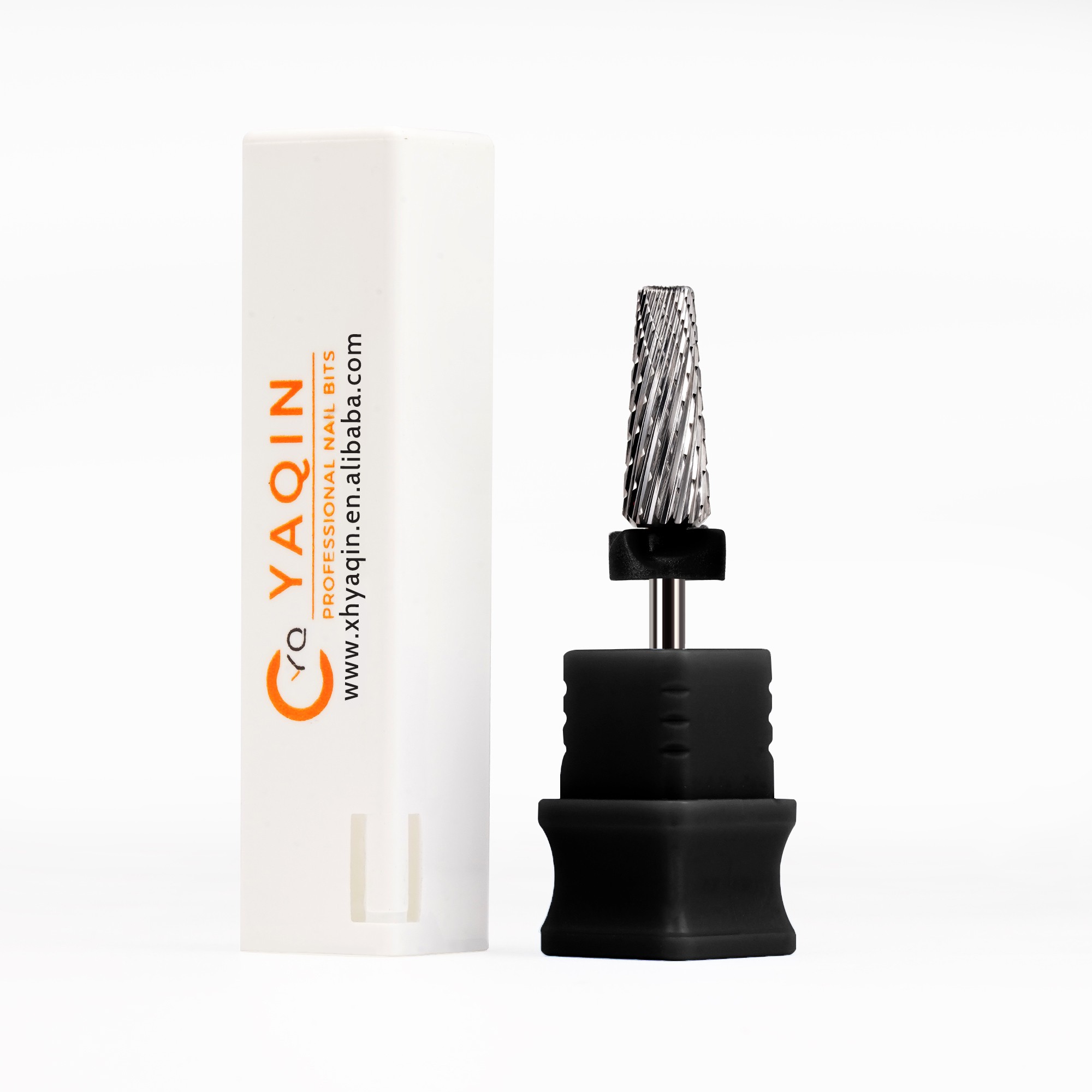
Wuxi Yaqin Trading Co., Ltd. is a useful example of what finance-friendly sourcing looks like in this industry. The company focuses on producing and exporting abrasive products, serves markets including the USA, Canada, Germany, the UK, Italy, Poland and many others, and states that its QC system covers raw material purchasing, production process, and packing. It also reports ISO9001:2000 quality management system certification and offers one-stop service from production to delivery, with OEM/ODM experience. For a buyer approving larger programs, those points matter because they suggest lower coordination friction and better process visibility. Of course, any claim still needs normal supplier verification, sample review, and order-level confirmation.
That last part is important. A certificate or factory profile is not the decision by itself. It is only meaningful if the supplier can also show stable samples, clear specifications, and responsive problem handling.
Where buyers often make the wrong comparison
A common mistake is comparing a factory quote against a trader quote without normalizing the terms. The lower number may exclude packaging differences, inspection scope, replacement policy, accessory parts, or even tolerances that affect usable yield.
Another mistake is approving a low-cost sample order and assuming the same economics will hold at scale. In nail bits, scale can expose problems that samples do not show clearly: edge consistency, coating adhesion where relevant, packaging damage, mixed specifications in one batch, or wear performance after repeated salon use.
One more issue: some teams buy too broadly too early. They place a large mixed order with many models before identifying the 20 percent of SKUs that generate most of the demand. From a cost perspective, that weakens the case for factory direct buying because setup complexity rises while volume concentration stays low.
If you are approving spend, ask a harder question: is the order structured in a way that lets factory efficiency work for you? If the answer is no, even a good factory may not deliver the savings you expect.
Product example: when specification discipline helps lower waste
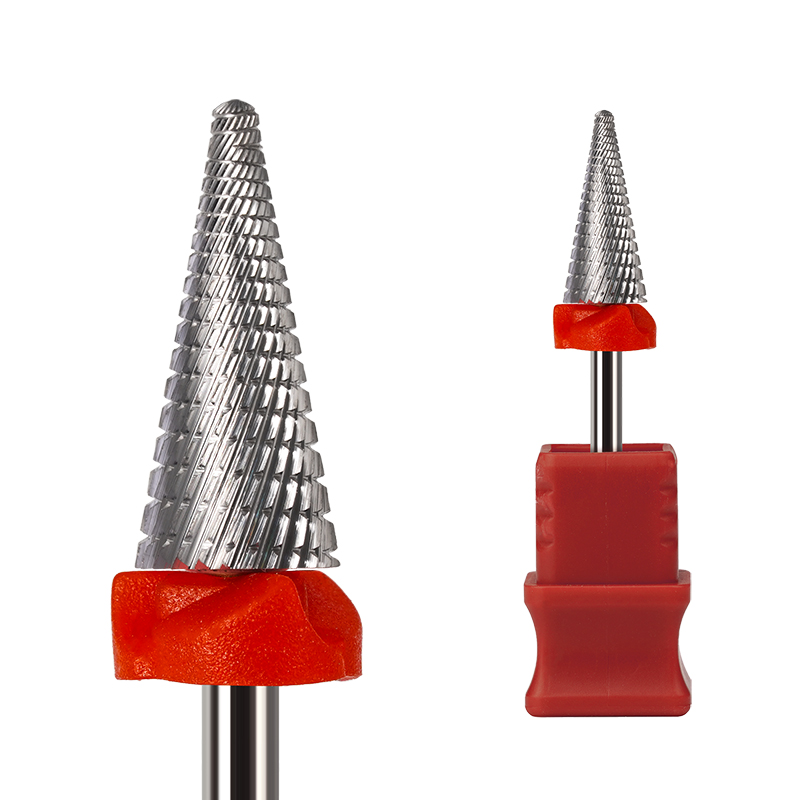
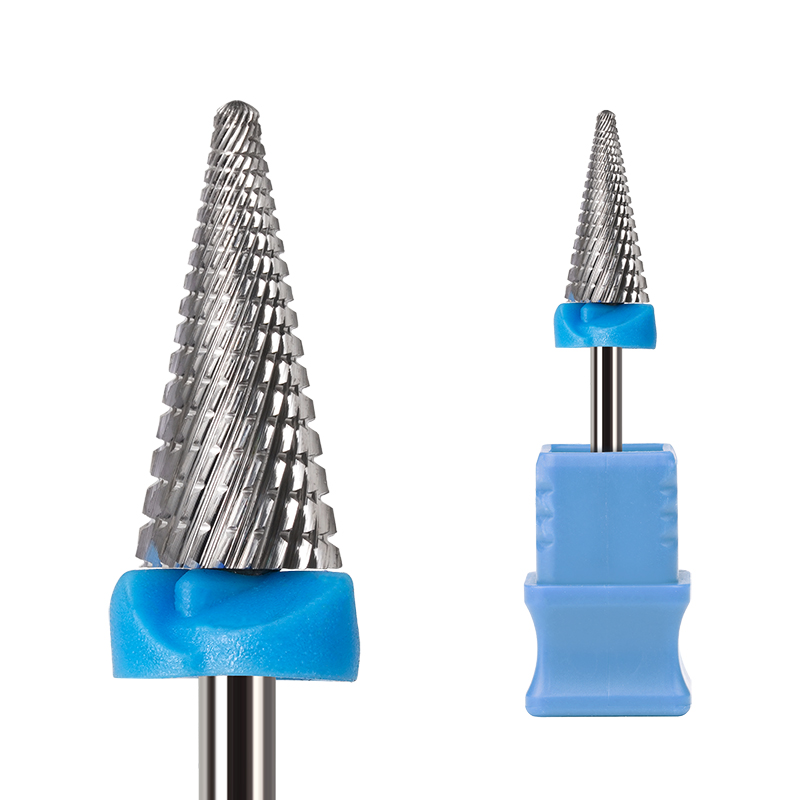
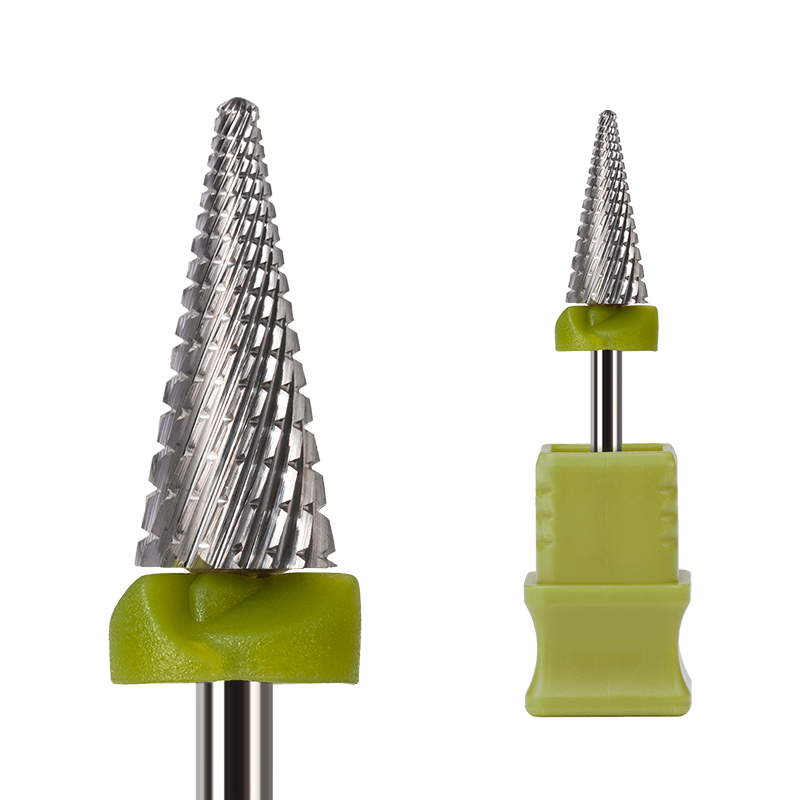
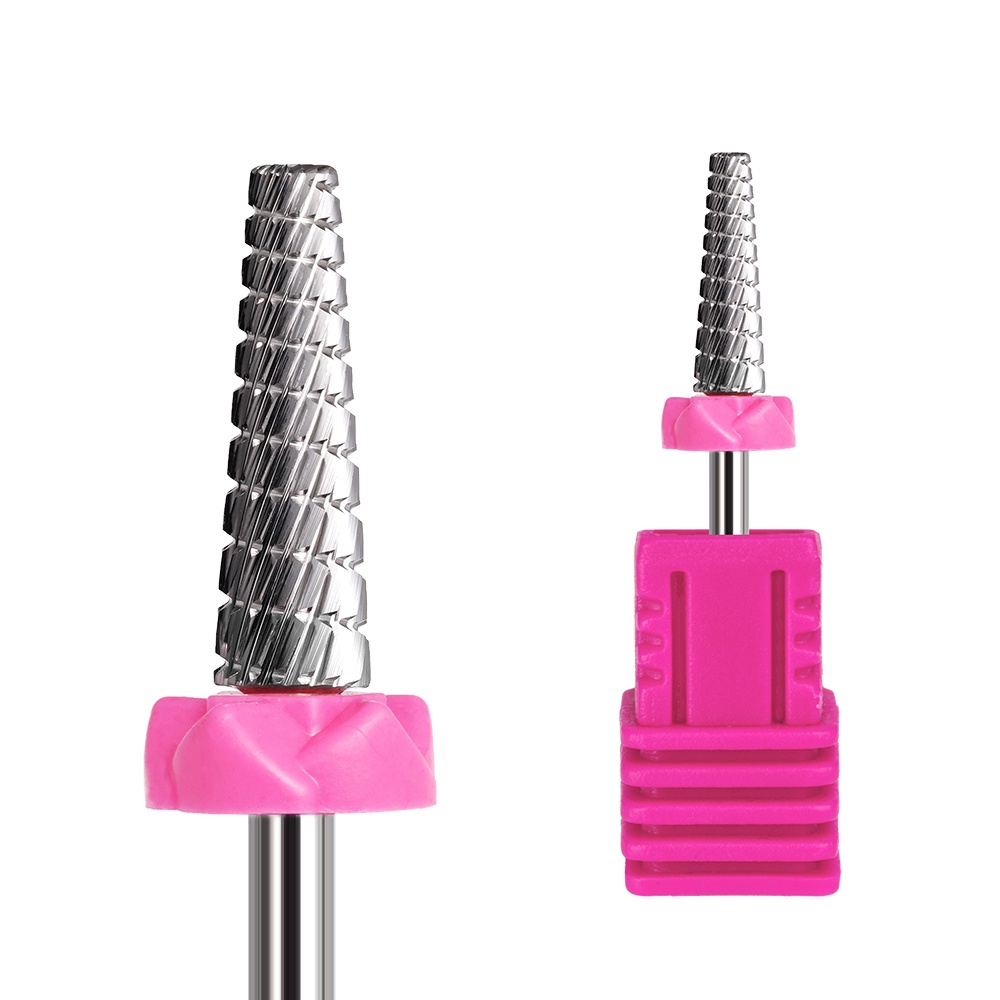
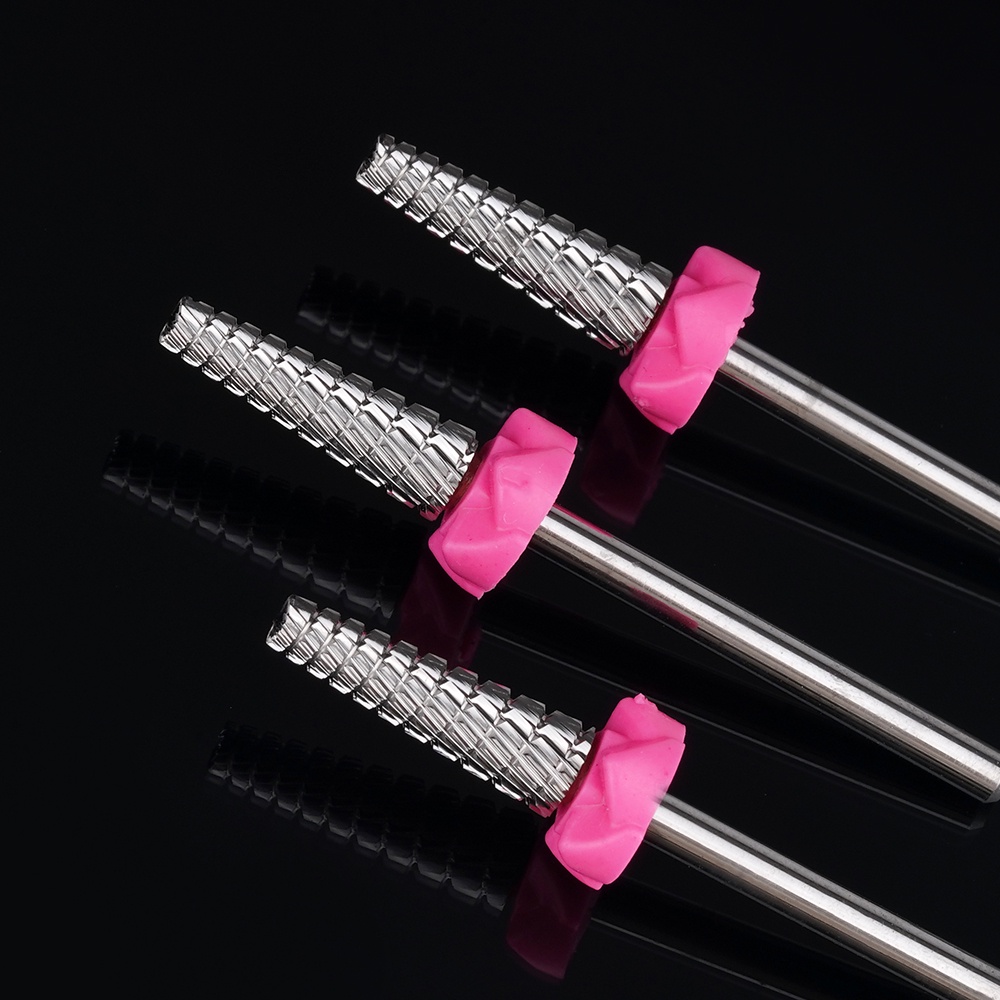
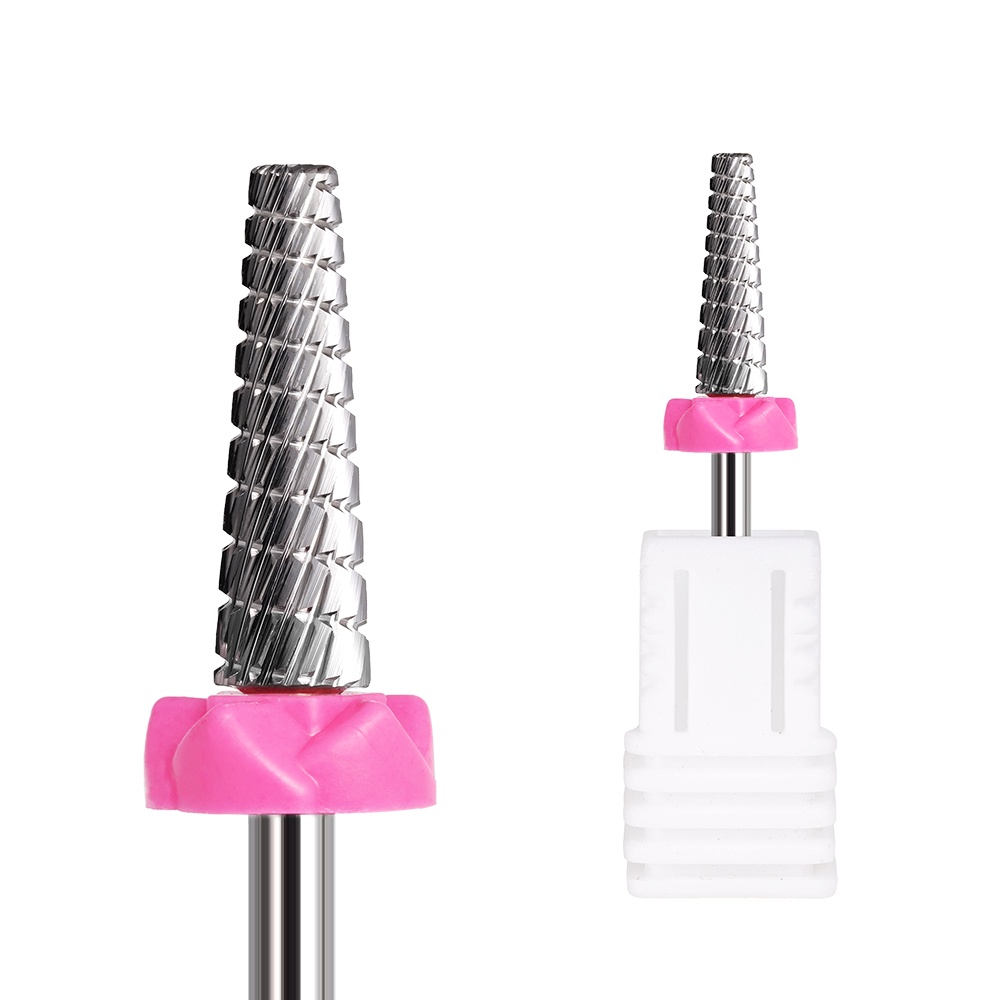
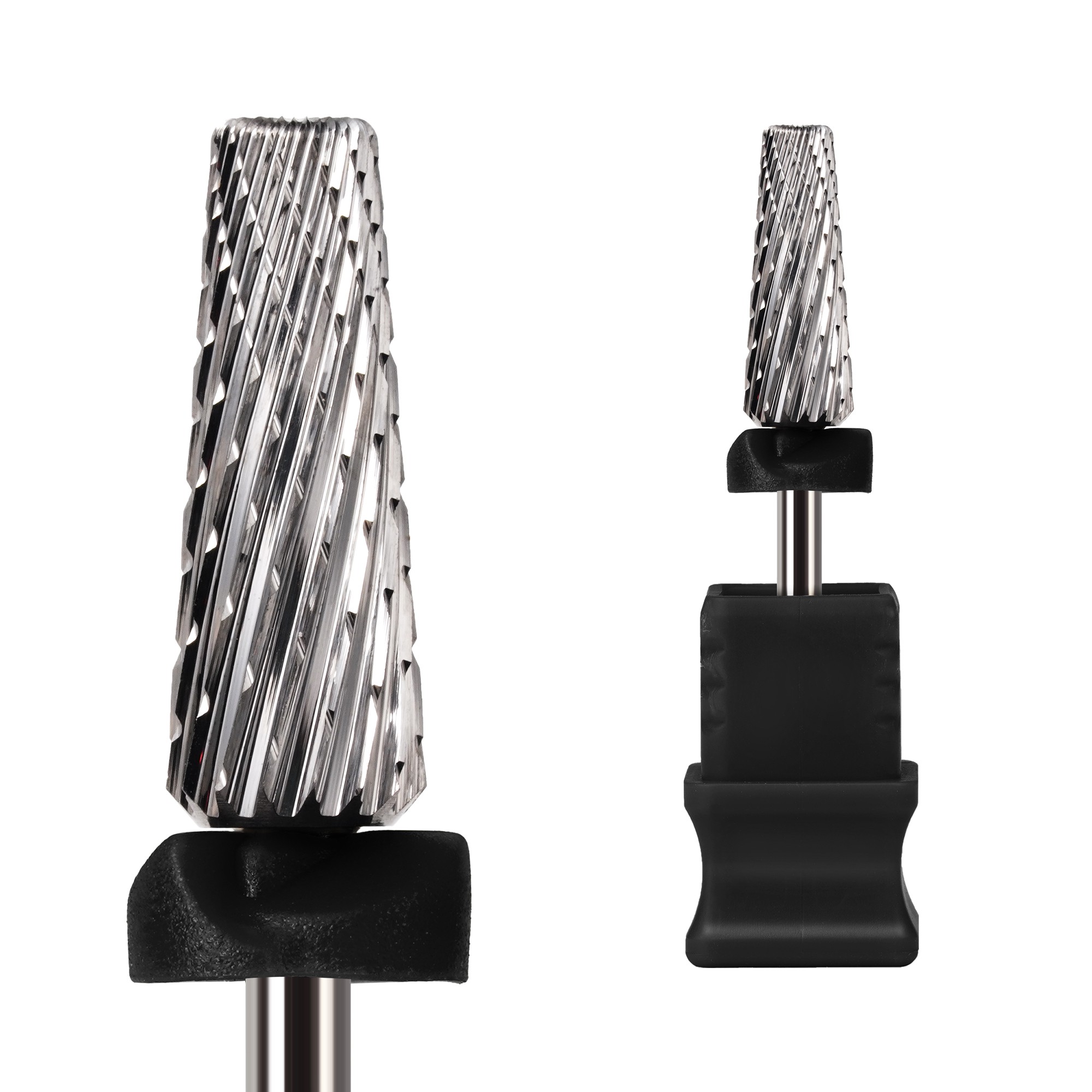
This is easier to see with a practical example. A multi-use bit set for gel removal and nail prep only saves money if the specification matches the end-use and user profile. A set like 5 in 1 Tungsten Carbide Nail Drill Bits Cross Cut Safety Manicure 5 in 1 Bit Set can make sourcing sense for buyers who need durable material, multiple cut levels such as coarse, medium, and fine, and options like narrow and wide bits for different working styles. Tungsten carbide and tungsten steel construction, if processed well, usually supports longer service life and better heat resistance than lower-grade alternatives, but the value only holds when quality is stable across production lots.
The usage details also matter. Recommended speed ranges such as 15,000 to 20,000 RPM for hard gel removal and 10,000 to 15,000 RPM for soft gel or base gel are not just technical notes. They affect user outcome, complaint risk, and perceived product quality. If a supplier cannot keep cut performance consistent, the same RPM guidance will not produce the same result from one batch to another. That is exactly how hidden cost enters the picture.
Features like a rounded safety tip, anti-corrosion performance, and a protective cap are not “nice extras” in every buying case, but they can be financially relevant for distributors or private-label sellers serving mixed user groups, including newer technicians. Fewer handling issues and fewer complaints about aggressive contact can translate into lower after-sales cost.
This does not mean every buyer needs this type of set. If your business mainly sells very basic entry-level consumables on price, a more specialized carbide set may be more product than your market needs. Cost control still depends on fit, not on choosing the most feature-rich item.
When factory buying is not the cheaper choice
There are cases where going to a factory will not lower total sourcing cost.
If your volumes are small and irregular, the savings may be too thin to offset communication time, MOQ pressure, and stock risk. If you need many unrelated beauty tools in tiny quantities, a strong consolidating trader may still be the more economical route.
If your internal specs are unclear, direct factory sourcing can also become inefficient. Factories work best when drawings, grit expectations, packaging requirements, and acceptable tolerances are defined. If your team is still exploring the market, changing packaging every round, or testing many concepts at once, the process may create more cost than it saves.
And if the supplier cannot provide evidence of process control, direct access to production does not help much. A factory without discipline is just a closer source of uncertainty.
How to judge the decision before approving the purchase
Before signing off, it helps to review the supplier through a total-cost lens instead of a line-item lens.
- Check whether the supplier manages QC across raw materials, production, and packing.
- Ask how batch consistency is controlled and how non-conforming goods are handled.
- Review whether OEM/ODM requests are routine work or occasional exceptions.
- Compare lead times and replenishment reliability, not just list price.
- Estimate the cost of one delayed shipment or one defective batch in your own business model.
- Confirm whether the order volume is high enough and focused enough to justify factory direct buying.
If a supplier can answer those points clearly, the cost case becomes easier to defend internally.
For finance teams, this is usually the cleanest conclusion: a Nail Drill Bit Factory lowers total sourcing cost when it gives you repeatable quality, fewer supply interruptions, manageable customization, and less money lost to correction. That is the threshold worth approving. Not the cheapest quote, but the most controllable outcome.
FAQ
Is factory direct always cheaper than buying through a trader?
No. It is often cheaper only when order volume is stable, specifications are clear, and quality consistency matters enough to affect your downstream cost.
What is the biggest hidden cost in nail drill bit sourcing?
Usually inconsistency. A low-priced batch that causes complaints, replacements, or emergency reorders can cost more than a higher-priced stable batch.
Should finance care about OEM/ODM capability?
Yes, if you need private label, custom packaging, or SKU variation. Weak customization support creates delays, errors, and higher coordination cost.
How many orders should we review before deciding a factory is cost-effective?
At least enough to judge repeatability. One successful sample or one first order is not a reliable indicator for long-term sourcing cost.
Internal link anchor text suggestions
- how to evaluate nail drill bit quality before bulk purchase: supplier evaluation or buying guide page
- OEM nail drill bits for private label brands: OEM/ODM service page
- tungsten carbide nail bits for gel removal: product category page
- how to reduce beauty tool sourcing defects: quality control or blog article page
- nail drill bit factory vs trading company: comparison article page
External authority source directions
- quality management certification body documentation for ISO systems
- government import or product compliance guidance relevant to beauty tools and accessories
- manufacturer or industry technical documentation on tungsten carbide material performance and tool wear
News List
- Is It Better to Source All Nail Drill Bits From One Factory?Aug 24, 2026
- How to Spot Fake Diamond Coating on Nail Drill BitsAug 24, 2026
- Are Silicone Nail Drill Bits Reusable After Sterilization?Aug 24, 2026
- Essential tools for manicures that make beginner work more consistentAug 24, 2026
- Which must-have items for nail technicians improve service speed mostAug 24, 2026
- How gel removal bits affect speed and heat during soak-off removalAug 24, 2026
Best-Selling Products
 Cross Cut Safety Stainless Steel Tungsten Carbide Nail Drill Bits Salon Foot Use XF-C Grit for Removing Nails
 First-rate Quality Tungsten Carbide Nail Drill Bits Best Coating Manicure Remove Gel Nails Accessories
 Professional Advanced Safety Cuticle Bits Two-Way Rotate 3/32'' Carbide Tungsten 5 in 1 Nail Drill Bits
 Wholesale 5 in 1 Electric Manicure Nail Drill Bits Various Coating Cone Cuticle Bit with Rotary Cross Cut for Nail Art
 New Slant Tooth Tungsten Steel Nail Drill Bits Dead Skin Removal 5-in-1 Universal Grinding Nail Polish Head Tool Nail Drill Bits
 4.0mm Small 5 in 1 Integrated Sharpe Tungsten Nail Drill Bit Straight Teeth Gel Polish Removal
 Flame Sharp XF F M C XC Silver Safety Professional Corn Tungsten Carbide Nail Bit for Drill Machine Accessories
 Factory Direct 5 in 1 Tungsten Carbide Nail Drill Bits 6.8MM Cross Cut Safety Manicure 5 in 1 Nail Drill Bits
Please give us a message