
What to check before choosing an electric nail file factory for OEM orders
What to check before choosing an electric nail file factory for OEM orders
What to check before choosing an electric nail file factory for OEM orders
Choosing an electric nail file factory is not really about finding the lowest quote or the fastest sample turnaround. For OEM orders, the factory you pick will affect product consistency, after-sales pressure, compliance risk, and how confidently you can sell under your own brand. In the nail tools business, that matters more than many first-time buyers expect. A nail drill that looks fine in a showroom sample can still create trouble later if vibration is unstable, accessories wear too fast, packaging fails in transit, or production schedules slip during peak season.
If you are sourcing for distribution, agency channels, or wholesale, the practical question is simple: can this supplier keep quality and delivery stable when your order moves from a prototype to repeated mass production? That is the point where many supplier evaluations become too superficial. A reliable electric nail file Factory should be judged not only by catalog presentation, but by how it manages materials, process control, documentation, and OEM coordination over time.
Start with the factory’s real role in the supply chain
One of the first things to clarify is whether you are dealing with a manufacturer, a trading company, or a hybrid operation with factory resources behind it. This is not about deciding one model is always better. It is about understanding who controls production and who handles problem-solving when something goes wrong.
In the nail tools sector, many buyers work successfully with trading factories that coordinate production, quality inspection, accessory sourcing, and export documentation in one chain. That can be useful when your OEM program includes not only the electric nail file itself, but also abrasive accessories, nail bits, packaging customization, and shipment consolidation. Wuxi Yaqin Trading Co., Ltd., for example, presents itself as a trading factory focused on high-quality abrasive products, with export coverage across the USA, Canada, Germany, the UK, Italy, Poland, and many other markets. For a buyer, that kind of profile is relevant because it suggests experience in coordinating both production and international delivery requirements rather than simply forwarding orders.
Still, do not stop at the company description. Ask who supervises assembly, who signs off on final inspection, and who takes responsibility if a batch does not match the approved sample. If those answers are vague, expect friction later.
Look beyond the machine and check the whole product system
Buyers often focus on motor speed, handpiece appearance, or private label artwork. Those are visible and easy to compare. The more important issues are usually less obvious: bearing stability, heat buildup during continuous use, cord durability, compatibility with standard bits, packaging protection, and replacement accessory quality.
For professional salons and nail technicians, the electric file is only one part of the user experience. The bits and grinding heads determine shaping precision, gel removal efficiency, and wear rate in daily work. That is why it helps to work with a supplier that understands abrasive products, not just small electrical assembly. A factory with experience in nail bits can often give more useful feedback on matching the drill with the right accessory assortment for salon use.
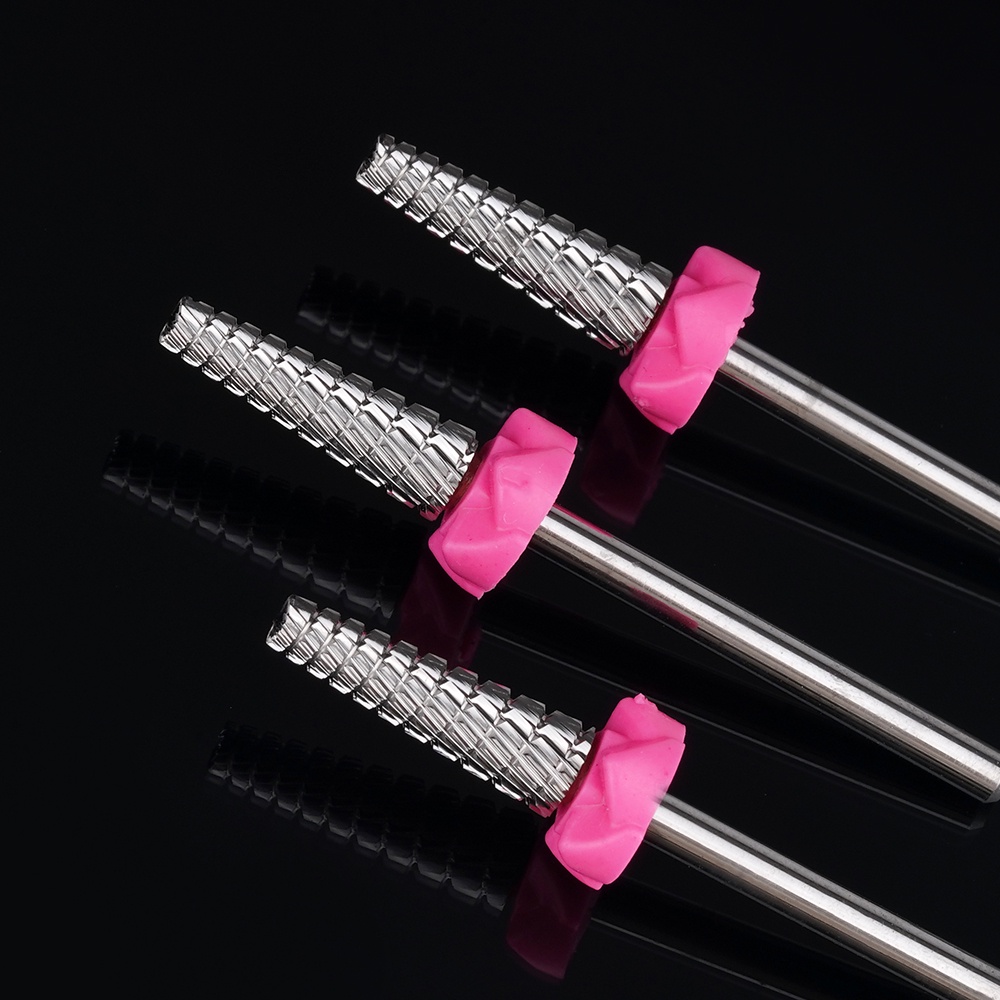
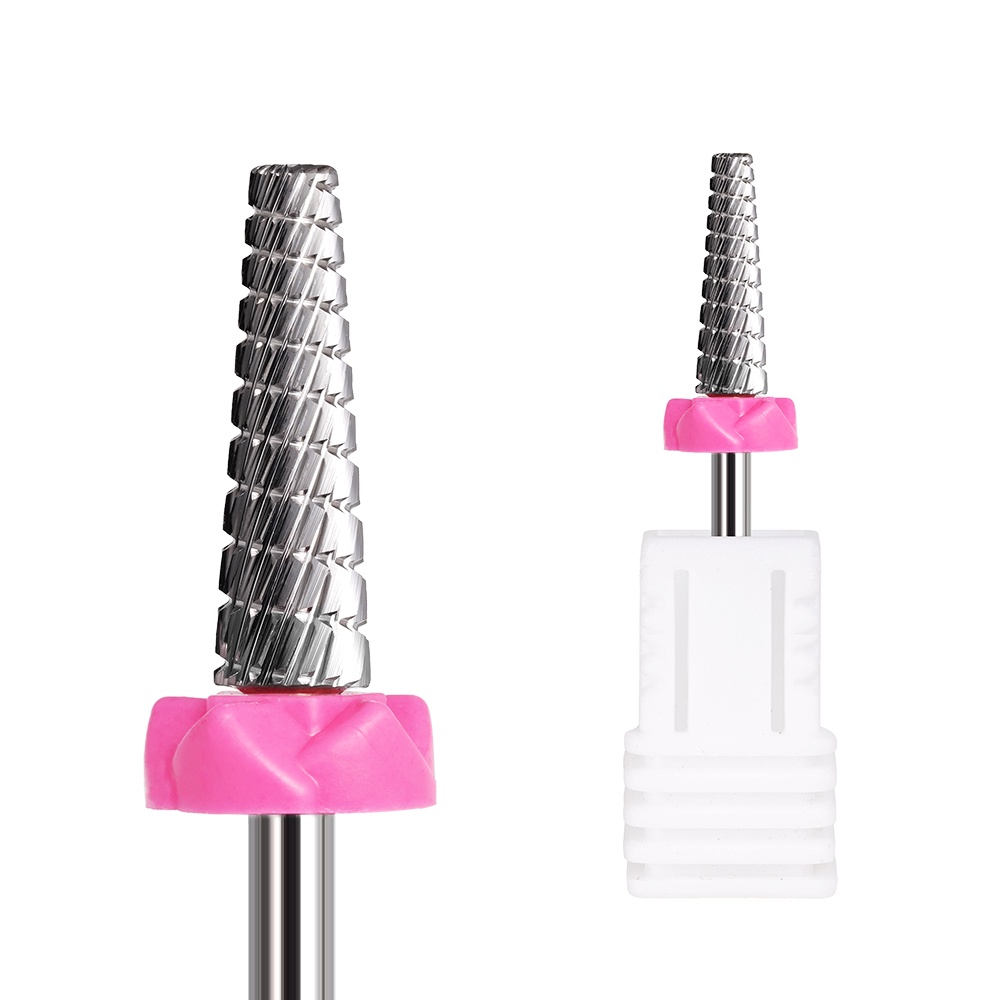
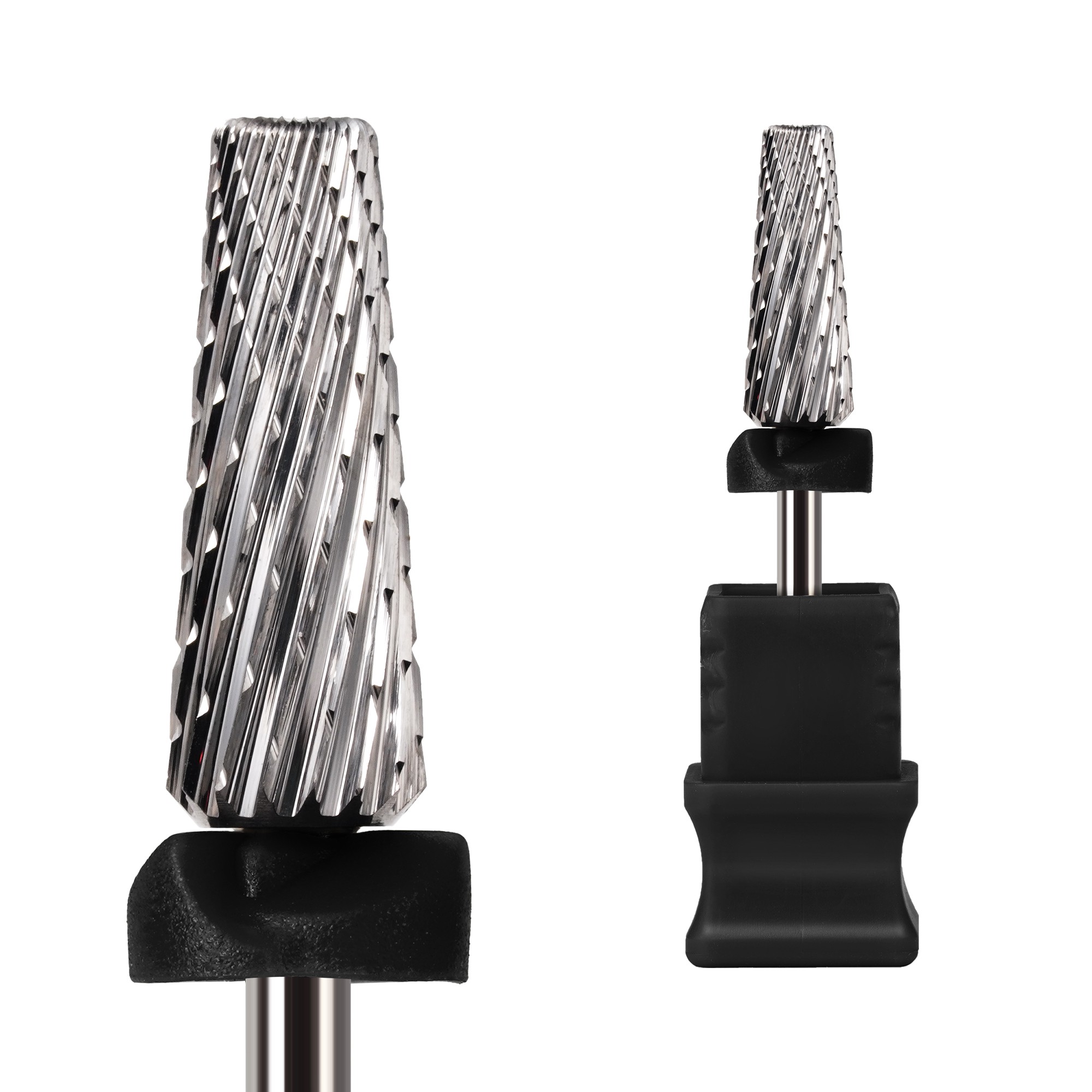
In practice, this means asking whether the supplier can recommend accessory combinations for different channels. A distributor serving entry-level beauty stores may need a different package than one supplying professional salons. For example, for precision shaping or gel nail removal, some buyers may also review accessory options such as Little Umbrella Tungsten Steel Grinding Head, especially when longer wear life and resistance to heat or corrosion matter in repeated salon use. This is not just a product detail; it reflects whether the supplier understands how the machine will actually be used.
Quality control is where many OEM relationships are won or lost
Every supplier says quality is important. The difference is whether they can explain the control points clearly. You want to hear how incoming materials are checked, what is monitored during production, and how finished goods are inspected before packing. If the answer is only “we do 100% inspection,” that is not enough. A useful quality system is specific.
For electric nail files, quality control usually needs to cover both function and finish. Functional checks may include speed stability, abnormal noise, vibration, switch response, and fit between machine and accessories. Cosmetic checks matter too, especially for OEM branding: logo placement, housing finish, color consistency, print adhesion, and retail package accuracy. If your sales markets are mature and return-sensitive, inconsistent packaging can create almost as many headaches as product defects.
It is a good sign when a supplier can explain a complete QC flow from raw material purchasing through production and packing. Yaqin states that it runs a complete and strict QC system covering those stages. That kind of structure is worth noting because many OEM issues begin upstream, long before final assembly. Raw material inconsistency or weak accessory inspection tends to show up later as complaints, even when the finished unit passed a quick end-line test.
Certification matters, but only if it matches your market needs
A factory’s certification is useful, but buyers should be careful not to treat any certificate as a blanket guarantee. What matters is whether the documentation supports your target markets and your product category. A quality management certification such as ISO9001:2000 can indicate process discipline, and Yaqin notes that it has passed that system certification. That can be one positive signal when evaluating management consistency.
But certification alone does not answer everything. If you are selling into the EU, North America, or other regulated markets, you need to confirm what applies to the electric device itself, the labeling, manuals, plugs, and packaging. Those details usually require checking current local requirements and product-specific documents. A serious factory should be able to discuss what it can provide and what still needs third-party verification.
If the supplier avoids documentation questions until after deposit, pause there. That often leads to shipment delays later.
OEM ability is not just logo printing
A lot of factories claim OEM/ODM service, but their actual capability varies widely. Some can only place your logo on an existing model. Others can support packaging design changes, accessory bundling, instruction manual localization, carton marking, and production planning based on your launch schedule. For distributors and private-label importers, that difference is significant.
Ask practical questions: What is the minimum order quantity for custom color? Can the packaging be adapted for different language versions? How are approval samples controlled before mass production? If there is a design revision, who updates the production file? How are spare parts handled for future repeat orders? These are not small administrative details. They determine whether your second and third orders will run smoothly or become a constant correction exercise.
Suppliers with real OEM/ODM experience usually answer in a process-oriented way. They talk about sample confirmation, artwork approval, purchase timing, lead time buffers, and packing verification. Yaqin emphasizes one-stop service from production to delivery and experience in OEM/ODM. For many importers, that is valuable if it translates into fewer handoff points and clearer accountability.
Delivery reliability should be checked before the first order, not after a delay
Many buyers underestimate how often delivery problems begin with forecasting, accessory readiness, or packaging preparation rather than with final assembly itself. An electric file may be ready, but the customized adapter, gift box, barcode label, or abrasive bit set is not. Then the whole shipment waits.
This is why you should ask the supplier how it plans material purchasing and order scheduling. If your OEM order includes consumables or professional-use accessories, coordination becomes even more important. A technically good accessory like an umbrella round head in tungsten steel may offer better durability than common alternatives in some salon scenarios, but that only helps your business if the supplier can keep the specification consistent across repeat orders. Otherwise, your buyers notice the change immediately.
It also helps to know which markets the supplier already serves. Experience shipping to the USA, Canada, Germany, the UK, Italy, Poland, and dozens of other countries suggests familiarity with export procedures and varied buyer expectations. That does not automatically guarantee on-time delivery, but it reduces the chance that your order becomes the supplier’s first lesson in international coordination.
Samples should be tested like a buyer, not admired like a visitor
When a sample arrives, use it the way your end market will use it. If your customers are salons, run it continuously rather than for two minutes. Check how the handpiece feels after repeated use. Test bit fit, vibration, and control response. Review how the packaging opens, whether the manual is understandable, and whether the private-label details are clean and consistent.
This is also the right moment to look at accessory wear. If your product range will include professional grinding heads, compare how quickly different materials lose cutting efficiency, how much heat they generate, and whether corrosion resistance becomes an issue in normal cleaning conditions. Sometimes a slightly higher upfront accessory cost is worth it if the service life is longer and complaint rates are lower.
A short checklist that actually helps
Before placing an OEM order, make sure you can clearly answer these points:
- Who controls production, inspection, and corrective action?
- What does the QC process cover from materials to packed goods?
- Which certifications are available, and which market documents still need confirmation?
- How far does OEM support go beyond logo printing?
- Can the supplier manage matching accessories and packaging consistently?
- What is the plan for repeat orders, spare parts, and future revisions?
- Has the sample been tested in a real use scenario, not just visually checked?
If a supplier gives clear, grounded answers to those questions, you are already in a much safer position. If the answers stay broad, delayed, or overly polished, keep looking. In this category, the best electric nail file Factory is usually not the one with the most aggressive sales language. It is the one that can stay consistent when your order gets larger, your packaging gets more complex, and your customers start using the product every day.
News List
- Is It Better to Source All Nail Drill Bits From One Factory?Aug 24, 2026
- How to Spot Fake Diamond Coating on Nail Drill BitsAug 24, 2026
- Are Silicone Nail Drill Bits Reusable After Sterilization?Aug 24, 2026
- Essential tools for manicures that make beginner work more consistentAug 24, 2026
- Which must-have items for nail technicians improve service speed mostAug 24, 2026
- How gel removal bits affect speed and heat during soak-off removalAug 24, 2026
Best-Selling Products
 Cross Cut Safety Stainless Steel Tungsten Carbide Nail Drill Bits Salon Foot Use XF-C Grit for Removing Nails
 First-rate Quality Tungsten Carbide Nail Drill Bits Best Coating Manicure Remove Gel Nails Accessories
 Professional Advanced Safety Cuticle Bits Two-Way Rotate 3/32'' Carbide Tungsten 5 in 1 Nail Drill Bits
 Wholesale 5 in 1 Electric Manicure Nail Drill Bits Various Coating Cone Cuticle Bit with Rotary Cross Cut for Nail Art
 New Slant Tooth Tungsten Steel Nail Drill Bits Dead Skin Removal 5-in-1 Universal Grinding Nail Polish Head Tool Nail Drill Bits
 4.0mm Small 5 in 1 Integrated Sharpe Tungsten Nail Drill Bit Straight Teeth Gel Polish Removal
 Flame Sharp XF F M C XC Silver Safety Professional Corn Tungsten Carbide Nail Bit for Drill Machine Accessories
 Factory Direct 5 in 1 Tungsten Carbide Nail Drill Bits 6.8MM Cross Cut Safety Manicure 5 in 1 Nail Drill Bits
Please give us a message