
What failures are most common in a wholesale electric nail file after delivery
What failures are most common in a wholesale electric nail file after delivery
After delivery, a Wholesale electric nail file may show issues such as unstable speed, weak torque, overheating, abnormal noise, or charging failure. For after-sales maintenance teams, quickly identifying these common faults is essential to reduce downtime and improve customer satisfaction. This guide outlines the most frequent post-delivery failures, their likely causes, and practical inspection points to support efficient troubleshooting and service quality.
Why post-delivery failures happen so often
For after-sales maintenance staff, the core search intent behind Wholesale electric nail file failures is practical troubleshooting. They are not looking for broad product introductions. They need to know which failures appear most often after delivery, what usually causes them, and how to inspect them efficiently.
In most cases, post-delivery problems are not caused by one single defect. They usually come from transport vibration, rough handling, battery drain during storage, connector loosening, poor operating habits, or a mismatch between the handpiece, control box, and drill bit.
This matters because the first inspection decision affects service speed. If a technician can separate shipping-related faults from wear, misuse, or internal component failure, the repair path becomes shorter and customer communication becomes clearer.
For teams managing imported equipment across different markets, a structured diagnosis process is more valuable than a long list of possible defects. That is why the most useful approach is to classify failures by symptom first, then by root cause and verification point.
Unstable speed is one of the most reported complaints
Speed instability is among the most common issues reported after delivery of a Wholesale electric nail file. Users may say the machine speeds up and slows down by itself, cannot hold a selected RPM, or briefly stops during operation.
The most common causes are a damaged speed control knob, a loose internal wire, poor contact between the handpiece and control unit, or a failing motor. In rechargeable models, low battery voltage can also cause irregular speed output.
After-sales teams should first check whether the issue appears under no-load or only during use. If the speed looks stable without resistance but fluctuates while filing, the problem may be reduced torque, bearing drag, or a worn motor rather than the controller alone.
It is also important to inspect the socket where the handpiece connects to the main unit. Small movement during transportation can weaken the connection. Intermittent contact often creates speed jumping that users mistake for a serious motor defect.
If the model includes a foot pedal, technicians should isolate that accessory during testing. A faulty pedal or damaged pedal cable can introduce unstable control signals and create false speed fluctuations.
Weak torque usually points to power transfer or wear issues
Another frequent post-delivery complaint is weak torque. The machine may still rotate, but it slows down too easily when pressure is applied. For salon users, this quickly affects efficiency and creates dissatisfaction with the product.
Weak torque often comes from insufficient battery output, motor aging, carbon brush wear in brushed systems, or friction inside the handpiece. It can also be caused by an unsuitable bit installation that creates imbalance or drag.
Maintenance teams should ask what task the user was performing when the issue appeared. Removing hard gel, acrylic, or dense overlays requires more consistent output than light surface prep. That context helps determine whether the complaint reflects a fault or an application mismatch.
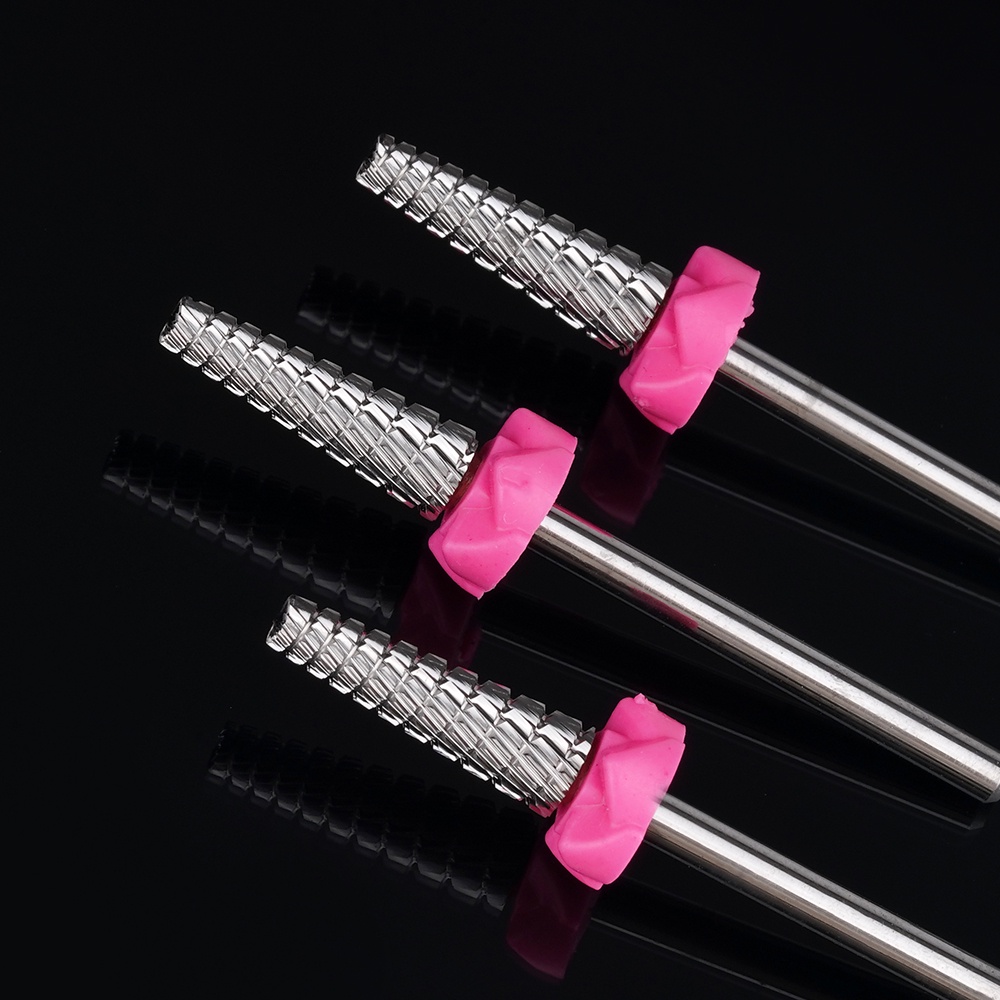
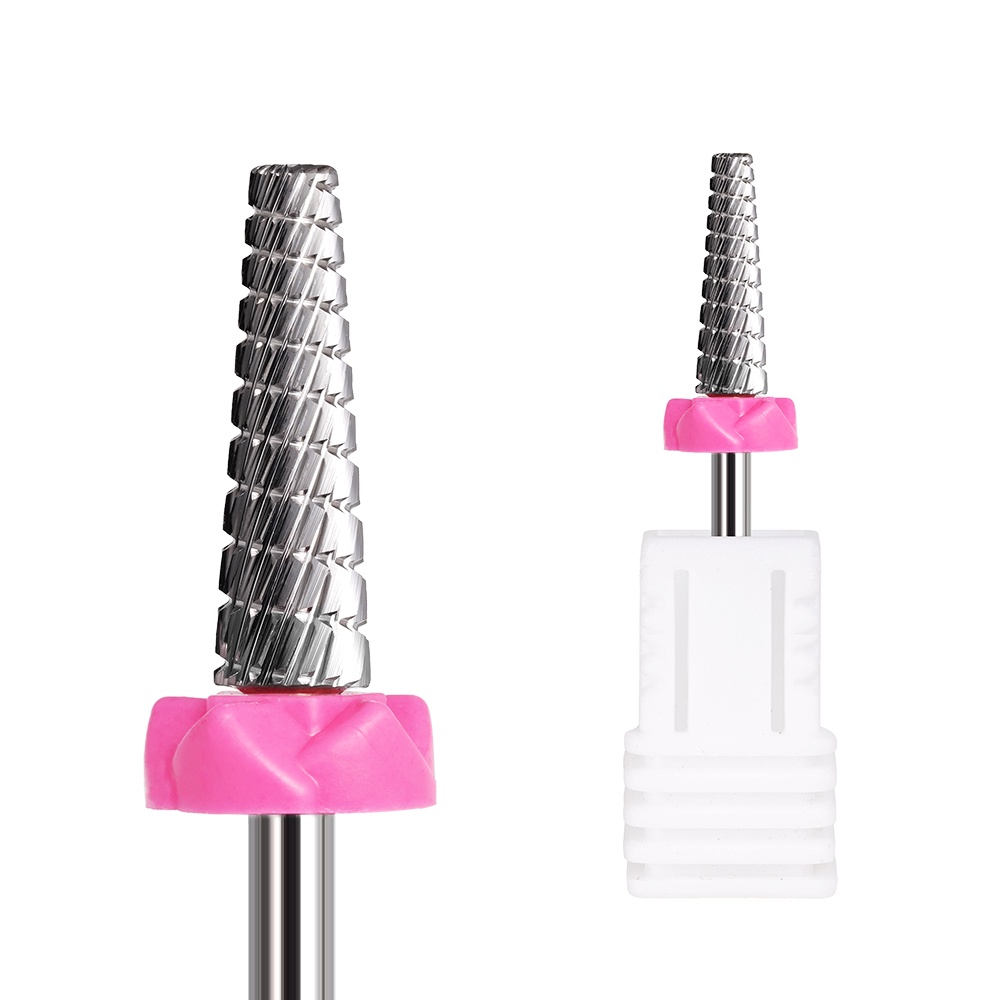
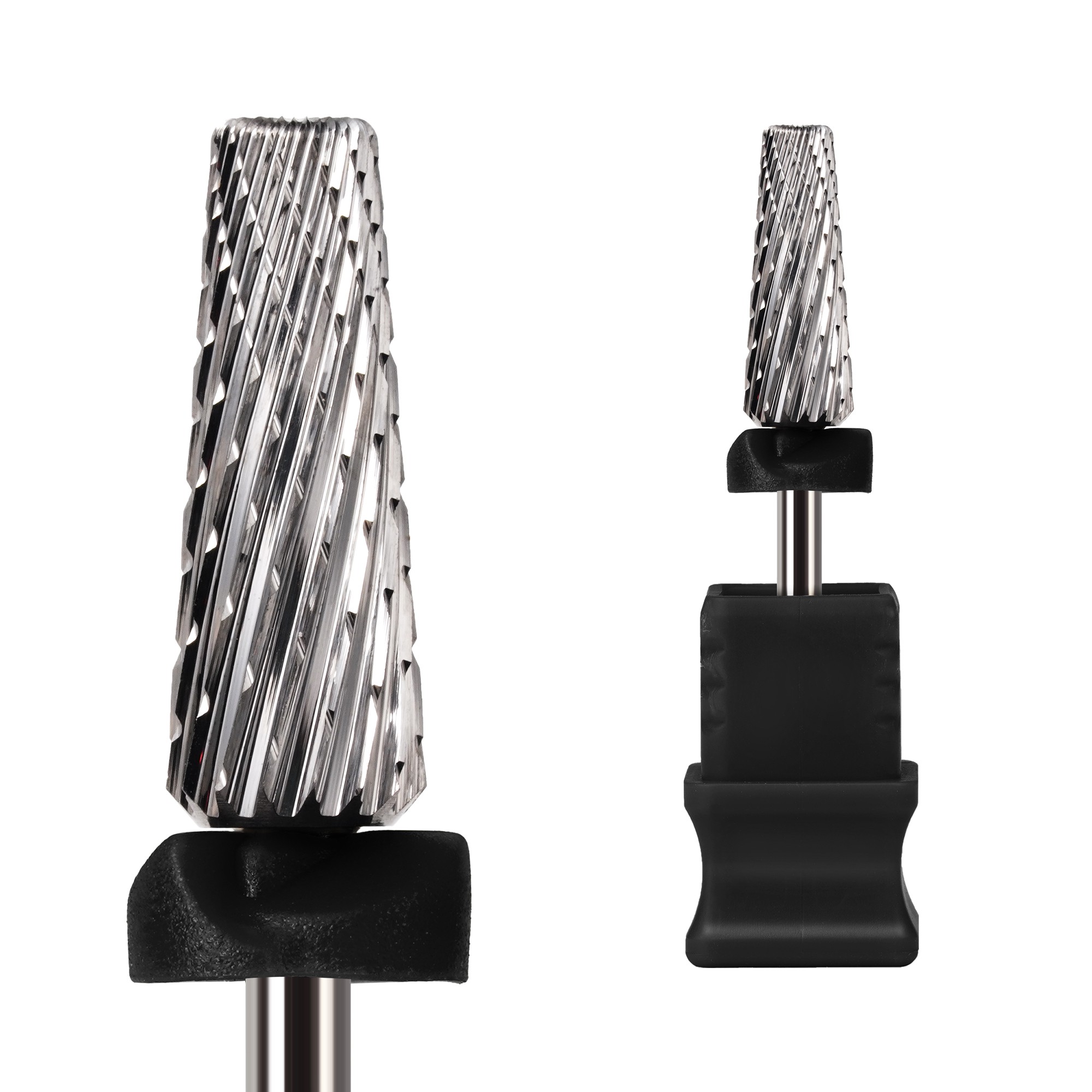
Bit selection matters more than many users realize. A poorly matched bit can overload the motor and make a healthy machine appear weak. For example, professional operators handling gel removal often prefer efficient cutting tools such as Tungsten Carbide Large Barrel Smooth Top Nail Drill Bits because the correct grit and barrel width reduce unnecessary resistance.
During inspection, rotate the handpiece manually if the design allows it. If rotation feels rough, sticky, or uneven, internal bearing friction may be consuming torque. If rotation feels smooth but power still drops under load, electrical output should be checked next.
Overheating is a fault symptom that should never be ignored
Overheating after delivery is common enough to deserve priority attention. If the handpiece or main unit becomes too hot within a short working period, the problem can quickly lead to motor damage, insulation aging, or customer safety concerns.
The likely causes include prolonged high-speed use, blocked ventilation, internal friction, poor-quality bearings, overloaded operation, battery stress, or unstable current supply. In some cases, new units overheat because packaging pressure during shipping affected internal alignment.
Technicians should ask how long the unit runs before heating, whether the heat is concentrated in the handpiece or base, and whether the machine was used continuously at a high RPM. These details help distinguish abuse from a genuine post-delivery defect.
A short temperature rise during heavy work is normal, but rapid heat buildup during light use is not. If heat appears within minutes under minimal load, inspect the motor chamber, bearing condition, and airflow path first.
It is also useful to check whether the customer used an appropriate bit for the intended material. For hard gel removal, recommended rotation speed often falls around 15,000 to 20,000 RPM, while softer materials may require less. Using the wrong speed or excessive pressure can create unnecessary heat even in a normal unit.
Abnormal noise often reveals hidden mechanical damage
Noise complaints are especially important because they can indicate early-stage internal damage. Customers may describe buzzing, rattling, scraping, clicking, or high-pitched whining after the Wholesale electric nail file arrives and begins regular use.
Abnormal noise usually comes from bearing wear, a bent shaft, loose internal parts, poor bit locking, or damage caused during shipping. If the handpiece was dropped after delivery, shaft misalignment also becomes a likely cause.
Start by removing the bit and running the handpiece empty. If the noise disappears, the problem may be related to the bit, collet, or incorrect installation. If the noise remains, the source is more likely inside the handpiece or motor assembly.
Technicians should also compare the sound at low, medium, and high speeds. Bearing defects often become more obvious as speed rises, while loose outer parts may rattle more at certain vibration points. That pattern can narrow the diagnosis quickly.
When noise appears together with heat and weak torque, the root issue is often mechanical resistance inside the handpiece. In those cases, replacing only the control board will not solve the customer’s problem.
Charging failure and battery complaints are common after storage and transit
For cordless models, charging failure is one of the most frequent service issues after delivery. Users may report that the unit does not charge, the indicator does not light, or the battery drains far faster than expected.
These symptoms can result from damaged charging adapters, loose ports, deep battery discharge during long storage, battery protection activation, or failure in the charging management circuit. International shipping and warehouse delays can make these issues more visible.
After-sales teams should first verify the charger specification, input power environment, and visible connector condition. A surprising number of complaints come from adapter mismatch or bent charging contacts rather than from battery cell failure.
If the unit has been stored for a long period before first use, deep discharge should be considered. Some batteries recover after controlled charging, while others cannot return to stable performance. In those cases, runtime testing after a full charge is more useful than indicator lights alone.
It is also important to separate “cannot charge” from “charges but cannot hold power.” The first often points to the charger, port, or charging board. The second usually points to battery aging, storage stress, or protection circuit issues.
Forward and reverse switching problems can disrupt normal operation
Many after-sales cases are less dramatic but still disruptive. One example is failure in the forward and reverse switching function. The unit may hesitate, fail to change direction, or stop when the direction is switched.
This issue commonly relates to switch wear, poor internal solder joints, control board problems, or user operation during high-speed rotation. Some models are more sensitive if direction is changed before the motor fully slows down.
Maintenance staff should verify whether the fault is constant or occasional. A repeatable failure usually indicates a component issue. An occasional failure may reflect improper switching sequence or unstable internal contact.
Because direction control directly affects nail work precision, this fault should not be dismissed as minor. In practical salon use, unreliable switching reduces confidence and may increase handling errors during detailed prep or removal work.
Bit locking and handpiece chuck problems are often mistaken for motor failure
A large number of customer complaints actually come from the bit locking system rather than the motor itself. Users may say the unit vibrates, the bit slips, or the machine cuts unevenly. These symptoms are easy to misread.
If the chuck does not clamp firmly, the bit can wobble and create noise, low cutting efficiency, and apparent instability. Dirt, wear, transport shock, or incorrect locking operation are frequent reasons for this problem.
Technicians should inspect the chuck for debris, deformation, and locking consistency. A simple test with a known straight bit can quickly show whether the issue is with the machine or with the user’s accessory.
For maintenance teams, this is also a good opportunity to guide customers on compatible accessories. High-quality, corrosion-resistant bits with proper balance help reduce vibration and protect the handpiece over time. Options with coarse, medium, and fine grit, as well as narrow and wide sizes, can support different service needs without overloading the tool.
How to inspect a returned unit efficiently
The most useful inspection method is a fixed sequence. Start with appearance and accessories, then check power, charging, speed control, direction switching, no-load noise, loaded behavior, temperature rise, and connector stability.
This sequence prevents random testing and reduces missed faults. It also helps create consistent records for warranty review, supplier feedback, and internal quality improvement.
Ask the customer for a short fault description using symptom-based language. Useful examples include “speed fluctuates after five minutes,” “cannot charge after full-day connection,” or “noise only appears with bit installed.” Good symptom capture saves time at the bench.
Whenever possible, test with a known-good handpiece, known-good charger, and known-good bit. Swapping confirmed parts is one of the fastest ways to isolate whether the fault belongs to the accessory, main unit, or consumable setup.
For teams handling high service volume, a simple decision tree is worth building. It should group faults into electrical, mechanical, battery, connection, and usage-related categories, then assign the first verification point for each.
How supplier quality and accessory matching affect field failure rates
Not all post-delivery failures come from end-user handling. Supplier-side quality consistency strongly affects long-term failure rates. Stable sourcing, incoming material control, assembly inspection, and final packing standards all influence what happens in the field.
Wuxi Yaqin Trading Co., Ltd. operates as a trading factory focused on high-quality abrasive product production and export, with a market covering the USA, Canada, Germany, the UK, Italy, Poland, and many other countries. Its QC system spans raw material purchasing, production, and packing.
For after-sales teams, this kind of upstream control matters because it reduces variation between batches and makes root-cause tracking more reliable. When quality systems are consistent, recurring failures are easier to identify and correct.
Accessory matching also plays a role in reducing apparent machine faults. A well-designed bit for nail professionals and beginners can improve cutting efficiency, support quick and safe gel removal, and lower the risk of skin injuries by reducing unnecessary pressure during use.
That is why maintenance personnel should not evaluate the machine in isolation. They should also review the accessory used, recommended RPM range, material being removed, and the operator’s pressure habits before concluding that the device itself has failed.
What after-sales teams should prioritize in real service work
In practical terms, the most common failures after delivery are unstable speed, weak torque, overheating, abnormal noise, charging failure, direction switching problems, and chuck-related vibration or slippage. These account for most early service cases.
The biggest concern for after-sales readers is not theory but response speed. They need to know which checks deliver the fastest answer, which symptoms suggest mechanical damage, and which problems can be solved through accessory, charging, or usage correction.
The most valuable content for them is a symptom-to-cause framework, supported by clear inspection points. This helps reduce unnecessary replacement, improves communication with customers, and supports a more consistent warranty process.
Broad explanations about the beauty industry or generic product features are less useful in this context. What matters is whether the team can separate true product defects from transport issues, consumable mismatch, and incorrect operation.
When this judgment is made correctly, repair efficiency improves, downtime falls, and customer trust is easier to maintain across wholesale markets.
Conclusion
After delivery, a Wholesale electric nail file most commonly fails through unstable speed, low torque, overheating, abnormal noise, charging issues, switching faults, and chuck-related problems. Each symptom points to a limited group of likely causes, so diagnosis should always begin with structured observation rather than assumption.
For after-sales maintenance teams, the best results come from checking symptom pattern, load condition, accessory compatibility, and connector stability before moving into deeper repair. That approach shortens service time and avoids misdiagnosis.
In the end, reliable field performance depends on three factors working together: product quality, correct accessory matching, and disciplined inspection. When all three are managed well, post-delivery failures become easier to control and customer satisfaction becomes easier to protect.
News List
- Is It Better to Source All Nail Drill Bits From One Factory?Aug 24, 2026
- How to Spot Fake Diamond Coating on Nail Drill BitsAug 24, 2026
- Are Silicone Nail Drill Bits Reusable After Sterilization?Aug 24, 2026
- Essential tools for manicures that make beginner work more consistentAug 24, 2026
- Which must-have items for nail technicians improve service speed mostAug 24, 2026
- How gel removal bits affect speed and heat during soak-off removalAug 24, 2026
Best-Selling Products
 Cross Cut Safety Stainless Steel Tungsten Carbide Nail Drill Bits Salon Foot Use XF-C Grit for Removing Nails
 First-rate Quality Tungsten Carbide Nail Drill Bits Best Coating Manicure Remove Gel Nails Accessories
 Professional Advanced Safety Cuticle Bits Two-Way Rotate 3/32'' Carbide Tungsten 5 in 1 Nail Drill Bits
 Wholesale 5 in 1 Electric Manicure Nail Drill Bits Various Coating Cone Cuticle Bit with Rotary Cross Cut for Nail Art
 New Slant Tooth Tungsten Steel Nail Drill Bits Dead Skin Removal 5-in-1 Universal Grinding Nail Polish Head Tool Nail Drill Bits
 4.0mm Small 5 in 1 Integrated Sharpe Tungsten Nail Drill Bit Straight Teeth Gel Polish Removal
 Flame Sharp XF F M C XC Silver Safety Professional Corn Tungsten Carbide Nail Bit for Drill Machine Accessories
 Factory Direct 5 in 1 Tungsten Carbide Nail Drill Bits 6.8MM Cross Cut Safety Manicure 5 in 1 Nail Drill Bits
Please give us a message