
Is a 6-Bit Manicure Pedicure Kit Enough for Daily Salon Use?
Is a 6-Bit Manicure Pedicure Kit Enough for Daily Salon Use?
Is a 6-bit kit really enough for daily salon work?
That depends less on the number six, and more on what those six bits actually do.
A manicure pedicure kit with 6 nail drill bits for home and salon use can be practical.
It can also become restrictive very quickly in a busy salon setting.
The difference usually comes down to service mix, technician habits, sanitation workflow, and bit durability.
For light daily use, six well-selected bits may cover prep, cuticle cleaning, shaping, smoothing, and gel removal.
For higher turnover, the same set may create downtime, faster wear, and replacement pressure.
In practical sourcing, the better question is not whether six is enough in theory.
It is whether a manicure pedicure kit with 6 nail drill bits for home and salon use matches daily service demand without raising hidden operating cost.
That is why export consistency, QC control, and stable supply matter as much as the kit itself.
Yaqin has built its position around abrasive product production and export, with strict control from raw materials to packing.
That background is useful when evaluating kits for repeated salon use rather than occasional retail use.
What should those 6 bits actually cover?
A six-bit setup works best when every bit has a clear job and minimal overlap.
In real salon routines, the most useful combination usually covers preparation, removal, refinement, and finishing.
- Cuticle cleaning for detail work around sidewalls and tight corners.
- Surface preparation before polish, gel, or extension application.
- Product removal for gel polish or light overlay correction.
- Shaping and shortening for routine manicure and pedicure services.
- Smoothing to reduce manual buffing time.
- Final polishing or gentle finishing on natural nails.
If one bit needs to handle several steps, performance usually drops.
That is when heat, vibration, and uneven finish begin to affect service consistency.
A useful example is a small cone bit for precise cuticle cleaning.
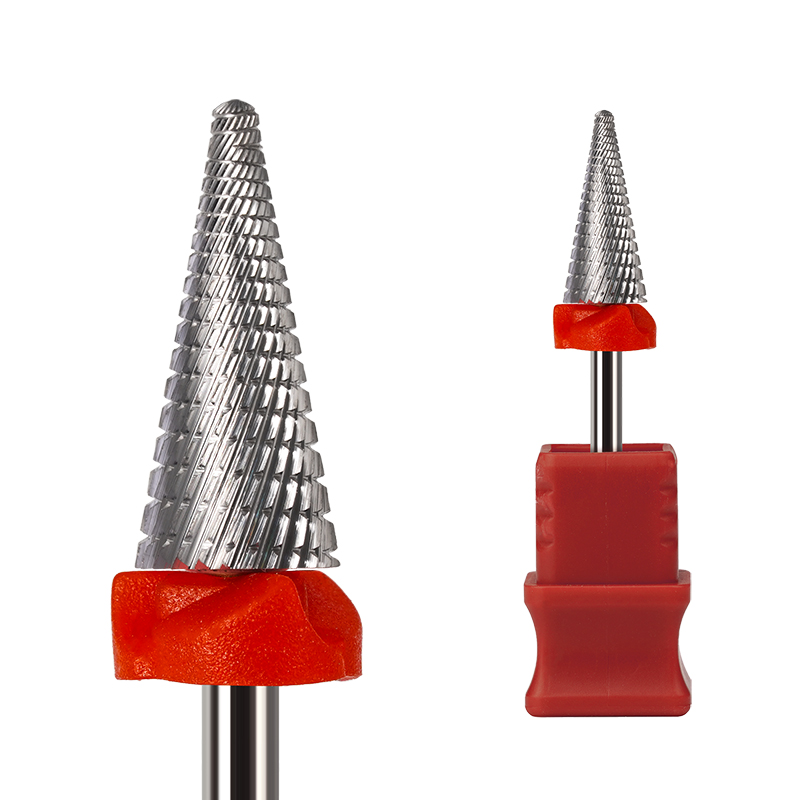
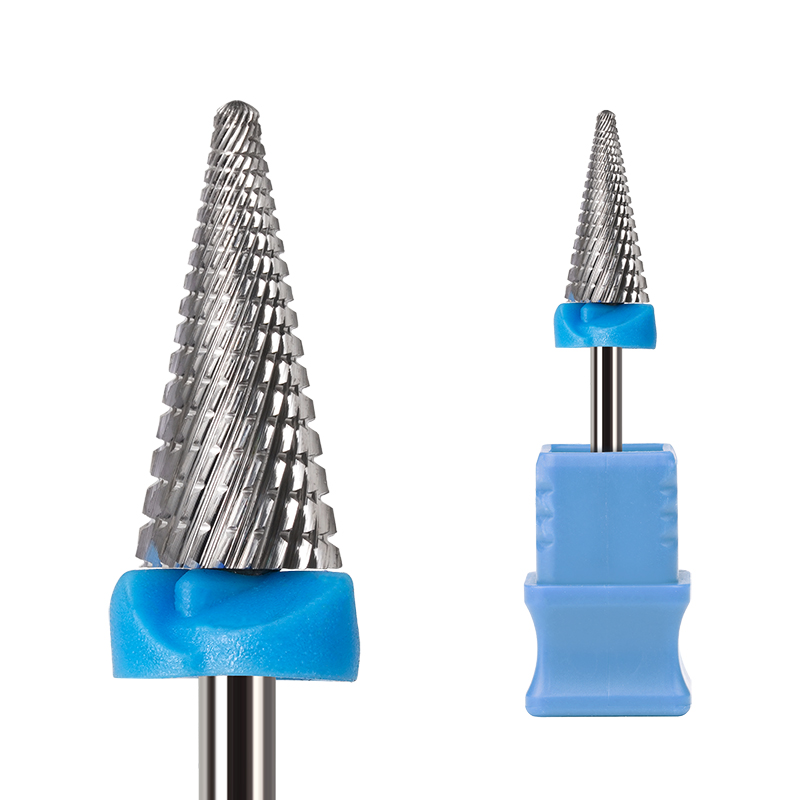
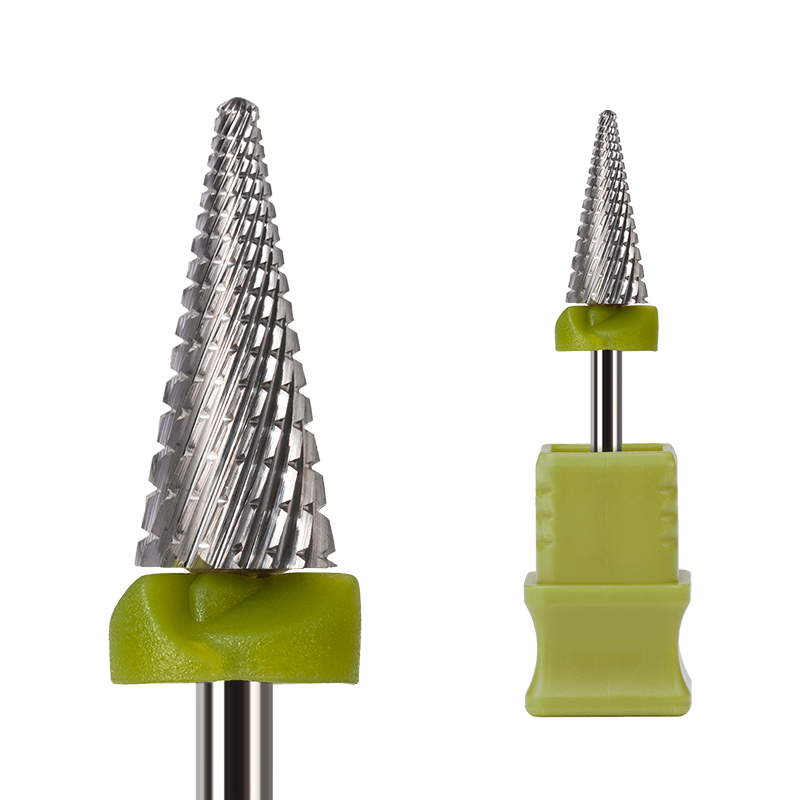
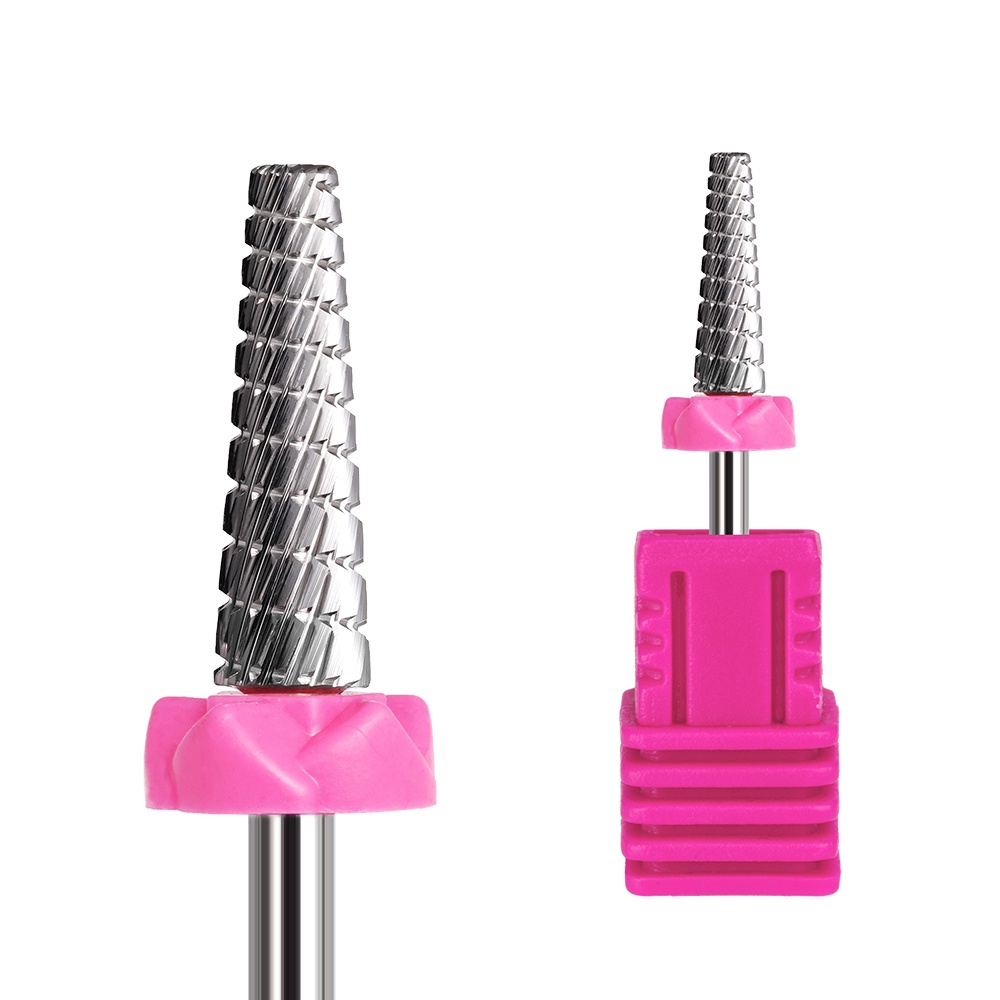
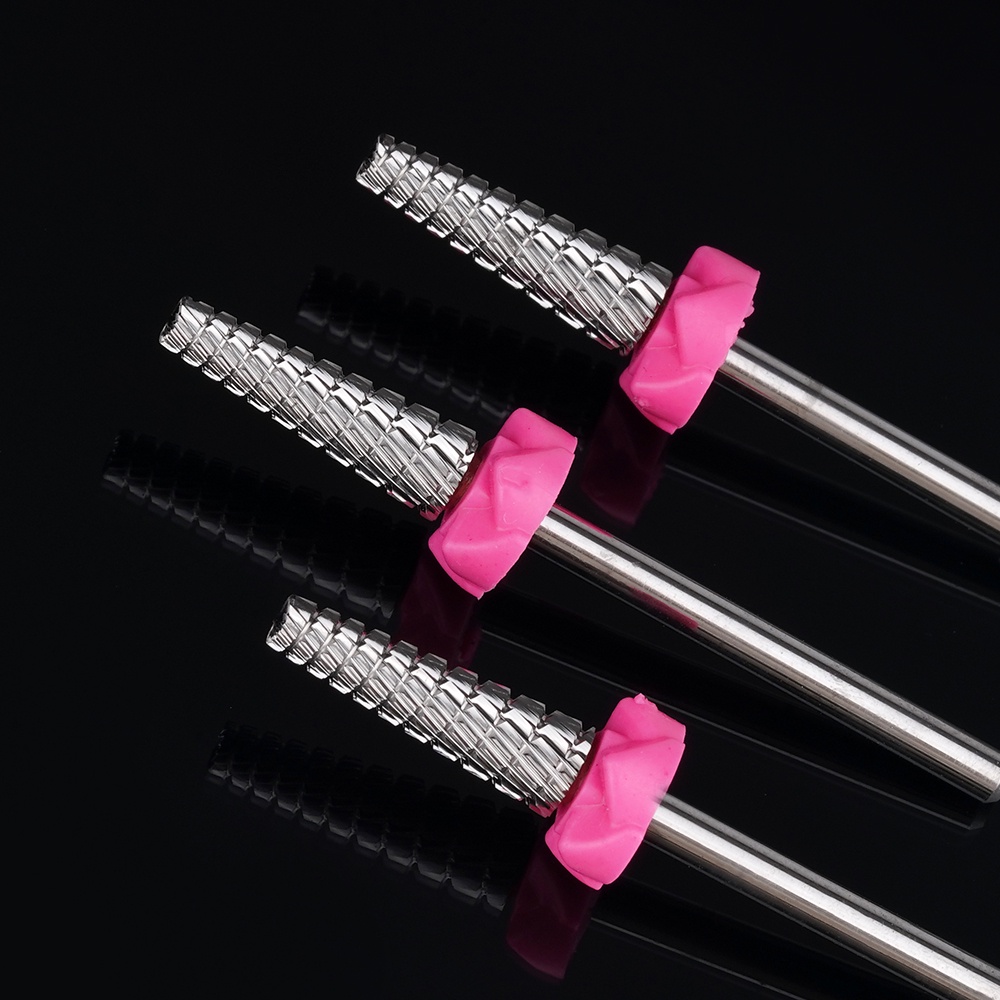
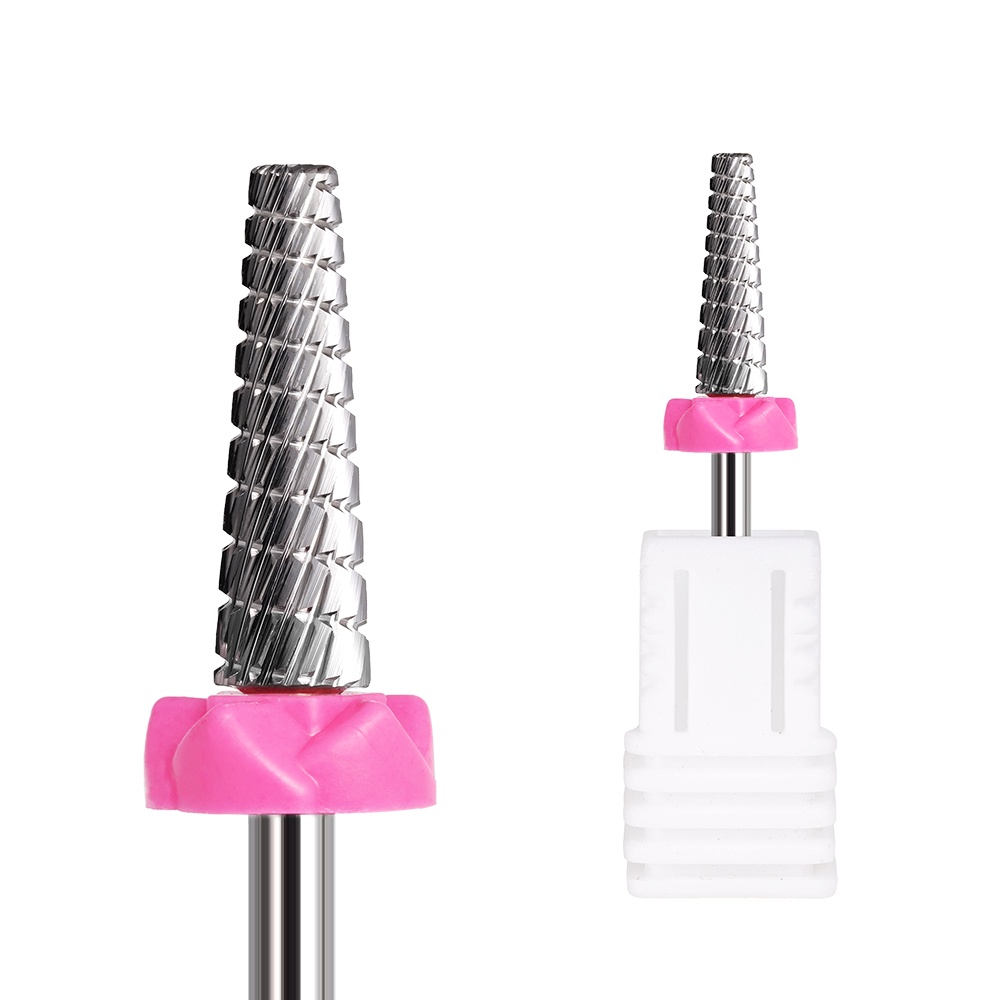
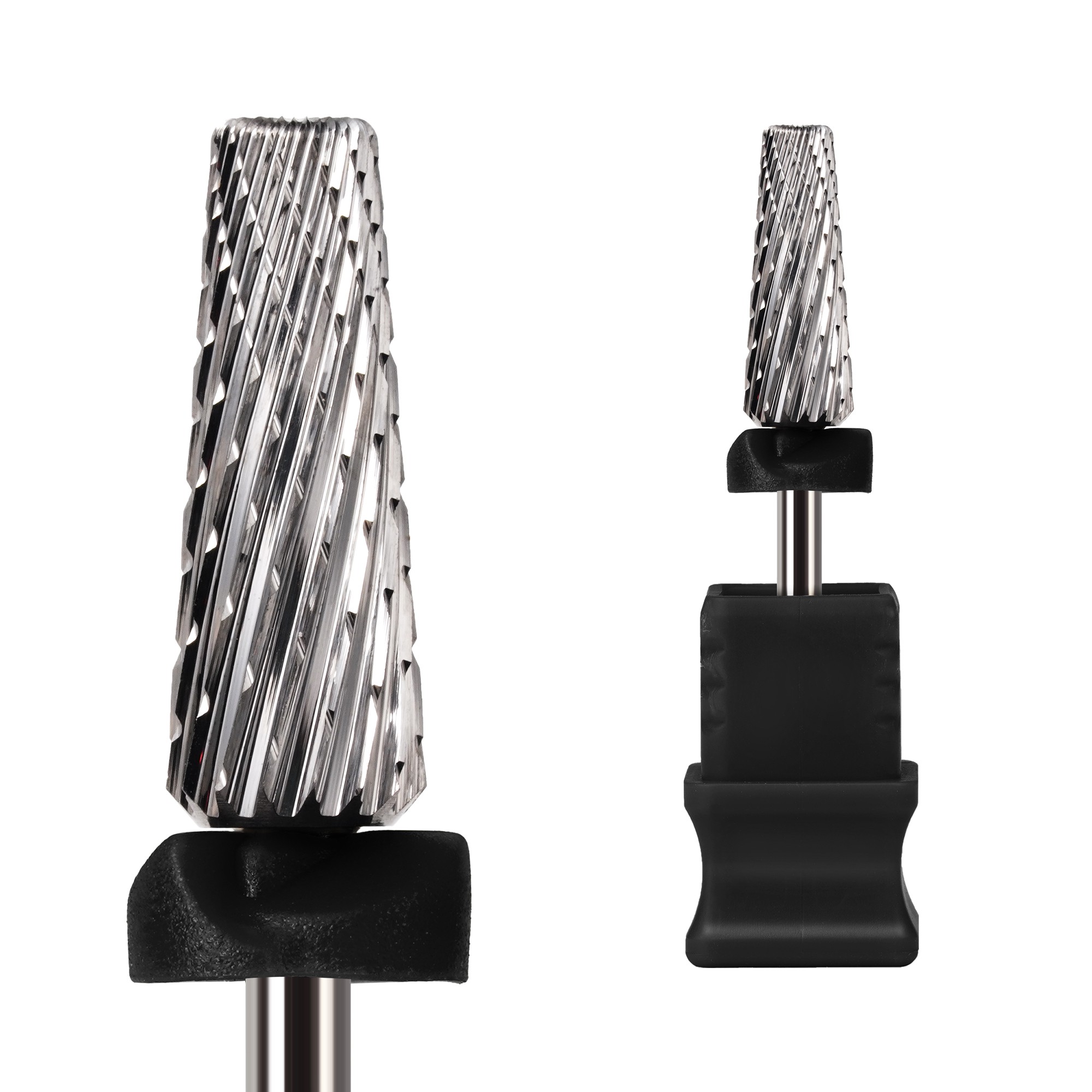
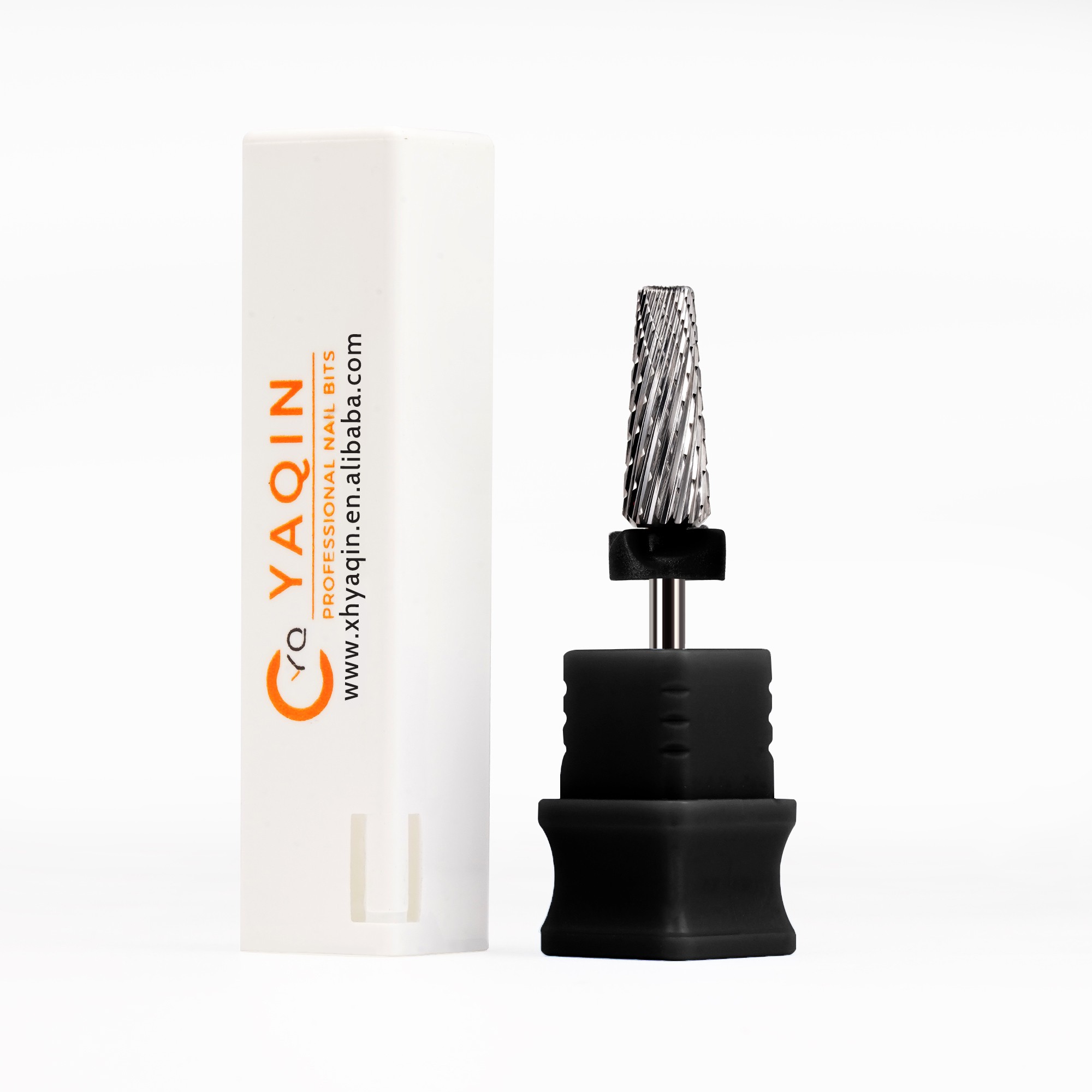
A detail-focused option such as Carbide Cuticle Cleaning Tool 3/32" Precision Milling Cutter Small Cone Nail Drill Bit fits this role naturally.
Its tungsten steel construction, high hardness, and stable grinding help reduce noise while keeping fine control.
That matters when a manicure pedicure kit with 6 nail drill bits for home and salon use must deliver both precision and pace.
When does a 6-bit kit make financial sense, and when does it not?
Cost evaluation should include more than unit price.
The cheaper kit is not necessarily the lower-cost option over three to six months.
A manicure pedicure kit with 6 nail drill bits for home and salon use makes financial sense in several common situations.
- The service menu is focused on standard manicure, pedicure, and gel maintenance.
- Technicians follow similar procedures and bit preferences.
- Replacement stock is easy to reorder by model and grit.
- The business needs a controlled entry-level or mid-volume setup.
It becomes less economical when advanced acrylic work, hard gel removal, or frequent specialty services are common.
In those cases, a limited kit often causes extra manual work or forces early replacement.
More importantly, repeated sterilization cycles can accelerate wear if alloy quality is inconsistent.
That is why manufacturing discipline matters.
A supplier with ISO9001:2000 certified management, complete QC, and export experience across dozens of markets offers better predictability.
For procurement review, predictability often matters more than a small upfront price difference.
A quick decision table helps clarify the threshold
What risks are easy to miss with a small salon bit set?
The most common mistake is judging the kit only by appearance.
Two kits may both claim six bits, yet deliver very different outcomes.
A manicure pedicure kit with 6 nail drill bits for home and salon use needs evaluation at bit level.
Several risks tend to appear after the first reorder, not before.
- Inconsistent shank size, causing poor fit or wobble in 3/32" handpieces.
- Fast edge dulling, which slows work and increases pressure on the nail surface.
- Unbalanced rotation, leading to noise and a less stable grinding process.
- Bit selection gaps, especially for cuticle zones or gel polish removal.
- Weak supply continuity, making repeat orders different from the original sample.
In actual use, technicians notice these issues faster than buyers do.
That is why sample testing should include vibration, finish quality, heat generation, and wear after repeated cleaning.
It is also worth checking whether OEM or ODM customization is available.
Color coding, logo marking, and packaging consistency make internal management easier at scale.
Those details look small, but they improve replacement accuracy and reduce handling mistakes.
How should quality be judged before placing a larger order?
A reliable evaluation process combines function, durability, and delivery confidence.
The first checkpoint is whether the six bits match the actual treatment sequence.
The second is whether the materials hold up under routine use.
Tungsten steel and high quality alloy materials are often preferred for durability and grinding efficiency.
That becomes especially relevant in detail tools designed for dead skin removal, filing, shaping, or gel polish work.
A precision bit should feel controlled, not aggressive.
For instance, Carbide Cuticle Cleaning Tool 3/32" Precision Milling Cutter Small Cone Nail Drill Bit is a useful benchmark type.
It reflects what buyers often want from one position in the set: high hardness, quieter operation, and cleaner finishing.
The third checkpoint is supplier capability.
A one-stop process from production to delivery simplifies communication and shortens corrective action when adjustments are needed.
Where QC covers raw materials, production, and packing, reorder reliability is usually stronger.
That matters if the manicure pedicure kit with 6 nail drill bits for home and salon use is intended for repeated restocking across regions.
A practical pre-order checklist
- Confirm exact bit functions instead of generic kit descriptions.
- Verify 3/32" compatibility if that is the operating standard.
- Ask for wear testing feedback after repeated service cycles.
- Check whether replacement pieces can be reordered individually.
- Review packaging, labeling, and customization options for scale use.
- Assess lead time stability, not just first-order timing.
So, is a 6-bit kit a smart long-term choice?
For many operations, yes, but only under the right service structure.
A manicure pedicure kit with 6 nail drill bits for home and salon use is often strong as a standardized core set.
It works well when the goal is to control cost, simplify training, and keep inventory manageable.
It becomes weaker when salons need many specialized finishes or very heavy removal work.
The best buying decision usually starts with workload mapping, not with catalog comparison alone.
Count the most frequent treatments, identify which bit shapes are used most often, and estimate replacement frequency.
Then compare that against sample durability, QC depth, and supply consistency.
If the six-bit configuration covers your highest-volume services cleanly, it can be a very efficient base option.
If not, it is better treated as a starter configuration rather than a complete long-term solution.
The next useful step is simple: define the service mix, test one sample set under real usage, and review replacement logic before expanding volume.
That approach gives a clearer answer than price alone, and it reduces risk over the full buying cycle.
News List
- Is It Better to Source All Nail Drill Bits From One Factory?Aug 24, 2026
- How to Spot Fake Diamond Coating on Nail Drill BitsAug 24, 2026
- Are Silicone Nail Drill Bits Reusable After Sterilization?Aug 24, 2026
- Essential tools for manicures that make beginner work more consistentAug 24, 2026
- Which must-have items for nail technicians improve service speed mostAug 24, 2026
- How gel removal bits affect speed and heat during soak-off removalAug 24, 2026
Best-Selling Products
 Cross Cut Safety Stainless Steel Tungsten Carbide Nail Drill Bits Salon Foot Use XF-C Grit for Removing Nails
 First-rate Quality Tungsten Carbide Nail Drill Bits Best Coating Manicure Remove Gel Nails Accessories
 Professional Advanced Safety Cuticle Bits Two-Way Rotate 3/32'' Carbide Tungsten 5 in 1 Nail Drill Bits
 Wholesale 5 in 1 Electric Manicure Nail Drill Bits Various Coating Cone Cuticle Bit with Rotary Cross Cut for Nail Art
 New Slant Tooth Tungsten Steel Nail Drill Bits Dead Skin Removal 5-in-1 Universal Grinding Nail Polish Head Tool Nail Drill Bits
 4.0mm Small 5 in 1 Integrated Sharpe Tungsten Nail Drill Bit Straight Teeth Gel Polish Removal
 Flame Sharp XF F M C XC Silver Safety Professional Corn Tungsten Carbide Nail Bit for Drill Machine Accessories
 Factory Direct 5 in 1 Tungsten Carbide Nail Drill Bits 6.8MM Cross Cut Safety Manicure 5 in 1 Nail Drill Bits
Please give us a message