
Cuticle Cleaning Tools: Common Mistakes That Cause Damage
Cuticle Cleaning Tools: Common Mistakes That Cause Damage
Why do cuticle cleaning tools cause damage so easily?
Cuticle care looks simple, but the margin for error is small.
The cuticle seals the nail plate from moisture, bacteria, and friction.
When cuticle cleaning tools are used too aggressively, that seal breaks.
What follows is familiar: redness, soreness, peeling skin, and rough regrowth.
In real work, the damage usually comes from small habits, not dramatic mistakes.
Overcutting, dry pushing, poor bit control, and unclean tools are the common triggers.
That is why choosing and using cuticle cleaning tools should focus on control, not speed.
For nail care products, consistency also matters.
Factories with stable quality systems reduce variation in abrasive performance and finish.
This matters in daily use because uneven surfaces or unstable cutting action increase the risk of accidental scraping.
Companies such as Wuxi Yaqin Trading Co., Ltd. work with strict QC, ISO-certified management, and long export experience, which helps explain why tool consistency is such a practical issue, not just a marketing line.
Which mistakes with cuticle cleaning tools are the most common?
Most users do not damage the skin in one big step.
More often, damage builds from repeated poor technique.
These are the patterns seen most often:
- Using cuticle cleaning tools on dry skin without softening first.
- Pushing too hard instead of lifting dead tissue gently.
- Cutting living skin because it looks uneven or raised.
- Holding an e-file at the wrong angle near the nail fold.
- Working too long in one spot and creating heat or friction.
- Using worn or low-quality bits that skip across the surface.
- Failing to disinfect tools between uses.
A useful way to judge risk is to watch the skin response after cleaning.
If the area stays smooth and calm, technique is likely correct.
If it turns shiny, raw, or stings with lotion, something went too far.
Quick mistake-check table
The table below helps separate normal cleaning from damaging habits.
Are manual tools safer than electric cuticle cleaning tools?
Not automatically.
Manual pushers and nippers feel easier to control, but they can still do damage fast.
A sharp nipper in untrained hands often removes too much skin.
Electric cuticle cleaning tools can actually be gentler when the bit, speed, and angle are matched correctly.
The key difference is precision.
A stable bit with balanced cutting action reduces grabbing and sudden slips.
That is why many users prefer controlled abrasive tools for lifting and refining dry cuticle buildup.
For example, a well-made carbide bit can shape, smooth, and polish with less drag when handled properly.
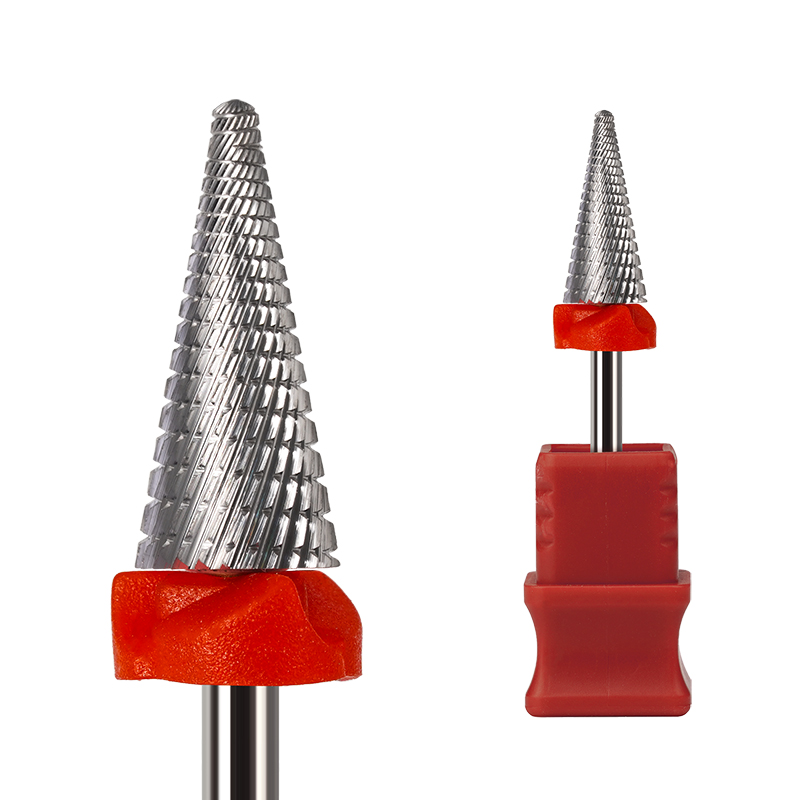
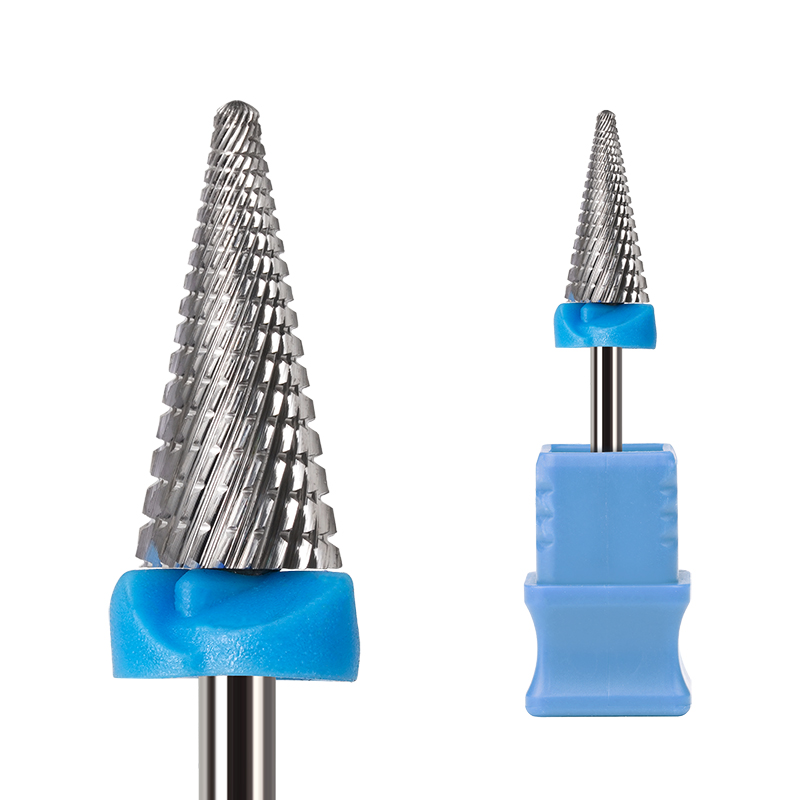
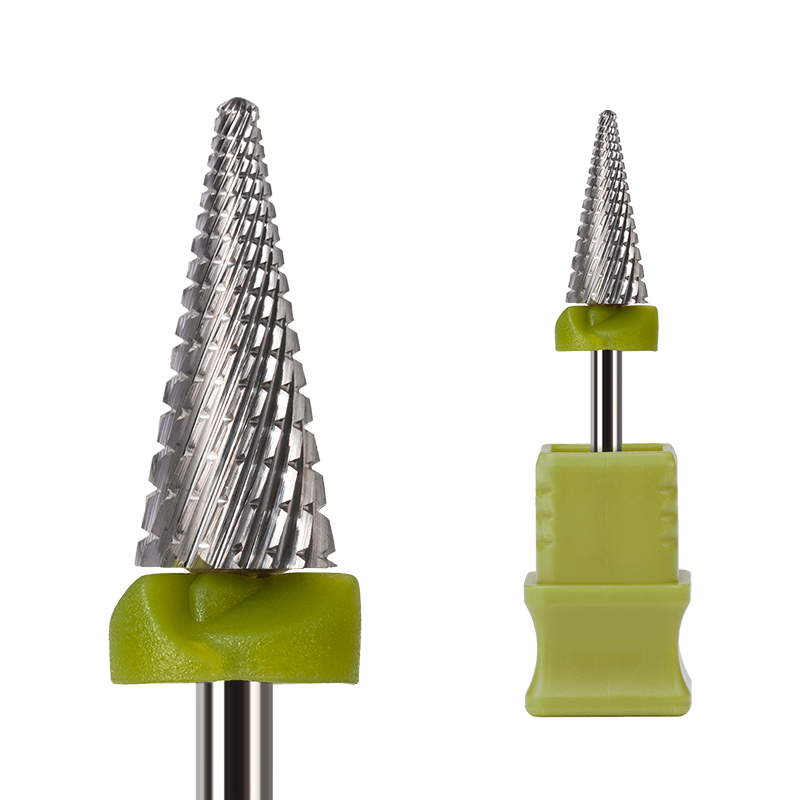
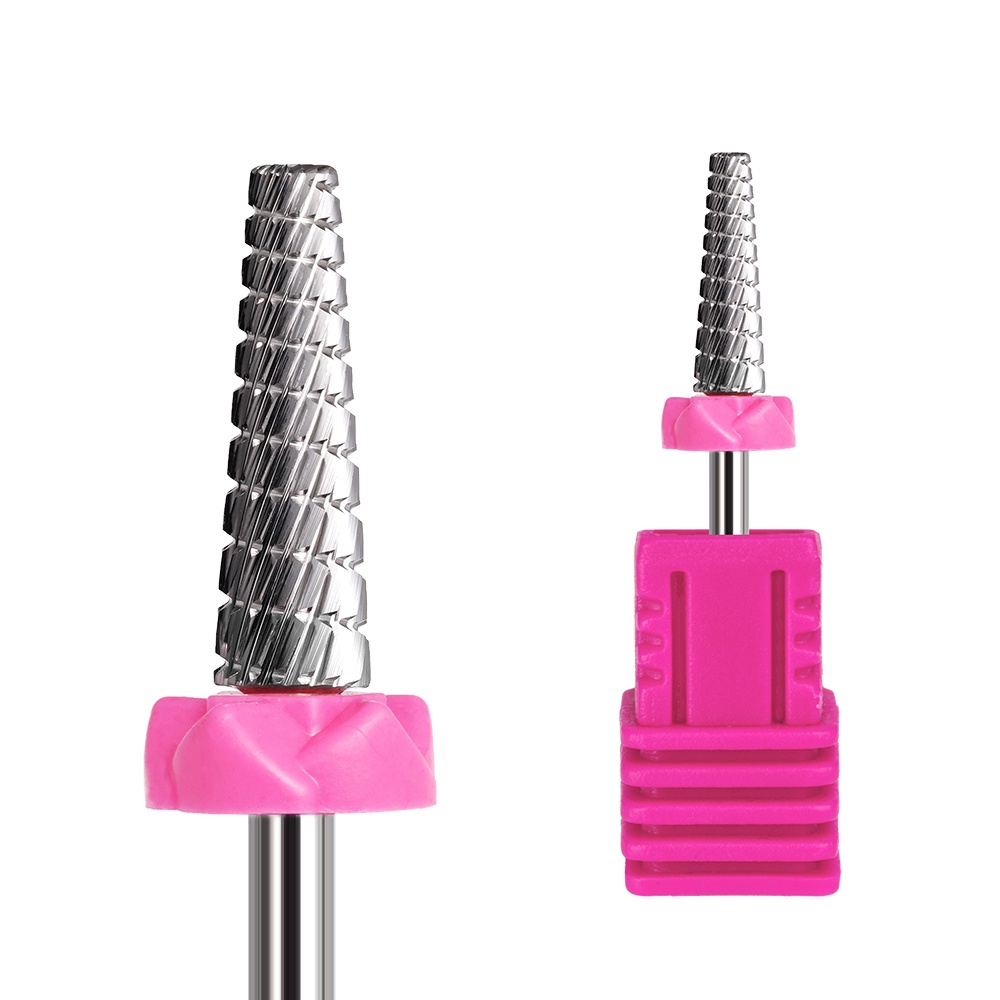
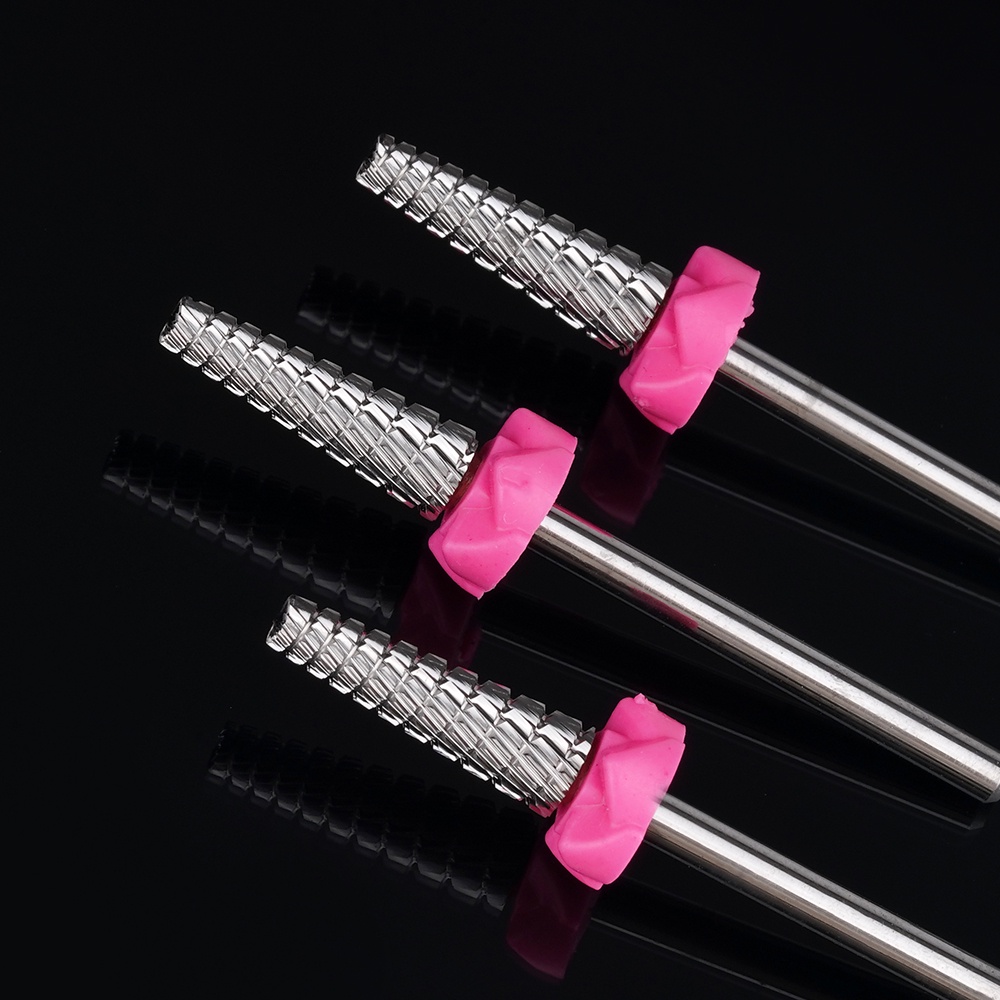
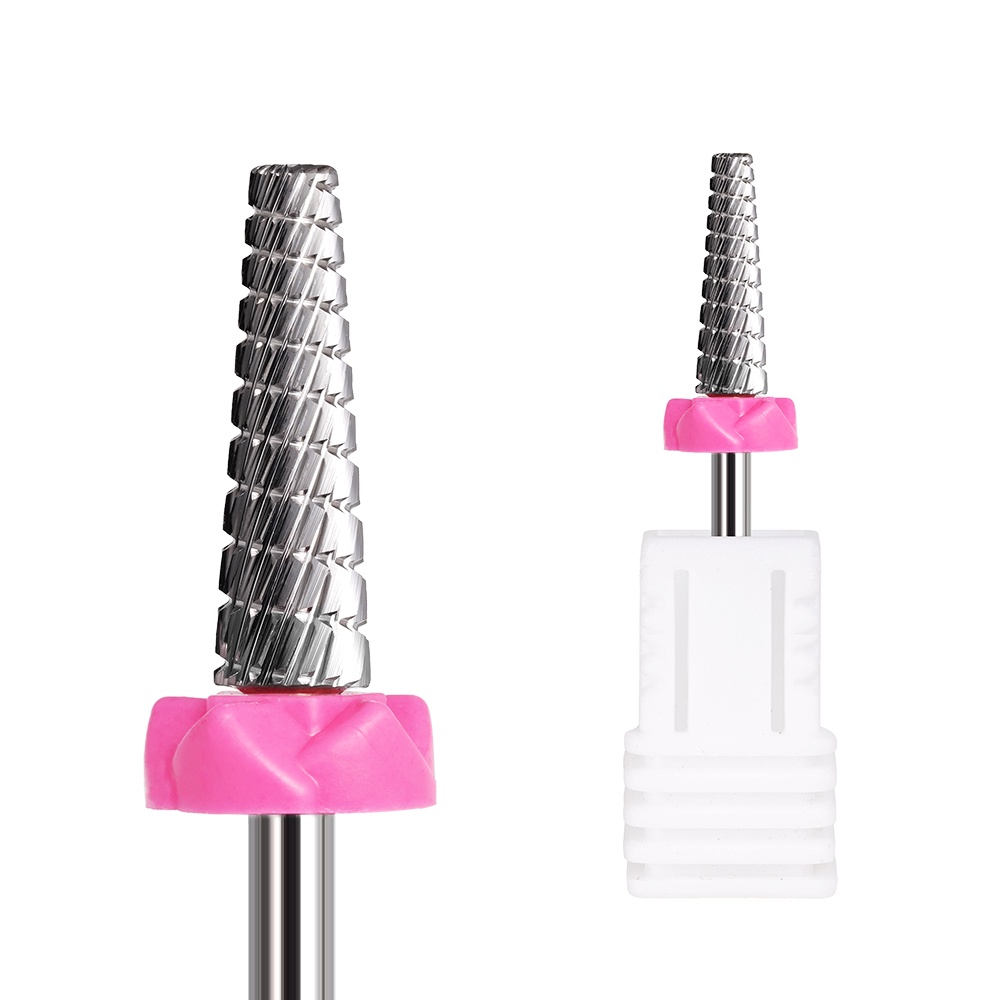
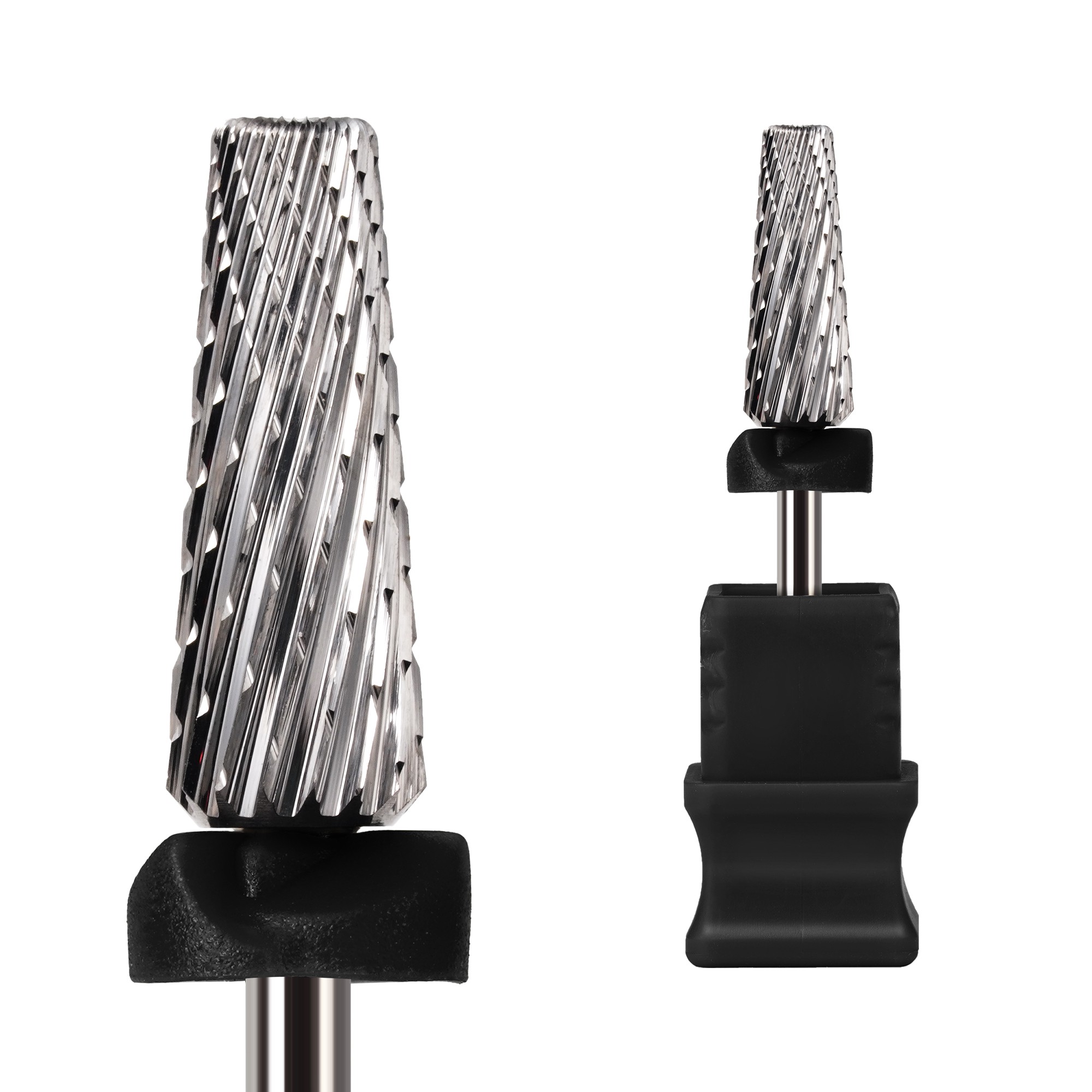
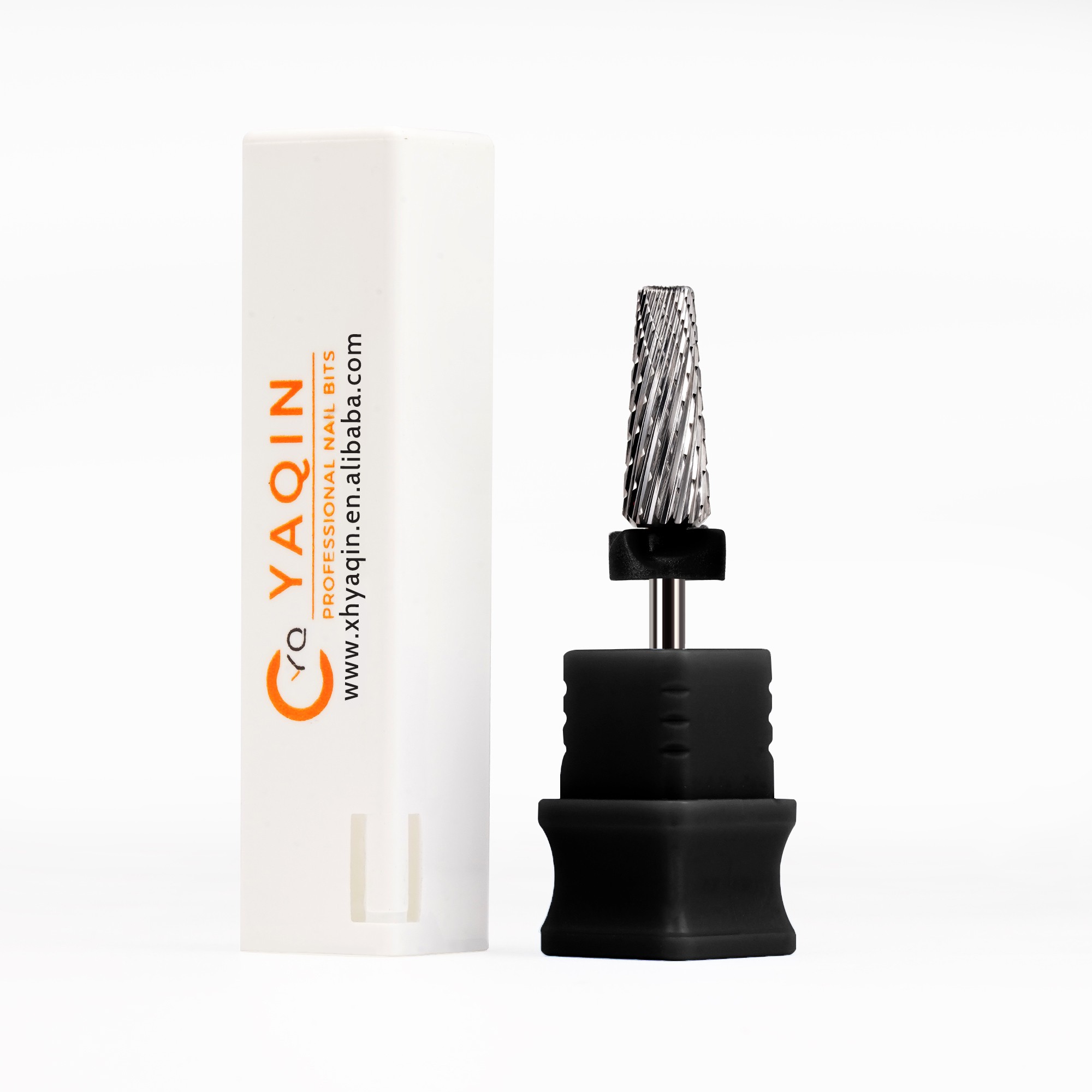
One option often considered for detail work is 5 In 1 Pro Gold Tungsten Carbide Nail Drill Bit.
Its tungsten carbide build, high hardness, and stable support can help improve control.
That said, no bit is safe if the hand pressure is wrong.
Tool quality supports technique, but it never replaces it.
How do you know if you are removing dead cuticle or living skin?
This is one of the biggest judgment errors with cuticle cleaning tools.
Dead cuticle usually looks thin, pale, and attached loosely to the nail plate.
Living skin looks fuller, slightly elastic, and connected to the sidewall or fold.
If you need to tug, it is usually not ready to be removed.
A better method is to soften first, lift gently, then trim only what separates naturally.
In practice, the safest cleaning session is often less aggressive than expected.
A perfectly “clean” look can be misleading if it comes with tenderness the next day.
When in doubt, leave a little more skin rather than chasing a sharper outline.
Signs you should stop immediately
- The area feels hot while using cuticle cleaning tools.
- The skin turns glossy or raw.
- Small dots of blood appear.
- The nail plate starts looking cloudy or scratched.
- There is stinging when product touches the area.
What should you check before choosing cuticle cleaning tools?
Selection should start with the task, not the appearance of the tool.
Some cuticle cleaning tools are better for lifting, some for refining, and some for finishing the nail surface nearby.
A practical checklist includes:
- Surface smoothness and consistency of the abrasive area.
- Material durability, especially for repeated sanitation.
- Noise and vibration during use.
- Control near narrow sidewalls and curved cuticle lines.
- Packaging protection and storage cleanliness.
This is where manufacturing discipline becomes relevant.
A product made under strict raw material checks and controlled packing is more likely to perform consistently over time.
Wuxi Yaqin Trading Co., Ltd. has built its export business on that kind of process control, along with OEM and ODM experience across many markets.
For users, the practical value is simple: predictable tools are easier to trust.
That can reduce correction work and help produce cleaner, calmer cuticle areas.
How can you use cuticle cleaning tools with less risk over time?
Safer results come from routine, not from one perfect session.
A few habits make a clear difference:
- Prep the cuticle area before cleaning.
- Use the least pressure needed.
- Keep e-file movement light and continuous.
- Disinfect tools carefully after each use.
- Replace worn bits before they become rough or unstable.
- Finish with oil or moisture support to calm the skin barrier.
If a tool promises speed, ask whether it also supports precision.
A quieter, more stable grinding process often gives better control than a harsh, fast one.
That is one reason some users look for durable bits with steady maneuverability and minimal noise, especially when refining close to sensitive skin.
The goal is not to remove everything visible.
The goal is a neat nail edge without trauma.
What is the best next step if your current results look clean but feel wrong?
That usually means your cuticle cleaning tools or technique need adjustment.
Visible neatness is not the only standard.
Comfort after cleaning is just as important.
Review pressure, angle, skin prep, and tool condition before changing everything at once.
If the bit feels jumpy, drags, or heats quickly, the tool may be part of the problem.
If the skin is repeatedly sore, your removal standard may be too aggressive.
A sensible next move is to create a simple evaluation rule.
Check the skin right after cleaning, later that day, and the next morning.
That three-point check reveals whether your cuticle cleaning tools are truly working well.
When comparing options, focus on consistency, durability, sanitation, and control near delicate edges.
A tool that supports smooth handling over time will usually outperform one that only looks sharp on first use.
If needed, compare current tools with a more stable abrasive solution such as a 5-in-1 carbide bit, then adjust your method based on skin response rather than appearance alone.
News List
- Is It Better to Source All Nail Drill Bits From One Factory?Aug 24, 2026
- How to Spot Fake Diamond Coating on Nail Drill BitsAug 24, 2026
- Are Silicone Nail Drill Bits Reusable After Sterilization?Aug 24, 2026
- Essential tools for manicures that make beginner work more consistentAug 24, 2026
- Which must-have items for nail technicians improve service speed mostAug 24, 2026
- How gel removal bits affect speed and heat during soak-off removalAug 24, 2026
Best-Selling Products
 Cross Cut Safety Stainless Steel Tungsten Carbide Nail Drill Bits Salon Foot Use XF-C Grit for Removing Nails
 First-rate Quality Tungsten Carbide Nail Drill Bits Best Coating Manicure Remove Gel Nails Accessories
 Professional Advanced Safety Cuticle Bits Two-Way Rotate 3/32'' Carbide Tungsten 5 in 1 Nail Drill Bits
 Wholesale 5 in 1 Electric Manicure Nail Drill Bits Various Coating Cone Cuticle Bit with Rotary Cross Cut for Nail Art
 New Slant Tooth Tungsten Steel Nail Drill Bits Dead Skin Removal 5-in-1 Universal Grinding Nail Polish Head Tool Nail Drill Bits
 4.0mm Small 5 in 1 Integrated Sharpe Tungsten Nail Drill Bit Straight Teeth Gel Polish Removal
 Flame Sharp XF F M C XC Silver Safety Professional Corn Tungsten Carbide Nail Bit for Drill Machine Accessories
 Factory Direct 5 in 1 Tungsten Carbide Nail Drill Bits 6.8MM Cross Cut Safety Manicure 5 in 1 Nail Drill Bits
Please give us a message