
Cordless vs Plug-In Electric Nail File
Cordless vs Plug-In Electric Nail File
Choosing between a cordless and plug-in electric nail file is no longer only about convenience.
It now affects torque stability, operating time, heat control, maintenance efficiency, and service consistency.
As nail care shifts toward faster gel removal and safer finishing, power format has become a key performance signal.
Cordless vs Plug-In Electric Nail File: What Is Changing Now
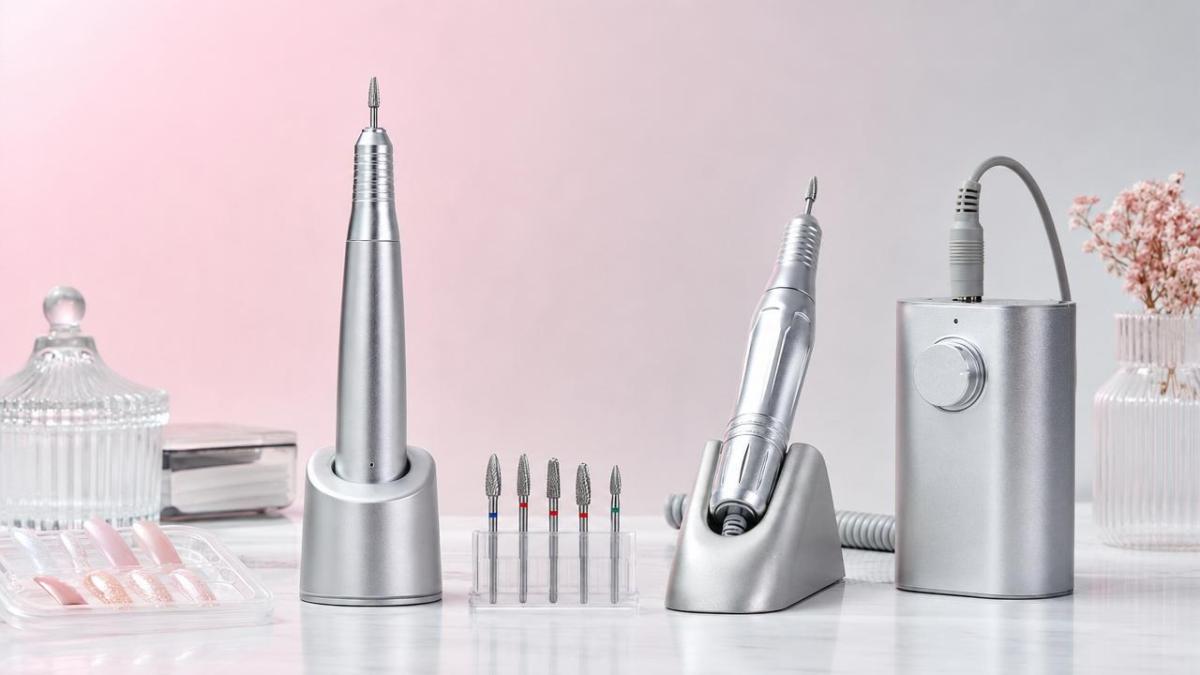
The electric nail file market is moving from simple speed comparison toward full working-condition evaluation.
Cordless models are gaining attention because mobile services, compact benches, and flexible layouts are expanding.
Plug-in models remain strong because continuous torque and stable output still matter in heavy daily workloads.
This shift means the electric nail file must be judged together with bits, materials, user habits, and service rhythm.
A powerful machine can still underperform if the nail drill bit creates vibration, clogging, or uneven dust flow.
Trend Signals Behind Electric Nail File Selection
The first signal is the growth of gel, builder gel, and hard coating services.
These applications require an electric nail file that can maintain speed under resistance.
The second signal is higher sensitivity to heat and natural nail protection.
Users expect fast removal without aggressive pressure, burning sensation, or unnecessary surface damage.
The third signal is the demand for cleaner working areas.
Dust direction, bit geometry, and machine balance now influence how professional an electric nail file feels.
Why Cordless Electric Nail File Demand Is Rising
A cordless electric nail file supports flexible movement and removes cable limits around compact workstations.
This advantage becomes visible during pedicure work, mobile appointments, or shared bench arrangements.
Modern batteries have improved, making cordless models more reliable than older portable drills.
However, battery performance still changes as charge decreases or as resistance increases.
A cordless electric nail file may feel excellent during light shaping but weaker during dense gel removal.
For this reason, battery capacity, charging speed, and motor protection should be checked together.
- Choose cordless formats when mobility is part of the service model.
- Check actual working time, not only advertised battery capacity.
- Test torque at medium speed with real gel resistance.
- Confirm that the handpiece remains comfortable after extended use.
Why Plug-In Electric Nail File Systems Still Matter
A plug-in electric nail file usually delivers more predictable output during long, repeated services.
The absence of battery drop helps maintain speed when removing hard gel or acrylic layers.
This consistency reduces the need for added pressure, which can lower heat and vibration risk.
Plug-in systems also simplify scheduling because charging cycles do not interrupt work.
Their limitation is cable management, especially where tables are small or power sockets are inconvenient.
A plug-in electric nail file remains a strong choice where continuous workload outweighs portability.
Torque Stability Is Becoming a Decisive Standard
Speed alone does not prove real performance.
The more useful question is whether the electric nail file maintains rotation under contact pressure.
Stable torque allows smoother passes, fewer repeated strokes, and better control near the natural nail.
How Nail Bit Technology Changes the Power Debate
The power source is only one side of electric nail file performance.
The bit determines cutting efficiency, dust discharge, heat generation, and surface smoothness.
For example, tungsten carbide bits support fast gel removal when paired with suitable machine speed.
A sharp, durable bit can help a cordless electric nail file work more efficiently.
It can also reduce unnecessary load on a plug-in electric nail file during heavy removal.
Yaqin supplies abrasive solutions for professional nail care, with strict QC from raw materials to packing.
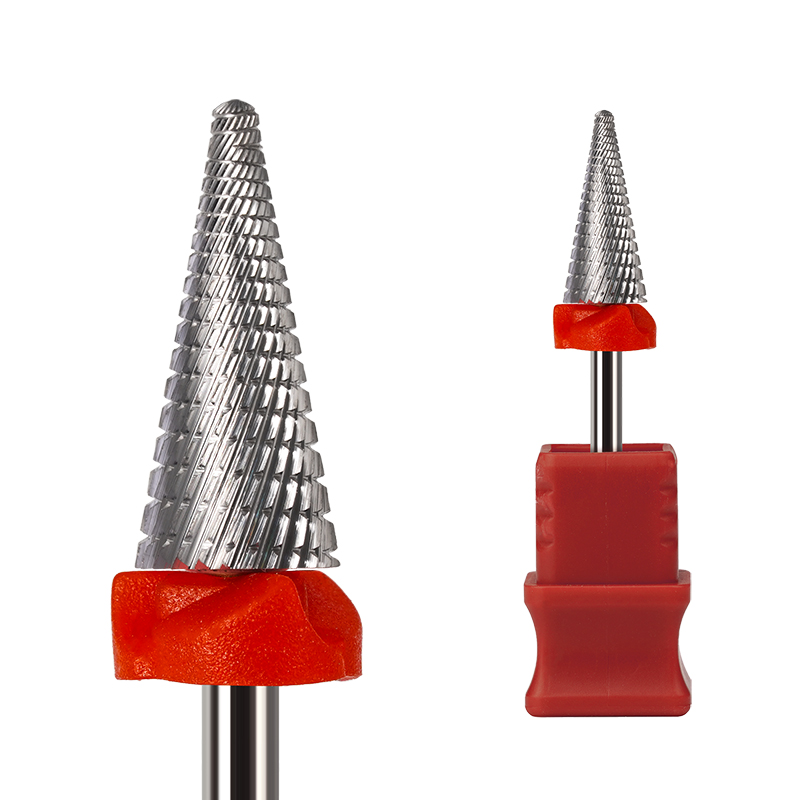
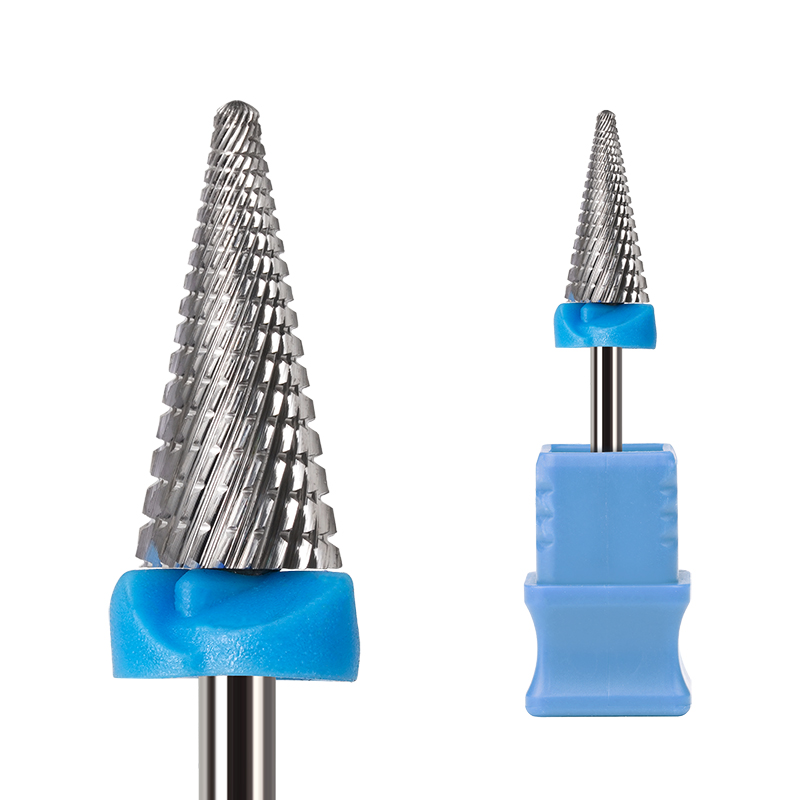
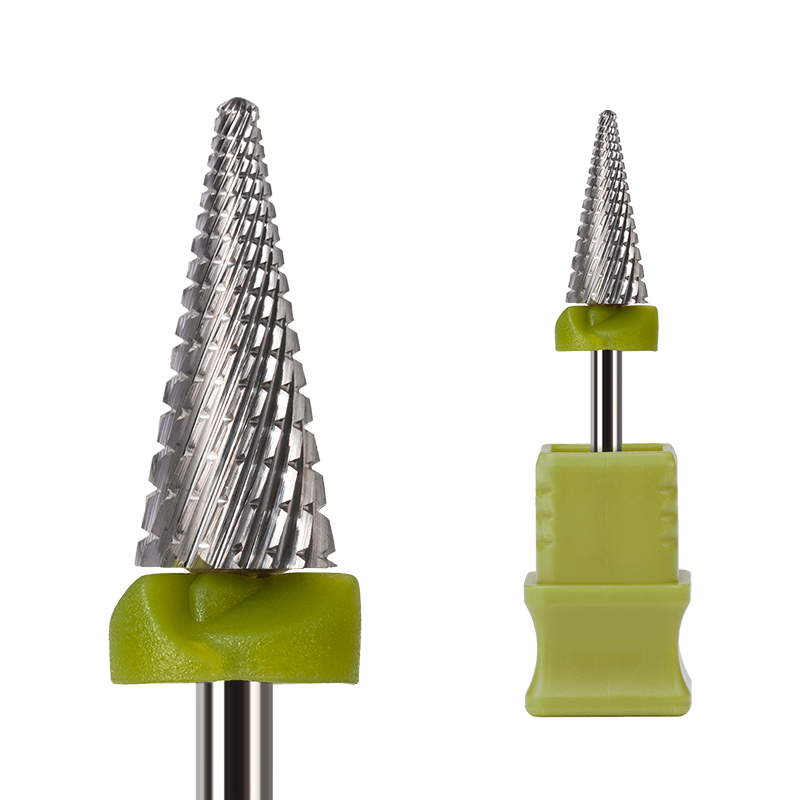
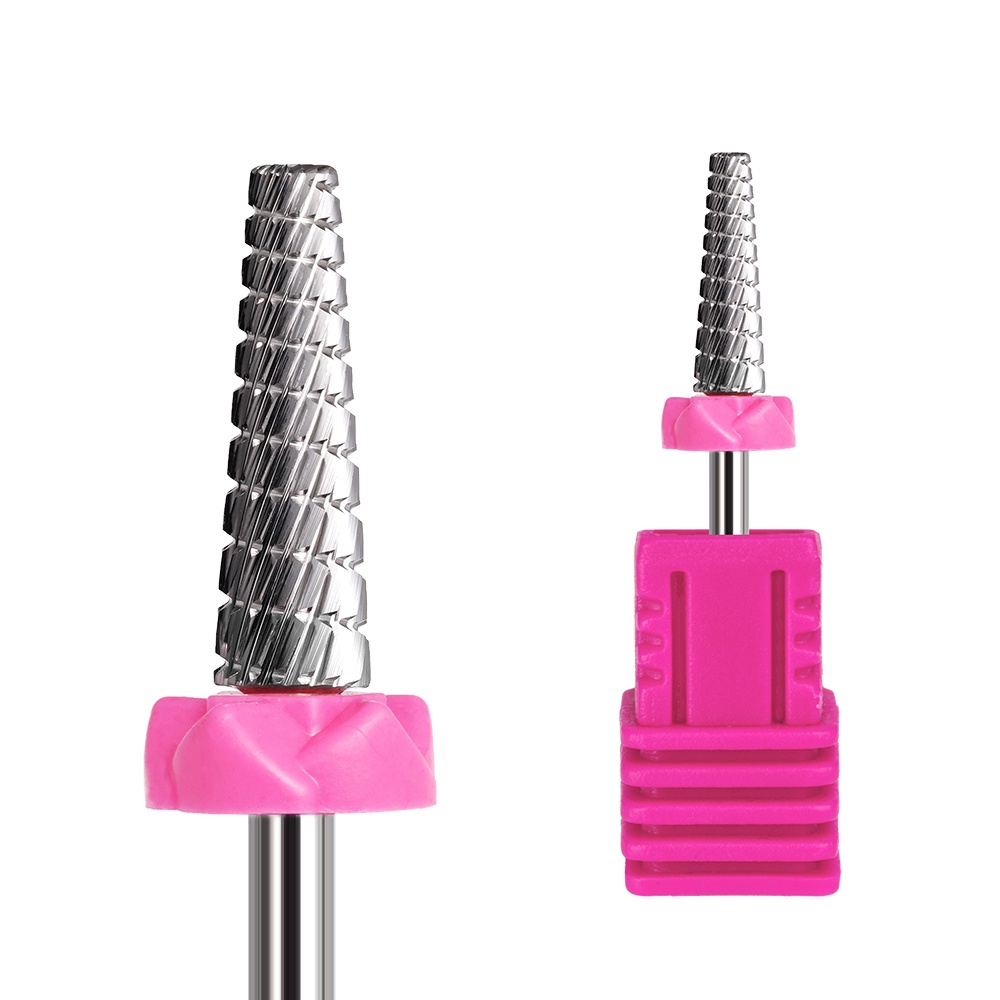
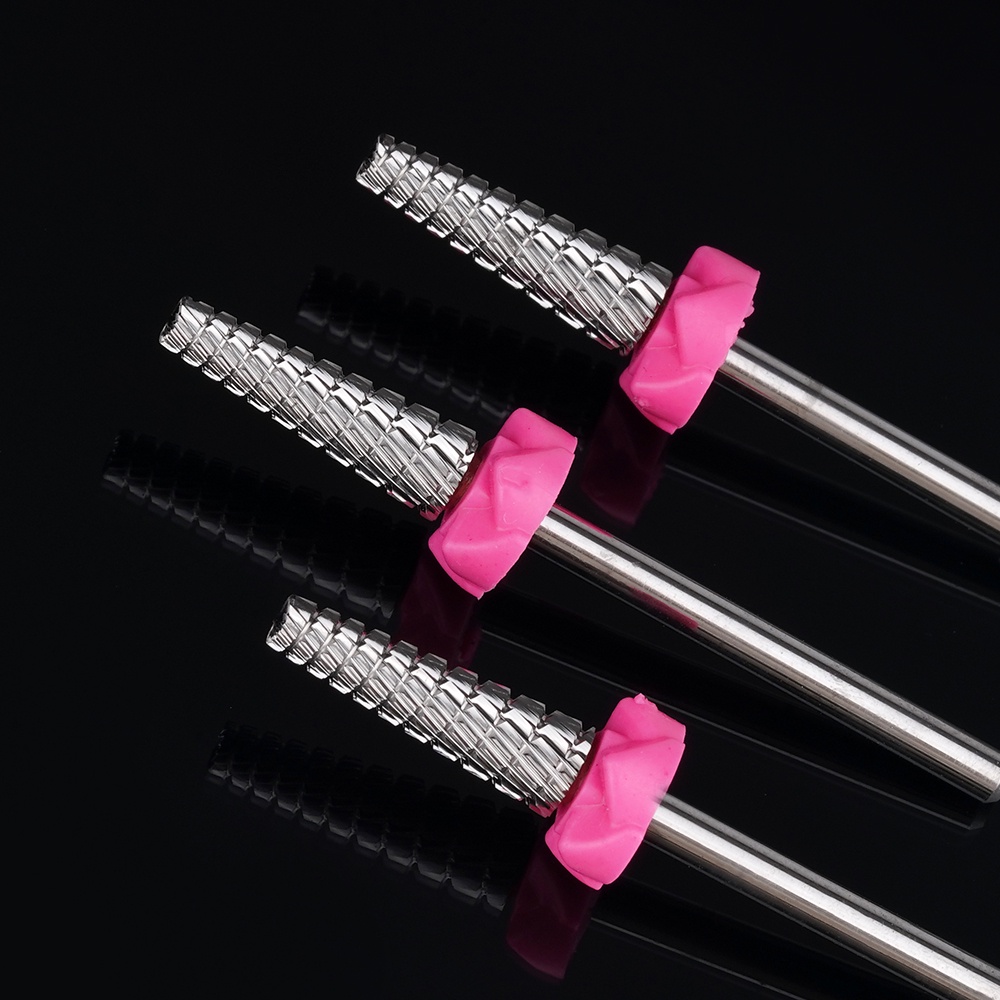
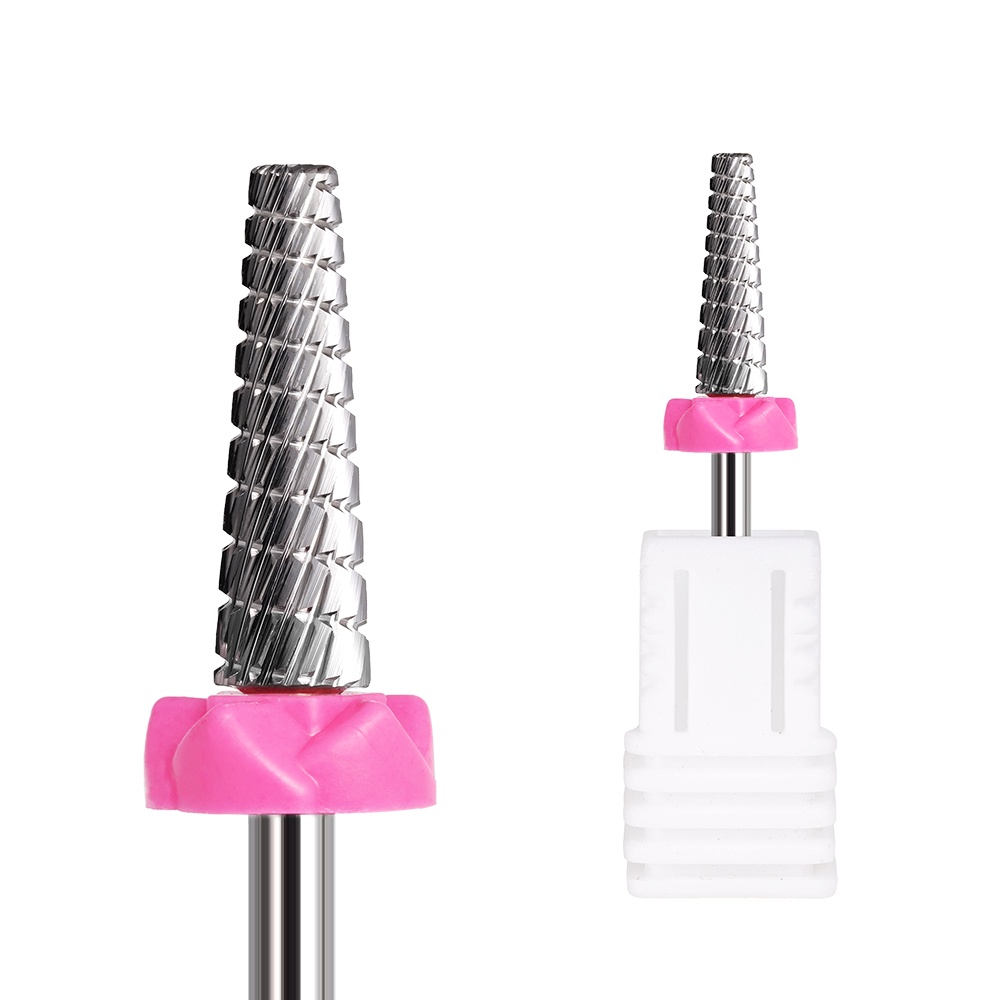
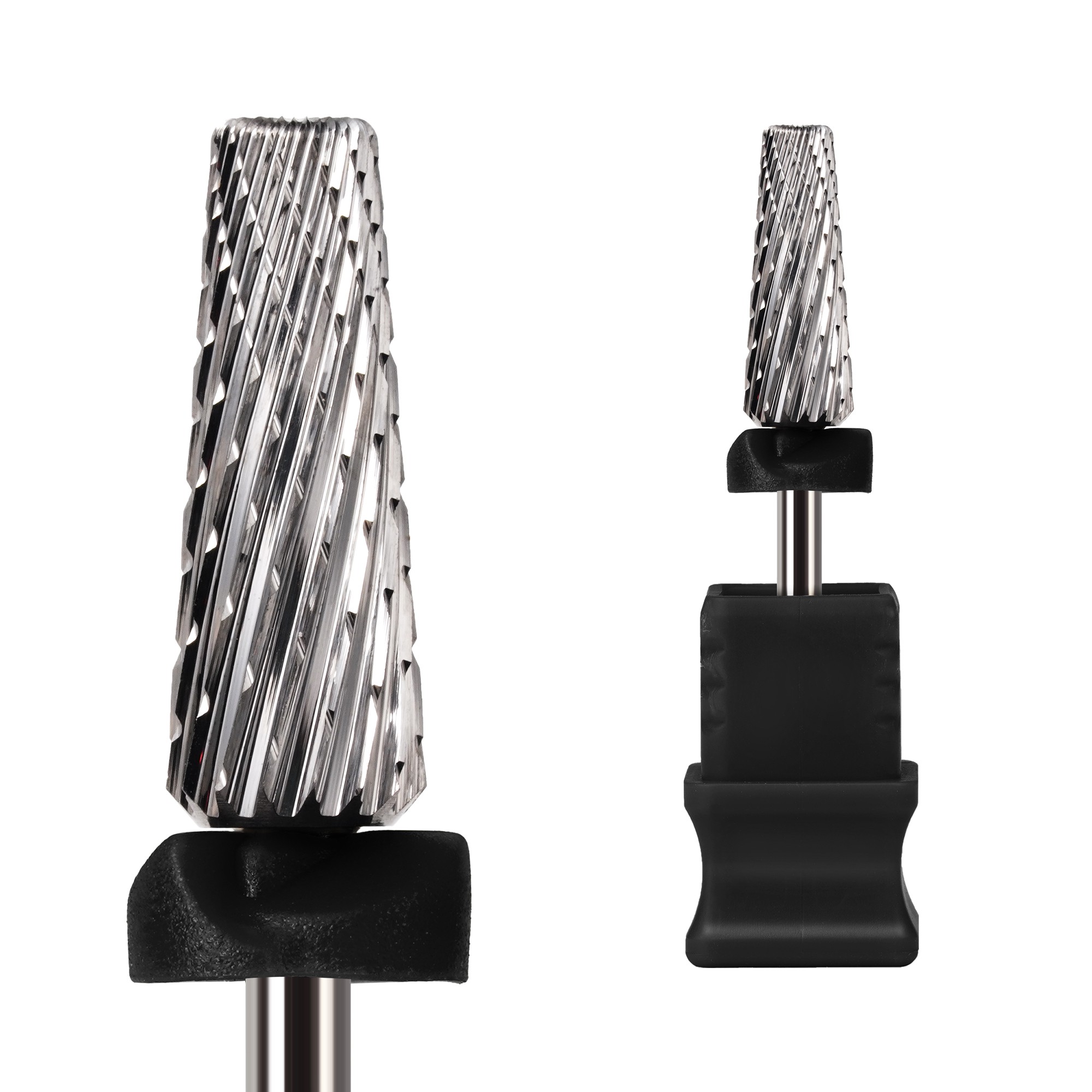
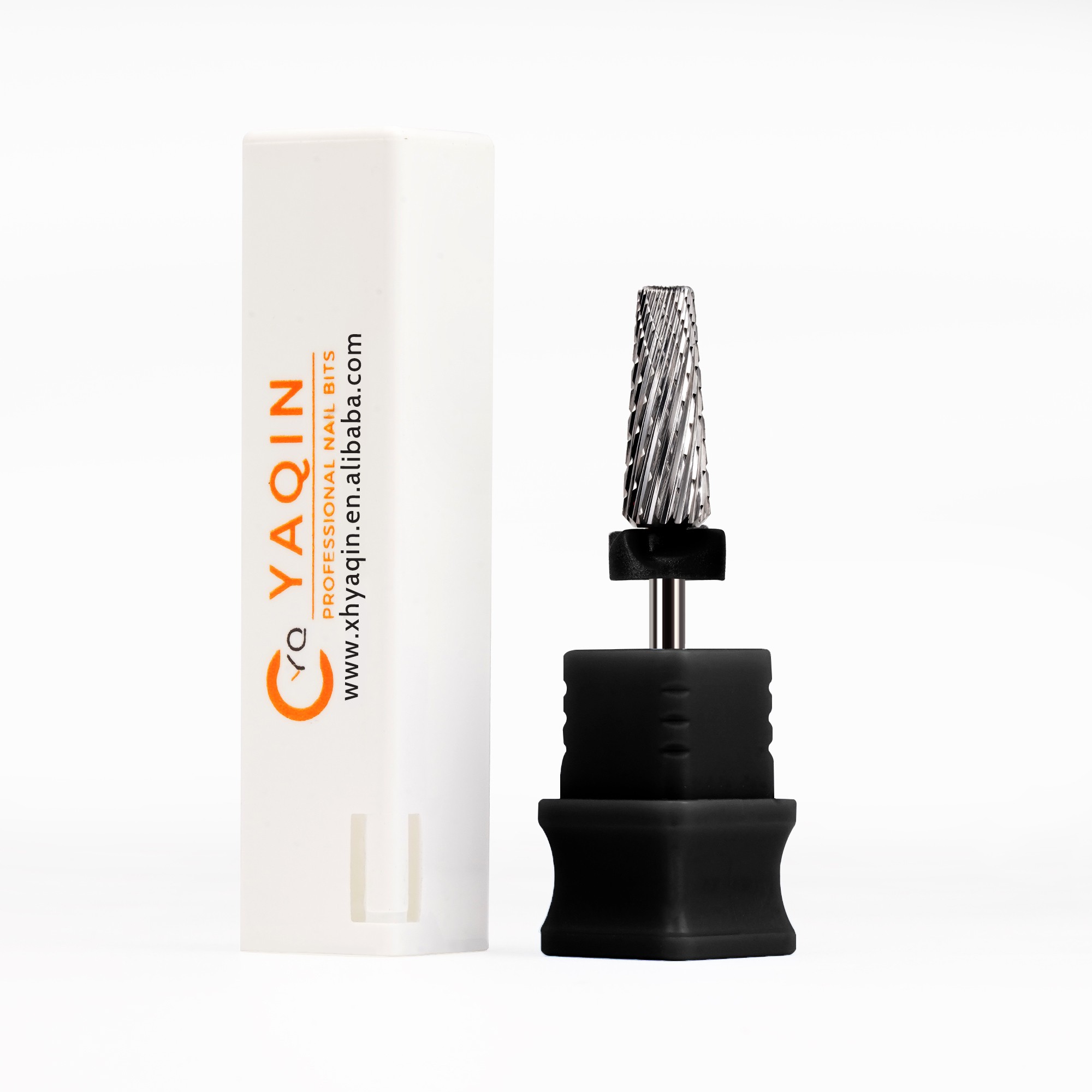
One relevant option is High Quality Helical Tungsten Carbide Nail Drill Bits 5 in 1 Professional Cross Cut Teeth Fast Remove Nail Gel Nail Drill Bit.
Its tungsten steel structure supports hardness, durability, sharpness retention, and reduced breakage risk.
The 5-in-1 cross cut design helps remove polish, hard gel, soft gel, dead skin, and calluses.
Consistent dust ejection also helps keep the workstation cleaner during electric nail file operation.
Impact on Service Quality, Maintenance, and Daily Workflow
The choice between cordless and plug-in affects more than the machine itself.
It changes how work is scheduled, how tools are maintained, and how consistent the finish becomes.
A cordless electric nail file can improve movement but requires battery discipline.
A plug-in electric nail file can support long hours but requires tidy cable planning.
Key Points to Watch Before Choosing an Electric Nail File
Selection should follow real application pressure, not only appearance or speed claims.
The following checkpoints help compare a cordless electric nail file with a plug-in system more fairly.
- Test torque using gel removal, not only free spinning.
- Check heat at the handpiece after continuous operation.
- Observe vibration when using carbide and ceramic bits.
- Confirm compatibility with standard shank nail drill bits.
- Evaluate dust direction, especially during fast removal.
- Review after-sales support, spare parts, and QC consistency.
- Match speed range to natural nail, gel, and callus work.
Yaqin’s ISO9001:2000 quality management background supports stable abrasive product supply and OEM/ODM service.
Its export experience across multiple markets also helps align nail bit requirements with different working habits.
Practical Direction for the Next Electric Nail File Decision
The best electric nail file choice depends on workload pattern and service environment.
Cordless models fit flexible spaces, light-to-medium services, and movement-heavy tasks.
Plug-in models fit continuous gel removal, high-volume use, and torque-sensitive work.
In both cases, the bit should be treated as part of the performance system.
Action Steps for Reliable Electric Nail File Evaluation
Build a simple test around actual services: gel removal, shaping, cuticle-area refinement, and finishing.
Record heat, vibration, noise, torque drop, dust behavior, and user comfort after repeated passes.
Then compare the electric nail file together with carbide, sanding, and polishing accessories.
This approach avoids overvaluing battery convenience or undervaluing plug-in stability.
For large-scale nail care operations, consistent abrasives and strict QC can improve tool life and service results.
Wuxi Yaqin Trading Co., Ltd. provides one-stop support from production to delivery for abrasive nail solutions.
When evaluating the next electric nail file setup, include professional nail bits in the same performance review.
That combined view leads to safer removal, cleaner operation, and more reliable long-term purchasing decisions.
News List
- Is It Better to Source All Nail Drill Bits From One Factory?Aug 24, 2026
- How to Spot Fake Diamond Coating on Nail Drill BitsAug 24, 2026
- Are Silicone Nail Drill Bits Reusable After Sterilization?Aug 24, 2026
- Essential tools for manicures that make beginner work more consistentAug 24, 2026
- Which must-have items for nail technicians improve service speed mostAug 24, 2026
- How gel removal bits affect speed and heat during soak-off removalAug 24, 2026
Best-Selling Products
 Cross Cut Safety Stainless Steel Tungsten Carbide Nail Drill Bits Salon Foot Use XF-C Grit for Removing Nails
 First-rate Quality Tungsten Carbide Nail Drill Bits Best Coating Manicure Remove Gel Nails Accessories
 Professional Advanced Safety Cuticle Bits Two-Way Rotate 3/32'' Carbide Tungsten 5 in 1 Nail Drill Bits
 Wholesale 5 in 1 Electric Manicure Nail Drill Bits Various Coating Cone Cuticle Bit with Rotary Cross Cut for Nail Art
 New Slant Tooth Tungsten Steel Nail Drill Bits Dead Skin Removal 5-in-1 Universal Grinding Nail Polish Head Tool Nail Drill Bits
 4.0mm Small 5 in 1 Integrated Sharpe Tungsten Nail Drill Bit Straight Teeth Gel Polish Removal
 Flame Sharp XF F M C XC Silver Safety Professional Corn Tungsten Carbide Nail Bit for Drill Machine Accessories
 Factory Direct 5 in 1 Tungsten Carbide Nail Drill Bits 6.8MM Cross Cut Safety Manicure 5 in 1 Nail Drill Bits
Please give us a message