
Electric Nail File for Home Use: Cordless vs Corded, Which One Fits Your Routine?
Electric Nail File for Home Use: Cordless vs Corded, Which One Fits Your Routine?
Choosing the right electric nail file for home use can make your nail care routine faster, safer, and more comfortable. Whether you prefer the freedom of a cordless model or the steady power of a corded one, understanding the differences helps you match the tool to your habits, space, and skill level. In this guide, we’ll compare both options so you can find the best fit for your home manicure routine.
For home users and operators, the decision is rarely just about price. It usually involves 4 practical factors: handling comfort, runtime or power stability, noise level, and compatibility with quality drill bits. In the light industrial daily-use category, a well-matched electric nail file for home use can reduce repetitive manual filing, improve finish consistency, and lower the chance of uneven pressure on the nail plate.
From a supply perspective, product quality matters as much as design. Wuxi Yaqin Trading Co., Ltd. focuses on the production and export of high-quality abrasive products, serving buyers in more than 42 countries including the USA, Canada, Germany, the UK, Italy, and Poland. With a strict QC system covering raw material purchasing, production process, and packaging, plus ISO9001:2000 quality management system certification, the company supports one-stop service from production to delivery and offers OEM/ODM experience for stable sourcing.
Understanding Cordless and Corded Electric Nail Files
Before comparing features, it helps to define what each type is built for. A cordless electric nail file for home use runs on a rechargeable battery, while a corded unit connects directly to a power source. Both can handle shaping, smoothing, cuticle area refinement, and light gel removal, but their strengths show up in different routines.
What Cordless Models Do Best
Cordless models are usually chosen for flexibility. If you do manicures in different rooms, travel with your kit, or prefer a clutter-free table, a battery-powered unit is often easier to manage. Many home-use models offer 2 to 4 hours of operation per charge, which is enough for several weekly sessions when each session lasts 20 to 40 minutes.
They are especially practical for DIY enthusiasts who value compact storage. In smaller apartments or shared spaces, reducing cable management can make setup and cleanup 30% to 50% faster compared with a workstation that needs extension cords, adapters, and fixed placement.
Typical Cordless Advantages
- Portable for bedroom, bathroom, or vanity use
- Easy to store in kits or drawers
- Better for short sessions and occasional use
- Suitable for beginners who want lighter handling
What Corded Models Do Best
Corded models are usually preferred for uninterrupted power. If your routine includes removing builder gel, refining acrylic overlays, or working through multiple steps in one sitting, stable output becomes more important than portability. A corded electric nail file for home use can support longer sessions of 45 to 90 minutes without concern about battery drop.
For users who perform nail care 2 to 3 times per week, corded units may offer more predictable torque at mid to high speed ranges. That consistency can help when working on thicker product layers or when switching between different abrasives and bit shapes.
The table below gives a practical side-by-side comparison for home routines rather than salon-scale use.
The key takeaway is simple: cordless supports flexibility, while corded supports consistency. If your routine is brief and mobile, cordless often feels more natural. If your routine is longer, product-heavy, or more technique-driven, corded may save time and reduce interruptions.
How to Match the Tool to Your Routine
The best electric nail file for home use depends less on trend and more on routine pattern. Buyers and operators should evaluate use frequency, treatment type, table space, and confidence level before choosing a model. A mismatch usually shows up within the first 2 to 6 weeks through overheating, underpowered filing, or user fatigue.
Routine-Based Selection Guide
If your nail care routine focuses on shaping natural nails, smoothing edges, and cleaning cuticle areas once every 7 to 10 days, a cordless unit is often enough. It gives adequate freedom and reduces visual clutter, which many home users find helpful when building confidence.
If you frequently remove gel polish, refine overlays, or use multiple bit changes in one session, a corded unit may be more efficient. Stable power helps maintain even performance at moderate speed ranges, such as 15,000 to 25,000 RPM, depending on the handpiece and bit combination.
4 Questions Before You Buy
- How often will you use it each month: 2 times or 8 times?
- Do you mainly shape natural nails or remove thicker coatings?
- Will you work at one station or in multiple rooms?
- Do you need a lightweight beginner tool or a more stable long-session setup?
Why the Bit Matters as Much as the Machine
Many users focus on the handpiece and overlook the abrasive accessory, but the drill bit often has equal impact on comfort and finish quality. A poorly matched bit can create excess heat, noisy contact, or rough removal even if the machine itself is decent. In contrast, a durable, precise bit improves control, supports cleaner cuticle work, and shortens filing time by several minutes per hand.
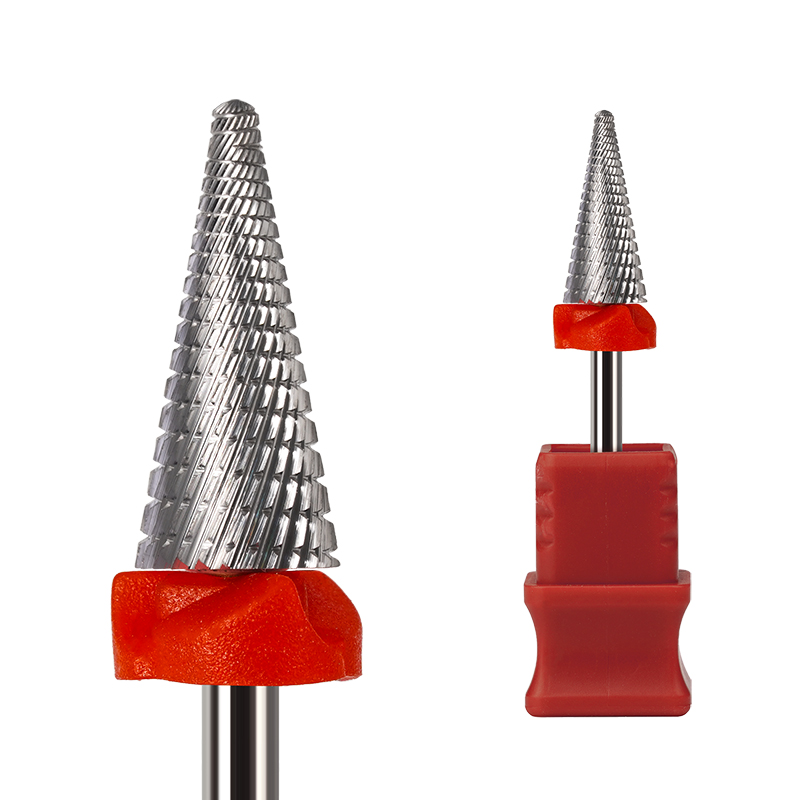
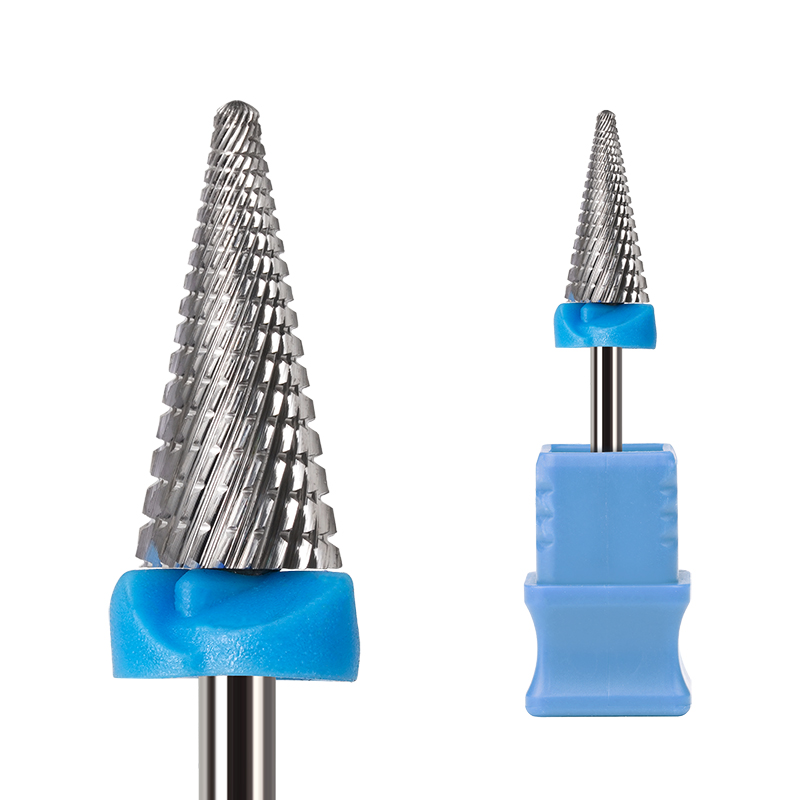
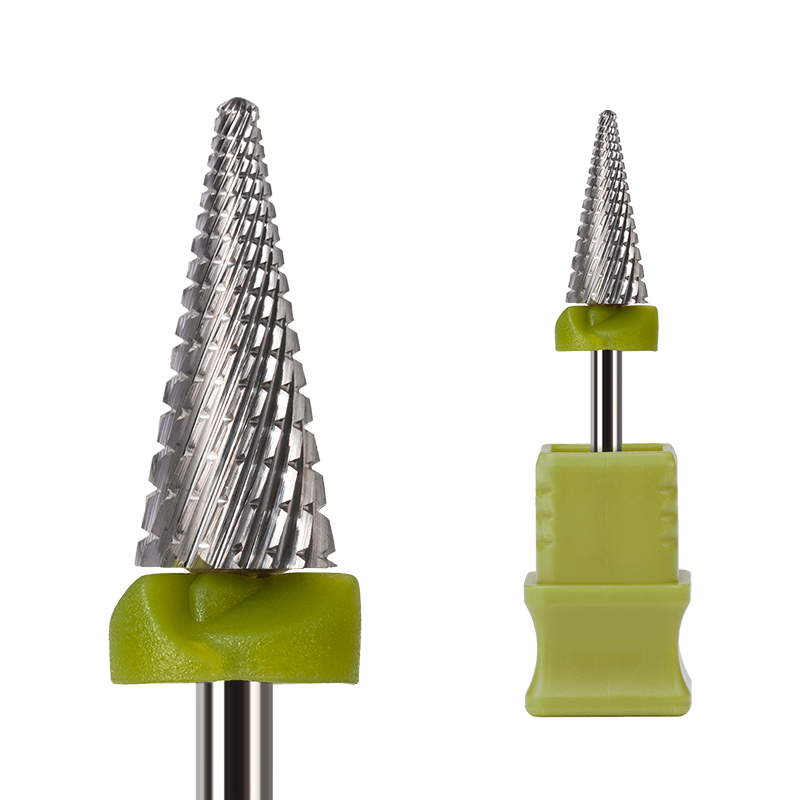
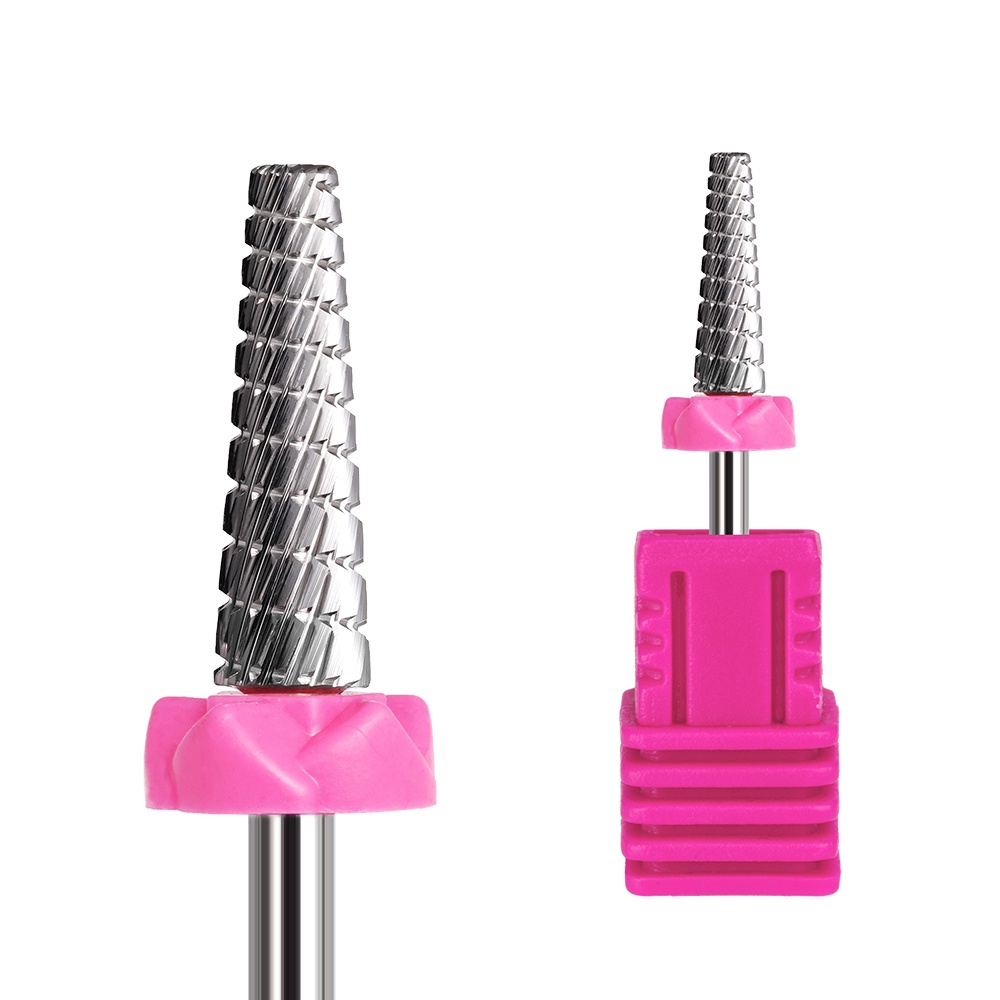
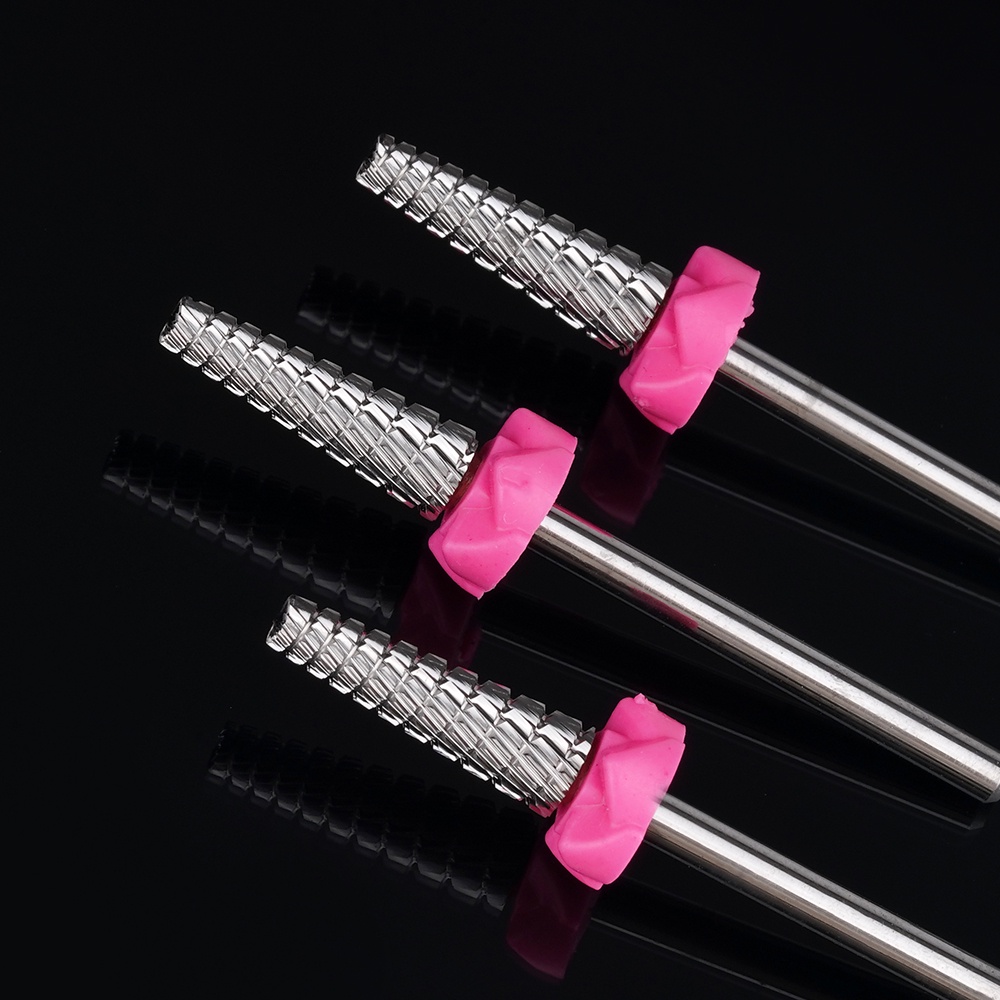
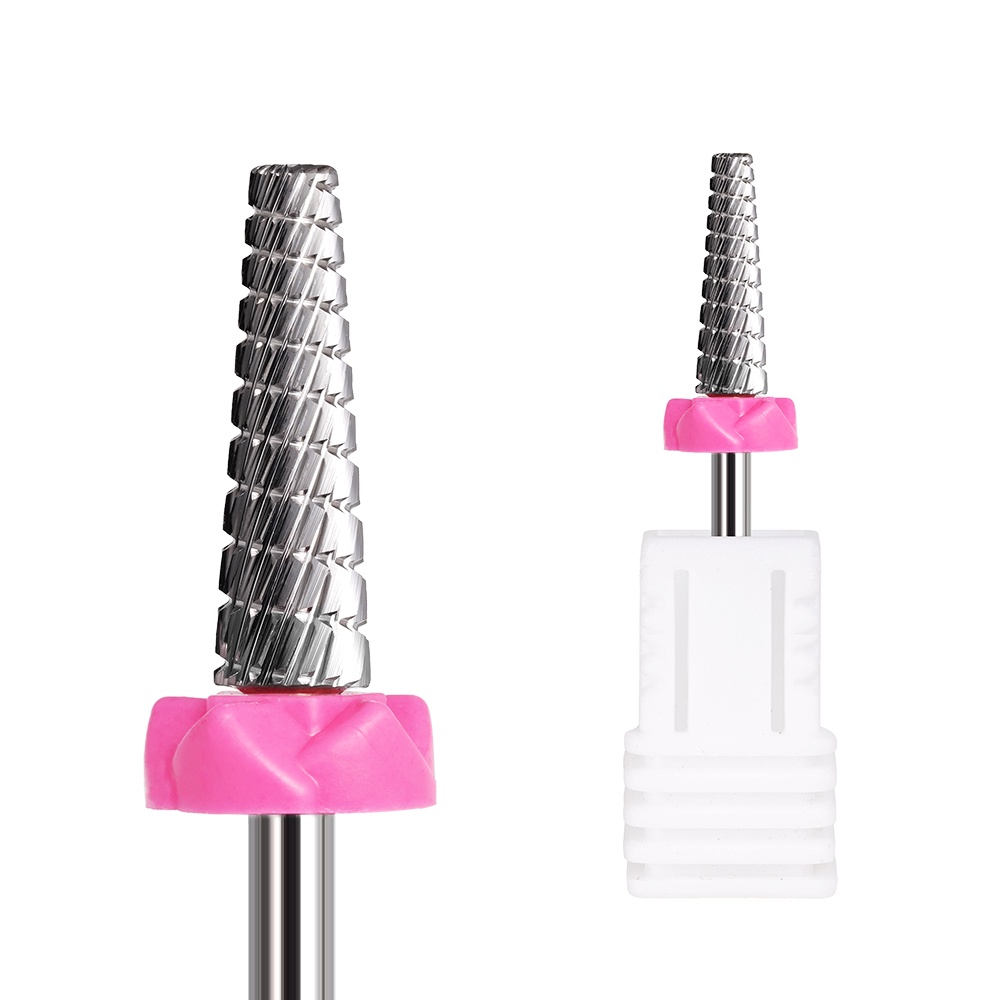
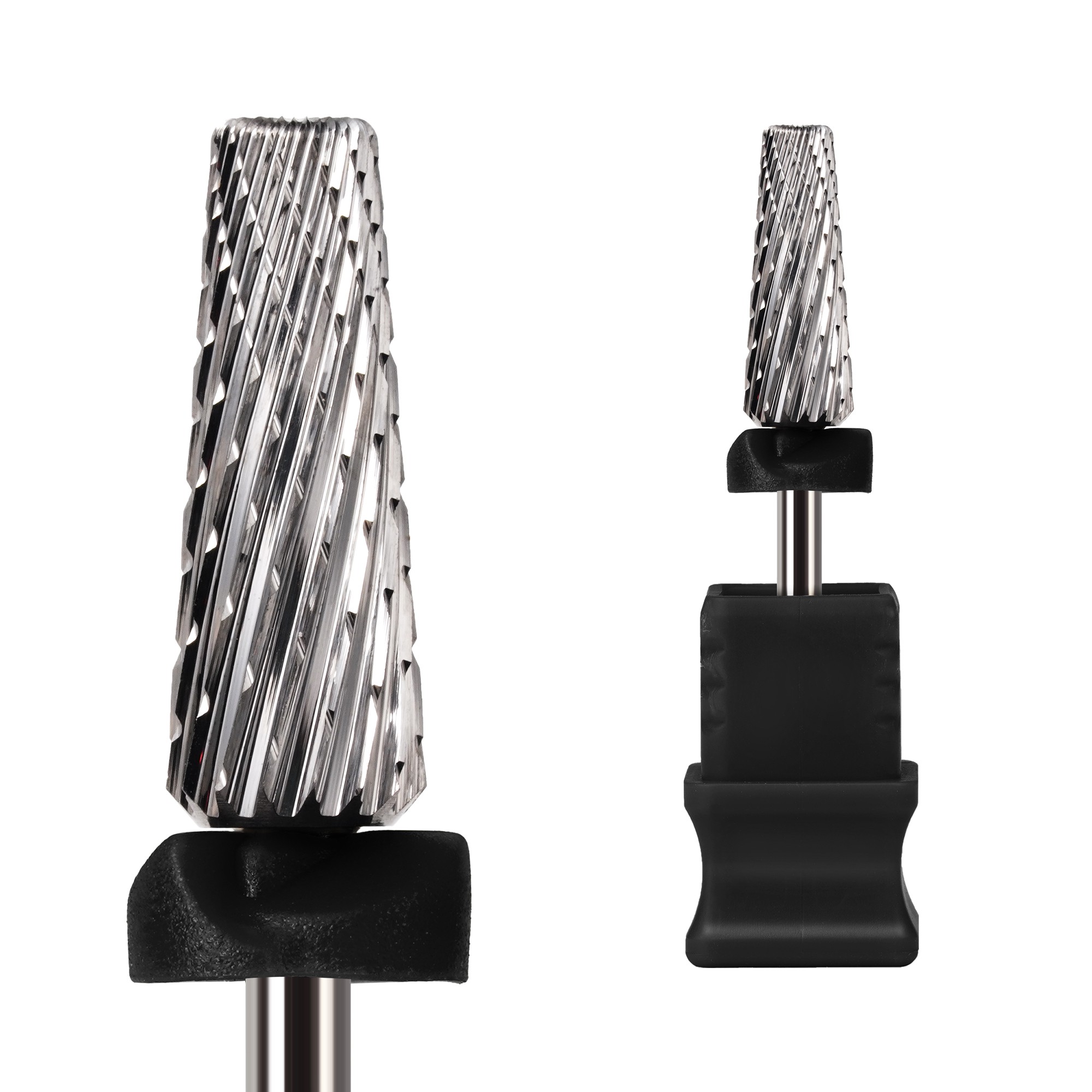
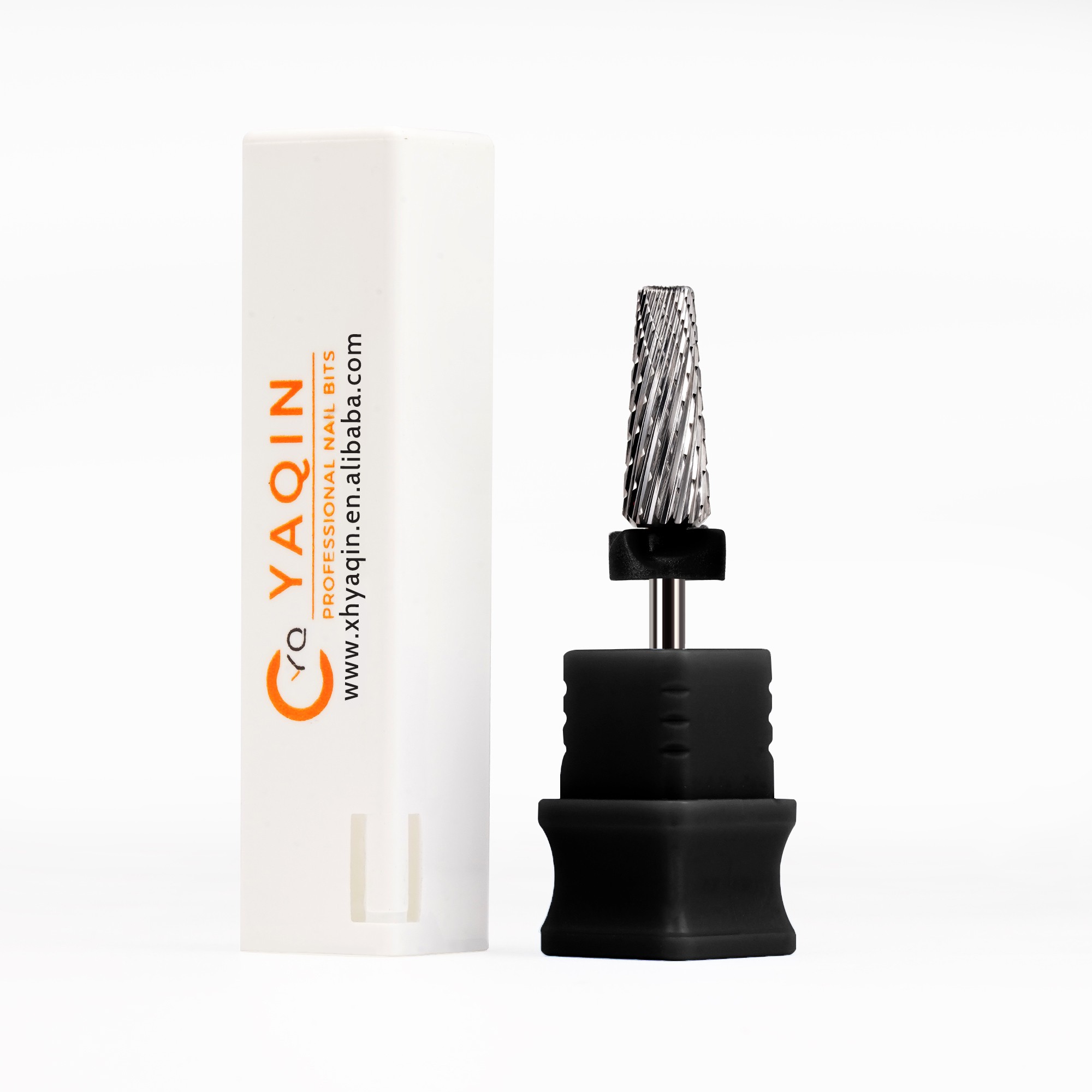
For users who need versatility across nail care routine, professional nail technicians, and DIY enthusiasts, High Quality Tungsten Cuticle Carbide Nail Drill Bits Nail Removal Pre-Treatment Grinding Head Umbrella Shape Nail Drill Bit offers a practical solution. Made from tungsten steel and high-quality alloy, it is designed for high hardness, longer service life, and excellent grinding efficiency while supporting filing nails, removing dead skin, tackling gel polish, and helping shape, smooth, or polish nails.
In actual use, a quality carbide bit can also contribute to a quieter and more stable nail grinding process. That matters for home environments where noise, vibration, and precise control affect both operator confidence and user comfort.
Performance Factors That Affect Home Use
When comparing cordless and corded options, users should not rely on one specification alone. At least 5 performance elements influence daily results: speed range, torque stability, heat control, vibration, and bit compatibility. These factors affect not only efficiency but also safety and surface smoothness.
Speed and Control
For home manicures, lower speed control is often more important than maximum speed. Beginners usually work safely within 8,000 to 15,000 RPM for natural nail shaping and cuticle-area cleanup. More advanced users handling gel removal may move into the 15,000 to 25,000 RPM range, but only with appropriate bit pressure and movement.
Corded machines often keep speed more consistent under pressure. Cordless machines can still perform well, but battery level may affect output in longer sessions. That difference may be small for shaping, yet more noticeable during removal of denser coatings.
Heat, Vibration, and Noise
Excess heat is a common complaint in home use. In many cases, the issue is not just machine power; it also comes from staying too long in one spot or using a worn bit. A stable setup and fresh abrasive surface can reduce friction build-up within 10 to 20 seconds of contact per section.
Vibration matters because it influences line accuracy and hand fatigue. Users doing a full manicure on both hands may spend 30 to 60 minutes total. Over that period, lower vibration can noticeably improve maneuverability, especially around cuticles and side walls.
The next table helps translate performance criteria into buying decisions for home operators.
For most home users, the winning setup is not the highest-power machine. It is the one that balances controlled speed, stable hand feel, and durable abrasive performance over repeated weekly use.
Common Mistakes and Safe Use Tips
Even the best electric nail file for home use can give poor results if handled incorrectly. In home environments, the most common issues are over-filing, wrong bit selection, and using excess pressure instead of controlled movement. These mistakes increase the risk of heat spikes and uneven shaping.
Mistake 1: Choosing by Price Alone
A lower-cost unit may seem attractive, but if it lacks speed stability or creates strong vibration after a few sessions, replacement costs can rise quickly. Over a 6 to 12 month period, a better-matched tool and durable bit combination often provides better value than repeated low-cost replacements.
Mistake 2: Using One Bit for Every Task
Different tasks need different bit shapes and abrasiveness. A bit suitable for gel polish removal may be too aggressive for delicate cuticle-area work. Umbrella-shaped or precision-designed carbide options can improve targeted pre-treatment and reduce the need for repeated passes.
Safe Operating Habits
- Keep the handpiece moving every few seconds to reduce hot spots.
- Start at a lower speed, then increase only when control is stable.
- Check the bit after every 1 to 2 sessions for buildup or wear.
- Store the machine and bits in a dry, clean place after use.
- Replace worn accessories before they affect finish quality.
Maintenance and Supply Reliability
For distributors, private-label buyers, and operators who care about consistent sourcing, maintenance is only part of the equation. Reliable manufacturing and QC are equally important. Wuxi Yaqin Trading Co., Ltd. supports abrasive product production and export with strict quality control across raw materials, production, and packaging, helping buyers reduce avoidable variability in long-term supply.
Its OEM/ODM experience also matters for businesses that need customized abrasive solutions, packaging adjustments, or stable delivery coordination. In B2B procurement, these service details can influence reorder efficiency as much as product performance itself.
Which One Fits Your Routine Best?
If your weekly manicure is simple, mobile, and short, a cordless electric nail file for home use is often the better fit. It reduces setup friction and supports convenient storage in compact spaces. If your routine includes thicker coatings, longer sessions, or more frequent maintenance, a corded model may deliver steadier output and fewer interruptions.
In both cases, performance depends heavily on the abrasive accessory you pair with the machine. A durable option such as the High Quality Tungsten Cuticle Carbide Nail Drill Bits Nail Removal Pre-Treatment Grinding Head Umbrella Shape Nail Drill Bit can improve precision, support longer service life, and make the grinding process quieter and more stable for both DIY users and professional operators.
For buyers looking for dependable abrasive products, consistent QC, and flexible OEM/ODM support, choosing the right supplier is just as important as choosing the right machine type. To learn more about suitable nail bits, customized solutions, or sourcing details for your market, contact us today to discuss your application and get a tailored recommendation.
News List
- Is It Better to Source All Nail Drill Bits From One Factory?Aug 24, 2026
- How to Spot Fake Diamond Coating on Nail Drill BitsAug 24, 2026
- Are Silicone Nail Drill Bits Reusable After Sterilization?Aug 24, 2026
- Essential tools for manicures that make beginner work more consistentAug 24, 2026
- Which must-have items for nail technicians improve service speed mostAug 24, 2026
- How gel removal bits affect speed and heat during soak-off removalAug 24, 2026
Best-Selling Products
 Cross Cut Safety Stainless Steel Tungsten Carbide Nail Drill Bits Salon Foot Use XF-C Grit for Removing Nails
 First-rate Quality Tungsten Carbide Nail Drill Bits Best Coating Manicure Remove Gel Nails Accessories
 Professional Advanced Safety Cuticle Bits Two-Way Rotate 3/32'' Carbide Tungsten 5 in 1 Nail Drill Bits
 Wholesale 5 in 1 Electric Manicure Nail Drill Bits Various Coating Cone Cuticle Bit with Rotary Cross Cut for Nail Art
 New Slant Tooth Tungsten Steel Nail Drill Bits Dead Skin Removal 5-in-1 Universal Grinding Nail Polish Head Tool Nail Drill Bits
 4.0mm Small 5 in 1 Integrated Sharpe Tungsten Nail Drill Bit Straight Teeth Gel Polish Removal
 Flame Sharp XF F M C XC Silver Safety Professional Corn Tungsten Carbide Nail Bit for Drill Machine Accessories
 Factory Direct 5 in 1 Tungsten Carbide Nail Drill Bits 6.8MM Cross Cut Safety Manicure 5 in 1 Nail Drill Bits
Please give us a message