
Best Electric Nail File for Acrylic Nails: Speed, Bits, and Torque Explained
Best Electric Nail File for Acrylic Nails: Speed, Bits, and Torque Explained
Why performance matters more than branding
Choosing the best electric nail file for acrylic nails starts with performance, not packaging.
For acrylic work, speed, torque, and bit fit determine how cleanly the tool shapes, refines, and removes product.
That matters across the light industrial and daily-use nail care sector, where tools must balance efficiency, control, and repeatable results.
A weak machine can stall on thicker overlays.
An aggressive setup can overheat the surface or cause unnecessary friction.
The best electric nail file for acrylic nails is therefore not the one with the highest headline number.
It is the one that matches acrylic thickness, technician habits, bit selection, and workload volume.
In global supply chains, that practical view matters even more.
Wuxi Yaqin Trading Co., Ltd. has built its export business around abrasive products for markets including the USA, Canada, Germany, the UK, Italy, and Poland.
Its focus on QC, ISO9001:2000-certified management, and OEM/ODM support reflects how buyers increasingly judge nail tools by consistency over time.
The three factors that shape acrylic filing results
Most comparisons come back to three technical variables.
They sound simple, but together they decide whether an electric file feels smooth or frustrating.
Speed is about control, not just RPM
RPM tells you how fast the bit rotates.
For acrylic nails, low speed may work for surface finishing, cuticle-area detailing, or gentle blending.
Higher speed becomes useful when reducing bulk, shortening extensions, or removing hardened product layers.
Still, speed alone does not equal performance.
If the machine reaches a high RPM but loses stability under pressure, the actual result is slower work and less precision.
Torque keeps the file working under load
Torque is what prevents stalling when the bit meets resistance.
For acrylic removal, torque often matters more than maximum speed.
A file with stable torque keeps cutting evenly on dense overlays and hard gel transitions.
That reduces repeated passes, surface heat, and hand fatigue.
Bit compatibility affects finish and safety
A good electric nail file for acrylic nails needs compatible bits that stay balanced and perform predictably.
Bit material, tooth pattern, shaft fit, and tip shape all influence removal speed and skin protection.
That is why experienced buyers review the file and the bit system together, not separately.
How different workloads change the right choice
The best electric nail file for acrylic nails depends on how it will actually be used.
A home setup, a busy salon station, and a private-label sourcing project do not need the same balance of features.
This is where supplier capability becomes part of product evaluation.
A strict QC system covering raw materials, production, and packing helps keep abrasive performance more consistent across batches.
For nail drill accessories, that consistency supports both service quality and purchasing confidence.
Why bit design can change the entire filing experience
Even a strong motor performs poorly with the wrong bit.
For acrylic applications, tungsten carbide and tungsten steel bits are often preferred because they stay sharp and handle repeated friction well.
Tooth structure also matters.
A slant tooth design can improve cutting flow and dust direction, making the surface easier to read while working.
That kind of detail is useful when removing polish, reducing hard gel, refining tough surfaces, or cleaning around product buildup.
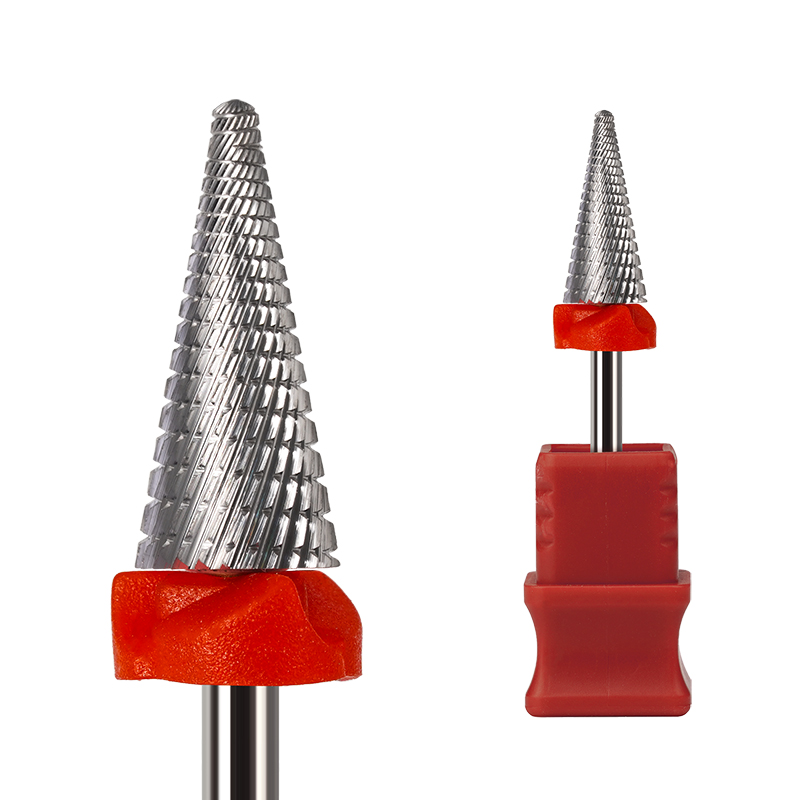
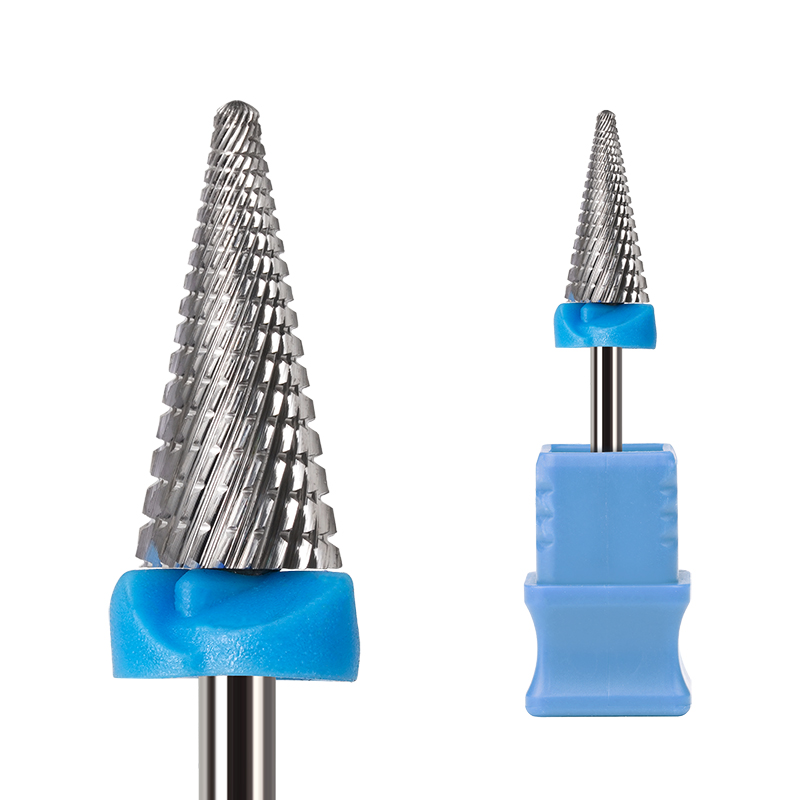
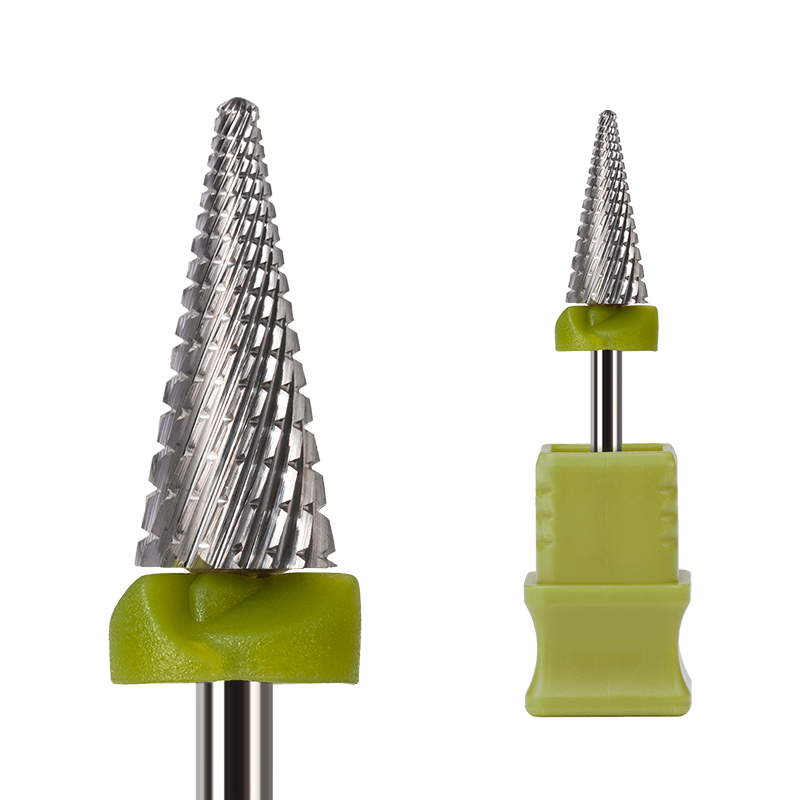
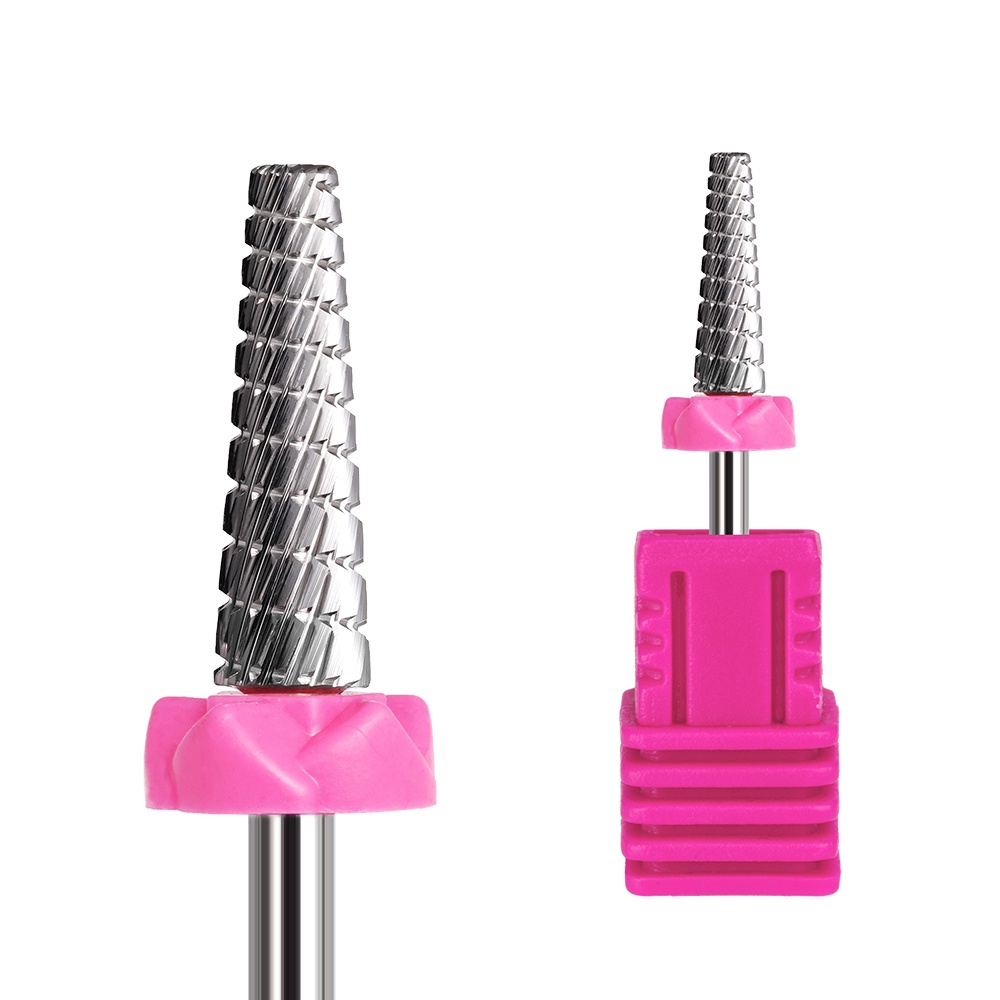
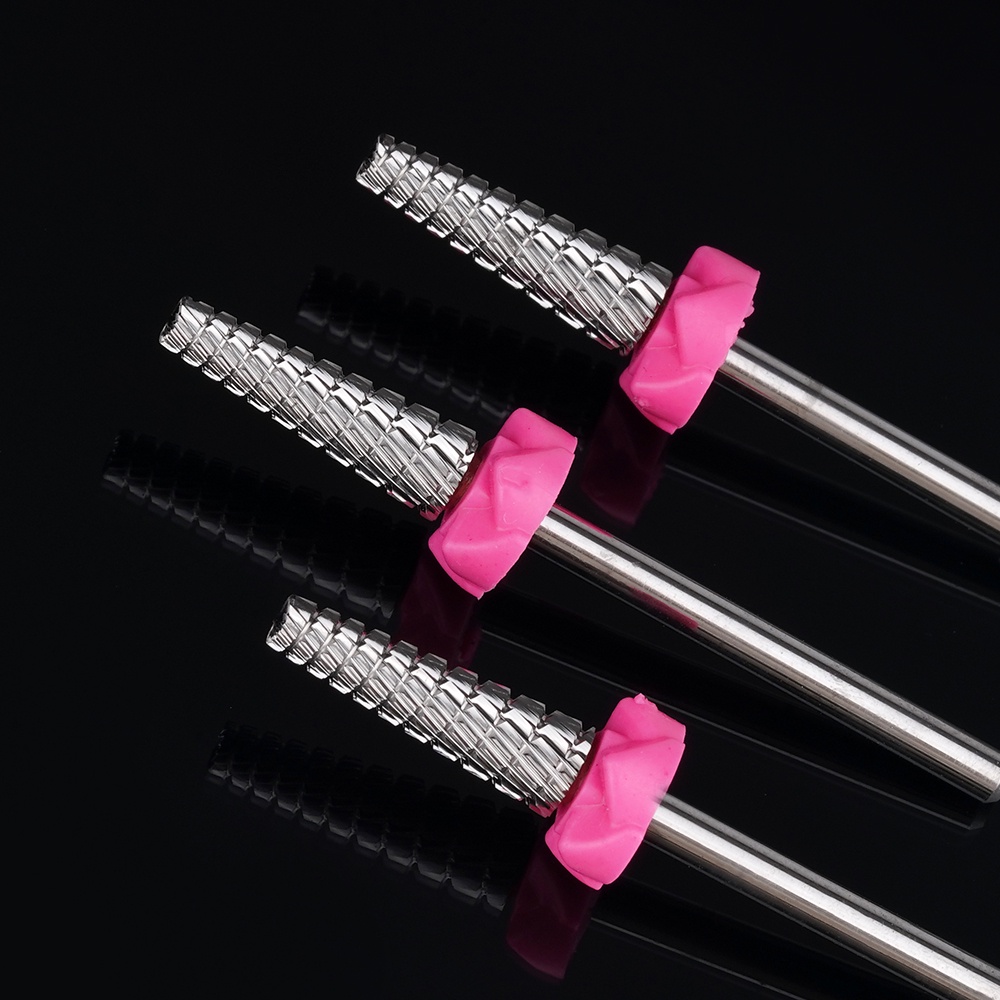
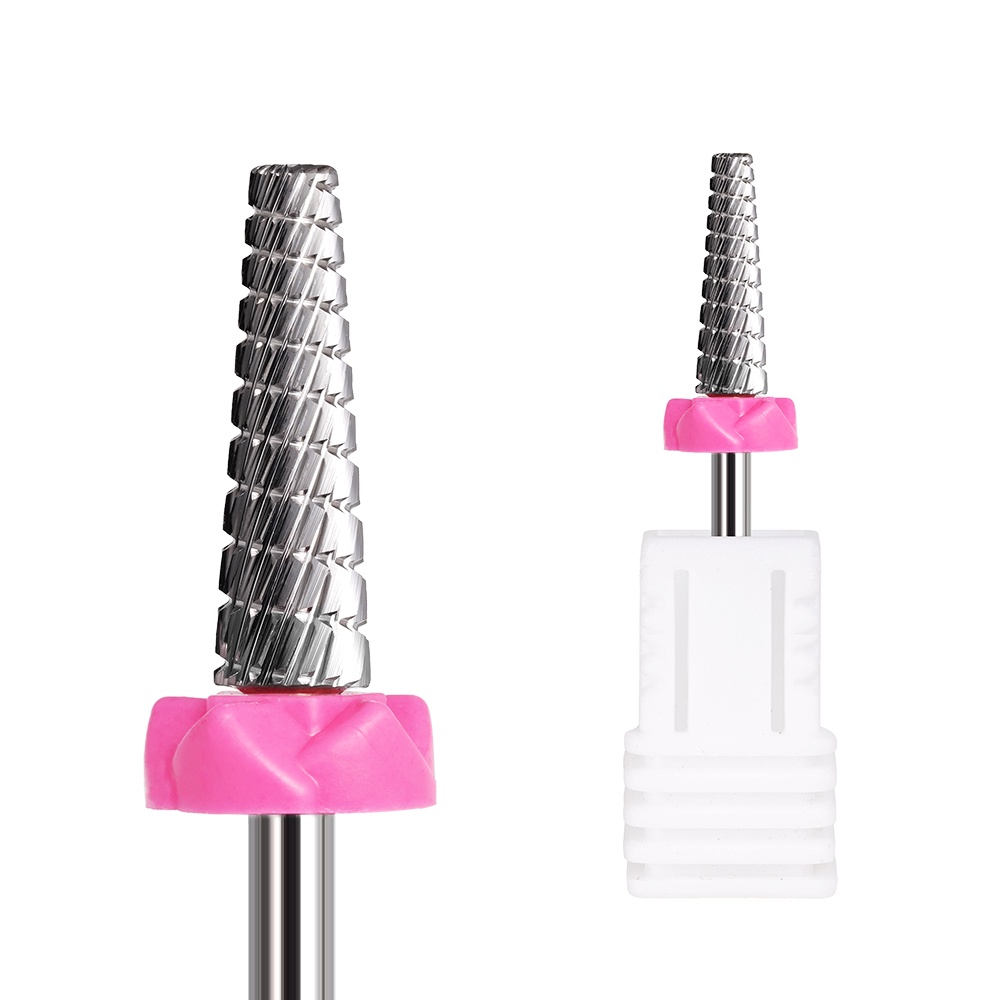
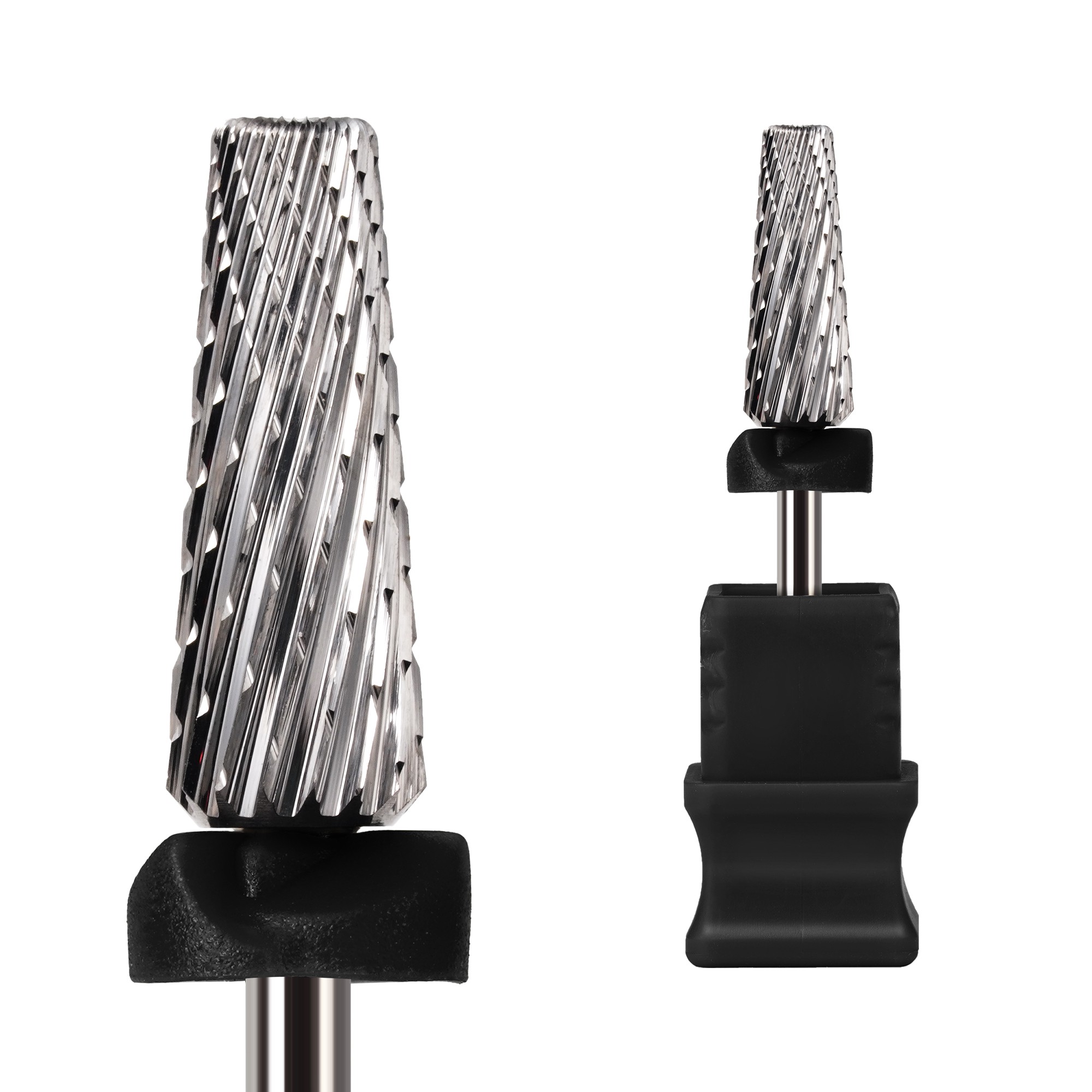
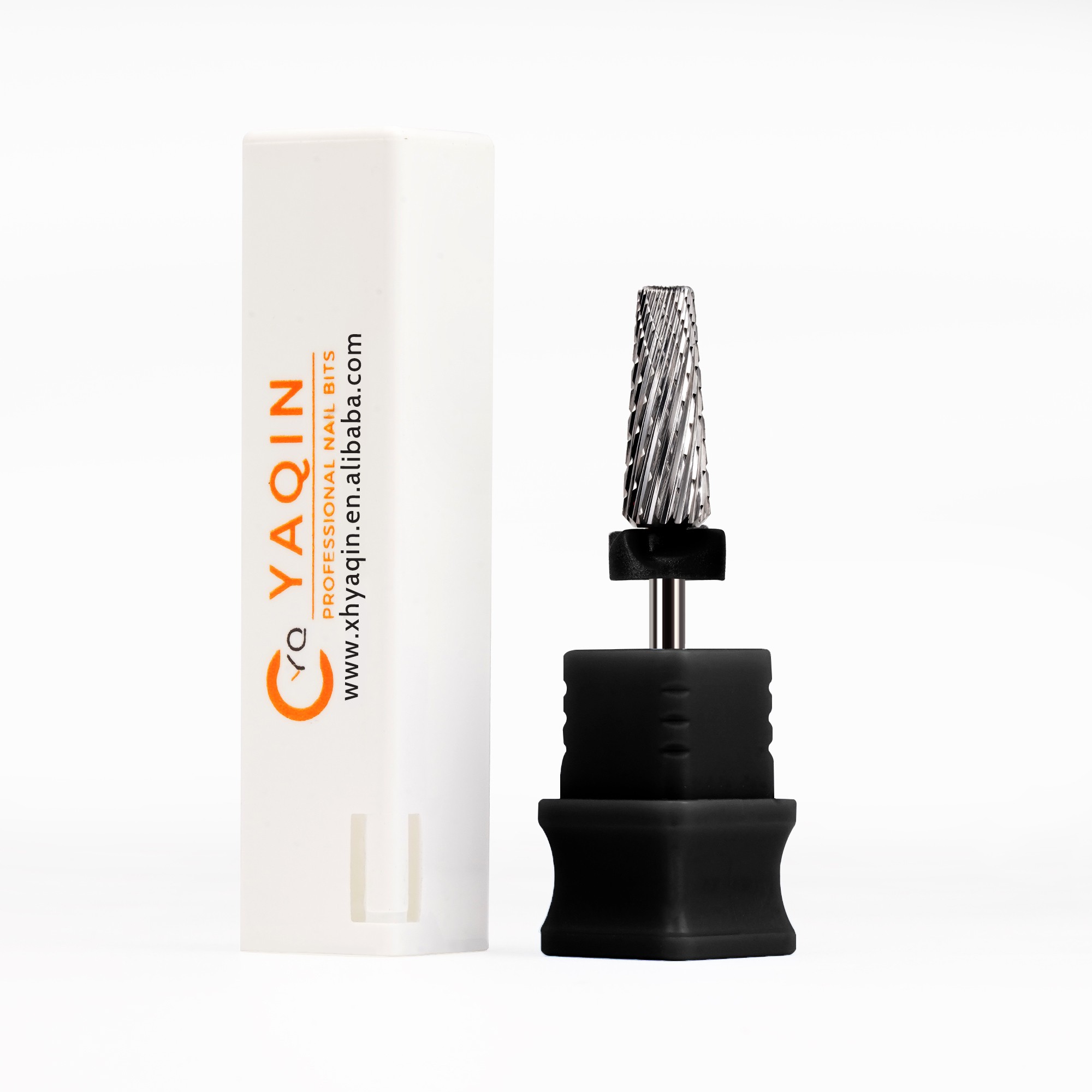
One example is New Slant Tooth Tungsten Steel Nail Drill Bits Dead Skin Removal 5-in-1 Universal Grinding Nail Polish Head Tool Nail Drill Bits.
Its 5-in-1 universal format, smooth flat tip, and controlled dust ejection suit both detailed prep work and faster removal steps.
When used with a properly matched electric nail file for acrylic nails, that combination can improve safety, reduce splatter, and shorten service time.
What the industry is paying attention to now
Current demand is moving toward tools that are easier to standardize across markets and user levels.
That includes quieter handpieces, more universal bit systems, and abrasive materials that hold their cutting edge longer.
There is also stronger attention on safety details.
Smooth tip geometry, balanced rotation, and predictable dust control are no longer secondary features.
They directly affect service cleanliness and operator comfort.
For exported nail care products, these points are tied to product acceptance in different regions.
A supplier with experience across 42 countries is more likely to understand how expectations vary between mature salon markets and value-driven retail channels.
Practical checks before choosing an electric file
A smart comparison usually goes beyond the product page.
It helps to review the machine as part of a working system.
- Check whether torque stays stable when removing thicker acrylic, not only when free spinning.
- Look for a usable speed range, especially low-speed control for finishing and edge work.
- Confirm universal bit compatibility and secure locking performance.
- Compare vibration, heat buildup, and handpiece balance during longer sessions.
- Review abrasive bit materials for sharpness retention and breakage resistance.
- Ask about QC, batch consistency, packing standards, and OEM/ODM support if sourcing at scale.
These checks help explain why one electric nail file for acrylic nails performs better in real use, even when two models look similar on paper.
They also make it easier to compare accessories that support nail preparation, dead skin removal, gel reduction, and callus-related grinding tasks.
A better way to evaluate long-term value
The best electric nail file for acrylic nails should make daily work more consistent, not just faster on day one.
That means looking at motor response, bit performance, surface finish, safety margin, and supplier reliability as one package.
In practice, strong results usually come from balanced combinations.
A capable file paired with durable carbide or tungsten steel bits will often outperform a higher-speed machine with poor accessory matching.
For the next step, it makes sense to compare actual workloads, preferred bit types, and maintenance expectations before narrowing options.
That approach leads to a more reliable electric nail file for acrylic nails decision, whether the goal is cleaner salon work, better DIY control, or steadier product sourcing.
News List
- Is It Better to Source All Nail Drill Bits From One Factory?Aug 24, 2026
- How to Spot Fake Diamond Coating on Nail Drill BitsAug 24, 2026
- Are Silicone Nail Drill Bits Reusable After Sterilization?Aug 24, 2026
- Essential tools for manicures that make beginner work more consistentAug 24, 2026
- Which must-have items for nail technicians improve service speed mostAug 24, 2026
- How gel removal bits affect speed and heat during soak-off removalAug 24, 2026
Best-Selling Products
 Cross Cut Safety Stainless Steel Tungsten Carbide Nail Drill Bits Salon Foot Use XF-C Grit for Removing Nails
 First-rate Quality Tungsten Carbide Nail Drill Bits Best Coating Manicure Remove Gel Nails Accessories
 Professional Advanced Safety Cuticle Bits Two-Way Rotate 3/32'' Carbide Tungsten 5 in 1 Nail Drill Bits
 Wholesale 5 in 1 Electric Manicure Nail Drill Bits Various Coating Cone Cuticle Bit with Rotary Cross Cut for Nail Art
 New Slant Tooth Tungsten Steel Nail Drill Bits Dead Skin Removal 5-in-1 Universal Grinding Nail Polish Head Tool Nail Drill Bits
 4.0mm Small 5 in 1 Integrated Sharpe Tungsten Nail Drill Bit Straight Teeth Gel Polish Removal
 Flame Sharp XF F M C XC Silver Safety Professional Corn Tungsten Carbide Nail Bit for Drill Machine Accessories
 Factory Direct 5 in 1 Tungsten Carbide Nail Drill Bits 6.8MM Cross Cut Safety Manicure 5 in 1 Nail Drill Bits
Please give us a message