
What product upgrades buyers expect from an electric nail file manufacturer
What product upgrades buyers expect from an electric nail file manufacturer
In the nail tools business, buyer expectations have changed quietly but decisively. A few years ago, many importers, private-label brands, and salon supply distributors evaluated an electric nail file Manufacturer mainly on quotation, lead time, and whether the product looked close enough to the sample. That approach is no longer sufficient. Today’s market is more mature, more competitive, and far less forgiving when product performance fails in real use.
For business decision-makers, the question is no longer simply, “Can this supplier make electric nail files?” It has become, “What upgrades can this manufacturer deliver that will strengthen our brand, reduce complaints, support safer use, and keep supply stable over time?” That shift matters. When buyers source from an electric nail file Manufacturer, they are not only purchasing a device or accessory. They are investing in user experience, product reliability, after-sales reputation, and operational efficiency.
The strongest market trend is clear: buyers increasingly expect meaningful product upgrades, not cosmetic changes. These upgrades usually fall into a few practical areas—motor stability, abrasive performance, safety design, hygiene control, compatibility, OEM/ODM flexibility, and quality assurance. The suppliers that understand this are more likely to become long-term manufacturing partners instead of interchangeable vendors.
Performance upgrades are now tied directly to brand value
Professional buyers know that end users do not judge a nail tool by factory specifications alone. They judge it by feel: whether the machine runs smoothly, whether vibration stays under control, whether the bit removes product cleanly, and whether the session is faster without becoming more aggressive. In other words, performance is now a brand issue.
That is why many buyers want an electric nail file Manufacturer to improve not just the handpiece itself, but also the full working system around it. A powerful machine paired with inconsistent bits creates a poor result. A visually attractive product with unstable rotation can trigger returns. Upgrades therefore need to address precision, compatibility, and consistency in actual salon conditions.
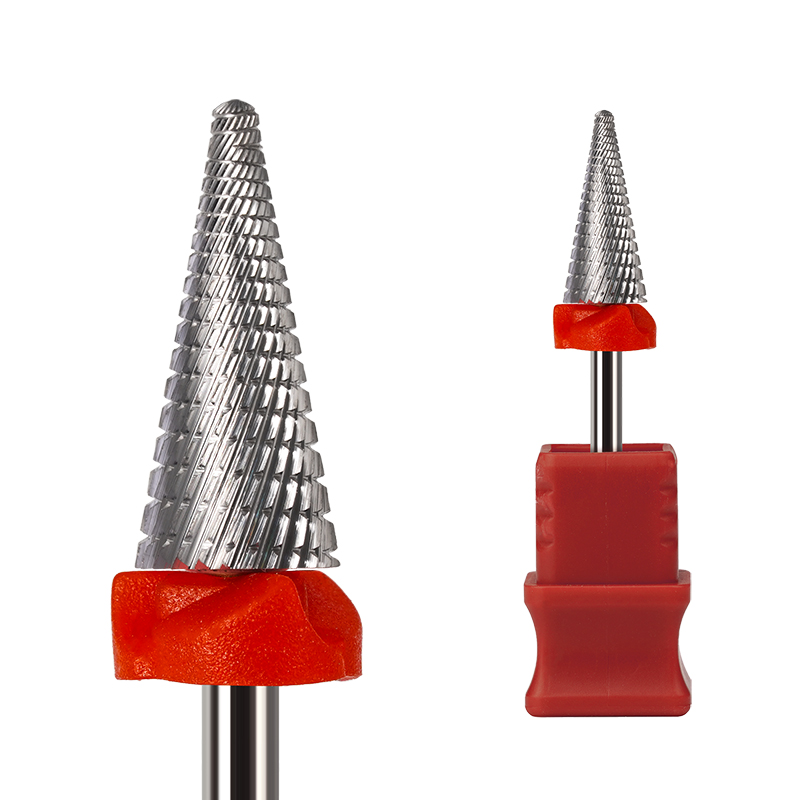
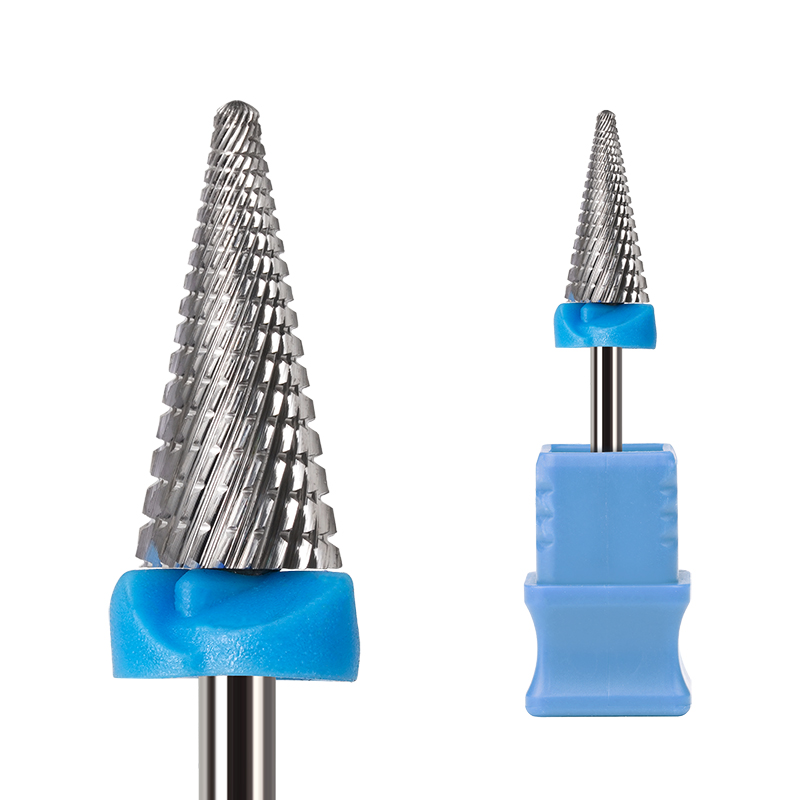
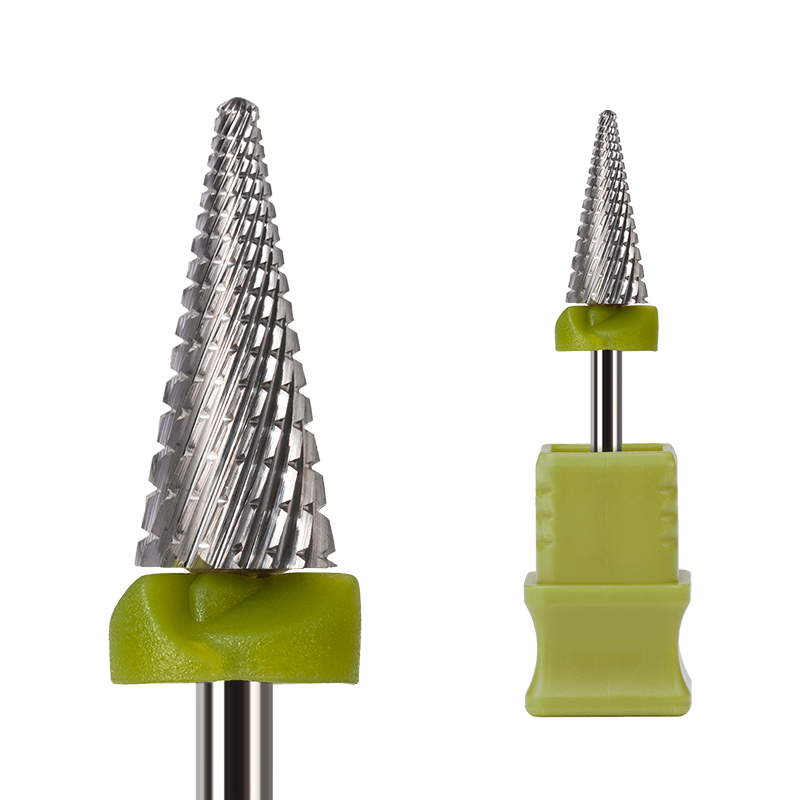
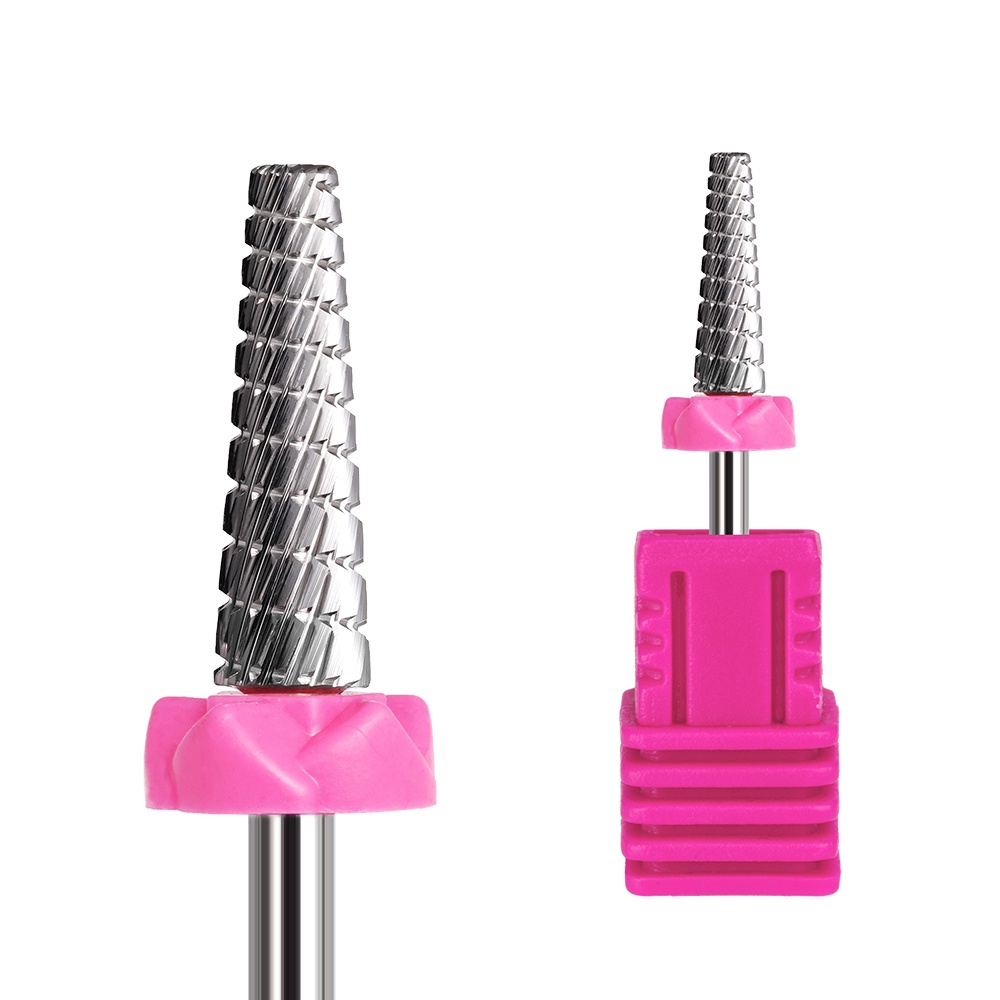
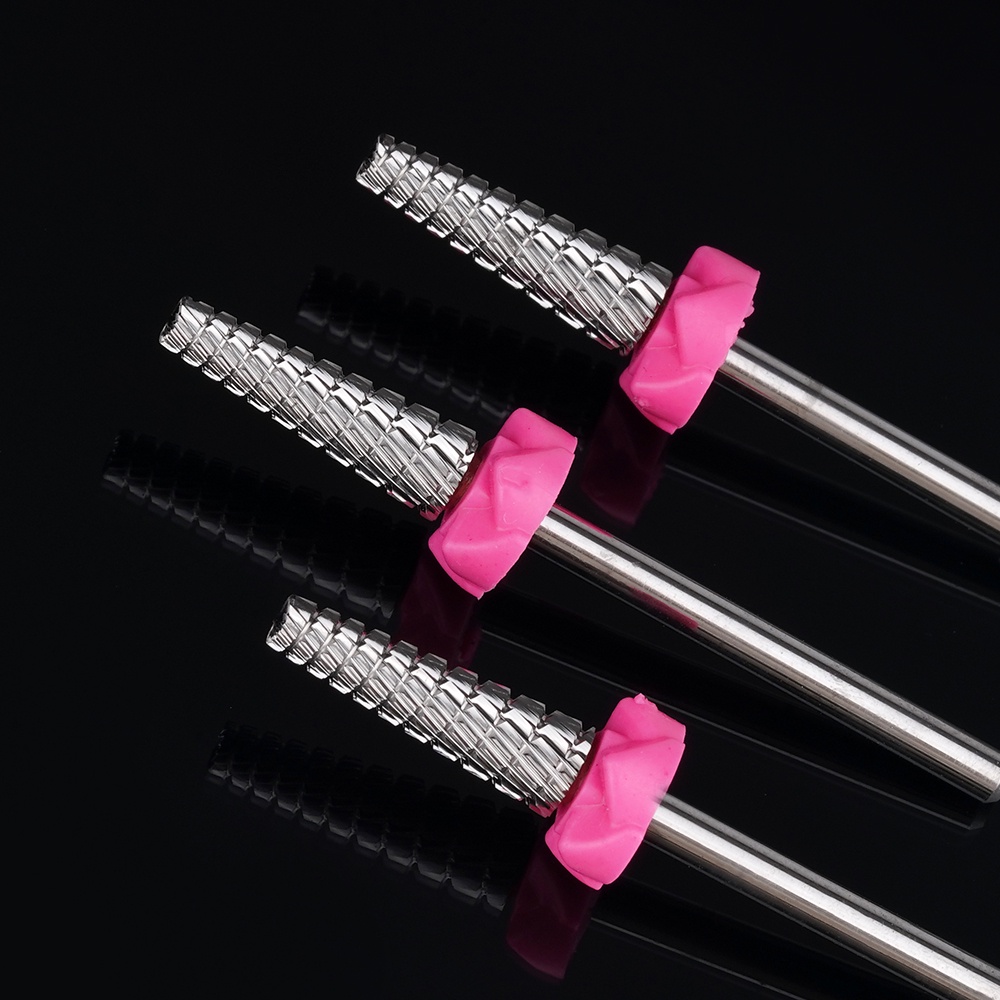
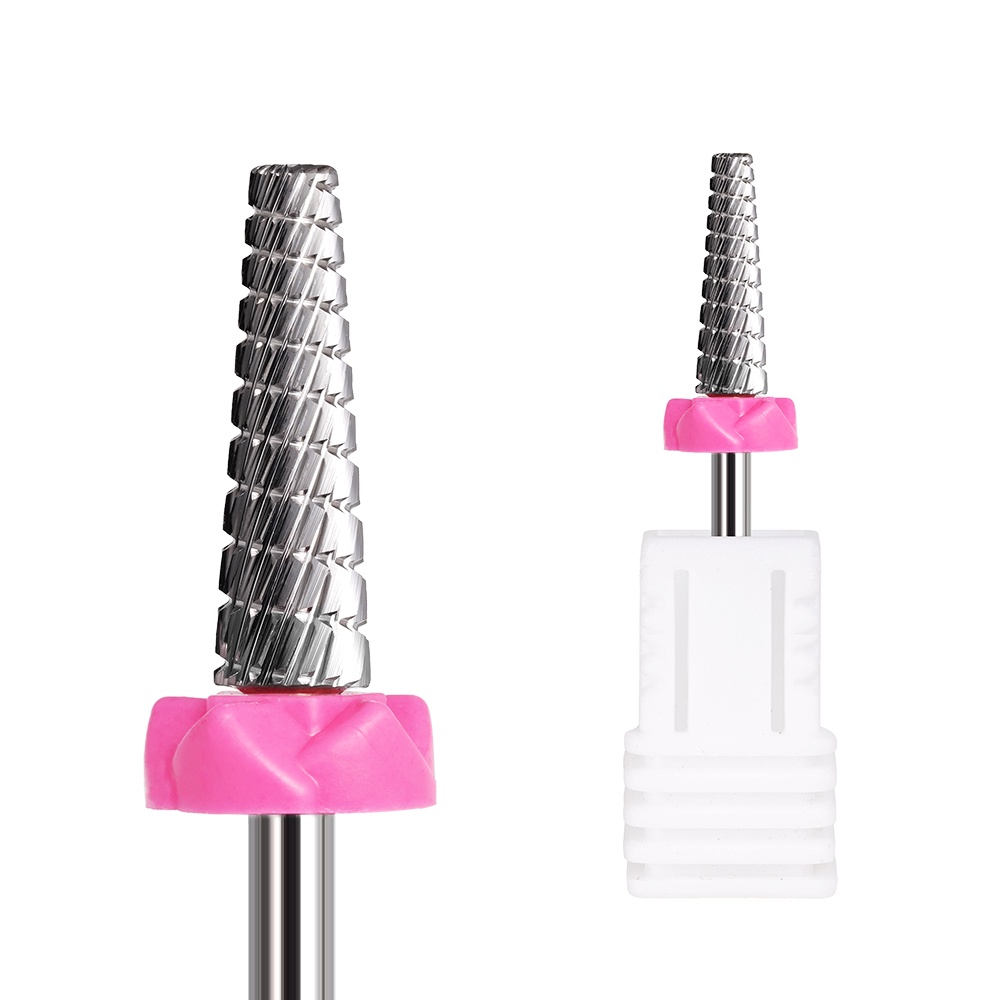
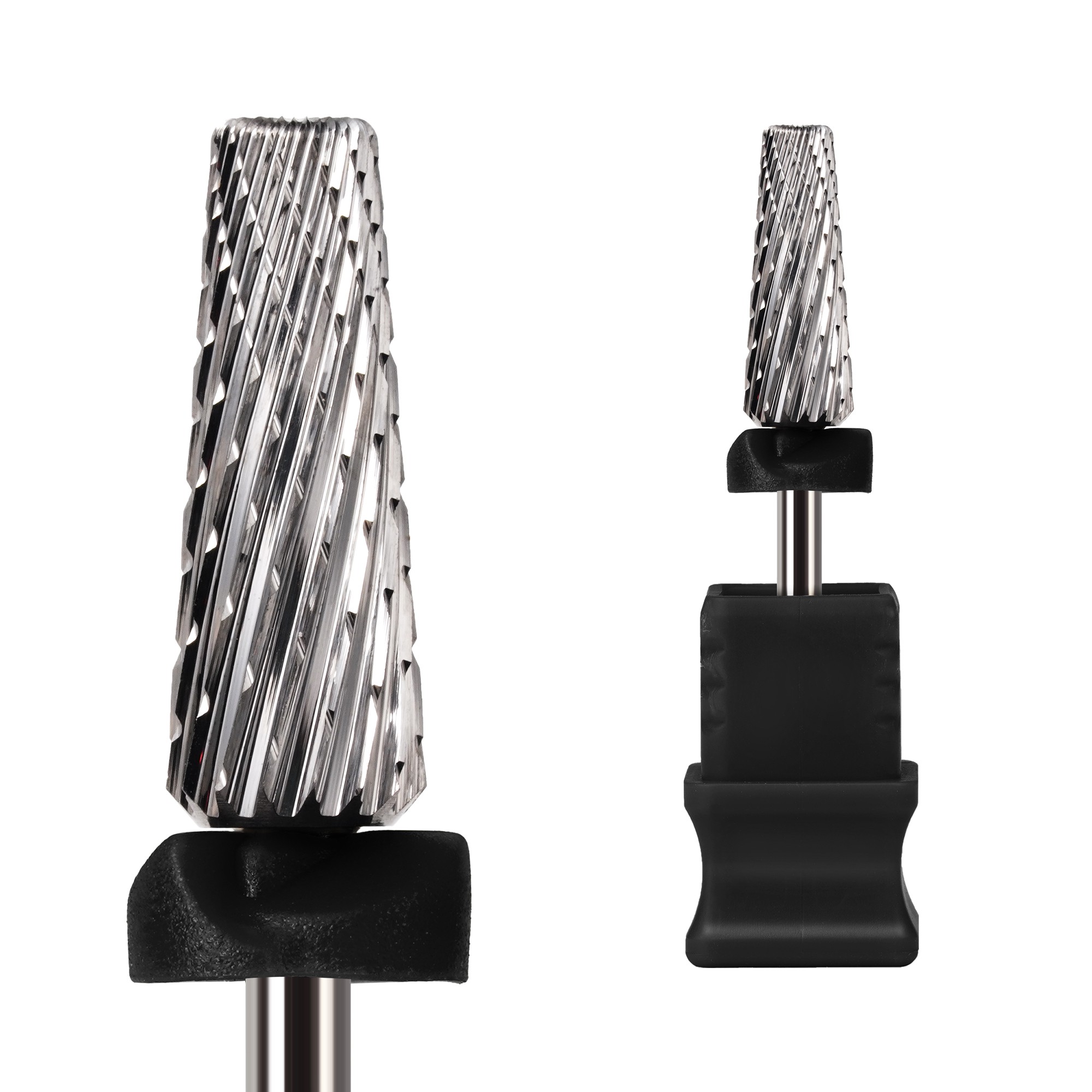
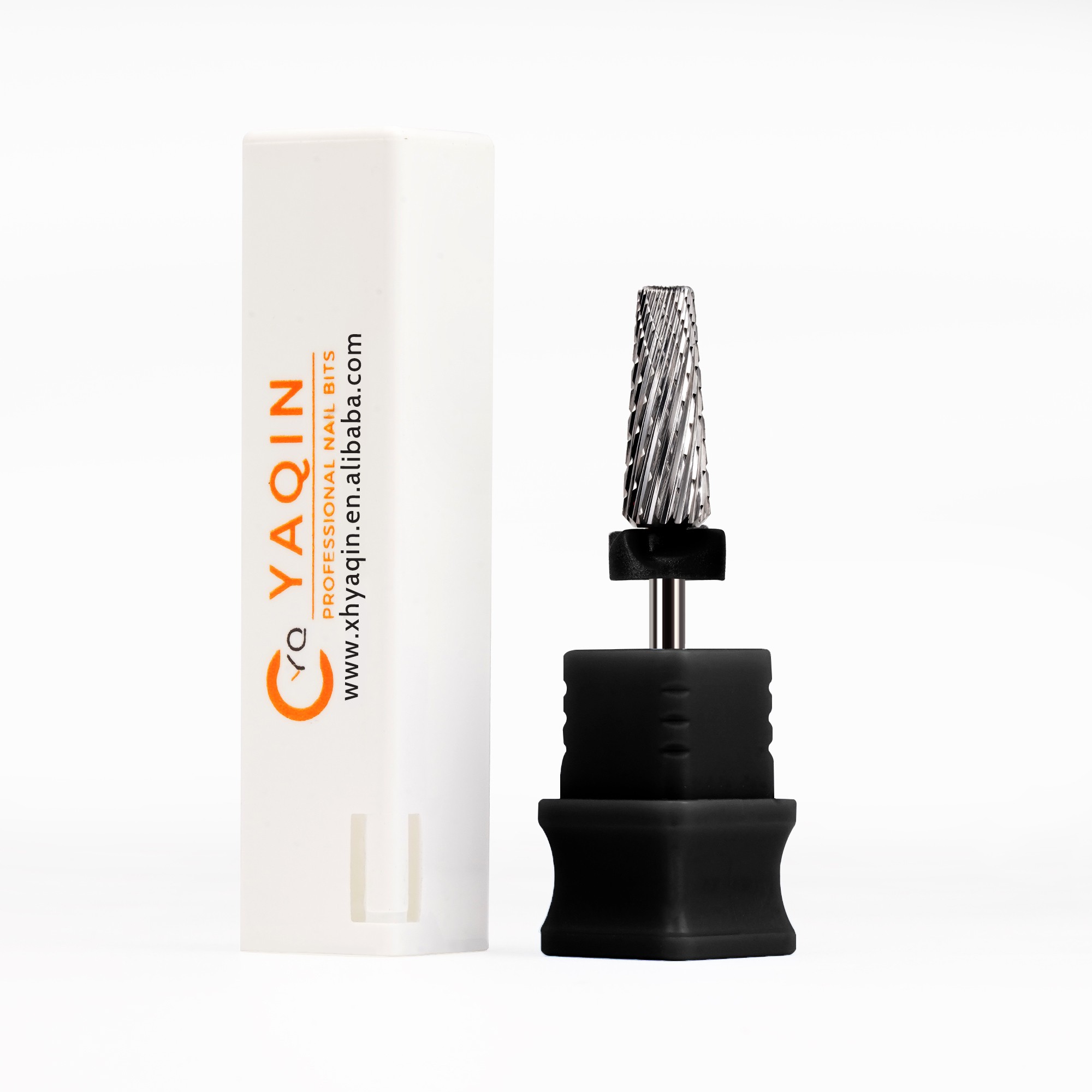
One area receiving more attention is abrasive tool quality. Buyers increasingly ask for bits that maintain sharpness longer, remove gel efficiently, and reduce unnecessary heat or pressure. For example, a well-designed tungsten carbide bit can have a direct impact on service speed and safety perception. Products such as 4.0mm Small 5 in 1 Integrated Sharpe Tungsten Nail Drill Bit Straight Teeth Gel Polish Removal reflect the kind of upgrade many distributors and private-label buyers now look for: durable material, controlled cutting action, consistent dust ejection, and a shape that supports both efficiency and skin protection.
These are not small details in B2B purchasing. They influence whether a salon technician will reorder, whether a retailer receives fewer complaints, and whether a brand can credibly position its tools as dependable rather than disposable.
Safety is no longer an added feature—it is a core purchasing standard
Safety expectations have moved well beyond the basic idea of “works as intended.” Buyers now evaluate how a manufacturer reduces risk during normal use, especially as the customer base includes both professional nail technicians and less experienced users. This is particularly important in export markets where buyers must think about compliance, reputation, and user trust at the same time.
A modern electric nail file Manufacturer is often expected to improve safety through design choices that users may not consciously notice but strongly feel during operation. Lower vibration, balanced rotation, stable speed control, and better heat management all help reduce accidental over-filing. The same applies to the structure of drill bits: smoother transitions, more controlled teeth patterns, and designs that minimize sudden grabbing are preferred over overly aggressive cutting profiles.
Buyers are also paying closer attention to how a product behaves under repeated use. Does the bit stay sharp enough to work cleanly, or does dullness lead operators to apply too much force? Does the abrasive component resist breakage? Does the design help protect natural nails and surrounding skin? These questions shape sourcing decisions because they affect training, customer satisfaction, and long-term product liability exposure.
In this environment, a factory’s understanding of safe-use design becomes part of its competitiveness. Manufacturers that can explain not only what a product does, but how its design reduces user error, tend to earn stronger confidence from serious buyers.
Durability has become an operational concern, not just a technical one
Durability may sound like a standard product claim, but for B2B buyers it has a deeper meaning. A durable electric nail file system helps stabilize inventory planning, reduces replacement frequency, and lowers the hidden costs of returns or quality disputes. In practical terms, durability protects margin.
Buyers increasingly expect longer service life from both machines and accessories. They want motors that perform consistently over time, housings that can handle heavy handling, and components that resist wear in salon environments where tools are used daily. They also want drill bits and abrasive products that do not lose effectiveness after limited use.
This is where material choice matters. High-hardness tungsten steel or tungsten carbide solutions are attractive because they support exceptional durability while maintaining functional sharpness. But buyers are also more informed now; they do not just want to hear the material name. They want to know whether the design has been precision-engineered for smooth operation, controlled dust flow, and a balanced grinding surface.
A supplier that can connect material selection with real-use outcomes is far more persuasive than one relying on broad claims. That is especially true when decision-makers compare multiple manufacturers offering similar-looking products.
Customization has moved from “nice to have” to expected capability
Private labeling in the nail tool sector is no longer limited to logos and packaging colors. Buyers increasingly expect an electric nail file Manufacturer to support deeper OEM/ODM cooperation. This includes product appearance adjustments, accessory combinations, bit configurations, packaging formats, instruction customization, and even market-specific positioning.
Why is this so important now? Because many brands are trying to avoid direct price competition. If every product looks and performs the same, the only easy comparison point becomes cost. Customization allows buyers to build clearer differentiation—whether they target salons, training academies, beauty chains, e-commerce customers, or regional distributors.
At the same time, serious buyers want customization without chaos. They are not looking for endless factory improvisation. They want structured development support, clear communication, and the ability to turn market feedback into workable product changes. A manufacturer with real OEM/ODM experience is valuable here because it can translate buyer requests into practical production decisions rather than making vague promises.
For companies managing multiple SKUs, that flexibility can be the difference between a fast market response and a delayed launch that misses the sales window.
Quality control is becoming a stronger differentiator than low pricing
In global sourcing, one of the biggest buyer concerns is not whether a sample looks good. It is whether bulk production will match the sample consistently. This is where quality control stops being a background function and becomes a core part of supplier evaluation.
Decision-makers increasingly want visibility into how a factory controls raw material purchasing, monitors production, and checks packing before shipment. A complete and strict QC system is especially important for abrasive products and nail tools, where small inconsistencies can quickly become user complaints. Uneven teeth patterns, weak bonding, poor finishing, or inadequate packaging protection may seem minor in the factory, but they become expensive once products reach international markets.
Manufacturers that can present a disciplined quality process create more confidence for importers and distributors. Wuxi Yaqin Trading Co., Ltd., for example, operates as a trading factory focused on producing and exporting high-quality abrasive products, with a QC system that covers raw material sourcing, production procedures, and packaging inspection. For buyers, this kind of process control matters because it supports repeatability, not just first-order performance.
Buyers also tend to value manufacturers that have experience serving diverse export markets. When a supplier already works with customers in countries such as the USA, Canada, Germany, the UK, Italy, Poland, and many others, it usually has a stronger understanding of communication standards, packaging expectations, and the practical demands of international delivery.
Hygiene and dust management are receiving more attention
Another upgrade trend is less flashy but increasingly relevant: cleaner operation. Nail technicians and distributors alike are more aware of dust, splatter, and cleanup efficiency than before. This has pushed buyers to examine how drill bits and machine systems manage debris during filing and removal.
Products designed with a consistent dust ejection direction are gaining interest because they help reduce mess and improve working comfort. This may sound like a small upgrade, but in real salon use, cleaner operation contributes to a more controlled workspace and a better end-user impression. It also supports hygiene positioning, which many brands now use as part of their market story.
Accessories that are dust-proof and waterproof in practical use contexts can further strengthen appeal, especially when buyers are assembling product lines for professionals who expect tools to stand up to frequent cleaning and repeated sessions.
Compatibility and system thinking are shaping purchasing decisions
B2B buyers are becoming less interested in isolated products and more interested in complete systems. They want electric nail files, bits, sanding accessories, and related consumables to work together smoothly. This reflects a larger purchasing trend: reducing friction across the full product experience.
For that reason, an electric nail file Manufacturer is often judged by the ecosystem it can support. Can the machine handle different bit applications effectively? Are accessories compatible with common usage scenarios such as hard gel removal, soft gel removal, cuticle work, or surface refinement? Does the supplier understand how professionals actually switch between functions during service?
A multi-function bit design can be especially attractive in this context. Buyers appreciate accessories that combine efficiency with control, allowing users to remove hard gels, base coats, soft gels, nail tips, and even callused areas without relying on too many separate tools. The appeal is not only convenience. It is also about reducing inventory complexity while improving workflow.
That is one reason why buyers increasingly notice products engineered for faster, safer nail removal and precision grinding, especially when they also help protect natural nails and reduce excessive dust buildup. A product with those characteristics does more than perform a task—it fits a broader market demand for smarter, cleaner, and more versatile tools.
Reliable supply partnerships matter more in a volatile market
Even the best product upgrade loses value if supply is unstable. Over the past few years, buyers have become more cautious about manufacturing resilience. They want partners who can support production continuity, clear order handling, and dependable delivery coordination. In this respect, the ideal supplier is not just a producer but an organized operational partner.
Factories that offer one-stop service from production to delivery have an advantage because they reduce communication gaps and make execution easier for overseas buyers. This matters even more for companies managing multiple brands or regional distribution channels, where delays can create cascading problems across inventory, launch timing, and customer commitments.
Experience in OEM/ODM service also supports this reliability. When a manufacturer has handled custom projects repeatedly, it is generally better equipped to manage specification changes, packaging adjustments, and production alignment without turning every request into a sourcing risk.
What decision-makers should ask before choosing a manufacturer
When evaluating suppliers, buyers should look beyond catalog breadth and unit pricing. A more useful approach is to ask targeted questions that reveal whether a manufacturer is aligned with current market expectations.
Ask how the supplier improves user safety in both machine and bit design. Ask what materials are used and why. Ask how abrasive sharpness, durability, and consistency are verified. Ask whether the factory can support customization beyond surface branding. Ask how QC is managed from raw materials to final packing. Ask what export experience the supplier has and how it handles communication across long-distance projects.
It is also worth asking which upgrades are based on real market feedback rather than internal assumptions. The most valuable manufacturing partners are often the ones that understand how nail professionals work, how distributors sell, and how brand owners differentiate themselves in crowded channels.
The market is rewarding practical innovation
The direction of the industry is not difficult to read. Buyers are not chasing novelty for its own sake. They are rewarding practical innovation—upgrades that improve performance, reduce risk, make products easier to sell, and strengthen supply confidence.
For any business sourcing from an electric nail file Manufacturer, this is the real takeaway: meaningful product upgrades are no longer optional extras reserved for premium lines. They are becoming part of the baseline expectation in serious B2B purchasing. Manufacturers that combine durable materials, thoughtful design, strict quality control, and flexible OEM/ODM support will stand out more clearly than those competing on price alone.
In a category where brand trust can be built or damaged through everyday use, the right manufacturing partner is the one that understands that every upgrade—whether in motor stability, abrasive precision, safety, or delivery discipline—has a direct commercial consequence. That is what buyers are really looking for now: not just a supplier, but a partner capable of helping them grow with fewer compromises.
News List
- What Shipping Options Are Available for Bulk Nail Drill Bit Orders?Aug 24, 2026
- What product upgrades buyers expect from an electric nail file manufacturerAug 21, 2026
- YAQIN to Exhibit at Vietbeauty x Cosmobeauté Vietnam 2026 – Meet Us at Booth AH23Jul 21, 2026
- YAQIN at Cosmoprof North America Las Vegas 2026 | Professional Nail Tools ManufacturerJul 07, 2026
- YAQIN at CBE Shanghai 2026: Elevating Professional Nail StandardsMay 11, 2026
Best-Selling Products
 Cross Cut Safety Stainless Steel Tungsten Carbide Nail Drill Bits Salon Foot Use XF-C Grit for Removing Nails
 First-rate Quality Tungsten Carbide Nail Drill Bits Best Coating Manicure Remove Gel Nails Accessories
 Professional Advanced Safety Cuticle Bits Two-Way Rotate 3/32'' Carbide Tungsten 5 in 1 Nail Drill Bits
 Wholesale 5 in 1 Electric Manicure Nail Drill Bits Various Coating Cone Cuticle Bit with Rotary Cross Cut for Nail Art
 New Slant Tooth Tungsten Steel Nail Drill Bits Dead Skin Removal 5-in-1 Universal Grinding Nail Polish Head Tool Nail Drill Bits
 4.0mm Small 5 in 1 Integrated Sharpe Tungsten Nail Drill Bit Straight Teeth Gel Polish Removal
 Flame Sharp XF F M C XC Silver Safety Professional Corn Tungsten Carbide Nail Bit for Drill Machine Accessories
 Factory Direct 5 in 1 Tungsten Carbide Nail Drill Bits 6.8MM Cross Cut Safety Manicure 5 in 1 Nail Drill Bits
Please give us a message