
All Kinds of Nail Burrs for Your Business
We customize and manufacture a wide range of products for brands or distributors in the beauty and health industry around the world.
Yaqin has launched beauty products such as nail bits, nail lamps, nail drills, sanding bands, nail files, and cuticle scissors for users with different needs.
CONTACT US TODAY
What A China Nail Drill Bit Supplier Really Provides
A China nail drill bit supplier is not simply a trading source for manicure accessories. In B2B terms, the supplier is part manufacturer, part process controller, and part product development partner. Buyers usually expect stable grit performance, reliable shaft dimensions, repeatable finishing quality, and packaging options that fit wholesale, salon, or retail channels.
Nail drill bits are precision consumables used for gel removal, cuticle cleaning, surface preparation, shaping, smoothing, and finishing. Because they contact natural nails, enhancement products, and surrounding skin zones, quality variation can directly affect service speed, operator comfort, and client satisfaction. That is why sourcing decisions should go beyond catalog photos.
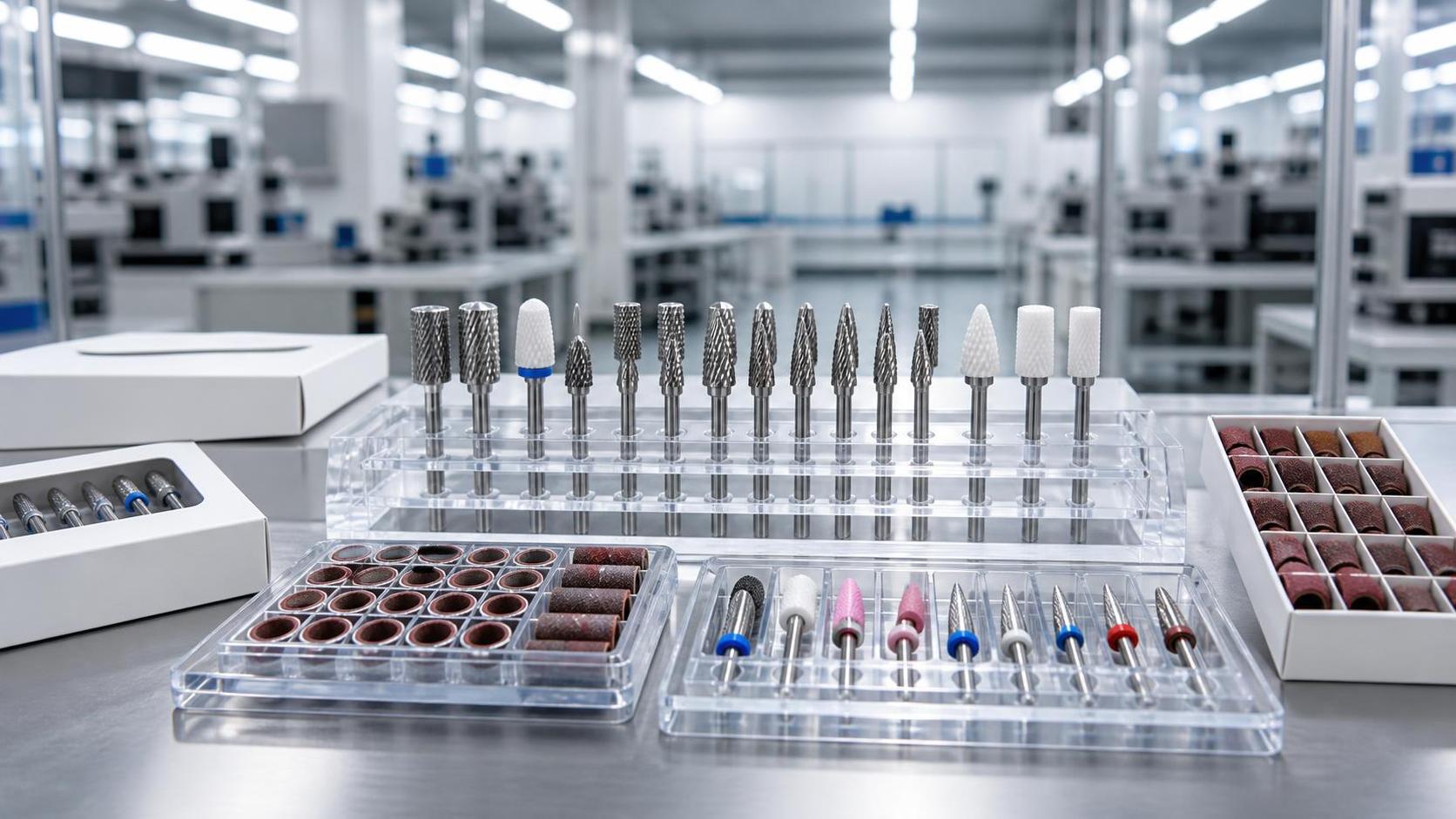
For importers and distributors, the best supplier profile usually combines product breadth with production discipline. Yaqin offers tungsten carbide nail drill bits, diamond nail bits, ceramic nail bits, sanding bands, sanding caps, and nail drill machines, which allows buyers to consolidate multiple salon-consumable categories under one supply chain.
This matters especially for private-label programs. When a supplier can coordinate bit geometry, grit coding, labeling, and packaging in one system, distributors reduce communication loss, shorten replenishment cycles, and improve consistency across product lines sold into professional salons and technician networks.
How Materials And Grit Affect Real Performance
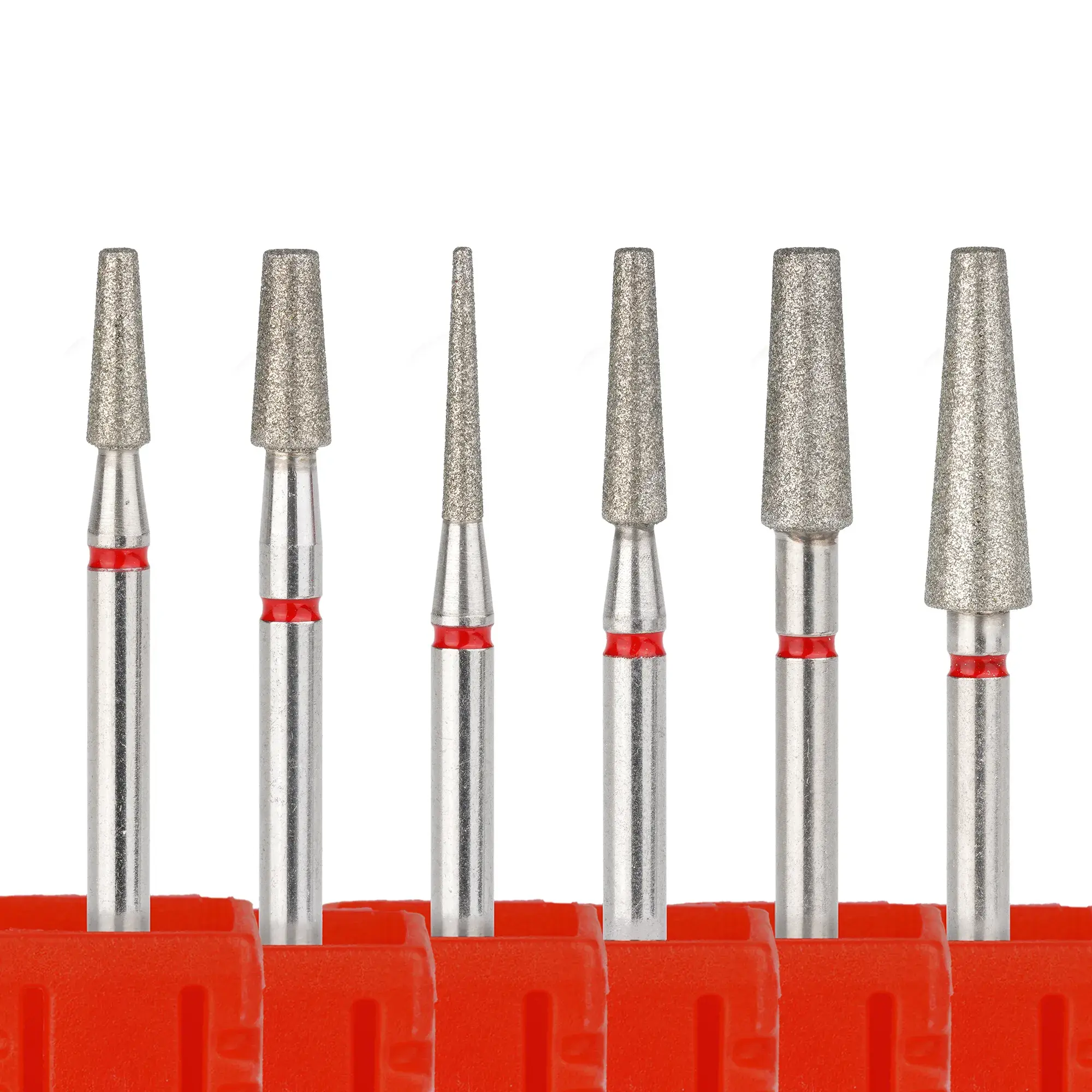
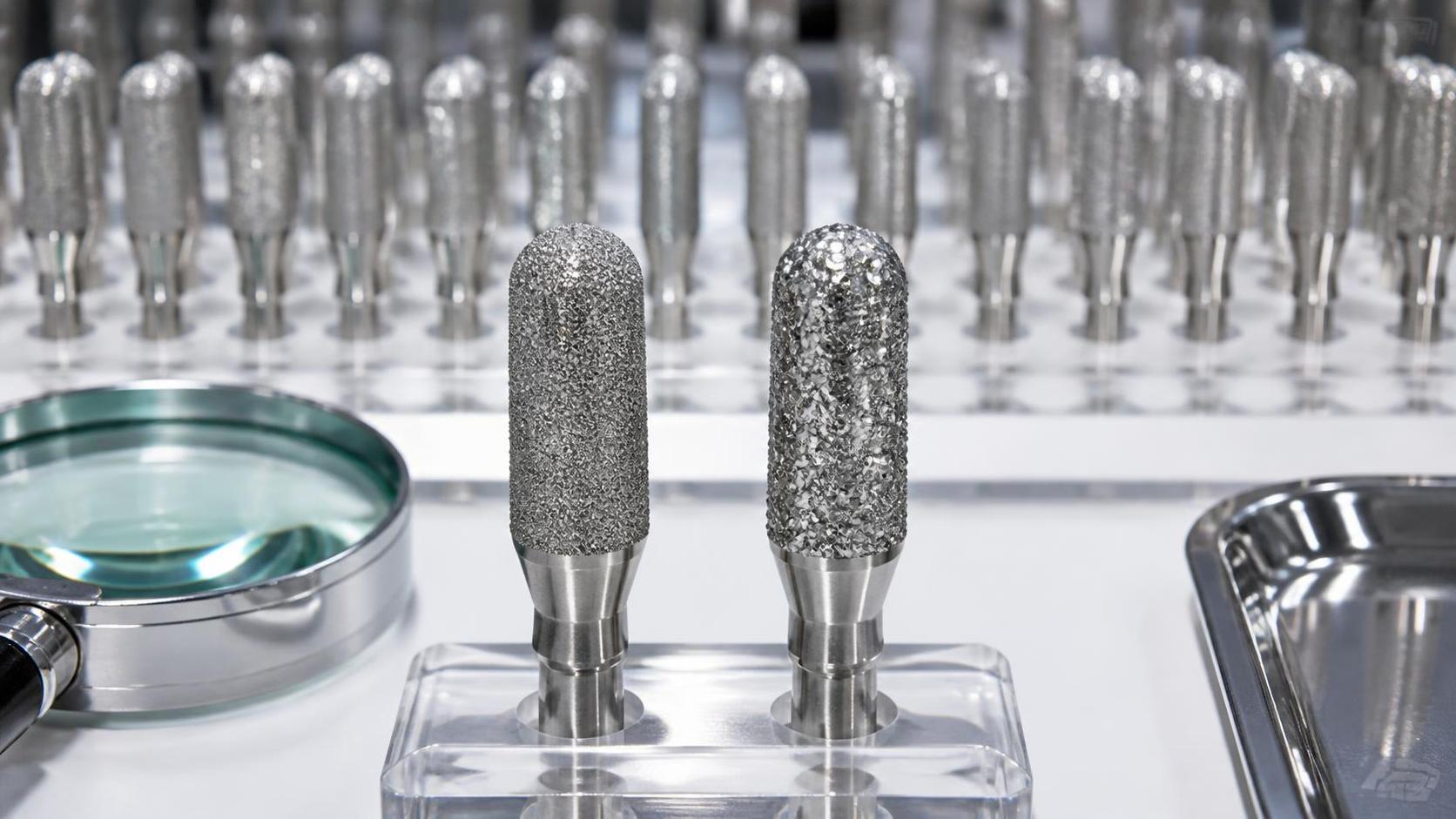
The technical core of a nail drill bit lies in its substrate material, abrasive structure, and surface geometry. Tungsten carbide bits cut by flute design and edge sharpness, making them suitable for fast product removal and shaping. Diamond bits rely on abrasive particles fixed to the working area, which makes them useful for cuticle work, pre-treatment, and controlled surface refinement.
Ceramic bits are often selected when technicians want lower heat sensation, lighter handling, and smooth chip removal during gel or acrylic work. Sanding bands and caps serve a different role: they are replaceable abrasive tools for shaping, refining, and hygiene-sensitive workflows where easy changeover is important.
Grit selection is equally important. Extra fine and fine grits are generally used for delicate preparation, smoothing, or finishing. Medium grits balance removal rate and control. Coarse and extra coarse grits are more appropriate for bulk product removal, especially in high-volume salon environments. If grit is inconsistent from batch to batch, technician pressure and working time both increase.
A capable China nail drill bit supplier should therefore define grit clearly and match it to shape, use case, and material. Yaqin’s range covers common shapes such as barrel, cone, and needle, with grit options including XF, F, M, C, and XC, helping buyers build a more usable and better-segmented product matrix.
Main Product Types And Their Best Use Cases
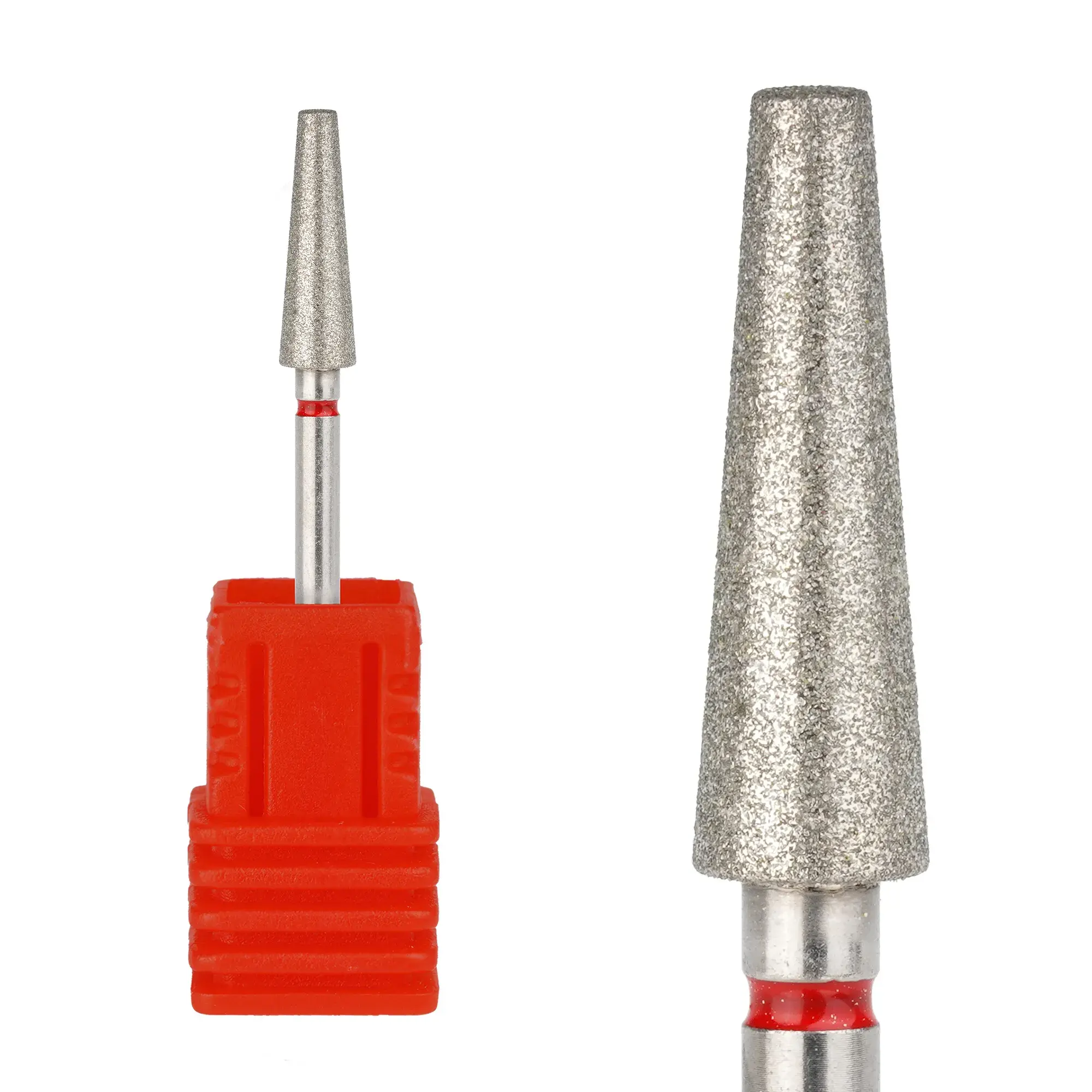
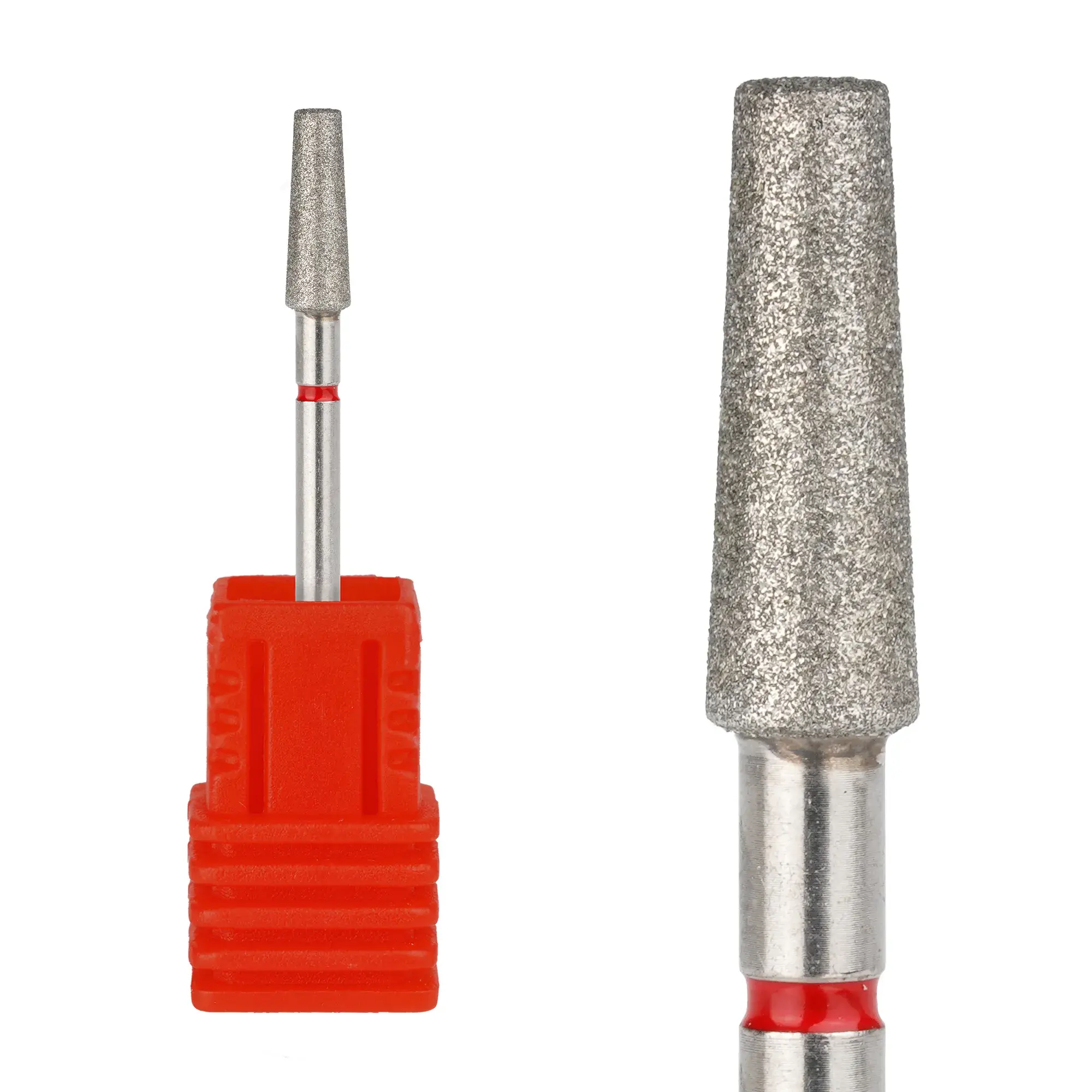
The most common classification method is by material and head shape. Barrel bits are widely used for surface work and bulk removal on gel or acrylic overlays. Cone and tapered bits improve access around sidewalls and under-nail zones. Needle and flame shapes are common in cuticle-area precision work, where visibility and control matter more than aggressive removal.
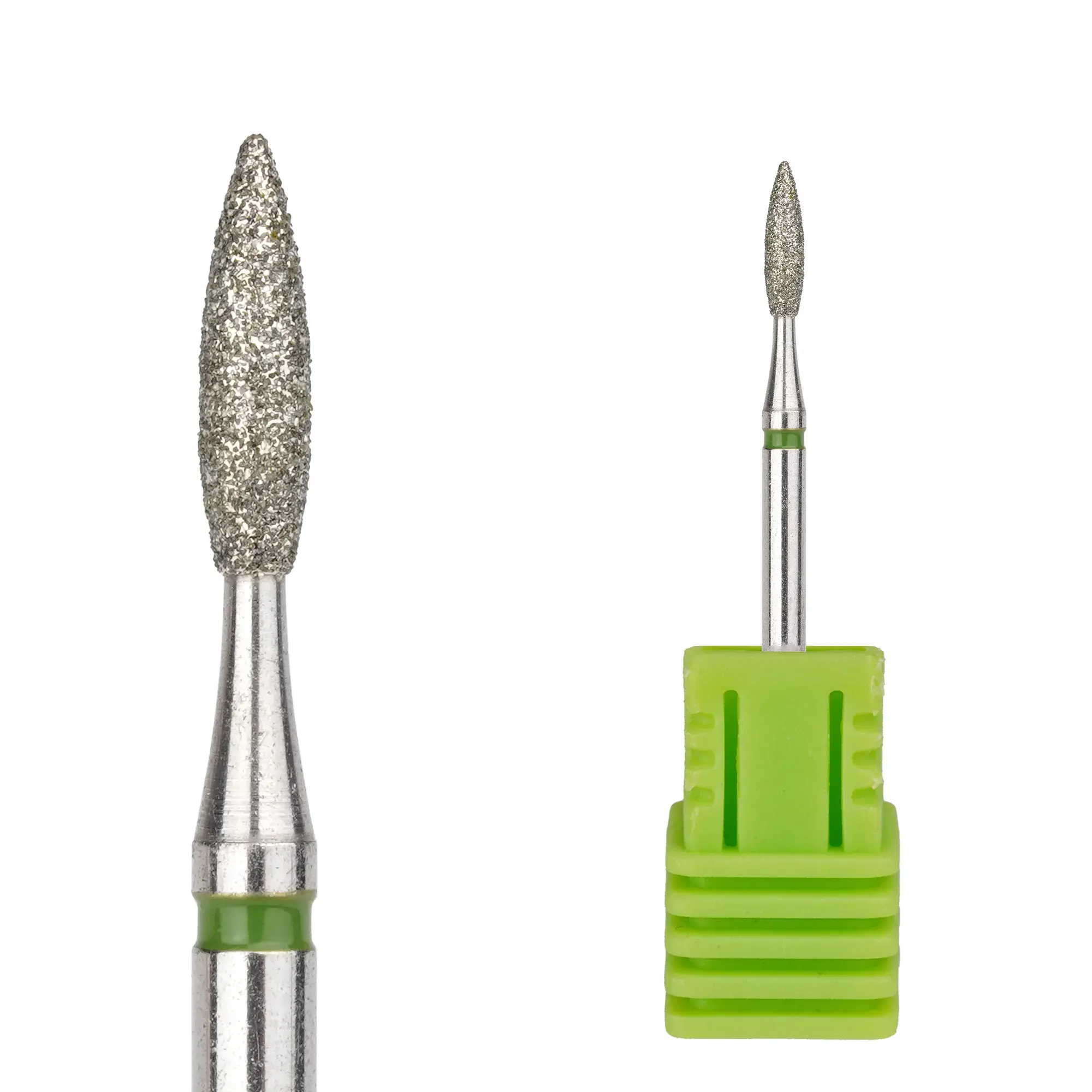
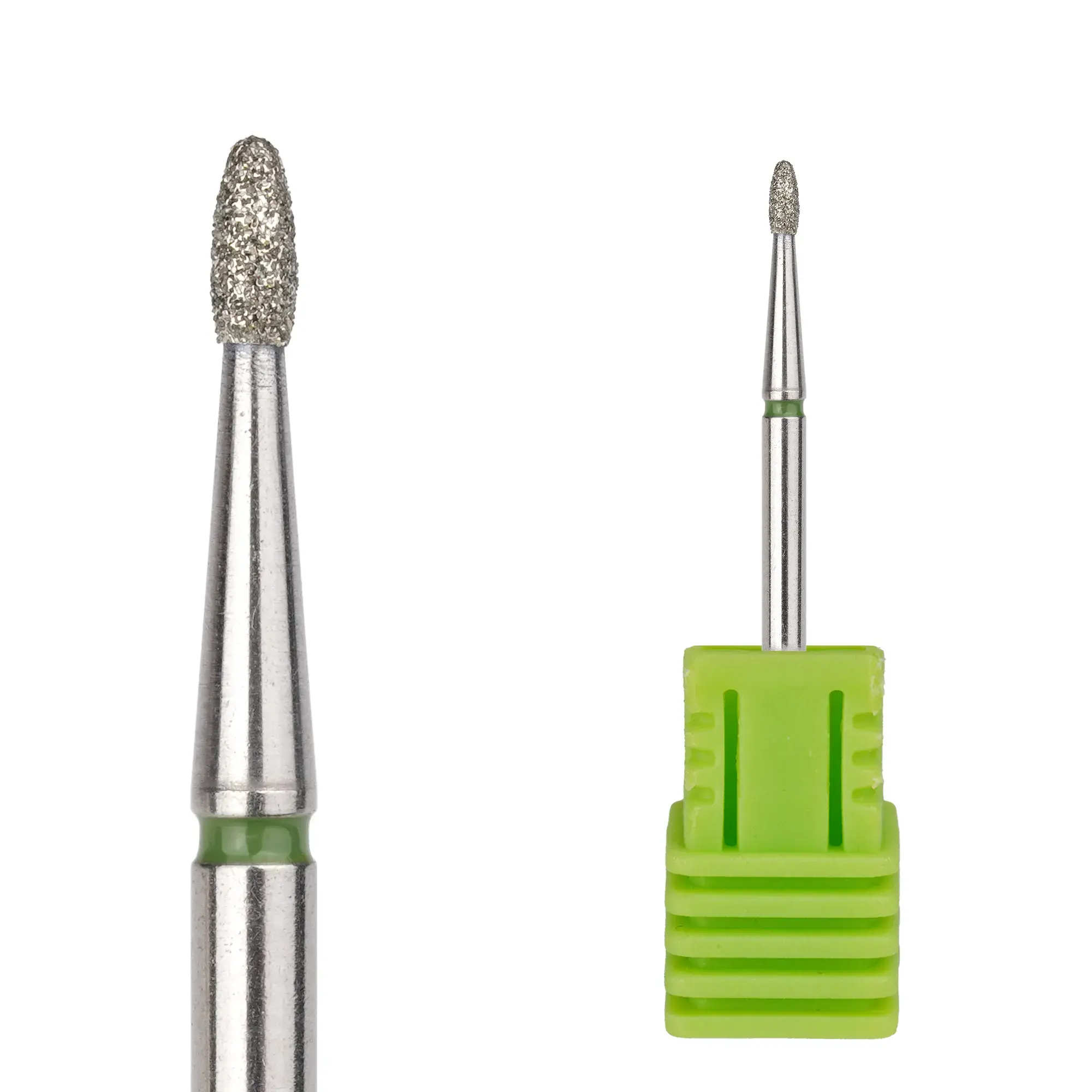
Diamond bits are frequently chosen for prep and cuticle service. A reference example is a flame-shaped pre-processing diamond bit in a 2×8 mm format, typically used for cleaning dead skin, refining the cuticle area, and preparing the nail plate before subsequent steps. Such tools are valued when salons perform frequent dry manicure services.
Tungsten carbide bits are more production-oriented in use. They are common in salons that need fast removal of builder gel, hard gel, or acrylic material with efficient chip evacuation. Ceramic bits often fill the middle ground for buyers who want smoother running and reduced heat build-up while maintaining practical removal efficiency.
A broad portfolio also helps cross-selling. Buyers sourcing from a China nail drill bit supplier often benefit when the same factory can supply matching sanding bands, sanding caps, and nail drill machines. This supports bundled programs for salon chains, education kits, or distributor starter assortments with cleaner SKU planning.
Who Buys These Products And Why Supplier Choice Matters
Typical buyers include nail distributors, salon chains, beauty wholesalers, academy operators, private-label brand owners, and cross-border e-commerce sellers serving the professional manicure segment. Although their channels differ, they share the same procurement concerns: stable quality, clear specification control, safe packaging, predictable lead times, and low complaint rates.
Salon chains focus heavily on operational repeatability. A bit that performs differently between batches can disrupt technician habits, service timing, and inventory planning. Distributors, by contrast, often care more about assortment depth, reorder stability, and packaging formats that fit multiple customer tiers from independent technicians to medium-sized salons.
Private-label buyers need an additional layer of supplier capability. Besides manufacturing, they need support for labeling, color coding, custom boxes, and product differentiation without compromising function. This is where Yaqin’s OEM/ODM and private-label service becomes commercially relevant rather than cosmetic.
When evaluating a China nail drill bit supplier, buyers should ask whether the factory understands the end-user workflow. A supplier that knows how gel removal, cuticle care, prep, and finishing differ can recommend the right mix of carbide, diamond, ceramic, and abrasive accessories instead of pushing generic stock items.
How Manufacturing And Quality Control Influence Buying Risk
The manufacturing path behind a nail drill bit usually includes raw material selection, shaping or machining, abrasive application or flute processing, coating where applicable, shank finishing, cleaning, inspection, and packing. At each stage, small variations can change cutting efficiency, running stability, corrosion behavior, and product appearance.
For carbide bits, buyers should pay attention to flute uniformity, edge definition, and balance. For diamond bits, abrasive particle distribution and bonding quality are key. For ceramic bits, structural consistency and surface finish matter because cracks, poor tolerances, or uneven edges can shorten usable life and weaken user confidence.
Yaqin positions its offer around high-quality materials, broad type coverage, and a strict QC system. The company states use of tungsten carbide, diamond, and ceramic materials, plus inspection from raw material to packing. It also cites ISO9001:2000 certification, which gives buyers a familiar framework when reviewing internal process discipline.
From a risk-control perspective, this is important because many import problems begin before shipping. A dependable China nail drill bit supplier should be able to communicate inspection points, defect handling, packaging standards, and batch consistency measures. These details often have more long-term value than a small difference in quoted price.
Application Scenarios, Market Access, And Case-Based Insights
Different markets use nail drill bits in different service patterns. In high-frequency professional salons, dry manicure and fast enhancement removal place heavy demands on durability and heat control. In retail-oriented channels, appearance, packaging clarity, and beginner-friendly assortment design often matter more than maximum removal speed.
Yaqin’s case references show how product selection changes by region and business model. Professional salon chains in the United States and Russia have sourced 5-in-1 tungsten steel grinding heads and diamond pre-treatment heads for gel removal, cuticle cleaning, and shaping in repeated service environments. This points to demand for durable and workflow-specific tools.
In Germany, the UK, and Italy, distributors have sourced sanding rings, ceramic grinding heads, and nail machine sets for local salon networks and independent technicians, together with customized packaging and branding. That combination suggests a market preference for flexible assortments that can serve both wholesale distribution and differentiated shelf presentation.
A further example comes from Dominican Republic customer ORIENTAL NAILS & BEAUTY, which sourced rainbow-coated diamond grinding heads, nail lamps, and related products for retail and salon use. For buyers comparing a China nail drill bit supplier, such cases indicate the practical value of sourcing from a partner that can support both core tools and adjacent product categories.
How To Choose The Right Supplier And Product Mix
Selection starts with end use, not with the catalog page. Buyers should first define whether the primary demand is gel removal, acrylic reduction, cuticle cleaning, nail plate preparation, shaping, smoothing, or polishing. From there, they can match material, shape, grit, and coating to technician habits and customer expectations.
The second step is specification control. Confirm shank size, working head dimensions, grit coding, coating finish, sterilization expectations, and packaging format. If the order will be sold under a private label, verify artwork process, carton marking, barcode rules, and how the supplier separates SKUs to prevent mix-ups during packing.
The third step is sampling and validation. A serious China nail drill bit supplier should support comparative sampling across shapes and grit levels so buyers can test removal speed, vibration, heat perception, and wear rate. For professional channels, field feedback from technicians is often more revealing than lab-style description sheets alone.
The fourth step is supply continuity. Yaqin emphasizes factory-direct pricing, stable supply, and customization support. For importers, this can be useful when building annual programs, distributor exclusives, or mixed-container procurement plans that combine drill bits, sanding accessories, and machine-related items under one sourcing relationship.
Cost Structure, TCO, And Future Industry Direction
The true cost of nail drill bits is not limited to the invoice price. Total cost of ownership includes tool lifespan, technician efficiency, replacement frequency, complaint handling, packaging losses, and the commercial cost of inconsistent performance. A cheaper bit that dulls quickly or causes service slowdowns may be more expensive over time.
For distributors, TCO also includes sampling cycles, inventory complexity, and after-sales friction. Working with a China nail drill bit supplier that offers a full range can reduce vendor fragmentation and simplify replenishment. For private-label brands, better packaging coordination and clearer quality control can also improve sell-through and reduce relabeling or repacking costs.
Looking ahead, the market is likely to favor more application-specific geometry, clearer grit segmentation, stronger private-label demand, and bundled sourcing of bits with abrasive accessories and machines. Buyers will also continue paying attention to durability, low-heat operation, and cleaner finish quality because salon productivity depends on all three.
For companies reviewing long-term sourcing options, the best next step is to shortlist suppliers that combine material knowledge, QC discipline, export experience, and customization capability. Yaqin’s export footprint across 42 countries, multi-material product range, and OEM/ODM support make it a practical candidate for buyers seeking a scalable China nail drill bit supplier rather than a single-item vendor.
 Is It Better to Source All Nail Drill Bits From One Factory?Is it better to source all nail bits from one factory? Discover the key benefits, risks, and buyer checklist to improve quality control, cut costs, and scale your nail brand with confidence.
 How to Remove Thick Gel Faster With Electric Drill Manicure BitsElectric drills removal manicure thick gel made easier: learn faster, safer ways to remove heavy gel with the right drill bits, better control, less heat, and smoother salon-quality results.
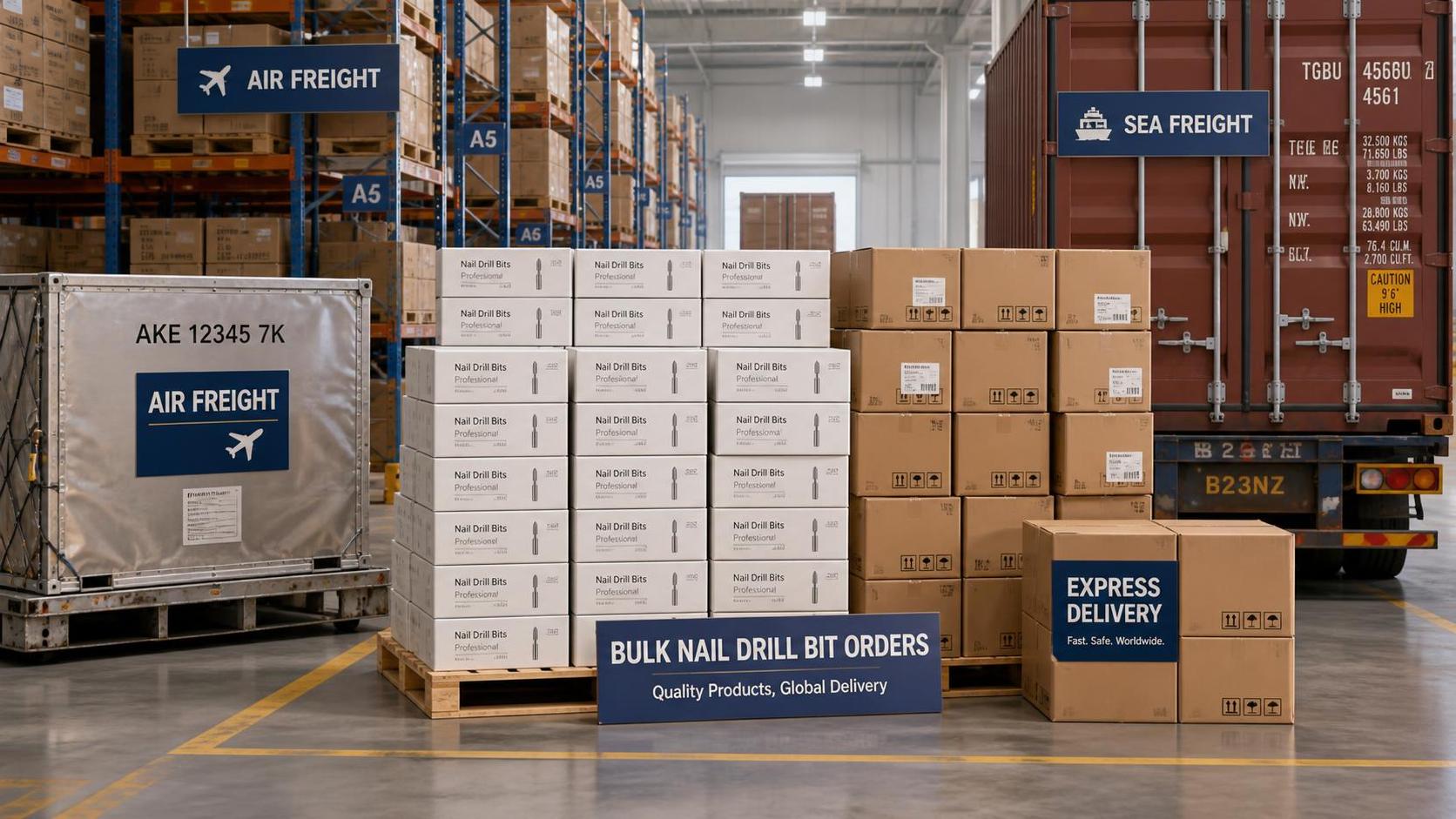
 What Shipping Options Are Available for Bulk Nail Drill Bit Orders?What shipping options for bulk nail drill bit orders work best? Compare air, sea, express, and multimodal freight to reduce cost, avoid delays, and protect inventory.
 How to Spot Fake Diamond Coating on Nail Drill BitsHow to spot fake diamond coating on nail drill bits: learn the key signs of poor grit, fast wear, and weak performance before you buy. Avoid low-quality bits and choose reliable suppliers with confidence.
 2*8mm Flame Bit Diamond Nail Drill Bits Stainless Steel Cuticle Remover BurrHigh-Performance Grinding Heads – Versatile Nail Preparation Tools for Professional and At-Home Use
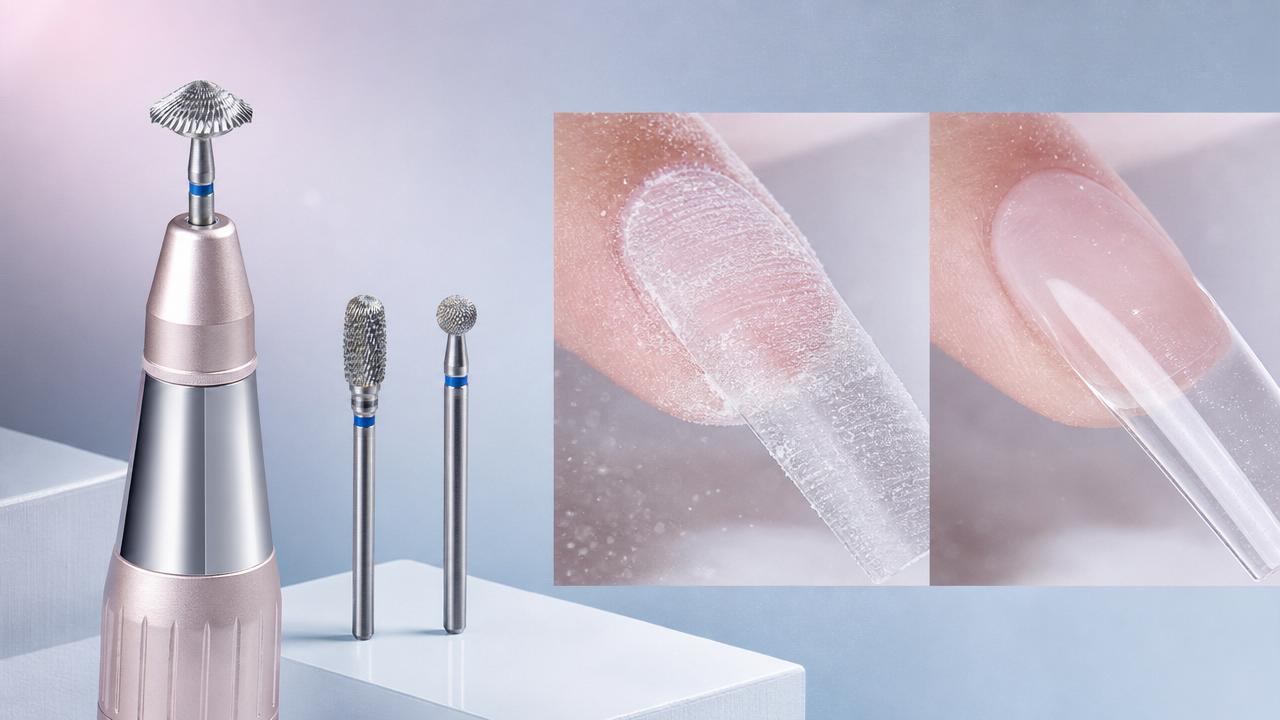
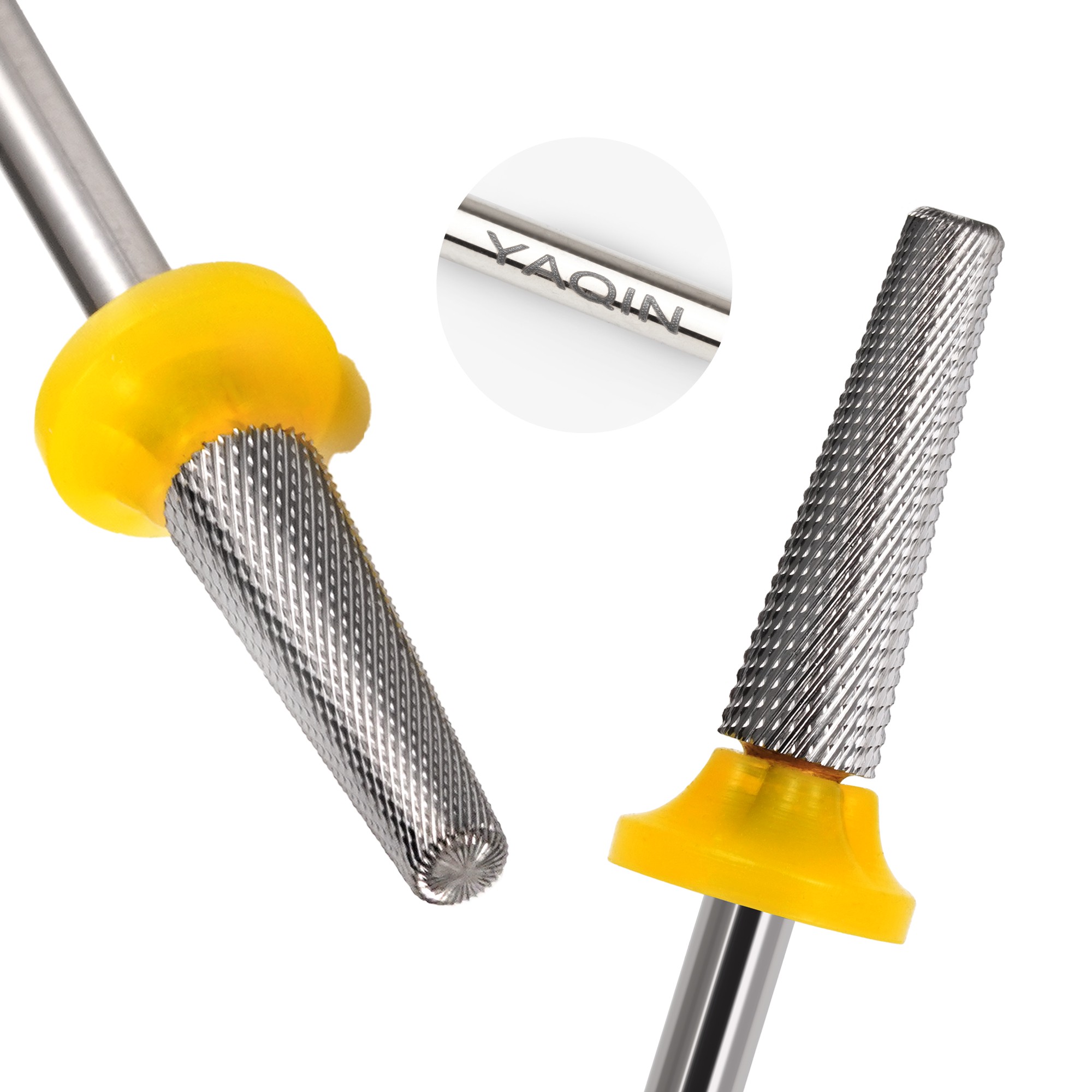
Our High-Performance Grinding Heads , designed for both Russian and Japanese manicure techniques. Achieve salon-quality results with our affordable and high-quality products that cater to every nail technician’s needs. High Quality Nail Art Tools Nail Drill Bit Steel Grinding Tungsten Carbide Nail Drill Bits Sets Manicure PedicureIntroducing the Little Umbrella Tungsten Steel Grinding Head, the essential tool for any nail technician or beauty salon. Designed specifically for efficient nail care, this grinding head features a unique umbrella shape and high-quality tungsten steel construction, making it a superior choice for all your nail polishing and finishing needs.
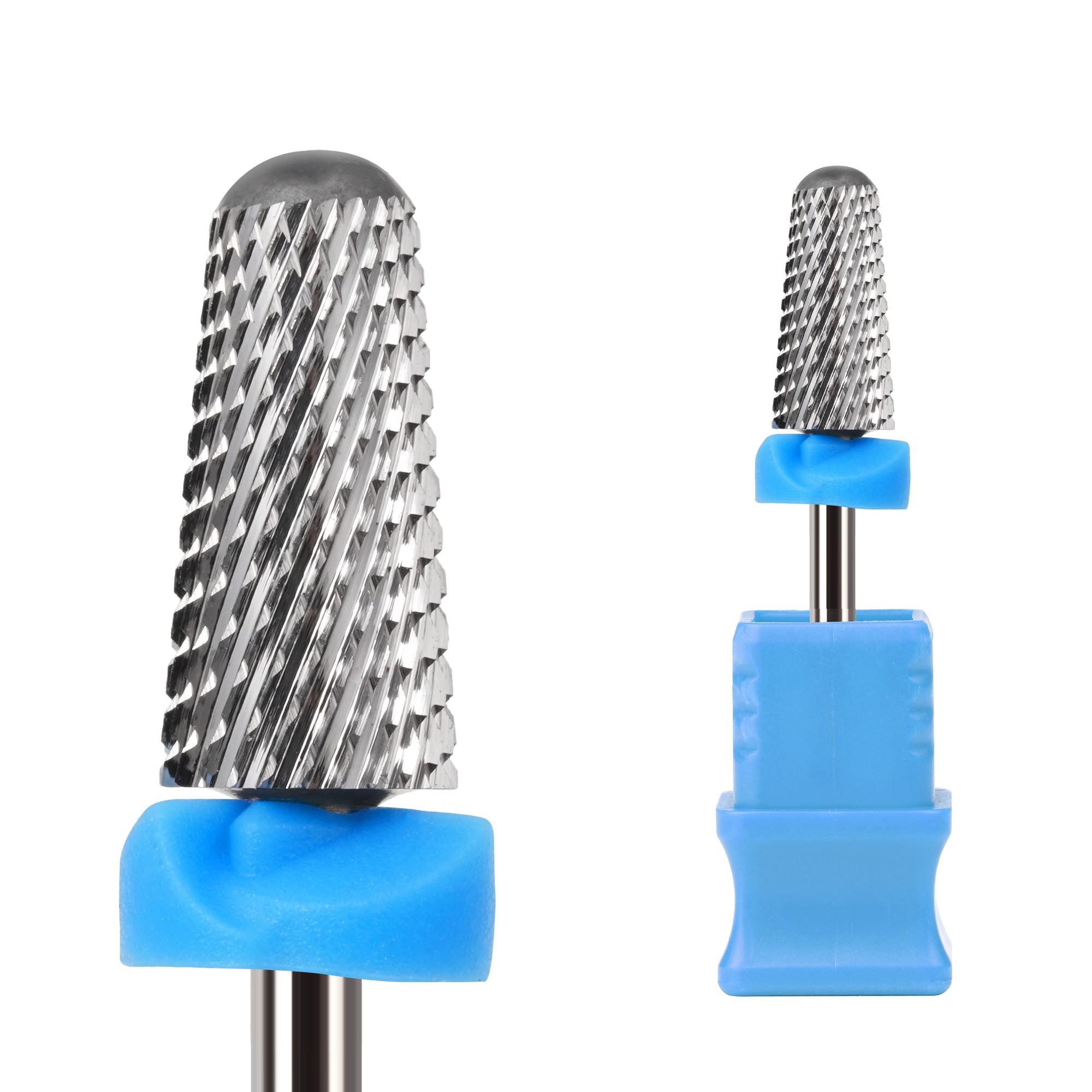
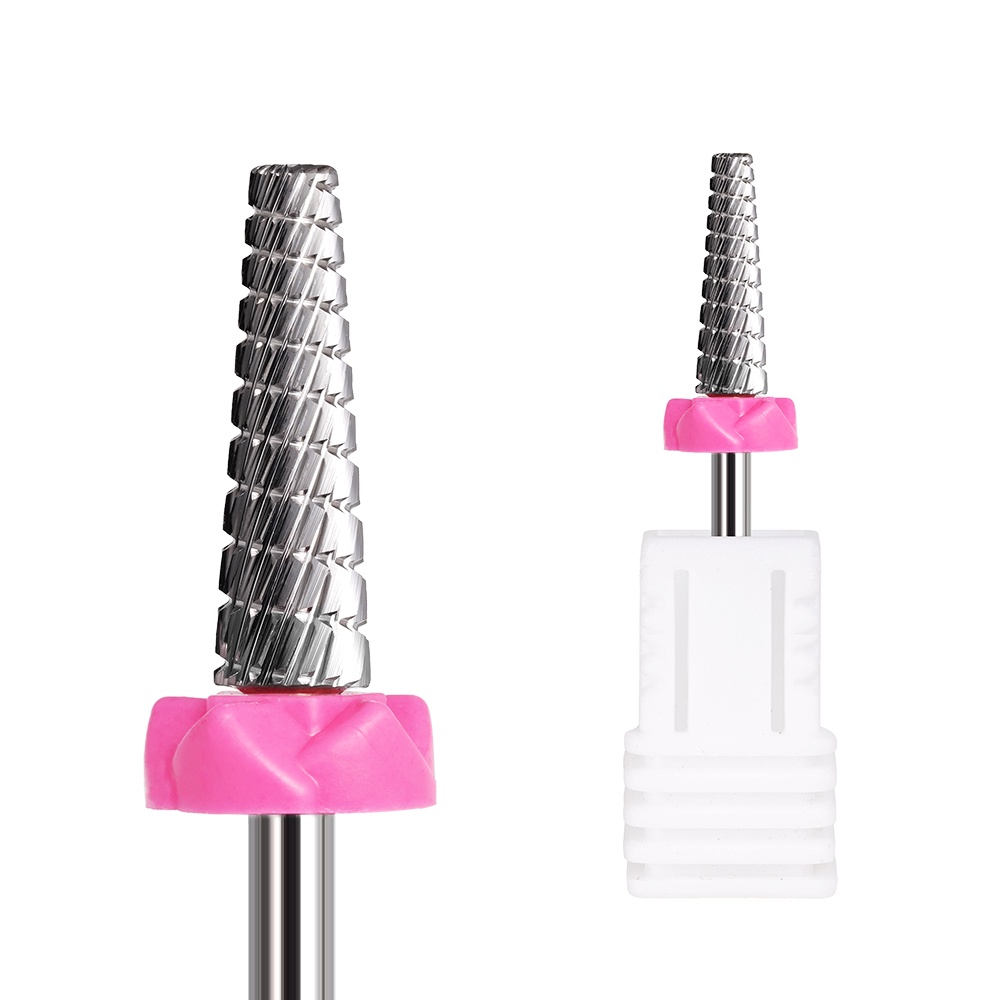
 5 in 1 Nail Drill Bits Two-way Carbide Stainless Steel Professional Podiatry Chiropody Pedicure Manicure Drill BitAchieve salon-quality nail care with our Tungsten Steel Nail Drill Bit, specially designed for efficient nail polish removal and nail preparation. This versatile, high-performance tool is perfect for professional nail technicians and DIY enthusiasts alike.
 4.0mm Small 5 in 1 Integrated Sharpe Tungsten Nail Drill Bit Straight Teeth Gel Polish RemovalAchieve salon-quality nail care with our Tungsten Steel Nail Drill Bit, specially designed for efficient nail polish removal and nail preparation. This versatile, high-performance tool is perfect for professional nail technicians and DIY enthusiasts alike.
Please give us a message