
All Kinds of Nail Burrs for Your Business
We customize and manufacture a wide range of products for brands or distributors in the beauty and health industry around the world.
Yaqin has launched beauty products such as nail bits, nail lamps, nail drills, sanding bands, nail files, and cuticle scissors for users with different needs.
CONTACT US TODAY
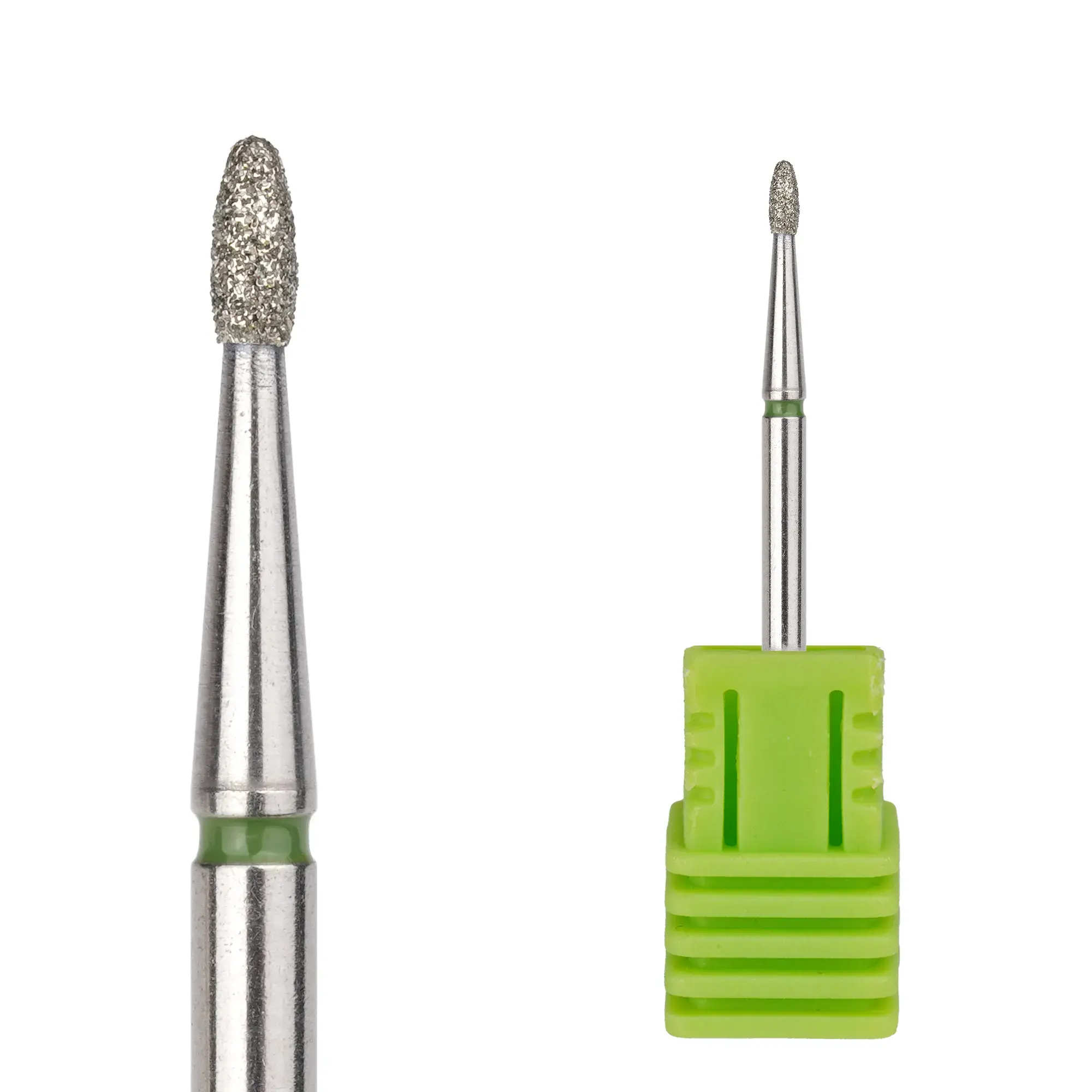
What Umbrella Nail Drill Bits Are And Why They Matter
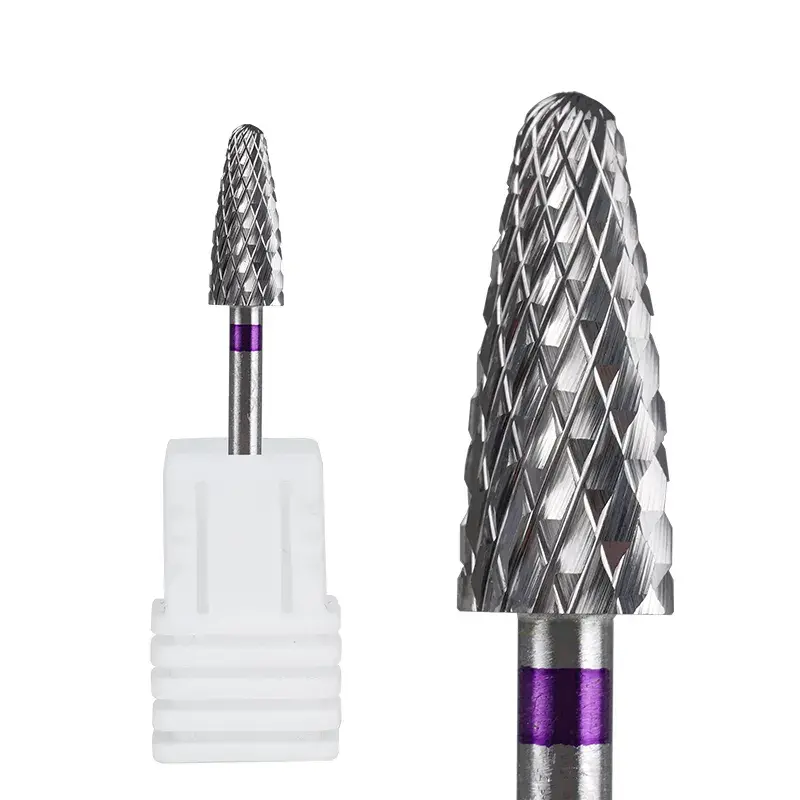
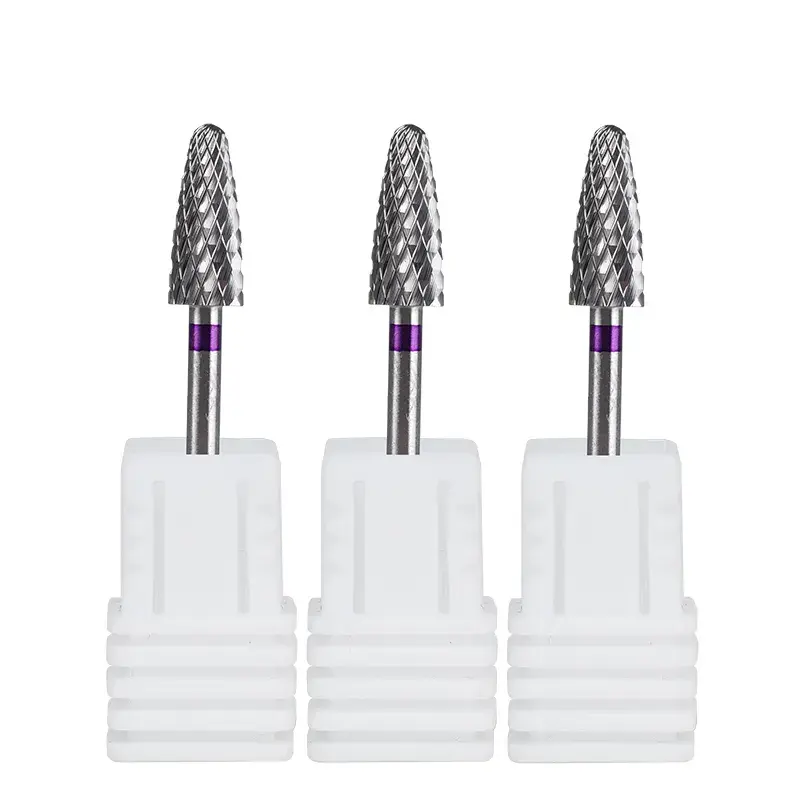
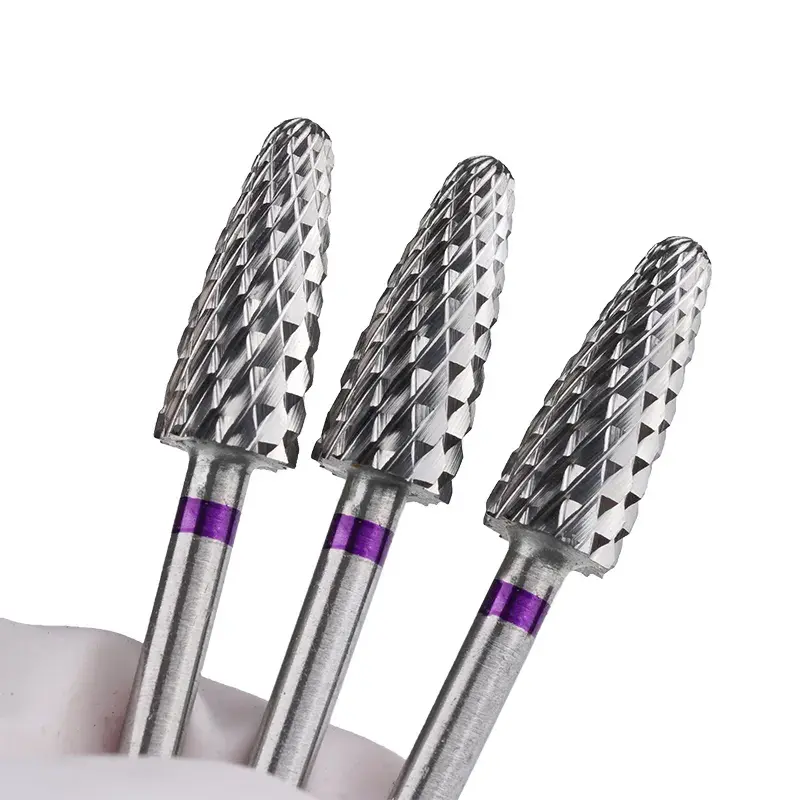
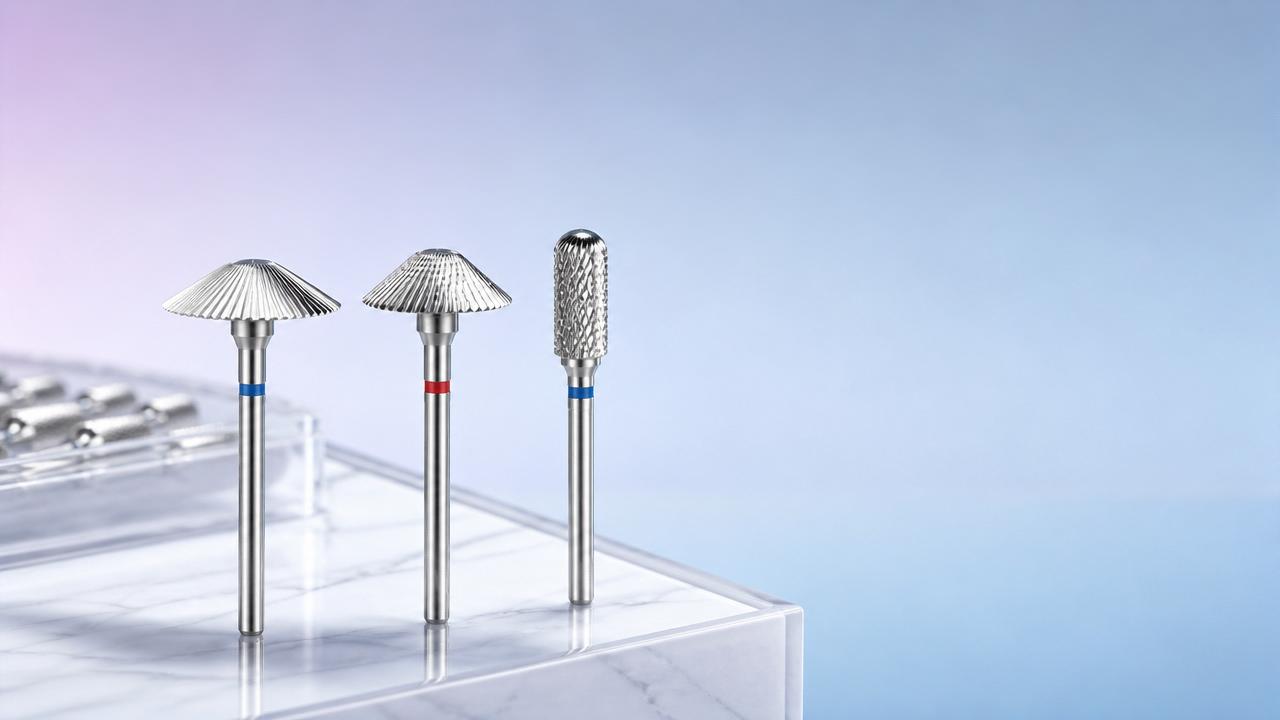
Umbrella nail drill bits refer to drill bit designs that present a wider working head or flared contact profile, allowing nail technicians to refine product near the surface with more even pressure distribution. In professional manicure and pedicure workflows, this shape is valued for controlled smoothing, blending, and contour correction, especially when working around gel, acrylic, or builder overlays.
The term does not always point to one universal geometry across every supplier. In practice, buyers may see umbrella nail drill bits described through profile language such as flared top, mushroom-like surface, or wide-head finishing shape. For procurement teams, the important issue is not the label alone, but the functional relationship between head diameter, cutting angle, grit level, and intended salon task.
These bits matter because the shape can reduce abrupt edge contact compared with narrower profiles when technicians need a broader working zone. That can support smoother product transitions, more consistent debulking on flat or slightly curved nail surfaces, and better visibility during detailing. In high-frequency salon use, bit geometry directly affects speed, finish quality, technician fatigue, and service consistency.
For distributors and private-label buyers, umbrella nail drill bits also represent a useful niche category within a wider nail bit portfolio. They can complement barrel, cone, flame, and needle bits rather than replace them, helping brands offer a more complete assortment to salons, academies, and independent nail technicians seeking task-specific tools.
Technical Principles Behind Shape, Grit, And Material
The working behavior of umbrella nail drill bits comes from three interacting factors: shape, abrasive structure, and substrate material. Shape determines the contact area and angle of approach. A wider upper profile generally spreads force across more surface, while edge radius influences how aggressively the bit enters product. This is why two bits with similar grit labels can still perform very differently in salon use.
Grit defines the size and density of cutting or abrasive features. In the nail industry, common ranges include XF, F, M, C, and XC. Extra fine and fine options are typically selected for finishing, refining, or work on thinner enhancements. Medium often balances removal speed and control. Coarse and extra coarse options are more suitable for bulk product reduction, provided the technician uses correct pressure, speed, and heat management.
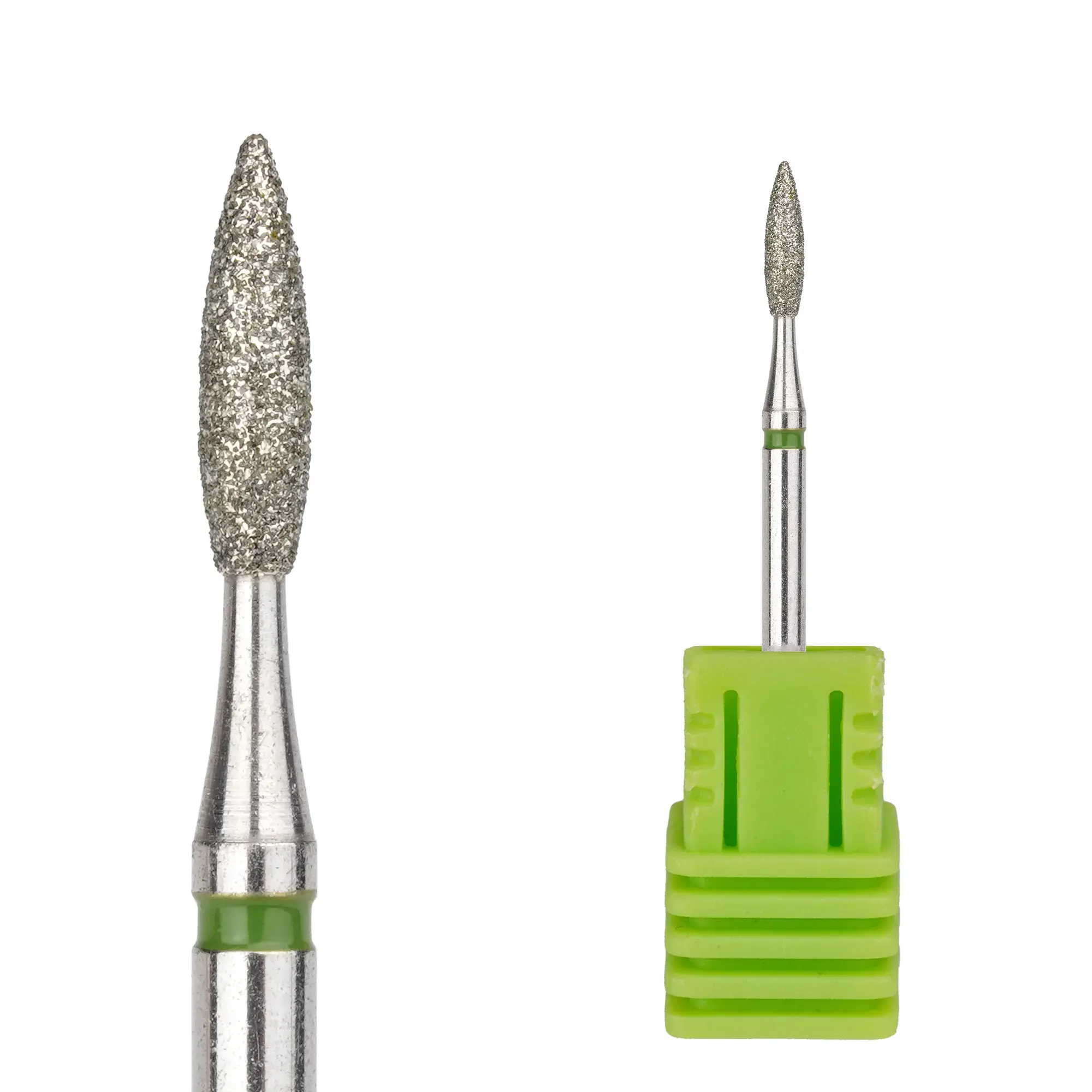
Material also changes the cutting mechanism. Tungsten carbide bits usually cut through cross-cut or flute structures and are preferred for efficient product removal and durability. Diamond bits rely on abrasive particle exposure and are often chosen for cuticle-zone preparation and gentle texturing. Ceramic bits are appreciated for lower heat feel and smooth debris discharge in many gel removal tasks. The same umbrella-inspired shape can therefore serve different functions depending on material selection.
Heat generation, dust behavior, and vibration control are practical engineering concerns. Better-balanced bits and stable shank tolerances help reduce wobble at operating speed. Cleaner flute geometry or uniform abrasive distribution can improve chip evacuation and reduce drag. For B2B buyers, these technical details are closely tied to user satisfaction, return rate, and repeat purchase performance.
Main Types Of Umbrella Nail Drill Bits In The Market
Market classification usually starts with material family. Tungsten carbide umbrella nail drill bits are commonly used for removing gel polish, hard gel, acrylic, and overlay thickness at relatively high efficiency. Diamond umbrella variants are more often associated with surface preparation, cuticle-area refinement, and detailed cleaning. Ceramic versions are frequently positioned for smooth product removal with a lower heat sensation in extended use.
The second classification is by grit. Fine grades are favored by technicians who need more finish quality and less aggressive contact, while medium and coarse grades are selected by salons that prioritize throughput. A distributor serving mixed customer groups often benefits from stocking the same shape in several grit bands rather than promoting a single universal option.
The third classification is by working profile and edge design. Some umbrella nail drill bits have a flatter top for wider surface leveling, while others use a softly rounded shoulder for safer blending near the sidewall. There are also hybrid designs that visually overlap with barrel or corn-style heads but use a broadened upper section to deliver an umbrella-like contact pattern during use.
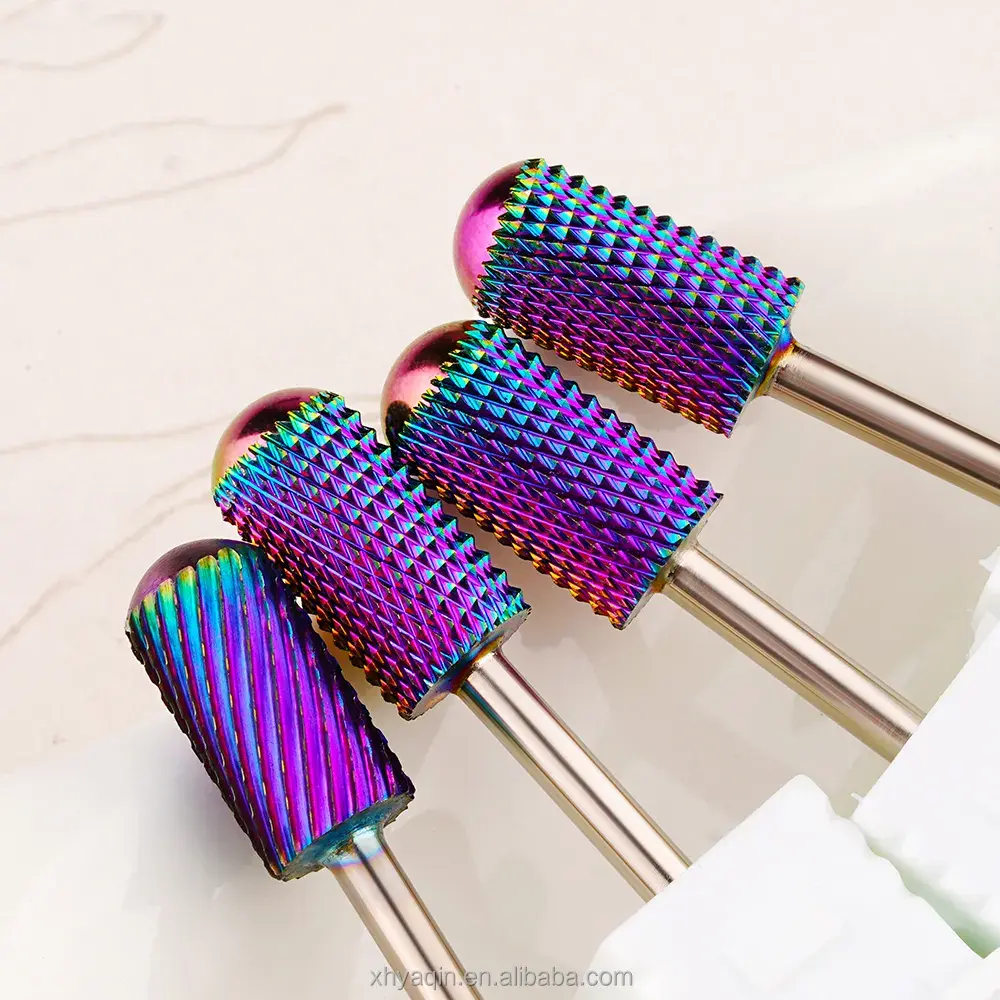
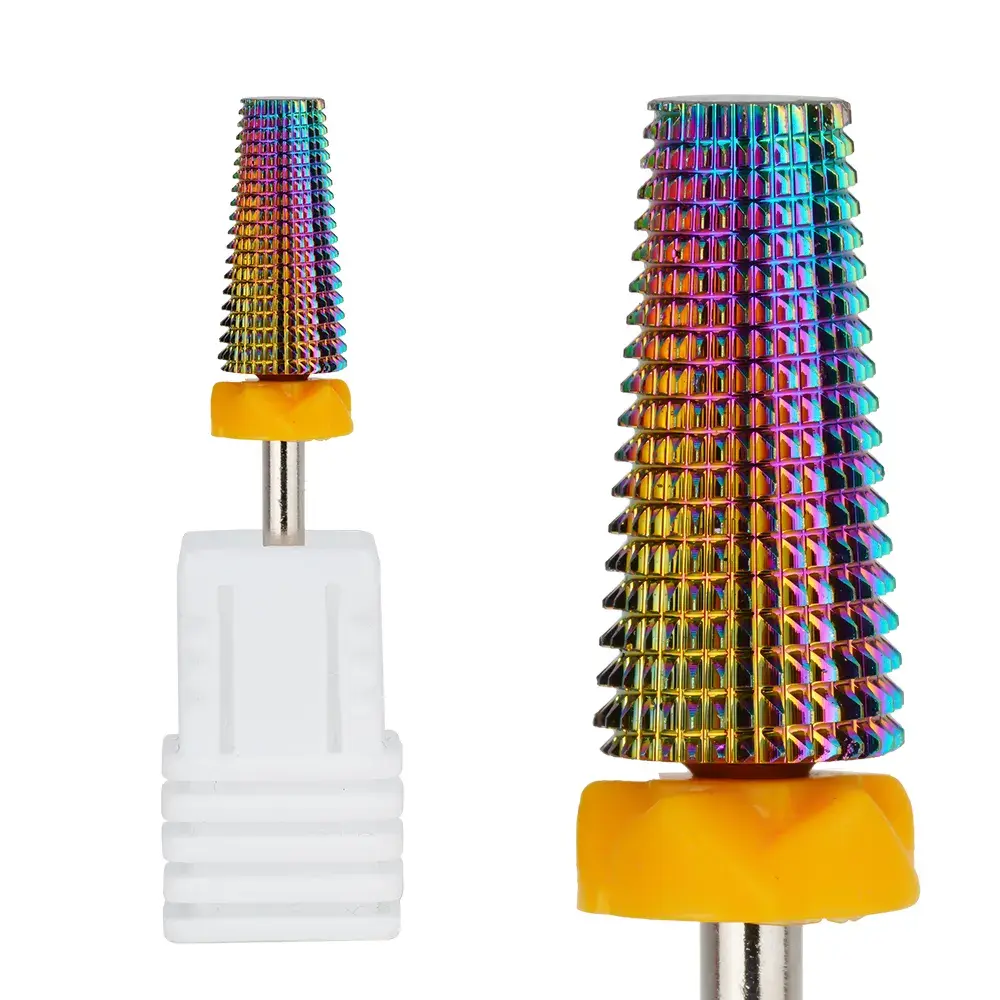
Coating and finish provide another layer of differentiation. Rainbow-coated or other treated surfaces may improve corrosion resistance or visual merchandising appeal, especially in retail-oriented channels. However, experienced buyers usually evaluate coating as a secondary factor after substrate quality, grit consistency, bonding reliability, and dimensional stability.
Who Uses Them And In Which Professional Scenarios
The primary users of umbrella nail drill bits are professional nail technicians, salon chains, nail schools, and distributors supplying the beauty service trade. Their value is strongest in environments where service repetition is high and technicians need predictable results across many appointments per day. In these settings, shape efficiency and bit longevity have a direct effect on labor productivity and client turnover.
Typical applications include smoothing cured product, refining apex transitions, reducing overlay bulk, preparing surfaces for infill, and blending near the cuticle zone without relying on a very narrow point. When selected correctly, umbrella nail drill bits can help technicians move quickly across broader surfaces while still maintaining a controlled finish before switching to finer detail tools.
They are also relevant for private-label brands building a balanced catalog. A professional assortment may pair umbrella-shaped options with flame and needle bits for prep work, barrel bits for debulking, sanding bands for general shaping, and machine units for bundled sales. This creates stronger cross-selling opportunities and aligns with how salons actually purchase complete workflow solutions.
Related products help illustrate the application logic. For example, a 5.0mm corn bullet shape universal carbide cuticle bit supports precise product work, while a 2*8mm flame bit diamond nail drill bit is suitable for cuticle-area cleaning. Umbrella nail drill bits fit into this ecosystem as broader-contact tools used between removal, refinement, and finishing stages rather than as stand-alone replacements for every shape.
How To Choose The Right Bit For Performance And Safety
Selection should begin with the service objective. Buyers should first identify whether the bit will be used for gel polish removal, hard gel debulking, acrylic reduction, surface smoothing, or prep-zone refinement. Once the task is clear, shape and grit can be matched more accurately. A salon focused on fast enhancement removal may need medium or coarse carbide options, while a training academy may prefer finer and more forgiving specifications.
Machine compatibility is equally important. Standard shank dimensions, balanced rotation, and stable insertion are basic requirements for safe operation. A high-quality bit can still underperform if paired with a poorly matched handpiece or if the salon uses inconsistent RPM ranges across technicians. Procurement decisions should therefore consider the full operating system, not the bit in isolation.
Durability should be assessed through material quality, cutting consistency over time, and ease of cleaning and sterilization according to local professional practice. Buyers should ask how the bit performs after repeated use cycles rather than focusing only on initial sharpness. In B2B purchasing, replacement frequency often affects cost more than unit price alone.
For importers and distributors, assortment planning is another selection layer. Instead of sourcing one umbrella nail drill bit for every customer, it is more practical to build a structured range by material, grit, and use case. This reduces confusion for end users and improves reorder clarity, which is especially valuable in wholesale channels and online catalog sales.
Manufacturing, Quality Control, And Supplier Evaluation
The manufacturing pathway for professional nail bits generally includes raw material preparation, shaping or machining, abrasive application or flute formation, surface treatment, shank finishing, inspection, cleaning, and packing. At each stage, dimensional accuracy influences final performance. Small deviations in head symmetry or shank tolerance can lead to vibration, uneven cutting, or poor customer feedback.
For carbide products, buyers should pay attention to substrate grade, flute precision, and edge consistency. For diamond products, the quality of abrasive distribution and bonding matters. For ceramic products, density, brittleness control, and finishing consistency are practical quality indicators. These points are more important than decorative presentation because they determine whether a bit remains stable in professional use.
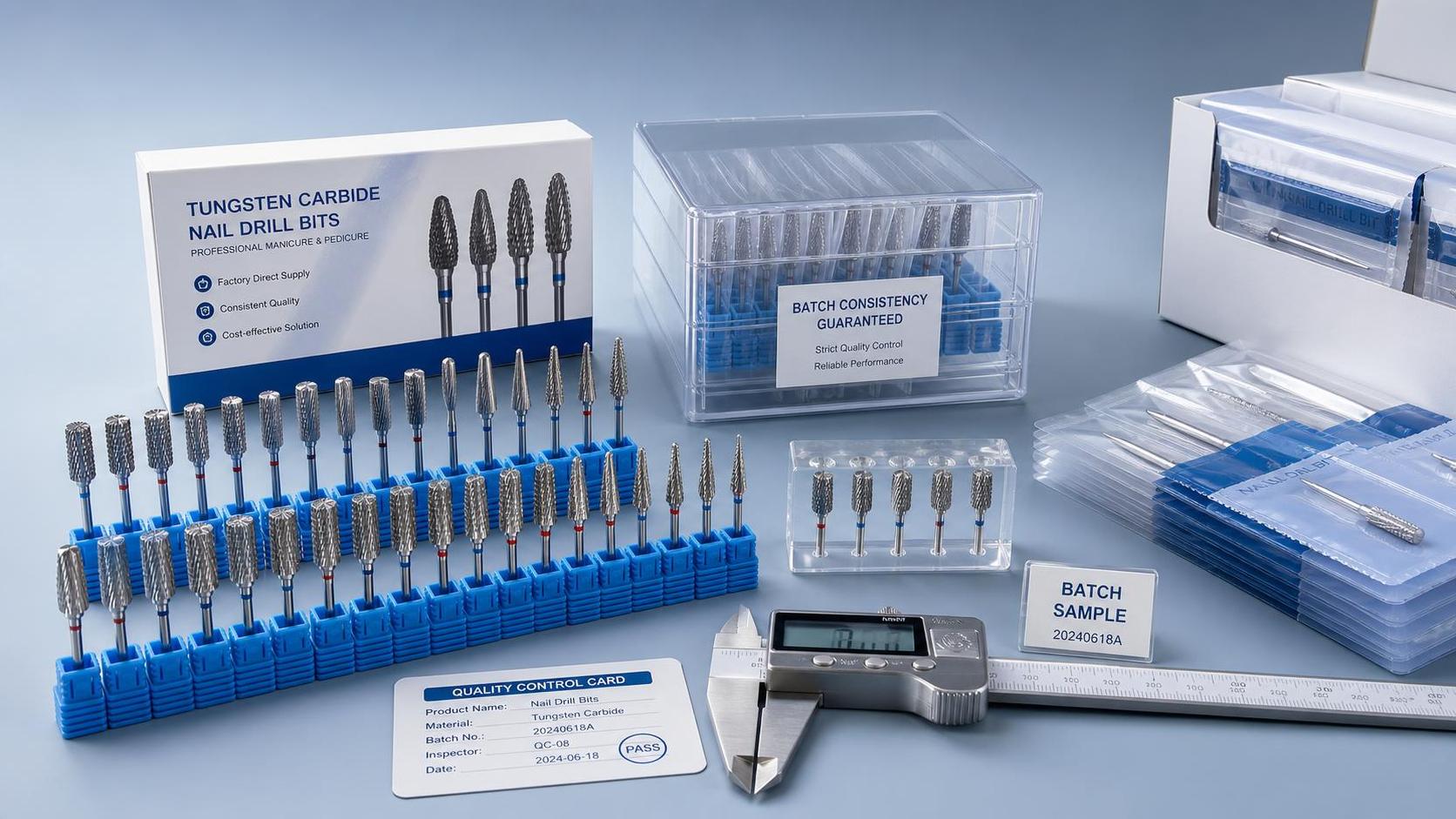
This is where supplier process discipline becomes commercially relevant. Yaqin offers tungsten carbide nail drill bits, diamond nail bits, ceramic nail bits, sanding bands and sanding caps, nail drill machines, and OEM or private-label support. Its stated advantages include high-quality material selection, a full range of shapes and grits, factory-direct supply, and customization for packaging and branding, which can help distributors create coherent product lines.
From a trust and sourcing perspective, Yaqin cites ISO9001:2000 quality management system certification, full inspection from raw material to packing, broad export experience across 42 countries, and long-term cooperation with global distributors. For buyers evaluating umbrella nail drill bits or adjacent categories, these indicators support due diligence on process stability, communication maturity, and supply continuity rather than acting as marketing claims alone.
Global Applications, Market Access, And Real Buyer Needs
Real demand for umbrella nail drill bits is shaped by salon service models in different regions. In high-frequency professional environments, buyers look for fast product removal, smooth finishing, manageable heat, and repeatable results across multiple technicians. In distributor channels, packaging flexibility, stable replenishment, and SKU clarity become equally important because the seller must serve salons with different skill levels and service menus.
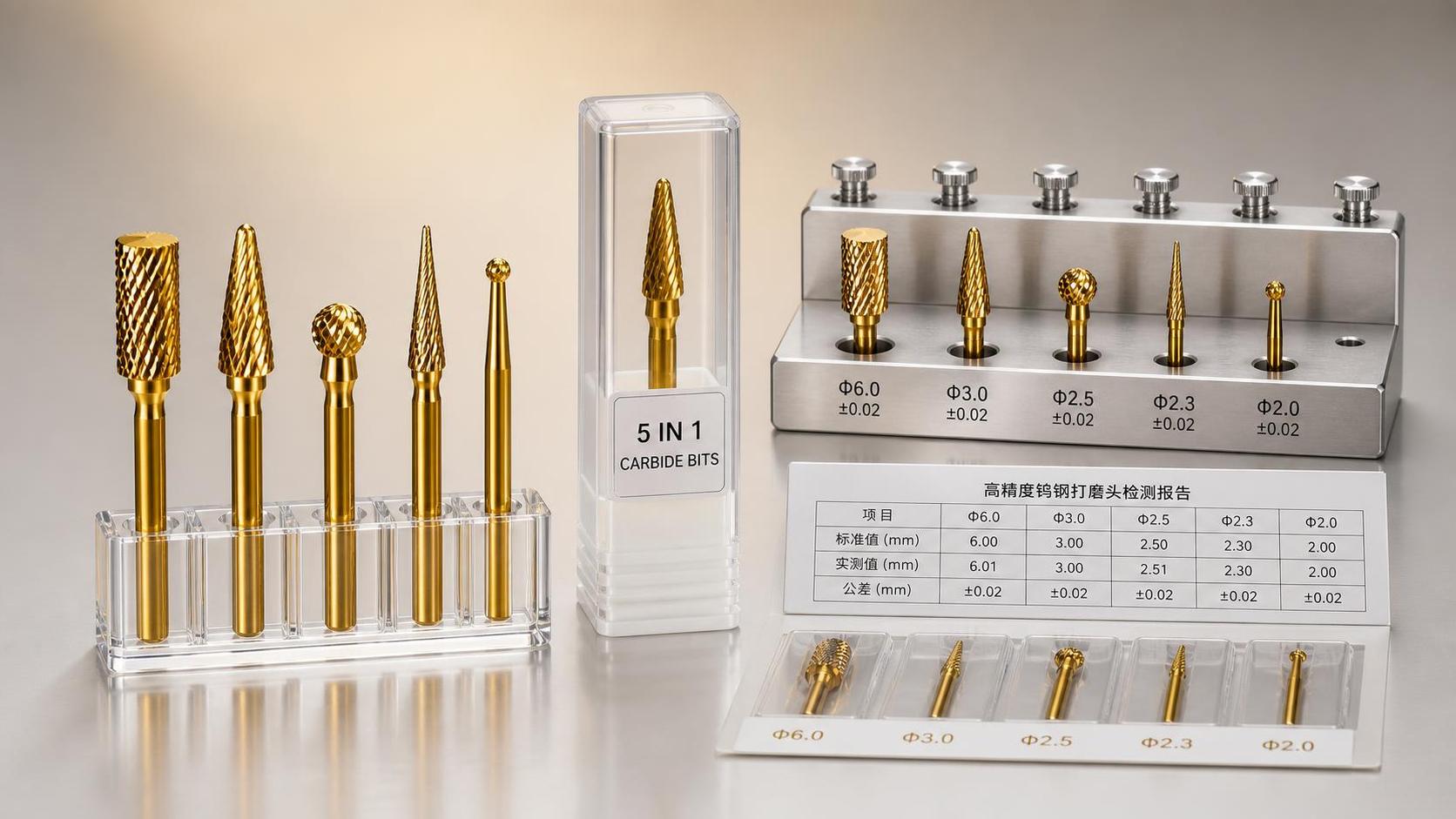
The customer cases provided by Yaqin reflect these practical needs. Professional salon chains in the United States and Russia have sourced 5-in-1 tungsten steel grinding heads and diamond pre-treatment grinding heads for gel removal, cuticle cleaning, and nail shaping in high-frequency dry polishing services. This indicates demand for specialized bits that support both speed and controlled handling under repeated daily use.
In Germany, the United Kingdom, and Italy, nail distributors have bulk sourced sanding rings, ceramic grinding heads, and nail machine sets to serve local small and medium-sized salons as well as independent technicians, with customized packaging and branding. This pattern is relevant for umbrella nail drill bits because it shows how assortment breadth and private-label readiness can matter as much as a single product specification.
In the Dominican Republic, ORIENTAL NAILS & BEAUTY sourced rainbow-coated diamond grinding heads, nail lamps, and related products for local retail and salon use. This highlights another market reality: visual product differentiation can support merchandising, but buyers still need core performance, consistency, and application fit. Global market access therefore depends on practical compliance, labeling clarity, packaging reliability, and product suitability for local salon habits.
How Much They Cost: TCO And ROI For B2B Buyers
The total cost of ownership for umbrella nail drill bits includes more than the purchase price. Buyers should consider service life, replacement interval, technician efficiency, rework rate, cleaning time, compatibility with existing machines, and the risk of inconsistent performance across batches. A cheaper bit that loses cutting stability early may cost more over time than a slightly higher-priced option with longer usable life.
Wholesale economics also depend on assortment structure. Carrying too many overlapping SKUs can slow inventory turnover, while carrying too few can reduce conversion because salons often want a task-based system. The most efficient purchasing strategy is usually to build a focused range: several core shapes, multiple grit steps, and selected premium variants such as ceramic or coated finishes for differentiated channel needs.
For salon chains, ROI is often measured through time saved per service and more consistent outcomes across staff members. A bit that shortens removal or smoothing time without increasing discomfort can improve appointment capacity. For distributors, ROI comes from repeat orders, fewer complaints, and better alignment between product descriptions and real use cases.
Factory-direct sourcing may improve margin control when the supplier can maintain stable quality and lead times. Yaqin positions itself around factory-direct pricing, full-range bit types, and OEM or ODM support, which can be relevant for importers seeking private-label umbrella nail drill bits or full nail bit lines. The right sourcing decision should balance unit economics with quality assurance, catalog fit, and after-sales predictability.
Maintenance Cycles And Future Industry Trends
Umbrella nail drill bits should be reviewed regularly for wear, heat behavior, cutting smoothness, and visible deformation. Maintenance cycles vary by material, frequency of salon use, cleaning method, and the hardness of the products being removed. In professional settings, replacement decisions should be based on performance decline rather than waiting for complete failure, because worn bits can slow services and reduce finish quality.
Product development is moving toward more specialized shapes, clearer grit systems, better balance, and broader workflow integration with machines and sanding consumables. Buyers increasingly want bits that are easy to categorize for end users, which is why educational content such as umbrella nail drill bits for cuticle work or discussions of whether umbrella nail drill bits are a niche trend or a practical upgrade continues to gain relevance in the trade.
Another visible trend is the combination of professional performance with branding flexibility. Distributors and salon-focused brands want customized packaging, coherent visual identity, and product families that can be sold as systems rather than isolated items. Suppliers that can align manufacturing consistency with OEM and private-label execution are better positioned to support this demand.
Looking ahead, the strongest market opportunities are likely to come from suppliers and buyers who treat umbrella nail drill bits as part of a broader professional workflow solution. Shape innovation alone is not enough. Long-term value comes from matching geometry, grit, material, machine compatibility, and quality control to real salon operations, purchasing logic, and distributor channel strategy.
 Umbrella Nail Drill Bits in 2026: Niche Trend or Practical UpgradeUmbrella nail drill bits in 2026 are gaining real traction for better control, comfort, and safer prep. Discover whether this niche shape is becoming a practical salon upgrade.
 What makes a reliable nail drill bit manufacturer for salon brandsNail Drill Bit Manufacturer selection shapes salon quality, safety, and repeat orders. Learn how to assess materials, machining, QC, OEM support, and export reliability before you buy.
 When does buying from a nail drill bit factory lower total sourcing costNail Drill Bit Factory sourcing cuts total cost when repeat orders, stable quality, and reliable OEM support reduce defects, rush freight, and after-sales risk. Learn when factory direct pays off.
 Essential tools for manicures that make beginner work more consistentEssential tools for manicures every beginner should own. Learn which files, cuticle tools, and prep basics create cleaner, longer-lasting results with less trial and error.
 5.0mm Corn Bullet Shape Universal Carbide Cuticle Dc Nail BitsElectric Tungsten Carbide Nail Drill Bits – Universal Drill Bit Tool for Nail Salons
Enhance your nail salon experience with our Electric Tungsten Carbide Nail Drill Bits, specifically designed for the efficient removal of gel polish, acrylics, and other nail enhancements. Our precision-engineered bits ensure a safe and effective nail care routine for both seasoned professionals and newcomers alike. 2*8mm Flame Bit Diamond Nail Drill Bits Stainless Steel Cuticle Remover BurrHigh-Performance Grinding Heads – Versatile Nail Preparation Tools for Professional and At-Home Use
Our High-Performance Grinding Heads , designed for both Russian and Japanese manicure techniques. Achieve salon-quality results with our affordable and high-quality products that cater to every nail technician’s needs. Large Barrel Smooth Top Natural Tungsten E Life Machine Carbide Nail Drill BitsIntroducing our Tungsten Steel Nail Drill Bits – the ultimate solution for quick and safe gel removal. Designed specifically for nail professionals and beginners alike, these bits ensure a smooth and efficient nail prep process without harming your natural nails.
 4xc Bi-Directional Nail Drill Bit Tungsten Steel With Colorful CoatingElevate your nail care routine with our Bi-Directional Nail Drill Bit, expertly crafted from tungsten steel and featuring a striking colorful coating. Designed for both professional and at-home use, this nail drill bit is the perfect tool for fast and efficient nail removal and nail care.
Please give us a message