
All Kinds of Nail Burrs for Your Business
We customize and manufacture a wide range of products for brands or distributors in the beauty and health industry around the world.
Yaqin has launched beauty products such as nail bits, nail lamps, nail drills, sanding bands, nail files, and cuticle scissors for users with different needs.
CONTACT US TODAY
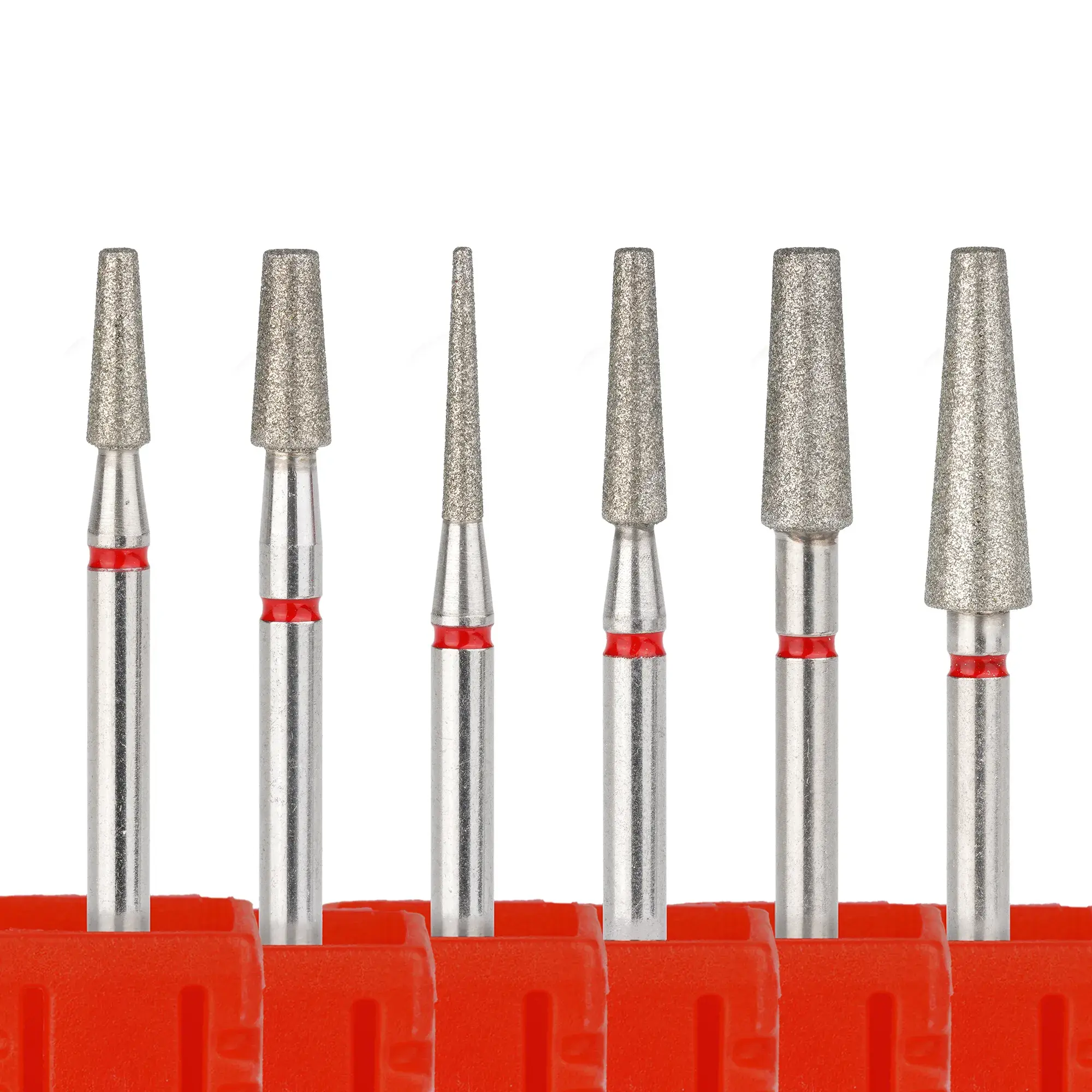
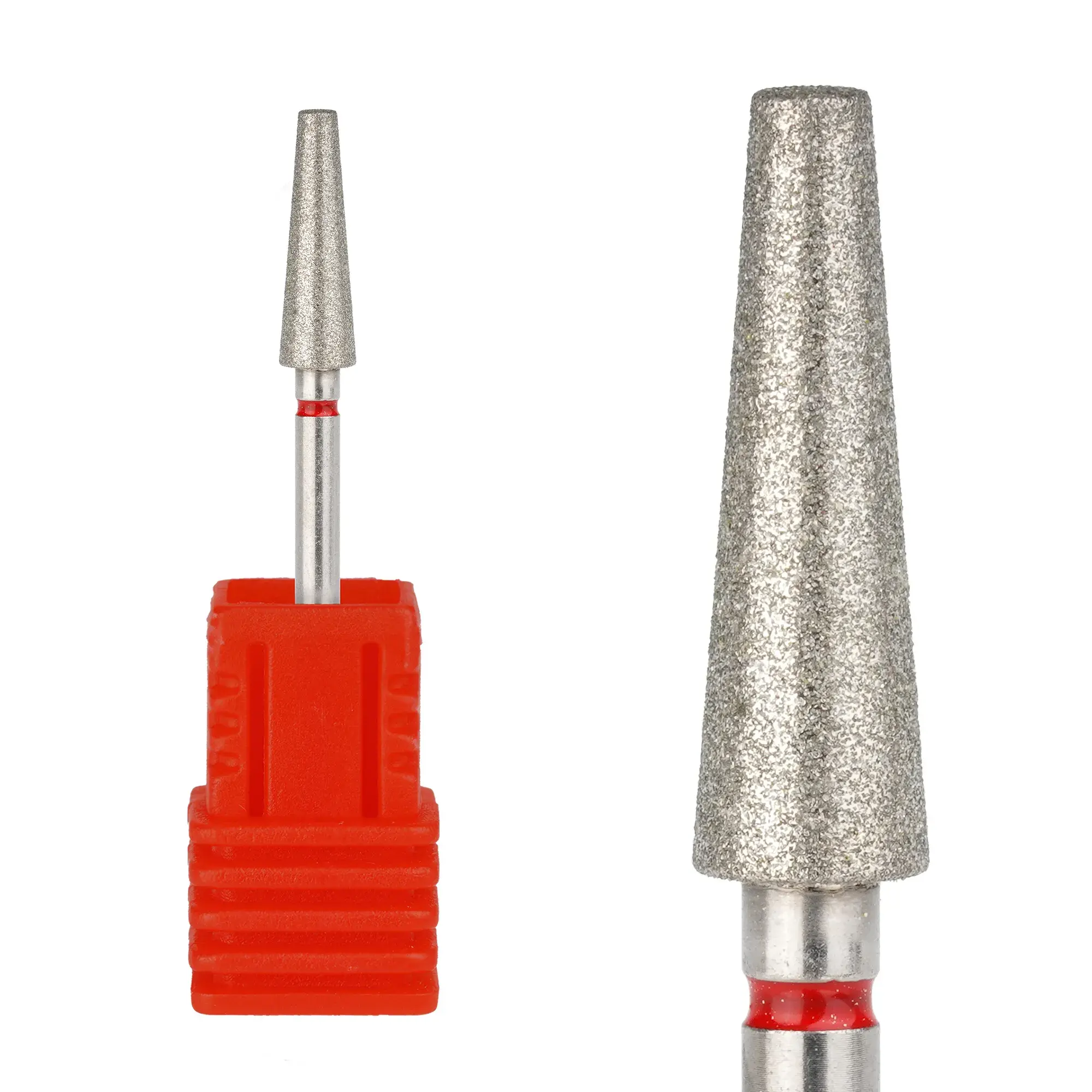
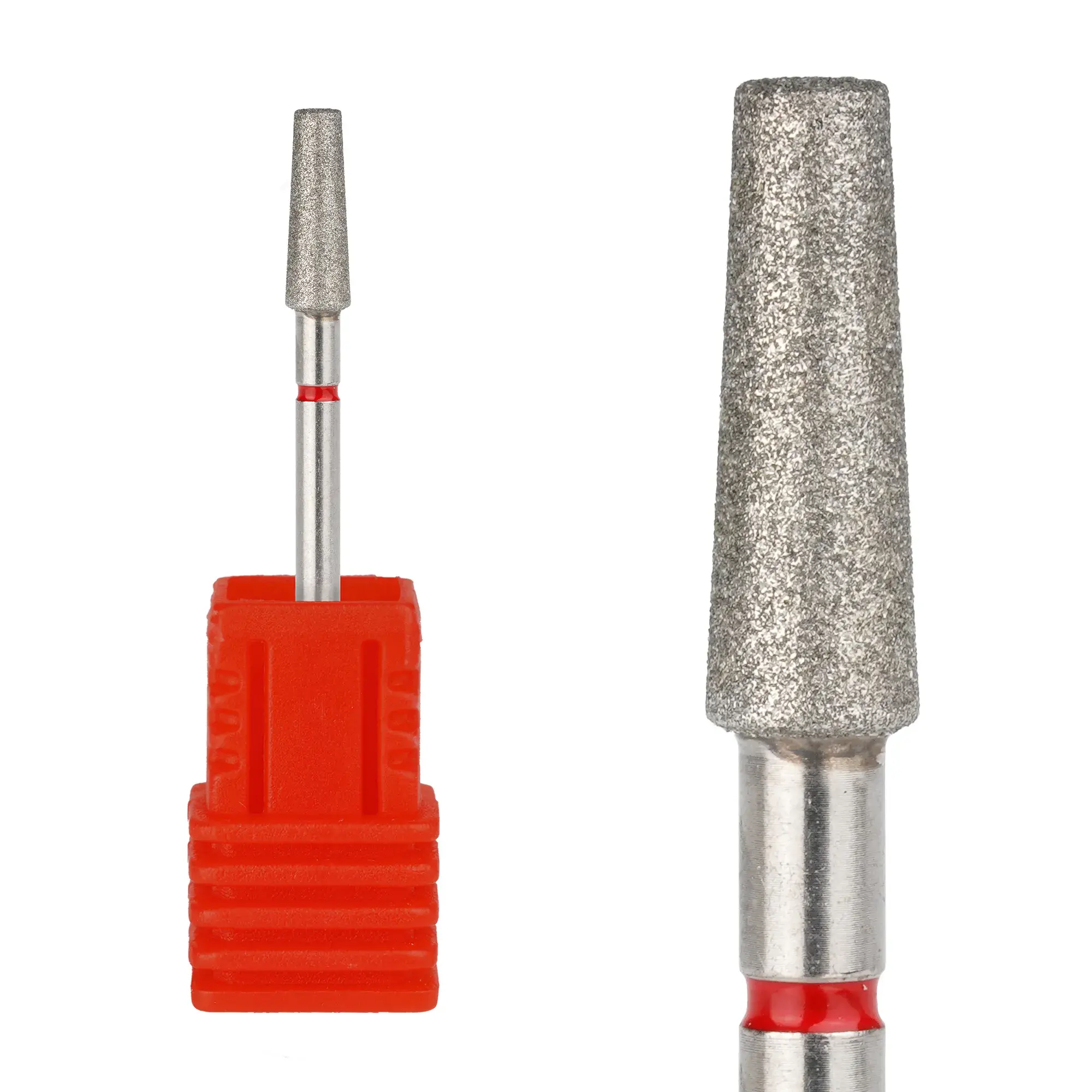
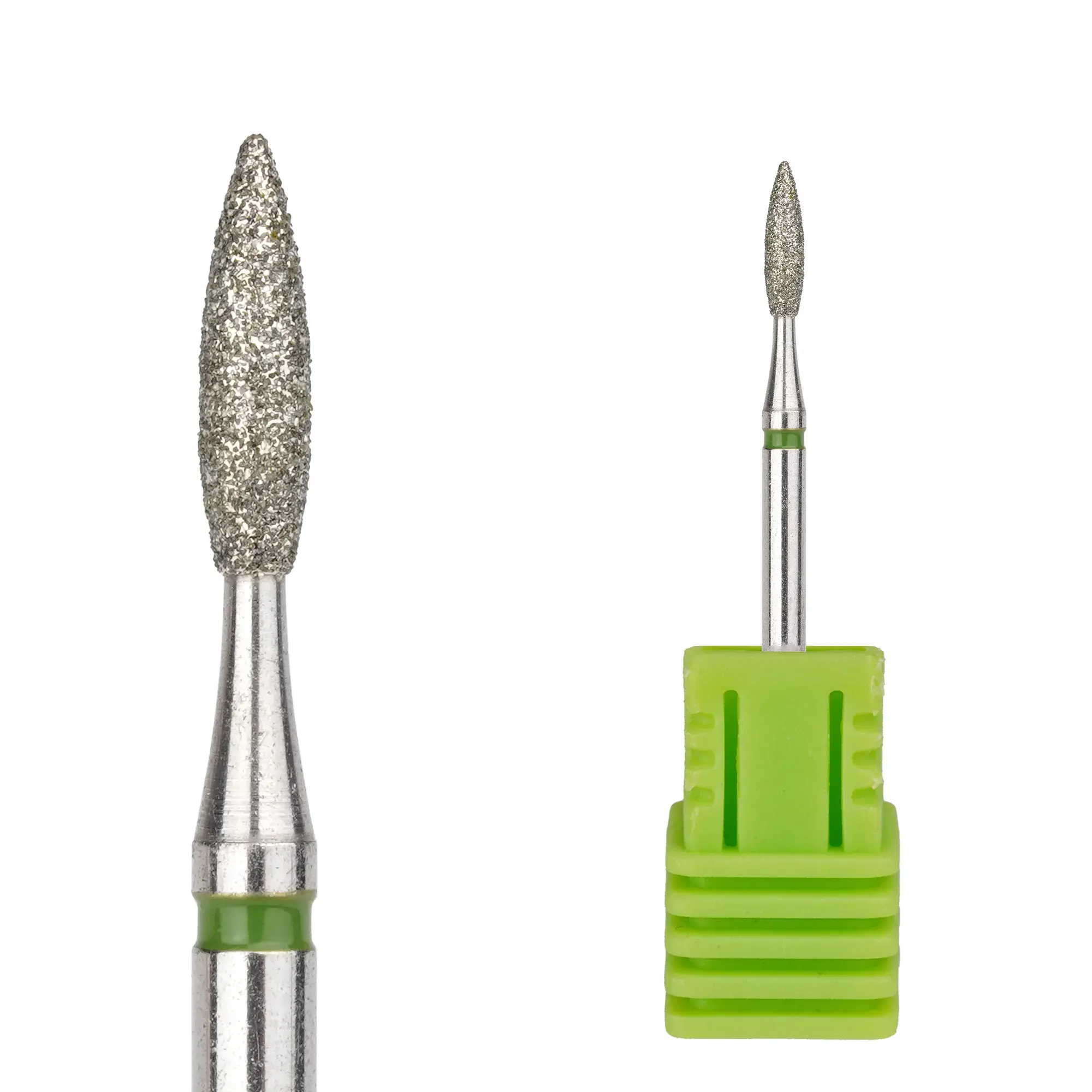
What Nail Drill Bit Wholesale Means In The Professional Market
In the professional nail industry, nail drill bit wholesale refers to bulk sourcing of rotary nail bits and related abrasives for salon service, distributor supply, training schools, and private-label retail. The category includes tungsten carbide nail drill bits, diamond nail bits, ceramic nail bits, sanding bands, sanding caps, and often matching nail drill machines. Wholesale purchasing decisions are usually based on consistency, application fit, packaging requirements, and long-term supply stability rather than on unit price alone.
A nail drill bit is a precision accessory used with an electric nail drill to remove product, refine shape, clean cuticles, smooth surfaces, and prepare nails for new applications. Because each procedure demands a different balance of cutting speed, heat control, and surface finish, wholesale buyers typically evaluate bit material, shank compatibility, head shape, grit level, and expected service life. These factors directly influence technician efficiency and the user experience in busy salons.
From a B2B perspective, nail drill bit wholesale also covers commercial requirements that are invisible to end users. Buyers need stable dimensions, repeatable grit performance, controlled runout, safe edges, durable bonding or coating, and packaging that supports inventory management. For importers and distributors, a fragmented supply with inconsistent quality can create service complaints, product returns, and brand damage across many downstream customers.
As salon services become more specialized, wholesale programs are shifting from simple mixed assortments to role-based product lines. A professional assortment may separate fast removal bits, cuticle-cleaning bits, prep bits, under-nail cleaners, and disposable abrasives. That is why nail drill bit wholesale has become a category that sits between technical consumables and beauty tools, requiring both manufacturing discipline and practical salon knowledge.
How Nail Drill Bits Work And Why Material Choice Matters
A nail drill bit works by rotating at controlled speed so that its surface geometry can abrade, cut, polish, or clean nail product and surrounding areas. Performance depends on the interaction among rpm, hand pressure, contact angle, grit depth, flute design, and the hardness of the target material. In practical use, a bit used for soft cuticle work must behave very differently from a bit used for removing hard gel, acrylic, or thick overlay material.
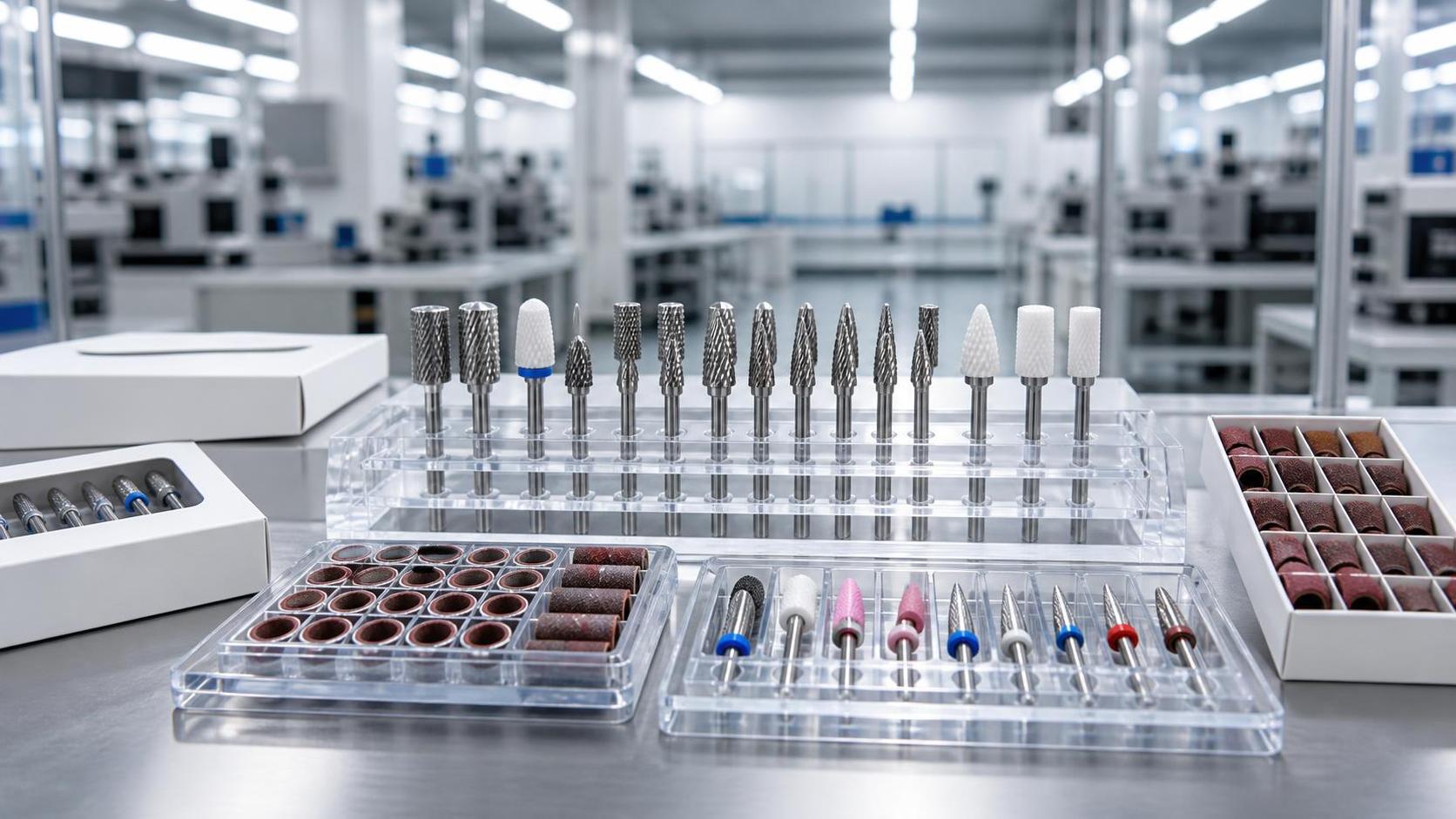
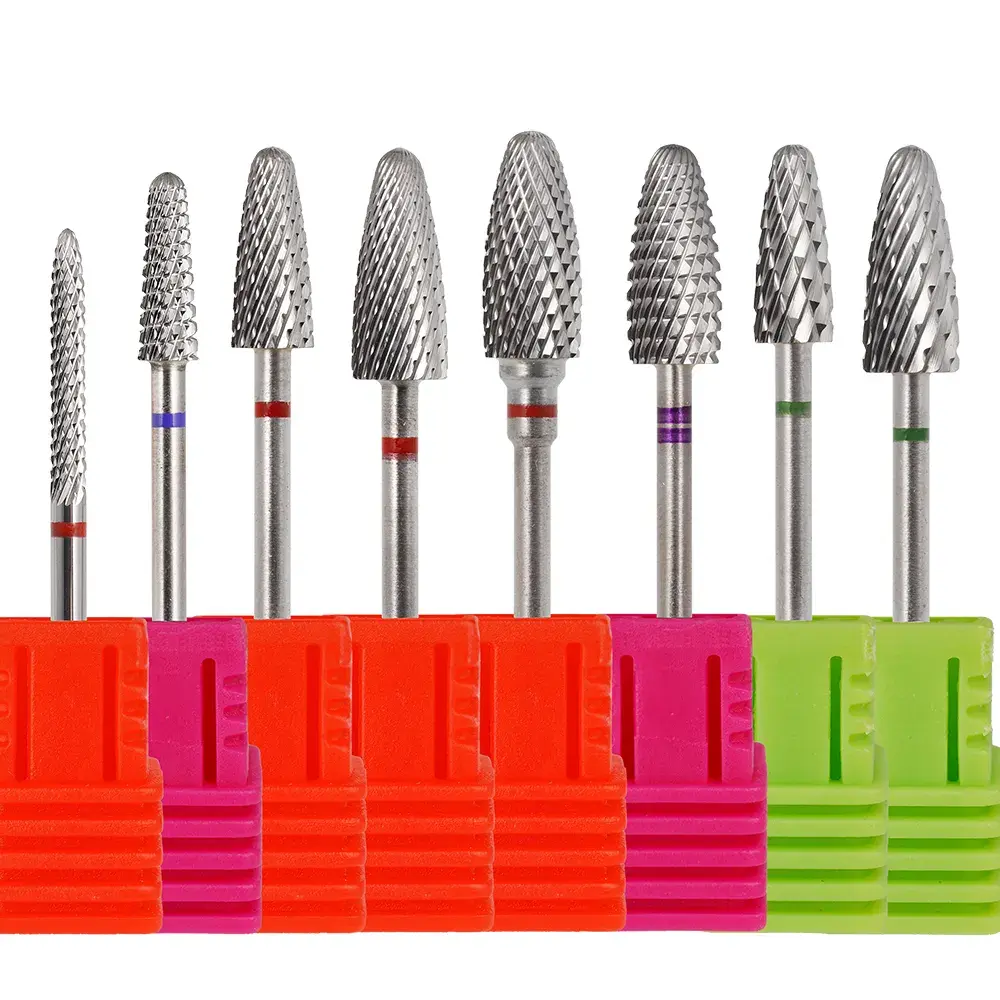
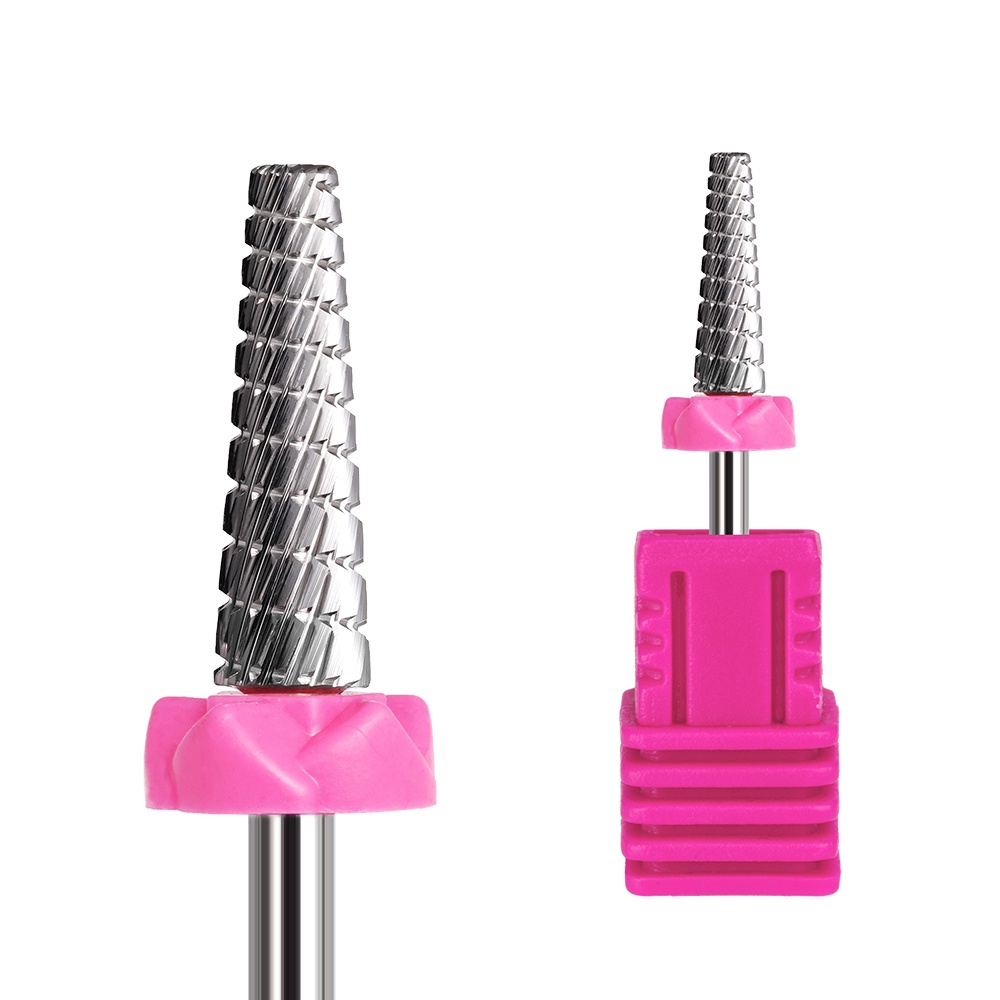
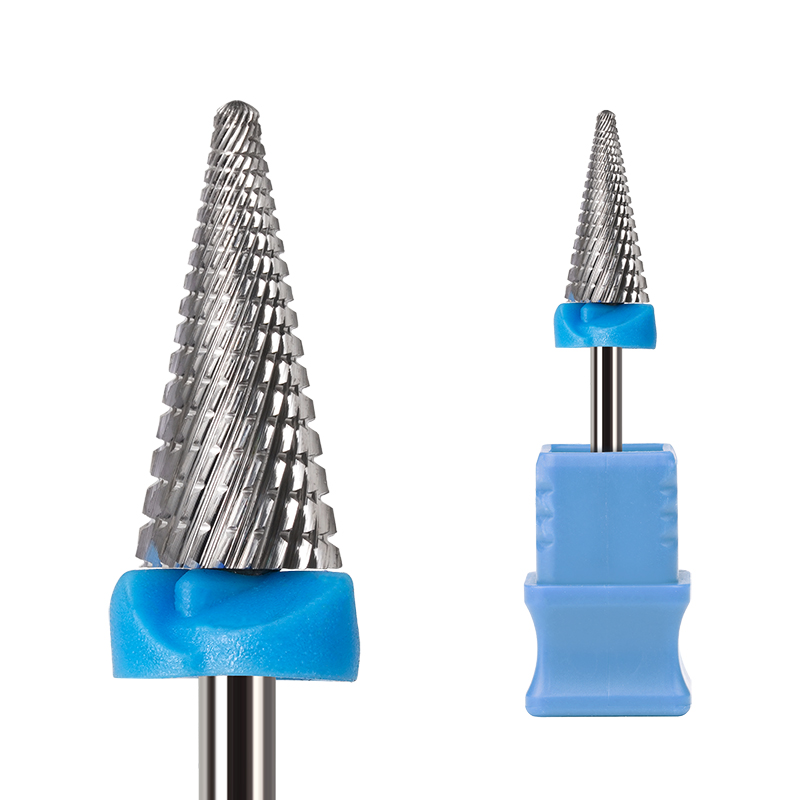
Tungsten carbide bits are favored for efficient product removal because their cutting flutes can clear debris quickly and maintain shape under repeated use. They are common in barrel, cone, and 5-in-1 styles for reducing gel or acrylic bulk, refining apex structure, and smoothing surfaces. For wholesale buyers, carbide bits are often the core of a professional assortment because they support high-frequency salon use and can reduce service time when selected and handled correctly.
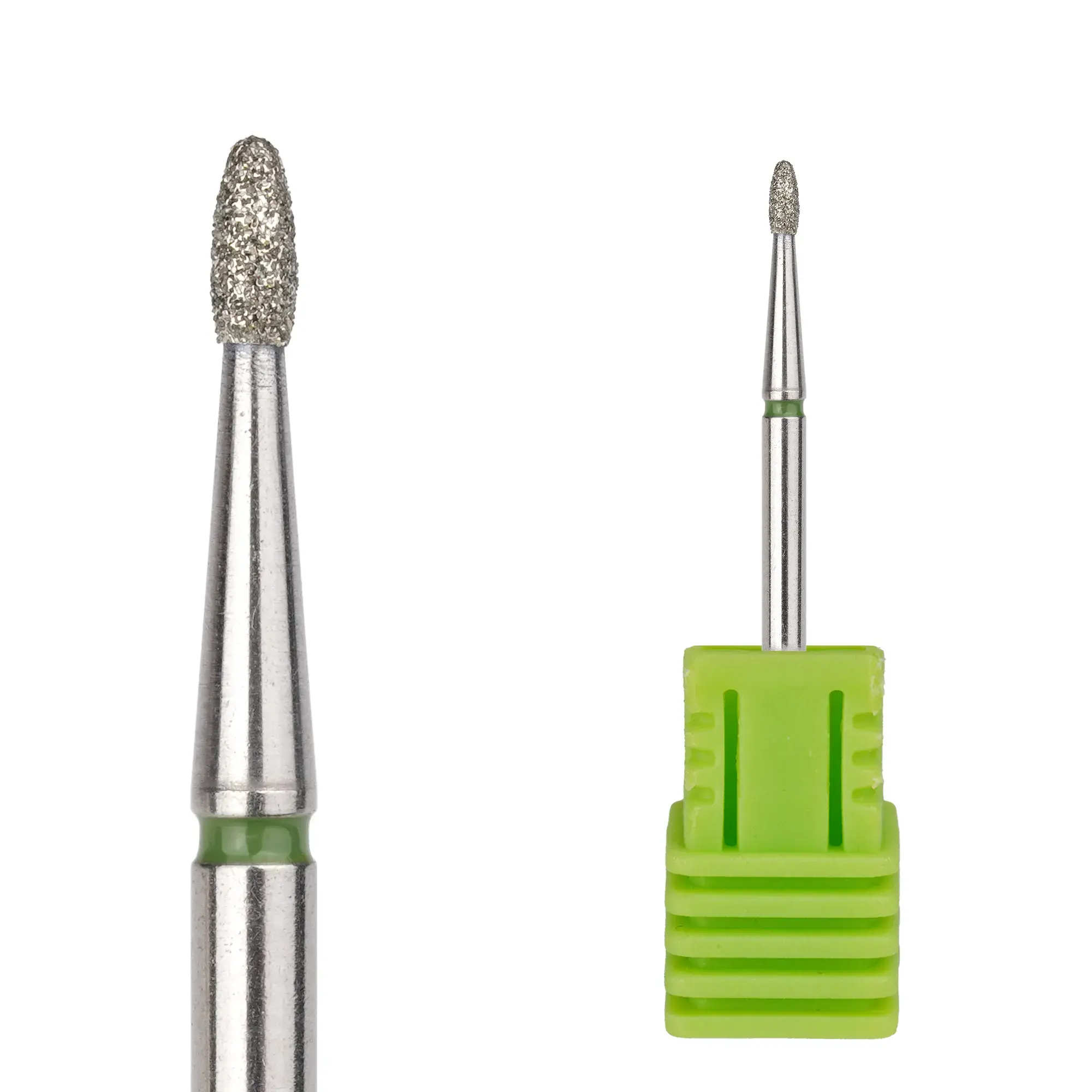
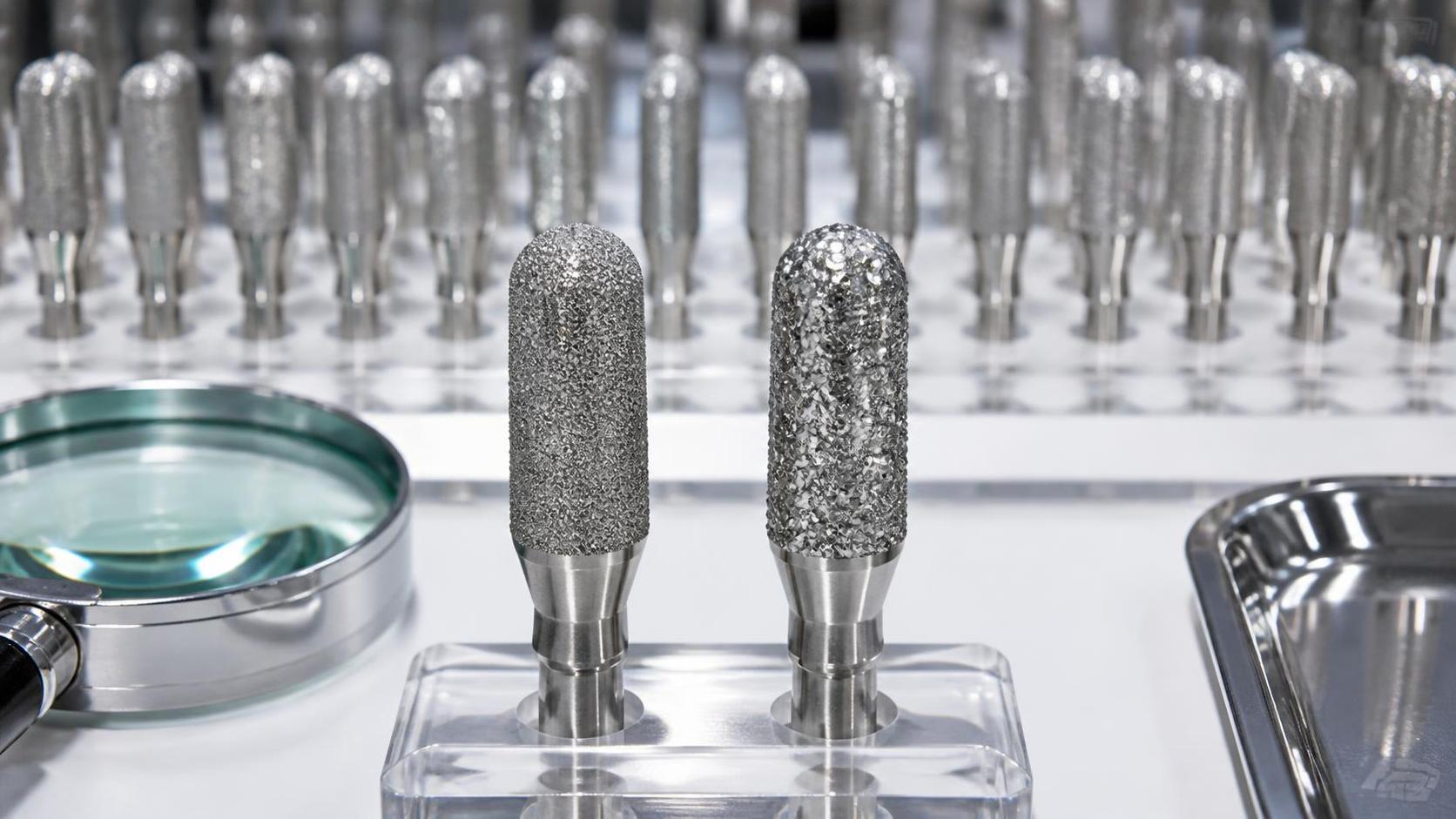
Diamond bits function through an abrasive surface rather than deep cutting flutes. They are widely used for prep and cuticle-zone detailing, including flame, needle, ball, and small cone shapes. A fine or medium diamond texture can help clean the eponychium area, remove non-living tissue, and prepare the plate for adhesion. In nail drill bit wholesale, diamond bits are important because salons and educators need multiple shapes for precise work, and distributors often sell them in large recurring volumes.
Ceramic bits are selected when buyers want a smoother cutting feel, lower perceived heat, and reduced dust adhesion on the bit surface. They are often used for gel removal and shaping, especially by technicians who prefer lighter handling characteristics. Sanding bands and caps add another layer to the system by providing disposable abrasion for hygiene-sensitive workflows. A balanced wholesale catalog usually combines all of these materials because no single bit type covers every salon task well.
Main Types, Shapes, And Grits Used In Bulk Buying
The most common wholesale classification starts with shape. Barrel bits are widely used for surface smoothing, shortening, and bulk removal on larger areas. Cone and tapered barrel bits provide more directional control for sidewalls and refined shaping. Needle and point styles are used for narrow zones and detail access, while flame bits remain a standard choice for cuticle work. Ball bits support finishing around lifted skin, and under-nail cleaners are designed for debris and underside refinement.
Grit rating is equally important in nail drill bit wholesale because it determines how aggressively the bit interacts with the service area. Common wholesale ranges include XF, F, M, C, and XC. Extra fine and fine grits are generally used for prep, finishing, and delicate control. Medium grit often bridges removal and smoothing. Coarse and extra coarse options are chosen for faster debulking of hard gel, acrylic, or heavy overlays. The best grit choice always depends on application, technician skill, and machine speed control.
Material and shape must be matched with grit rather than evaluated separately. For example, a coarse carbide barrel may be appropriate for reducing enhancement thickness, while a fine diamond flame is better for precise cuticle cleaning. A ceramic cone with medium grit may suit technicians who want efficient gel removal with a gentler cutting sensation. In practice, experienced buyers build a matrix of service use cases instead of ordering bits by appearance alone.
Yaqin’s product scope aligns with this professional logic by covering tungsten carbide, diamond, ceramic, sanding bands, sanding caps, and compatible machines, with multiple shapes and grit options. For distributors serving salons, that range makes it easier to assemble coherent assortments instead of mixing unrelated sources. It also supports OEM or private-label programs where packaging, labeling, and assortment planning must remain consistent across multiple SKUs.
Who Buys Nail Drill Bit Wholesale And Which Applications Matter Most
The main buyers of nail drill bit wholesale are importers, beauty distributors, salon chains, academy operators, private-label brands, and large independent e-commerce sellers. Their commercial goals differ, but they all need repeatable quality and predictable product behavior. A distributor may focus on broad category coverage and resale packaging, while a salon group may focus on service efficiency, technician training, and replacement cycles for core bits used every day.
Application demand typically centers on gel removal, acrylic reduction, cuticle cleaning, nail shaping, surface refining, and natural nail preparation. High-frequency salons often buy fast-removal carbide bits and cuticle diamond bits in parallel because these two service stages generate regular consumption and technician feedback. Disposable sanding bands and caps are also important where hygiene protocols and quick turnaround matter, especially in training environments and multi-chair operations.
Customer cases illustrate how application mix changes by market. Professional salon chains in the United States and Russia have sourced 5-in-1 tungsten steel grinding heads and diamond pre-treatment bits for gel removal, cuticle cleaning, and nail shaping in high-frequency dry polishing services. This shows that buyers in mature salon markets value productivity and specialized performance rather than generic mixed bundles.
In Europe, distributors in Germany, the UK, and Italy have sourced sanding rings, ceramic grinding heads, and nail machine sets to supply local small and medium-sized salons as well as independent nail technicians, including customized packaging and branding. In the Dominican Republic, ORIENTAL NAILS & BEAUTY sourced rainbow-coated diamond grinding heads, nail lamps, and related products for both retail and in-salon use. These examples show that nail drill bit wholesale supports not only salon service, but also channel branding and regional assortment strategy.
How To Select The Right Wholesale Assortment
A strong buying process starts by mapping product to service menu. If your customer base performs a large share of gel polish removal and cuticle prep, the assortment should prioritize fine and medium diamond bits, ceramic removers, and selected carbide finishing shapes. If acrylic extensions or hard-gel overlays are common, the range should expand toward coarse and extra coarse carbide options. Buying without application mapping often leads to dead stock and uneven reorder rates.
The second step is to confirm technical compatibility. Standard shank fit, stable concentricity, and machine suitability affect safety and performance. Buyers should review surface finish, flute sharpness or abrasive consistency, edge smoothness, coating adhesion where applicable, and pack labeling accuracy. For nail drill bit wholesale, even small dimensional inconsistencies can become a large operational issue once stock is distributed across many salons or reseller accounts.
The third step is assortment structure. A practical range often includes a hero SKU group for recurring volume, a specialist group for advanced technicians, and a value group for training or entry-level resale. This tiering makes it easier to balance conversion and margin. It also creates a clearer reorder pattern, because the buyer can track which bits are routine consumables and which are technical add-ons.
Customization becomes important when wholesale buyers need private-label growth. Yaqin offers OEM, ODM, private label, and custom packaging support, which helps distributors create a more differentiated line without building manufacturing capability internally. For buyers comparing supply options, this matters because packaging consistency, barcode management, and brand presentation can be as important as bit performance when selling through retail, online, or professional distributor channels.
Manufacturing Process, Quality Control, And Commercial Reliability
In nail drill bit wholesale, manufacturing discipline has a direct commercial impact. For carbide bits, production quality is reflected in raw material grade, machining precision, flute geometry, balance, and finishing. For diamond bits, abrasive distribution, bonding quality, and substrate consistency determine how evenly the bit performs over time. For ceramic bits, material density, edge formation, and heat behavior influence both user feel and lifespan. These factors are not always visible in catalog photos, but they strongly affect reorder confidence.
A sound production flow usually includes raw material inspection, machining or forming, surface treatment or abrasive application, dimensional checks, cleaning, final inspection, and packing control. In B2B supply, traceability and inspection discipline matter because buyers need uniformity across production lots. A bit that performs well in a sample order but changes in a repeat batch creates friction across salon clients, educators, and distributors who expect stable results.
Yaqin’s stated strengths include high-quality tungsten carbide, diamond, and ceramic materials, a full range of shapes and grits, and a strict QC system with inspection from raw material to packing. The company also cites ISO9001:2000 quality management system certification and factory-direct supply. For buyers, these points are relevant because wholesale success depends on consistent output, not only on initial product appearance or low entry pricing.
Commercial reliability also includes supply continuity, communication speed, and the ability to support mixed orders. One of the common challenges in nail drill bit wholesale is maintaining stable replenishment when salons reorder their fast-moving SKUs. A manufacturer with broad in-house category coverage can simplify procurement by reducing supplier fragmentation, especially when the buyer also needs sanding bands, caps, or drill machines in the same sourcing cycle.
Industry Standards, Salon Safety, And Global Market Expectations
Although nail drill bits are used in beauty services rather than heavy industry, professional buyers still expect clear manufacturing consistency and safe functional design. In practical terms, this means correct shank dimensions, secure assembly, controlled abrasiveness, and packaging that reduces mix-ups during professional use. Buyers serving developed markets also look for clean labeling, stable SKU coding, and documentation that supports import, distribution, and organized warehouse handling.
Salon safety depends heavily on appropriate bit selection and correct technician handling. Coarse removal bits should be reserved for enhancement material rather than natural nail surfaces, while delicate prep and cuticle work should rely on finer textures and controlled speed. Heat buildup, overfiling, and unnecessary friction usually result from mismatch between bit type and procedure rather than from one single product factor. That is why professional education remains part of successful wholesale deployment.
In application-oriented wholesale programs, recommended core products often include carbide barrel or 5-in-1 bits for removal, diamond flame bits for prep, needle bits for detail access, and sanding bands for quick disposable abrasion. The referenced Russian pre-processing diamond flame bit type illustrates a typical salon need: precise cuticle cleaning with a narrow working area. This kind of shape is especially relevant for buyers building assortments for e-file manicure, dry prep, and professional detailing services.
Yaqin’s export experience across 42 countries, including the USA, Russia, Germany, the UK, Italy, Poland, and Canada, suggests familiarity with different market preferences and distributor requirements. For wholesale buyers, this is useful not because it guarantees a universal fit, but because it indicates exposure to varied salon practices, packaging expectations, and recurring product demand across multiple regions.
Cost Structure, Total Ownership, And ROI For Buyers
When evaluating nail drill bit wholesale, the real cost is broader than the quoted unit price. Total ownership includes bit lifespan, replacement frequency, productivity impact, return rate, packaging suitability, freight efficiency, and the hidden cost of inconsistent quality. A cheaper bit that wears quickly or cuts unevenly may increase technician time, create user complaints, and reduce reorder confidence. Over time, these indirect costs can outweigh a small upfront saving.
For salons, ROI comes from service speed, better finish quality, and reduced workflow interruption. A well-matched carbide bit can shorten bulk removal time, while a stable diamond prep bit can improve consistency in delicate zones. For distributors, ROI comes from repeatable sell-through, fewer claims, and better SKU planning. Private-label buyers also gain value when a supplier can coordinate product, packaging, and visual identity in one program rather than across several factories.
Factory-direct sourcing can improve cost control when supported by stable quality systems. Yaqin positions itself on this basis, emphasizing no middlemen, competitive wholesale pricing, and stable supply. For a professional buyer, this should be assessed alongside minimum order structure, mix-order flexibility, lead time predictability, and whether the supplier can maintain quality consistency over repeat runs. Good wholesale economics come from the full supply equation, not just the first quotation.
A practical sourcing method is to compare suppliers using a weighted matrix that includes material quality, service-life expectations, shape and grit coverage, quality control transparency, packaging options, and commercial responsiveness. This framework helps buyers identify the most suitable nail drill bit wholesale partner for their channel model, whether they sell to premium salons, training schools, regional distributors, or price-sensitive everyday users.
Future Trends Through 2026 And Beyond
The nail drill bit wholesale market is moving toward more application-specific assortments. Instead of generic packs, buyers increasingly want curated combinations for gel removal, Russian-style cuticle prep, salon shaping, and finishing. This trend favors suppliers that can offer detailed shape and grit coverage with consistent production. It also increases the importance of educational content, because technicians want clearer guidance on when to use each bit type.
Another trend is the continued rise of private label and localized branding. Distributors and emerging beauty brands want packaging that fits their market language, visual identity, and channel strategy. OEM and ODM support therefore becomes more valuable in nail drill bit wholesale, especially for buyers who want to build stronger retail presentation without investing in their own manufacturing base. Category bundling with machines, bits, and abrasives is also becoming more common.
Material innovation will likely focus on durability, smoother cutting feel, lower perceived heat, and cleaner debris release. In practical terms, this means continued demand for refined carbide flute designs, stable diamond bonding, ceramic options for specialized removal preferences, and disposable abrasive solutions for hygiene-conscious workflows. Buyers should expect more emphasis on balanced assortments rather than one-material solutions.
For companies planning long-term sourcing, the best strategy is to treat nail drill bit wholesale as a technical category with branding value, not as a simple accessory purchase. Suppliers such as Yaqin that combine category breadth, quality control discipline, factory-direct supply, and customization support are well positioned for buyers that need dependable replenishment and differentiated market presentation. In 2026, competitive advantage will come from matching the right bit system to the right salon workflow and sales channel.
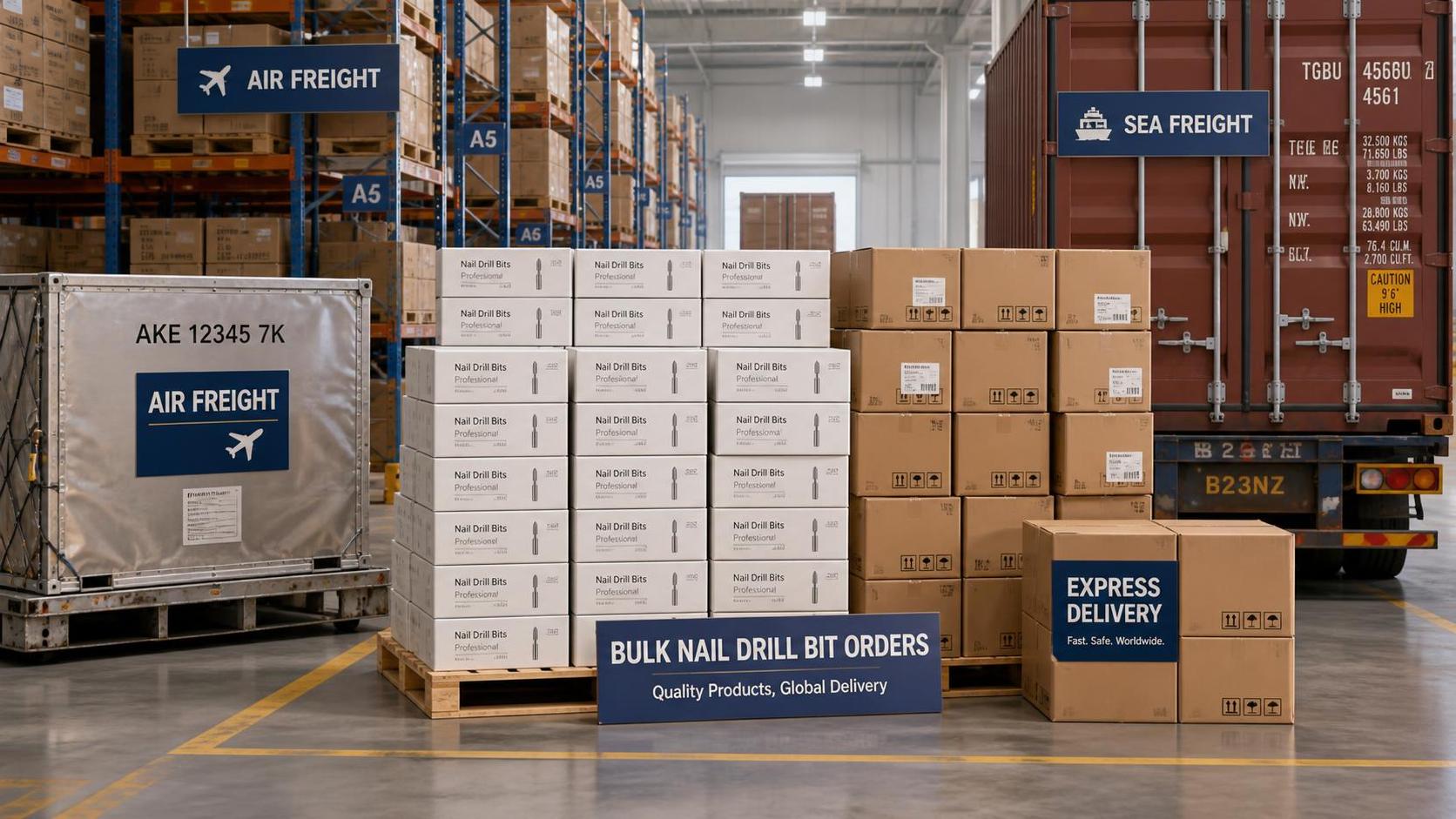
 What Shipping Options Are Available for Bulk Nail Drill Bit Orders?What shipping options for bulk nail drill bit orders work best? Compare air, sea, express, and multimodal freight to reduce cost, avoid delays, and protect inventory.
 Is It Better to Source All Nail Drill Bits From One Factory?Is it better to source all nail bits from one factory? Discover the key benefits, risks, and buyer checklist to improve quality control, cut costs, and scale your nail brand with confidence.
 Essential Tools for Manicures: What to Buy First for Clean, Consistent ResultsEssential tools for manicures explained: discover the first 6–8 must-have items for cleaner shaping, safer cuticle care, and longer-lasting home manicure results.
 How to Spot Fake Diamond Coating on Nail Drill BitsHow to spot fake diamond coating on nail drill bits: learn the key signs of poor grit, fast wear, and weak performance before you buy. Avoid low-quality bits and choose reliable suppliers with confidence.
 Russian Pre-Processing Diamond Grinding Head Nail Bit Cuticle Clean ToolIntroducing our Master-Level Pre-Treatment Grinding Heads, crafted with high-quality diamond grit to meet the needs of professional nail technicians. These indispensable nail care tools are designed for precision and effectiveness, ensuring a flawless manicure experience every time.
 2*8mm Flame Bit Diamond Nail Drill Bits Stainless Steel Cuticle Remover BurrHigh-Performance Grinding Heads – Versatile Nail Preparation Tools for Professional and At-Home Use
Our High-Performance Grinding Heads , designed for both Russian and Japanese manicure techniques. Achieve salon-quality results with our affordable and high-quality products that cater to every nail technician’s needs. Wholesale 5 in 1 Electric Manicure Nail Drill Bits Various Coating Cone Cuticle Bit with Rotary Cross Cut for Nail ArtAchieve salon-quality nail care with our Tungsten Steel Nail Drill Bit, specially designed for efficient nail polish removal and nail preparation. This versatile, high-performance tool is perfect for professional nail technicians and DIY enthusiasts alike.
 First-rate Quality Tungsten Carbide Nail Drill Bits Best Coating Manicure Remove Gel Nails AccessoriesUpgrade your nail care routine with our versatile Tungsten Steel Nail Drill Bit. Designed for use with electric nail drills, this innovative tool is perfect for filing nails, removing dead skin, and tackling gel polish with ease.
Please give us a message